

How Warehouse Technology Is Shaping the Future of Logistics
Table of Contents
Introduction
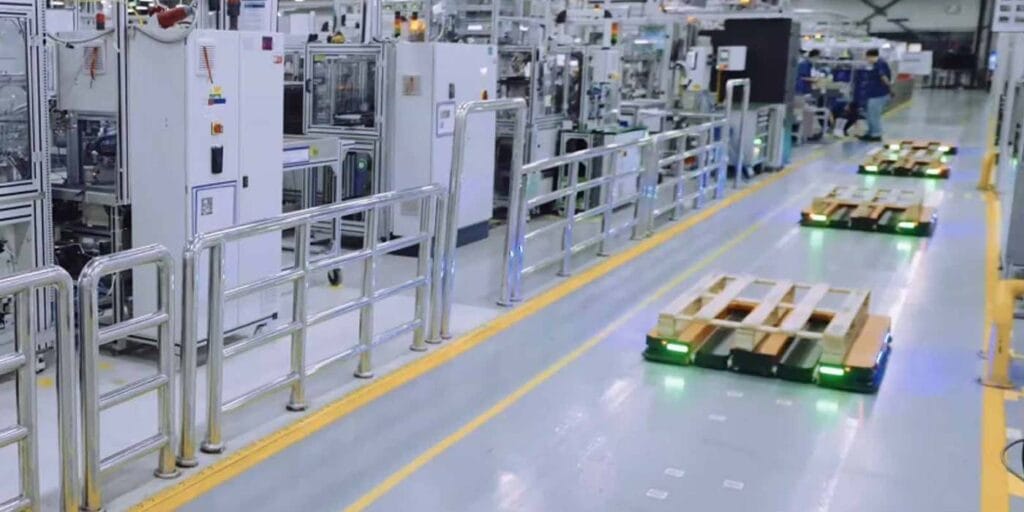
Warehouse systems technology is rapidly transforming the logistics and supply chain industry. From automation systems to AI-driven software, modern warehouses are becoming more efficient, accurate, and scalable. As global demand for faster delivery and higher accuracy increases, warehouse systems technology plays a critical role in helping businesses stay competitive and responsive.
According to logistics industry research, companies adopting advanced warehouse systems technology can improve operational efficiency by up to 40% while significantly reducing order errors and labor costs.
What Is Warehouse Technology?
Warehouse systems technology refers to the tools, systems, and software used to improve warehouse operations. This includes automation equipment, robotics, data management systems, and digital tracking tools that streamline processes such as storage, picking, packing, and shipping.
The goal of warehouse systems technology is to increase efficiency, reduce manual work, and improve overall supply chain visibility.
Key Types of Warehouse Technology
Modern warehouse operations rely on several core technologies:
- Warehouse Management Systems (WMS): Software that tracks inventory and manages workflows
- Automation Systems: Conveyors, sorting systems, and automated storage solutions
- Robotics: AMRs, robotic arms, and automated forklifts
- RFID and Barcode Systems: Real-time tracking of inventory
- IoT Sensors: Provide real-time environmental and operational data
How Warehouse Technology Improves Efficiency
Warehouse systems technology delivers major performance improvements:
- Faster order processing through automation
- Reduced human error in picking and inventory tracking
- Real-time visibility of stock levels
- Optimized storage space utilization
- Improved coordination across supply chain operations
These improvements help warehouses handle higher volumes with greater accuracy and speed.
Warehouse Technology Comparison Table
| Technology Type | Efficiency Impact | Primary Function | Best Application |
|---|---|---|---|
| WMS Software | High | Inventory & workflow control | All warehouse types |
| Robotics Systems | Very High | Automation of physical tasks | Large-scale operations |
| IoT Sensors | Medium-High | Real-time monitoring | Smart warehouses |
| RFID Systems | High | Tracking & identification | Inventory management |
| Automation Equipment | High | Material movement | High-volume logistics |
Benefits of Warehouse Technology
- Increased productivity: Automation reduces manual workload
- Improved accuracy: Real-time data reduces errors
- Lower operational costs: Efficient processes reduce labor and waste
- Better scalability: Systems adapt to growing demand
- Enhanced safety: Reduced manual handling lowers injury risks
Challenges in Adopting Warehouse Technology
Despite its advantages, implementation may involve challenges:
- High initial investment costs
- Integration with existing systems
- Training requirements for staff
- Maintenance and technical support needs
Proper planning and phased implementation can help overcome these challenges effectively.
Best Practices for Implementing Warehouse Technology
- Start with a clear digital transformation strategy
- Choose scalable and compatible systems
- Train employees on new tools and processes
- Monitor performance metrics continuously
- Work with experienced technology providers
Future Trends in Warehouse Technology
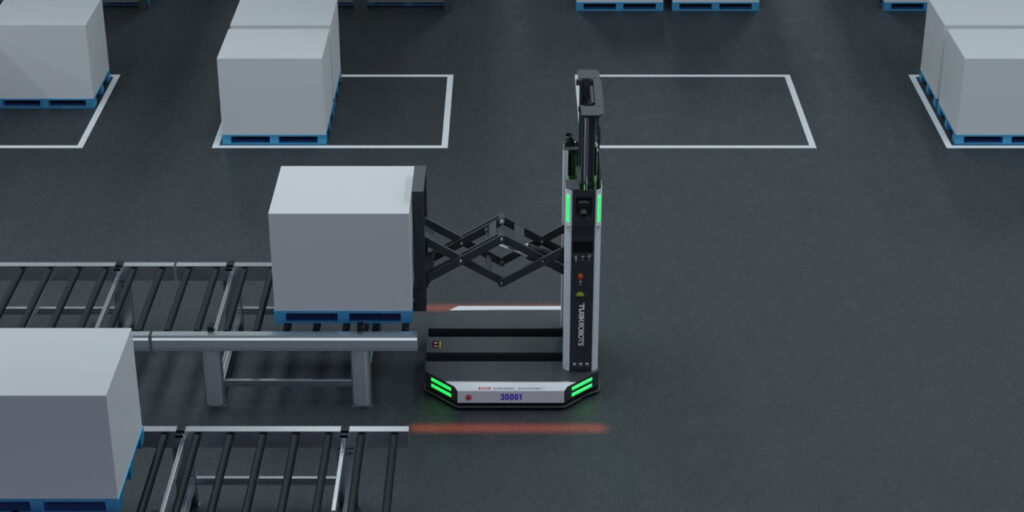
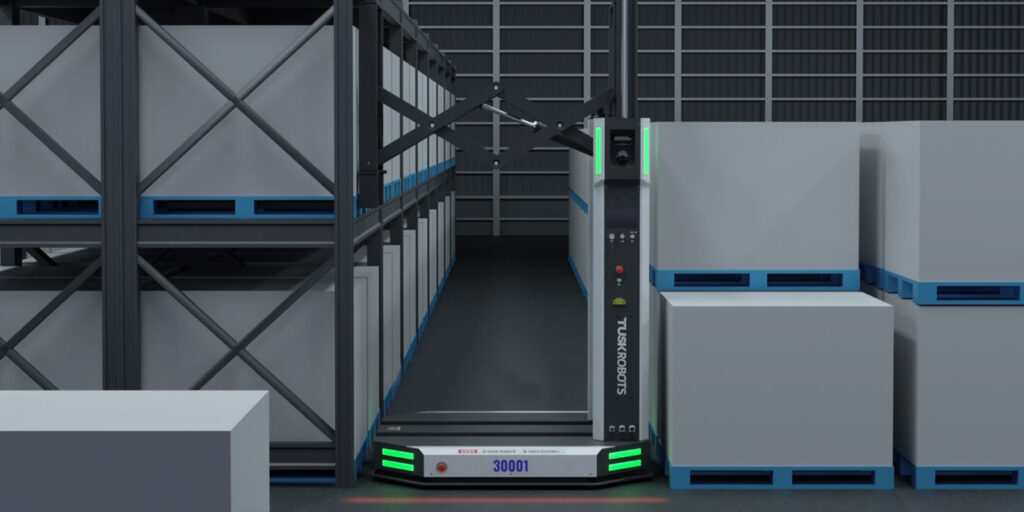
The future of warehouse systems technology is driven by innovation:
- AI-powered predictive logistics
- Fully automated smart warehouses
- Increased use of robotics and autonomous systems
- Real-time supply chain visibility through IoT
- Cloud-based warehouse control systems
These advancements will continue to redefine how warehouses operate globally.
Conclusion
Warehouse systems technology is no longer optional—it is essential for modern logistics success. By adopting automation, robotics, and intelligent software systems, businesses can significantly improve efficiency, accuracy, and scalability. As technology continues to evolve, warehouses that embrace innovation will gain a strong competitive advantage in the global supply chain.
FAQ
What is warehouse technology?
Warehouse systems technology refers to systems, tools, and automation solutions designed to improve storage, picking, packing, and distribution processes. It integrates hardware and software to streamline warehouse operations, enhance accuracy, and support real-time inventory visibility across supply chains.
Why is warehouse systems technology important?
It is important because it increases operational efficiency, reduces human errors, improves workplace safety, and enables better inventory control. By optimizing workflows and automating repetitive tasks, businesses can achieve faster order fulfillment and more reliable logistics performance.
What are examples of warehouse systems technology?
Common examples include Warehouse Management Systems (WMS), robotics, IoT sensors, RFID tracking systems, automated storage and retrieval systems (AS/RS), and conveyor automation, all of which work together to improve warehouse productivity and accuracy.
How does warehouse systems technology improve efficiency?
It improves efficiency by automating manual tasks, providing real-time data insights, optimizing space utilization, and reducing processing delays. These technologies help warehouses operate faster, with fewer errors and better coordination across all logistics activities.
Is warehouse systems technology expensive to implement?
Initial investment can be significant due to equipment and system integration costs. However, long-term benefits such as reduced labor expenses, improved accuracy, higher throughput, and lower operational waste typically outweigh the upfront costs over time.
Need Help Choosing the Right Warehouse Technology Solution?
If you’re unsure which warehouse technology best fits your operations, our experts are here to help. Contact us today for a tailored consultation and discover how to improve efficiency, reduce costs, and upgrade your logistics performance. Don’t wait—transform your warehouse operations today!
Latest post

Contact Info
2nd Floor, Xingzhongchuang Xiabei High-tech Industry Center A1, Nanhai District, Foshan, China
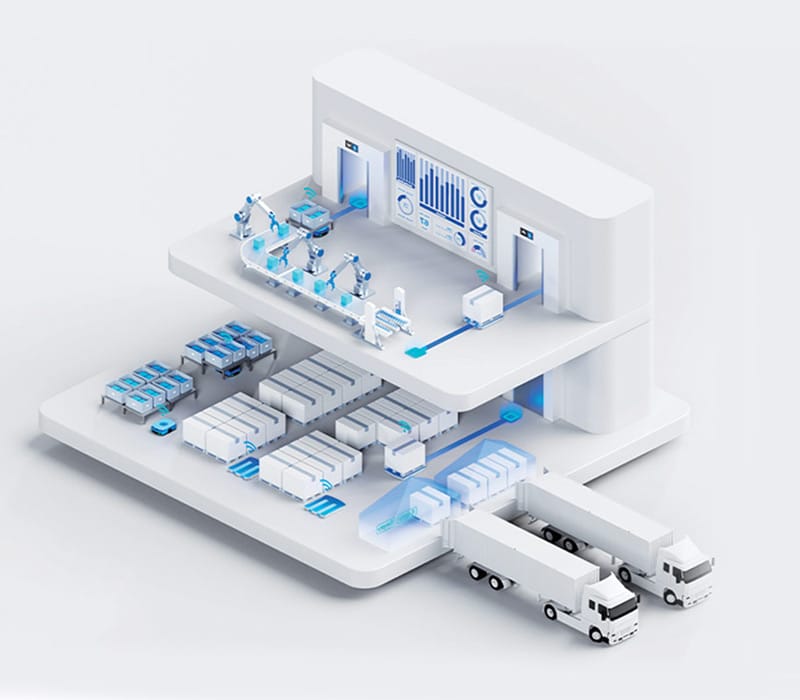
Full-stack intelligent logistics management and control system
It connects the entire "system - platform - hardware" chain, is compatible with mainstream industrial systems, and links intelligent hardware to achieve intelligent management and efficiency upgrades for the entire logistics process.
WHAT FITS:
Building core competitiveness in mobile management
01.
Custom Data Dashboard
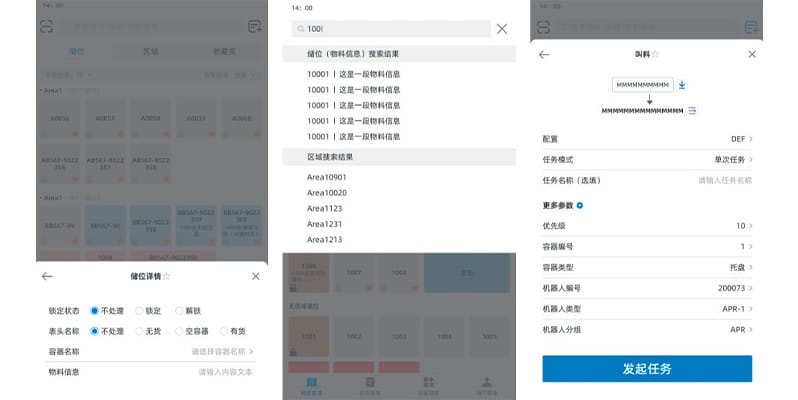
Building core competitiveness in mobile management
02.
Personalized User Management
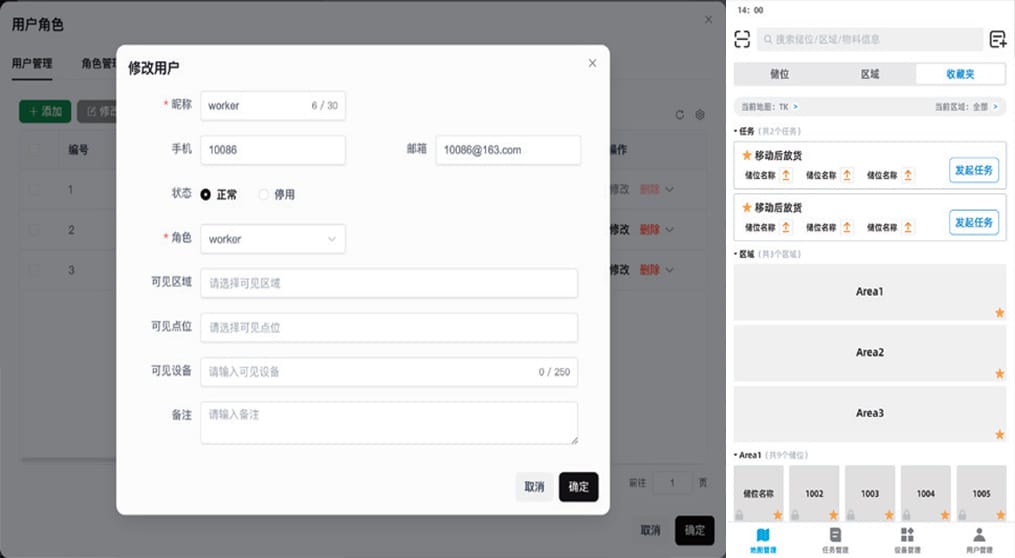
Building core competitiveness in mobile management
03.
Personalized Alarm Push
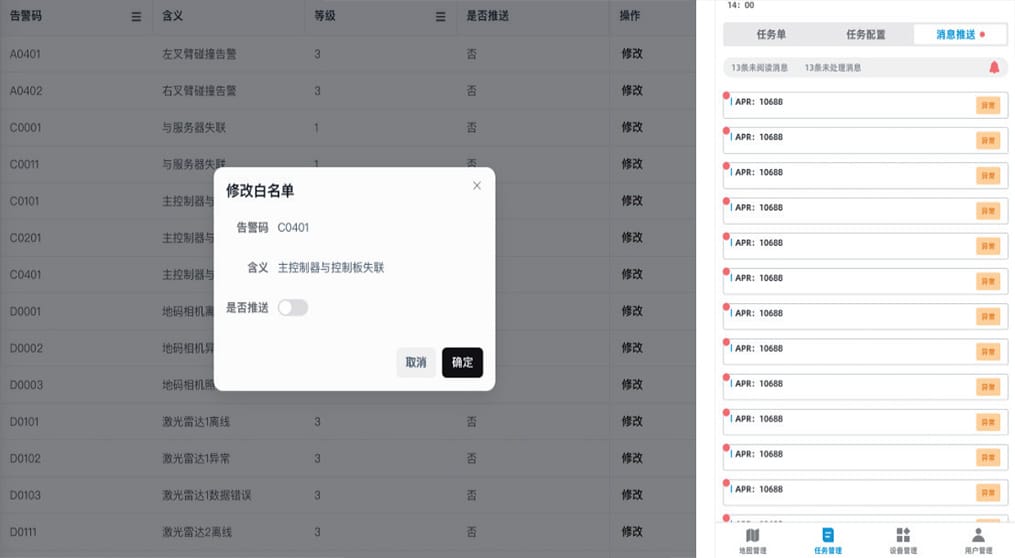
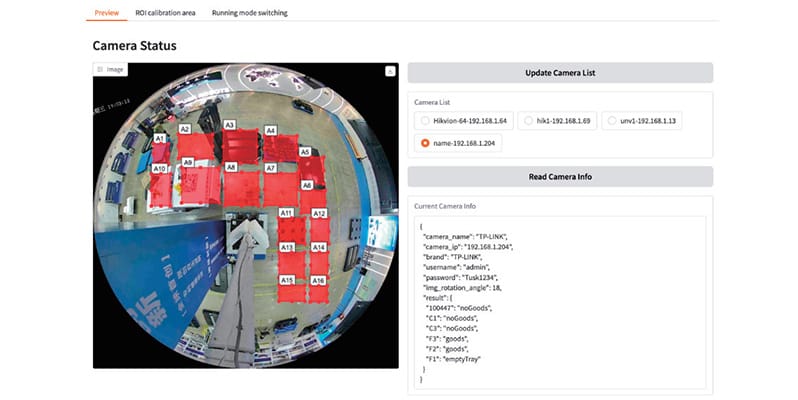
Leading the revolution in intelligent
warehouse location management
01.
Real-time storage location automatic trigger task

Leading the revolution in intelligent
warehouse location management
02.
Visual configuration interface
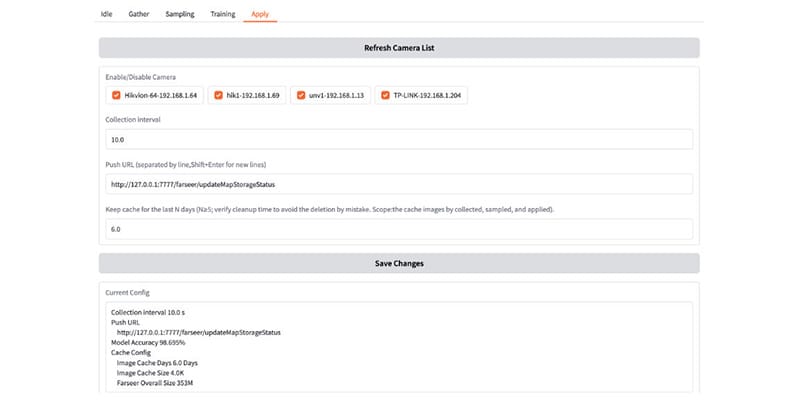
Leading the revolution in intelligent warehouse location management
03.
Custom Configuration
Lothar Intelligent Management Platform Building a Central System for Smart Factories
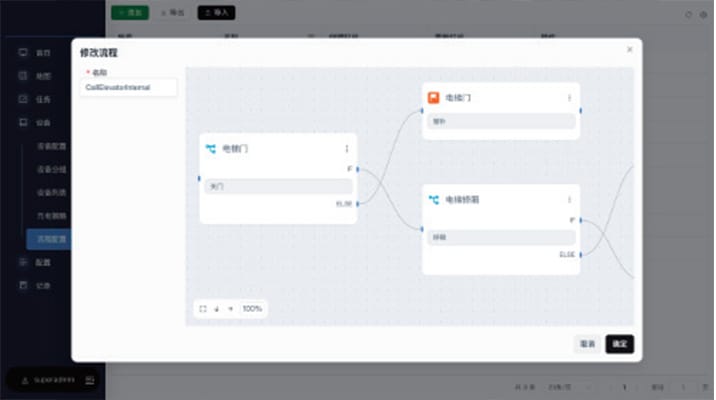
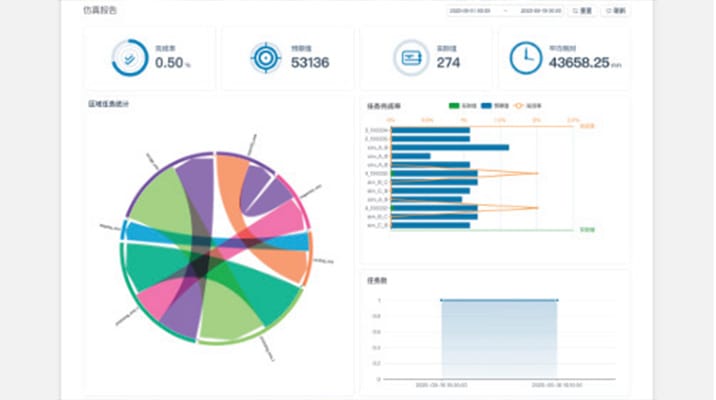
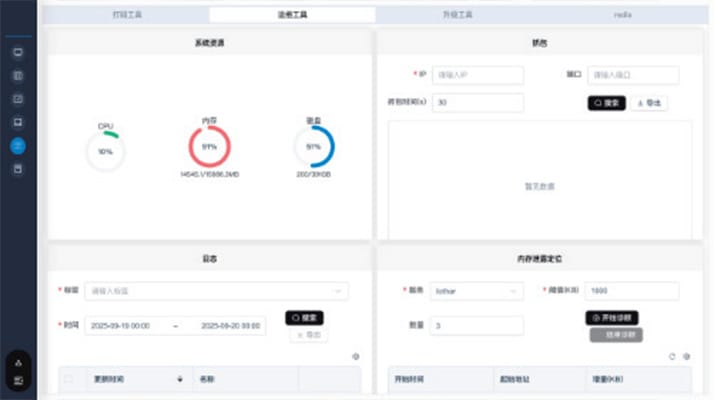
Lothar, the intelligent management platform from Taskar, serves as the digital hub for smart factories. It features customizable data dashboards, full-dimensional map visualization, graphical task and equipment workflows, simulation capabilities, AI-powered operation and maintenance, open multi-protocol interfaces, and OTA upgrade support, empowering digital management of factories throughout their entire lifecycle.
Map Management
Configuration Management
Access Management
Task Management
Historical records
Equipment Management
Simulation
Data dashboard
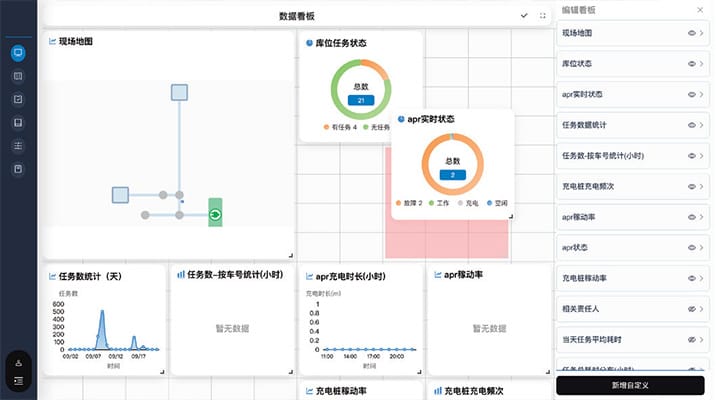
01.
Custom Data Dashboard
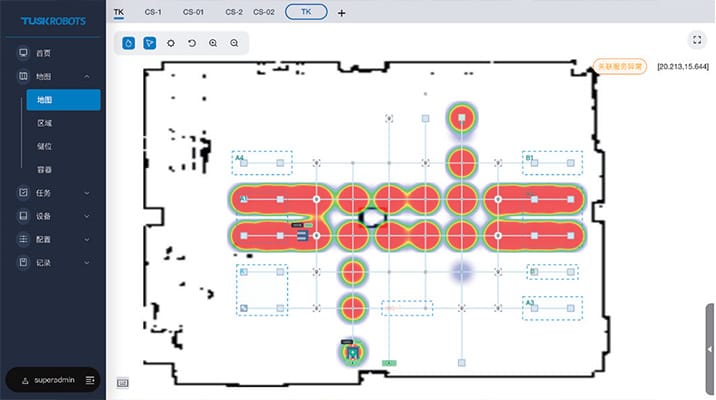
02.
Map visualization
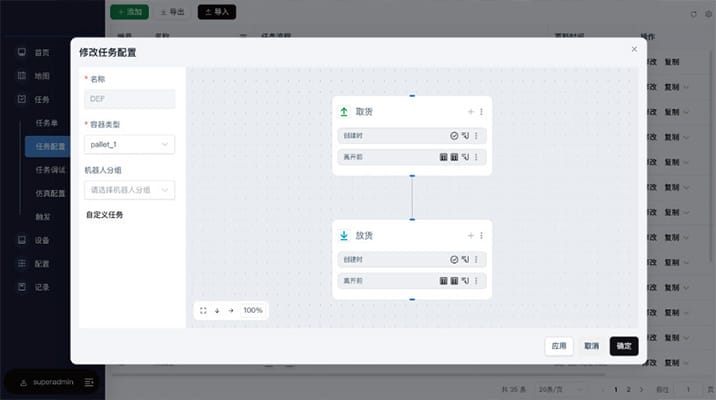
03.
Graphical construction task
04.
Graphical device configuration process
05.
Simulation visualization
06.
O&M Visualization
Trust Witnessing in Smart Factory Automation
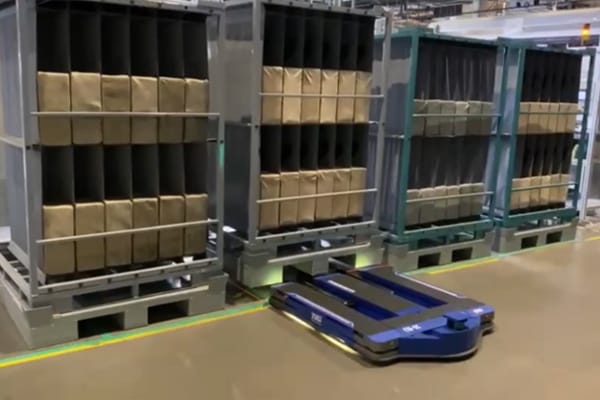
Electronics Industry
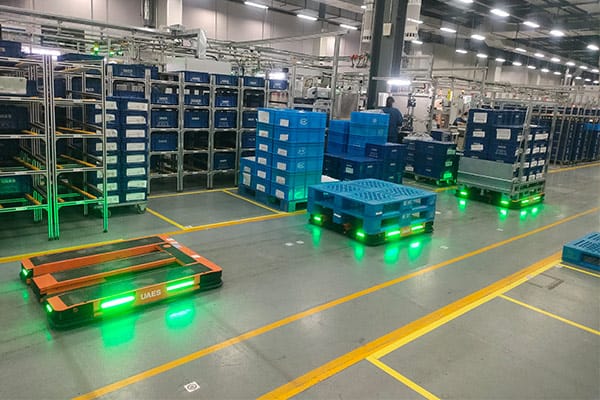
The automotive electronics trend makes digital pallet robots the preferred choice for in-plant logistics.
Solution
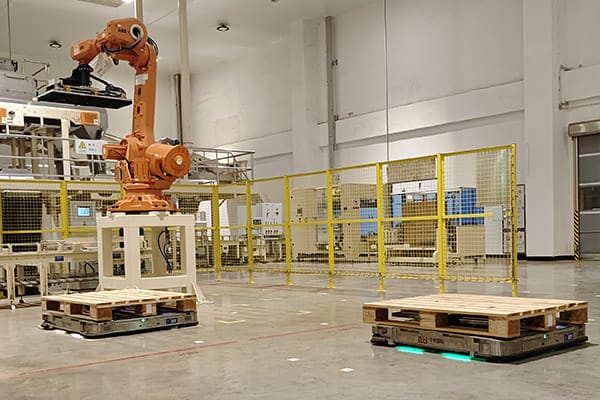
Auto Parts Industry
Rising demand for automotive interiors propels suppliers to new heights of development.
Solution
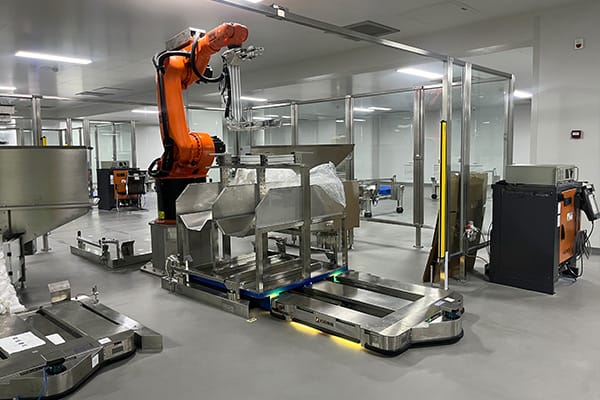
Tobacco Industry
A backbone of China's tobacco industry, with over forty years of history.
Solution
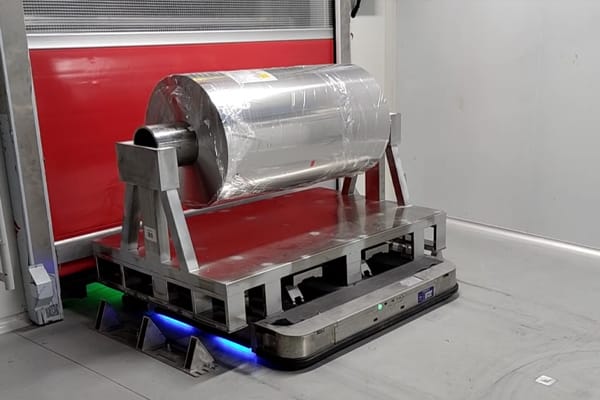
Pharmaceutical Industry
The pharmaceutical industry needs automation due to GMP requirements.
Solution
New Energy Industry
New energy lithium battery production capacity increases, automation is key.
Solution
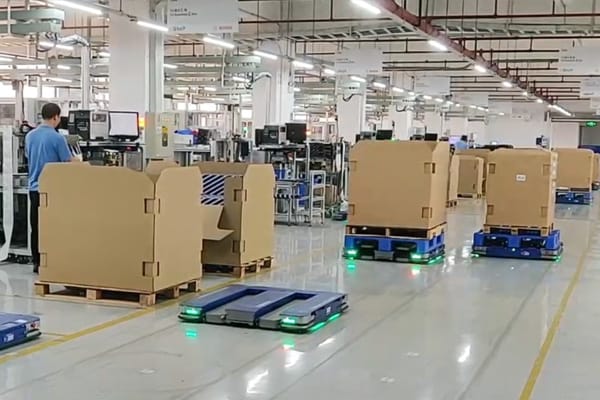
Manufacturing Industry
A globally renowned manufacturer of wiper parts, with a factory of 30,000 square meters.
Solution
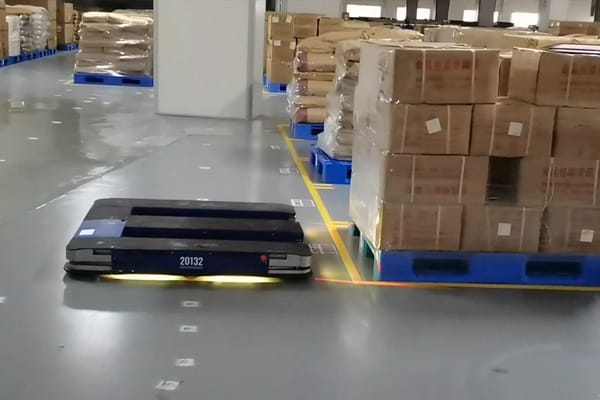
Food Industry
Positioned as a high-quality chain bakery brand, with a modern industrial park of over 60,000 square meters.
Solution
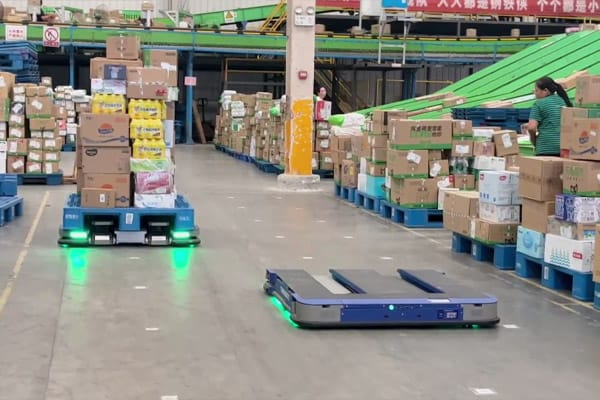
Logistics Industry
South China Logistics and Distribution Center of a Major Domestic E-commerce Company
Solution
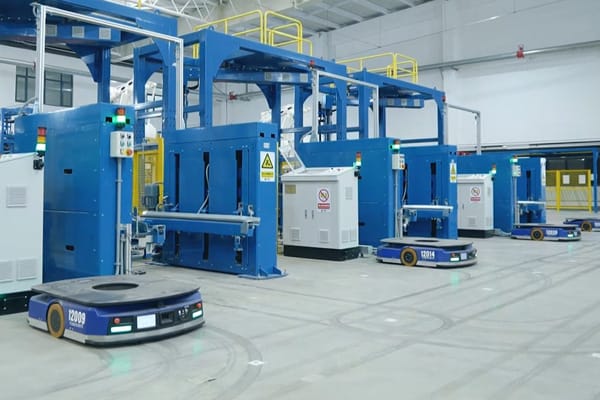
Paper Industry
The group is a leading enterprise in the domestic household paper and maternal and child hygiene products industry.
Solution
Smart Factory Automation Trust
Explore more industry automation transformation paths; click to unlock customized solutions.
Smart Device Project Implementation
Implementation Preparation
Robot/charging station parts inventory: on-site inspection of wiring, access control, network, and power supply.
Project on-site implementation
Line marking and coding, map creation and permission setting, software and hardware debugging / robot test run
Launch and Support
User training / Deployment and trial run, manual / maintenance training, acceptance signing, after-sales support