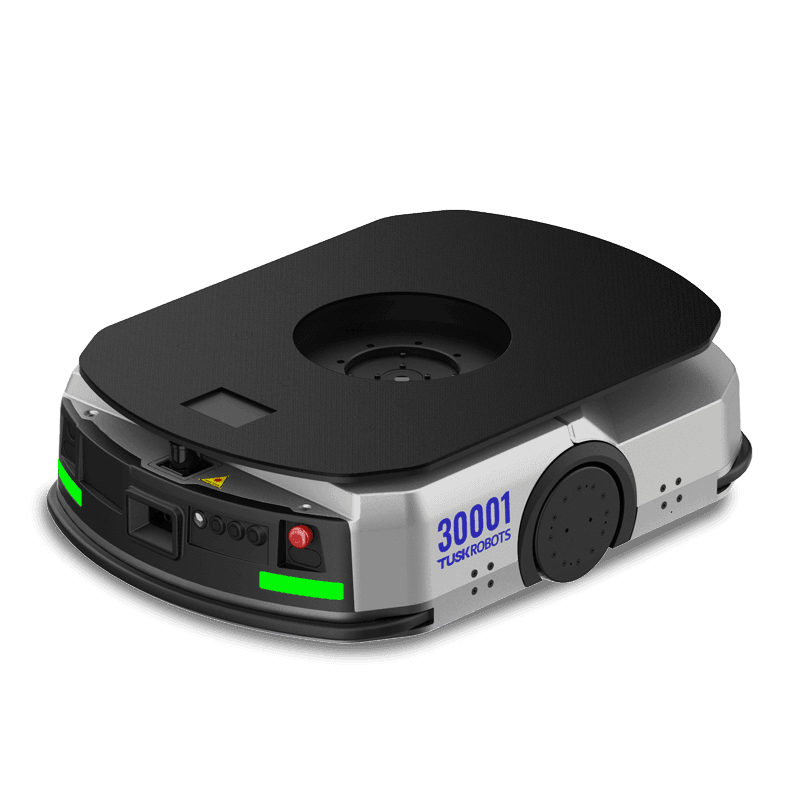

How Does a Pallet Lift Work? A Complete Guide

Table of Contents
Introduction
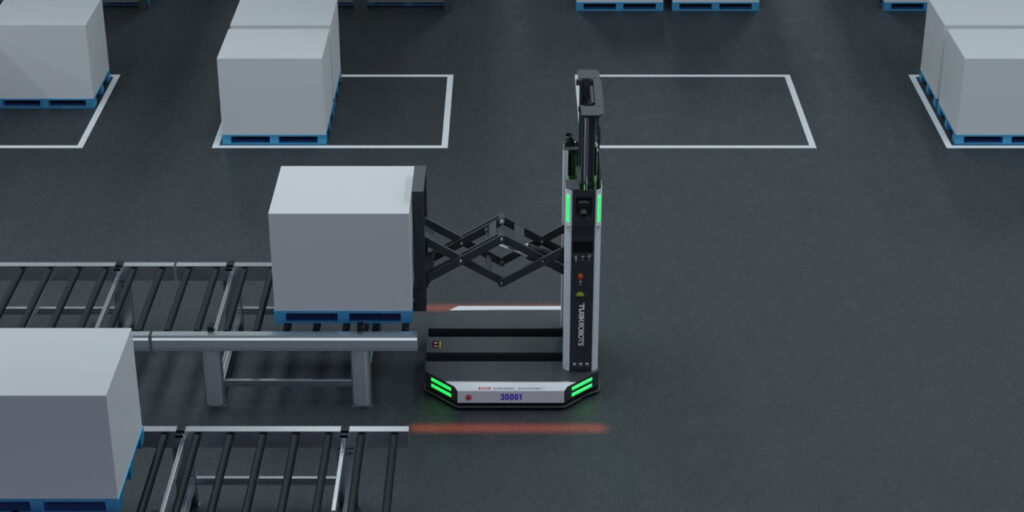
A pallet handling lift is an essential tool in warehouses, factories, and industrial environments. It allows workers to move heavy loads efficiently, reducing the risk of injury and improving productivity. Essentially, a pallet handling lift is designed to lift, lower, and transport pallets loaded with goods. Unlike traditional pallet jacks, pallet lifts can handle heavier weights and often allow precise height adjustments for stacking and storage.
The benefits of using a pallet handling lift extend beyond simply moving goods. They help minimize physical strain on workers, improve workflow efficiency, and reduce damage to inventory. For businesses managing multiple pallets daily, investing in the right pallet handling lift can save both time and operational costs.
Types of Pallet Lifts
Pallet handling lifts are not one-size-fits-all. Selecting the appropriate type depends on your operation’s scale, load requirements, and frequency of use. The main types include:
- Manual Pallet Lifts: Operated by hand, ideal for small warehouses or low-frequency tasks. These are cost-effective and simple but require physical effort.
- Hydraulic Pallet Lifts: Utilize hydraulic systems to lift heavier loads with minimal effort. They are perfect for medium to large operations where efficiency is key.
- Electric Pallet Lifts: Powered lifts that offer speed, precision, and reduced labor. These are suitable for high-volume warehouses or environments requiring frequent pallet movement.
| Pallet Lift Type | Typical Load Capacity | Ideal Use Case | Advantages |
|---|---|---|---|
| Manual | 1,000–2,500 lbs | Small warehouses, occasional lifting | Low cost, easy to use, no electricity needed |
| Hydraulic | 2,000–5,500 lbs | Medium warehouses, regular lifting | Reduced effort, smooth operation, versatile |
| Electric | 2,500–6,000 lbs | Large warehouses, high-volume operations | Fast, precise, less physical strain, programmable functions |
This table shows a quick comparison to help you evaluate which pallet lift best fits your needs.
How a Pallet Lift Works
Understanding the mechanics behind a pallet handling lift helps you use it safely and efficiently. At its core, a pallet handling lift operates through a combination of forks, hydraulic cylinders, and a lifting platform.
Manual lifts rely on a pump handle that activates the hydraulic system, raising the forks. Electric lifts use battery-powered motors to drive the hydraulic system or lifting mechanism. The load is placed on the forks, and the operator controls the lift height to safely transport the pallet.
Load capacity is a crucial consideration. Overloading a pallet handling lift can damage the equipment and create safety hazards. Most modern lifts include weight capacity labels and safety mechanisms to prevent misuse.
Choosing the Right Pallet Lift for Your Needs
Selecting the correct pallet handling lift requires assessing several factors:
- Warehouse Size and Layout: Compact spaces may benefit from smaller or portable lifts.
- Load Weight and Frequency: Consider how often and how much weight will be lifted daily.
- Manual vs. Hydraulic vs. Electric: Manual lifts suit occasional, low-weight tasks. Hydraulic lifts are great for medium workloads. Electric lifts are ideal for high-volume operations.
- Budget and ROI: While electric lifts have higher upfront costs, they often pay off through labor savings and increased efficiency.
When deciding, also examine brand reputation, warranty coverage, and after-sales support. Reliable pallet handling lifts come with clear technical specifications, ensuring safety and longevity.
Operating a Pallet Lift Safely
Safety is paramount when using a pallet handling lift. Follow these steps to operate your lift properly:
- Inspect the pallet handling lift before each use to check for damage or leaks.
- Ensure the load is centered on the forks to maintain balance.
- Do not exceed the rated load capacity of the lift.
- Move at a controlled speed and avoid sharp turns to prevent tipping.
- Always use ramps or lifts designed for inclined surfaces if needed.
Common hazards include tipping loads, crushed fingers, and strain injuries. Training employees on proper lifting techniques and safety protocols significantly reduces accidents.
Maintenance and Troubleshooting
Routine maintenance is key to keeping a pallet handling lift operational for years. Recommended maintenance includes:
- Regular lubrication of moving parts.
- Checking hydraulic fluid levels and inspecting hoses for leaks.
- Tightening bolts and inspecting forks for wear.
- Testing the lift mechanism under load before heavy use.
Common issues such as slow lifting, leaks, or uneven fork movement often have straightforward solutions. Address minor problems immediately to avoid costly repairs or downtime. For complex mechanical or electrical issues, consulting a professional service provider ensures safety and proper function.
Applications of Pallet Lifts
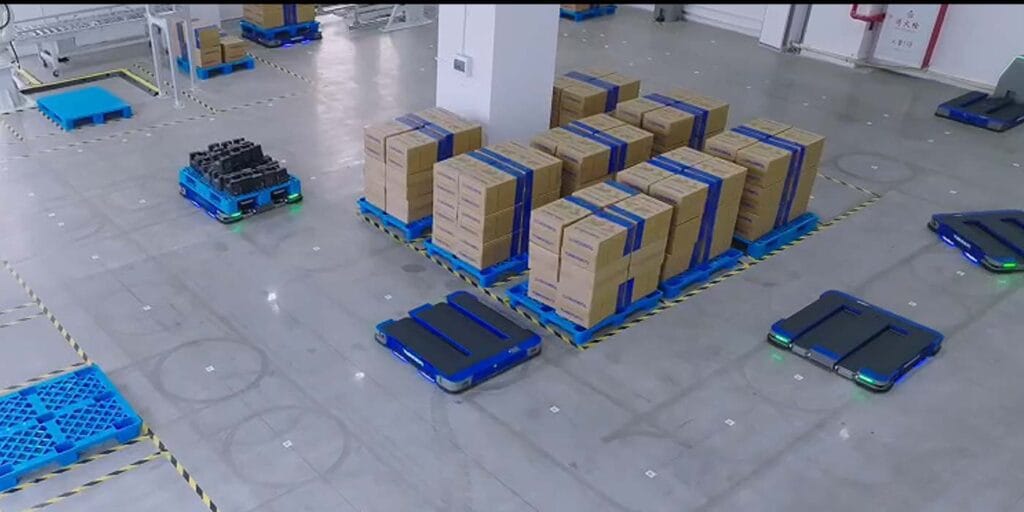
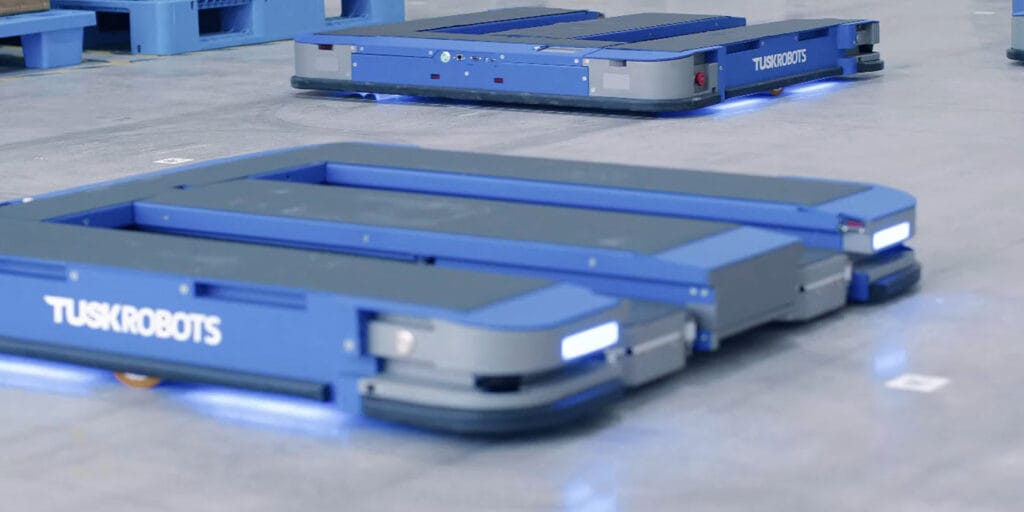
Pallet handling lifts are versatile tools used across various industries:
- Warehouses and Distribution Centers: Moving and stacking pallets efficiently.
- Manufacturing and Industrial Uses: Transporting heavy components between workstations.
- Retail Stores and Small Businesses: Loading and unloading goods in tight spaces.
- Construction Sites: Portable pallet lifts assist in moving heavy materials safely.
Using the right type of pallet handling lift tailored to your operation can improve workflow, reduce injuries, and optimize space usage.
Conclusion
Pallet handling lifts are indispensable tools for modern material handling, combining efficiency, safety, and adaptability. By understanding how a pallet lift works, selecting the right type, operating it safely, and performing regular maintenance, you can maximize productivity and reduce risks in your operations.
Investing in a reliable pallet handling lift is more than buying equipment—it’s enhancing your workflow, protecting your team, and ensuring long-term operational success. If you’re considering a pallet lift for your warehouse or business, consult with experts to find a solution that meets your specific needs.
FAQ
What is a pallet lift used for?
A pallet handling lift is used to lift, move, and stack pallets loaded with goods, improving warehouse efficiency and reducing physical strain on workers.
How does a pallet handling lift work?
A pallet handling lift works through forks and a hydraulic or electric lifting system, allowing the operator to raise and lower pallets safely and efficiently.
What types of pallet lifts are available?
Common types include manual pallet handling lifts, hydraulic pallet lifts, and electric pallet lifts, each suited for different load capacities and work environments.
How much weight can a pallet lift carry?
Depending on the type, pallet handling lifts can carry between 1,000 and 6,000 lbs. Always check the manufacturer’s specifications for safe operation.
How do I maintain a pallet lift?
Regular maintenance includes checking hydraulic fluid, lubricating moving parts, inspecting forks for wear, and repairing any damage promptly to ensure long-term performance.
Need Help Choosing the Right Pallet Lift?
If you’re unsure about which pallet handling lift is best for your warehouse or business operation, our experts are here to guide you. Contact us today for a personalized consultation, and ensure your material handling is efficient, safe, and suited to your needs. Don’t wait to improve workflow and protect your team—get in touch now to find the perfect pallet lift for your operation!
Latest post

Contact Info
2nd Floor, Xingzhongchuang Xiabei High-tech Industry Center A1, Nanhai District, Foshan, China
Full-stack intelligent logistics management and control system
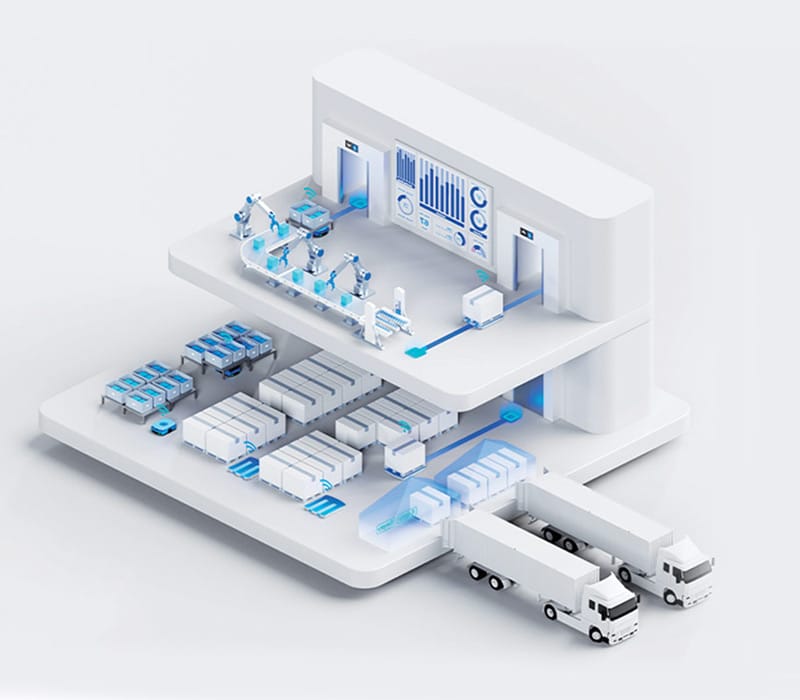
It connects the entire "system - platform - hardware" chain, is compatible with mainstream industrial systems, and links intelligent hardware to achieve intelligent management and efficiency upgrades for the entire logistics process.
WHAT FITS:
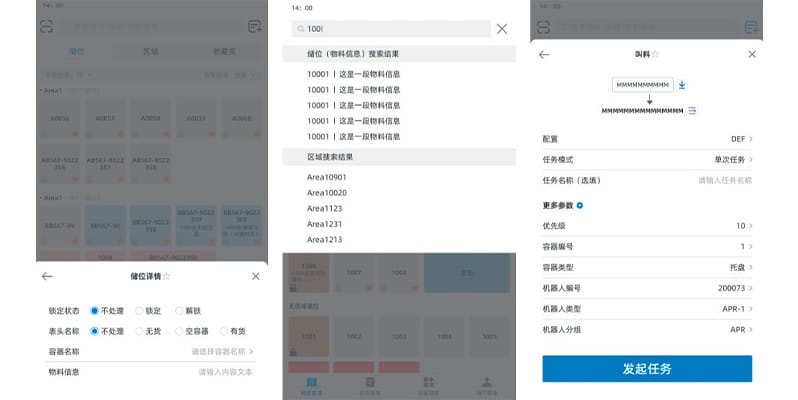
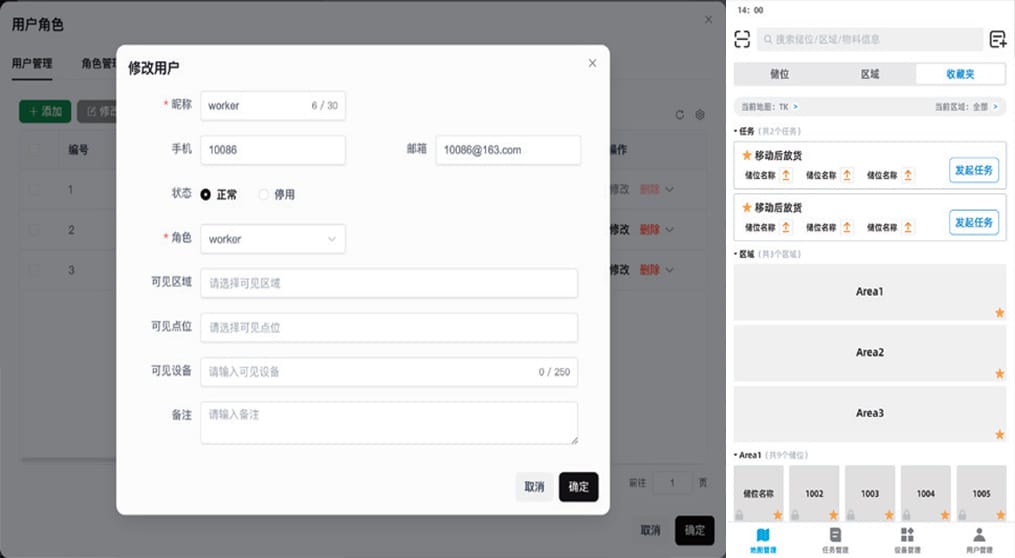
Building core competitiveness in mobile management
01.
Custom Data Dashboard
Building core competitiveness in mobile management
02.
Personalized User Management
Building core competitiveness in mobile management
03.
Personalized Alarm Push

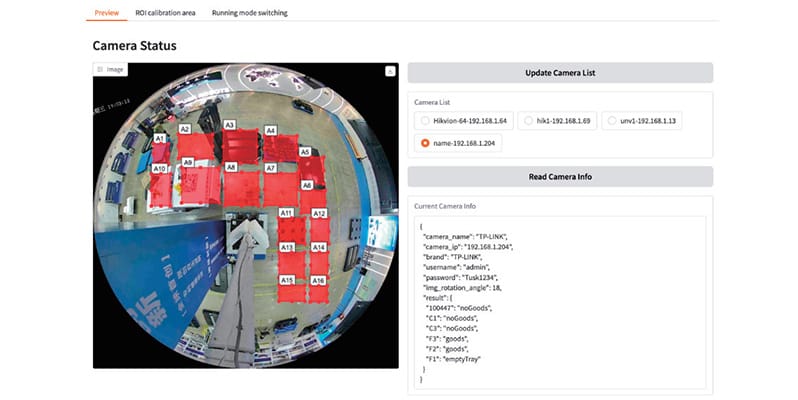
Leading the revolution in intelligent
warehouse location management
01.
Real-time storage location automatic trigger task

Leading the revolution in intelligent
warehouse location management
02.
Visual configuration interface
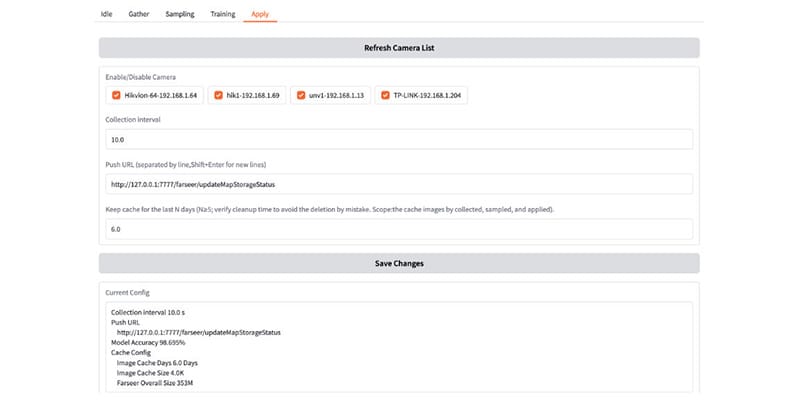
Leading the revolution in intelligent warehouse location management
03.
Custom Configuration
Lothar Intelligent Management Platform Building a Central System for Smart Factories
Lothar, the intelligent management platform from Taskar, serves as the digital hub for smart factories. It features customizable data dashboards, full-dimensional map visualization, graphical task and equipment workflows, simulation capabilities, AI-powered operation and maintenance, open multi-protocol interfaces, and OTA upgrade support, empowering digital management of factories throughout their entire lifecycle.
Map Management
Configuration Management
Access Management
Task Management
Historical records
Equipment Management
Simulation
Data dashboard
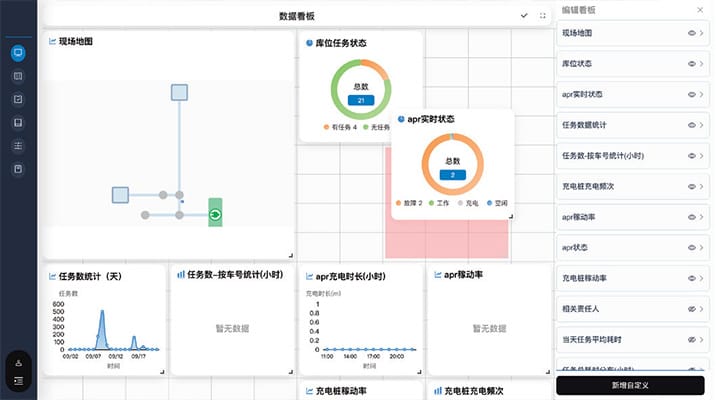
01.
Custom Data Dashboard
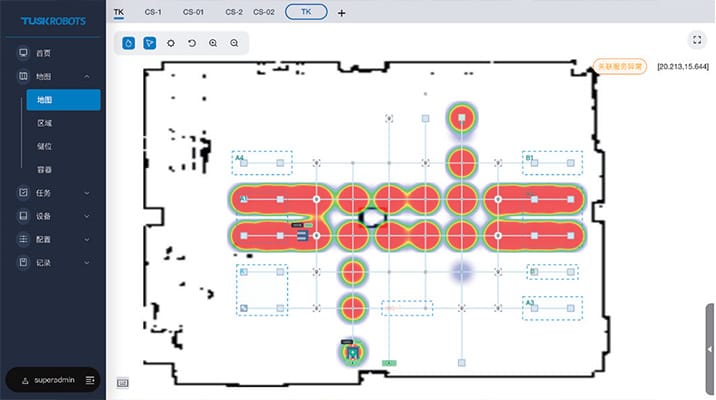
02.
Map visualization

03.
Graphical construction task

04.
Graphical device configuration process
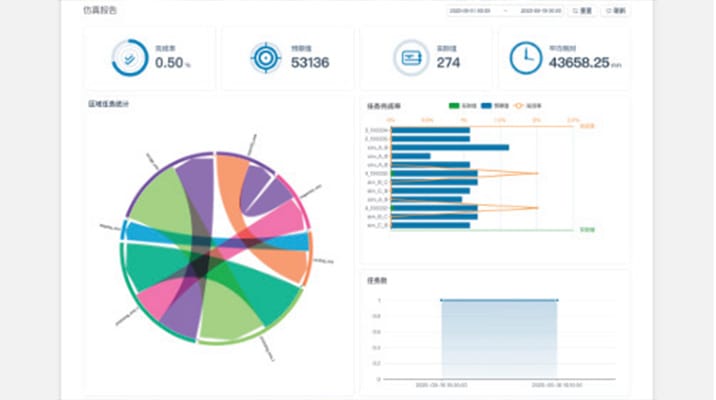
05.
Simulation visualization
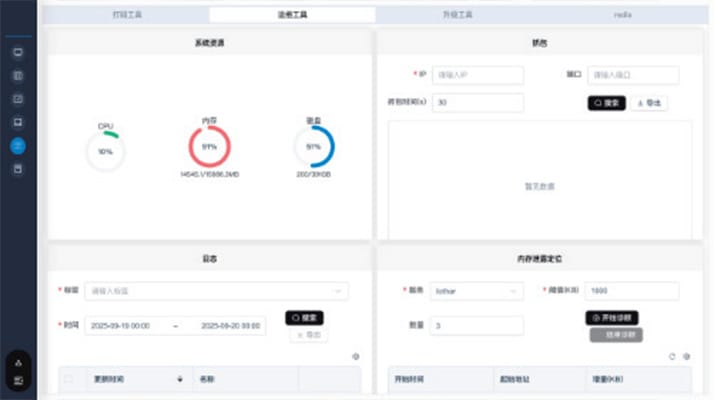
06.
O&M Visualization
Trust Witnessing in Smart Factory Automation
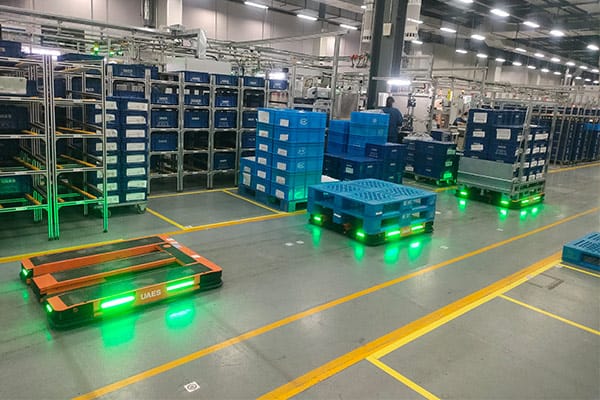
Electronics Industry
The automotive electronics trend makes digital pallet robots the preferred choice for in-plant logistics.
Solution
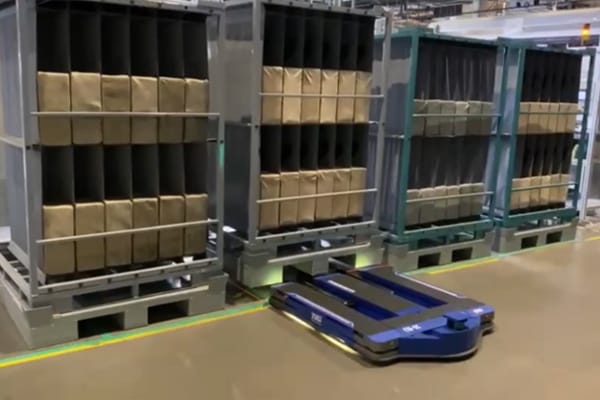
Auto Parts Industry
Rising demand for automotive interiors propels suppliers to new heights of development.
Solution
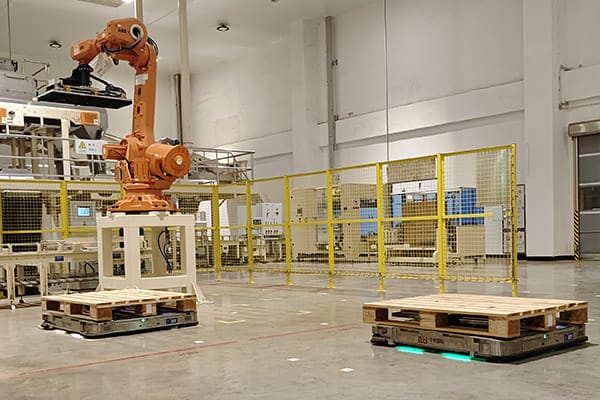
Tobacco Industry
A backbone of China's tobacco industry, with over forty years of history.
Solution
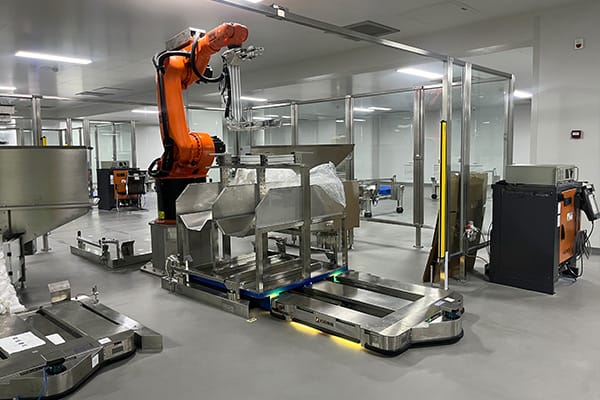
Pharmaceutical Industry
The pharmaceutical industry needs automation due to GMP requirements.
Solution
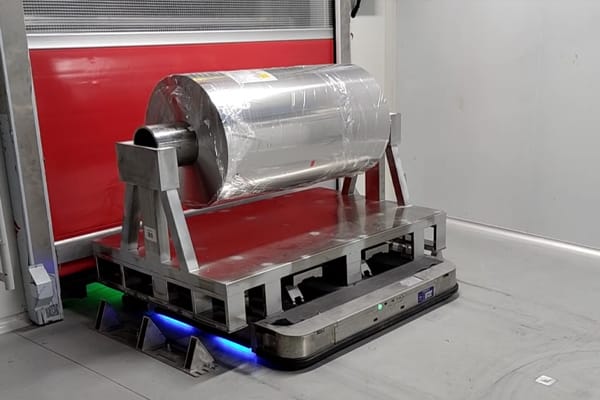
New Energy Industry
New energy lithium battery production capacity increases, automation is key.
Solution
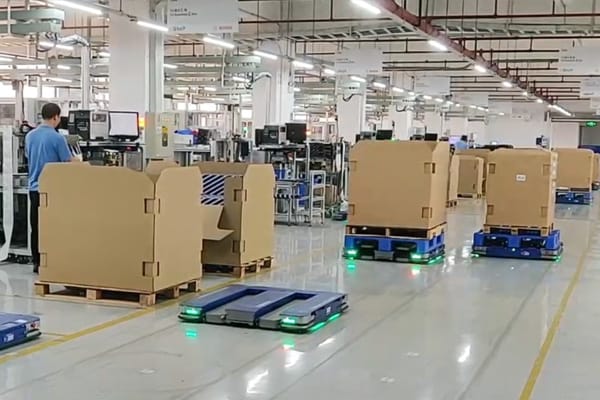
Manufacturing Industry
A globally renowned manufacturer of wiper parts, with a factory of 30,000 square meters.
Solution
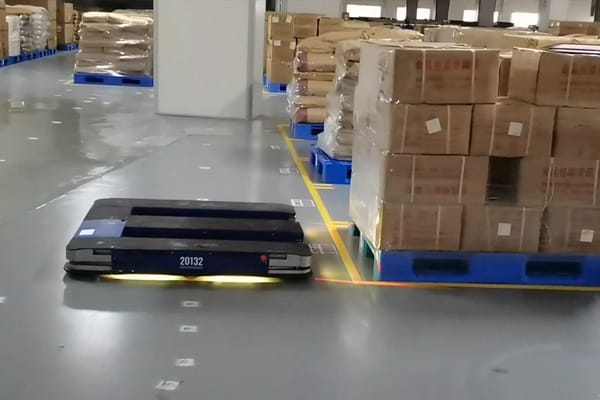
Food Industry
Positioned as a high-quality chain bakery brand, with a modern industrial park of over 60,000 square meters.
Solution
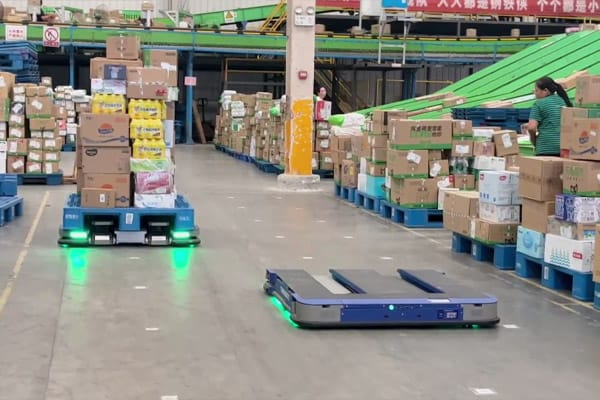
Logistics Industry
South China Logistics and Distribution Center of a Major Domestic E-commerce Company
Solution
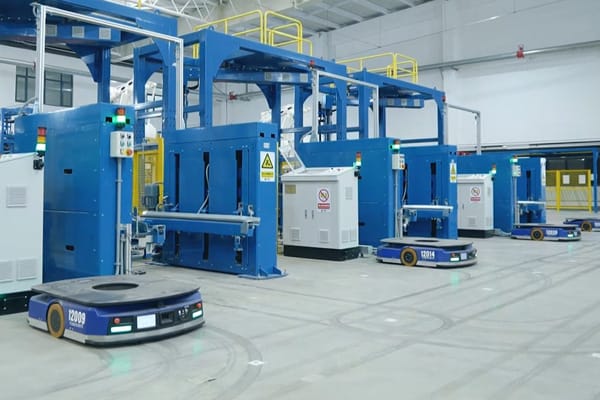
Paper Industry
The group is a leading enterprise in the domestic household paper and maternal and child hygiene products industry.
Solution
Smart Factory Automation Trust
Explore more industry automation transformation paths; click to unlock customized solutions.
Smart Device Project Implementation
Implementation Preparation
Robot/charging station parts inventory: on-site inspection of wiring, access control, network, and power supply.
Project on-site implementation
Line marking and coding, map creation and permission setting, software and hardware debugging / robot test run
Launch and Support
User training / Deployment and trial run, manual / maintenance training, acceptance signing, after-sales support