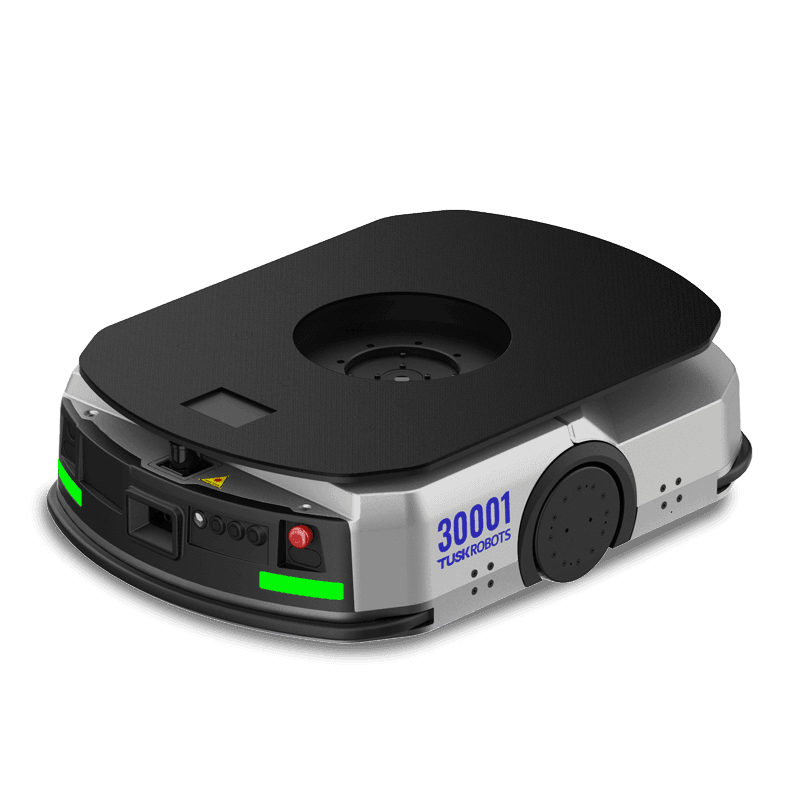

7 Incredible Innovations in AGV Laser Navigation
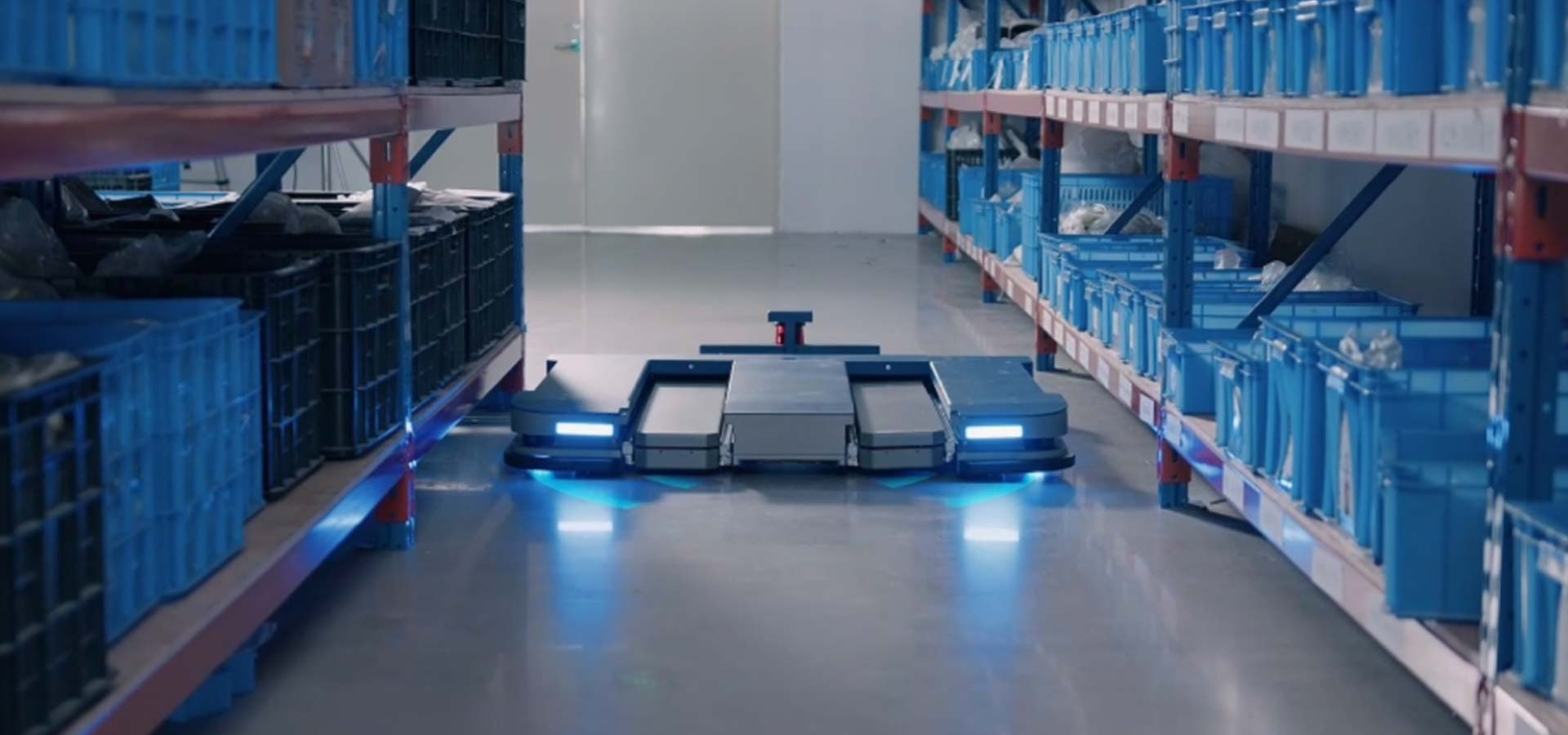
Table of Contents
Introduction
In recent years, agv laser navigation has become a cornerstone technology in modern automated warehouses, factories, and logistics hubs. Traditional automated guided vehicles relied on magnetic strips, wires, or mechanical tracks for navigation, which limited flexibility and required frequent modifications in dynamic environments. Laser navigation changed the game entirely, offering precise, flexible, and autonomous navigation capable of adapting to rapidly changing layouts.
According to the International Federation of Robotics (IFR), warehouses integrating laser-guided AGVs experience up to a 35% increase in operational efficiency and a 20% reduction in labor costs. Leading industry analysts predict that by 2030, over 60% of automated material handling systems will incorporate AGV laser navigation due to its superior scalability, adaptability, and safety.
AGV laser navigation employs LIDAR, reflective markers, and sophisticated algorithms to build a continuous digital map of its surroundings. This technology allows AGVs to avoid obstacles, optimize routes, and integrate seamlessly with human operators and other automated systems. In this article, we explore seven revolutionary innovations in AGV laser navigation that are reshaping industries.
Real-Time Dynamic Mapping
Understanding Real-Time Mapping
Dynamic mapping is a critical advancement in agv laser navigation. Using LIDAR (Light Detection and Ranging) sensors, AGVs can scan their environment up to 20 times per second, detecting obstacles, pallets, humans, and other vehicles. Unlike static mapping, dynamic mapping updates continuously, allowing AGVs to adjust their paths in real-time.
Industry Insights
A 2022 study by the Robotics Industry Association found that AGVs using real-time mapping reduced operational collisions by 42% compared to static mapping systems. Experts believe that this capability is particularly valuable in high-traffic warehouses, where obstacles and human operators frequently appear unexpectedly.
Operational Benefits
- Seamless navigation in changing environments
- Reduced downtime from route recalibration
- Enhanced safety for staff and equipment
Multi-Laser Sensor Fusion

How Sensor Fusion Works
Sensor fusion combines multiple types of sensors—LIDAR, infrared, ultrasonic, and sometimes even cameras—to generate a comprehensive model of the vehicle’s environment. This combination reduces the limitations of any single sensor and provides redundancy for safety-critical operations.
Expert Opinion
Dr. Karen Liu, robotics engineer at MIT, explains: “By integrating multiple sensor modalities, AGVs maintain centimeter-level accuracy even in crowded and complex environments. This allows for simultaneous navigation, obstacle detection, and real-time decision-making.”
Practical Advantages
- Precision navigation in tight aisles
- Safe operation around human operators
- Reduced need for manual supervision
Automated Fleet Coordination
The Importance of Fleet Management
As warehouses scale up, individual AGVs must function as part of a coordinated fleet. Innovations in agv laser navigation now enable central fleet management systems to dynamically assign tasks, prevent congestion, and ensure maximum throughput.
Case Study: E-Commerce Fulfillment
A major e-commerce fulfillment center in Germany integrated 120 AGVs with real-time fleet coordination software. Over six months, the facility reported a 25% improvement in order processing speed and a 30% reduction in idle time, demonstrating the effectiveness of coordinated laser navigation.
Key Features
- Centralized traffic control
- Task prioritization based on real-time demands
- Adaptive route planning to optimize energy efficiency
Obstacle Detection and Predictive Avoidance
Advanced Algorithms for Safety
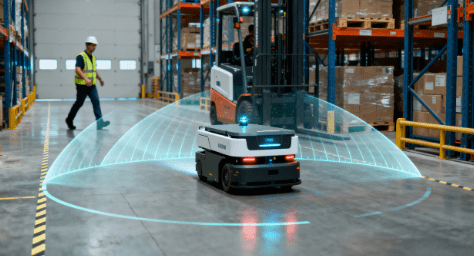
Modern AGVs predict potential collisions using motion analysis and path prediction. Laser sensors feed data into onboard algorithms that calculate object trajectories, allowing vehicles to preemptively adjust their paths.
Research Data
According to the International Journal of Robotics Research (2021), predictive avoidance in laser-guided AGVs reduced collisions by 60% and near-miss incidents by 35%, a significant improvement over previous reactive systems.
Benefits for Operations
- Safer warehouse environments
- Less damage to goods and vehicles
- Reduced insurance and maintenance costs
Energy-Efficient Routing
Optimizing AGV Power Consumption
AGVs now leverage navigation algorithms to identify the most energy-efficient routes, considering load weight, travel distance, and speed. Reducing unnecessary acceleration and deceleration saves energy and extends battery life.
Industry Statistics
A survey conducted by the Global Logistics Automation Association in 2022 revealed that AGVs using optimized routing consumed 15–20% less energy than those on fixed or random paths.
Table: Comparison of AGV Laser Navigation Innovations
| Innovation | Key Feature | Benefit | Impact on Operations |
|---|---|---|---|
| Real-Time Dynamic Mapping | Continuous LIDAR scanning | Adaptive obstacle avoidance | Reduced downtime, safer operations |
| Multi-Laser Sensor Fusion | Multiple sensor integration | Enhanced positioning accuracy | Lower localization errors, precise navigation |
| Automated Fleet Coordination | Centralized fleet software | Task optimization | 25% productivity increase, reduced congestion |
| Obstacle Detection & Predictive Avoidance | Motion prediction algorithms | Minimized collisions | Safer environment, lower maintenance costs |
| Energy-Efficient Routing | Optimized travel paths | Reduced battery consumption | Extended operational time |
| Self-Learning AI Navigation | Machine learning optimization | Continuous improvement | Reduced manual oversight, efficiency gains |
| Remote Monitoring & Predictive Maintenance | Cloud-based diagnostics | Predictive alerts | Reduced downtime, proactive maintenance |
Self-Learning AI Navigation
AI-Driven Efficiency
Machine learning enables AGVs to analyze historical navigation data to refine routes and predict optimal speeds. Over time, self-learning AGVs improve energy efficiency, avoid obstacles more effectively, and adapt to changing warehouse layouts autonomously.
Expert Insight
A 2023 study from the Journal of Intelligent Robotics found that AI-enabled AGVs completed tasks 18% faster after three months of self-learning adjustments, compared to fixed-path vehicles.
Benefits
- Reduced need for manual intervention
- Optimized warehouse throughput
- Enhanced adaptability in dynamic environments
Remote Monitoring and Predictive Maintenance
Cloud-Based AGV Oversight
Remote monitoring allows supervisors to track AGV performance in real time. By analyzing navigation data and mechanical metrics, predictive maintenance schedules can be established to prevent unexpected failures.
Data-Driven Insights
The International Warehouse Logistics Association reported that predictive maintenance for AGVs using laser navigation reduced unplanned downtime by 40% and extended vehicle lifespan by 20%.
Operational Benefits
- Continuous system health monitoring
- Early detection of potential faults
- Lower repair costs and longer operational life
Integration with IoT and Smart Warehouses
AGVs in the IoT Ecosystem
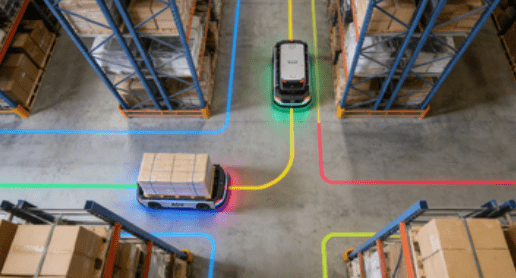
Modern AGVs are increasingly integrated with IoT devices, RFID tags, and warehouse management systems (WMS). AGV laser navigation feeds real-time location data to the IoT network, enabling seamless inventory tracking, dynamic task allocation, and intelligent analytics.
Case Study
A logistics company in Singapore integrated 80 AGVs with IoT-based WMS, achieving real-time inventory updates and a 20% increase in stock handling efficiency.
Benefits of IoT Integration
- Real-time inventory visibility
- Reduced human errors in logistics
- Optimized warehouse resource allocation
Advanced Safety and Compliance Features
Meeting Modern Safety Standards
Laser-guided AGVs now comply with international safety standards, including ISO 3691-4 for industrial trucks. They incorporate emergency stop systems, redundant sensors, and fail-safe navigation protocols.
Industry Recommendation
The Robotics Industry Association advises that warehouses with high pedestrian traffic implement laser-guided AGVs with predictive avoidance to maintain ISO compliance and maximize safety.
Benefits
- Reduced risk of workplace accidents
- Compliance with global safety standards
- Protection for both staff and equipment
Conclusion
Agv laser navigation continues to transform industrial automation. Real-time mapping, sensor fusion, fleet coordination, predictive obstacle avoidance, energy-efficient routing, AI self-learning, remote monitoring, and IoT integration collectively enhance safety, productivity, and adaptability.
Industry leaders predict that by 2030, fully autonomous, AI-driven AGVs will dominate warehouses and factories, requiring minimal human supervision while optimizing operations in real-time. Companies adopting these innovations today position themselves at the forefront of industrial automation, achieving unmatched efficiency and cost-effectiveness.
FAQ
Q: How does AGV laser navigation differ from magnetic or wire-guided systems?
AGV laser navigation uses LIDAR and sensors for real-time mapping, allowing adaptive, autonomous navigation without fixed tracks.
Q: Are AGVs with laser navigation safe to operate around humans?
Yes, predictive obstacle avoidance and sensor fusion allow safe operation even in human-populated environments.
Q: How often should laser sensors and LIDAR be calibrated?
Monthly inspections are recommended, with full calibration every 6–12 months depending on operational conditions.
Q: Can laser navigation improve energy efficiency?
Absolutely. Optimized routing and predictive algorithms reduce battery usage and extend operational time.
Q: Which industries benefit most from AGV laser navigation?
Warehousing, e-commerce fulfillment, manufacturing, pharmaceuticals, and cold storage facilities benefit significantly.
Q: Is AI integration essential for all AGVs?
While not mandatory, AI enhances efficiency, adaptability, and self-optimization, especially in dynamic environments.
TUSKROBOTS: Leading Intelligent Automation Solutions
Thank you for reading! We hope this blog offered valuable insights into Intelligent Warehousing & Logistics Automation Solutions. We are committed to empowering smart factories and intelligent logistics, making industrial handling simpler and more efficient.
Join our community to stay updated on our advanced automated pallet handling and picking robots.
📘 Follow us onFacebook, Instagram, and TikTok.
Let’s keep the conversation going—see you there!
Latest post


Contact Info
2nd Floor, Xingzhongchuang Xiabei High-tech Industry Center A1, Nanhai District, Foshan, China

Full-stack intelligent logistics management and control system
It connects the entire "system - platform - hardware" chain, is compatible with mainstream industrial systems, and links intelligent hardware to achieve intelligent management and efficiency upgrades for the entire logistics process.
WHAT FITS:
Building core competitiveness in mobile management
01.
Custom Data Dashboard
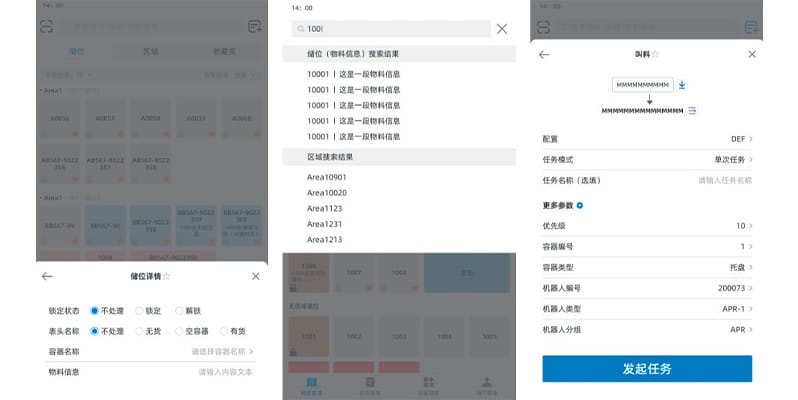
Building core competitiveness in mobile management
02.
Personalized User Management

Building core competitiveness in mobile management
03.
Personalized Alarm Push

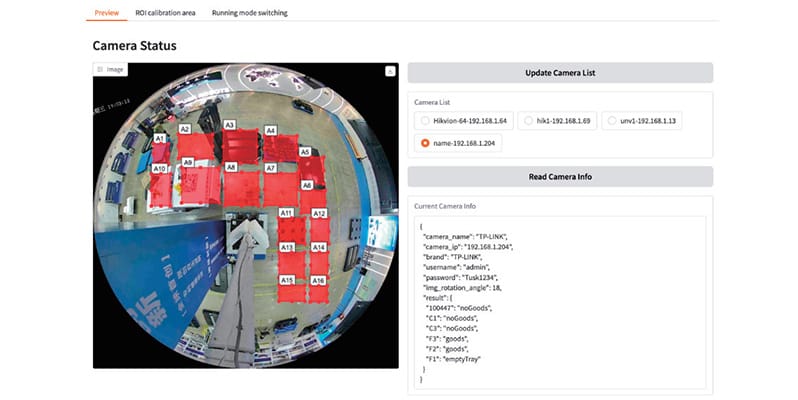
Leading the revolution in intelligent
warehouse location management
01.
Real-time storage location automatic trigger task

Leading the revolution in intelligent
warehouse location management
02.
Visual configuration interface
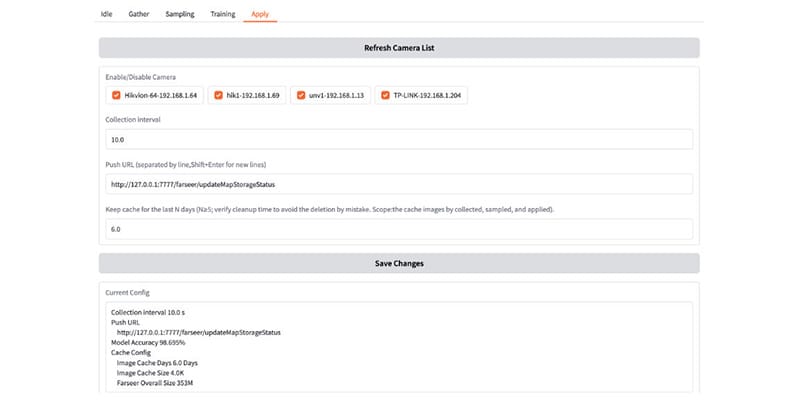
Leading the revolution in intelligent warehouse location management
03.
Custom Configuration
Lothar Intelligent Management Platform Building a Central System for Smart Factories
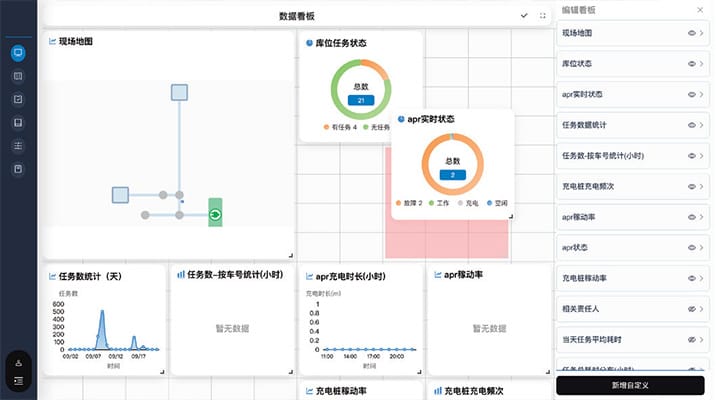
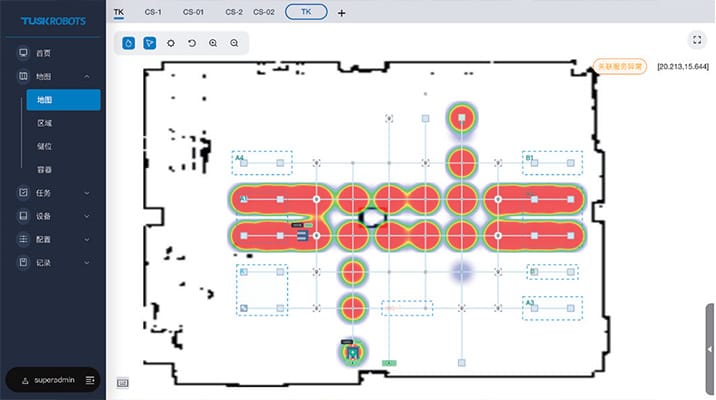
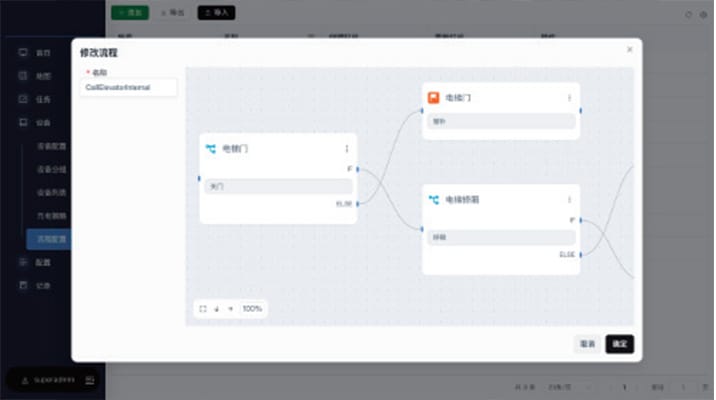
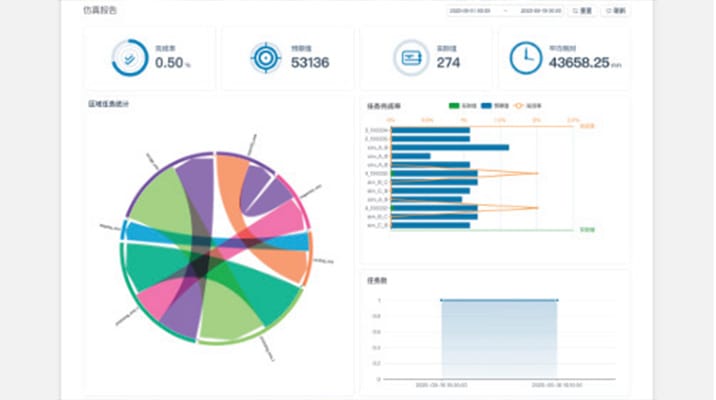
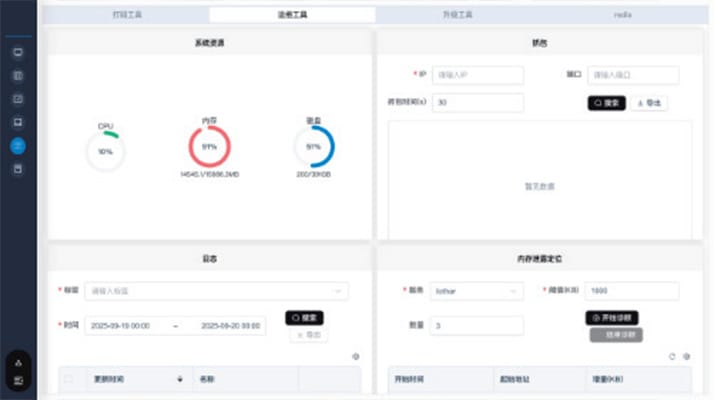
Lothar, the intelligent management platform from Taskar, serves as the digital hub for smart factories. It features customizable data dashboards, full-dimensional map visualization, graphical task and equipment workflows, simulation capabilities, AI-powered operation and maintenance, open multi-protocol interfaces, and OTA upgrade support, empowering digital management of factories throughout their entire lifecycle.
Map Management
Configuration Management
Access Management
Task Management
Historical records
Equipment Management
Simulation
Data dashboard
01.
Custom Data Dashboard
02.
Map visualization

03.
Graphical construction task
04.
Graphical device configuration process
05.
Simulation visualization
06.
O&M Visualization
Trust Witnessing in Smart Factory Automation
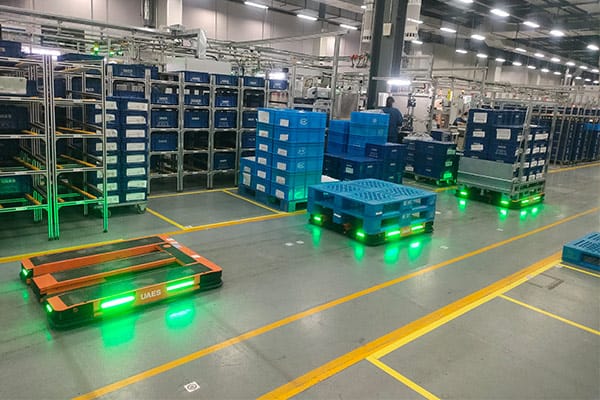
Electronics Industry
The automotive electronics trend makes digital pallet robots the preferred choice for in-plant logistics.
Solution
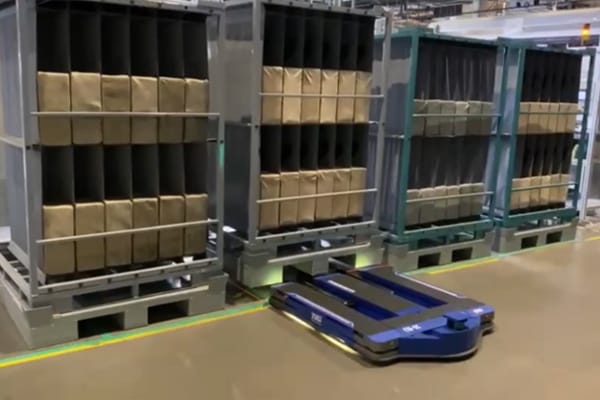
Auto Parts Industry
Rising demand for automotive interiors propels suppliers to new heights of development.
Solution
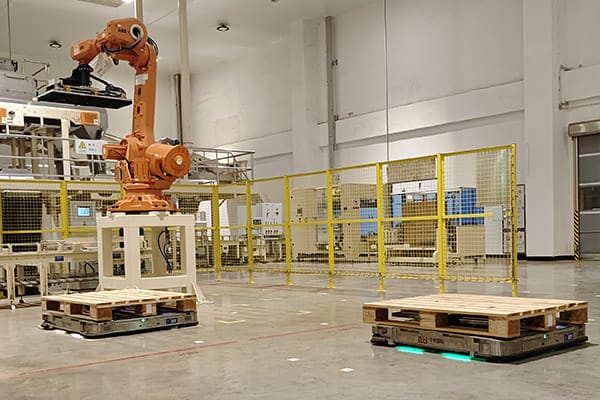
Tobacco Industry
A backbone of China's tobacco industry, with over forty years of history.
Solution
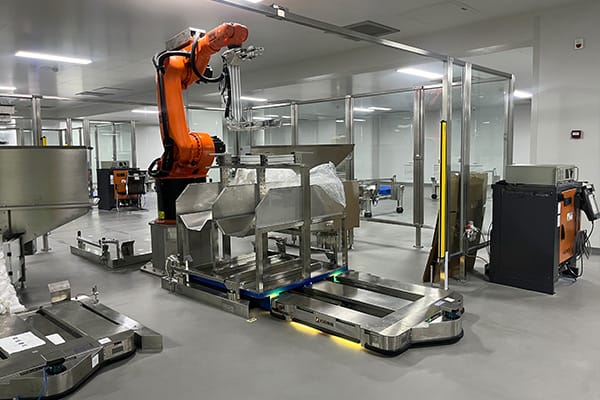
Pharmaceutical Industry
The pharmaceutical industry needs automation due to GMP requirements.
Solution
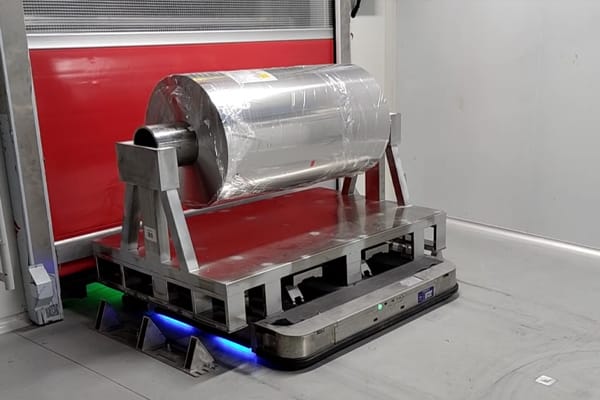
New Energy Industry
New energy lithium battery production capacity increases, automation is key.
Solution
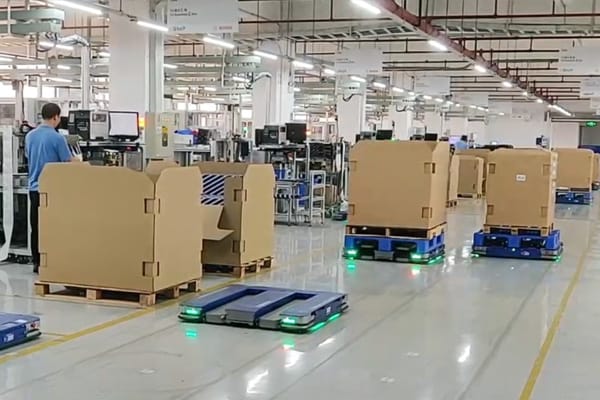
Manufacturing Industry
A globally renowned manufacturer of wiper parts, with a factory of 30,000 square meters.
Solution

Food Industry
Positioned as a high-quality chain bakery brand, with a modern industrial park of over 60,000 square meters.
Solution
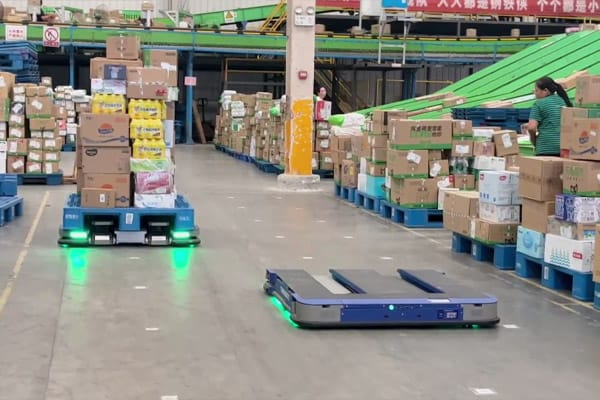
Logistics Industry
South China Logistics and Distribution Center of a Major Domestic E-commerce Company
Solution
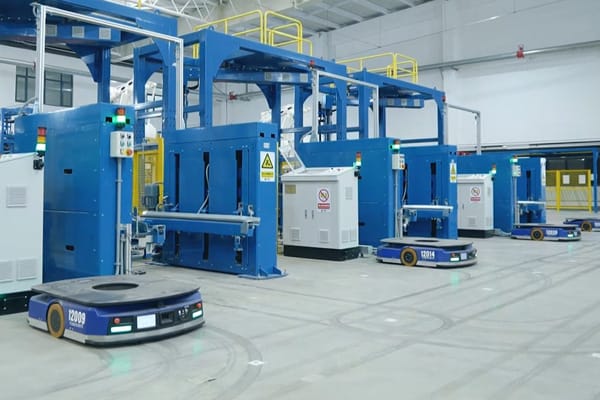
Paper Industry
The group is a leading enterprise in the domestic household paper and maternal and child hygiene products industry.
Solution
Smart Factory Automation Trust
Explore more industry automation transformation paths; click to unlock customized solutions.
Smart Device Project Implementation
Implementation Preparation
Robot/charging station parts inventory: on-site inspection of wiring, access control, network, and power supply.
Project on-site implementation
Line marking and coding, map creation and permission setting, software and hardware debugging / robot test run
Launch and Support
User training / Deployment and trial run, manual / maintenance training, acceptance signing, after-sales support