

5 Essential AGV Pallet Truck Tips for Efficient Material Handling
Introduction
In today’s highly competitive logistics and manufacturing sectors, efficiency, safety, and cost-effectiveness are no longer optional—they are essential. Businesses increasingly rely on automation to handle repetitive tasks and reduce human error. One of the most impactful innovations is the AGV pallet truck, an automated guided vehicle designed to transport pallets and goods efficiently without direct human operation.
In this guide, we will explore:
- The concept and working principle of AGV pallet trucks
- 5 essential tips for selecting the right AGV pallet truck
- Differences between various types of AGV pallet trucks
- Key performance metrics, maintenance tips, and safety considerations
- B2B procurement strategies and bulk buying insights
- Common questions buyers ask about AGV pallet trucks
By the end of this article, you’ll understand how to select, operate, and maintain AGV pallet trucks to maximize warehouse efficiency, reduce labor costs, and ensure safe operations.
Table of Contents
What is an AGV Pallet Truck?
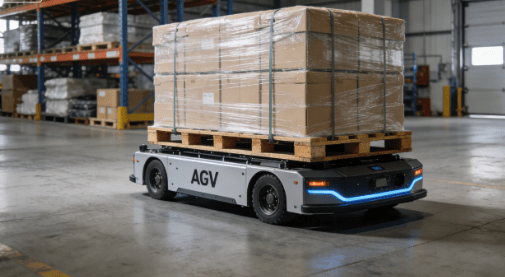
An AGV pallet truck is an autonomous vehicle designed to move pallets within warehouses, factories, and distribution centers. These trucks use advanced navigation systems such as laser-guided, magnetic tape, or LiDAR-based vision systems to move pallets safely and accurately.
Conceptual Insight: AGV pallet trucks are part of the broader trend of smart warehousing. They integrate with Warehouse Management Systems (WMS) to optimize workflow, track inventory in real-time, and reduce operational errors.
Key Advantages:
- Labor Efficiency: Reduces dependence on human operators
- Precision: Accurate pallet placement reduces mismanagement
- Safety: Minimizes workplace accidents associated with manual handling
Expert Opinion: Dr. Mark Ellis, a logistics automation consultant, states, “AGVs are no longer experimental technology; they are a cornerstone of efficient warehouse design, especially for facilities handling high-volume palletized goods.”
5 Essential Tips for Choosing an AGV Pallet Truck
Tip 1: Evaluate Load Capacity
Selecting the correct load capacity is critical for both safety, efficiency, and long-term cost management.
- Determine the maximum pallet weight your warehouse handles regularly, including peak periods.
- Factor in the frequency of transport, considering both standard operations and occasional heavy-load movements.
- Choose AGVs with extra capacity to accommodate unexpected surges in demand or heavier-than-expected pallets.
Data Insight: According to a 2024 industry report by Robotics in Logistics, 62% of warehouse downtime caused by AGV failure was due to overloading beyond rated capacity. Selecting an AGV with 10–20% higher load capacity than your current maximum load significantly reduces operational risk.
Practical Advice: Overloading not only risks AGV damage but also shortens battery life and increases wear on wheels and sensors. For facilities with diverse pallet types, consider modular AGVs that can be upgraded or reconfigured for higher loads.
Tip 2: Consider Navigation Technology
Navigation technology directly impacts the AGV pallet truck’s accuracy, reliability, and adaptability.
- Laser-guided systems: Provide ±10 mm positioning accuracy, ideal for large warehouses with complex layouts or multi-level racking systems.
- Magnetic tape navigation: Cost-effective, suitable for fixed routes or repetitive paths, but less adaptable to layout changes.
- Vision-guided / LiDAR systems: Flexible for dynamic or changing layouts, can detect obstacles and reroute automatically.
Comparison Table: Navigation Technology for AGVs
| Type | Accuracy | Cost | Ideal Use Case |
|---|---|---|---|
| Laser-guided | ±10 mm | High | Large, complex warehouses |
| Magnetic tape | ±50 mm | Medium | Fixed paths, repetitive tasks |
| Vision / LiDAR | ±20 mm | Medium-High | Dynamic layouts, adaptable routes |
Pro Tip: Warehouses that frequently rearrange shelves or add new sections benefit from vision-guided AGVs, as they minimize downtime associated with reprogramming traditional navigation paths.
Additional Insight: Advanced AGVs can combine multiple navigation methods—for example, laser for main aisles and LiDAR for loading zones—to maximize flexibility without compromising precision.
Tip 3: Check Battery Life and Charging Options

Battery performance is a key determinant of operational uptime, directly affecting throughput and ROI.
- Look for AGVs equipped with lithium-ion batteries. They offer higher energy density, faster charging, and longer lifecycle than traditional lead-acid batteries.
- Evaluate fast-charging options or battery swap systems for continuous 24/7 operation.
- Consider lifecycle costs, including replacement cycles, maintenance, and warranty coverage.
Data Insight: Facilities using lithium-ion AGVs report 20–30% higher operational uptime compared to lead-acid models, with fewer interruptions during peak operations.
Expert View: John Peterson, Director of Warehouse Automation at TechLogix, emphasizes:
“Battery efficiency is often overlooked, yet it can be the difference between an AGV supporting one shift versus three consecutive shifts without downtime.”
B2B Consideration: For companies planning multi-shift operations, consider AGVs with smart battery management systems, which monitor charge cycles, predict battery health, and optimize charging schedules automatically.attery efficiency is often overlooked, yet it’s the difference between an AGV supporting one shift or three.”
Tip 4: Assess Safety Features
Safety in AGV operation is non-negotiable, particularly when human workers share space with autonomous vehicles.
- Ensure collision detection sensors, including ultrasonic, infrared, or LiDAR-based detection, are standard.
- Emergency stop buttons, flashing lights, and audible alarms provide immediate alerts to nearby operators.
- Verify regulatory compliance: ISO 3691-4 (industrial trucks, including AGVs) and ANSI/ITSDF B56.5 standards.
Incident Insight: A 2023 safety audit of 150 AGV deployments revealed that 42% of preventable accidents were due to missing or malfunctioning sensors. Prioritizing modern safety features reduces liability, downtime, and potential insurance claims.
Advanced Tip: Some AGVs feature human-presence detection with adaptive speed control. For example, if a worker enters a shared aisle, the AGV automatically slows or stops, enhancing operational safety.
B2B Angle: Businesses investing in fleet AGVs should request safety reports and certification documents from manufacturers, ensuring compliance for multiple facility locations. and downtime.
Tip 5: Evaluate Integration and Scalability
Integration and scalability are critical for long-term operational efficiency:
- Compatibility with Warehouse Management Systems (WMS), ERP platforms, and IoT networks enables seamless workflow automation.
- Scalable fleets allow businesses to start with a few AGVs and expand as warehouse throughput grows.
- Cloud-connected AGVs provide real-time monitoring, performance analytics, and predictive maintenance alerts.
B2B Insight: Enterprises with multi-site operations should prioritize AGVs that support fleet management software, enabling centralized control, route optimization, and consistent performance reporting across locations.
Pro Tip: Evaluate integration flexibility—some AGVs offer API access or third-party software compatibility, allowing them to work alongside existing automation tools without major infrastructure changes.
Future-Oriented Insight: Advanced AGVs may feature AI-assisted route optimization, learning traffic patterns within the warehouse, improving efficiency, and reducing energy consumption over time.
Comparing Different Types of AGV Pallet Trucks
AGV pallet trucks vary based on drive system, size, and navigation method:
| Type | Load Capacity | Navigation | Best For |
|---|---|---|---|
| Tow AGV | 1–5 tons | Laser | Heavy manufacturing |
| Forklift AGV | 0.5–3 tons | Vision / Laser | Warehouses, retail |
| Pallet Jack AGV | 0.5–2 tons | Magnetic | Repetitive, simple tasks |
Decision Tip: Select the type that aligns with your load size, warehouse layout, and operational frequency.
Operational and Maintenance Best Practices
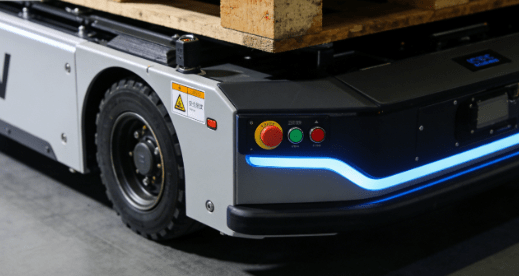
Maintaining AGV pallet trucks is key for longevity and performance:
- Daily inspections of wheels, sensors, and batteries
- Firmware updates for navigation and fleet management software
- Keeping sensors and cameras clean from dust and debris
B2B Recommendation: Large warehouses benefit from preventive maintenance schedules and in-house technicians to minimize downtime.
Industry Applications and Case Studies
AGV pallet trucks are widely used across industries:
- E-commerce warehouses: High-volume picking and sorting operations
- Food & beverage production: Hygiene-compliant pallet transport
- Automotive manufacturing: Just-in-time (JIT) parts delivery
- Pharmaceutical storage: Controlled environments with precise placement
Case Study: Amazon’s warehouse automation using AGV pallet trucks reports a 30% increase in throughput and 25% reduction in labor costs over 12 months.
Advanced Tips for B2B Buyers
For companies considering bulk procurement:
- Request fleet-level quotes to reduce unit costs
- Explore OEM or private-label options for branding purposes
- Evaluate after-sales support and service contracts
Insight: A 2024 survey of 200 distributors found that strong service agreements and bulk discounts were the top two factors influencing large-scale AGV adoption.
Future Trends in AGV Technology
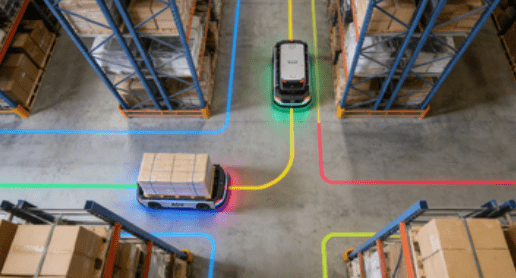
- AI-powered navigation: AGVs that learn and adapt to dynamic environments
- Energy-efficient systems: Lithium-ion batteries, regenerative braking, and solar-powered docking stations
- Collaborative AGVs: Work alongside humans with advanced sensors and predictive algorithms
Industry Forecast: According to MarketsandMarkets, the global AGV market is expected to reach $6.2 billion by 2028, driven by warehouse automation and e-commerce expansion.
Conclusion
Selecting the right AGV pallet truck is a strategic decision impacting efficiency, safety, and long-term costs. Key considerations include:
- Load capacity and future expansion
- Navigation system suitability
- Battery performance and charging options
- Safety features and compliance
- Integration and scalability
By implementing these 5 essential tips, companies can achieve smarter, safer, and more efficient warehouse operations, ensuring higher throughput, lower labor costs, and greater return on investment.
Expert Advice: Dr. Ellis concludes, “The future of logistics is autonomous. AGV pallet trucks are no longer optional—they are critical for warehouses aiming to stay competitive in the next decade.”
FAQ
Q1: Can AGVs replace all human-operated pallet trucks?
A: AGVs handle repetitive and predictable tasks, but humans may still be required for complex maneuvers or non-standard pallets.
Q2: How much space does an AGV pallet truck need to operate?
A: Minimum aisle width depends on truck type; typical pallet jack AGVs require 2–2.5 meters, while forklift AGVs need 3–4 meters.
Q3: What maintenance is required?
A: Daily inspection, sensor cleaning, battery checks, and periodic firmware updates are essential.
Q4: Are AGVs compatible with existing warehouse software?
A: Most modern AGVs can integrate with WMS, ERP, and cloud platforms for real-time monitoring and reporting.
Q5: How quickly can a facility implement AGVs?
A: Small warehouses may deploy AGVs in 2–4 weeks, while complex facilities with multiple fleets and integration can take 3–6 months.
TUSKROBOTS: Leading Intelligent Automation Solutions
Thank you for reading! We hope this blog offered valuable insights into Intelligent Warehousing & Logistics Automation Solutions. We are committed to empowering smart factories and intelligent logistics, making industrial handling simpler and more efficient.
Join our community to stay updated on our advanced automated pallet handling and picking robots.
📘 Follow us onFacebook, Instagram, and TikTok.
Let’s keep the conversation going—see you there!
Latest post

Contact Info
2nd Floor, Xingzhongchuang Xiabei High-tech Industry Center A1, Nanhai District, Foshan, China
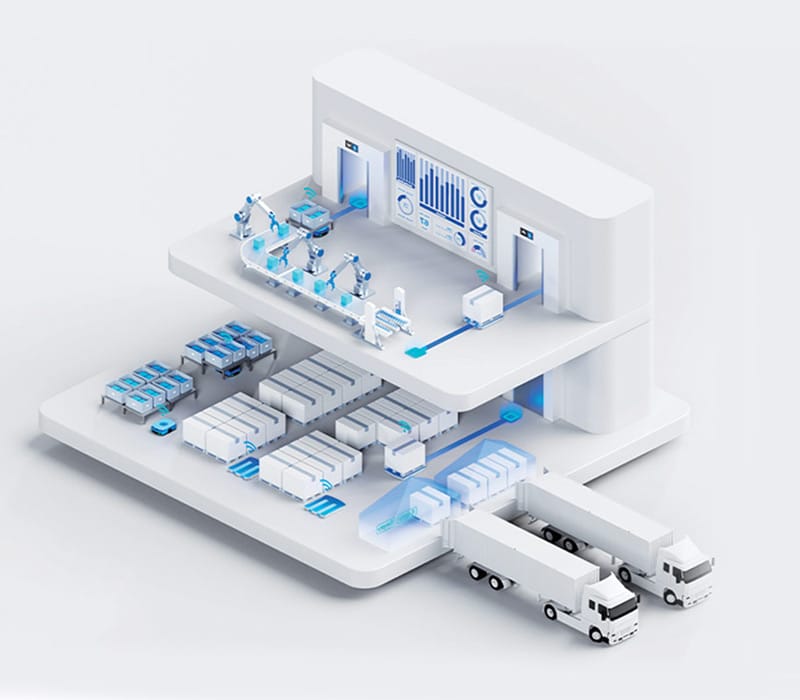
Full-stack intelligent logistics management and control system
It connects the entire "system - platform - hardware" chain, is compatible with mainstream industrial systems, and links intelligent hardware to achieve intelligent management and efficiency upgrades for the entire logistics process.
WHAT FITS:
Building core competitiveness in mobile management
01.
Custom Data Dashboard

Building core competitiveness in mobile management
02.
Personalized User Management

Building core competitiveness in mobile management
03.
Personalized Alarm Push

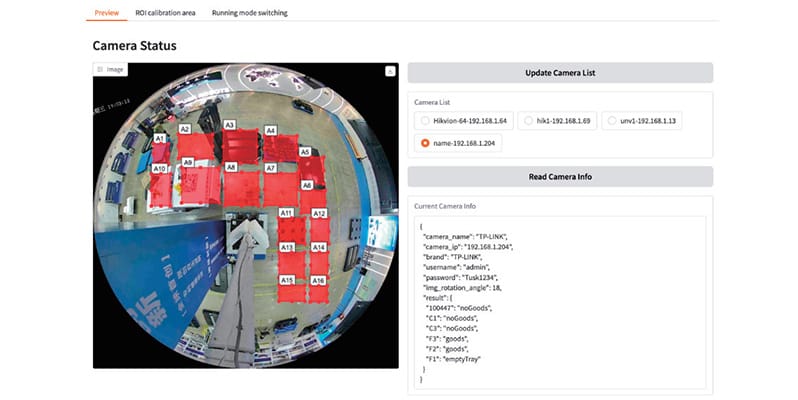
Leading the revolution in intelligent
warehouse location management
01.
Real-time storage location automatic trigger task

Leading the revolution in intelligent
warehouse location management
02.
Visual configuration interface

Leading the revolution in intelligent warehouse location management
03.
Custom Configuration
Lothar Intelligent Management Platform Building a Central System for Smart Factories
Lothar, the intelligent management platform from Taskar, serves as the digital hub for smart factories. It features customizable data dashboards, full-dimensional map visualization, graphical task and equipment workflows, simulation capabilities, AI-powered operation and maintenance, open multi-protocol interfaces, and OTA upgrade support, empowering digital management of factories throughout their entire lifecycle.
Map Management
Configuration Management
Access Management
Task Management
Historical records
Equipment Management
Simulation
Data dashboard
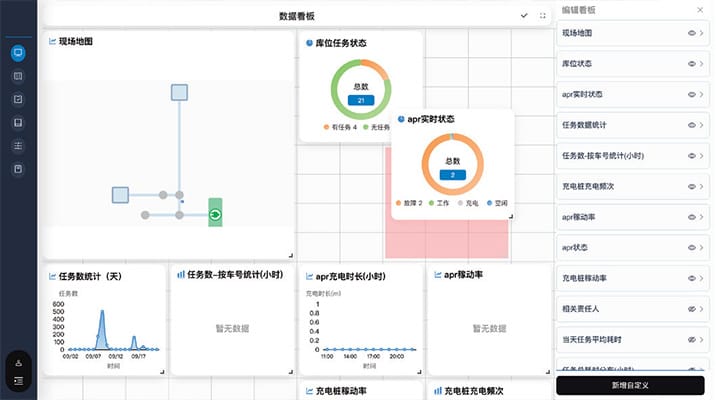
01.
Custom Data Dashboard
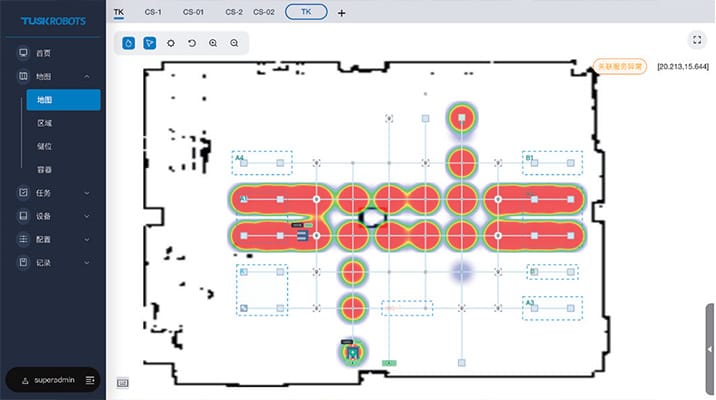
02.
Map visualization

03.
Graphical construction task

04.
Graphical device configuration process

05.
Simulation visualization

06.
O&M Visualization
Trust Witnessing in Smart Factory Automation
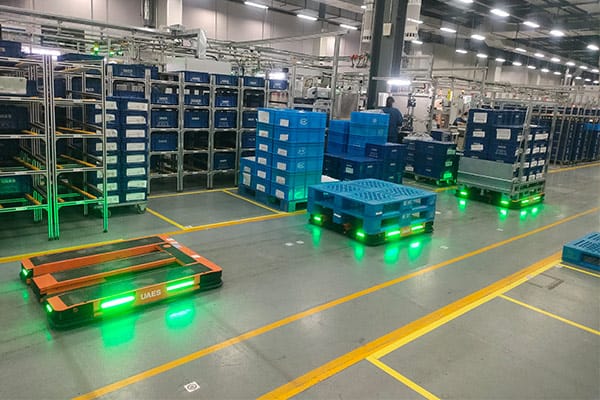
Electronics Industry
The automotive electronics trend makes digital pallet robots the preferred choice for in-plant logistics.
Solution
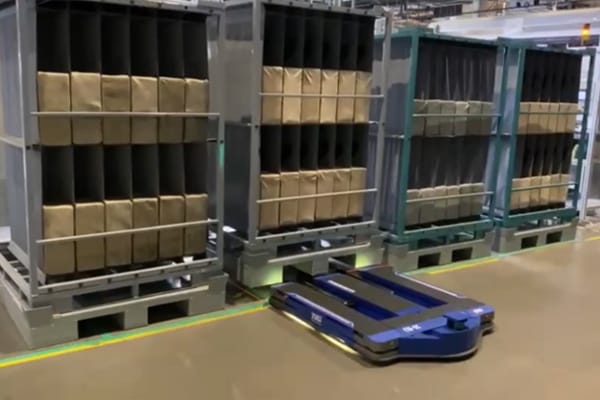
Auto Parts Industry
Rising demand for automotive interiors propels suppliers to new heights of development.
Solution
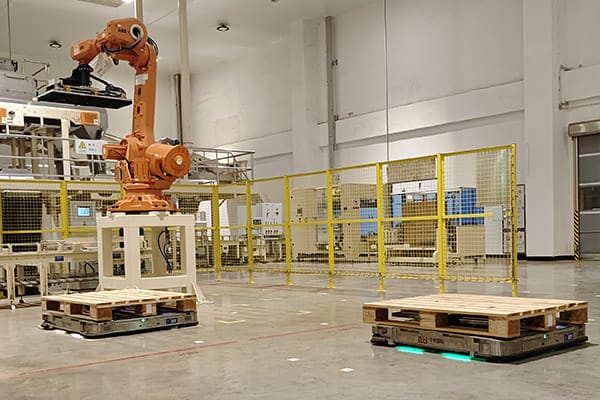
Tobacco Industry
A backbone of China's tobacco industry, with over forty years of history.
Solution
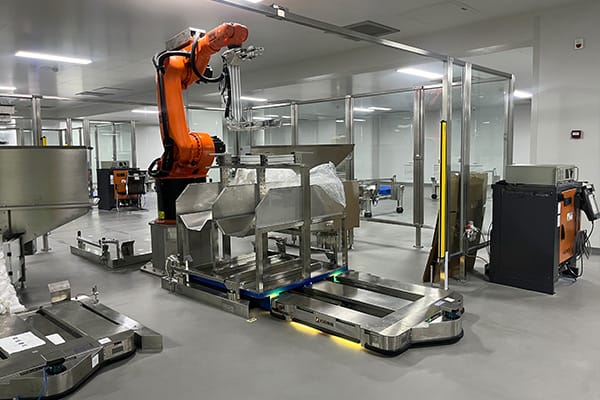
Pharmaceutical Industry
The pharmaceutical industry needs automation due to GMP requirements.
Solution
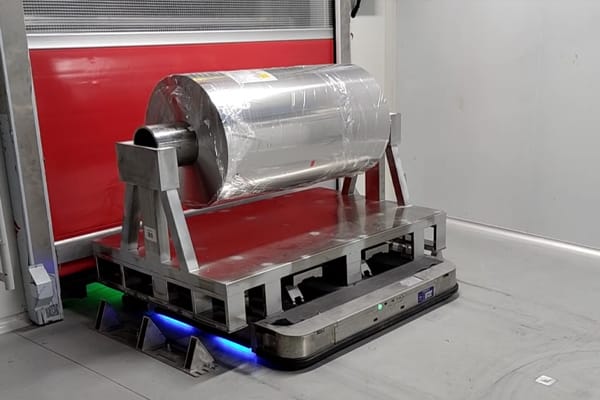
New Energy Industry
New energy lithium battery production capacity increases, automation is key.
Solution
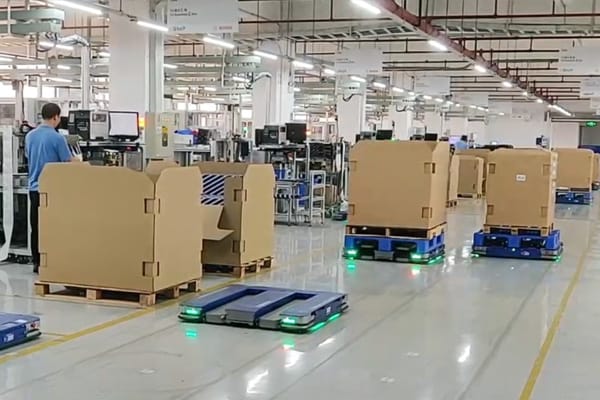
Manufacturing Industry
A globally renowned manufacturer of wiper parts, with a factory of 30,000 square meters.
Solution

Food Industry
Positioned as a high-quality chain bakery brand, with a modern industrial park of over 60,000 square meters.
Solution
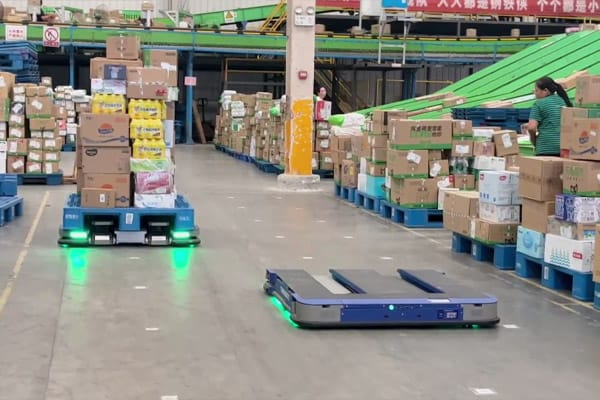
Logistics Industry
South China Logistics and Distribution Center of a Major Domestic E-commerce Company
Solution
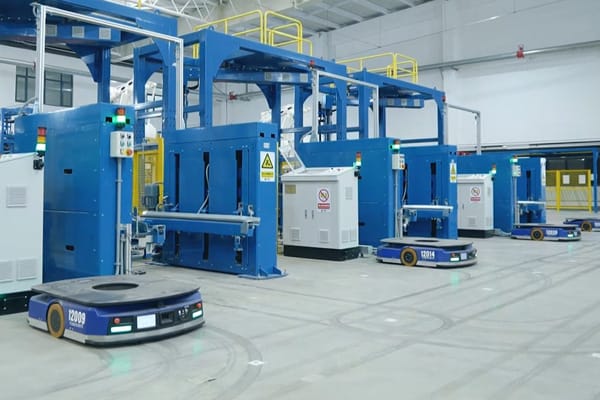
Paper Industry
The group is a leading enterprise in the domestic household paper and maternal and child hygiene products industry.
Solution
Smart Factory Automation Trust
Explore more industry automation transformation paths; click to unlock customized solutions.
Smart Device Project Implementation
Implementation Preparation
Robot/charging station parts inventory: on-site inspection of wiring, access control, network, and power supply.
Project on-site implementation
Line marking and coding, map creation and permission setting, software and hardware debugging / robot test run
Launch and Support
User training / Deployment and trial run, manual / maintenance training, acceptance signing, after-sales support