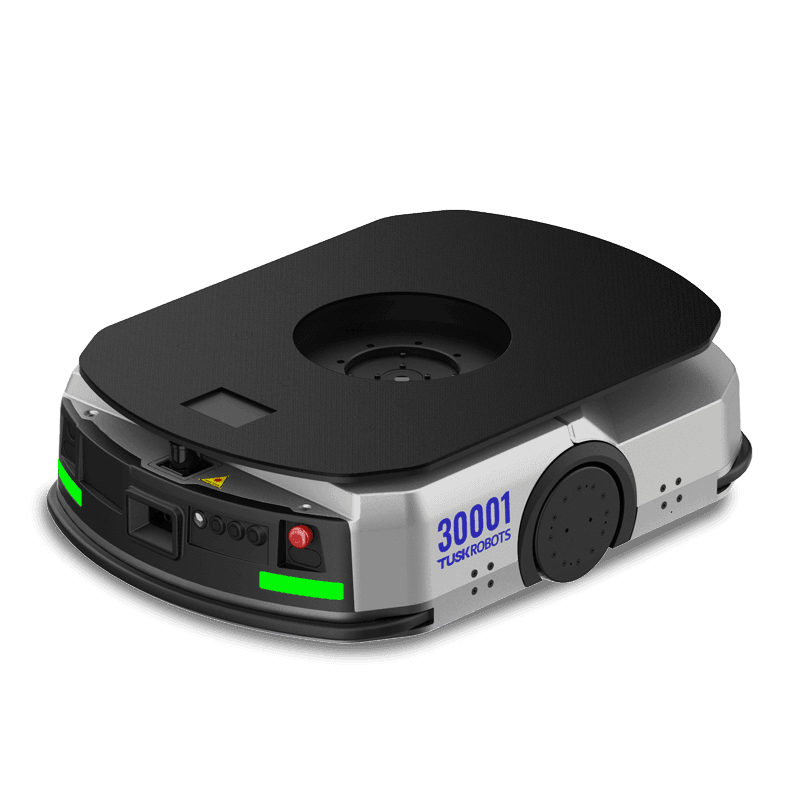

Top Automated Pallet Warehouse Technologies for 2026

Key Takeaways:
- Explore top automation technologies transforming modern automated pallet warehouses.
- Learn how AMR and AGV robots improve efficiency, safety, and operational flexibility.
- Understand applications including goods receiving, order picking, high-density storage, and production line feeding.
- Compare technologies to select the best solution for different industries.
- Access expert insights, practical tips, real-world case studies, and detailed FAQs.
Table of Contents
Introduction
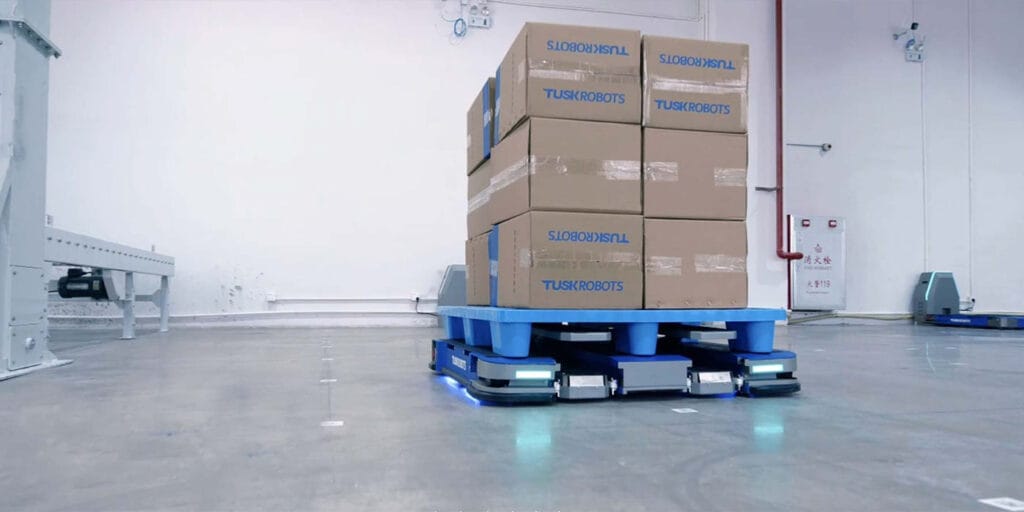
In today’s global supply chain, speed, accuracy, and reliability are critical. Companies are under constant pressure to deliver products faster while reducing labor costs and operational errors. Enter the automated pallet warehouse—a technology-driven solution that combines robotics, intelligent control systems, and optimized storage to revolutionize warehouse operations.
Modern automated pallet warehouses are no longer just about moving pallets—they are about creating smart logistics ecosystems. From e-commerce fulfillment centers to automotive assembly lines, these systems are enabling:
- 40–60% faster order processing (according to Logistics Automation 2025 Report).
- Up to 35% reduction in labor costs due to robotic material handling.
- Increased storage density by 20–50% through automated stacking and high-rack systems.
In this guide, we will explore top automation technologies powering these warehouses, their applications, and how to choose the best solution for your business.
Key Automation Technologies in Pallet Warehouses
Goods Receiving Automation
Concept:
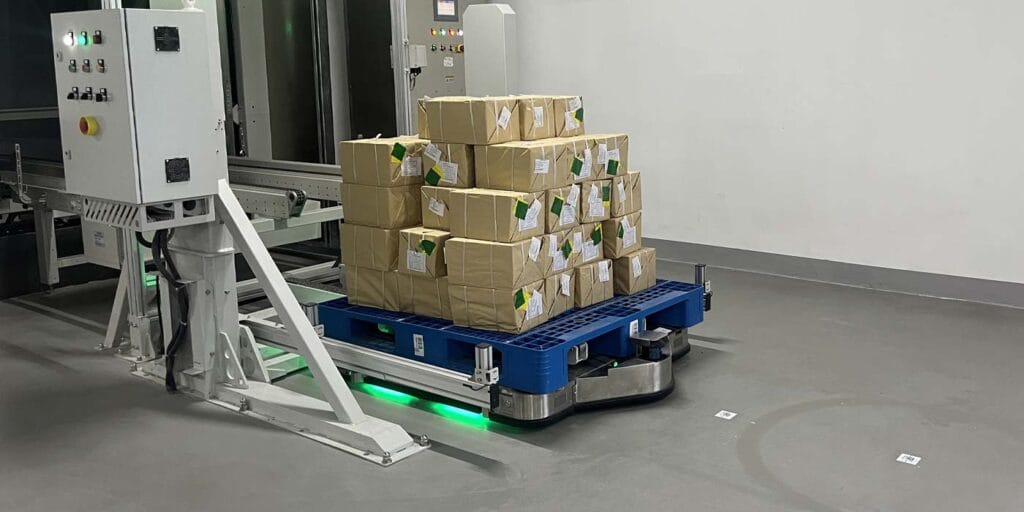
Automated goods receiving systems streamline the intake process, including scanning, labeling, and preliminary shelving. High-speed conveyors, sensors, and smart sorting mechanisms reduce manual intervention.
Benefits:
- Eliminates human error in initial processing.
- Enables real-time inventory tracking for WMS/ERP integration.
- Prepares goods efficiently for downstream automated processes.
Data Insight:
A survey of 50 warehouses by Global Supply Chain Institute found that automation in goods receiving can reduce processing time per pallet by 30–40%.
Automated Pallet Shelving
Concept:
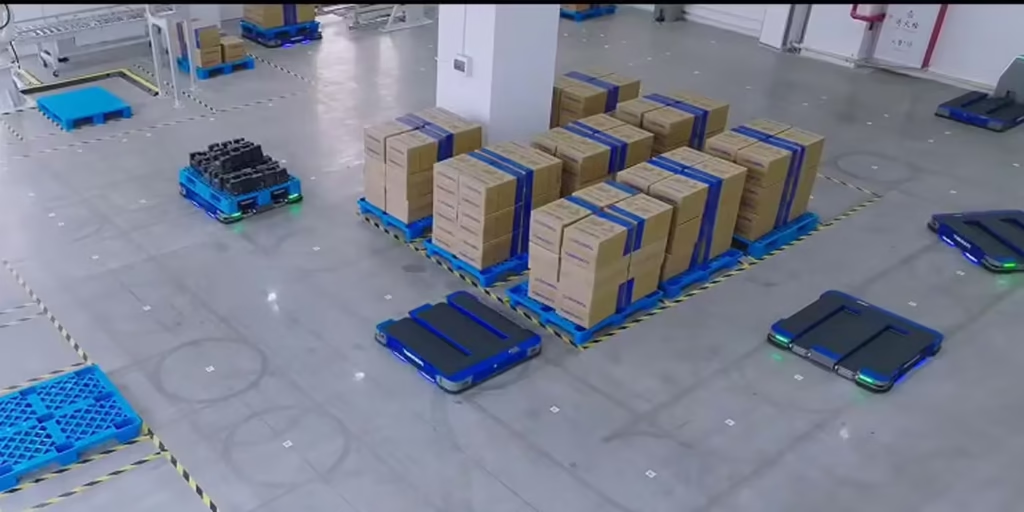
Automated pallet shelving uses stacker cranes, shuttle systems, or robotic arms to store and retrieve pallets. Combined with smart inventory software, it ensures optimal placement and retrieval speed.
Benefits:
- Minimizes manual labor and safety risks.
- Optimizes storage space utilization, allowing dense vertical stacking.
- Improves operational accuracy with ±5mm positioning precision.
Practical Application:
E-commerce warehouses often deploy shuttle robots to handle high-frequency SKU storage, enabling hundreds of pallets to be retrieved simultaneously without human intervention.
High-Density Storage Solutions
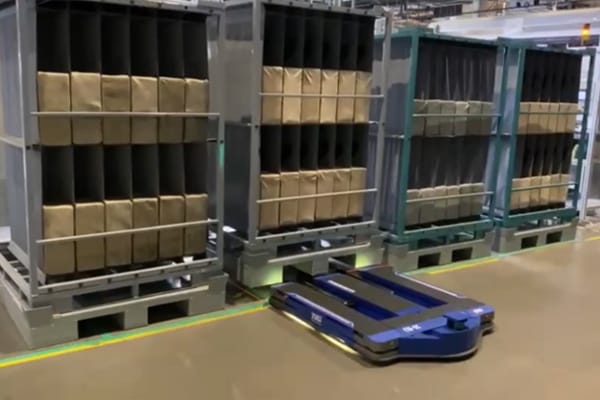
Concept:
High-density storage is essential for warehouses with limited floor space. Automation enables vertical stacking, multi-tier racks, and compact aisle operations without compromising access speed.
Benefits:
- Maximizes cubic storage per square meter.
- Reduces energy costs associated with lighting and climate control by minimizing active floor area.
- Facilitates faster inventory rotation through integrated retrieval systems.
Industry Example:
An Amazon fulfillment center in Germany achieved a 50% increase in storage density after implementing automated high-rack shelving with shuttle robots.
Order Picking Automation
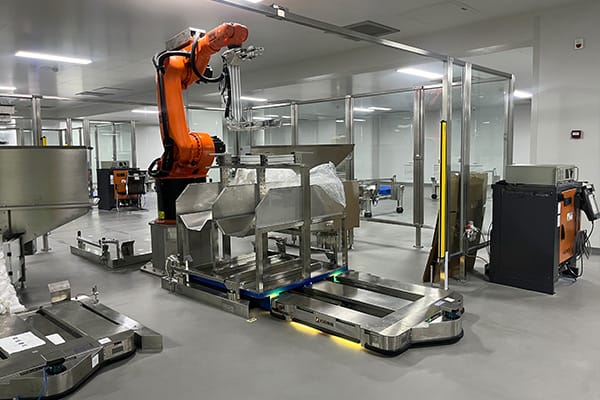
Concept:
Automated order picking systems use robots, conveyors, or robotic arms to retrieve specific pallets or individual items efficiently.
Benefits:
- Reduces picking errors by up to 90%.
- Enhances worker safety by minimizing repetitive lifting tasks.
- Optimizes route planning for multiple order batches simultaneously.
Technology Highlight:
Robotic shuttles integrated with AI-powered software can prioritize high-demand items, improving throughput during peak seasons like Black Friday or Singles’ Day.
Production Line Feeding
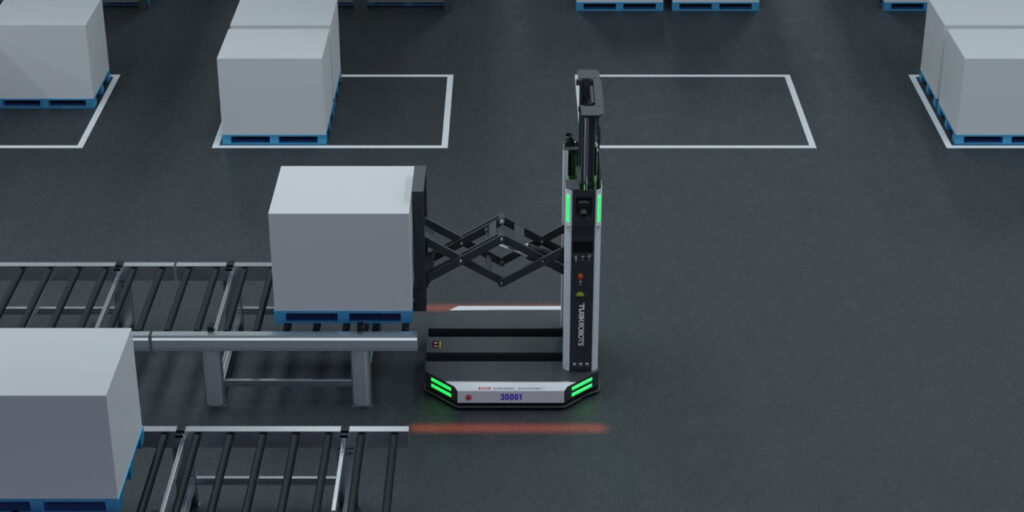
Concept:
Automated warehouses deliver raw materials or semi-finished products directly to production lines, supporting just-in-time manufacturing.
Benefits:
- Reduces downtime caused by material shortages.
- Maintains continuous production flow without manual intervention.
- Integrates seamlessly with manufacturing ERP systems for synchronized operations.
Case Study:
A major automotive plant in Detroit implemented AGV robots for line feeding, reducing manual handling by 70% and increasing assembly line uptime by 12%.
Material Unloading and Cross-Traffic Transfer
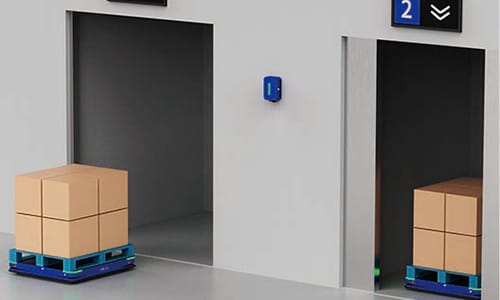
Concept:
Automated systems efficiently transfer finished or semi-finished goods between warehouse zones or production areas.
Benefits:
- Reduces congestion in aisles.
- Ensures precise delivery and pallet placement.
- Supports high-volume, multi-shift operations.
Data Insight:
Cross-traffic transfer automation has been shown to reduce transit errors by 80% in mixed-use warehouses handling both raw materials and finished goods.
Leading Automated Robots for Pallet Warehouses
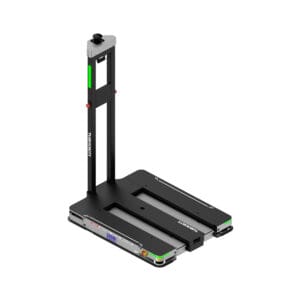
C06 AMR Robot
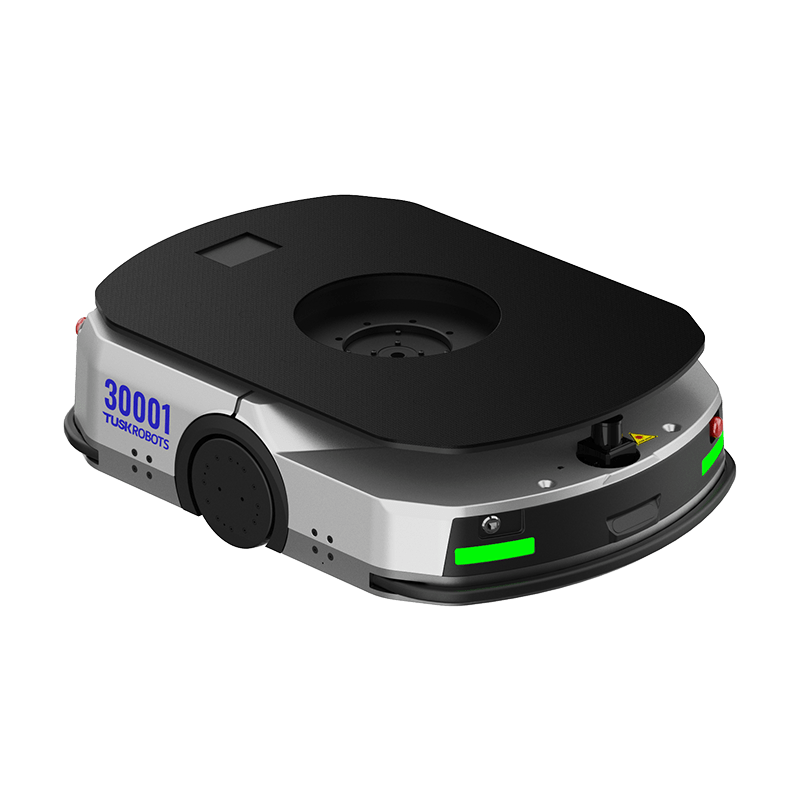
Core Features:
- Hybrid QR code + laser SLAM navigation ensures ±5mm stopping accuracy.
- 3D safety net with front/rear laser and anti-collision strips.
- Rated load: 600 kg; speed up to 2.0 m/s.
Applications:
- Electronics, light industry, e-commerce.
- Medium-load pallet transfer and sorting.
Advantages:
- Flexible integration with conveyors and elevators.
- Multi-device coordination for uninterrupted workflow.
- Reduces labor cost while maintaining high throughput.
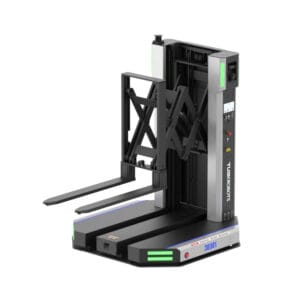
E08T AGV Robot
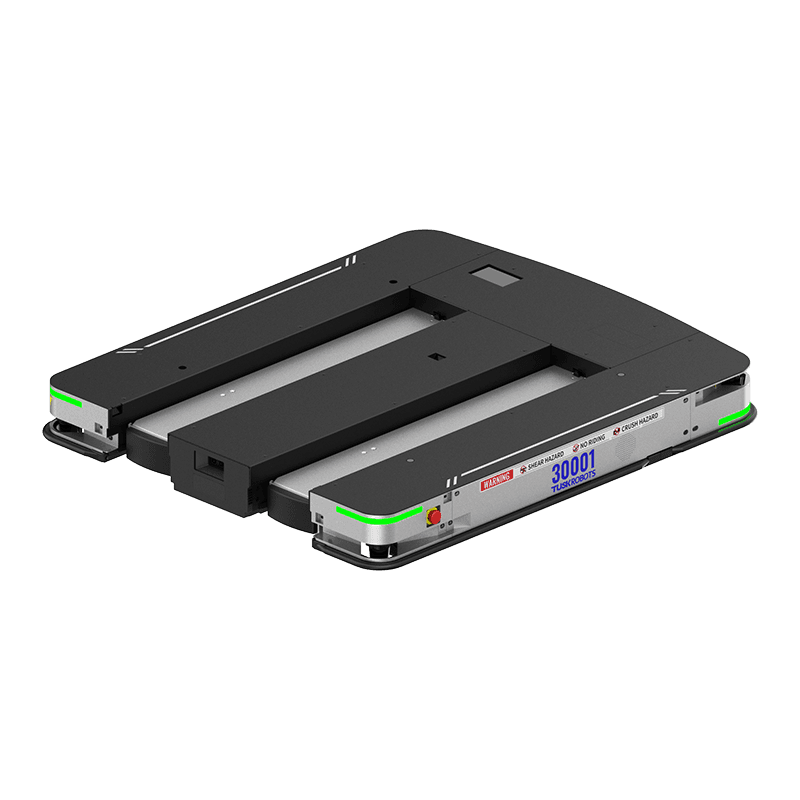
Core Features:
- QR code-based micron-level positioning with ±5mm repeatability.
- Rated load: 1,000 kg; max fork arm extension: 1,400 mm.
- Full 360° safety sensors; optional 3D obstacle avoidance.
Applications:
- Automotive, heavy industry, e-commerce.
- Medium-heavy pallet handling and production line feeding.
Advantages:
- Supports long-term multi-shift operations.
- Precise heavy-duty logistics automation.
- Minimizes human errors in dense warehouse environments.
Diaphragm-Based Pallet Robots (New Addition)
Concept:
Diaphragm robots use pneumatic systems for lightweight, angle-independent pallet transfer. Ideal for handheld or small-load applications in compact warehouses.
Applications:
- Small parts or sample handling in pharmaceutical or electronics warehouses.
- Environments with inclined or uneven floors.
Benefits:
- Works at any angle without spillage.
- Lightweight and portable.
- Reduces dependency on complex electrical control systems.
Comparison Table: C06 AMR vs E08T AGV vs Diaphragm Robots
| Feature | C06 AMR | E08T AGV | Diaphragm Robot |
|---|---|---|---|
| Max Load (kg) | 600 | 1,000 | 200 |
| Speed (m/s) | 2.0 / 1.5 | 2.0 / 1.8 | 1.2 / 1.0 |
| Navigation | QR + Laser SLAM | QR Code | Pneumatic Sensors |
| Safety | 3D Laser + Strip | Dual Laser + 3D Optional | Proximity Sensors |
| Battery / Power | 51.2V / 27AH | 51.2V / 30AH | N/A (Pneumatic) |
| Applications | Light Industry | Heavy Industry | Small Load, Compact Warehouse |
| Adaptability | Conventional Aisles | Slopes, Steps, Multi-Scenario | Angled / Uneven Floors |
Practical Applications and Recommendations
- E-commerce Warehousing: C06 AMR for high-frequency SKU handling.
- Automotive & Heavy Industry: E08T AGV for reliable medium-heavy load transfer.
- Small Parts Warehousing: Diaphragm robots for compact, angled areas.
- Production Line Feeding: Any AMR/AGV with line integration improves efficiency.
- High-Density Storage: Shuttle systems maximize vertical space.
Expert Tip:
“Selecting the right robot depends on load type, warehouse layout, and workflow complexity,” says Liam Anderson, Logistics Automation Specialist. “Future-proofing your warehouse means choosing adaptable and scalable technologies.”
Common Mistakes in Automated Pallet Warehouse Setup
- Ignoring load capacity → overloading and equipment strain.
- Neglecting safety → increased collision risk.
- Underestimating workflow complexity → inefficient robot routing.
- Choosing non-adaptable systems → limits future expansion.
Future Trends in Automated Pallet Warehouses
- AI-Powered Optimization: Predictive analytics to optimize stock rotation and robot routing.
- Collaborative Robots: AMRs working alongside humans safely in mixed-use warehouses.
- Energy-Efficient Solutions: Lithium-ion and hybrid batteries for sustainable operations.
- IoT Integration: Sensors on pallets and robots for real-time monitoring.
Final Thoughts
Investing in an automated pallet warehouse is a strategic decision that enhances efficiency, reduces labor costs, and improves safety. Key takeaways:
- Analyze workflow, storage density, and load type.
- Choose the right robot for your needs: AMR for flexibility, AGV for heavy loads, diaphragm for compact/angled areas.
- Integrate intelligent navigation and safety systems.
- Plan for future scalability and ERP/WMS integration.
A well-designed automated pallet warehouse boosts productivity, reduces errors, and delivers measurable ROI, making it an essential investment in today’s competitive logistics landscape.
FAQ
Q: Can one robot handle both light and heavy pallets?
A: Usually not. C06 AMR excels at light-medium loads; E08T AGV handles medium-heavy pallets. Multi-robot systems are recommended.
Q: How long do robot batteries last?
A: Lithium iron phosphate batteries typically last ~2,000 charge cycles, supporting ≥8 hours per shift.
Q: Are these systems suitable for small warehouses?
A: Yes, but compact AMRs are more space-efficient than large AGVs.
Q: How do automated warehouses integrate with ERP/WMS systems?
A: Real-time integration allows optimized routing, inventory accuracy, and automated order fulfillment.
Q: What maintenance is required?
A: Regular inspection of batteries, sensors, and moving parts is essential; software updates improve performance and safety.
Q: Can automated systems handle angled or uneven floors?
A: Diaphragm robots and AGVs with slope adaptation can maintain stability and accuracy.
TUSKROBOTS: Leading Intelligent Automation Solutions
Thank you for reading! We hope this blog offered valuable insights into Intelligent Warehousing & Logistics Automation Solutions. We are committed to empowering smart factories and intelligent logistics, making industrial handling simpler and more efficient.
Join our community to stay updated on our advanced automated pallet handling and picking robots.
📘 Follow us onFacebook, Instagram, and TikTok.
Let’s keep the conversation going—see you there!
Latest post

Contact Info
2nd Floor, Xingzhongchuang Xiabei High-tech Industry Center A1, Nanhai District, Foshan, China
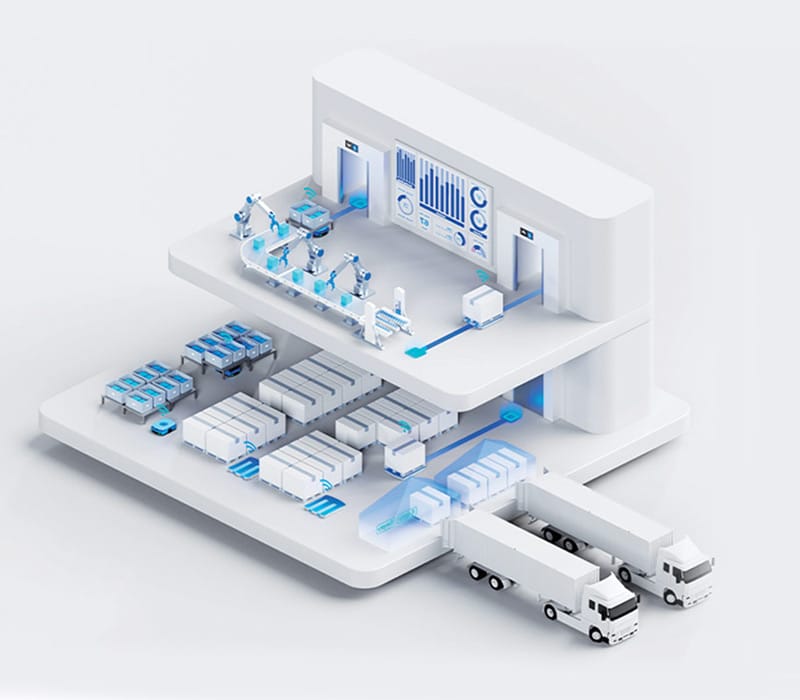
Full-stack intelligent logistics management and control system
It connects the entire "system - platform - hardware" chain, is compatible with mainstream industrial systems, and links intelligent hardware to achieve intelligent management and efficiency upgrades for the entire logistics process.
WHAT FITS:
Building core competitiveness in mobile management
01.
Custom Data Dashboard
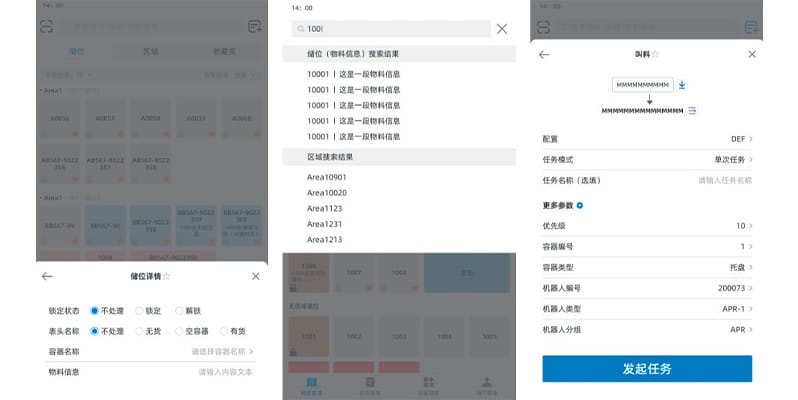
Building core competitiveness in mobile management
02.
Personalized User Management
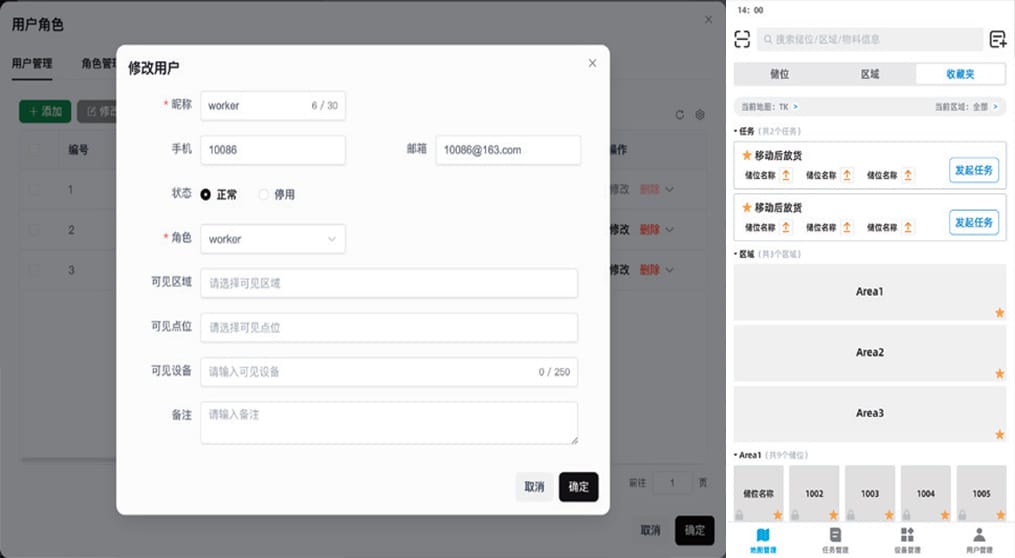
Building core competitiveness in mobile management
03.
Personalized Alarm Push

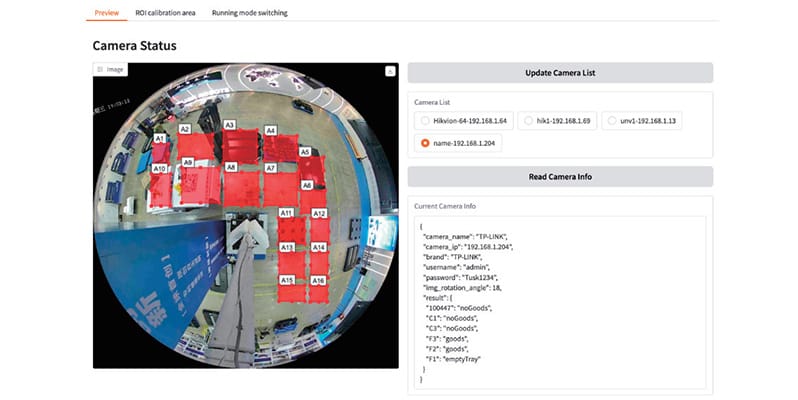
Leading the revolution in intelligent
warehouse location management
01.
Real-time storage location automatic trigger task

Leading the revolution in intelligent
warehouse location management
02.
Visual configuration interface
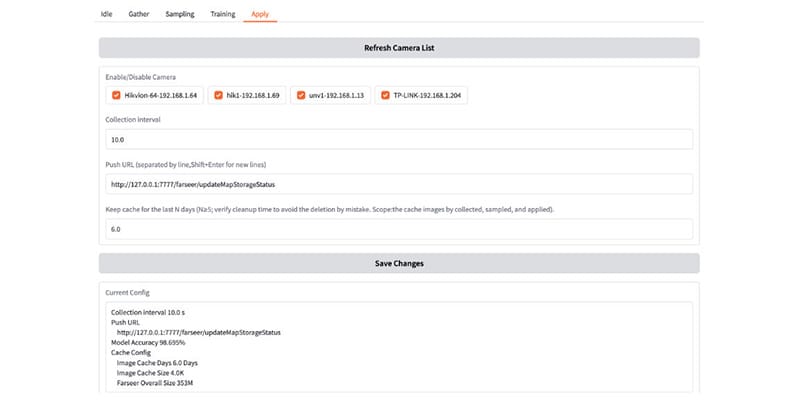
Leading the revolution in intelligent warehouse location management
03.
Custom Configuration
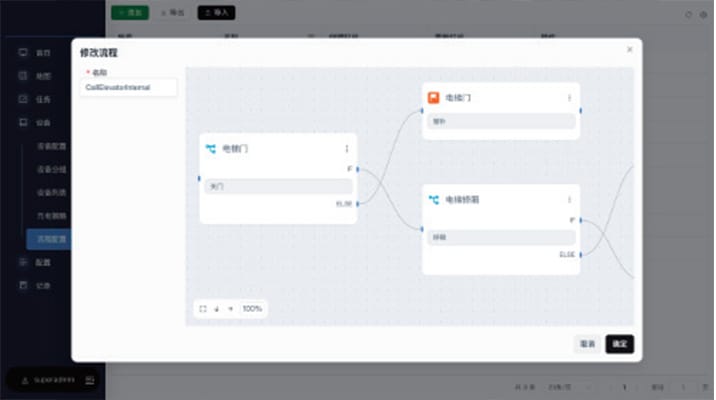
Lothar Intelligent Management Platform Building a Central System for Smart Factories
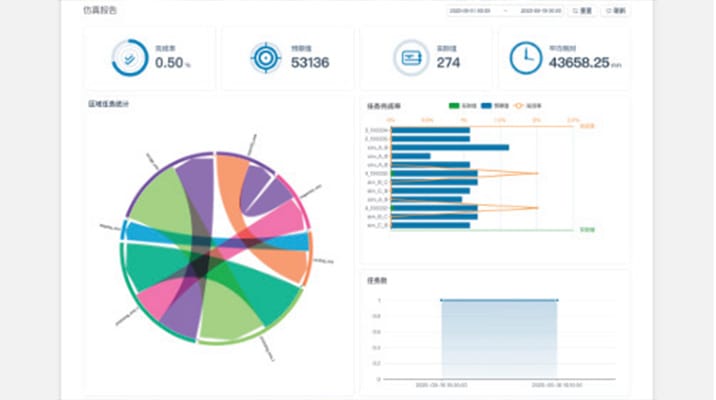
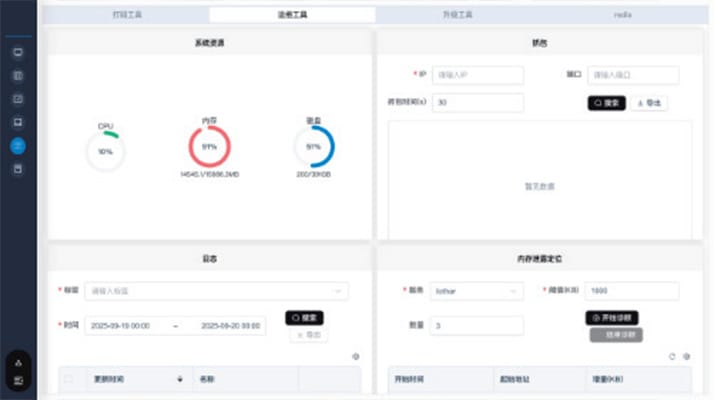
Lothar, the intelligent management platform from Taskar, serves as the digital hub for smart factories. It features customizable data dashboards, full-dimensional map visualization, graphical task and equipment workflows, simulation capabilities, AI-powered operation and maintenance, open multi-protocol interfaces, and OTA upgrade support, empowering digital management of factories throughout their entire lifecycle.
Map Management
Configuration Management
Access Management
Task Management
Historical records
Equipment Management
Simulation
Data dashboard
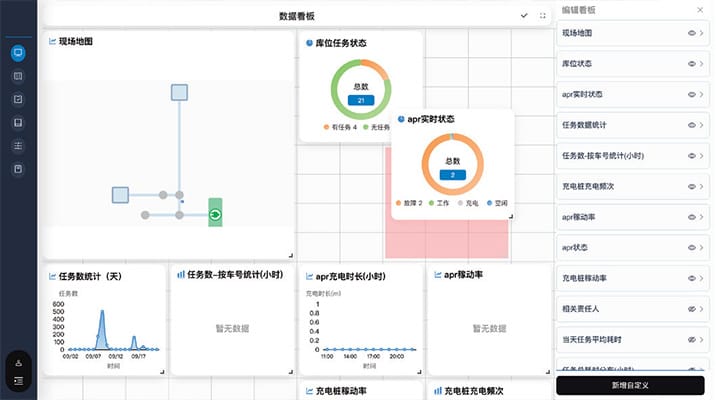
01.
Custom Data Dashboard
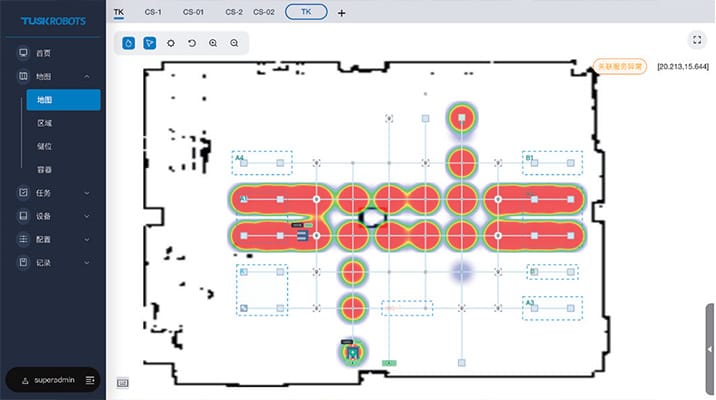
02.
Map visualization
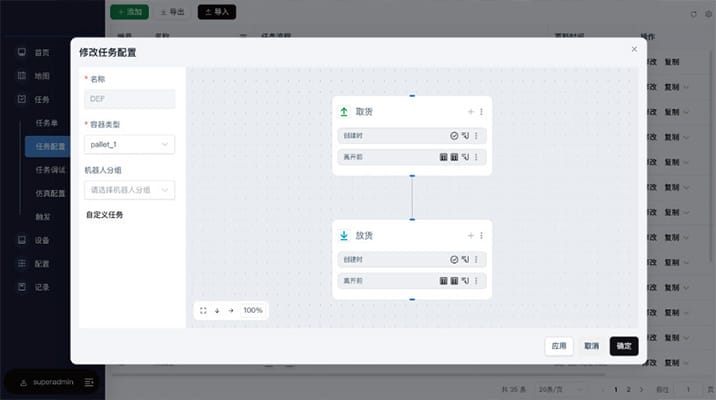
03.
Graphical construction task
04.
Graphical device configuration process
05.
Simulation visualization
06.
O&M Visualization
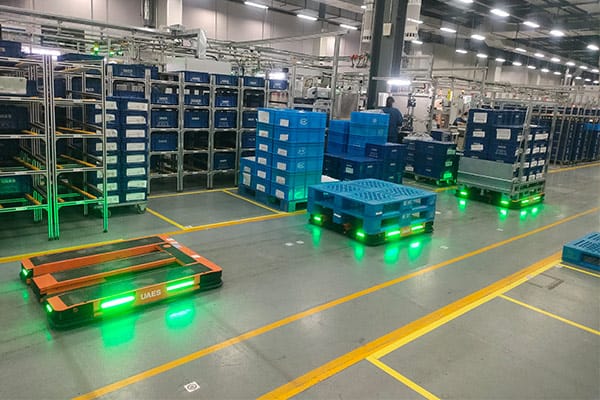
Trust Witnessing in Smart Factory Automation
Electronics Industry
The automotive electronics trend makes digital pallet robots the preferred choice for in-plant logistics.
Solution
Auto Parts Industry
Rising demand for automotive interiors propels suppliers to new heights of development.
Solution
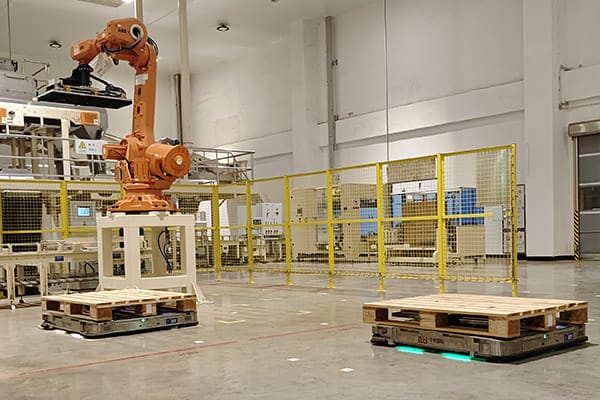
Tobacco Industry
A backbone of China's tobacco industry, with over forty years of history.
Solution
Pharmaceutical Industry
The pharmaceutical industry needs automation due to GMP requirements.
Solution
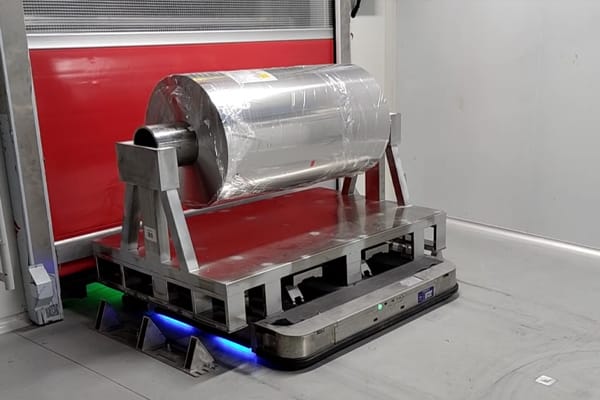
New Energy Industry
New energy lithium battery production capacity increases, automation is key.
Solution
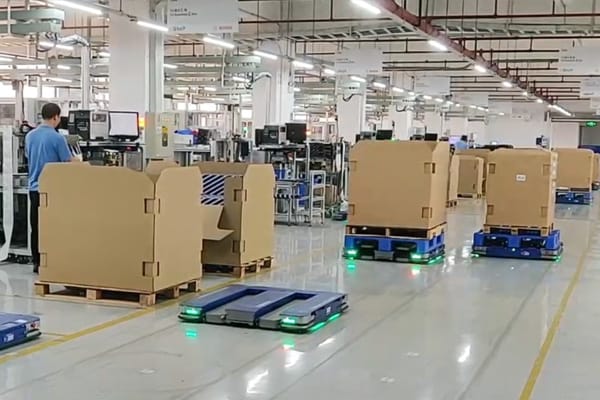
Manufacturing Industry
A globally renowned manufacturer of wiper parts, with a factory of 30,000 square meters.
Solution
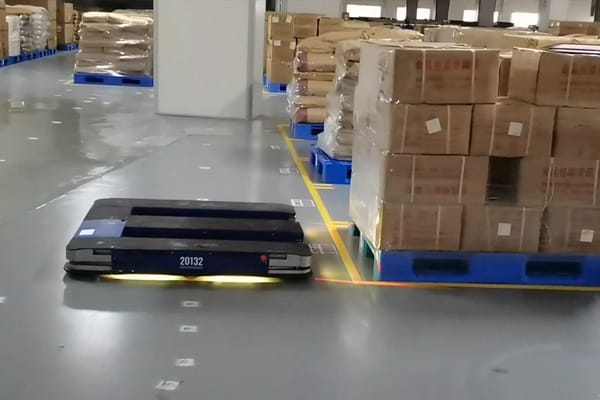
Food Industry
Positioned as a high-quality chain bakery brand, with a modern industrial park of over 60,000 square meters.
Solution
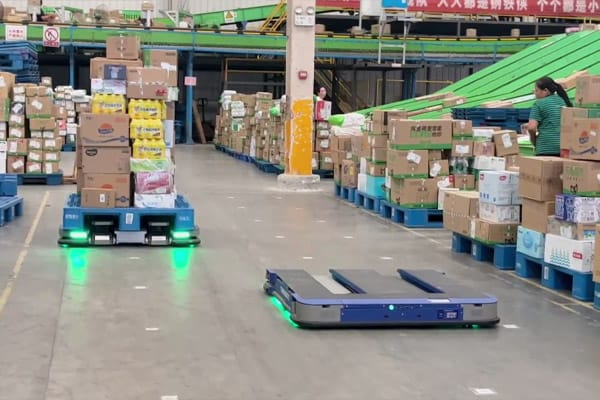
Logistics Industry
South China Logistics and Distribution Center of a Major Domestic E-commerce Company
Solution
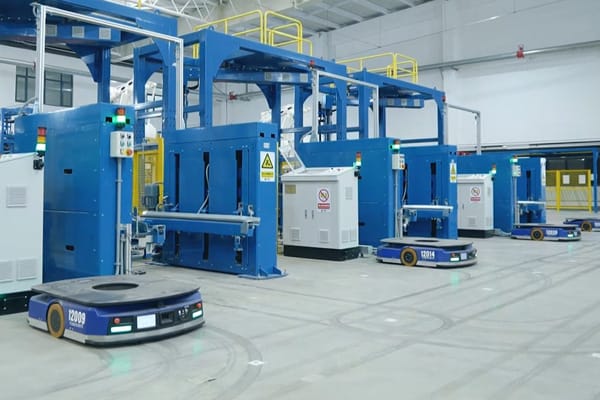
Paper Industry
The group is a leading enterprise in the domestic household paper and maternal and child hygiene products industry.
Solution
Smart Factory Automation Trust
Explore more industry automation transformation paths; click to unlock customized solutions.
Smart Device Project Implementation
Implementation Preparation
Robot/charging station parts inventory: on-site inspection of wiring, access control, network, and power supply.
Project on-site implementation
Line marking and coding, map creation and permission setting, software and hardware debugging / robot test run
Launch and Support
User training / Deployment and trial run, manual / maintenance training, acceptance signing, after-sales support