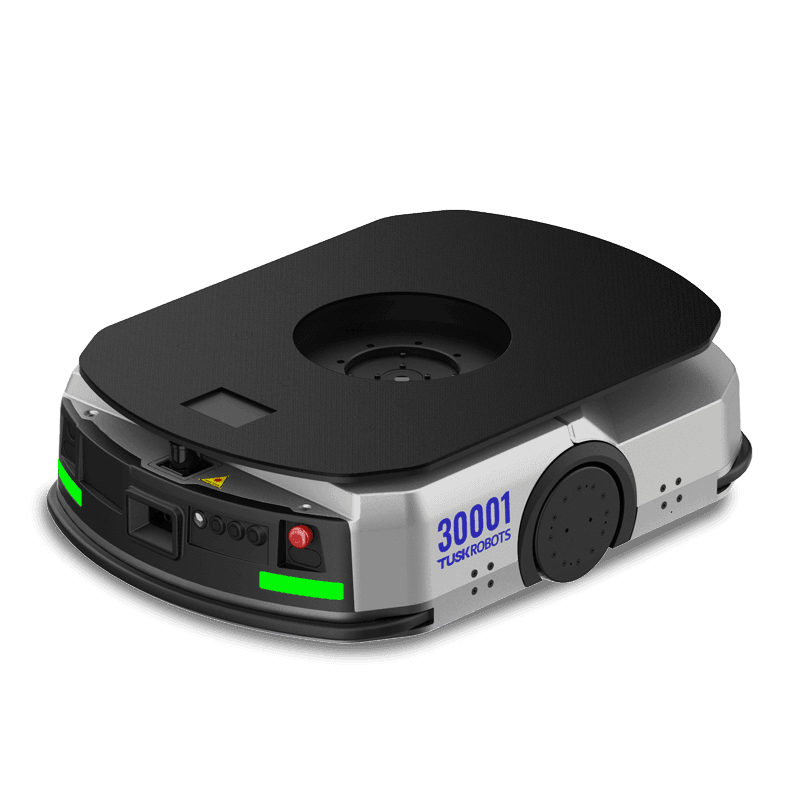

Гуандунская таскерская робототехника (Tuskrobots): ведущая будущее интеллектуальной логистической автоматизации
In a world where speed, accuracy, and cost control define industrial competitiveness, logistics automation is no longer a luxury—it is a strategic necessity. Whether you run a factory, a warehouse, or a distribution center, the ability to move materials quickly, safely, and efficiently can make or break your production rhythm.
This is where Guangdong Tasker Robotics Co., Ltd. (Tuskrobots) steps in. As a rising star in the robotics industry, Tuskrobots has been shaping the future of intelligent logistics through advanced AMR (Autonomous Mobile Robot) systems, hybrid navigation technology, and integrated software platforms. If you’re exploring ways to upgrade your internal logistics, reduce labor dependency, and achieve scalable automation, Tuskrobots is a name you need to know.
Оглавление
Why Тускроботы Matters in the Era of Smart Manufacturing
The Logistics Challenge in Modern Industry
In many factories, logistics accounts for up to 20–30% of production costs, and labor shortages continue to squeeze operational capacity. The traditional material handling approach—manual labor, forklifts, conveyor belts—faces limitations such as:
- High labor costs and turnover
- Safety risks and accident liability
- Inconsistent performance and delays
- Difficulty scaling during peak seasons
- Limited visibility into inventory and workflow
To overcome these challenges, more manufacturers are adopting AMR-based logistics automation. These systems provide flexibility, intelligence, and efficiency, enabling factories to adapt to fast-changing production requirements.
Tuskrobots’ Value Proposition
Tuskrobots offers a complete set of logistics automation solutions that combine:
- High-performance robotics hardware
- Гибридная навигация (QR + SLAM)
- Centralized fleet management
- WMS/MES/ERP integration
- Customizable workflow optimization
This combination allows businesses to achieve continuous, safe, and predictable logistics operations.
Company Overview: Guangdong Tasker Robotics (Тускроботы)
A Strategic Base in Guangdong Manufacturing Hub
Tuskrobots is headquartered in Nanhai District, Foshan, Guangdong Province, one of China’s most dynamic manufacturing centers. This location provides access to:
- Complete industrial supply chains
- Skilled engineering talent
- Strong manufacturing infrastructure
- Export logistics advantages
A Strong R&D Team and Patented Technology
Tuskrobots’ R&D team includes professionals from top universities and robotics institutes, focusing on:
- Autonomous navigation algorithms
- Multi-robot collaboration
- Safety and obstacle avoidance
- Cloud-based fleet management
- Industrial IoT integration
The company has obtained multiple patents and software copyrights, demonstrating its innovation capabilities.
Core Product Portfolio of Tuskrobots
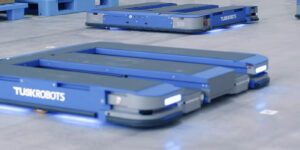
Tuskrobots offers a wide range of robots designed for various logistics tasks. Below is a detailed breakdown of the major product lines:
1. Autonomous Pallet Robots (APR Series)
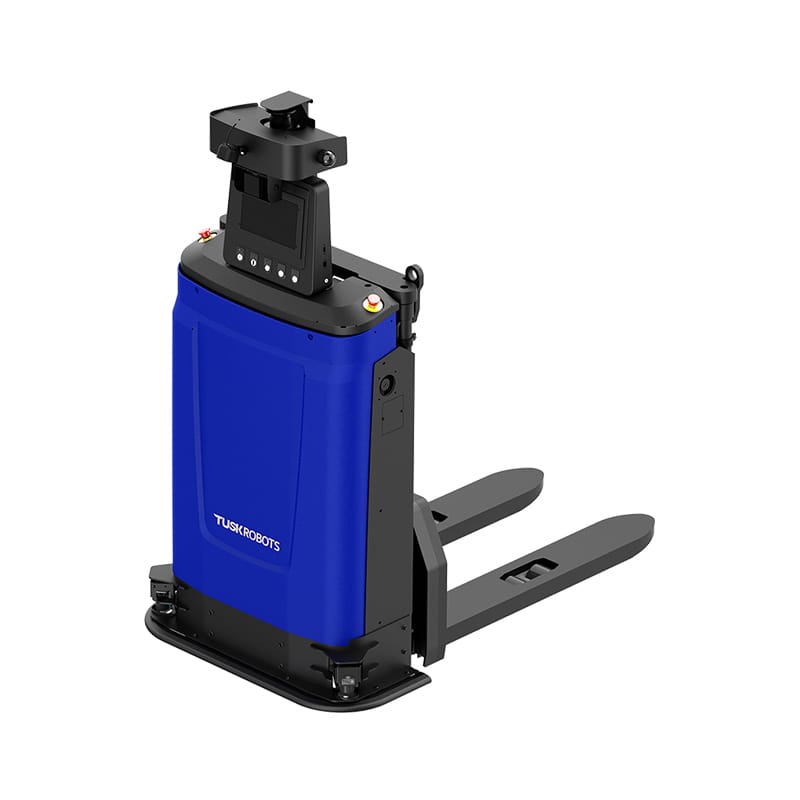
Use Case: Pallet transfer, warehouse logistics, production line feeding.
Грузоподъемность: Typically ranges from 600 kg to 1000 kg depending on model.
Основные характеристики:
- Hybrid navigation (QR + laser SLAM) for stable positioning
- Automatic pallet pick-up and drop-off
- Multi-robot coordination
- Strong adaptability to complex layouts
Typical Industries:
- Electronics manufacturing
- Automotive parts
- FMCG
- Chemical plants
Why APR Matters:
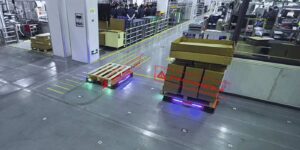
Pallet handling is one of the most labor-intensive tasks in factories. APR robots can replace manual pallet handling, reduce forklift usage, and improve workflow efficiency.
2. Cross-Transfer Robots (C Series)
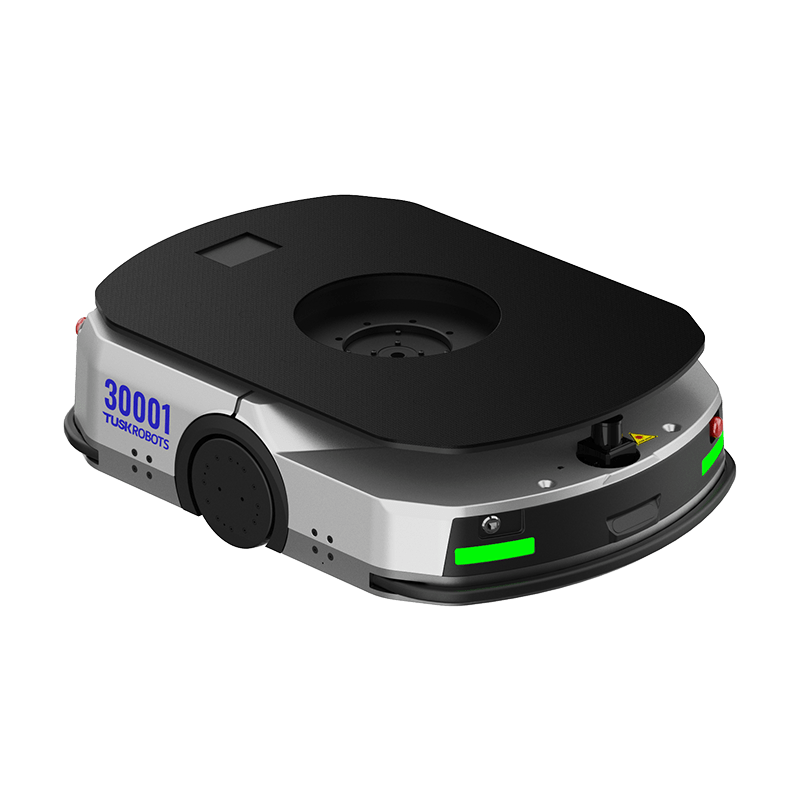
Use Case: Cross-transfer between production lines, automatic transfer between stations.
Грузоподъемность: 600 kg / 800 kg / 1000 kg (model dependent)
Core Advantages:
- High-speed transfer between lines
- Reduced production downtime
- Improved throughput and stability
- Support for multi-directional transfer
Typical Scenario:
In electronics assembly lines, parts must be transferred between stations quickly to avoid bottlenecks. Cross-transfer robots provide continuous, reliable transfer without human intervention.
3. Automated Guided Vehicles (AGV) with Docking Systems
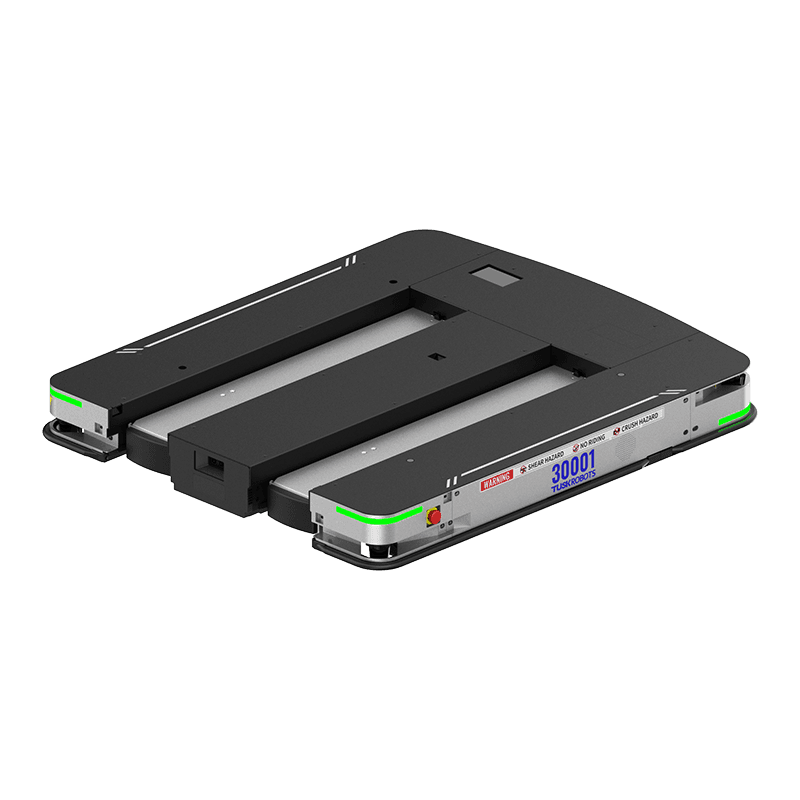
Use Case: Fixed-route logistics, loading/unloading integration, high-frequency transport.
Strengths:
- High reliability in structured environments
- Integration with conveyor and dock systems
- High repeatability and low error rate
Typical Application:
For large-scale warehouses, AGVs can form the backbone of an automated material flow system, supporting high-volume and high-frequency operations.
4. Warehouse Automation Solutions (WMS Integration)
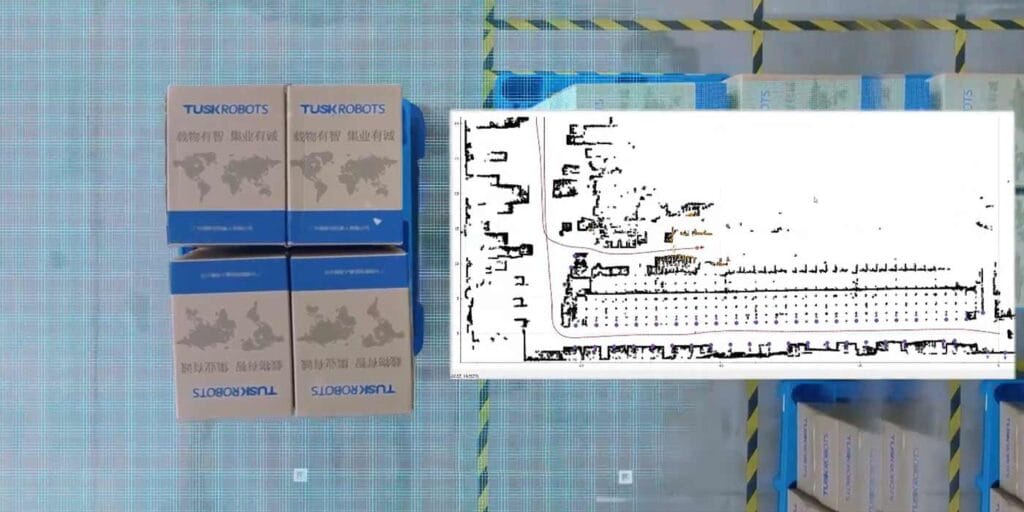
Tuskrobots provides not only hardware but also full logistics system integration. This includes:
- Real-time monitoring of robot status
- Task scheduling and route optimization
- Integration with WMS/MES/ERP
- Data analytics and production visualization
This system-level capability is essential for companies that need:
- Cross-department coordination
- High visibility into logistics flow
- Predictable and scalable operations
Technical Advantages: Why Tuskrobots Works in Real Factories
Hybrid Navigation: The Best of Both Worlds
One of Tuskrobots’ core strengths is its hybrid navigation system, combining:
- QR Code Navigation
- Fast and accurate in structured environments
- Simple deployment and low cost
- Laser SLAM Navigation
- Flexible in changing environments
- Suitable for complex layouts
This hybrid system ensures stable performance even when the factory layout changes, and it reduces the need for expensive infrastructure changes.
Fleet Management: Multi-Robot Coordination
Tuskrobots’ fleet management system supports:
- Multi-robot scheduling
- Traffic control
- Collision avoidance
- Priority task assignment
- Real-time monitoring
This enables high-density robot operations without chaos.
Безопасность и соответствие требованиям
Industrial safety is critical. Tuskrobots robots include:
- Multi-layer obstacle detection
- Emergency stop functions
- Compliance with international safety standards
- Stable braking and collision avoidance
Industry Trends: Why AMR Is Becoming Mainstream
Market Growth and Industry Demand
According to industry research, the global warehouse automation market is expected to grow at a strong pace, driven by:
- E-commerce expansion
- Labor shortages
- Demand for faster delivery
- Smart manufacturing adoption
AMR systems, with their flexibility and rapid deployment, are becoming the preferred choice over traditional AGVs in many scenarios.
The Cost Advantage of AMR
Compared to manual labor and forklift systems, AMR can deliver:
- Lower long-term labor costs
- Reduced accident and insurance risk
- Higher productivity and uptime
- Better quality and consistency
Real Project Data: Capacity Improvement, Labor Savings, Project Cycle
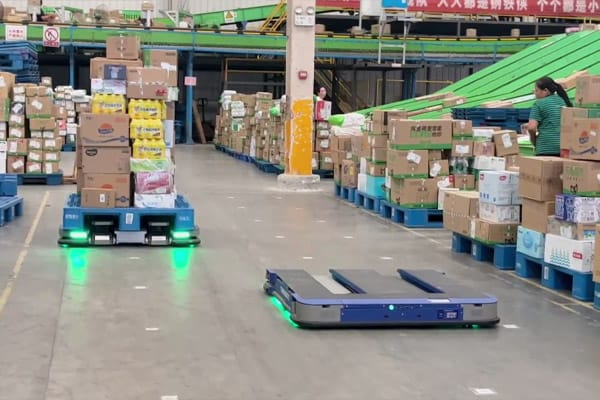
Procurement teams often need quantifiable results to justify automation investment. Below are real-world project ranges based on typical Tuskrobots deployments and industry performance.
Project A: Electronics Manufacturing (SMT Line)
Сценарий:
- High-frequency material transfer for PCB and SMT production
- Manual handling causes delays and labor costs
Решение:
- 10 APR pallet robots + fleet management system
- Integration with WMS for scheduling
Key Results (typical range):
- Capacity increase: 18%–25%
- Labor savings: 6–10 operators (3-shift basis)
- Deployment cycle: 2.5 months
- ROI cycle: 10–14 months
Procurement value:
- Predictable investment and stable operation
- Reduced risk of production delays due to labor shortages
Project B: Automotive Parts Factory (Heavy Load Transfer)
Сценарий:
- Heavy material transfers with frequent movement
- Forklifts occupy space and have safety risks
Решение:
- 8 APR robots + 4 cross-transfer robots
- Multi-station coordinated scheduling
Key Results (typical range):
- Capacity increase: 22%–30%
- Labor savings: 5–8 forklift operators
- Accident rate reduction: ~40%
- Deployment cycle: 3–4 months
- ROI cycle: 12–18 months
Procurement value:
- Reduced safety risks and related costs
- Lower forklift maintenance and fuel expenses
Project C: FMCG Warehouse (Seasonal Peak Demand)
Сценарий:
- Peak seasons cause surges in orders and handling needs
- Temporary workforce leads to inconsistency and errors
Решение:
- 15 cross-transfer robots + 10 AGVs
- Zone-based scheduling and WMS integration
Key Results (typical range):
- Daily throughput increase: 30%–45%
- Labor savings: 12–20 temporary workers
- Peak capacity increase: 40%
- Deployment cycle: 4–6 weeks
- ROI cycle: 8–12 months
Procurement value:
- Reduced need for temporary staffing
- Lower error rates and improved delivery speed
Cost-Benefit Summary for Procurement (Table)
| Project Type | Robot Quantity | Capacity Increase | Трудовые сбережения | Deployment Cycle | ROI Cycle |
|---|---|---|---|---|---|
| Electronics (SMT) | 10 APR | 18%–25% | 6–10 people | 2.5 months | 10–14 months |
| Automotive Parts | 8 APR + 4 C | 22%–30% | 5–8 people | 3–4 months | 12–18 months |
| FMCG Warehouse | 15 C + 10 AGV | 30%–45% | 12–20 people | 4–6 weeks | 8–12 months |
Key Procurement Considerations: Cost Structure & Risk Control
CAPEX vs OPEX
- CAPEX (one-time cost): robot equipment, fleet management system, installation, layout modification
- OPEX (operating cost): electricity, maintenance, spare parts, upgrades, training
Typical operational cost reference:
- Single robot daily power cost is usually $1–$3/day (depending on local electricity and workload)
- Maintenance cycle is typically every 6–12 months
- Key components lifespan is 3–5 лет
Risk Control
Procurement decisions must consider risks such as:
- Delivery cycle reliability
- System stability and downtime
- Scalability and future expansion
- Supply chain and spare parts availability
Tuskrobots’ local manufacturing base in Guangdong ensures strong supply chain support and stable after-sales service.
How Тускроботы Helps Customers Achieve ROI
Real ROI Drivers
- Трудовые сбережения
Automation reduces the need for manual transport staff, especially for repetitive tasks. - Productivity Increase
Robots can work continuously, supporting multiple shifts without fatigue. - Safety Improvement
Fewer accidents mean lower downtime and insurance costs. - Operational Visibility
Data-driven logistics helps management make better decisions.
Typical ROI Timeframe
In most scenarios, Tuskrobots systems can achieve ROI within 12–24 months, depending on:
- Factory scale
- Existing labor costs
- Production intensity
- Integration complexity
What Customers Say: Industry Feedback
While specific customer testimonials vary by project, common feedback includes:
- “Tuskrobots improved our throughput significantly.”
- “The robots are easy to deploy and maintain.”
- “The system integration was smooth and improved our workflow visibility.”
- “We reduced labor dependency and improved safety.”
Tuskrobots: Global Reach and International Service
Tuskrobots has expanded beyond China, with successful deployments in:
- Southeast Asia
- South Asia
- Middle East
- Africa
- South America
The company also provides full export support, including:
- Pre-sales consultation
- Installation and commissioning
- Operator training
- Long-term spare parts supply
Future Outlook: Where Tuskrobots Is Heading
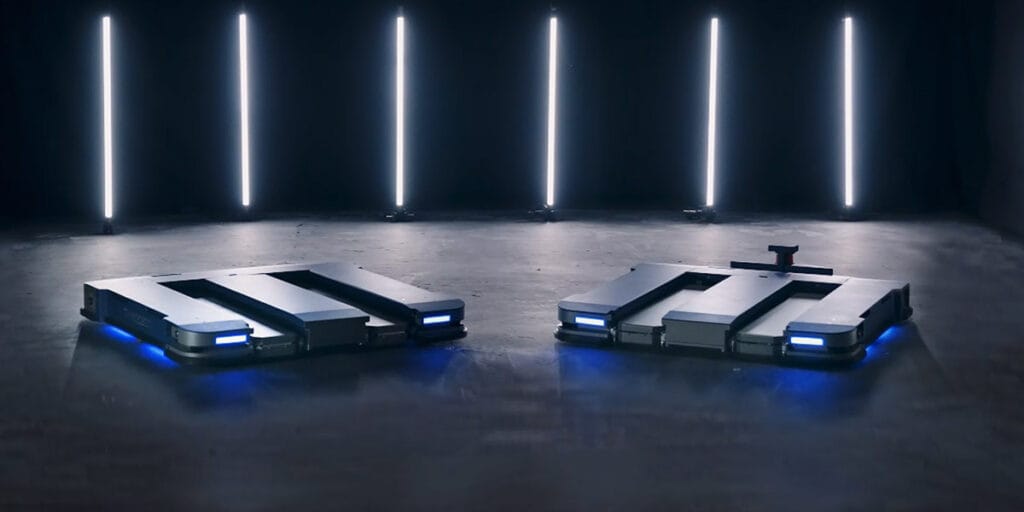
The next wave of logistics automation is moving toward:
- Higher autonomy
- Stronger AI-driven scheduling
- More integrated warehouse ecosystems
- Multi-modal logistics collaboration
Tuskrobots is well-positioned for this trend with its strong R&D capability, product portfolio, and market experience.
Заключение
In today’s competitive industrial environment, logistics automation is essential for efficiency, safety, and scalability. Guangdong Tasker Robotics (Tuskrobots) offers advanced AMR solutions, hybrid navigation, and integrated software systems that help businesses transform their internal logistics operations.
Whether you are upgrading a factory or building a new logistics center, Tuskrobots provides a reliable, scalable, and cost-effective automation path that can significantly improve productivity and reduce operational risks.
Часто задаваемые вопросы
What is the difference between AMR and AGV?
AMR (Autonomous Mobile Robot) can navigate dynamically without fixed infrastructure, while AGV relies on predefined routes and fixed guidance systems.
Can Tuskrobots integrate with existing WMS/MES?
Yes, Tuskrobots supports integration with mainstream WMS, MES, and ERP systems.
How long does it take to deploy a Tuskrobots system?
Deployment time depends on factory complexity but typically ranges from 2 to 8 weeks for standard setups.
Являются Тускроботы robots safe to operate around humans?
Yes, they include multi-layer safety systems such as obstacle detection, emergency stop, and collision avoidance.
What industries are best suited for Tuskrobots?
Electronics, automotive, FMCG, chemical, logistics centers, and any environment with high internal material transfer needs.
TUSKROBOTS: ведущие решения в области интеллектуальной автоматизации
Спасибо за чтение! Мы надеемся, что этот блог дал вам ценную информацию об интеллектуальных решениях для складирования и автоматизации логистики. Мы стремимся развивать интеллектуальные фабрики и интеллектуальную логистику, делая промышленную обработку грузов проще и эффективнее.
Присоединяйтесь к нашему сообществу, чтобы быть в курсе наших передовых автоматизированных роботов для обработки и сбора поддонов.
📘 Подпишитесь на насФейсбук, Инстаграм, и ТикТок.
Давайте продолжим разговор — увидимся там!
Последний пост

Контактная информация
2-й этаж, высокотехнологичный промышленный центр Синчжунчуан Сябэй A1, район Наньхай, Фошань, Китай
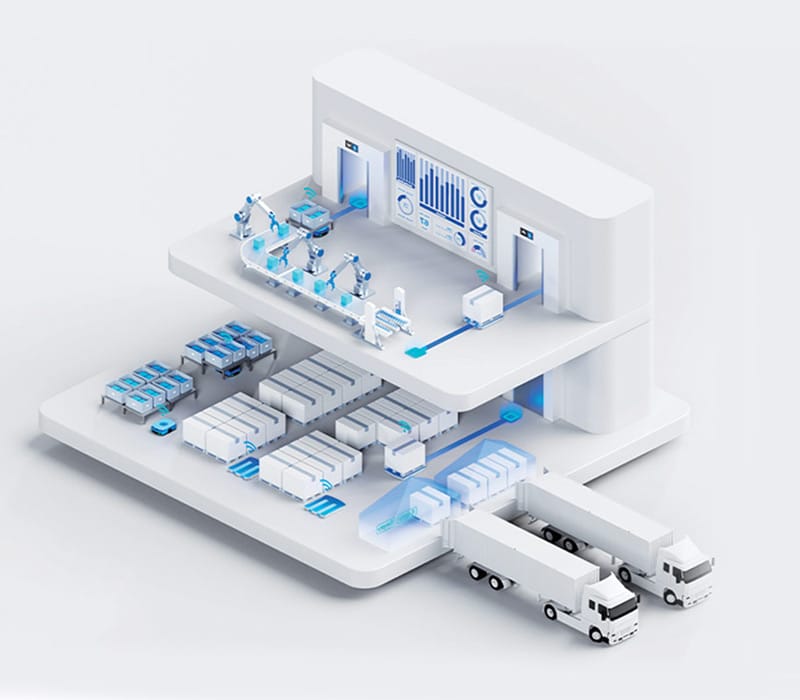
Полнофункциональная интеллектуальная система управления и контроля логистики
Он объединяет всю цепочку "система – платформа – оборудование", совместим с основными промышленными системами и связывает интеллектуальное оборудование для достижения интеллектуального управления и повышения эффективности всего логистического процесса.
ЧТО ПОДХОДИТ:
Создание базовой конкурентоспособности в сфере мобильного управления
01.
Панель пользовательских данных
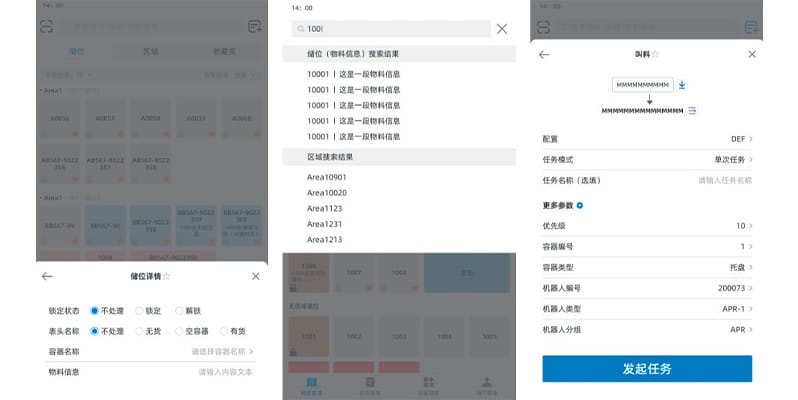
Создание базовой конкурентоспособности в сфере мобильного управления
02.
Персонализированное управление пользователями
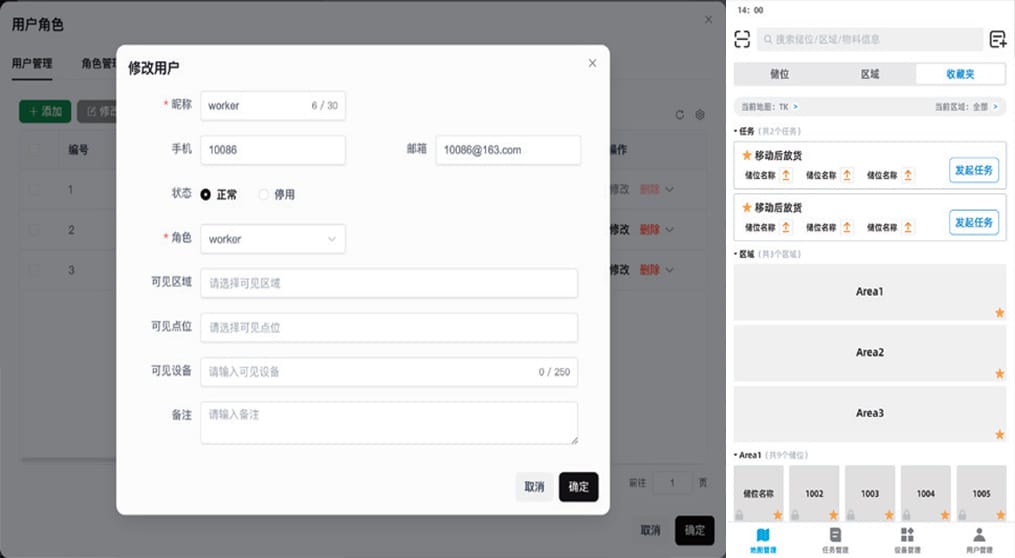
Создание базовой конкурентоспособности в сфере мобильного управления
03.
Персонализированный сигнал тревоги
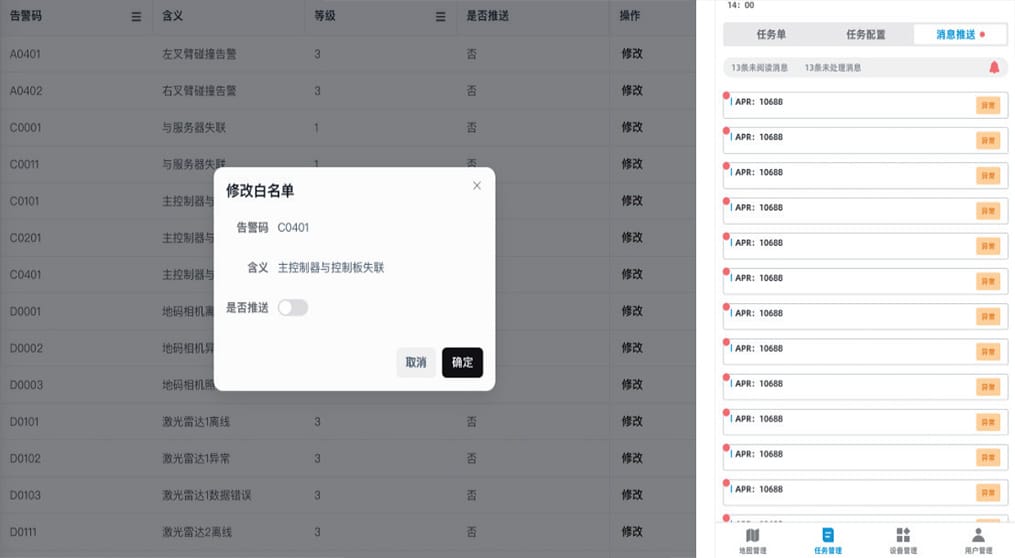
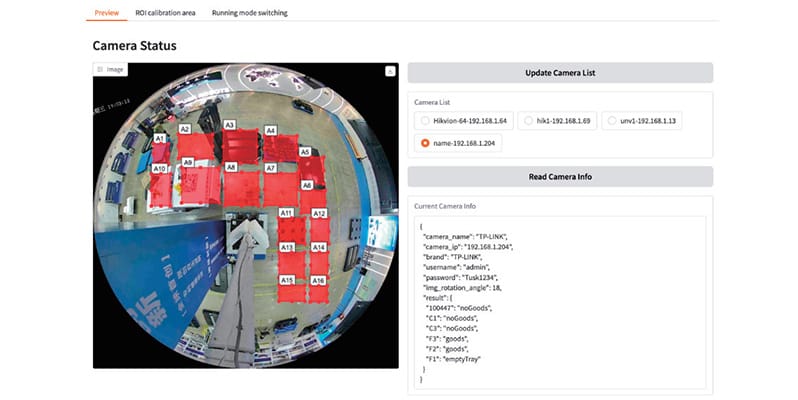
Лидер революции в области интеллектуальных технологий
управление местоположением склада
01.
Автоматическая задача запуска определения местоположения хранилища в режиме реального времени
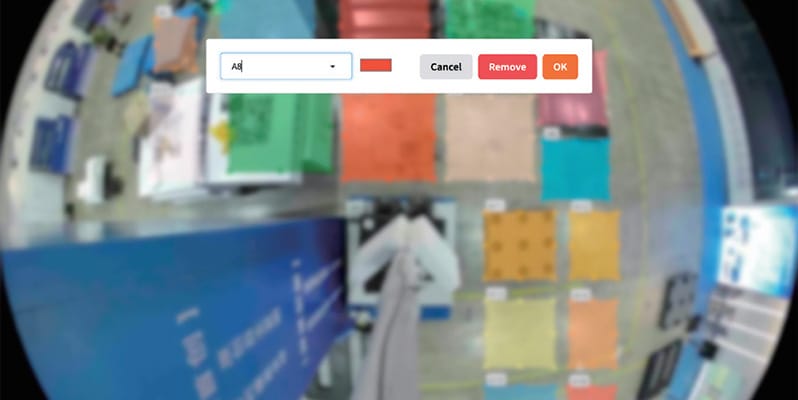
Лидер революции в области интеллектуальных технологий
управление местоположением склада
02.
Интерфейс визуальной настройки
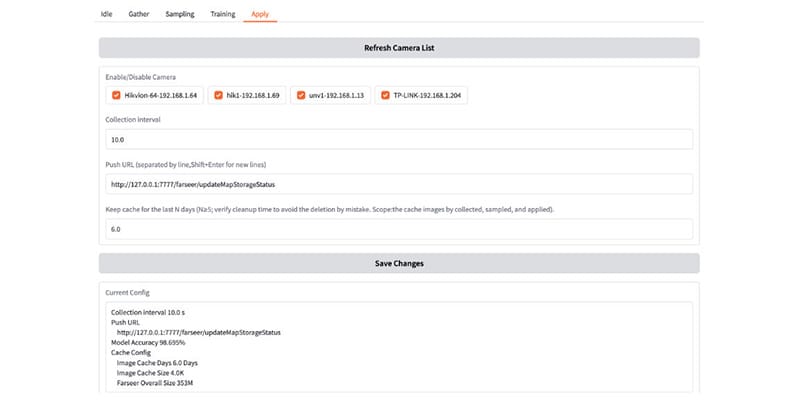
Лидер революции в области интеллектуального управления складскими помещениями
03.
Индивидуальная конфигурация
Интеллектуальная платформа управления Lothar: создание центральной системы для умных фабрик
Lothar, интеллектуальная платформа управления от Taskar, служит цифровым центром для умных фабрик. Она включает в себя настраиваемые панели управления данными, полноразмерную визуализацию карт, графическое представление рабочих процессов задач и оборудования, возможности моделирования, эксплуатацию и обслуживание на базе искусственного интеллекта, открытые многопротокольные интерфейсы и поддержку беспроводных обновлений, что обеспечивает цифровое управление фабриками на протяжении всего их жизненного цикла.
Управление картой
Управление конфигурацией
Управление доступом
Управление задачами
Исторические записи
Управление оборудованием
Моделирование
Панель данных
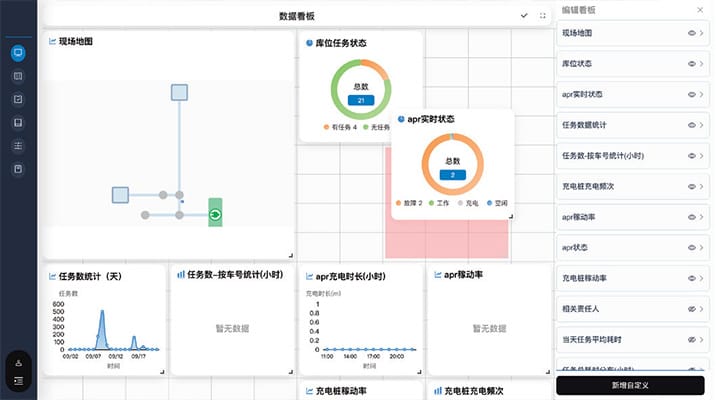
01.
Панель пользовательских данных
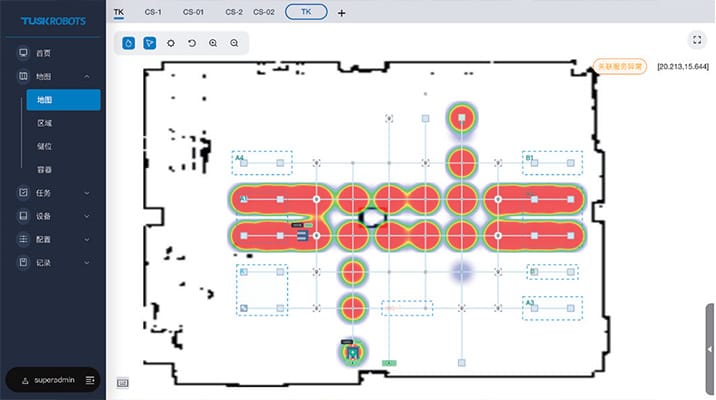
02.
Визуализация карты
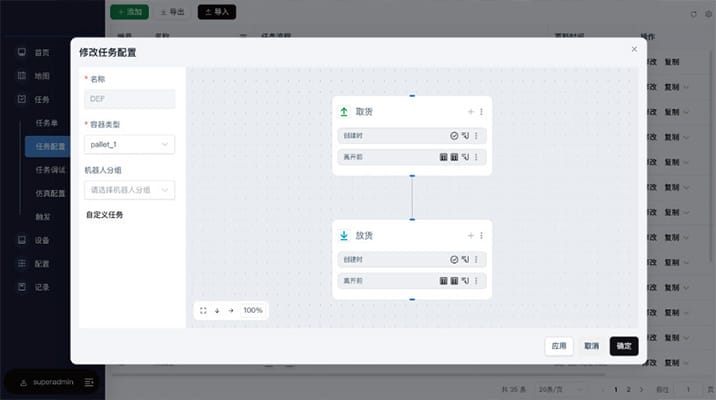
03.
Графическая задача построения
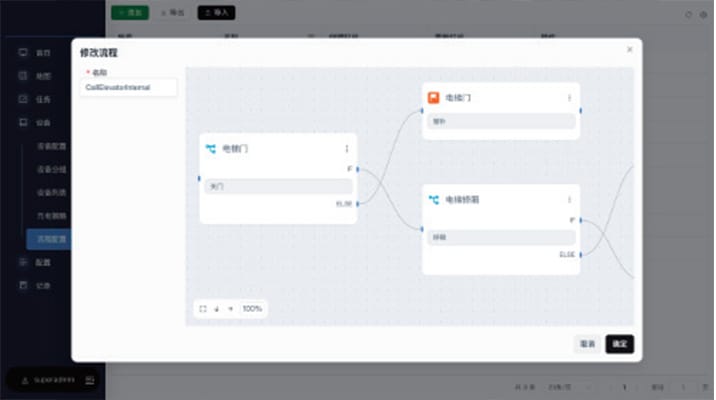
04.
Процесс настройки графического устройства
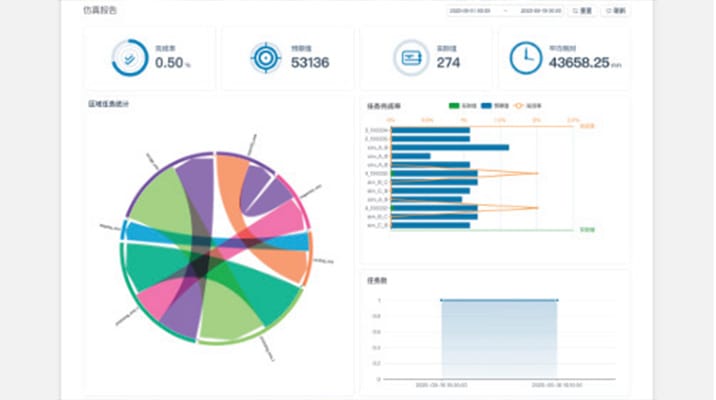
05.
Визуализация моделирования
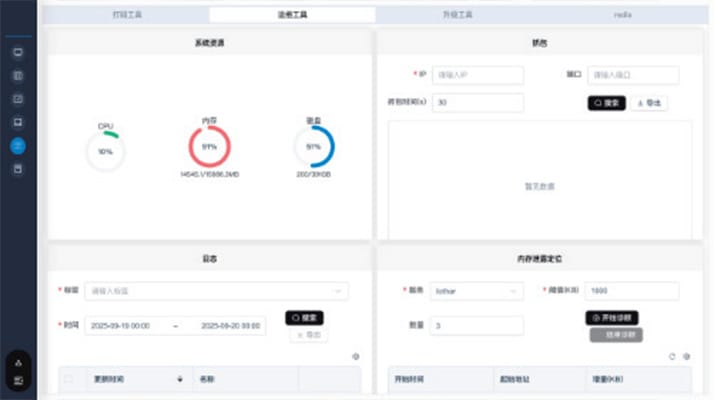
06.
Визуализация эксплуатации и обслуживания
Свидетельство доверия в области автоматизации интеллектуального производства
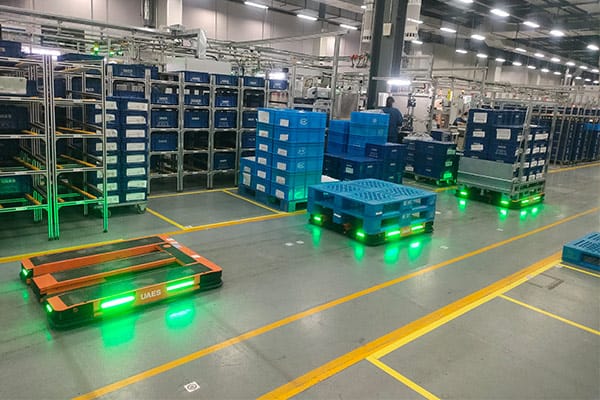
Электронная промышленность
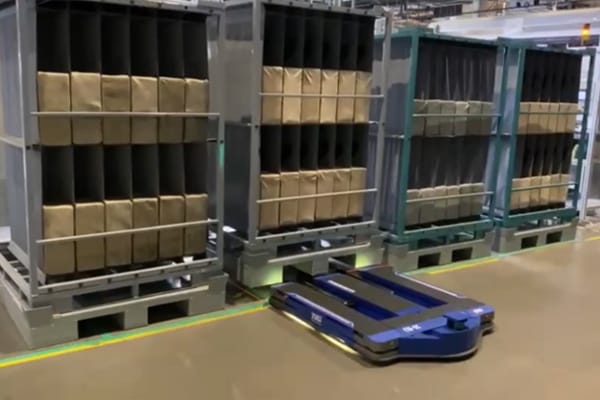
Тенденция в области автомобильной электроники делает цифровые роботы-паллеты предпочтительным выбором для внутризаводской логистики.
Решение
Индустрия автозапчастей
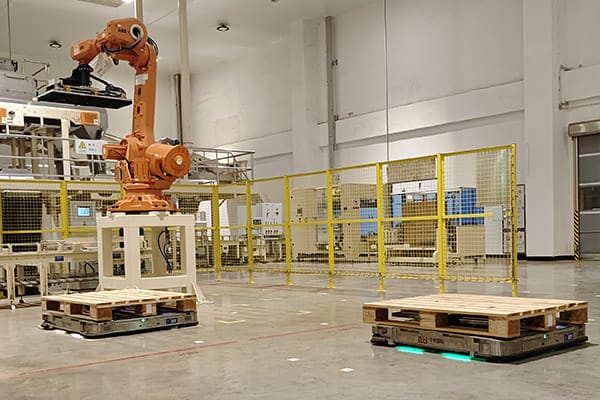
Растущий спрос на автомобильные интерьеры подталкивает поставщиков к новым вершинам развития.
Решение
Табачная промышленность
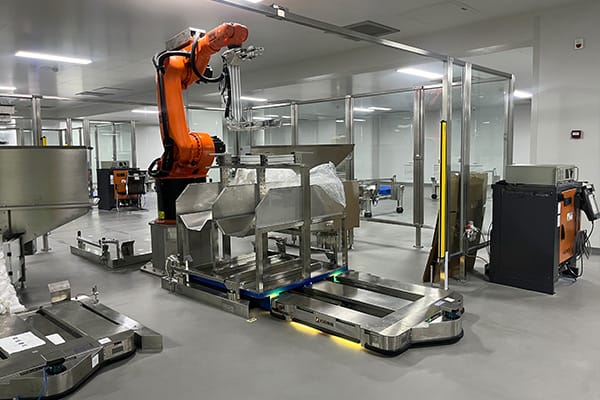
Основа табачной промышленности Китая с более чем сорокалетней историей.
Решение
Фармацевтическая промышленность
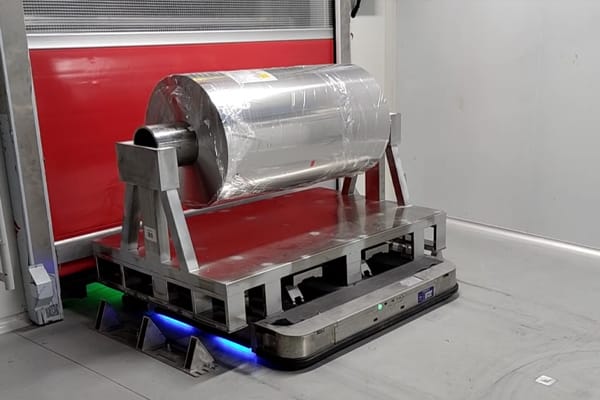
Фармацевтическая промышленность нуждается в автоматизации в связи с требованиями GMP.
Решение
Новая энергетическая промышленность
Новые мощности по производству литиевых аккумуляторов увеличиваются, автоматизация играет ключевую роль.
Решение
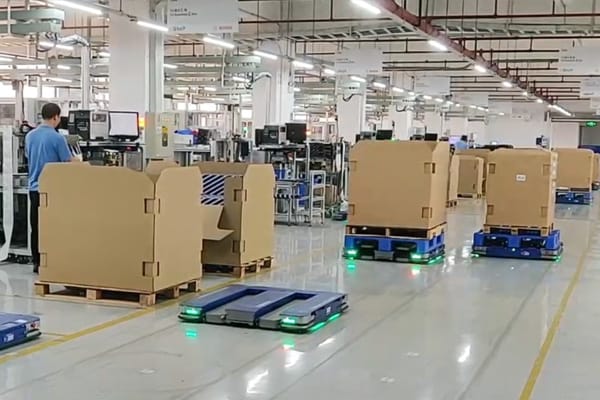
Обрабатывающая промышленность
Всемирно известный производитель деталей стеклоочистителей с заводом площадью 30 000 квадратных метров.
Решение
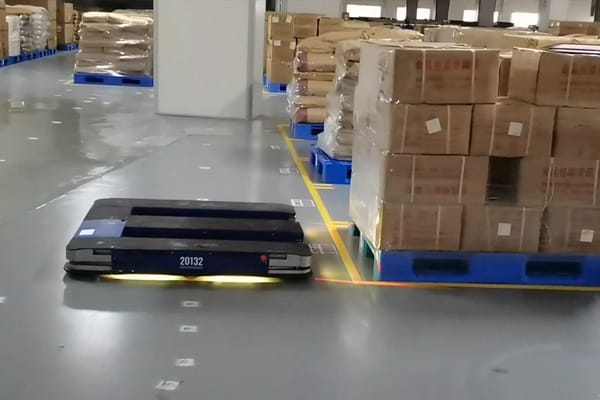
Пищевая промышленность
Позиционируется как сеть высококачественных пекарен с современным промышленным парком площадью более 60 000 кв. метров.
Решение
Логистическая отрасль
Южно-китайский логистический и распределительный центр крупной китайской компании электронной коммерции
Решение
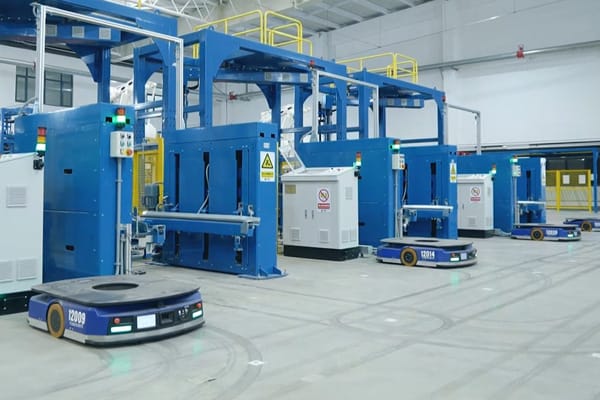
Бумажная промышленность
Группа является ведущим предприятием в отрасли производства бытовой бумаги и средств гигиены для матери и ребенка.
Решение
Smart Factory Automation Trust
Изучите дополнительные пути трансформации в сфере автоматизации отрасли; нажмите, чтобы получить доступ к индивидуальным решениям.
Реализация проекта «Умные устройства»
Подготовка к внедрению
Инвентаризация деталей робота/зарядной станции: проверка проводки, контроля доступа, сети и электропитания на месте.
Реализация проекта на месте
Разметка и кодирование линий, создание карт и настройка разрешений, отладка программного и аппаратного обеспечения/тестовый запуск робота
Запуск и поддержка
Обучение пользователей/Развертывание и пробный запуск, обучение работе с руководством/обслуживанию, подписание акта приемки, послепродажная поддержка