
Robot Pallet Jack vs Manual Pallet A Practical Comparison for Buyers
Key Points Covered in This Article
- The real differences between robot pallet jack and manual pallet jack
- Cost, productivity, safety, and long term ROI comparisons
- How automation fits into modern warehouse operations
- A detailed buyer decision framework for choosing between manual and automated systems
- Industry data, expert opinions, and real world use cases
- FAQ section answering common buyer questions
Table of Contents
Introduction
In 2026, warehouses and distribution centers face more pressure than ever. Faster delivery expectations, labor shortages, rising wages, and higher customer demand have pushed supply chain leaders to rethink traditional material handling methods. At the center of this transformation is the choice between manual pallet handling and automation.
The question is no longer simply “which is cheaper.” Modern warehouse leaders ask: “Which system supports growth, improves safety, and delivers long term value?”
This article compares robot pallet jack and manual pallet jack in a detailed and practical way. The goal is to help buyers make a confident decision based on real data, clear concepts, and industry perspectives.
Understanding the Basics of Robot Pallet Jack and Manual Pallet Jack
What Is a Robot Pallet Jack
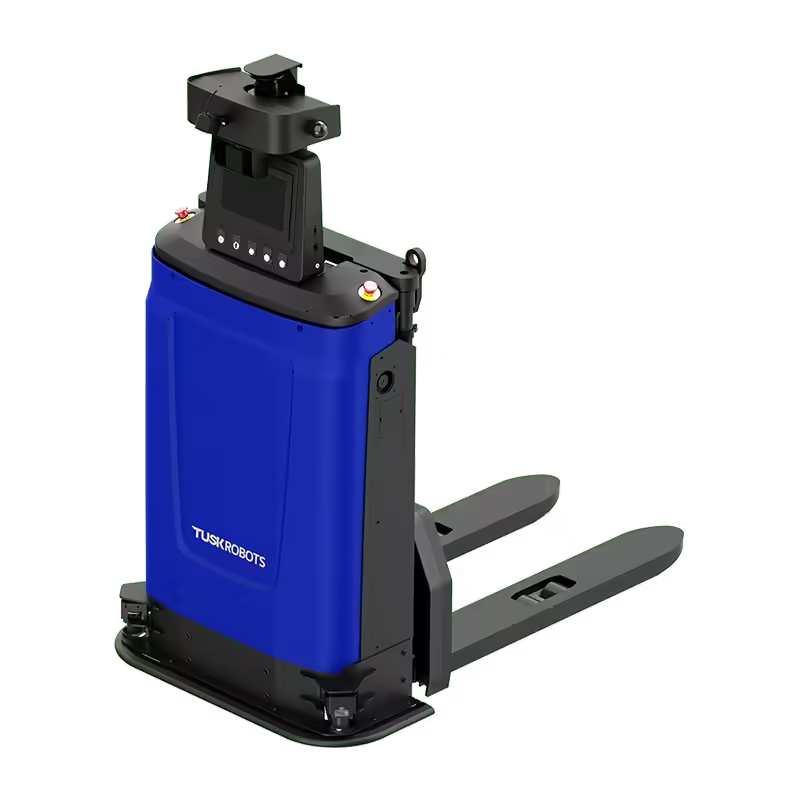
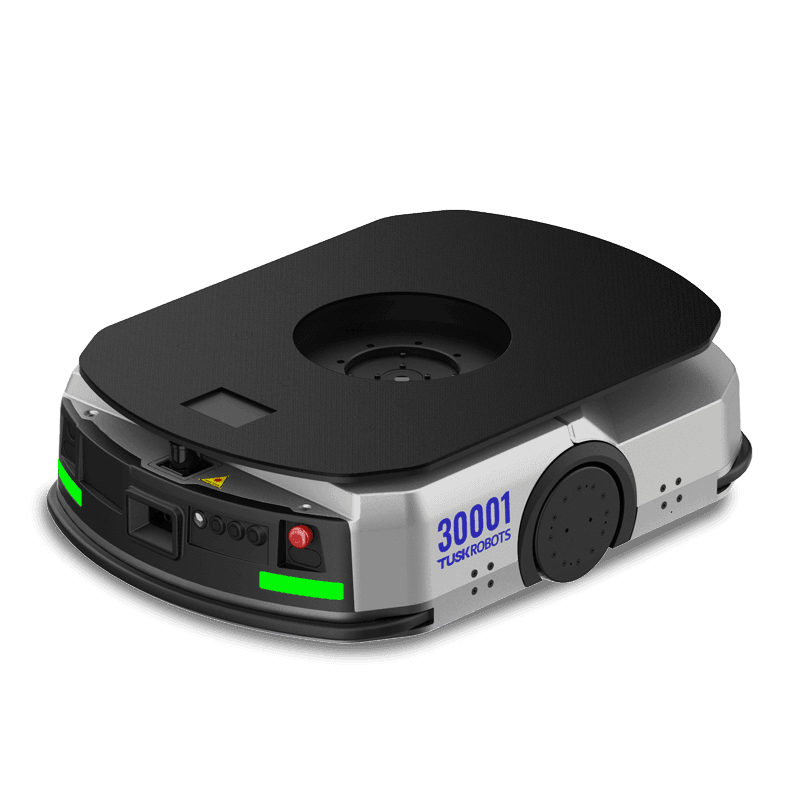
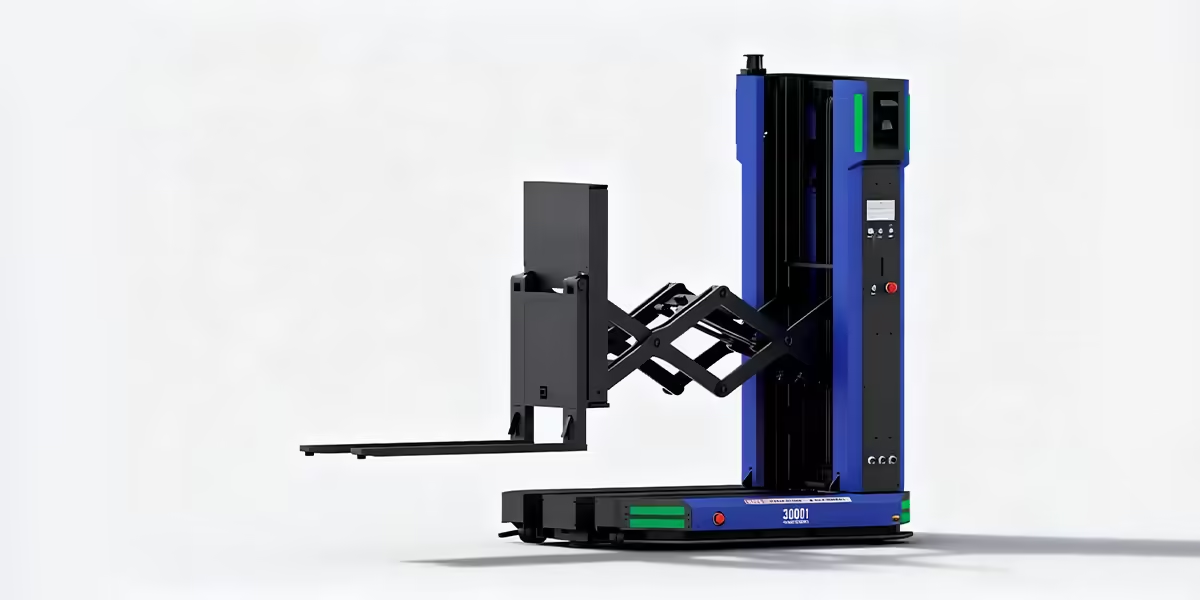
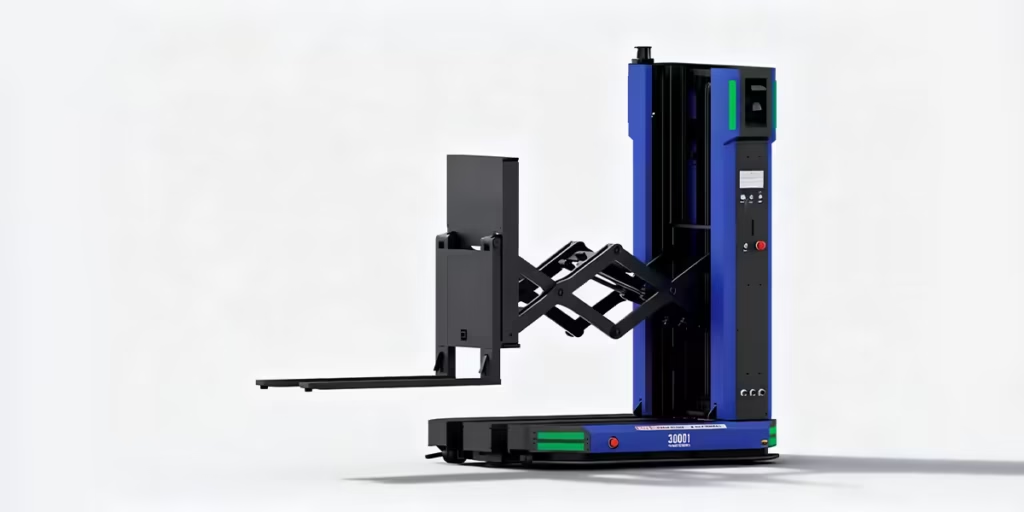
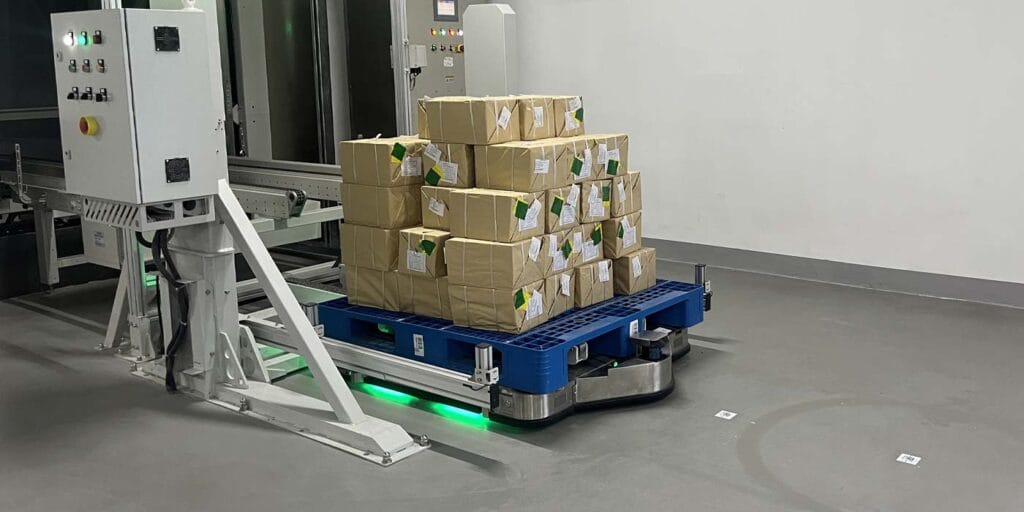
A robot pallet jack is an automated guided vehicle designed to move pallets without human intervention.
Key characteristics include:
- Sensor-based navigation
- Automated obstacle detection
- Integration with warehouse management systems
- Can operate continuously and follow programmed routes
What Is a Manual Pallet Jack
A manual pallet jack is a simple pallet handling tool operated by a worker.
Key characteristics include:
- Hydraulic lifting system
- Manual steering and pushing
- No electricity required
- Suitable for small scale use
Why Automation Matters in Modern Warehouses
Automation is not a trend; it is a strategic response to modern challenges.
The main reasons warehouses adopt automation are:
- Labor shortage and high wage costs
- Higher demand for fast delivery
- Need for stable and predictable workflows
- Desire to reduce error and damage
Robot Pallet Jack vs Manual Pallet Jack The Core Differences
Cost Comparison Initial Investment vs Long Term Savings
- Manual Pallet Jack
- Low purchase price
- Minimal implementation cost
- Higher labor dependency
- Robot Pallet Jack
- Higher upfront cost
- Requires integration and setup
- Lower long-term labor cost
- Higher long-term ROI potential
Productivity Comparison
- Robot Pallet Jack
- Operates continuously
- Reduces idle time
- Improves throughput consistency
- Manual Pallet Jack
- Depends on worker availability
- Worker fatigue may reduce speed
- Higher chance of workflow bottlenecks
Safety Comparison
- Robot Pallet Jack
- Obstacle detection
- Controlled speed
- Automated stopping
- Manual Pallet Jack
- Risk of collisions
- Repetitive strain injuries
- Fatigue-related accidents
Key Concepts to Understand When Choosing Between Robot Pallet Jack and Manual Pallet Jack
Concept 1 Warehouse Throughput
Warehouse throughput refers to the number of pallets moved in a given period.
- Robot pallet jack improves throughput by:
- Continuous operation
- Optimized routes
- Reduced downtime
- Manual pallet jack depends on:
- Number of workers
- Worker physical capacity
Concept 2 Total Cost of Ownership
Total cost of ownership includes:
- Purchase price
- Maintenance
- Energy consumption
- Labor
- Downtime
- Safety risk
Manual pallet jack:
- Low initial cost
- High labor cost
Robot pallet jack:
- High initial cost
- Lower labor cost over time
Concept 3 Operational Flexibility
Operational flexibility means adaptability to workflow changes.
- Robot pallet jack:
- Requires software update
- Needs programming for route changes
- Manual pallet jack:
- Workers can instantly change tasks
- No technical setup required
The Real ROI of Robot Pallet Jack Systems
ROI Concept and Calculation
ROI is a key measure for any automation project.
Robot pallet jack ROI comes from:
- Labor cost reduction
- Increased throughput
- Reduced damage and waste
- Improved safety and lower injury costs
- Fewer delays and downtime
Example ROI Scenario
Example:
- Warehouse moves 400 pallets per day
- Manual labor requires 3 operators
- Robot automation can reduce labor by 50%
- Savings can be tens of thousands per month
Practical Comparison Table Robot Pallet Jack vs Manual Pallet Jack
| Feature | Robot Pallet Jack | Manual Pallet Jack |
|---|---|---|
| Upfront Cost | High | Low |
| Labor Requirement | Low | High |
| Productivity | High | Moderate |
| Safety | High with sensors | Depends on operator |
| Best Use Case | Large warehouses, continuous operations | Small warehouses, low volume |
| Maintenance | Requires technical support | Simple mechanical maintenance |
| Implementation | Requires setup and integration | Ready to use immediately |
When Robot Pallet Jack Is the Better Choice
Best Use Cases
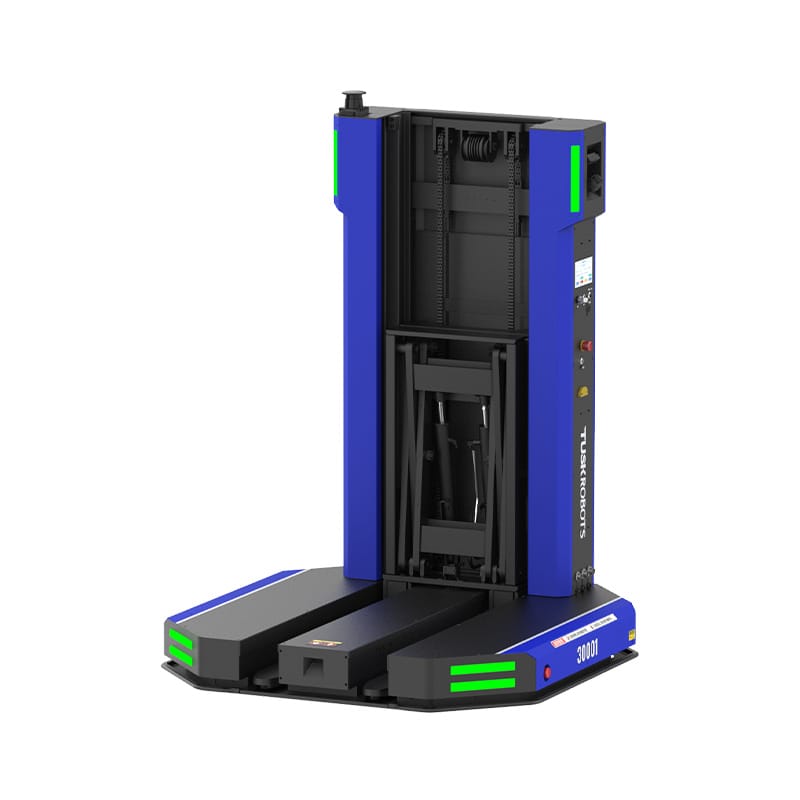
Robot pallet jack is the better choice when:
- Warehouse throughput is high
- Tasks are repetitive
- Labor shortage exists
- Safety risks need to be reduced
- Operations need consistent speed
Benefits in Detail
- Improves productivity by 30-60%
- Reduces labor dependency
- Stabilizes workflow
- Supports 24/7 operations
When Manual Pallet Jack Is Still a Smart Choice
Best Use Cases
Manual pallet jack is the better choice when:
- Warehouse volume is low
- Budget is limited
- Workflows change frequently
- No technical support is available
- Immediate deployment is needed
Benefits in Detail
- Low cost
- Simple to use
- No software or integration
- Easy maintenance
Industry Trends Driving Robot Pallet Jack Adoption
Trend 1 Labor Shortage and Rising Wages
- Many regions face labor shortage
- Warehouse wages rise 10-20%
- Automation reduces labor dependency
Trend 2 E Commerce Growth and Faster Delivery
- Faster delivery demand
- Higher order volumes
- Automation supports speed and accuracy
Trend 3 Smart Warehouse Integration
- Robotics integration becomes common
- Automated storage and retrieval systems increase
- Robot pallet jacks become part of the larger ecosystem
Expert Opinions and Industry Voices
Warehouse Automation Expert Viewpoint
Key insight:
- “Automation improves consistency and reliability. The biggest benefit is not speed, but predictable workflows.”
Supply Chain Analyst Perspective
Analyst view:
- Automation should be a strategic decision based on throughput, labor costs, and growth.
Common Buyer Questions and AI Style Search Queries
- What is the difference between robot pallet jack and manual pallet jack?
- How much does a robot pallet jack cost compared to manual?
- Can a robot pallet jack work in a small warehouse?
- Is robot pallet jack safer than manual?
- How long does it take to install a robot pallet jack system?
How to Choose the Right System for Your Warehouse
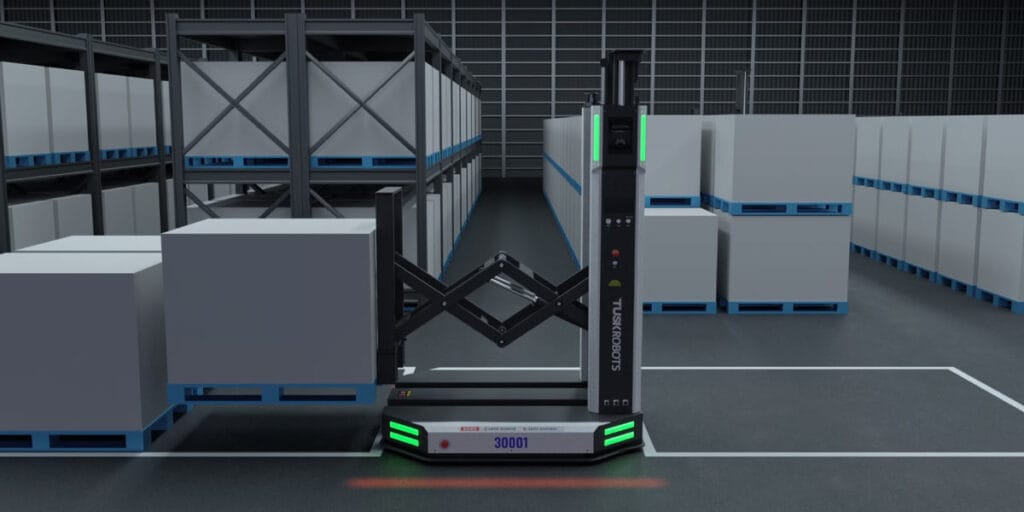
Step 1 Evaluate Your Current Workflow
- Daily pallet volume
- Peak hours
- Workflow bottlenecks
- Future growth expectations
Step 2 Compare Costs Beyond Purchase Price
- Labor cost
- Maintenance cost
- Downtime risk
- Safety and injury cost
Step 3 Assess Future Growth
- Will demand increase?
- Will automation scale with the business?
Step 4 Choose a Supplier with Support
- Technical support
- Proven implementation experience
- Software and integration capability
Final Thoughts
Choosing between a robot pallet jack and a manual pallet jack depends on your warehouse size, volume, labor availability, and future growth plans. Manual pallet jacks remain reliable for small or low volume operations. Robot pallet jack systems are ideal for high throughput, repetitive tasks, and automated warehouses.
FAQ
What is the main advantage of a robot pallet jack
- Automation and consistent performance
- Reduced labor cost
- Higher throughput
How much does a robot pallet jack cost compared to manual
- Higher upfront cost
- Lower long-term labor cost
Are robot pallet jacks safe to use
Yes, with sensors and obstacle detection
Can a manual pallet jack be replaced by automation
Yes, depending on volume and budget
Do robot pallet jacks require special infrastructure
- Some systems require guidance systems or software integration
- Many modern systems need minimal infrastructure
TUSKROBOTS: Leading Intelligent Automation Solutions
Thank you for reading! We hope this blog offered valuable insights into Intelligent Warehousing & Logistics Automation Solutions. We are committed to empowering smart factories and intelligent logistics, making industrial handling simpler and more efficient.
Join our community to stay updated on our advanced automated pallet handling and picking robots.
📘 Follow us onFacebook, Instagram, and TikTok.
Let’s keep the conversation going—see you there!
Latest post

Contact Info
2nd Floor, Xingzhongchuang Xiabei High-tech Industry Center A1, Nanhai District, Foshan, China
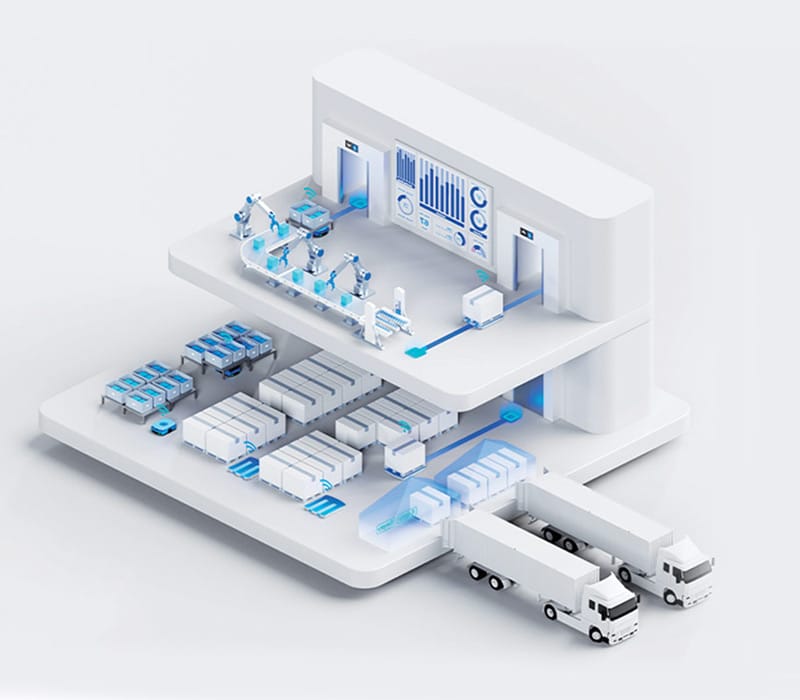
Full-stack intelligent logistics management and control system
It connects the entire "system - platform - hardware" chain, is compatible with mainstream industrial systems, and links intelligent hardware to achieve intelligent management and efficiency upgrades for the entire logistics process.
WHAT FITS:
Building core competitiveness in mobile management
01.
Custom Data Dashboard
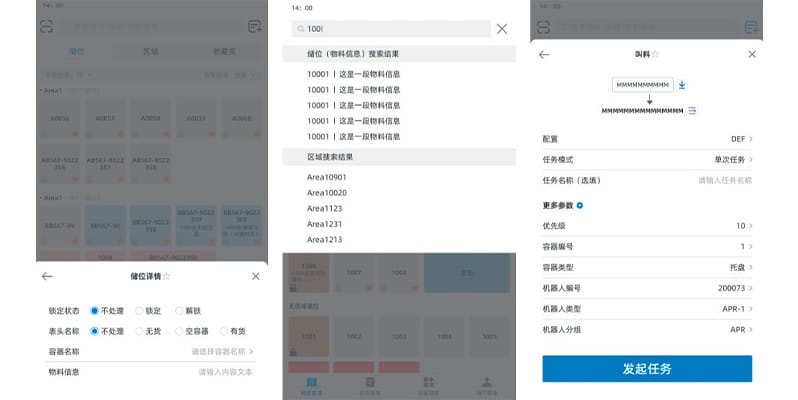
Building core competitiveness in mobile management
02.
Personalized User Management
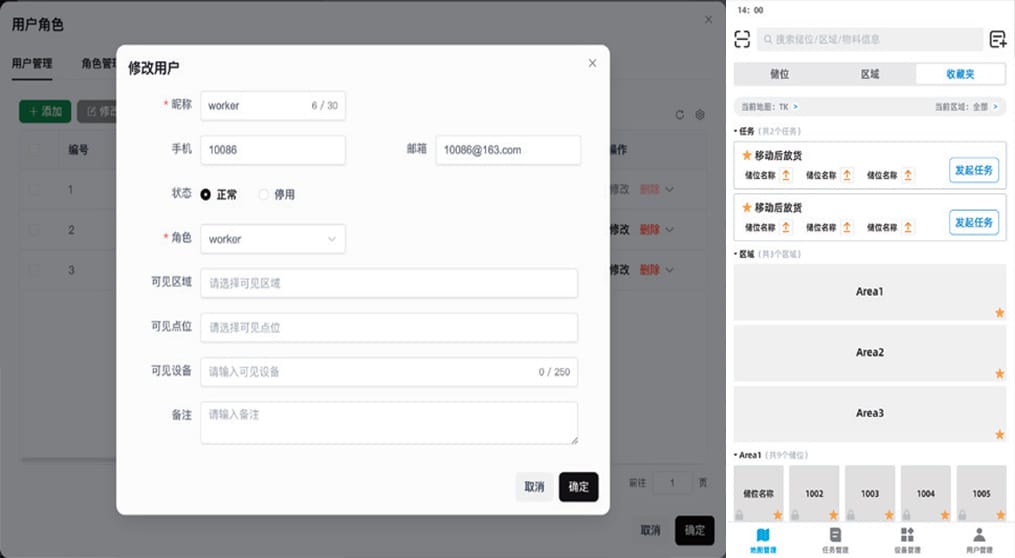
Building core competitiveness in mobile management
03.
Personalized Alarm Push
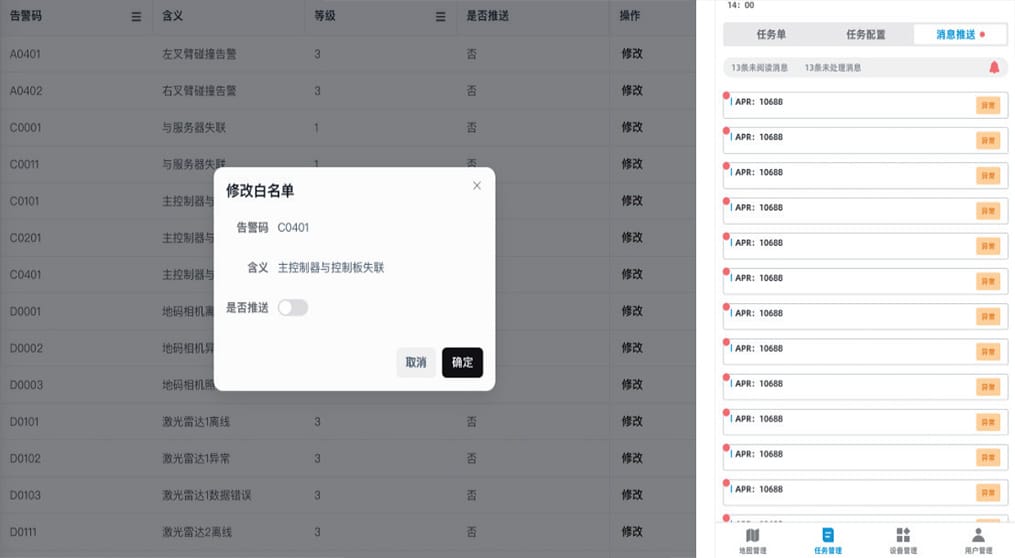
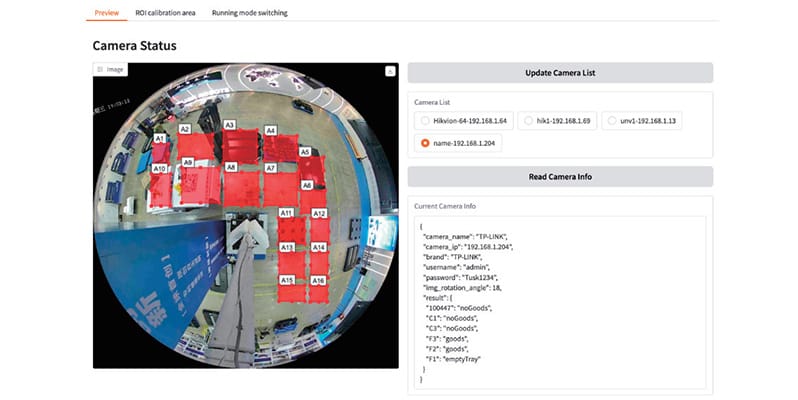
Leading the revolution in intelligent
warehouse location management
01.
Real-time storage location automatic trigger task

Leading the revolution in intelligent
warehouse location management
02.
Visual configuration interface
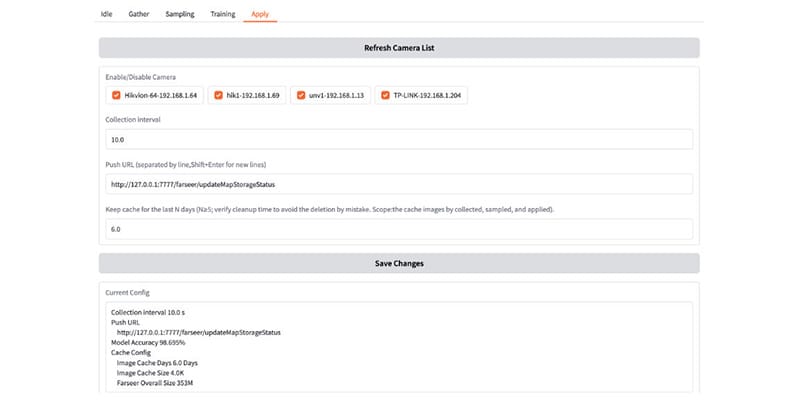
Leading the revolution in intelligent warehouse location management
03.
Custom Configuration
Lothar Intelligent Management Platform Building a Central System for Smart Factories
Lothar, the intelligent management platform from Taskar, serves as the digital hub for smart factories. It features customizable data dashboards, full-dimensional map visualization, graphical task and equipment workflows, simulation capabilities, AI-powered operation and maintenance, open multi-protocol interfaces, and OTA upgrade support, empowering digital management of factories throughout their entire lifecycle.
Map Management
Configuration Management
Access Management
Task Management
Historical records
Equipment Management
Simulation
Data dashboard
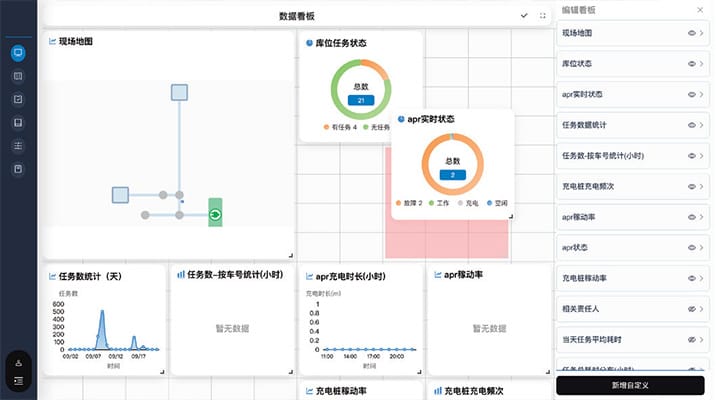
01.
Custom Data Dashboard
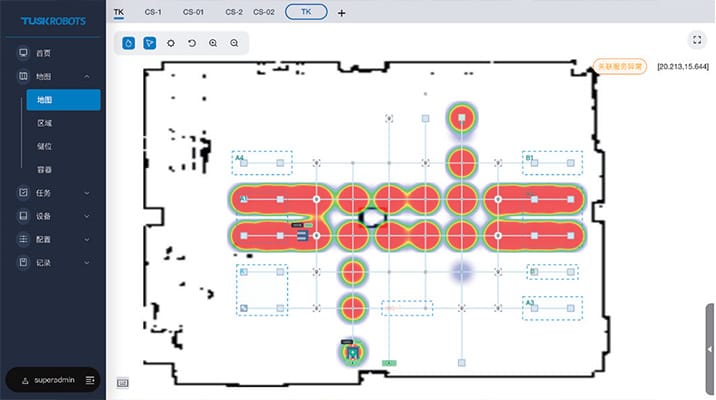
02.
Map visualization
03.
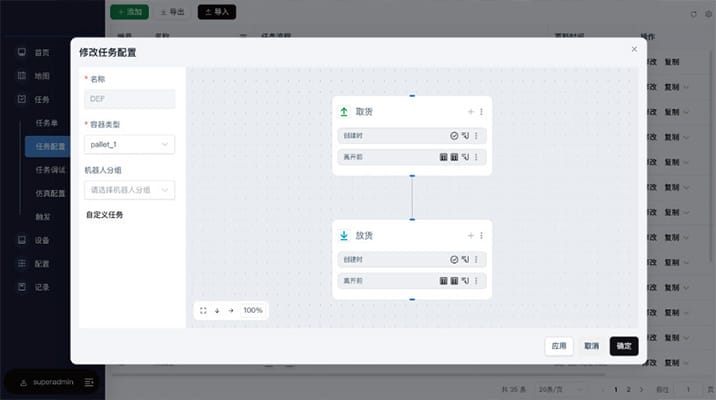
Graphical construction task
04.
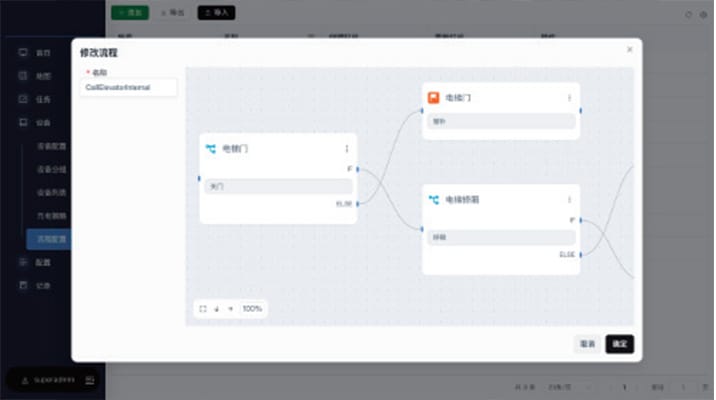
Graphical device configuration process
05.
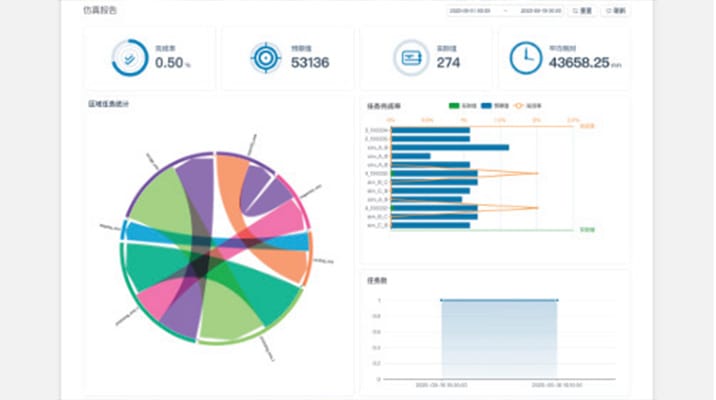
Simulation visualization
06.
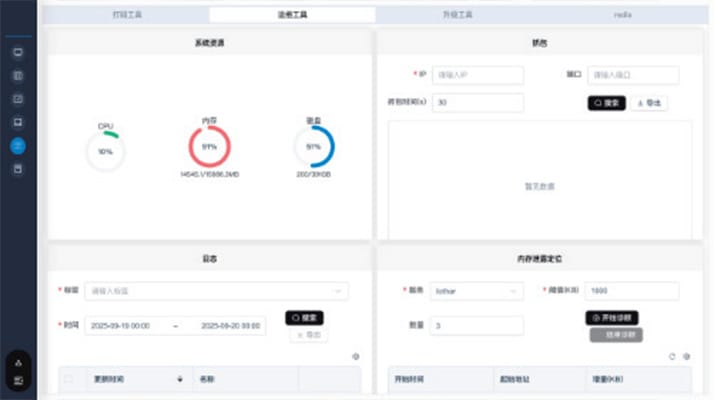
O&M Visualization
Trust Witnessing in Smart Factory Automation
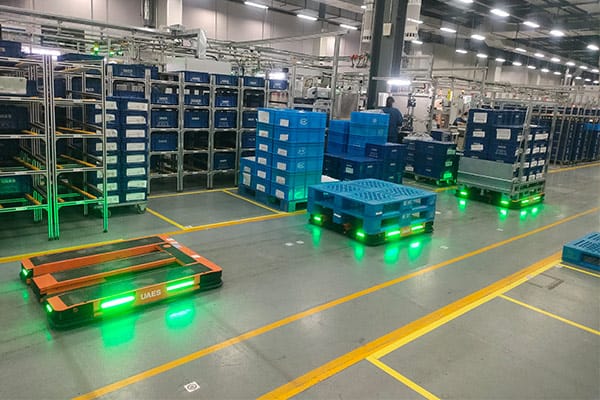
Electronics Industry
The automotive electronics trend makes digital pallet robots the preferred choice for in-plant logistics.
Solution
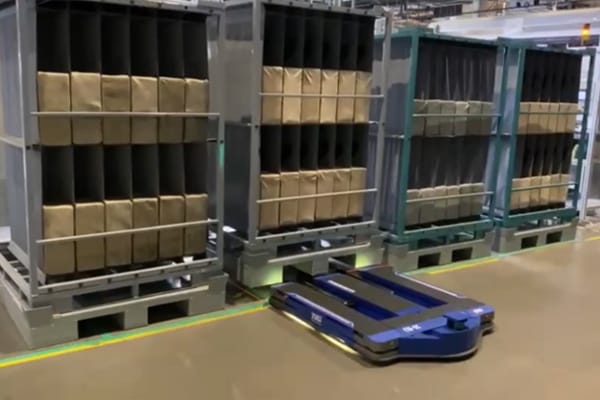
Auto Parts Industry
Rising demand for automotive interiors propels suppliers to new heights of development.
Solution
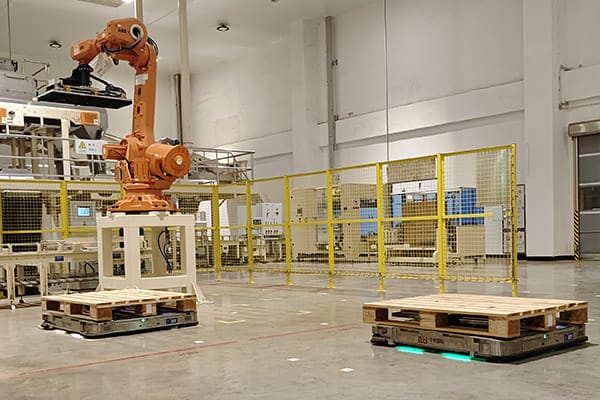
Tobacco Industry
A backbone of China's tobacco industry, with over forty years of history.
Solution
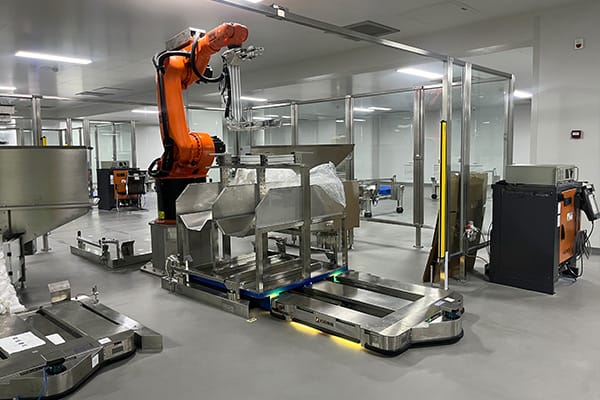
Pharmaceutical Industry
The pharmaceutical industry needs automation due to GMP requirements.
Solution
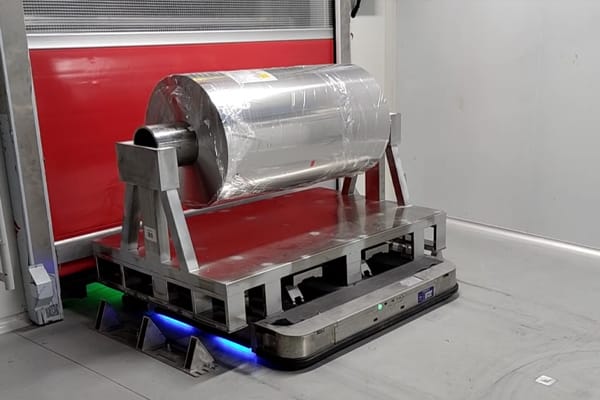
New Energy Industry
New energy lithium battery production capacity increases, automation is key.
Solution
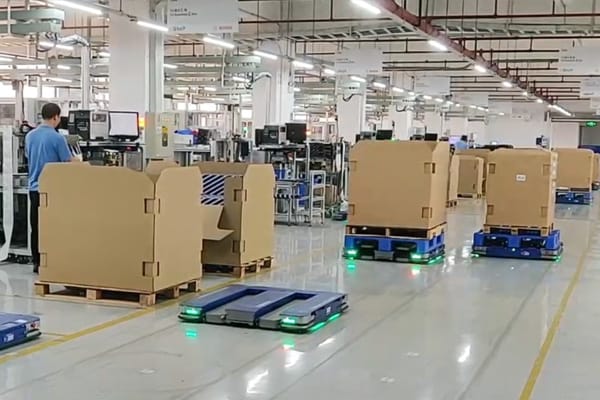
Manufacturing Industry
A globally renowned manufacturer of wiper parts, with a factory of 30,000 square meters.
Solution
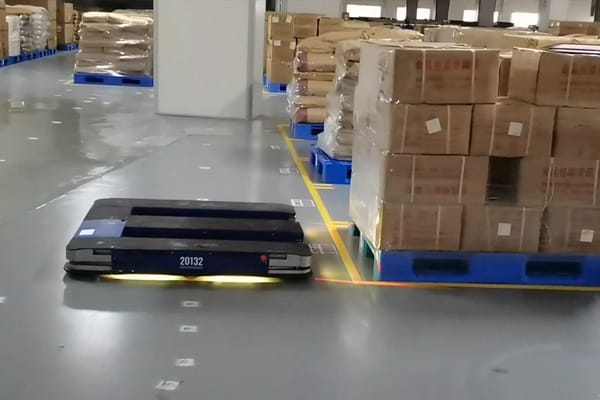
Food Industry
Positioned as a high-quality chain bakery brand, with a modern industrial park of over 60,000 square meters.
Solution
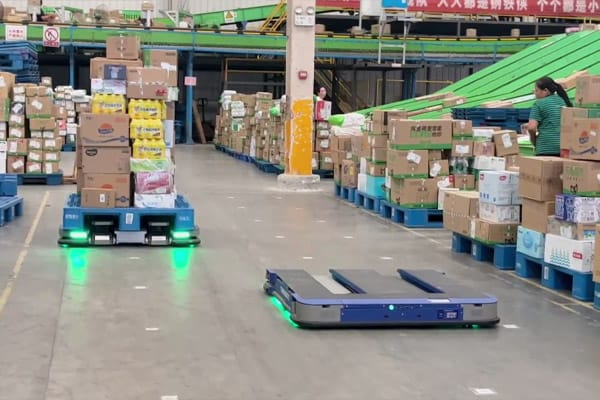
Logistics Industry
South China Logistics and Distribution Center of a Major Domestic E-commerce Company
Solution
Paper Industry
The group is a leading enterprise in the domestic household paper and maternal and child hygiene products industry.
Solution
Smart Factory Automation Trust
Explore more industry automation transformation paths; click to unlock customized solutions.
Smart Device Project Implementation
Implementation Preparation
Robot/charging station parts inventory: on-site inspection of wiring, access control, network, and power supply.
Project on-site implementation
Line marking and coding, map creation and permission setting, software and hardware debugging / robot test run
Launch and Support
User training / Deployment and trial run, manual / maintenance training, acceptance signing, after-sales support