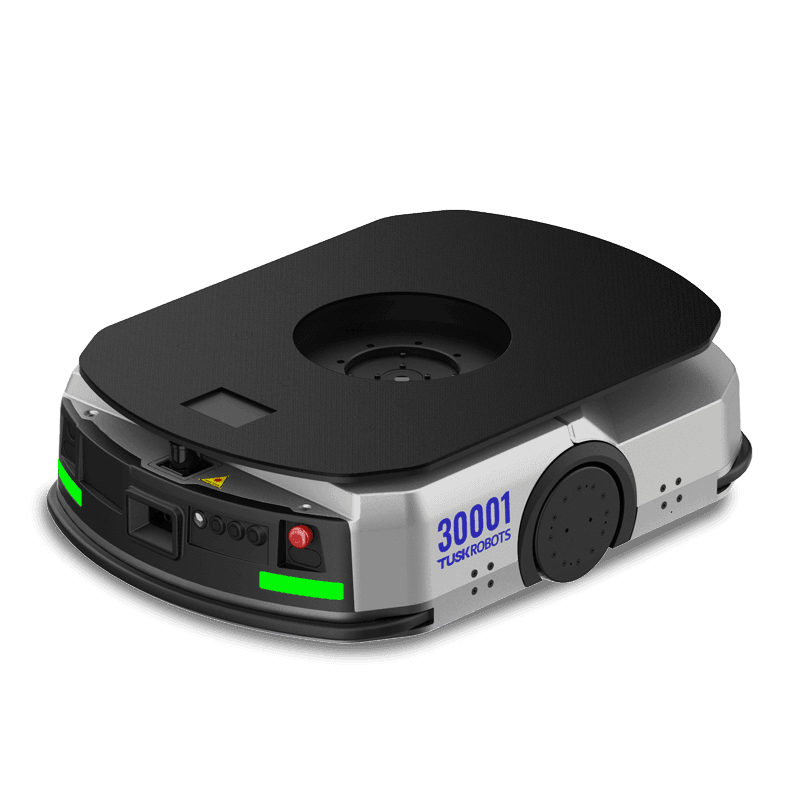

Key Features to Look for in Autonomous Mobile Robots in Warehouse
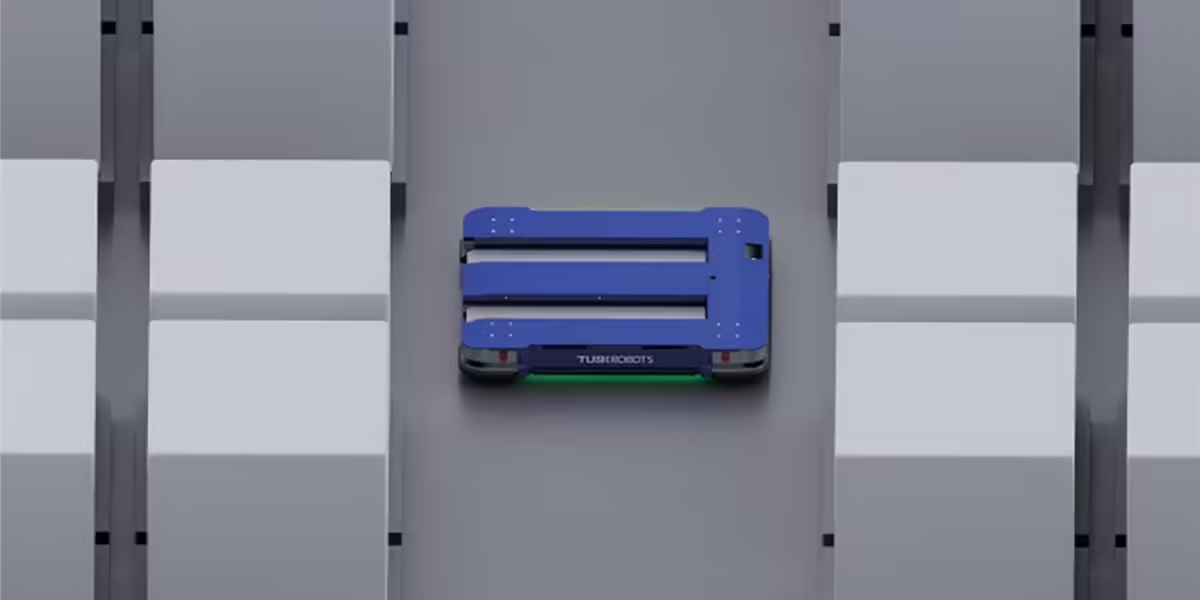
Introduction
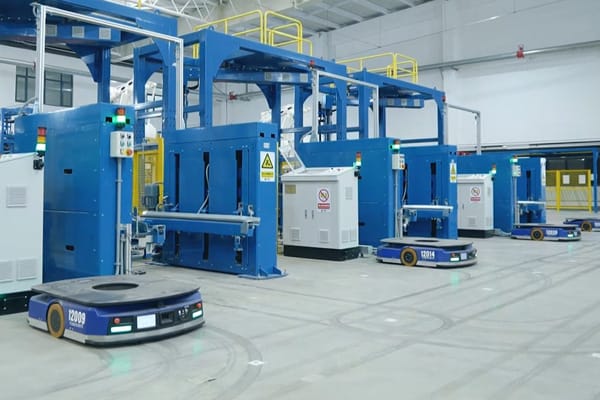
In today’s rapidly evolving logistics and warehouse industry, autonomous mobile robots in warehouse operations are no longer optional—they are essential. These robots streamline material handling, reduce labor costs, and improve safety while increasing operational efficiency. Choosing the right AMR can make the difference between a smooth, high-throughput operation and frequent downtime or accidents. This guide explores the key features that warehouse managers, logistics engineers, and operations professionals should consider when evaluating AMRs for modern warehouse environments.
Key Takeaways:
- Essential features for warehouse AMRs
- Navigation technologies and precision control
- Load handling capabilities and operational efficiency
- Safety measures and human-robot collaboration
- Battery performance and energy management
- Multi-scenario adaptability and environmental resilience
- Real-world case examples and industry standards
- Maintenance practices and troubleshooting tips
Table of Contents
Navigation and Positioning Accuracy
Hybrid Navigation Systems
High-performance autonomous mobile robots in warehouse increasingly rely on hybrid navigation, which integrates QR code scanning with laser SLAM (Simultaneous Localization and Mapping). QR codes provide fixed reference points for long-term positional stability, while laser SLAM continuously maps the warehouse environment and tracks dynamic obstacles such as workers, forklifts, or moving carts.
Benefits:
- Enables AMRs to navigate safely and efficiently in dense storage areas.
- Reduces the risk of collisions and ensures smooth multi-device coordination.
- Supports complex warehouse layouts without requiring costly floor modifications.
Case Study:
The E08TC AMR employs hybrid navigation to achieve a stopping repeatability of ±10mm/±1°, allowing precise pallet docking even under loads up to 1,000 kg. This level of precision ensures that automation can replace manual material handling without compromising safety or product integrity.
Conceptual Insight:
Hybrid navigation strikes a balance between infrastructure-dependent navigation (QR codes, magnetic strips) and infrastructure-independent navigation (laser SLAM), combining the reliability of fixed references with the flexibility of real-time mapping.
Micron-Level Positioning
Advanced AMRs such as the CR10 and C06 take positioning accuracy further, with stopping repeatability of ±5mm/±1°. Such precision is crucial in applications involving:
- Heavy pallets that must align perfectly with conveyor belts or automated lifting systems.
- Fragile or high-value items where even minor misalignment could cause damage.
- Multi-robot collaboration in narrow aisles or shared pathways.
Technical Insight:
Micron-level positioning is achieved through:
- High-resolution LiDAR or laser sensors detecting obstacles at millimeter precision.
- Onboard IMUs (Inertial Measurement Units) for real-time orientation and tilt correction.
- Closed-loop control algorithms that adjust motor output to correct deviations instantly.
Practical Example:
In an automotive parts warehouse, CR10 AMRs transport heavy assemblies along the same workflow line. Micron-level positioning ensures that pallets align perfectly with assembly stations, eliminating manual repositioning and reducing cycle time by 15–20%.
Dynamic Path Planning
Autonomous mobile robots continuously analyze their surroundings to adapt routes dynamically in real time. This includes:
- Detecting temporary obstacles such as misplaced boxes, pallets, or personnel.
- Recalculating optimal paths to maintain workflow efficiency.
- Prioritizing safety while minimizing travel distance and time.
Advanced Features:
- Predictive obstacle avoidance: AMRs anticipate potential collisions based on movement patterns of humans and machines.
- Multi-robot coordination: Vehicles on shared paths communicate positions and intentions to avoid bottlenecks.
- Adaptive speed control: Adjusts velocity in tight spaces or crowded zones without compromising delivery schedules.
Example:
In a mixed-use warehouse handling both electronics and heavy machinery parts, C06 AMRs navigate through narrow aisles while avoiding forklifts and pallet jacks. Their dynamic path planning reduces operational downtime by 30%, improving throughput and maintaining delivery schedules for time-sensitive shipments.
Load Handling and Operational Efficiency
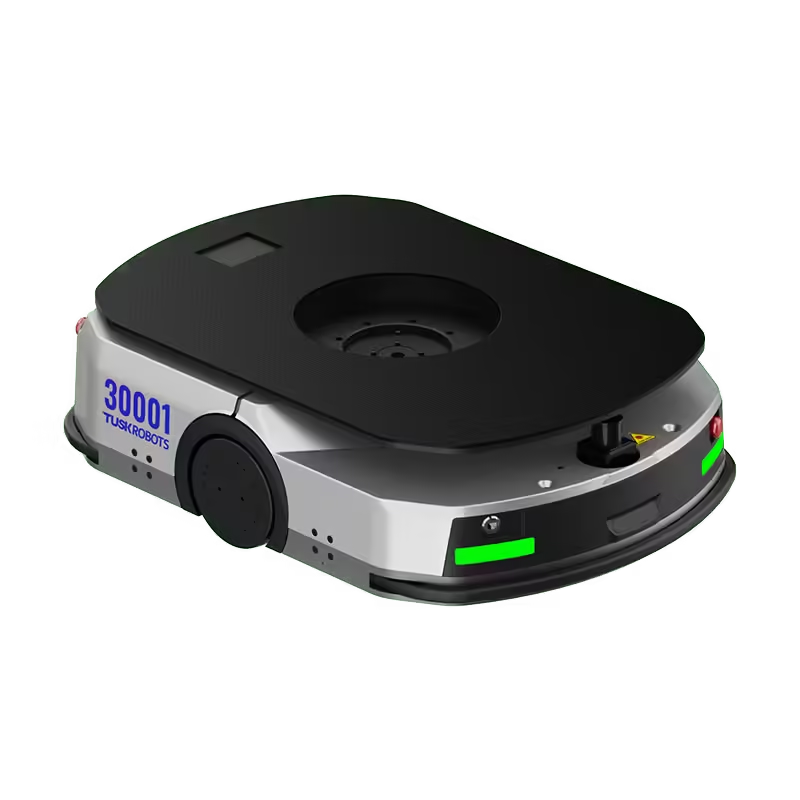
Rated Load and Platform Size
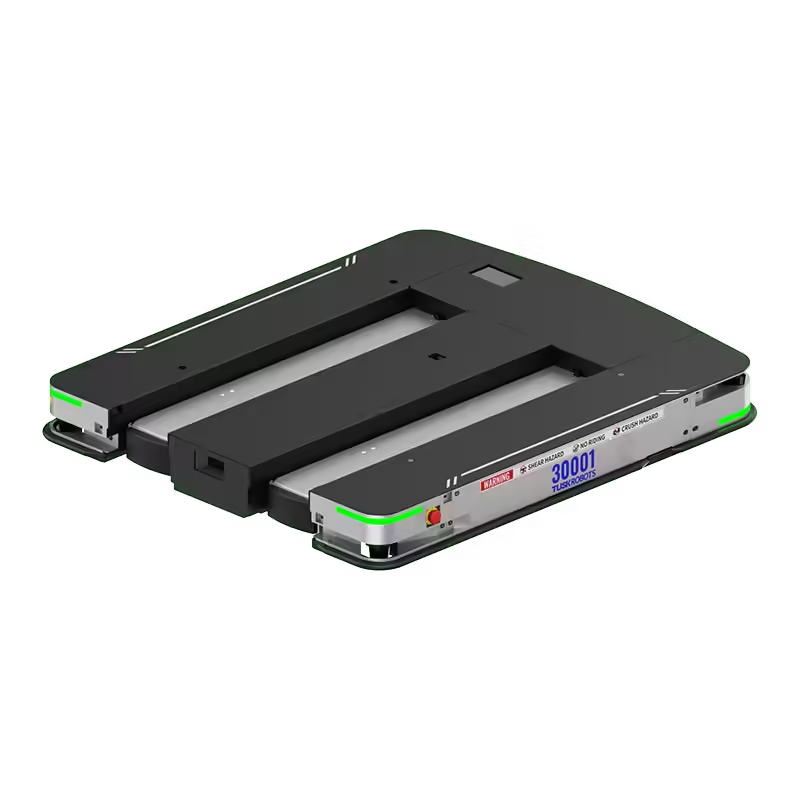
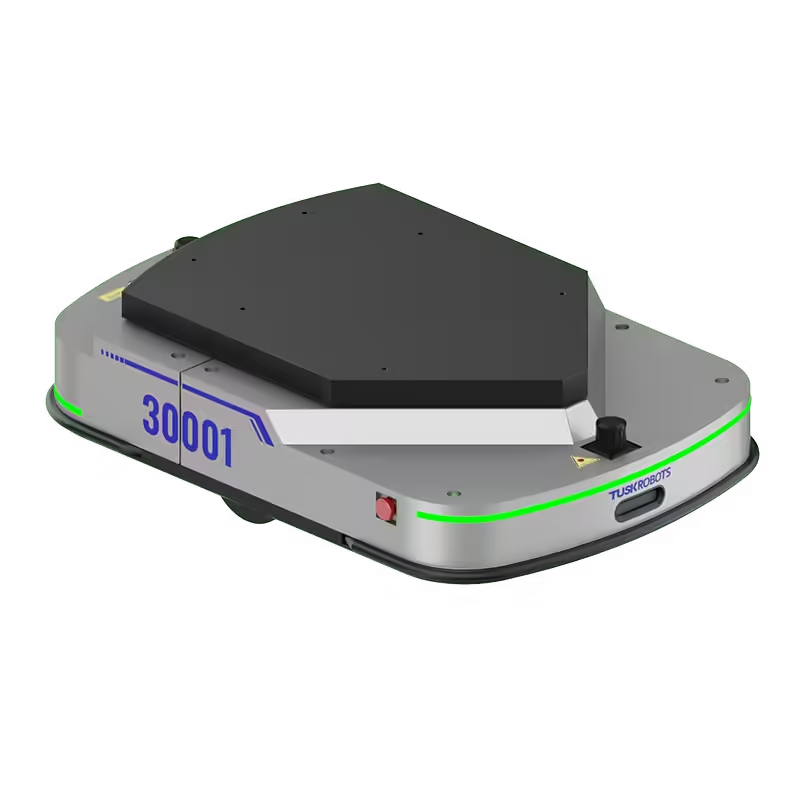
A key feature to consider is load capacity. AMRs must align with the warehouse’s operational requirements:
| Model | Rated Load (kg) | Max Fork Extension (mm) | Ideal Application |
|---|---|---|---|
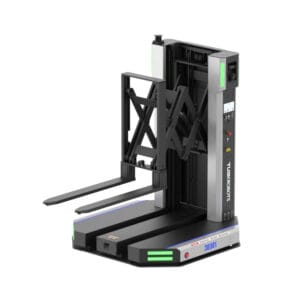
| E08TC | 1000 | 1400 | Medium- & heavy-load pallets |
| CR10 | 1000 | 1030 | Large pallet transfer and industrial raw materials |
| C06 | 600 | 850 | Medium & light pallet sorting, electronics warehousing |
Case Insight: In an automotive production line, CR10 AMRs reduced pallet transfer time by 40% and minimized human handling errors.
Load Stability and Efficiency
Efficient material transfer is crucial. Robots with larger platforms and high stability can move multiple items in a single trip. For instance:
- E08TC handles standard pallets up to 1,000 kg and automates medium-heavy load transfers.
- C06 is optimized for light industrial material transfer with precise multi-device coordination.
Speed and Acceleration
Operational efficiency is not just about capacity—speed matters too. For instance:
- E08TC: Max speed 2.0 m/s unloaded, 1.8 m/s loaded
- CR10: Max speed 2.0 m/s unloaded, 1.5 m/s loaded
- C06: Max speed 2.0 m/s unloaded, 1.5 m/s loaded
Higher speeds combined with precise navigation enable more trips per hour, directly improving warehouse throughput.
Safety and Human-Robot Collaboration
360° Obstacle Detection
Safety is paramount in warehouses with both humans and AMRs. Most modern AMRs are equipped with dual front and rear lasers for full-dimensional coverage. Optional 3D obstacle detection can handle complex scenarios including stacked pallets, shelving, and human operators in proximity.
Mechanical and Visual Safety Measures
- Emergency stop buttons
- Collision bars on all sides
- Light and voice alarms for alerting personnel
- Optional 3D obstacle avoidance
Industry Standard Compliance: AMRs typically meet ISO 3691-4 standards for industrial trucks with automated driving, ensuring minimum safety risk in mixed-traffic warehouse environments.
Case Study: Safety in Action
In an e-commerce warehouse deploying E08TC and C06 robots:
- Zero collisions were reported over 12 months of operation
- Multi-robot coordination allowed simultaneous handling of 20+ pallets without human intervention
Power Systems and Battery Management
Lithium Iron Phosphate Battery Benefits
Most modern autonomous mobile robots in warehouse operations rely on LiFePO4 batteries due to their superior stability, safety, and long lifespan. Unlike traditional lead-acid batteries, LiFePO4 provides consistent voltage output even under heavy loads, minimizing power fluctuations that could disrupt navigation or material handling.
Key Performance Data:
- Voltage/Capacity: 51.2V / 30AH
- Continuous Operation: ≥8 hours per shift
- Recharge Time: ≤1.5 hours for full recharge
- Battery Cycles: 2000 cycles, maintaining ≥70% of original capacity
Technical Insight:
LiFePO4 batteries are inherently safer at high temperatures (up to 60°C) and resist thermal runaway. They also support rapid charging without significant degradation, making them ideal for multi-shift warehouse operations where downtime must be minimized.
Advantages Over Other Battery Types
| Feature | LiFePO4 | Lead-Acid | Nickel-Metal Hydride |
|---|---|---|---|
| Cycle Life | 2000+ | 300–500 | 500–800 |
| Energy Density | High | Medium | Medium |
| Thermal Stability | Excellent | Poor | Moderate |
| Recharge Time | ≤1.5 h | 4–6 h | 2–3 h |
| Maintenance | Low | High | Medium |
| Safety | High | Low | Medium |
Case Study:
In a 12,000 sq.m. e-commerce warehouse, deploying CR10 AMRs with LiFePO4 batteries enabled continuous 2-shift operations with zero battery-related downtime for 6 months. Maintenance intervals dropped by 60% compared to previous lead-acid powered robots.
Energy Management Tips
Efficient battery use extends AMR lifespan and reduces operational costs. Key strategies include:
- Monitor Battery Health:
- Use onboard diagnostics to track charge cycles, voltage drops, and temperature fluctuations.
- Set alerts for early warning signs of degradation to schedule preventive maintenance.
- Scheduled Charging:
- Charge during off-peak warehouse hours to avoid conflicts with peak workflow.
- Avoid partial charges that may cause voltage inconsistencies affecting precise navigation.
- Avoid Deep Discharges:
- Discharging below 20% frequently shortens battery life.
- Implement automated charging routines based on operational load and battery SOC (state of charge).
Industry Standard Reference: ISO 3691-4 and IEC 62133 provide guidelines for safe lithium-ion battery operation in automated industrial equipment, ensuring operational safety and longevity.
Environmental Considerations
Warehouse AMRs operate in diverse environmental conditions. Battery and robot design must account for:
- Operating Temperature: 0–45°C (standard), with optional cooling modules for high-heat areas
- Humidity: Sensors and battery packs are sealed to prevent corrosion in 50–95% relative humidity
- Dust and Particulate Matter: High-grade IP54–IP65 rated enclosures protect electrical components
Example: In a textile warehouse with high humidity and airborne fibers, E08TC AMRs maintained full functionality for over 8 months without sensor failures, thanks to sealed battery compartments and dust-resistant housing.
Multi-Scenario Adaptability
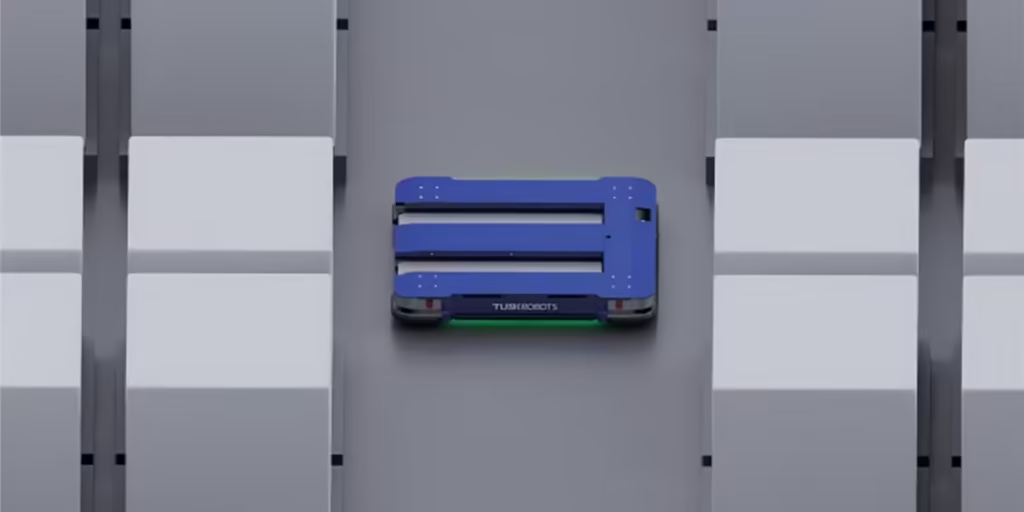
Floor and Obstacle Navigation
Autonomous mobile robots must handle various floor conditions and obstacles to ensure uninterrupted operations. Key adaptability metrics include:
- Gaps:
- E08TC: up to 40 mm
- CR10 & C06: up to 30 mm
- Slopes:
- E08TC: up to 4°
- CR10 & C06: up to 3°
- Step Handling: All models manage steps up to 10 mm
Conceptual Insight: The ability to traverse small gaps and slopes ensures that AMRs can operate across warehouse zones, including receiving areas, mezzanine levels, and multi-surface production floors.
Flexible Path Integration
AMRs integrate seamlessly into complex warehouse systems, interacting with multiple automated and manual infrastructure elements:
- Roller Conveyors: AMRs can dock, lift, and transport goods directly onto conveyor belts without manual intervention.
- Elevators and Hoists: LiFePO4 batteries maintain consistent power during vertical movements.
- Production Line Docking Stations: Hybrid navigation ensures precision alignment with racks, reducing misplacement errors.
Example Scenario:
The C06 AMR is deployed in an electronics manufacturing facility to transport delicate circuit boards. Its hybrid navigation enables precise docking at multiple assembly stations, avoiding collisions with floor obstacles and ensuring items remain undamaged during transit.
Navigation, Safety, and Load Comparison Table
| Feature | E08TC | CR10 | C06 |
|---|---|---|---|
| Rated Load | 1000 kg | 1000 kg | 600 kg |
| Navigation | QR + Laser SLAM | QR + optional Laser SLAM | QR + Laser SLAM |
| Safety | 360° laser + 3D optional | 270° front, 210° rear lasers | 250° front, 180° rear lasers |
| Max Speed (Loaded) | 1.8 m/s | 1.5 m/s | 1.5 m/s |
| Stopping Accuracy | ±10mm / ±1° | ±5mm / ±1° | ±5mm / ±1° |
| Floor Adaptability | Gap 40mm / Slope 4° | Gap 30mm / Slope 3° | Gap 30mm / Slope 3° |
| Battery Endurance | ≥8H | ≥8H | ≥8H |
Maintenance Best Practices
Routine Inspection
- Laser and sensor calibration weekly
- Fork, wheel, and battery inspection
- Emergency stop and alarm test
Cleaning and Debris Removal
- Use compressed air to remove dust from laser sensors
- Wipe collision bars and platform surfaces
- Check Wi-Fi/5G connectivity
Troubleshooting Guide
| Symptom | Possible Cause | Solution |
|---|---|---|
| Robot stops inaccurately | Misaligned sensor | Recalibrate sensors |
| Battery drains quickly | Deep discharge / aging | Replace battery, monitor charge cycles |
| Communication error | Weak Wi-Fi/5G | Strengthen network, check interference |
| Robot collision | Obstacle detection malfunction | Inspect sensors, recalibrate 3D system |
Industry Applications
- Automotive Production: Medium- and heavy-duty pallet transfer with E08TC/CR10 robots
- E-commerce Warehousing: Fast multi-pallet sorting using C06 and E08TC
- Light Industrial Manufacturing: Component transfer and inventory replenishment
Case Insight: Deploying CR10 in a 10,000 sqm warehouse reduced labor costs by 35% and increased throughput by 50% in 6 months.
FAQ
Q1: How are AMRs different from AGVs?
A1: AMRs navigate dynamically without fixed tracks, using onboard sensors and software, while AGVs follow predefined paths.
Q2: What load capacity do typical warehouse AMRs support?
A2: Light-duty models: 600 kg (C06), medium to heavy-duty: 1000 kg (E08TC, CR10).
Q3: How long can AMRs operate on a single charge?
A3: ≥8 hours with LiFePO4 batteries; recharge time ≤1.5 hours.
Q4: Can multiple AMRs operate together safely?
A4: Yes, hybrid navigation ensures precise positioning and multi-device coordination.
Q5: Are AMRs safe around humans?
A5: With 360° sensors, collision bars, and alarms, AMRs are safe for mixed human-robot environments.
Conclusion
Choosing the right autonomous mobile robots in warehouse is crucial for operational efficiency, safety, and ROI. Features to prioritize include:
- High-precision navigation and hybrid positioning
- Sufficient load handling capacity
- Robust safety measures
- Long-lasting battery and fast recharge
- Multi-scenario adaptability
Investing in reliable AMRs like E08TC, CR10, or C06 ensures smoother warehouse operations, higher throughput, and safer working conditions, driving modern warehouses toward fully automated logistics solutions.
TUSKROBOTS: Leading Intelligent Automation Solutions
Thank you for reading! We hope this blog offered valuable insights into Intelligent Warehousing & Logistics Automation Solutions. We are committed to empowering smart factories and intelligent logistics, making industrial handling simpler and more efficient.
Join our community to stay updated on our advanced automated pallet handling and picking robots.
📘 Follow us onFacebook, Instagram, and TikTok.
Let’s keep the conversation going—see you there!
Latest post

Contact Info
2nd Floor, Xingzhongchuang Xiabei High-tech Industry Center A1, Nanhai District, Foshan, China
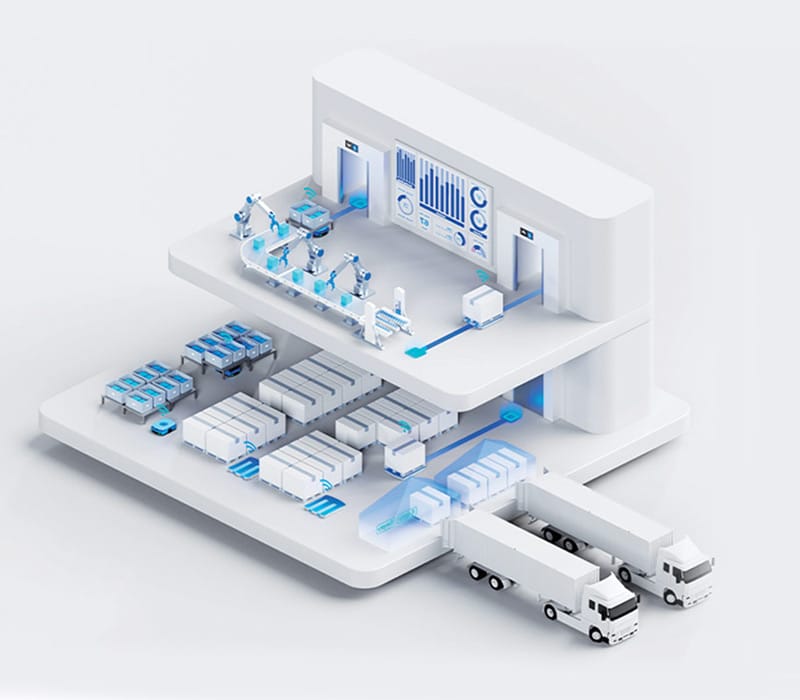
Full-stack intelligent logistics management and control system
It connects the entire "system - platform - hardware" chain, is compatible with mainstream industrial systems, and links intelligent hardware to achieve intelligent management and efficiency upgrades for the entire logistics process.
WHAT FITS:
Building core competitiveness in mobile management
01.
Custom Data Dashboard
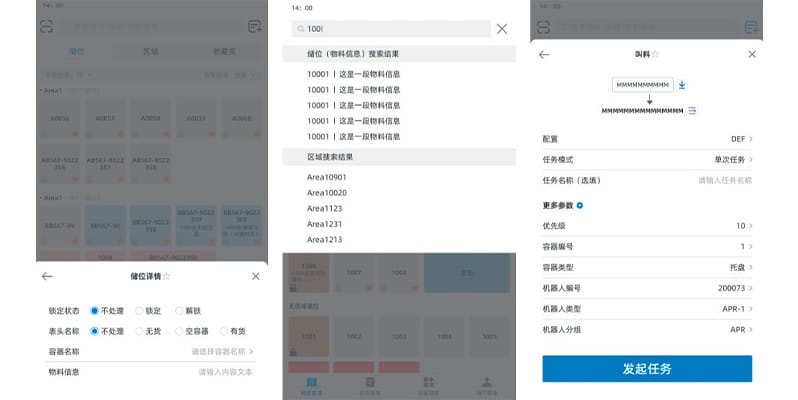
Building core competitiveness in mobile management
02.
Personalized User Management
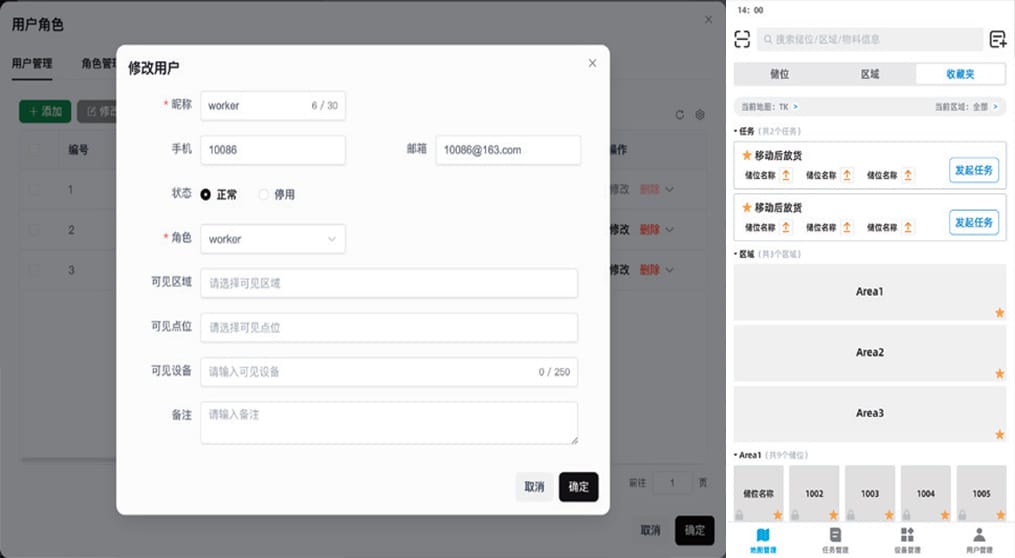
Building core competitiveness in mobile management
03.
Personalized Alarm Push
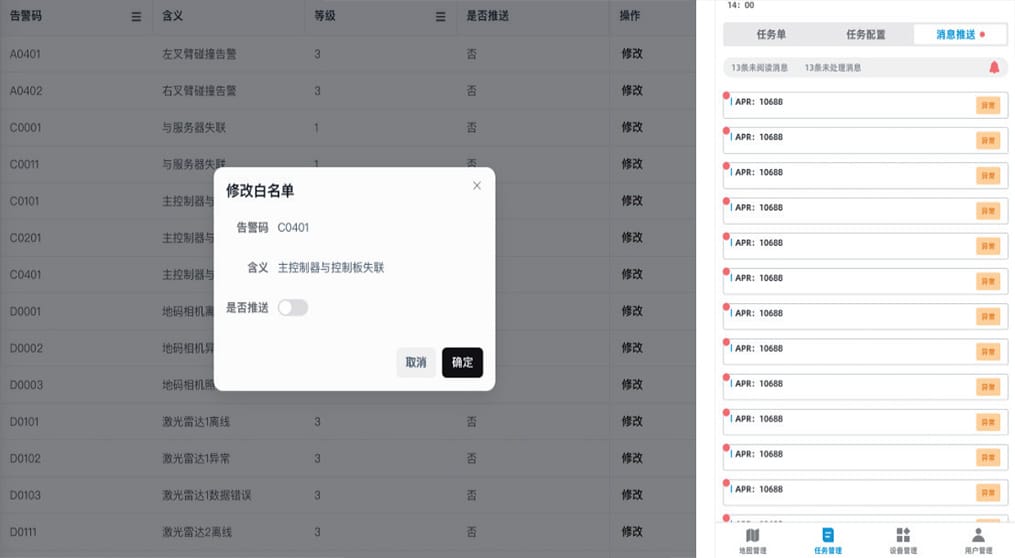
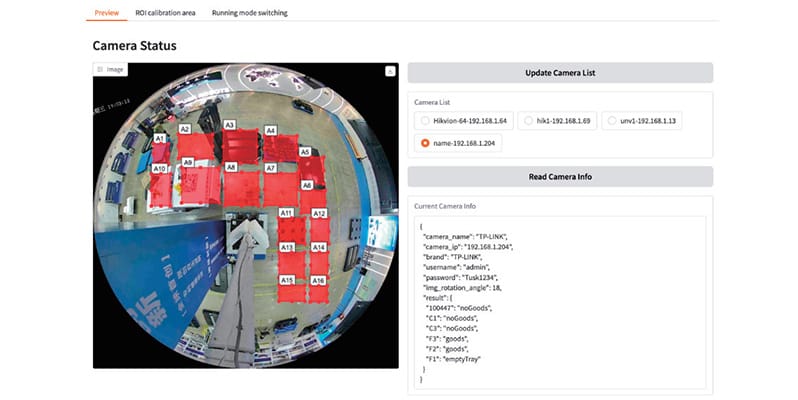
Leading the revolution in intelligent
warehouse location management
01.
Real-time storage location automatic trigger task
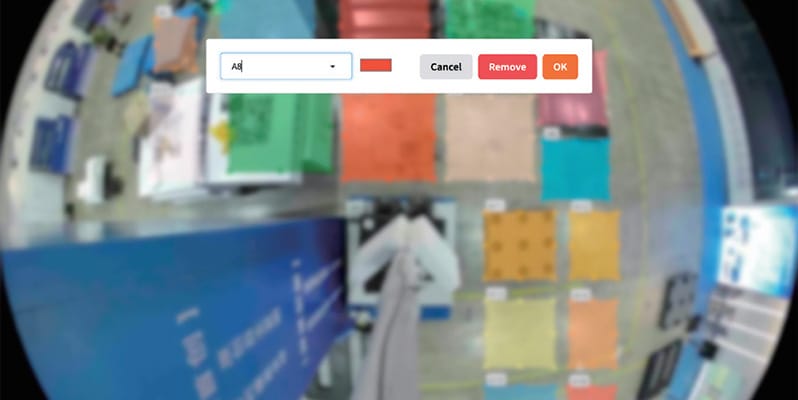
Leading the revolution in intelligent
warehouse location management
02.
Visual configuration interface
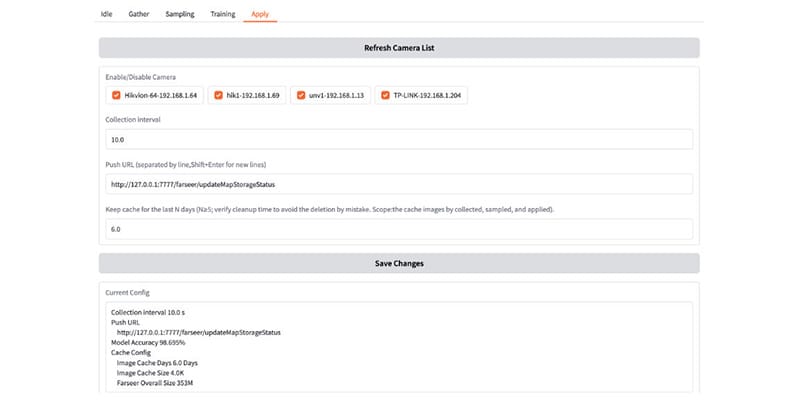
Leading the revolution in intelligent warehouse location management
03.
Custom Configuration
Lothar Intelligent Management Platform Building a Central System for Smart Factories
Lothar, the intelligent management platform from Taskar, serves as the digital hub for smart factories. It features customizable data dashboards, full-dimensional map visualization, graphical task and equipment workflows, simulation capabilities, AI-powered operation and maintenance, open multi-protocol interfaces, and OTA upgrade support, empowering digital management of factories throughout their entire lifecycle.
Map Management
Configuration Management
Access Management
Task Management
Historical records
Equipment Management
Simulation
Data dashboard
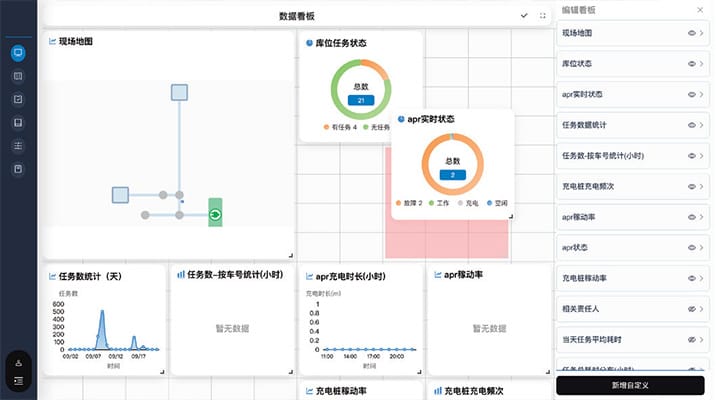
01.
Custom Data Dashboard
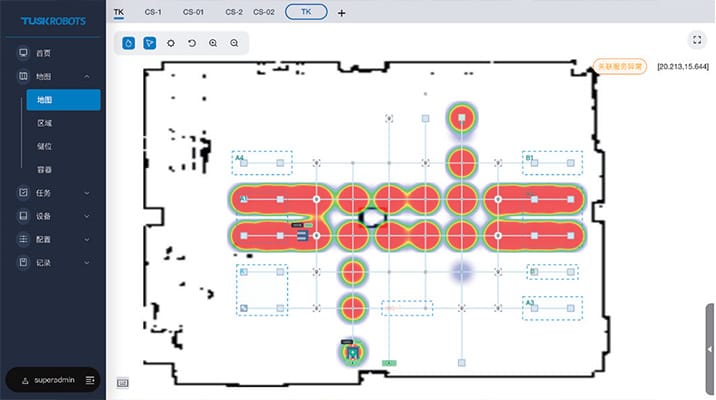
02.
Map visualization
03.
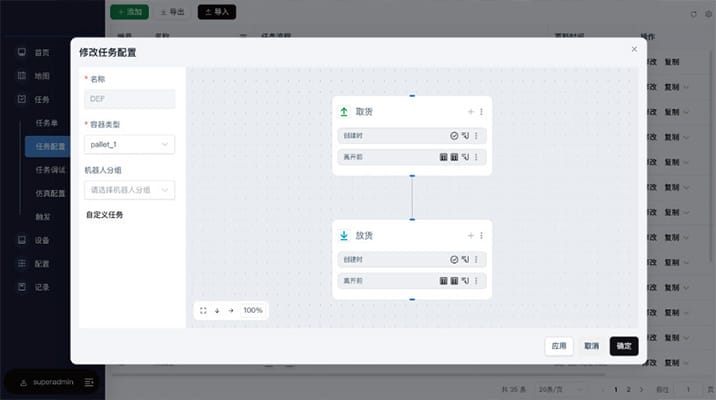
Graphical construction task
04.
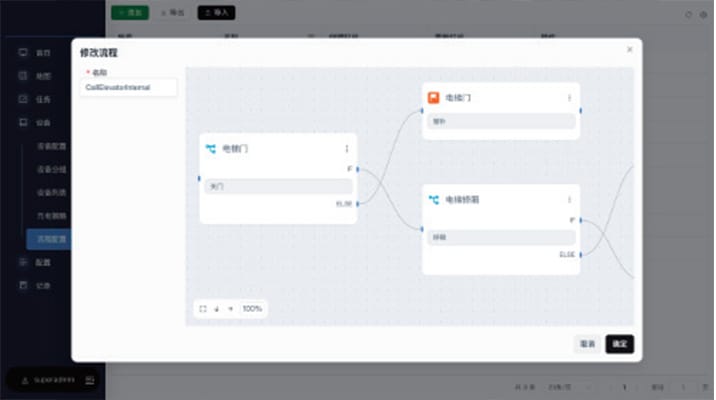
Graphical device configuration process
05.
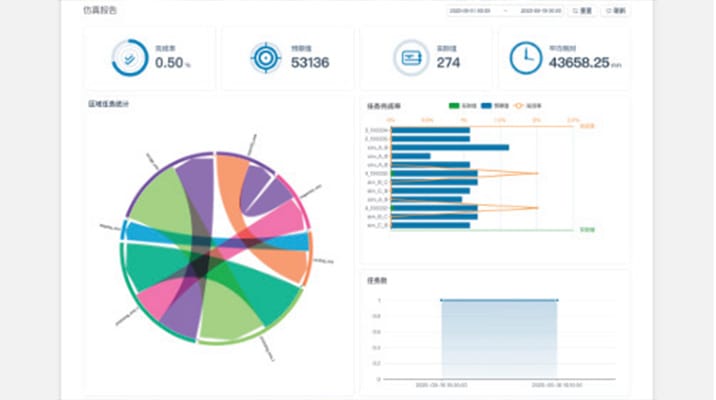
Simulation visualization
06.
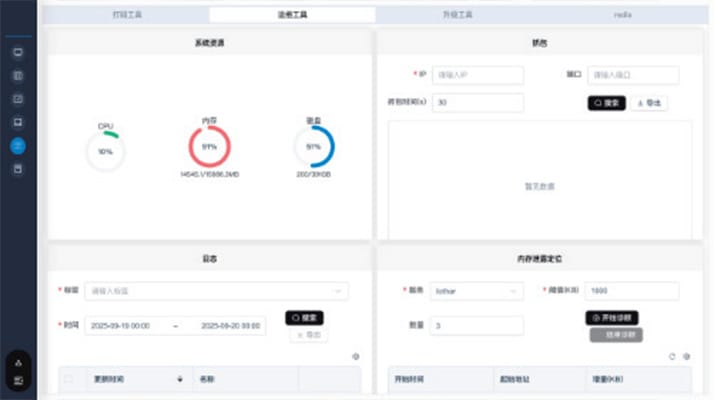
O&M Visualization
Trust Witnessing in Smart Factory Automation
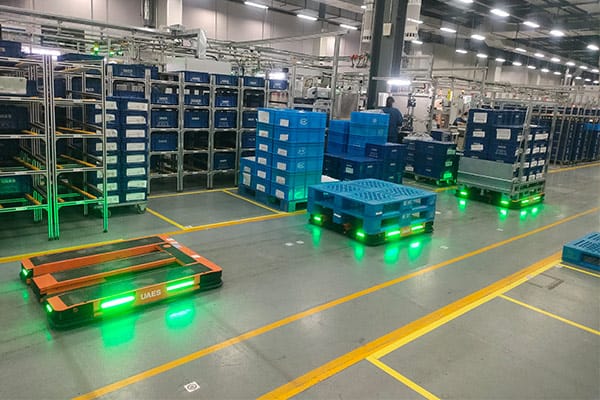
Electronics Industry
The automotive electronics trend makes digital pallet robots the preferred choice for in-plant logistics.
Solution
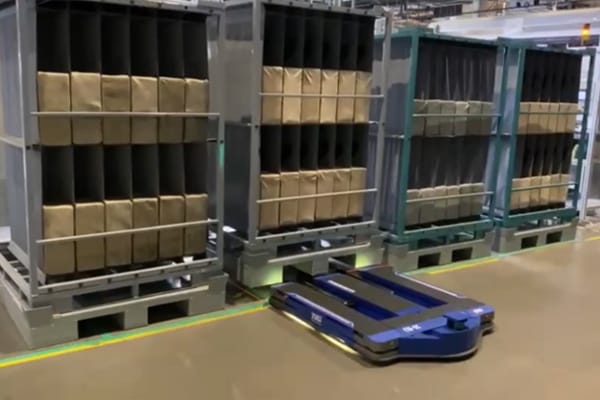
Auto Parts Industry
Rising demand for automotive interiors propels suppliers to new heights of development.
Solution
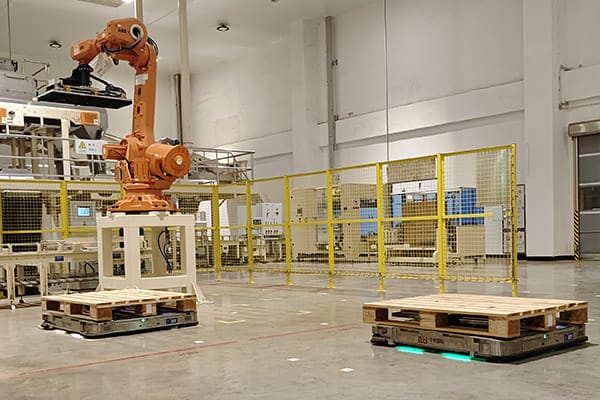
Tobacco Industry
A backbone of China's tobacco industry, with over forty years of history.
Solution
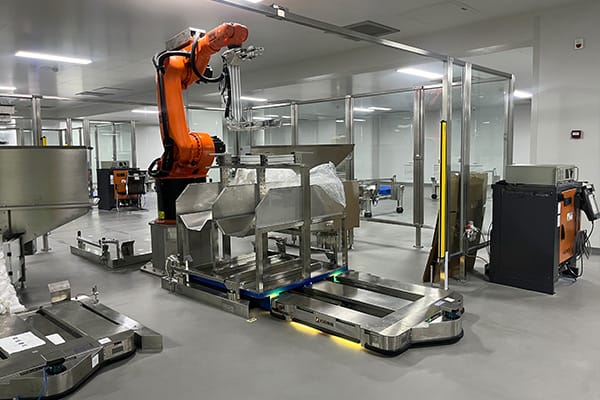
Pharmaceutical Industry
The pharmaceutical industry needs automation due to GMP requirements.
Solution
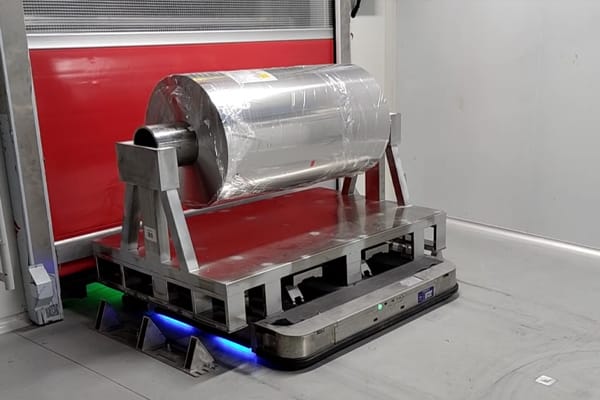
New Energy Industry
New energy lithium battery production capacity increases, automation is key.
Solution
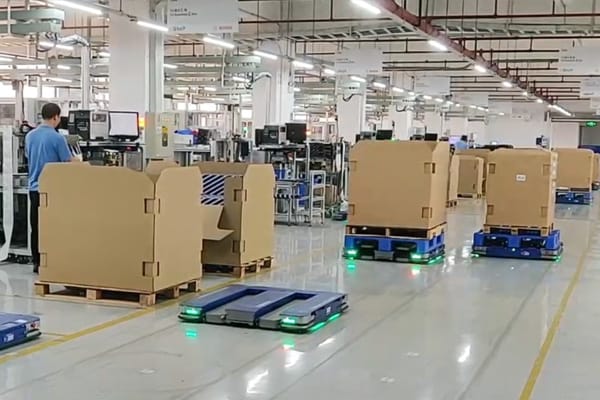
Manufacturing Industry
A globally renowned manufacturer of wiper parts, with a factory of 30,000 square meters.
Solution
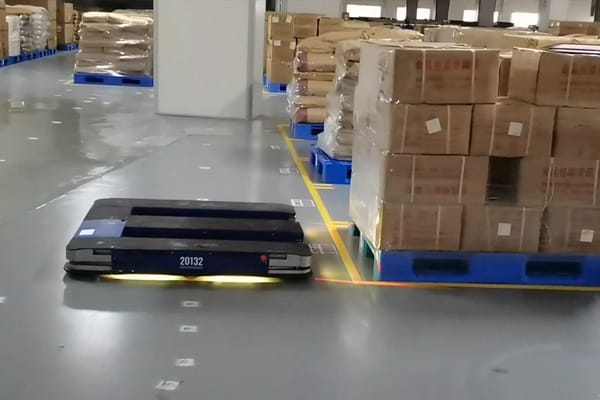
Food Industry
Positioned as a high-quality chain bakery brand, with a modern industrial park of over 60,000 square meters.
Solution
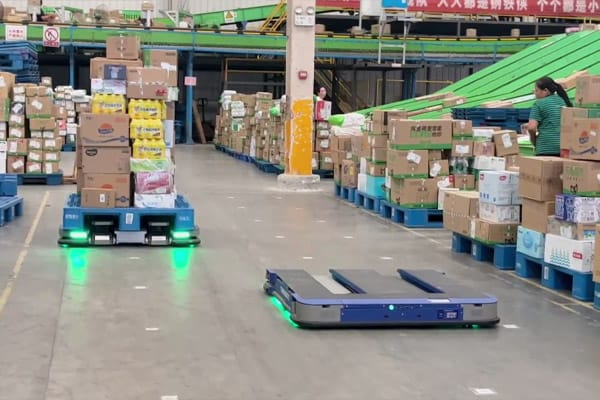
Logistics Industry
South China Logistics and Distribution Center of a Major Domestic E-commerce Company
Solution
Paper Industry
The group is a leading enterprise in the domestic household paper and maternal and child hygiene products industry.
Solution
Smart Factory Automation Trust
Explore more industry automation transformation paths; click to unlock customized solutions.
Smart Device Project Implementation
Implementation Preparation
Robot/charging station parts inventory: on-site inspection of wiring, access control, network, and power supply.
Project on-site implementation
Line marking and coding, map creation and permission setting, software and hardware debugging / robot test run
Launch and Support
User training / Deployment and trial run, manual / maintenance training, acceptance signing, after-sales support