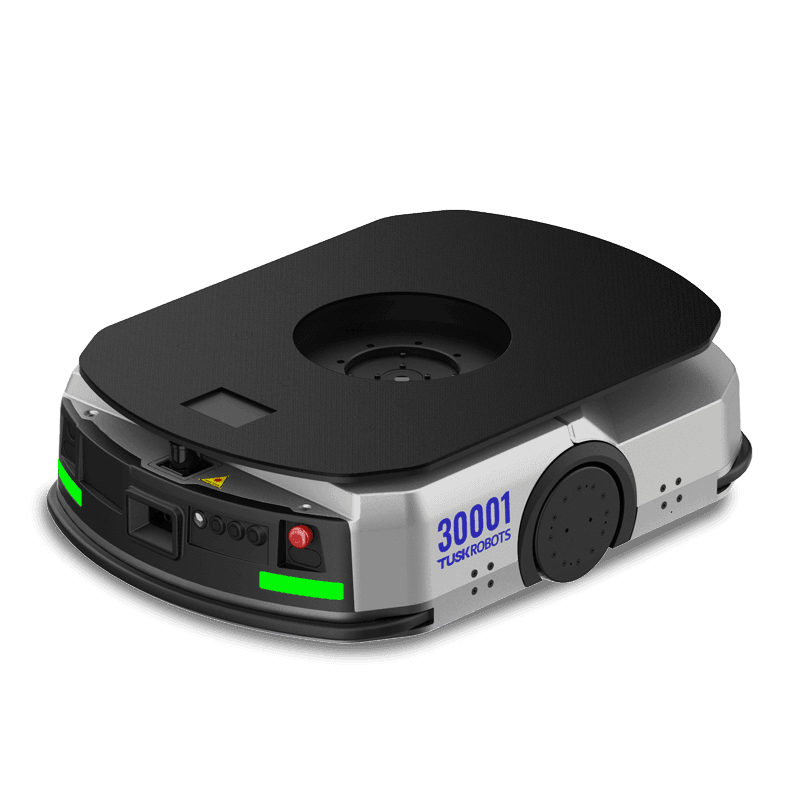

FL10 Pallet Stacking Robot: A Buyer-Oriented Guide for High-Bay Automation Decisions
Key Takeaways of This Article
- High-bay warehousing is increasingly viewed as a strategic capability, not just a storage method, driven by rising land costs, labor shortages, and stricter safety requirements.
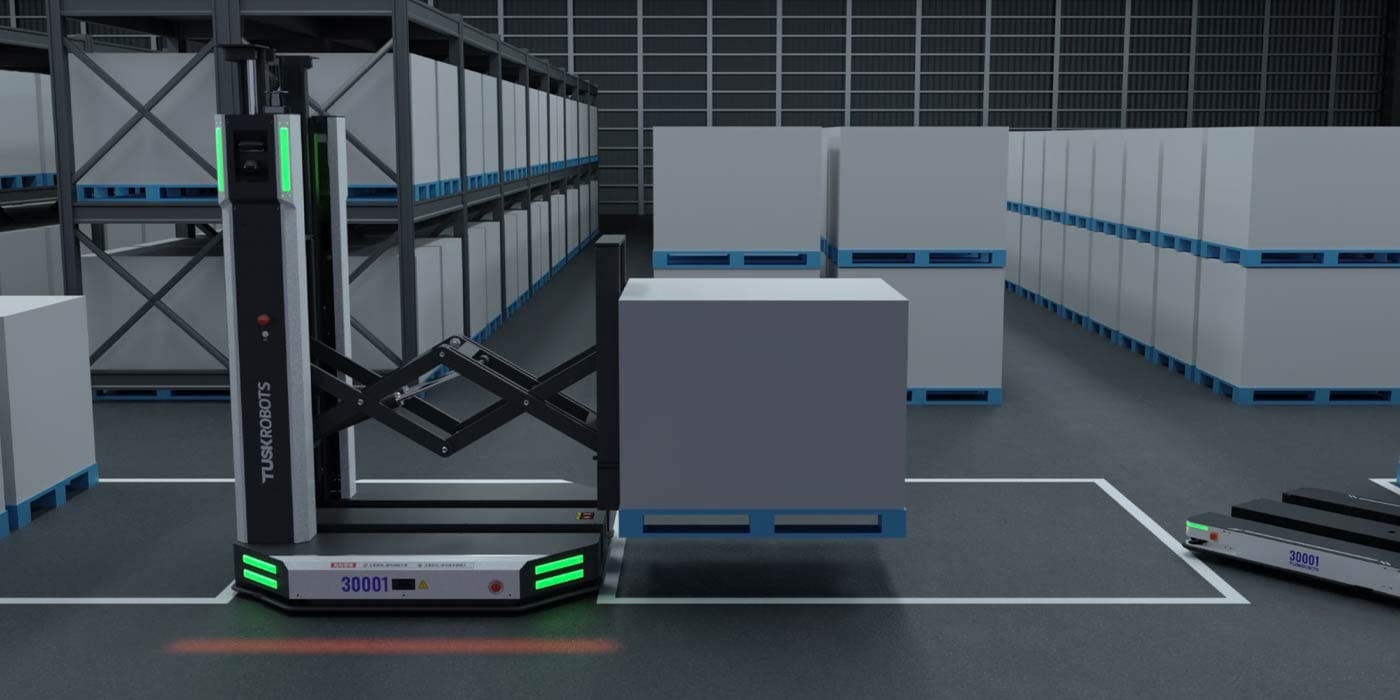
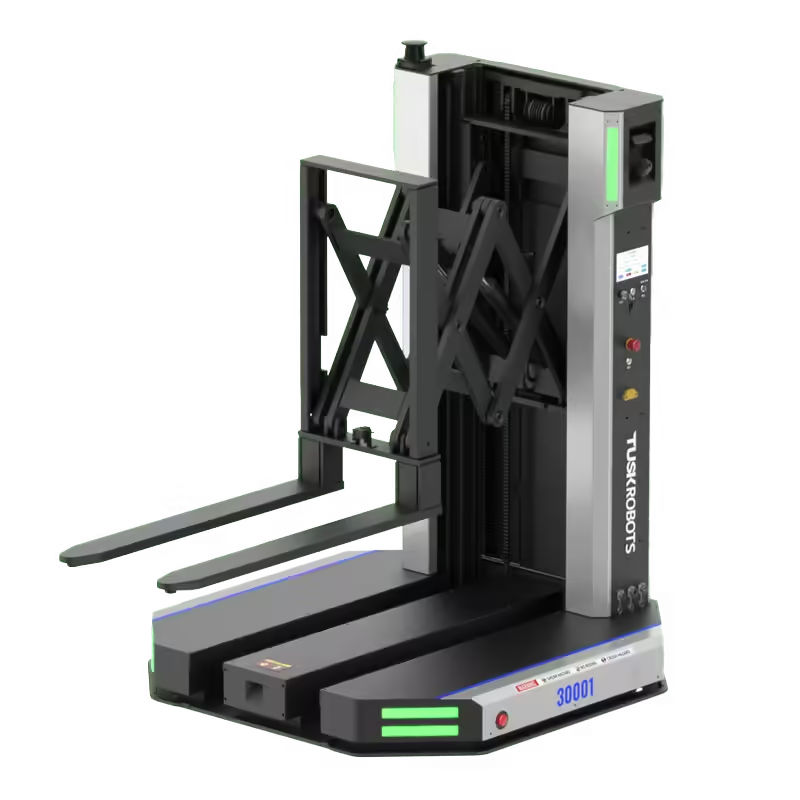
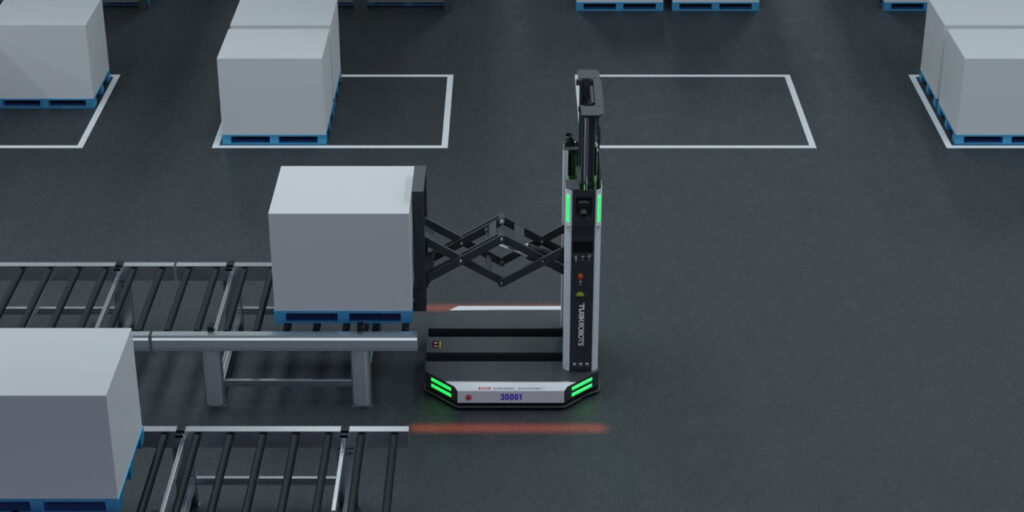
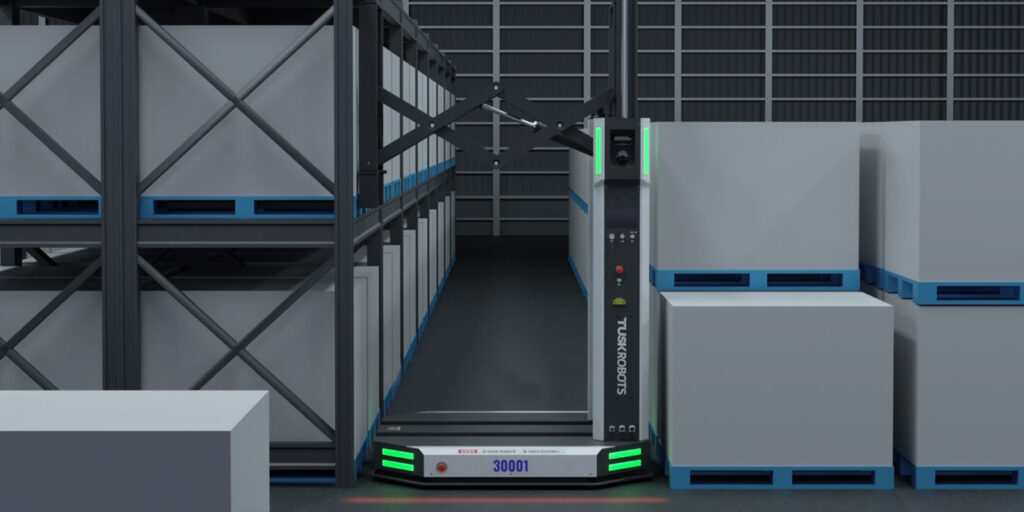
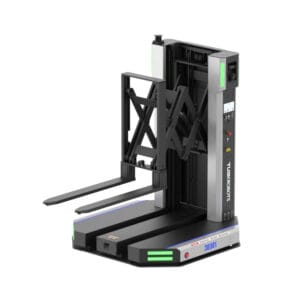
- The FL10 Pallet Stacking Robot is designed specifically for high-bay and narrow-aisle environments, enabling better vertical space utilization without major infrastructure changes.
- Compared with traditional forklifts and fixed automation systems, mobile pallet stacking robots offer a balanced approach between performance, flexibility, and total cost of ownership (TCO).
- Intelligent navigation, precise lifting control, and layered safety architecture are critical success factors for reliable high-bay automation, especially in mixed human–robot environments.
- Procurement decisions should focus on long-term operational value, including scalability, system integration capability, maintenance predictability, and supplier manufacturing strength.
- As a Made-in-China flagship product, the FL10 reflects the growing global competitiveness of Chinese intelligent logistics equipment in terms of quality, customization, and cost efficiency.
- The FL10 Pallet Stacking Robot is particularly suitable for companies planning phased automation, warehouse upgrades, or future layout adjustments without locking into rigid systems.
- Successful high-bay automation projects align technology choices with business growth strategy, risk management, and workplace safety objectives—not just upfront purchase price.
Table of Contents
How Procurement Teams Evaluate High-Bay Automation Solutions
When purchasing intelligent logistics equipment, procurement managers are no longer looking only at technical specifications. In practice, decisions are made at the intersection of cost, risk, scalability, and long-term operational value.
For high-bay automation projects, buyers typically evaluate solutions based on five core dimensions:
- Space utilization improvement
- Operational reliability and safety
- Integration with existing systems
- Total cost of ownership (TCO)
- Vendor capability and long-term support
The FL10 Pallet Stacking Robot was developed with these decision-making priorities in mind.
Understanding Total Cost of Ownership (TCO) for Pallet Stacking Robots
Initial Purchase Cost vs Long-Term Value
While upfront price is often the first comparison point, experienced buyers focus more on lifecycle cost. This includes maintenance, energy consumption, downtime risk, and system adaptability.
Mobile pallet stacking robots typically require:
- No rail installation
- No heavy civil construction
- Minimal infrastructure modification
This significantly reduces initial deployment costs compared with fixed automation systems.
Operating Cost Considerations
Key operational cost factors include:
- Energy efficiency and battery lifespan
- Frequency of maintenance interventions
- Spare parts availability
The FL10 Pallet Stacking Robot is designed for long duty cycles and predictable maintenance schedules, which simplifies cost forecasting for procurement teams.
Risk Assessment: What Buyers Should Evaluate Before Purchasing
Operational Risk
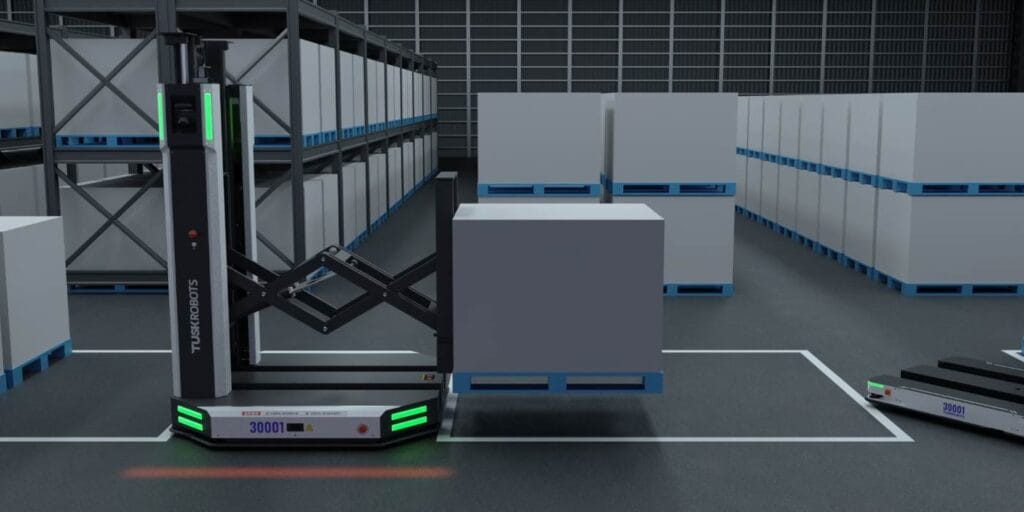
High-bay operations amplify operational risk. Buyers must assess whether the equipment:
- Maintains stability under full load at height
- Provides consistent positioning accuracy
- Includes redundant safety systems
Implementation Risk
Fixed automation systems often require long installation periods and shutdowns. Mobile robots reduce this risk by allowing phased deployment without disrupting existing operations.
Supplier Risk
Procurement decisions also involve evaluating the supplier’s:
- Manufacturing capability
- Technical support structure
- Experience with international projects
As a Made-in-China flagship product, the FL10 benefits from a mature manufacturing base and scalable production capacity.
Comparing Pallet Stacking Robots with Alternative Solutions
FL10 Pallet Stacking Robot vs Traditional Forklifts
From a buyer’s perspective, traditional forklifts may appear less expensive initially. However, they introduce ongoing costs related to labor, training, safety incidents, and operational inconsistency.
FL10 Pallet Stacking Robot vs Stacker Cranes
Stacker cranes offer high efficiency but require fixed layouts and high infrastructure investment. Mobile stacking robots provide greater flexibility, particularly for facilities anticipating future changes.
| Decision Factor | FL10 Pallet Stacking Robot | Stacker Crane |
|---|---|---|
| Installation Time | Short | Long |
| Layout Flexibility | High | Low |
| Expansion Cost | Incremental | High |
| Upfront Investment | Moderate | High |
This comparison helps buyers align technology choice with business strategy.
Scalability: Planning for Growth Without Over-Investment
Modular Expansion Strategy
Procurement teams increasingly prefer solutions that allow gradual scaling. Instead of committing to a full system upfront, mobile robots enable phased investment aligned with actual demand growth.
Avoiding Over-Automation
Over-automation can lock companies into rigid systems. The FL10 Pallet Stacking Robot supports incremental automation, allowing organizations to test, refine, and expand.
Integration Readiness: A Critical Procurement Checklist
Compatibility with Existing Systems
Before purchase, buyers should confirm:
- Compatibility with WMS or MES systems
- Ability to interface with conveyors or transfer robots
- Data communication standards
Operational Transparency
Modern procurement decisions favor equipment that provides operational data for performance monitoring and continuous improvement.
The FL10 Pallet Stacking Robot is designed to function as part of a broader intelligent logistics ecosystem rather than a standalone machine.
Safety Compliance and Corporate Responsibility
Regulatory and Insurance Considerations
High-bay automation affects compliance with workplace safety standards. Equipment with advanced safety architecture may reduce insurance premiums and audit risk.
Protecting Human Workers
Procurement teams are increasingly evaluated on their ability to reduce workplace hazards. Automated stacking solutions directly address high-risk lifting tasks.
Supplier Evaluation: Why Manufacturer Capability Matters
Manufacturing Depth
A strong manufacturing base ensures:
- Consistent product quality
- Stable lead times
- Reliable spare parts supply
Customization and Engineering Support
Warehouses are rarely identical. Buyers benefit from suppliers who can adapt solutions to specific layout and operational requirements.
China’s advanced manufacturing ecosystem enables rapid customization without sacrificing scalability—an advantage reflected in the FL10 Pallet Stacking Robot.
Decision Summary: When the FL10 Pallet Stacking Robot Makes Sense
Ideal Buyer Profiles
- Manufacturers upgrading internal logistics
- Warehouses facing space constraints
- Companies planning phased automation
Strategic Fit
The FL10 Pallet Stacking Robot is best viewed not as a one-time purchase but as a long-term logistics capability that evolves with business needs.
Final Thoughts for Procurement Leaders
High-bay automation decisions carry long-term implications. The most successful procurement strategies balance performance, flexibility, and risk management rather than focusing solely on upfront cost.
The FL10 Pallet Stacking Robot offers a practical, scalable, and intelligent approach—backed by Made-in-China manufacturing strength and designed for global logistics environments.
For procurement teams seeking a future-ready solution without committing to rigid infrastructure, it represents a compelling choice.
FAQ
Is a pallet stacking robot suitable for medium-sized warehouses?
Yes. Mobile robots are especially suitable for medium-sized operations seeking efficiency without heavy infrastructure investment.
How quickly can ROI typically be achieved?
ROI timelines vary by operation, but buyers often see returns through labor savings, space optimization, and reduced safety incidents.
Can the robot be redeployed if the warehouse relocates?
Yes. Unlike fixed systems, mobile stacking robots can be relocated with minimal effort.
What level of after-sales support should buyers expect?
Buyers should expect remote diagnostics, spare parts availability, and technical training support.
TUSKROBOTS: Leading Intelligent Automation Solutions
Thank you for reading! We hope this blog offered valuable insights into Intelligent Warehousing & Logistics Automation Solutions. We are committed to empowering smart factories and intelligent logistics, making industrial handling simpler and more efficient.
Join our community to stay updated on our advanced automated pallet handling and picking robots.
📘 Follow us on Facebook, Instagram, and TikTok.
Let’s keep the conversation going—see you there!
Latest post

Contact Info
2nd Floor, Xingzhongchuang Xiabei High-tech Industry Center A1, Nanhai District, Foshan, China
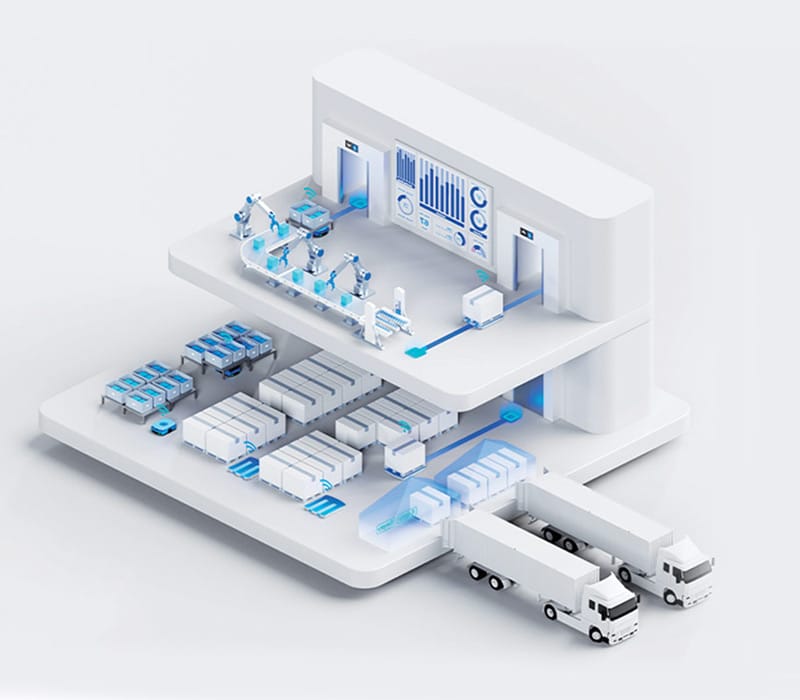
Full-stack intelligent logistics management and control system
It connects the entire "system - platform - hardware" chain, is compatible with mainstream industrial systems, and links intelligent hardware to achieve intelligent management and efficiency upgrades for the entire logistics process.
WHAT FITS:
Building core competitiveness in mobile management
01.
Custom Data Dashboard
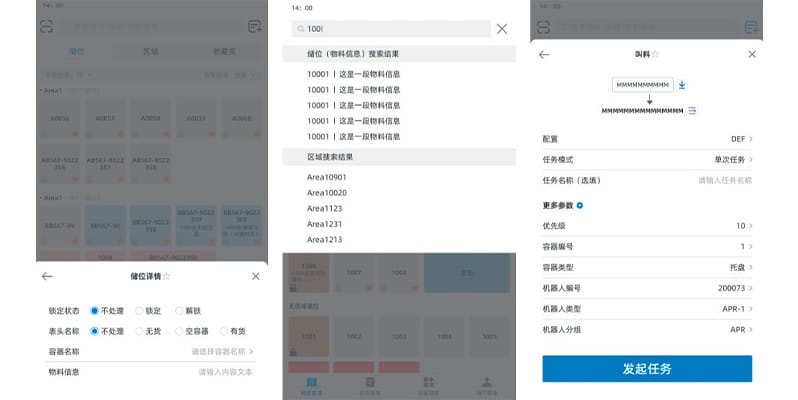
Building core competitiveness in mobile management
02.
Personalized User Management
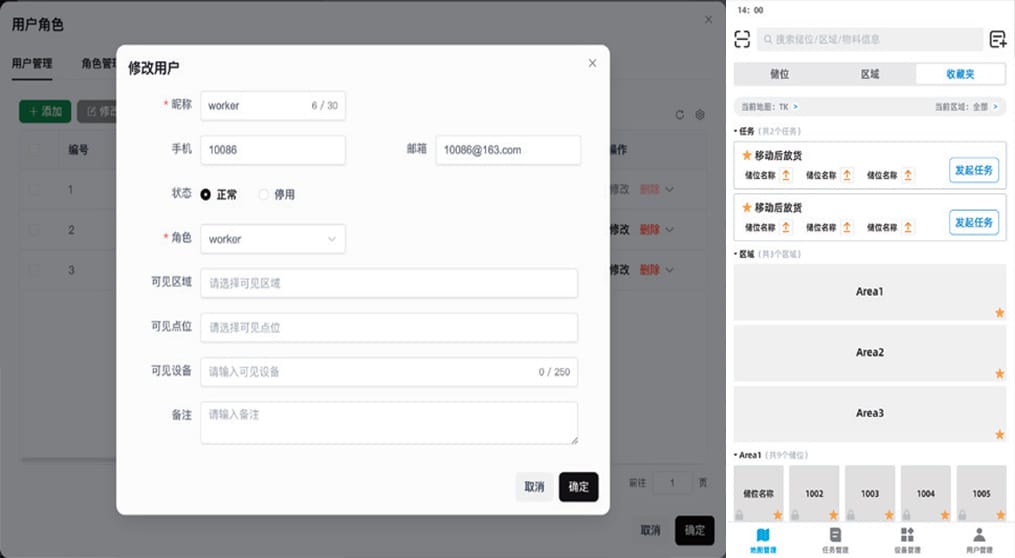
Building core competitiveness in mobile management
03.
Personalized Alarm Push
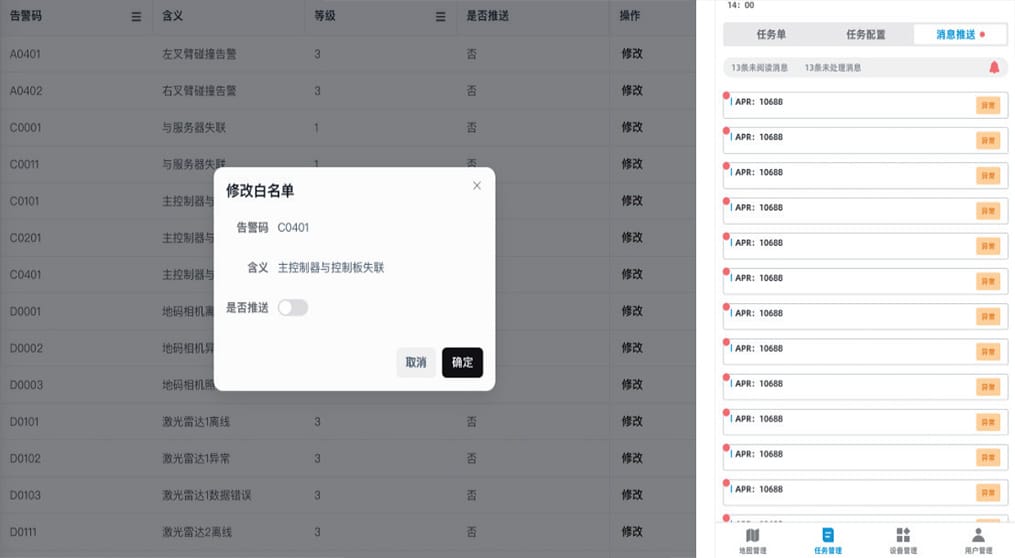
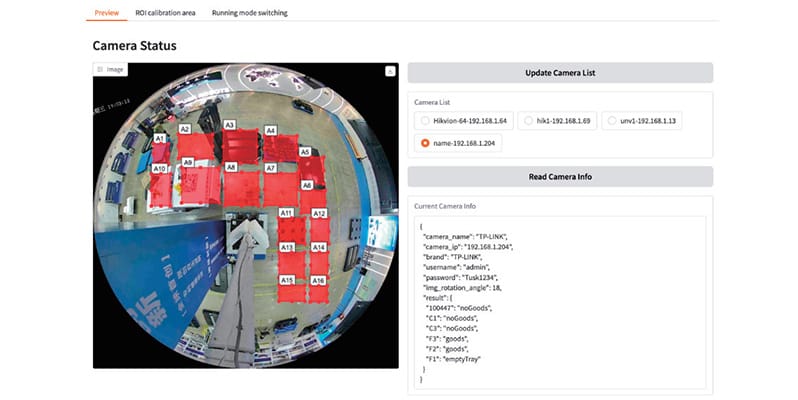
Leading the revolution in intelligent
warehouse location management
01.
Real-time storage location automatic trigger task
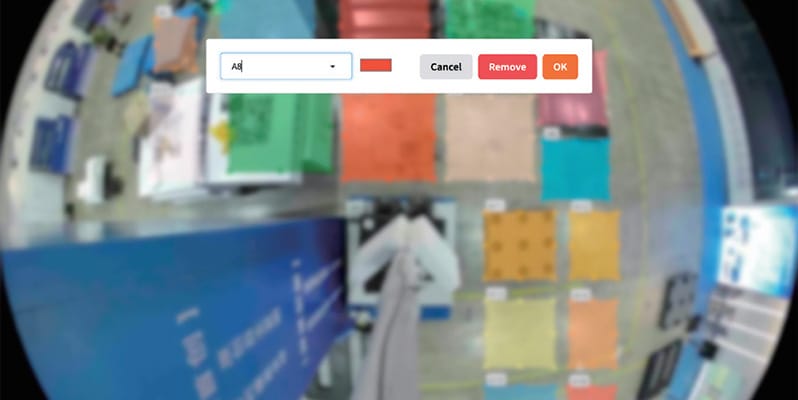
Leading the revolution in intelligent
warehouse location management
02.
Visual configuration interface
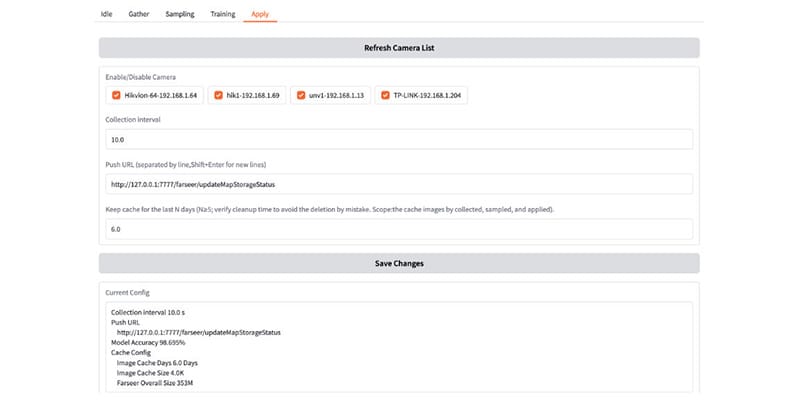
Leading the revolution in intelligent warehouse location management
03.
Custom Configuration
Lothar Intelligent Management Platform Building a Central System for Smart Factories
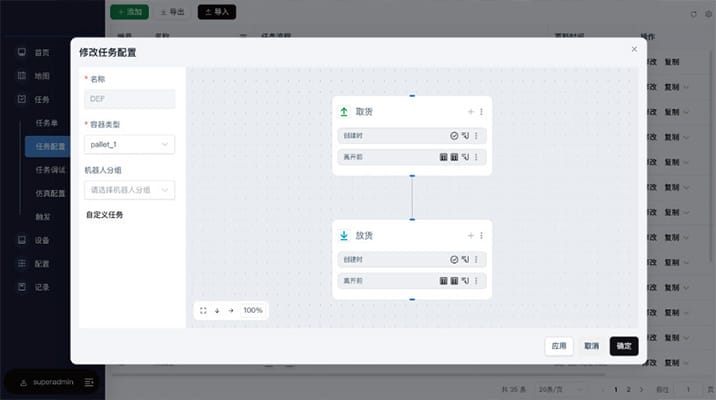
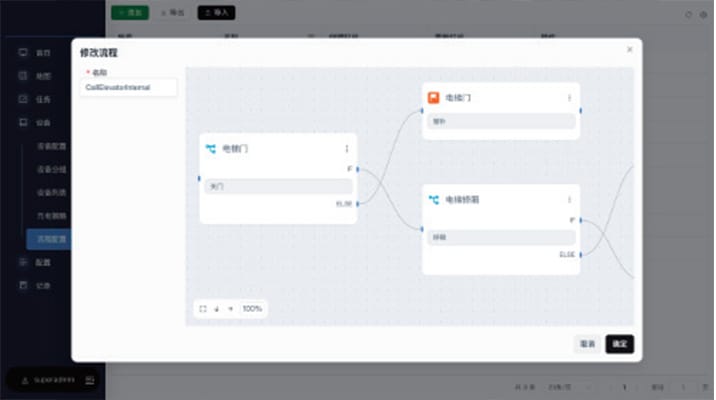
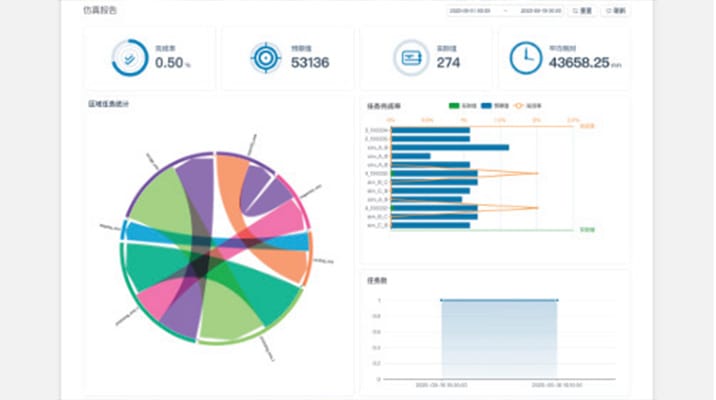
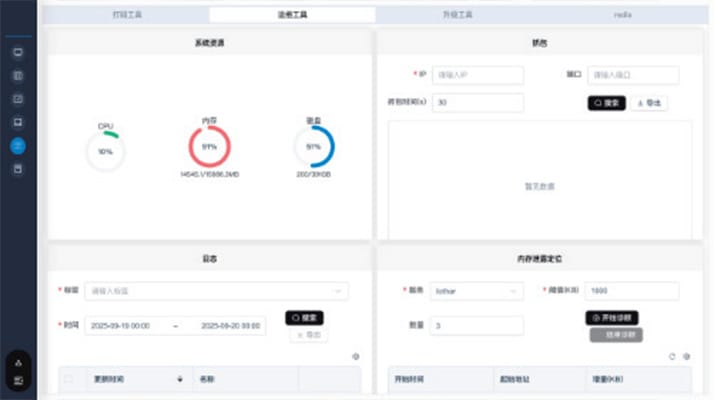
Lothar, the intelligent management platform from Taskar, serves as the digital hub for smart factories. It features customizable data dashboards, full-dimensional map visualization, graphical task and equipment workflows, simulation capabilities, AI-powered operation and maintenance, open multi-protocol interfaces, and OTA upgrade support, empowering digital management of factories throughout their entire lifecycle.
Map Management
Configuration Management
Access Management
Task Management
Historical records
Equipment Management
Simulation
Data dashboard
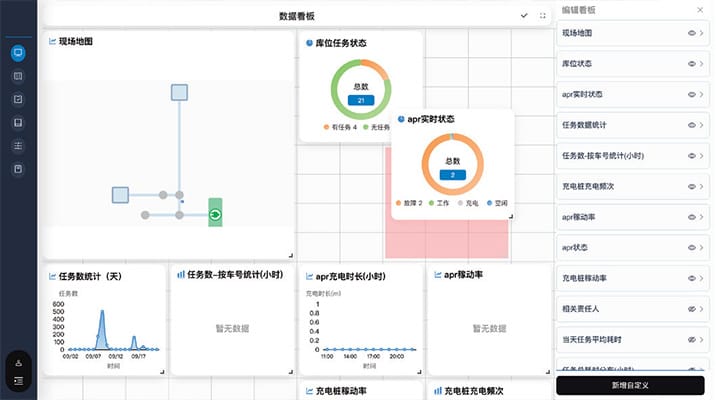
01.
Custom Data Dashboard
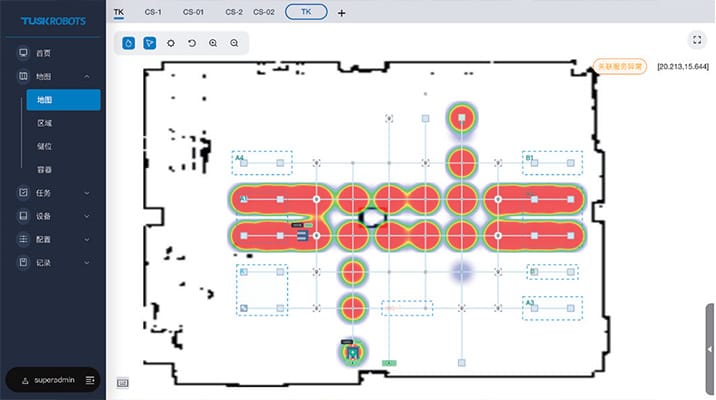
02.
Map visualization
03.
Graphical construction task
04.
Graphical device configuration process
05.
Simulation visualization
06.
O&M Visualization
Trust Witnessing in Smart Factory Automation
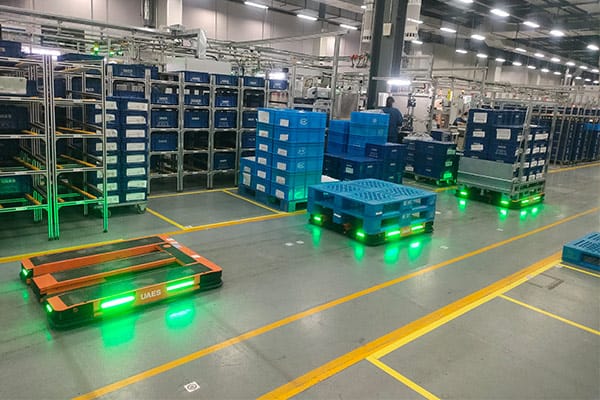
Electronics Industry
The automotive electronics trend makes digital pallet robots the preferred choice for in-plant logistics.
Solution
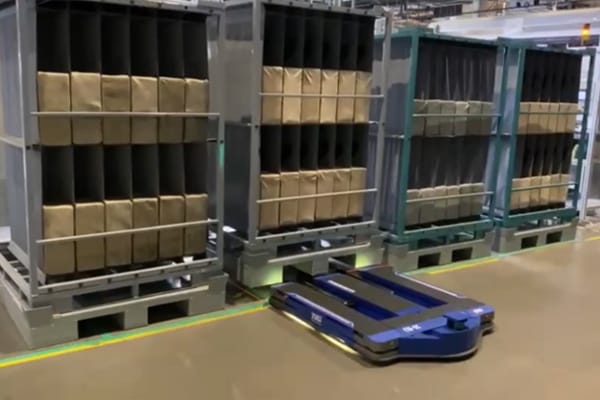
Auto Parts Industry
Rising demand for automotive interiors propels suppliers to new heights of development.
Solution
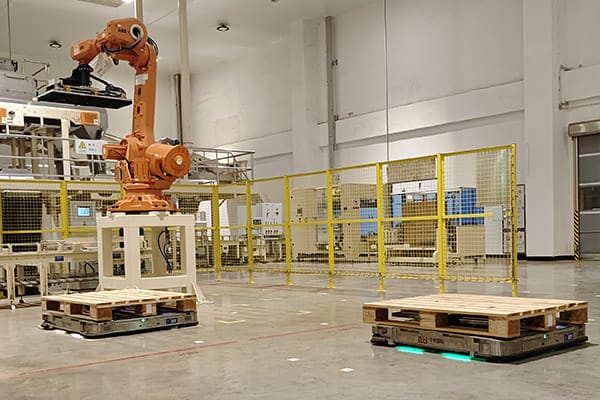
Tobacco Industry
A backbone of China's tobacco industry, with over forty years of history.
Solution
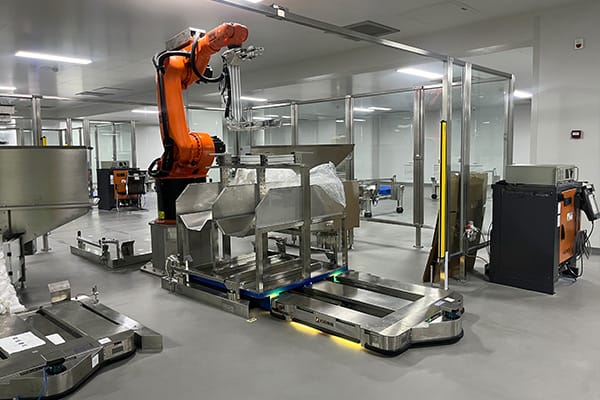
Pharmaceutical Industry
The pharmaceutical industry needs automation due to GMP requirements.
Solution
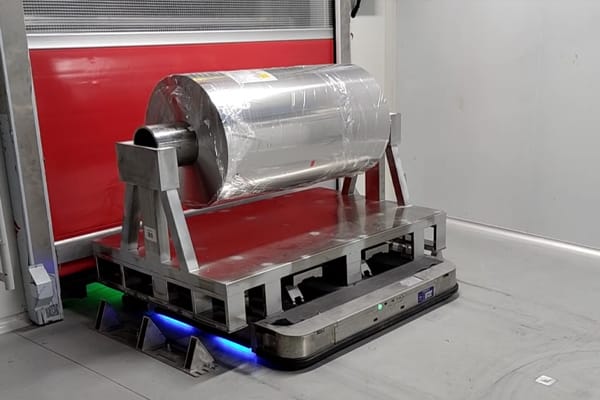
New Energy Industry
New energy lithium battery production capacity increases, automation is key.
Solution
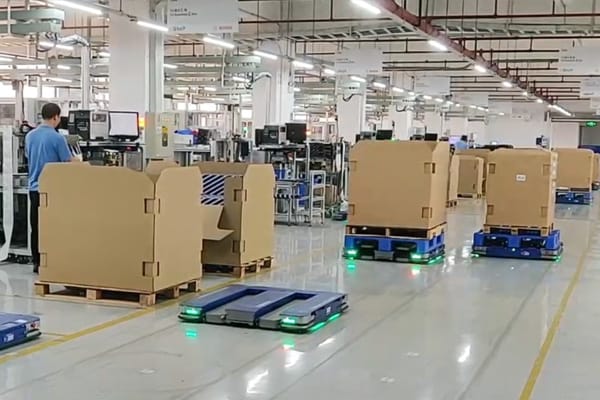
Manufacturing Industry
A globally renowned manufacturer of wiper parts, with a factory of 30,000 square meters.
Solution
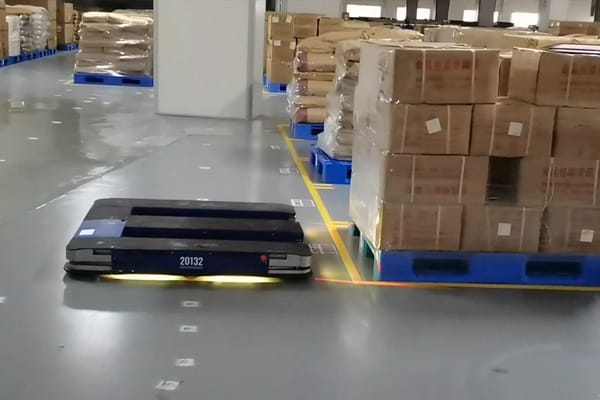
Food Industry
Positioned as a high-quality chain bakery brand, with a modern industrial park of over 60,000 square meters.
Solution
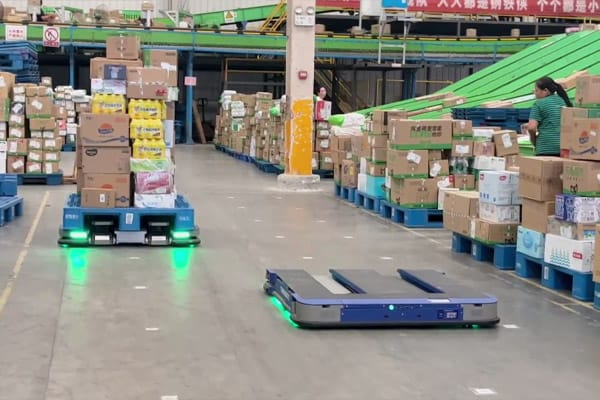
Logistics Industry
South China Logistics and Distribution Center of a Major Domestic E-commerce Company
Solution
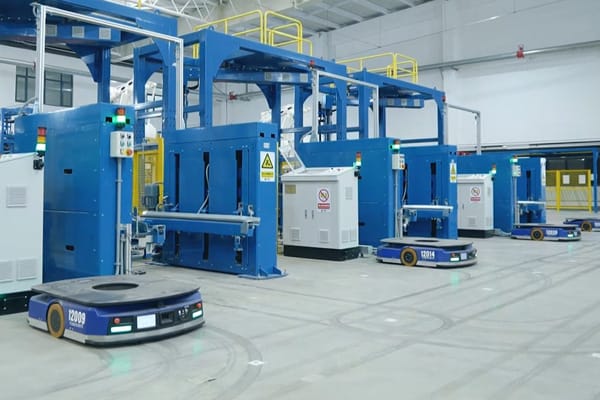
Paper Industry
The group is a leading enterprise in the domestic household paper and maternal and child hygiene products industry.
Solution
Smart Factory Automation Trust
Explore more industry automation transformation paths; click to unlock customized solutions.
Smart Device Project Implementation
Implementation Preparation
Robot/charging station parts inventory: on-site inspection of wiring, access control, network, and power supply.
Project on-site implementation
Line marking and coding, map creation and permission setting, software and hardware debugging / robot test run
Launch and Support
User training / Deployment and trial run, manual / maintenance training, acceptance signing, after-sales support