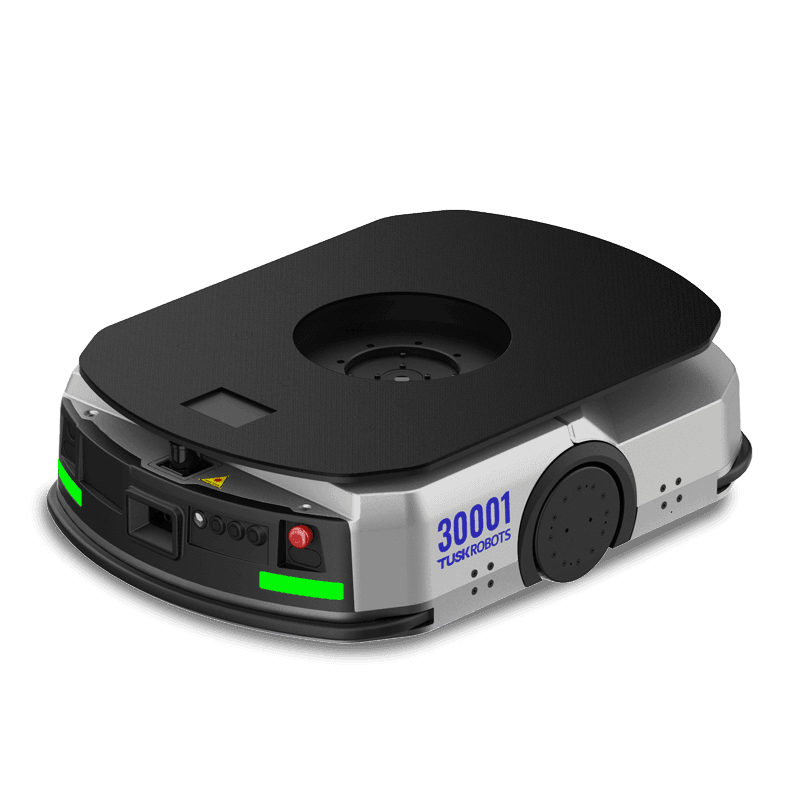

Cost Savings Achieved with AGV Mobile Robots
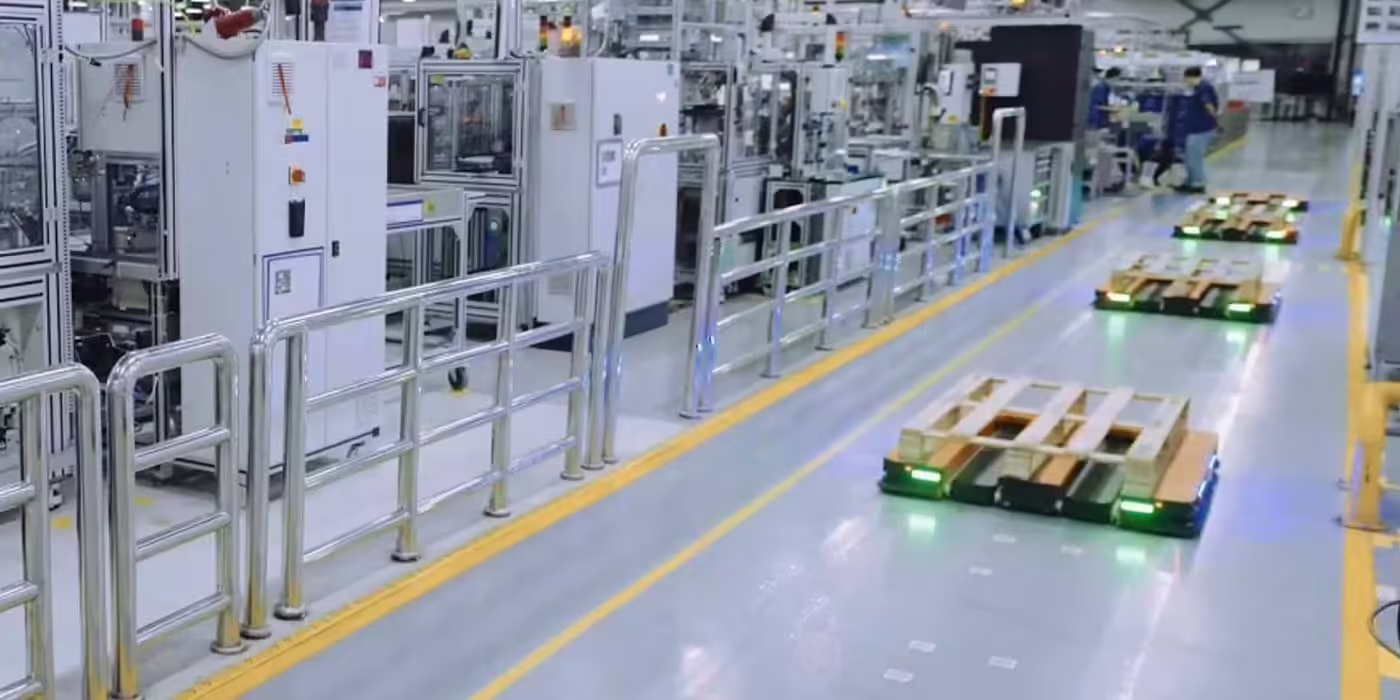
Key Takeaways from This Article
- Why AGV mobile robots are transforming material handling economics
- How automation reduces labor, energy, and error-related costs
- Comparing AGV mobile robots to traditional forklifts and manual labor
- Maintenance best practices to maximize lifecycle savings
- Real-world data and ROI examples from global fleets
- Strategic implementation models to optimize operations
- FAQs answering common practical concerns
Introduction
In an era defined by supply chain pressures, labor shortages, and rapidly rising operating costs, businesses are seeking automation solutions that deliver measurable financial returns — not just technological novelty. In logistics, warehousing, manufacturing, and e-commerce fulfillment centers, the adoption of AGV mobile robots is no longer optional; it is becoming a strategic imperative.
Reports from industry analysts show that companies incorporating AGV solutions achieve up to 40% reduction in operational costs, 25–30% increase in throughput, and a 30% decrease in workplace safety incidents compared to facilities relying solely on forklifts and manual handling. These gains are not theoretical — they are documented in facilities across North America, Europe, and Asia.
This comprehensive guide reveals exactly how AGV mobile robots save costs, backed by real-world examples, comparative analysis, and practical strategies for implementation.
Table of Contents
The Economics Behind AGV Mobile Robots
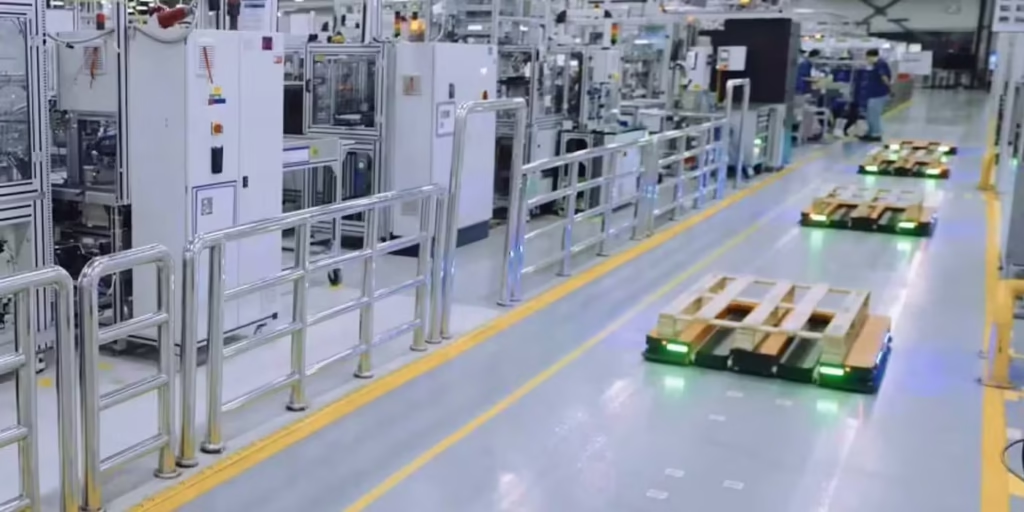
How Automation Saves Labor Costs
Labor is often the largest operating expense in warehousing and manufacturing. AGV mobile robots reduce dependence on human operators for repetitive tasks like material transport, staging, and replenishment.
Key Points:
- AGV mobile robots handle repetitive “low-value” tasks autonomously
- Reduce overtime, absenteeism impact, and training costs
- Enable redeployment of human workers to high-value tasks
In a 2024 benchmark study of logistics facilities in the U.S., facilities using AGVs reported a 33% reduction in labor-related expenses within 12 months of deployment.
AGV Mobile Robots vs Traditional Material Handling
Comparative Performance Metrics
| Feature | AGV Mobile Robot | Traditional Forklifts/Manual Labor |
|---|---|---|
| Labor Cost Reduction | Up to 40% | None—labor increases over time |
| Safety Risk | Low (autonomous sensors/collision avoidance) | High (operator risk, accidents) |
| Energy Efficiency | High (electric, scheduled charging) | Moderate/Low (fuel + idle consumption) |
| Scalability | Easy (modular expansion) | Hard (requires more humans & vehicles) |
| Precision & Traceability | Very High | Variable |
Interpretation: AGV mobile robots consistently outperform manual and forklift-based systems not just in cost savings but in reliability and scalability.
Direct Cost Savings Realized
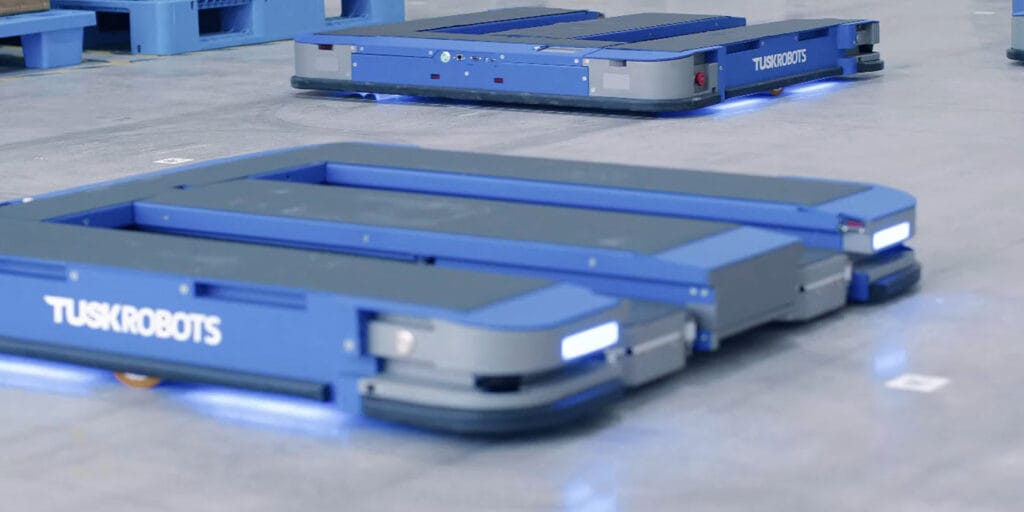
Labor Savings
AGV mobile robots eliminate many manual transport shifts, particularly in high-throughput zones.
Real Data Example:
A distribution center handling 300,000 SKU movements per month documented:
- 18% reduction in labor hours
- 22% faster order fulfillment
- 27% month-over-month cost improvements during peak seasons
Energy Cost Savings
AGV mobile robots are predominantly electric and recharge during off-peak hours. Traditional internal combustion forklifts use diesel or LPG, which carry higher fuel and maintenance costs.
| Cost Category | AGV System | Internal Combustion |
|---|---|---|
| Fuel/Energy | Low (grid electricity) | High (diesel/LPG) |
| Maintenance | Scheduled, predictive | Reactive, frequent |
| Lifespan | 8–12+ years | 5–7 years avg |
| Emissions | Zero operational | High CO₂, NOx |
Statistic: Facilities using AGVs can save up to 20% on energy and maintenance total costs compared with diesel-powered fleets.
Operational Efficiency Gains
Streamlining Workflows
AGV mobile robots enable continuous, predictable movement of goods even in 24/7 operations.
Key Benefits:
- Reduced idle time for workers
- Predictable throughput times
- Less congestion and fewer bottlenecks
Integration with Warehouse Systems
When integrated with Warehouse Management Systems (WMS) and Enterprise Resource Planning (ERP) platforms, AGV mobile robots enable:
- Real-time inventory tracking
- Automated replenishment triggers
- Dynamic route optimization
A European online retailer reduced picking errors by 42% after integrating AGVs with their WMS.
Implementation Strategies That Drive Savings
Pilot Program Best Practices
Before full deployment, running a pilot project yields important insights and minimizes risk.
Pilot Steps:
- Identify high-volume zones
- Set clear KPIs (labor hours, throughput, error rate)
- Run simulation scenarios
- Measure baseline vs post-AGV performance
Modular Deployment
Rather than replacing all manual processes at once, consider:
- Phased rollout
- Zone-specific automation (e.g., inbound, picking, staging)
- Cross-trained staff to manage both manual and AGV workflows
This minimizes disruption and allows teams to learn incrementally.
Maintenance Best Practices for Cost Optimization

Daily and Weekly Checks
Proactive maintenance prevents failures and extends useful life:
- Sensor cleaning
- Battery health monitoring
- Pathway and floor condition checks
Scheduled Deep Maintenance
Deep maintenance includes:
- Software updates
- Wheel and traction component servicing
- Safety sensor recalibration
Insight: Facilities that follow strict maintenance schedules see 35–50% fewer unplanned downtimes compared to those with ad-hoc routines.
Real-World Case Studies — Documented ROI
Case Study: Automotive Manufacturing
A global auto parts manufacturer deployed 80 AGV mobile robots across assembly lines.
Results After 18 Months:
- 35% reduction in labor cost
- 28% throughput increase
- ROI realized in <20 months
Case Study: E-Commerce Fulfillment Center
A major North American fulfillment center integrated AGV mobile robots in picking and sorting zones.
Outcomes:
- Order accuracy improved by 37%
- Labor shift needs cut by 45%
- Annual cost savings over $450,000
These documented results demonstrate quantifiable, repeatable impact across industries.
Common Challenges and How to Overcome Them
Resistance to Change
Employees often fear automation will replace jobs.
Solution:
Provide training on higher-value roles freed up by AGV adoption—data analysis, system supervision, quality control.
Initial Investment Costs
AGV systems require upfront capital.
Solution:
Calculate Total Cost of Ownership (TCO) and long-term ROI — many facilities see payback within 18–30 months.
Strategic Comparisons for Buyers
Cost-Benefit Breakdown
| Category | Manual | AGV Mobile Robots |
|---|---|---|
| Labor Dependency | High | Low |
| Safety Risk | Higher | Lower |
| Fuel/Energy Usage | Higher | Lower |
| Scalability | Challenging | Easy |
| Error/Returns | Moderate to High | Low |
Conclusion: While manual or forklift systems may seem less expensive initially, over time AGV mobile robots deliver stronger financial and operational advantages.
FAQ
Q1: How much can I save with AGV mobile robots?
Savings vary by facility size and processes, but typical reductions are 20–40% in labor and operational costs.
Q2: Are AGV mobile robots safe around people?
Yes — modern AGVs include advanced sensors, vision systems, and safety protocols to avoid collisions.
Q3: Do AGV systems require proprietary infrastructure?
Not always — some use natural feature navigation, QR tags, or magnetic tape. Choose based on facility needs.
Q4: How long before I see ROI?
Most implementations achieve payback within 18–30 months, depending on throughput and usage rates.
Q5: What maintenance costs should I expect?
Routine maintenance costs are typically lower than internal combustion fleets due to fewer moving parts and electric operation.
Q6: Can AGV mobile robots work with existing systems?
Yes — integration with WMS, barcode systems, and enterprise software is a major advantage of most modern AGV platforms.
Conclusion
AGV mobile robots are no longer futuristic — they are proven solutions for companies focused on reducing costs, increasing throughput, and improving safety. By automating repetitive tasks, optimizing workflows, and enabling data-driven logistics, these systems deliver:
- Measurable labor cost reduction
- Lower energy and maintenance costs
- Faster throughput and fewer errors
- Predictable, scalable growth
Whether you manage a fulfillment center, factory floor, or distribution hub, investing in AGV mobile robots is an investment in long-term operational efficiency and competitive advantage.
TUSKROBOTS: Leading Intelligent Automation Solutions
Thank you for reading! We hope this blog offered valuable insights into Intelligent Warehousing & Logistics Automation Solutions. We are committed to empowering smart factories and intelligent logistics, making industrial handling simpler and more efficient.
Join our community to stay updated on our advanced automated pallet handling and picking robots.
📘 Follow us onFacebook, Instagram, and TikTok.
Let’s keep the conversation going—see you there!
Latest post

Contact Info
2nd Floor, Xingzhongchuang Xiabei High-tech Industry Center A1, Nanhai District, Foshan, China
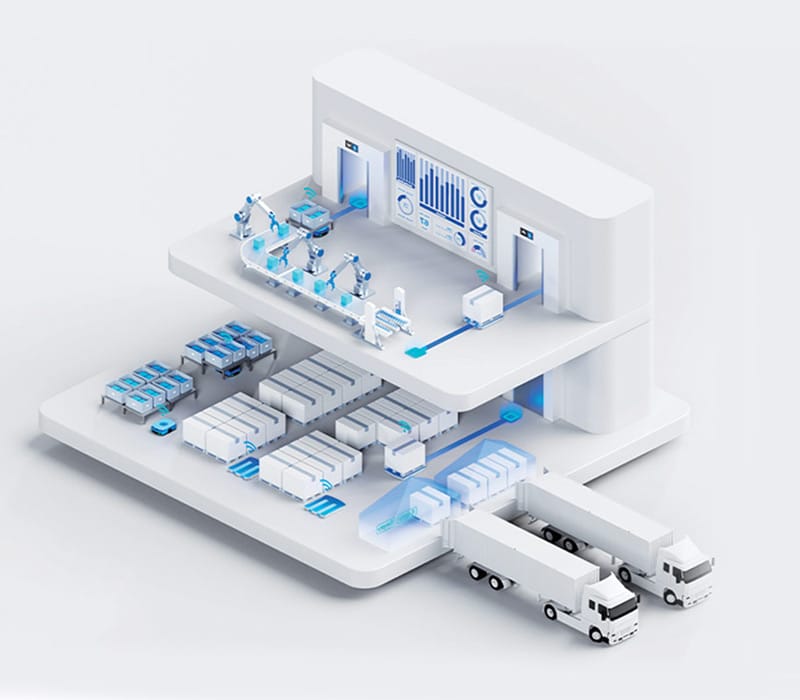
Full-stack intelligent logistics management and control system
It connects the entire "system - platform - hardware" chain, is compatible with mainstream industrial systems, and links intelligent hardware to achieve intelligent management and efficiency upgrades for the entire logistics process.
WHAT FITS:
Building core competitiveness in mobile management
01.
Custom Data Dashboard
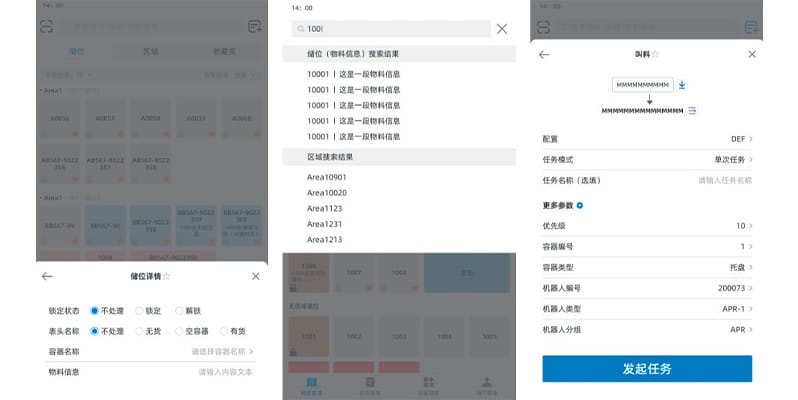
Building core competitiveness in mobile management
02.
Personalized User Management
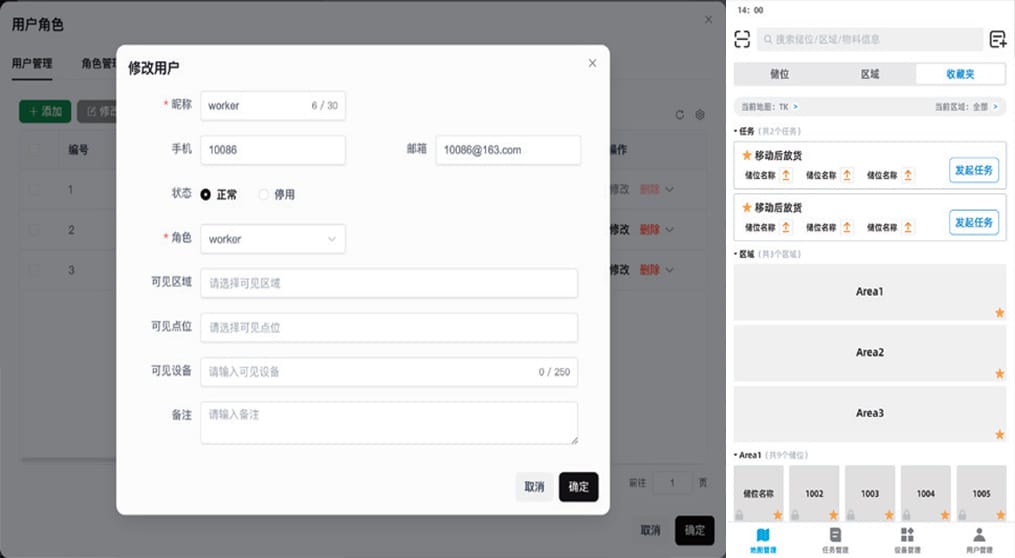
Building core competitiveness in mobile management
03.
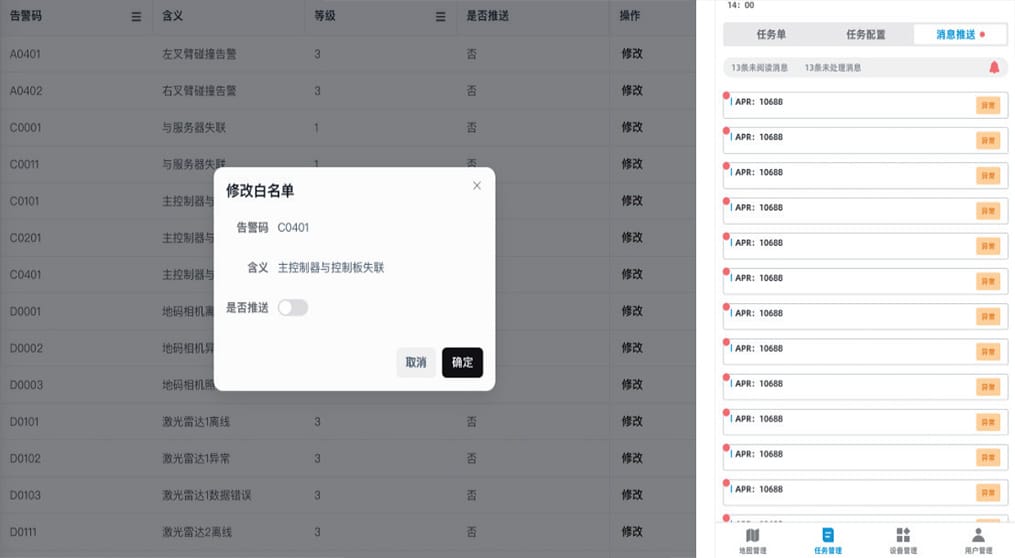
Personalized Alarm Push
Leading the revolution in intelligent
warehouse location management
01.
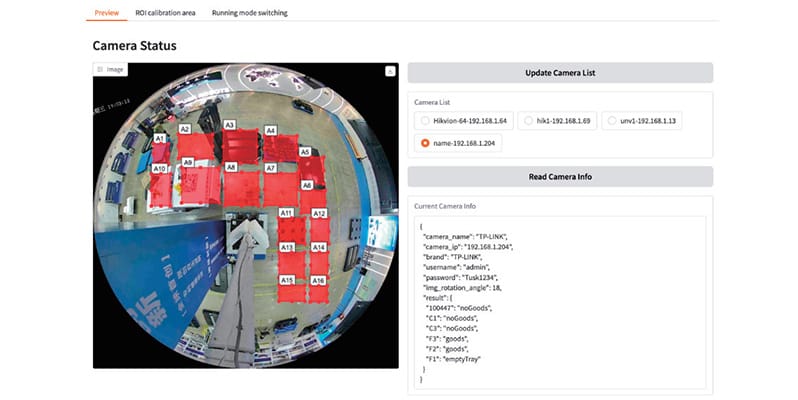
Real-time storage location automatic trigger task

Leading the revolution in intelligent
warehouse location management
02.
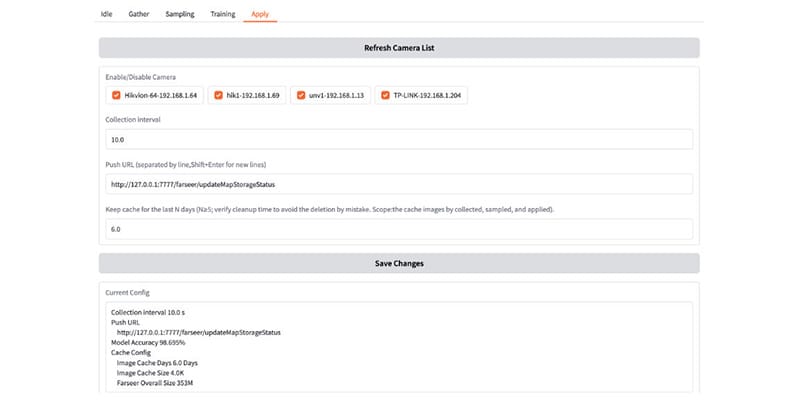
Visual configuration interface
Leading the revolution in intelligent warehouse location management
03.
Custom Configuration
Lothar Intelligent Management Platform Building a Central System for Smart Factories
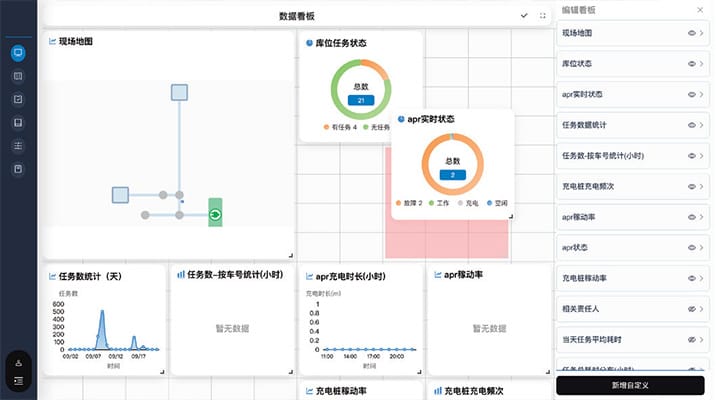
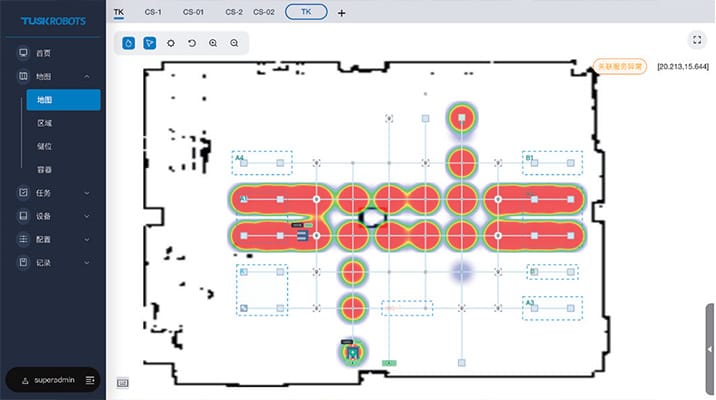
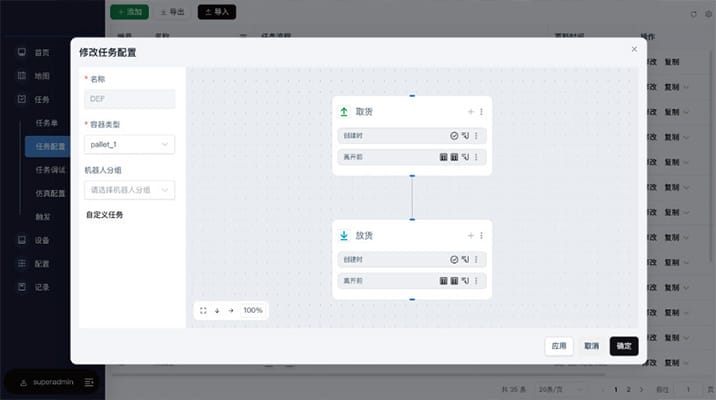
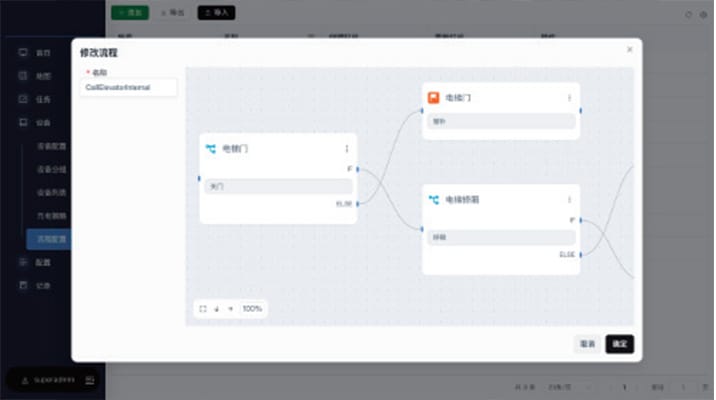
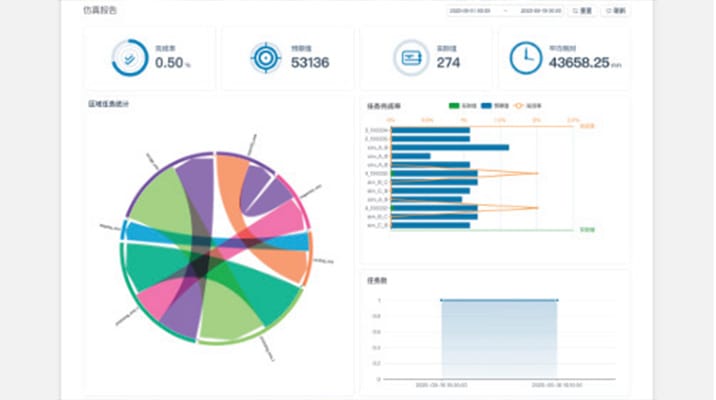
Lothar, the intelligent management platform from Taskar, serves as the digital hub for smart factories. It features customizable data dashboards, full-dimensional map visualization, graphical task and equipment workflows, simulation capabilities, AI-powered operation and maintenance, open multi-protocol interfaces, and OTA upgrade support, empowering digital management of factories throughout their entire lifecycle.
Map Management
Configuration Management
Access Management
Task Management
Historical records
Equipment Management
Simulation
Data dashboard
01.
Custom Data Dashboard
02.
Map visualization
03.
Graphical construction task
04.
Graphical device configuration process
05.
Simulation visualization
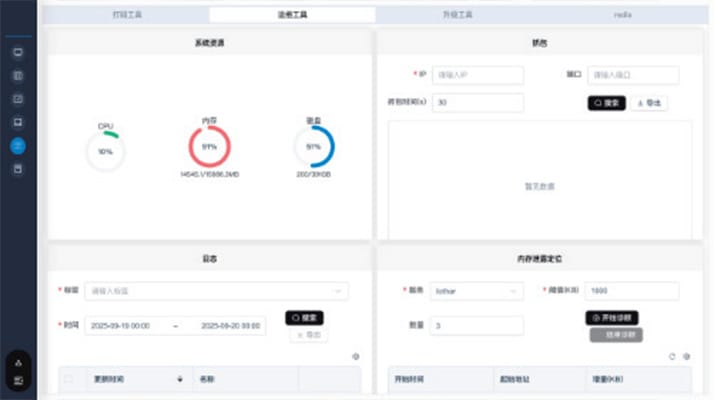
06.
O&M Visualization
Trust Witnessing in Smart Factory Automation
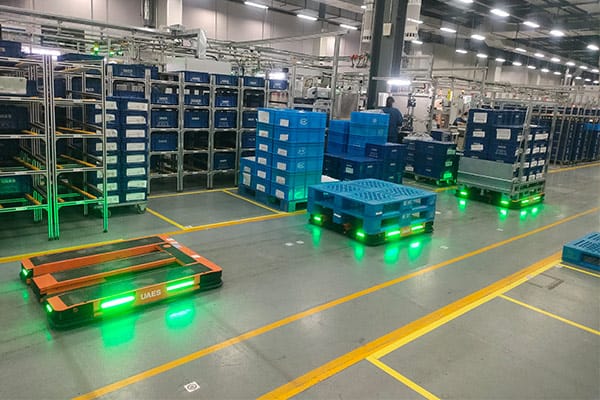
Electronics Industry
The automotive electronics trend makes digital pallet robots the preferred choice for in-plant logistics.
Solution
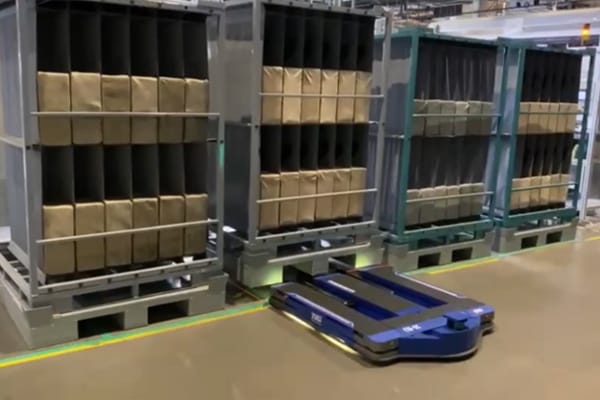
Auto Parts Industry
Rising demand for automotive interiors propels suppliers to new heights of development.
Solution
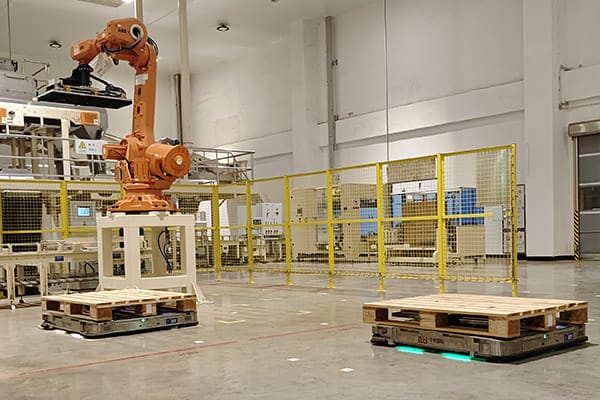
Tobacco Industry
A backbone of China's tobacco industry, with over forty years of history.
Solution
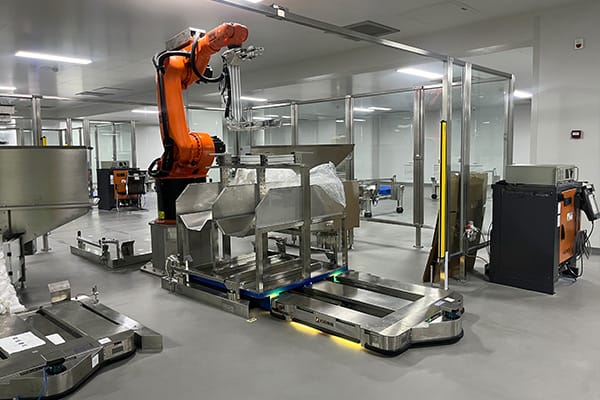
Pharmaceutical Industry
The pharmaceutical industry needs automation due to GMP requirements.
Solution
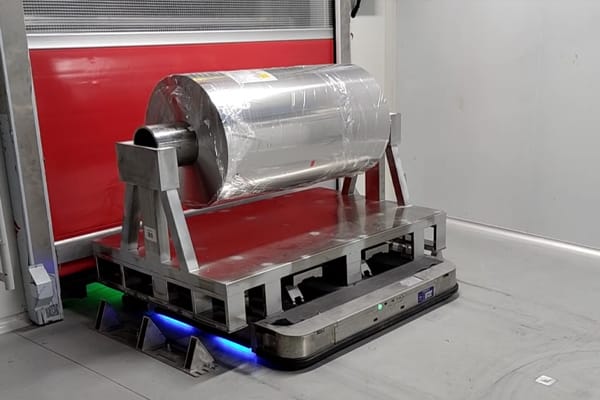
New Energy Industry
New energy lithium battery production capacity increases, automation is key.
Solution
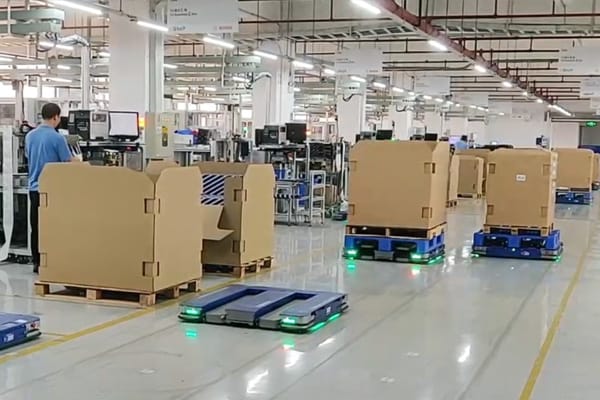
Manufacturing Industry
A globally renowned manufacturer of wiper parts, with a factory of 30,000 square meters.
Solution
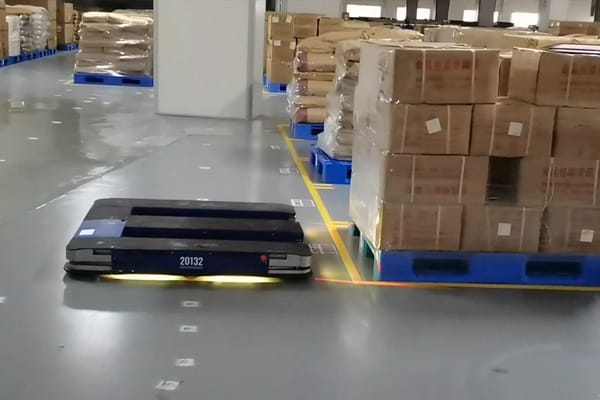
Food Industry
Positioned as a high-quality chain bakery brand, with a modern industrial park of over 60,000 square meters.
Solution
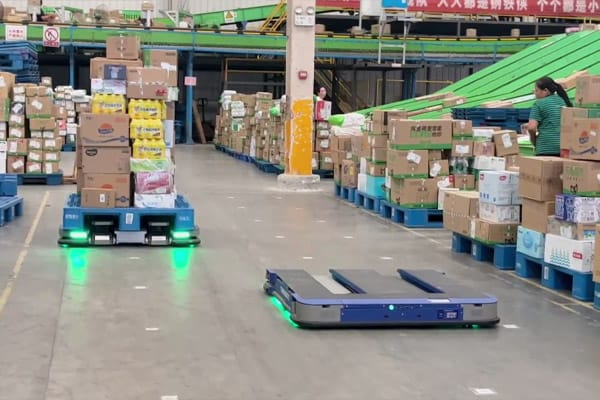
Logistics Industry
South China Logistics and Distribution Center of a Major Domestic E-commerce Company
Solution
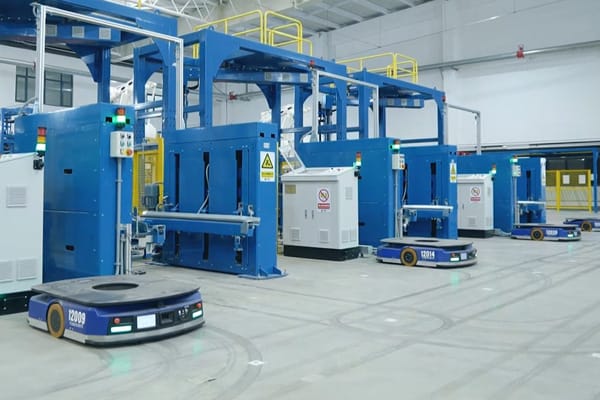
Paper Industry
The group is a leading enterprise in the domestic household paper and maternal and child hygiene products industry.
Solution
Smart Factory Automation Trust
Explore more industry automation transformation paths; click to unlock customized solutions.
Smart Device Project Implementation
Implementation Preparation
Robot/charging station parts inventory: on-site inspection of wiring, access control, network, and power supply.
Project on-site implementation
Line marking and coding, map creation and permission setting, software and hardware debugging / robot test run
Launch and Support
User training / Deployment and trial run, manual / maintenance training, acceptance signing, after-sales support