

How to Choose the Best Pallet Handling Equipment for Your Warehouse
Table of Contents
Introduction
Pallet transport is a fundamental part of warehouse operations, allowing businesses to move, lift, and organize goods efficiently. The right pallet transport equipment not only speeds up workflow but also ensures employee safety and protects valuable inventory. In warehouses handling hundreds or thousands of pallets weekly, efficient pallet transport can make the difference between smooth operations and costly delays. According to a 2023 report by the International Warehouse Management Institute, implementing proper pallet transport systems can increase overall warehouse productivity by up to 30%.
Pallet transport equipment ranges from simple manual tools to sophisticated electric systems, each designed to meet specific operational needs. Understanding the options available and how they impact your workflow is essential to making the right investment.
Types of Pallet Handling Equipment
Selecting the right type of pallet transport equipment depends on factors such as load capacity, frequency of use, and warehouse layout. Here are the main categories:
- Manual pallet transport tools are hand-operated and ideal for small warehouses or low-volume operations. They are cost-effective but require physical effort.
- Hydraulic pallet transport equipment uses fluid power to lift heavier loads with minimal strain. This is suitable for medium-sized operations that require frequent lifting.
- Electric pallet transport systems automate lifting and moving, offering precision and speed. They are perfect for high-volume warehouses or businesses seeking efficiency and safety.
| Equipment Type | Typical Load Capacity | Best Use Case | Advantages |
|---|---|---|---|
| Manual | 1,000–2,500 lbs | Small warehouses, occasional use | Affordable, simple operation, no electricity required |
| Hydraulic | 2,000–5,500 lbs | Medium warehouses, regular lifting | Smooth operation, reduces physical strain, versatile |
| Electric | 2,500–6,000 lbs | High-volume warehouses | Fast, precise, minimal physical effort, programmable features |
This table helps you visualize which option aligns with your operational needs, load requirements, and frequency of use.
Factors to Consider When Choosing Pallet Handling Equipment
Choosing the right equipment requires more than just picking the largest or cheapest option. Consider these critical factors:
- Load Capacity and Weight Limits: Match the equipment capacity with the heaviest pallets to avoid accidents.
- Warehouse Size and Layout: Narrow aisles or tight spaces may require compact or portable equipment.
- Frequency of Use: High-frequency operations benefit from electric systems, while occasional use may rely on manual or hydraulic tools.
- Budget and Total Cost of Ownership: Factor in maintenance, energy costs, and potential labor savings over time.
- Employee Training and Safety: Proper use ensures efficiency and prevents injuries.
By carefully evaluating these factors, you ensure that your investment in pallet transport equipment will provide long-term value and operational efficiency.
Improving Warehouse Productivity with Pallet Handling
Proper pallet transport equipment significantly impacts warehouse productivity:
- Reduced Worker Strain: Automated and hydraulic tools minimize physical effort, reducing the risk of injury.
- Streamlined Material Flow: Efficient equipment ensures faster pallet movement and reduces bottlenecks.
- Enhanced Inventory Management: Precise lifting and stacking allow for organized storage and easy access to goods.
Data from the International Warehouse Management Institute indicates that warehouses using modern pallet transport equipment experience a 20% reduction in damaged goods and a 15% increase in daily throughput.
Safe Operation of Pallet Handling Equipment
Safety should always be a priority. Here are key practices for safe pallet transport:
- Inspect equipment before use for visible damage or wear.
- Ensure pallets are balanced on forks to prevent tipping.
- Never exceed the equipment’s rated load capacity.
- Operate at controlled speeds, especially in tight spaces or on inclines.
- Train all employees on proper techniques and emergency procedures.
Following these steps protects both staff and inventory, while also ensuring compliance with workplace safety standards.
Maintenance and Troubleshooting
Regular maintenance extends the lifespan of pallet handling equipment and prevents costly downtime. Essential maintenance includes:
- Checking hydraulic fluid levels and inspecting hoses for leaks.
- Lubricating moving parts to minimize wear.
- Tightening bolts and checking forks for deformation.
- Testing lifting mechanisms before handling heavy loads.
Common issues, such as uneven lifting, slow operation, or mechanical wear, are typically resolved through routine maintenance. For electrical or hydraulic problems, professional service ensures safety and reliability.
Applications of Pallet Handling Equipment
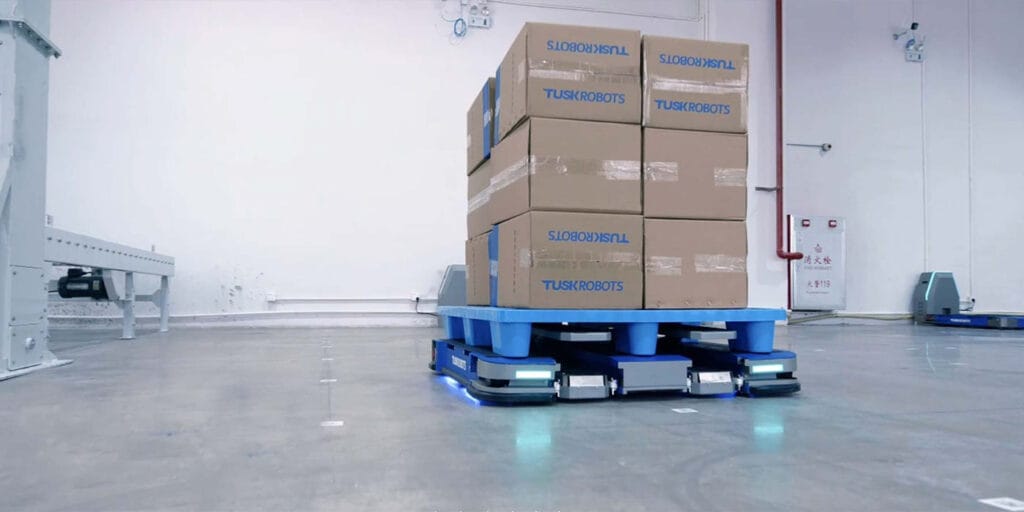
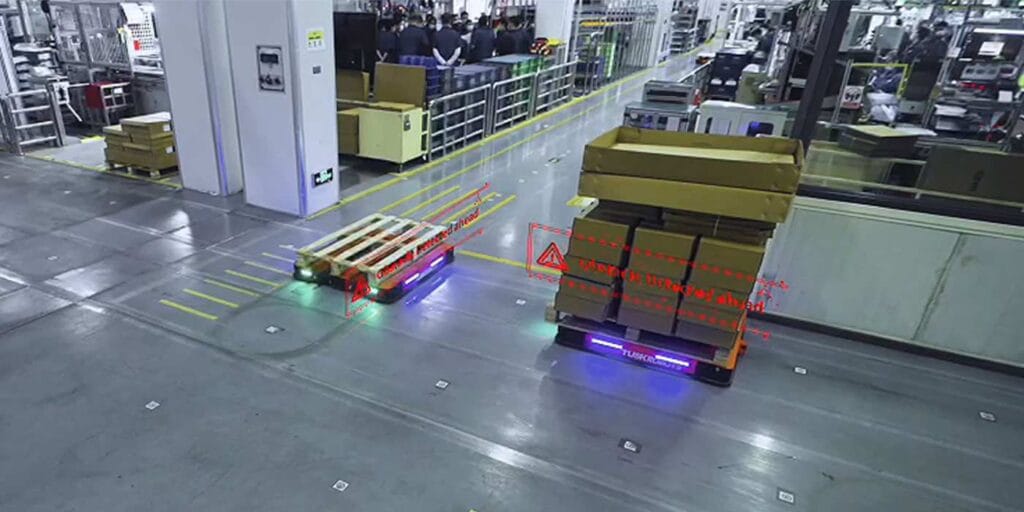
Pallet transport equipment is versatile and used across a variety of industries:
- Warehouses and distribution centers benefit from organized storage and faster pallet movement.
- Manufacturing and industrial facilities use it to transport heavy components safely between workstations.
- Retail and small businesses utilize pallet handling tools for easy inventory management.
- Construction sites leverage portable equipment to move materials safely across job sites.
Choosing equipment tailored to your operational needs ensures maximum efficiency, safety, and cost-effectiveness.
Conclusion
Choosing the best pallet handling equipment for your warehouse is more than selecting a tool—it’s about improving efficiency, reducing injury risk, and optimizing workflow. By evaluating types, understanding operational requirements, maintaining equipment properly, and training employees, you can maximize productivity and ensure long-term value.
Investing in reliable pallet handling equipment is an investment in your warehouse’s success. Consult with experts to select the right system tailored to your operations and start improving workflow and safety today.
FAQ
What is pallet handling?
Pallet handling is the process of efficiently moving, lifting, and organizing pallets in warehouses, distribution centers, or storage facilities. It involves using specialized equipment and tools to transport goods safely and systematically, ensuring smooth workflow, reducing physical strain on employees, and minimizing the risk of damaged inventory. Effective pallet handling is essential for operational efficiency in businesses that manage high volumes of goods daily.
Why is proper pallet handling important?
Proper pallet handling is crucial for both safety and productivity. Correct techniques and suitable equipment reduce the risk of workplace injuries, prevent damage to products, and streamline operations. According to industry reports, warehouses that implement standardized pallet handling practices can improve overall efficiency by up to 30% and reduce damaged goods by 20%. Proper handling also ensures compliance with safety regulations and supports long-term operational sustainability.
What types of pallet handling equipment are available?
There are several types of pallet handling equipment designed to meet different warehouse needs. Manual pallet handling tools are simple, cost-effective, and ideal for small-scale operations. Hydraulic pallet handling systems provide smooth lifting for medium workloads and frequent use, reducing physical strain. Electric pallet handling equipment automates lifting and transportation, perfect for high-volume warehouses seeking efficiency and precision. Choosing the right type depends on load capacity, usage frequency, and space constraints.
How do I choose the right pallet handling equipment?
Choosing the right pallet handling equipment requires evaluating multiple factors. Consider the weight and size of the pallets, the layout and space of your warehouse, and how often the equipment will be used. Decide whether manual, hydraulic, or electric systems are most suitable based on workload and budget. Safety features, ease of maintenance, and operator training requirements should also be factored in. The goal is to select equipment that maximizes efficiency, reduces employee strain, and provides a long-term return on investment.
How can I maintain pallet handling equipment?
Regular maintenance is key to keeping pallet handling equipment safe and operational. Perform routine inspections to identify wear, damage, or hydraulic leaks. Lubricate moving parts to reduce friction and wear. Check fluid levels in hydraulic systems and ensure electrical components are functioning properly. Promptly repair or replace any worn components to avoid equipment failure. Consistent maintenance not only extends equipment lifespan but also prevents operational downtime and ensures safe handling of goods.
Need Help Choosing the Right Pallet Handling Equipment?
If you’re unsure about which pallet handling equipment is best for your warehouse or business operation, our experts are here to guide you. Contact us today for a personalized consultation, and ensure your material handling is efficient, safe, and tailored to your needs. Don’t wait to optimize workflow and protect your team—get in touch now to find the perfect pallet handling solution for your operations!
Latest post

Contact Info
2nd Floor, Xingzhongchuang Xiabei High-tech Industry Center A1, Nanhai District, Foshan, China
Full-stack intelligent logistics management and control system
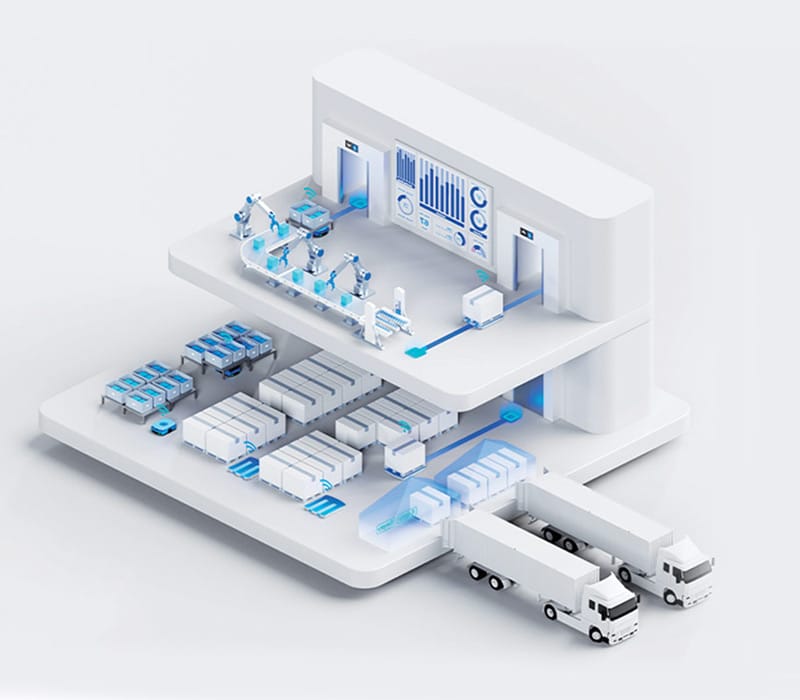
It connects the entire "system - platform - hardware" chain, is compatible with mainstream industrial systems, and links intelligent hardware to achieve intelligent management and efficiency upgrades for the entire logistics process.
WHAT FITS:
Building core competitiveness in mobile management
01.
Custom Data Dashboard
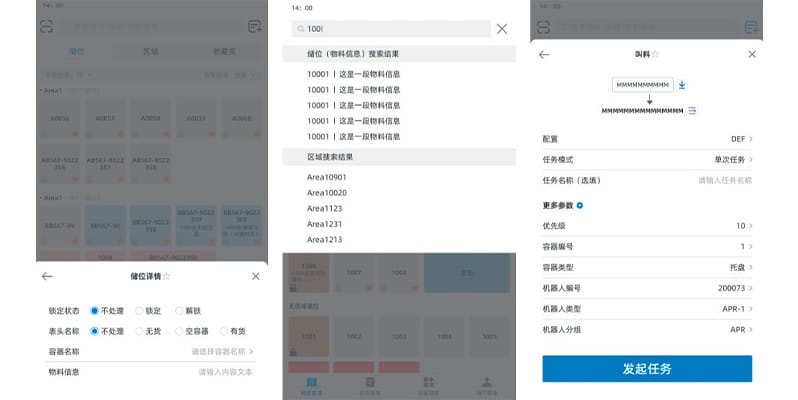
Building core competitiveness in mobile management
02.
Personalized User Management
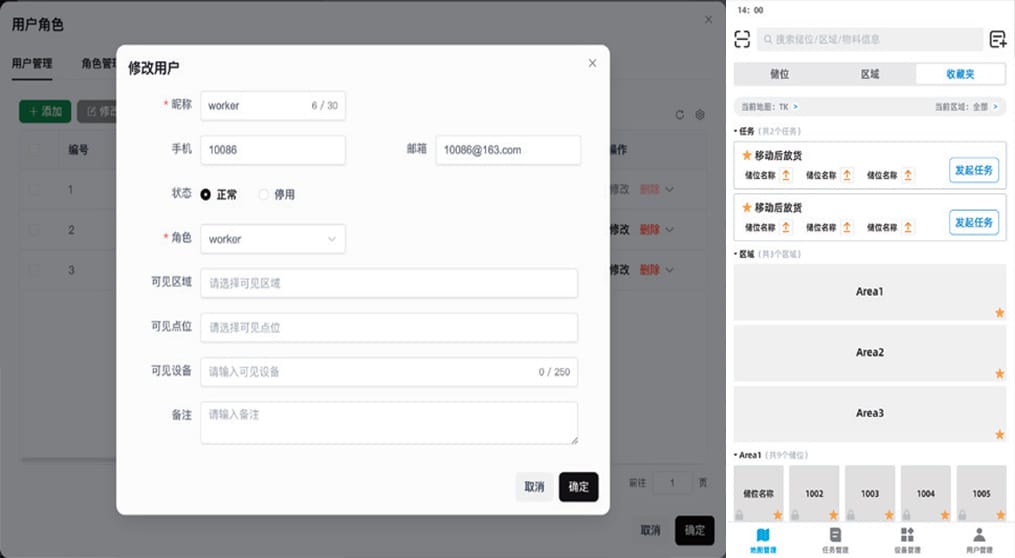
Building core competitiveness in mobile management
03.
Personalized Alarm Push

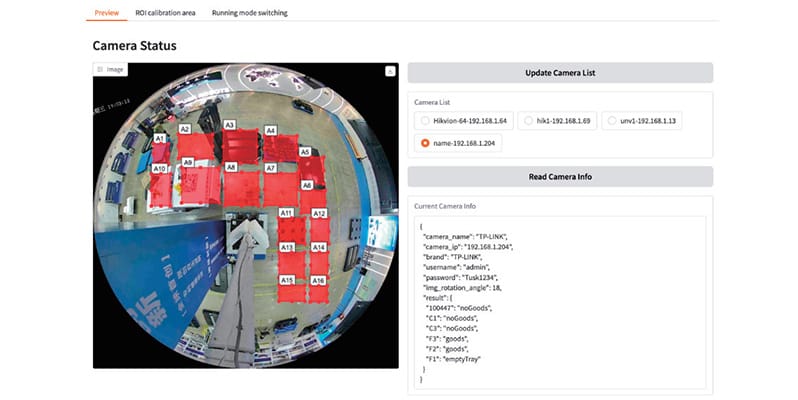
Leading the revolution in intelligent
warehouse location management
01.
Real-time storage location automatic trigger task

Leading the revolution in intelligent
warehouse location management
02.
Visual configuration interface
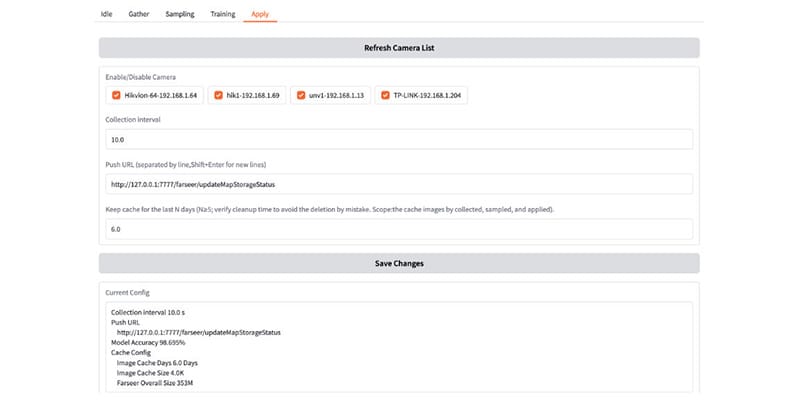
Leading the revolution in intelligent warehouse location management
03.
Custom Configuration
Lothar Intelligent Management Platform Building a Central System for Smart Factories
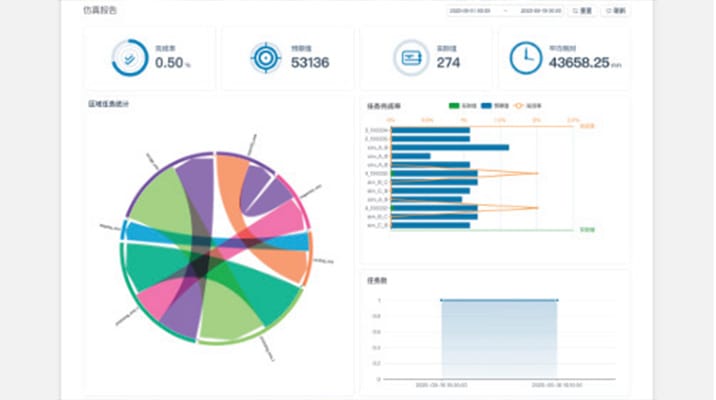
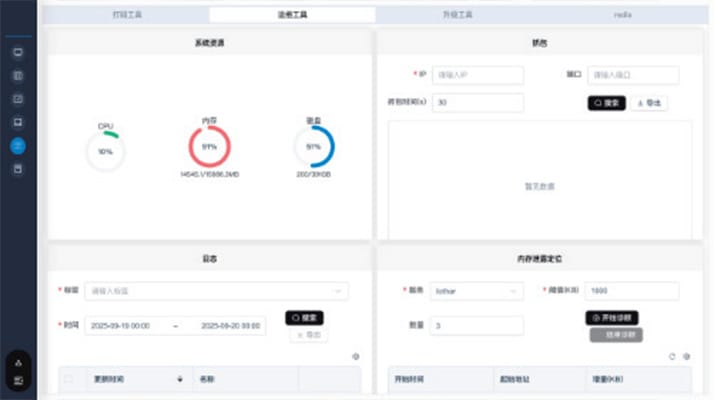
Lothar, the intelligent management platform from Taskar, serves as the digital hub for smart factories. It features customizable data dashboards, full-dimensional map visualization, graphical task and equipment workflows, simulation capabilities, AI-powered operation and maintenance, open multi-protocol interfaces, and OTA upgrade support, empowering digital management of factories throughout their entire lifecycle.
Map Management
Configuration Management
Access Management
Task Management
Historical records
Equipment Management
Simulation
Data dashboard
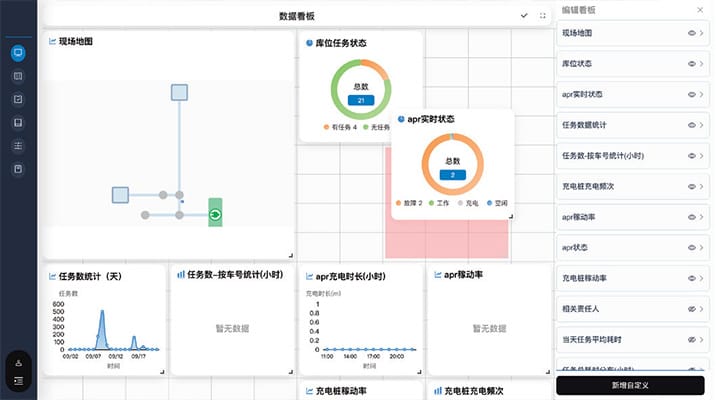
01.
Custom Data Dashboard
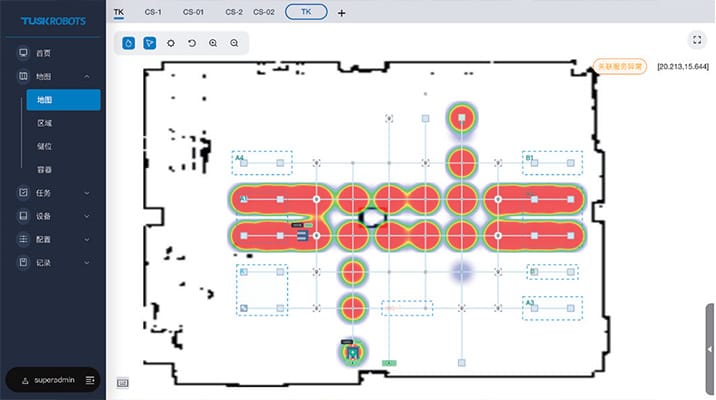
02.
Map visualization

03.
Graphical construction task

04.
Graphical device configuration process
05.
Simulation visualization
06.
O&M Visualization
Trust Witnessing in Smart Factory Automation
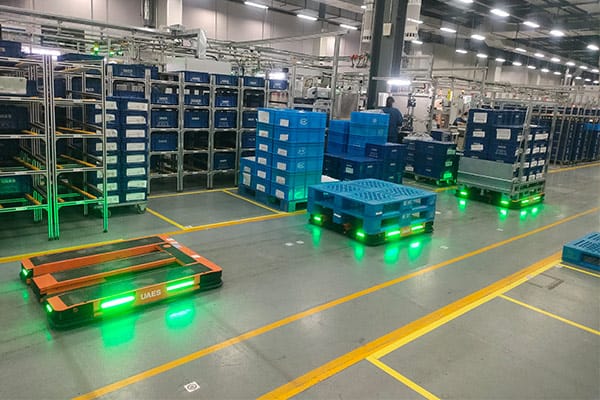
Electronics Industry
The automotive electronics trend makes digital pallet robots the preferred choice for in-plant logistics.
Solution
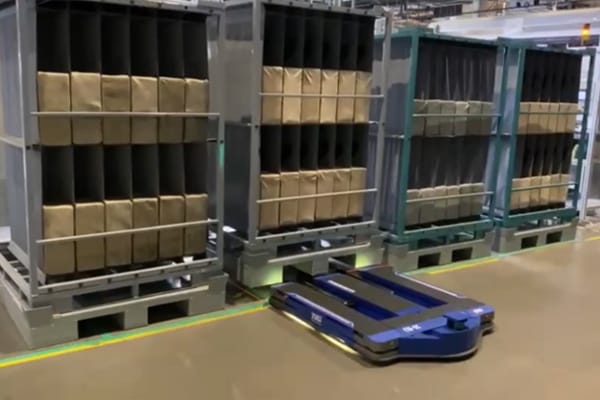
Auto Parts Industry
Rising demand for automotive interiors propels suppliers to new heights of development.
Solution
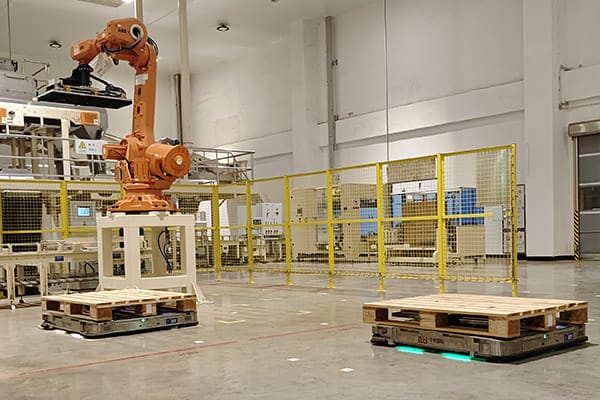
Tobacco Industry
A backbone of China's tobacco industry, with over forty years of history.
Solution
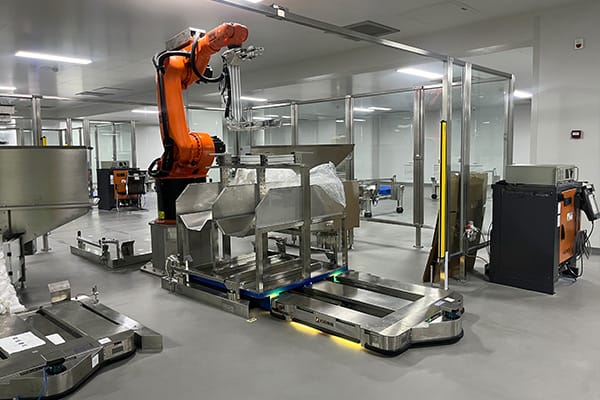
Pharmaceutical Industry
The pharmaceutical industry needs automation due to GMP requirements.
Solution
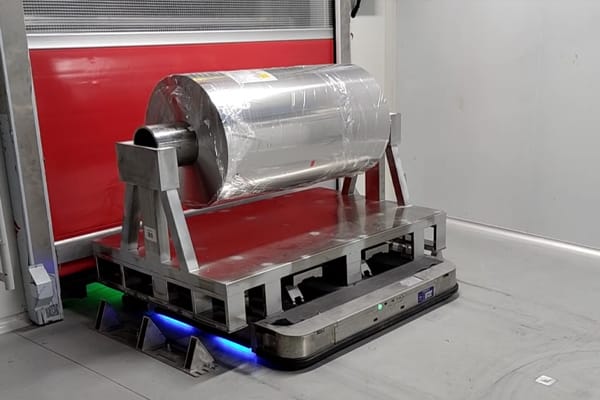
New Energy Industry
New energy lithium battery production capacity increases, automation is key.
Solution
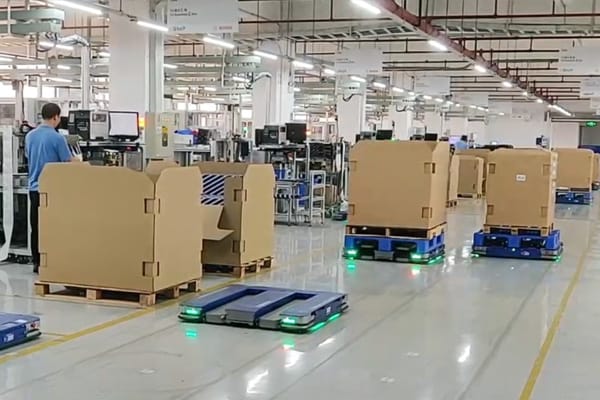
Manufacturing Industry
A globally renowned manufacturer of wiper parts, with a factory of 30,000 square meters.
Solution
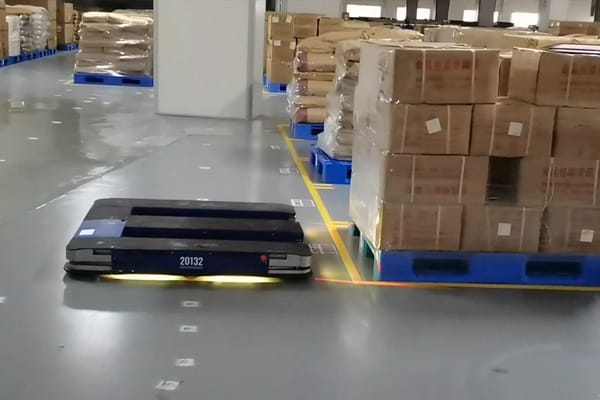
Food Industry
Positioned as a high-quality chain bakery brand, with a modern industrial park of over 60,000 square meters.
Solution
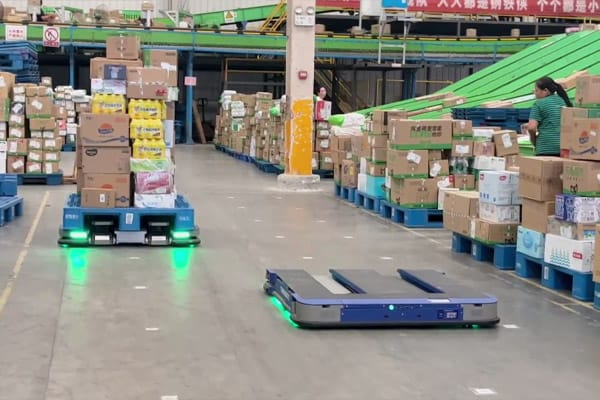
Logistics Industry
South China Logistics and Distribution Center of a Major Domestic E-commerce Company
Solution
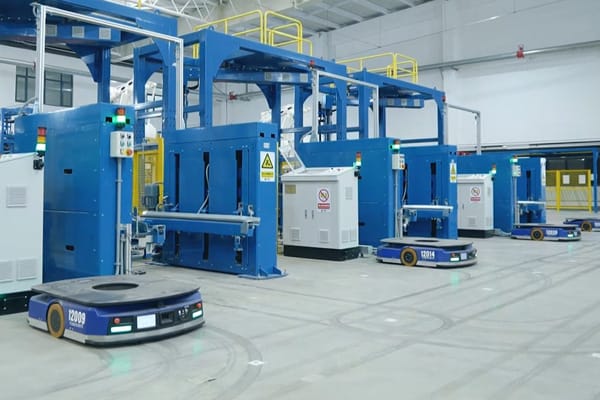
Paper Industry
The group is a leading enterprise in the domestic household paper and maternal and child hygiene products industry.
Solution
Smart Factory Automation Trust
Explore more industry automation transformation paths; click to unlock customized solutions.
Smart Device Project Implementation
Implementation Preparation
Robot/charging station parts inventory: on-site inspection of wiring, access control, network, and power supply.
Project on-site implementation
Line marking and coding, map creation and permission setting, software and hardware debugging / robot test run
Launch and Support
User training / Deployment and trial run, manual / maintenance training, acceptance signing, after-sales support