

Automated Forklift AGV Safety: Reducing Warehouse Risks
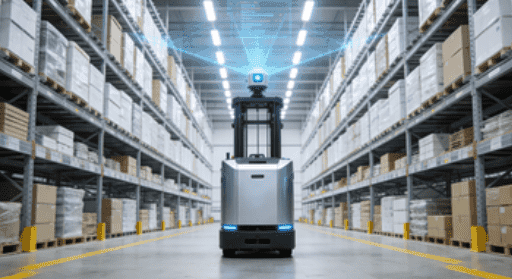
Modern warehouses are increasingly adopting automated forklift AGVs to streamline operations, improve efficiency, and reduce human error. While these systems offer remarkable productivity gains, ensuring their safe operation is critical. This article explores how automated forklift AGV technology enhances warehouse safety and minimizes risks for workers, inventory, and infrastructure.
Key Insights in This Article
- How automated forklift AGVs reduce accidents compared to manual forklifts
- Safety technologies integrated in AGV systems
- Operational best practices for safer warehouse automation
- Maintenance and monitoring strategies for risk mitigation
- Comparative insights: Automated vs manual forklifts
Table of Contents
Understanding Automated Forklift AGV Safety
What Is an Automated Forklift AGV?
Automated forklift AGVs are driverless vehicles designed to transport pallets and materials autonomously. Using sensors, cameras, and AI-driven navigation, these vehicles follow predefined routes and can adjust to dynamic warehouse environments.
By replacing human drivers in repetitive or hazardous tasks, AGVs minimize the chance of collisions, falls, or operator fatigue.
Core Safety Advantages
- Predictable Movement Patterns – AGVs follow programmed paths with controlled speeds.
- Obstacle Detection – Lidar, ultrasonic sensors, and cameras allow real-time response to obstacles.
- Load Stability Control – AGVs are equipped with tilt and weight sensors to prevent tipping.
Key Safety Technologies in Automated Forklift AGVs
Automated forklift AGVs rely on a sophisticated combination of sensors, AI navigation, and communication systems to ensure safe operation in warehouses and industrial facilities. The integration of these technologies not only prevents accidents but also improves operational efficiency and reliability, especially in environments handling heavy farm machinery or bulky inventory.
Sensors and Obstacle Detection
Advanced sensor systems are the backbone of AGV safety, enabling vehicles to detect humans, obstacles, and dynamic changes in the environment.
Laser/Lidar Scanners
Lidar scanners provide 360-degree awareness of the surroundings by emitting laser pulses and measuring reflections. This allows the AGV to create a precise 3D map of the warehouse in real time. According to a study published in the Journal of Industrial Automation, Lidar-equipped AGVs reduce collision risks by up to 45% compared to vehicles without active scanning systems.
Proximity Sensors
These sensors detect obstacles within a predefined range, automatically slowing down or halting the AGV to prevent accidents. In farm machinery warehouses, proximity sensors are crucial for avoiding collisions with uneven or oversized equipment.
Infrared and Ultrasonic Sensors
Infrared sensors detect temperature variations and moving objects, while ultrasonic sensors identify low-profile or small objects that might be missed by Lidar. Combining these sensors ensures that AGVs can navigate safely in cluttered or variable environments. For example, ultrasonic sensors can prevent collisions with dropped tools, cables, or small pallets.
Redundancy and Fail-Safe Systems
High-end AGVs use multiple overlapping sensor systems for redundancy. If one sensor fails, others compensate, ensuring continuous safety monitoring. Some models integrate sensor fusion, combining Lidar, ultrasonic, and camera data for more accurate obstacle detection.
Navigation and AI Systems
Navigation systems powered by AI enable AGVs to move efficiently and safely through complex warehouse layouts.
Mapping Software
AGVs create digital maps of warehouse environments, including racks, aisles, and docking stations. These maps are updated dynamically as warehouse layouts change. In farm machinery warehouses, dynamic mapping is essential because equipment layouts can shift frequently.
Path Planning Algorithms
AI-driven algorithms optimize route selection to reduce travel time while avoiding potential hazards. Algorithms consider traffic patterns, load weight, and turning radius to prevent tipping or collisions. Studies from Automation in Logistics show that AI path planning reduces unnecessary stops by 20–30%, enhancing both safety and productivity.
Dynamic Rerouting
AGVs can detect unexpected obstacles such as a worker entering the path or a fallen pallet and dynamically reroute to avoid collision. This real-time adjustment prevents accidents without interrupting overall warehouse workflow.
Predictive Analytics
Some advanced AGVs use machine learning to predict potential hazards based on historical data, such as high-traffic zones or repeated near-miss incidents. This proactive safety feature reduces accident probability before it occurs.
Safety Communication Systems
Communication technologies are critical for AGV coordination, especially in environments with multiple vehicles and human operators.
Integration with Warehouse Management Systems (WMS)
AGVs exchange real-time data with the WMS, reporting their position, load status, and planned routes. This ensures seamless traffic management, preventing bottlenecks and collisions.
Vehicle-to-Vehicle (V2V) Communication
AGVs communicate with one another to synchronize movement in shared aisles. For instance, if two AGVs approach a narrow aisle simultaneously, one will automatically yield to maintain safe spacing.
Emergency Alerts and Stop Systems
AGVs are equipped with integrated emergency stop mechanisms that can be triggered manually or automatically. Alerts include visual indicators (LED signals), audible alarms, and notifications to the WMS. In critical scenarios, AGVs can perform a controlled stop to avoid accidents.
Case Study: Farm Equipment Warehouse
A leading agricultural supply warehouse implemented 12 AGVs with multi-layered safety technology. Over six months, the facility reported zero collisions with workers and a 30% increase in load handling efficiency, highlighting the effectiveness of integrated sensor and communication systems.
Additional Safety Enhancements
Speed Limiting and Zone Control
AGVs reduce speed in high-traffic or pedestrian-prone areas. Zone-based controls allow AGVs to automatically adjust operation parameters depending on location, ensuring safer interactions with humans and sensitive equipment.
Load Monitoring and Stability Sensors
For warehouses handling heavy machinery or oversized items, AGVs include tilt sensors and weight distribution monitors. These prevent tip-overs and maintain balance even when carrying uneven loads.
Predictive Maintenance Alerts
AGVs continuously monitor the health of critical components. Predictive maintenance helps identify potential failures before they become safety hazards, ensuring consistent operation.
Comparison of Key Safety Technologies
| Technology Type | Function | Safety Benefit | Typical Application |
|---|---|---|---|
| Lidar Scanners | 360° environment mapping | High-accuracy obstacle detection | All warehouse types, including farm machinery |
| Proximity Sensors | Detect nearby objects | Prevent collisions | Narrow aisles, pedestrian areas |
| Infrared/Ultrasonic Sensors | Detect low-profile and moving objects | Complements Lidar for full coverage | Crowded or variable environments |
| AI Path Planning | Optimize routes dynamically | Reduce traffic conflicts and collisions | High-density warehouses |
| V2V & WMS Communication | Coordinate multiple AGVs | Avoid vehicle-to-vehicle collisions | Multi-AGV setups |
| Load Stability & Tilt Sensors | Monitor balance and weight distribution | Prevent tip-over during heavy lifting | Farm equipment and oversized pallets |
| Predictive Analytics & Maintenance | Analyze historical data for proactive safety | Prevent accidents due to component failure | Long-term warehouse operation |
Operational Best Practices for AGV Safety
Speed Regulation and Zone Control
Maintaining appropriate speed limits in high-traffic or congested zones reduces the likelihood of accidents. AGVs can adjust speed based on proximity sensors or pre-set warehouse zones.
Human Interaction Guidelines
Even automated systems require human awareness.
- Workers should be trained on AGV pathways and interaction protocols.
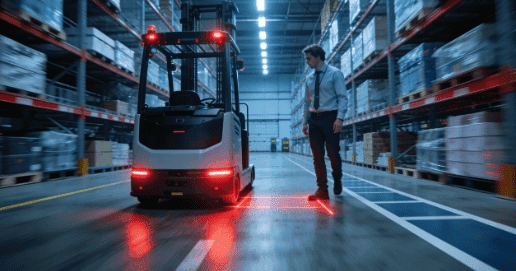
- Visual indicators and warning lights signal AGV movement in shared spaces.
Scheduled Maintenance and Monitoring
Regular checks ensure sensors, software, and mechanical components function correctly. Predictive maintenance reduces unexpected failures, lowering risk exposure.
Comparing Automated Forklift AGVs and Manual Forklifts
| Feature | Automated Forklift AGV | Manual Forklift |
|---|---|---|
| Accident Risk | Lower due to AI control | Higher due to human error |
| Consistency | High and predictable | Variable |
| Operator Fatigue | None | High on long shifts |
| Maintenance Requirements | Sensor/software upkeep | Mechanical wear and operator errors |
| Efficiency in Repetitive Tasks | Very high | Moderate |
Cost vs Safety Considerations
While automated forklift AGVs involve higher upfront costs, the reduction in workplace accidents and damage to goods often offsets the initial investment. Studies show that warehouses using AGVs report up to 40% fewer accidents and 30% higher throughput in material handling.
Implementing Safe AGV Practices
Employee Training
Educating staff about AGV operation zones, emergency protocols, and safe material handling enhances overall warehouse safety.
Emergency Systems
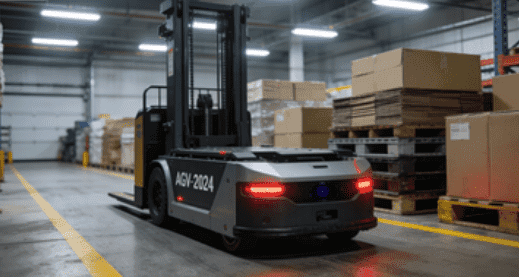
AGVs come with integrated emergency stop buttons and wireless override capabilities to handle unexpected hazards.
Continuous Monitoring
Warehouse management systems allow real-time tracking of AGVs to anticipate potential collisions or congestion issues.
Future Trends in AGV Safety
- Collaborative AGVs (C-AGVs) designed for safe interaction with humans
- AI-Enhanced Predictive Collision Prevention using machine learning
- Integration with IoT and Smart Warehouses for real-time risk analysis
Conclusion
Adopting automated forklift AGVs not only boosts operational efficiency but significantly reduces workplace risks in warehouses. By integrating advanced sensors, AI navigation, and strict safety protocols, warehouses can achieve a safer, more productive environment. For farm machinery, manufacturing, and logistics operations, automated forklift AGVs represent a forward-thinking investment in both safety and performance.
FAQ
Q1: Are automated forklift AGVs safer than manual forklifts?
Yes, AGVs minimize human error, follow predictable routes, and integrate multiple sensor systems to prevent collisions.
Q2: Can AGVs operate alongside human workers safely?
Absolutely. With designated zones, warning indicators, and AI-based obstacle detection, AGVs coexist with humans in warehouses safely.
Q3: What maintenance is required for AGV safety?
Routine inspection of sensors, batteries, and navigation systems is essential, along with software updates and periodic calibration.
Q4: How much does an automated forklift AGV improve efficiency?
Research indicates up to 30–50% improvement in repetitive material handling compared to manual forklifts, while also reducing accidents by nearly 40%.
TUSKROBOTS: Leading Intelligent Automation Solutions
Thank you for reading! We hope this blog offered valuable insights into Intelligent Warehousing & Logistics Automation Solutions. We are committed to empowering smart factories and intelligent logistics, making industrial handling simpler and more efficient.
Join our community to stay updated on our advanced automated pallet handling and picking robots.
📘 Follow us onFacebook, Instagram, and TikTok.
Let’s keep the conversation going—see you there!
Latest post

Contact Info
2nd Floor, Xingzhongchuang Xiabei High-tech Industry Center A1, Nanhai District, Foshan, China
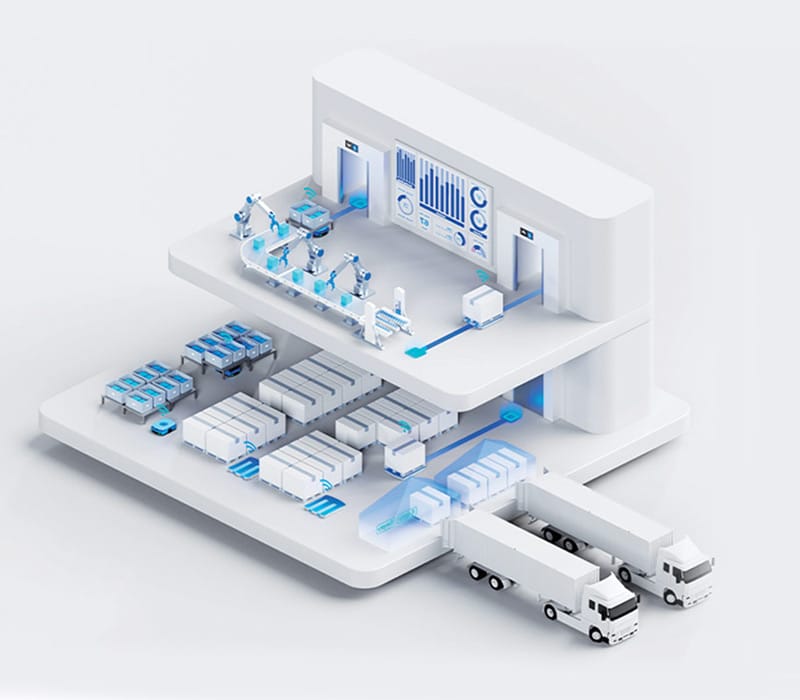
Full-stack intelligent logistics management and control system
It connects the entire "system - platform - hardware" chain, is compatible with mainstream industrial systems, and links intelligent hardware to achieve intelligent management and efficiency upgrades for the entire logistics process.
WHAT FITS:
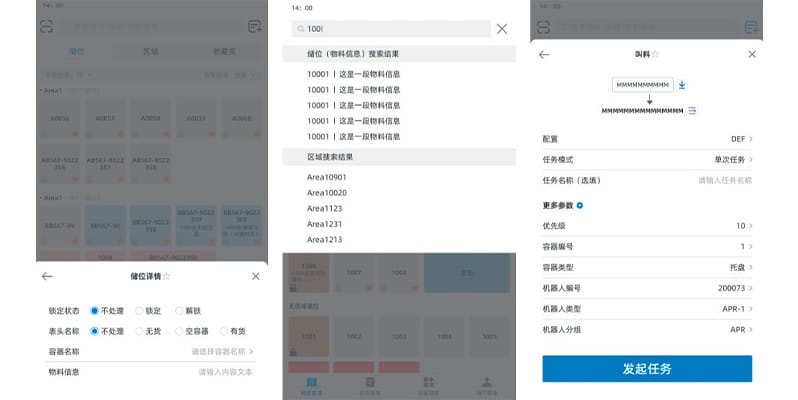
Building core competitiveness in mobile management
01.
Custom Data Dashboard
Building core competitiveness in mobile management
02.
Personalized User Management

Building core competitiveness in mobile management
03.
Personalized Alarm Push

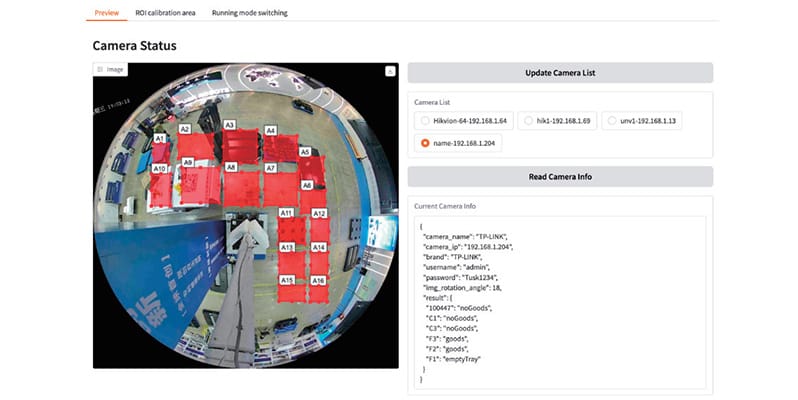
Leading the revolution in intelligent
warehouse location management
01.
Real-time storage location automatic trigger task

Leading the revolution in intelligent
warehouse location management
02.
Visual configuration interface
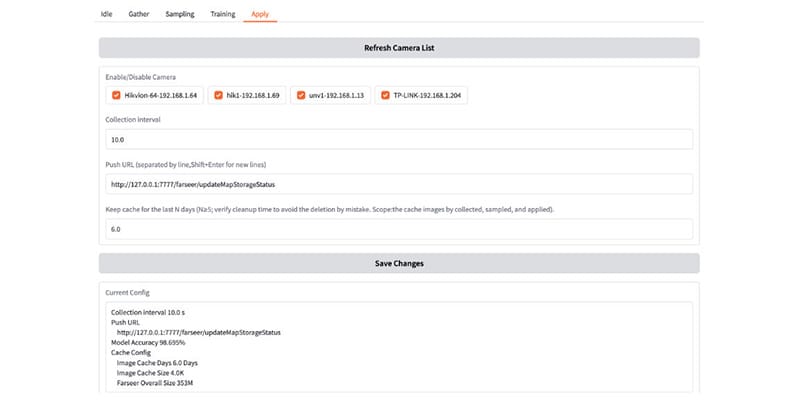
Leading the revolution in intelligent warehouse location management
03.
Custom Configuration
Lothar Intelligent Management Platform Building a Central System for Smart Factories
Lothar, the intelligent management platform from Taskar, serves as the digital hub for smart factories. It features customizable data dashboards, full-dimensional map visualization, graphical task and equipment workflows, simulation capabilities, AI-powered operation and maintenance, open multi-protocol interfaces, and OTA upgrade support, empowering digital management of factories throughout their entire lifecycle.
Map Management
Configuration Management
Access Management
Task Management
Historical records
Equipment Management
Simulation
Data dashboard
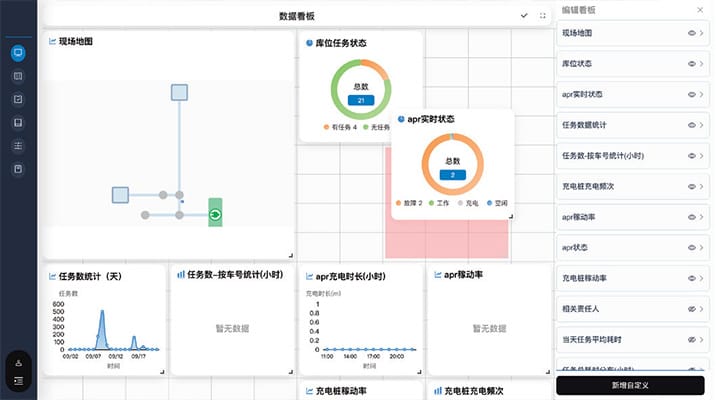
01.
Custom Data Dashboard
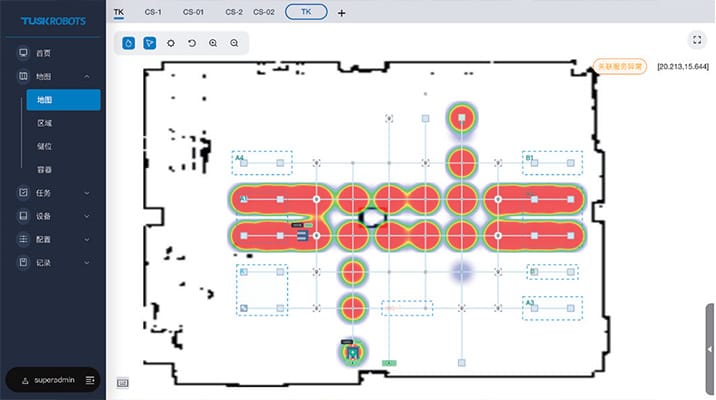
02.
Map visualization

03.
Graphical construction task
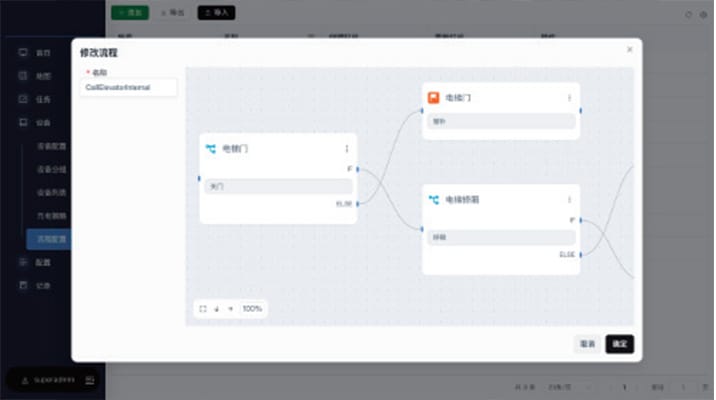
04.
Graphical device configuration process
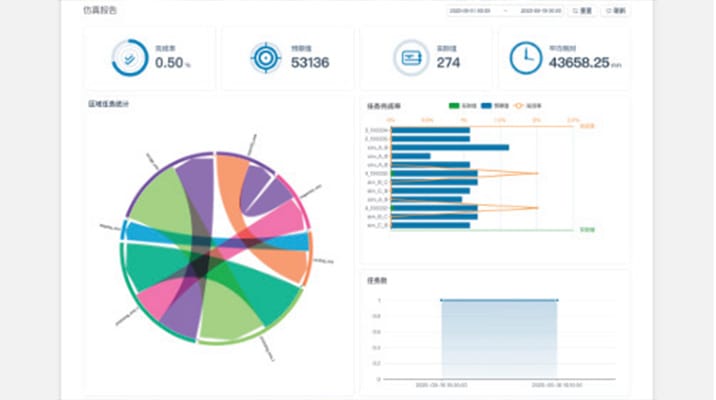
05.
Simulation visualization
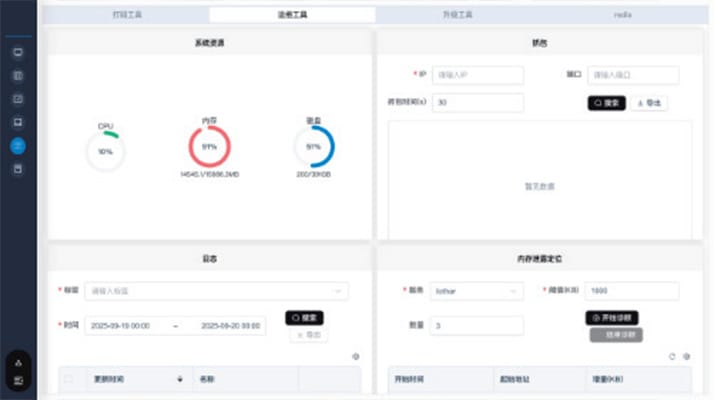
06.
O&M Visualization
Trust Witnessing in Smart Factory Automation
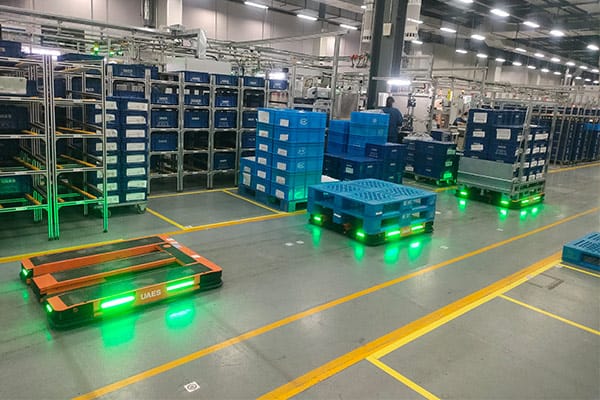
Electronics Industry
The automotive electronics trend makes digital pallet robots the preferred choice for in-plant logistics.
Solution
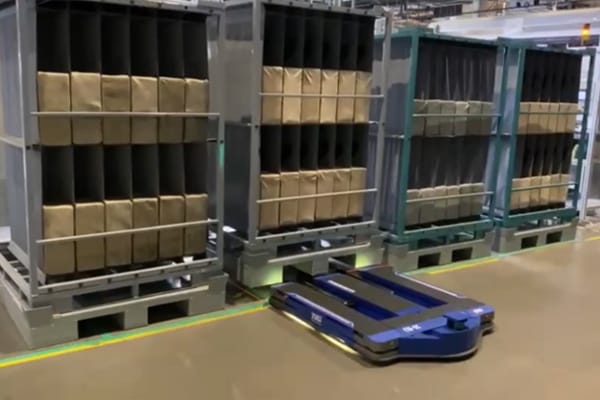
Auto Parts Industry
Rising demand for automotive interiors propels suppliers to new heights of development.
Solution
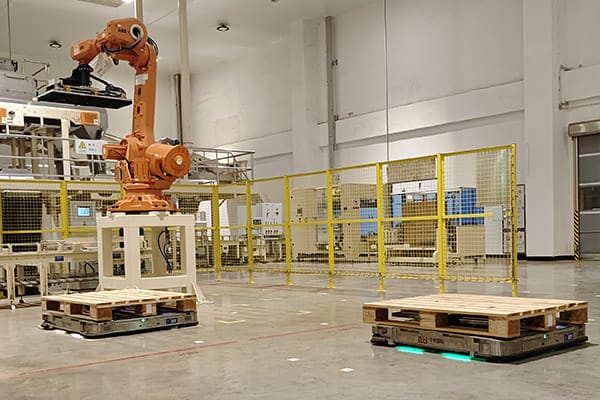
Tobacco Industry
A backbone of China's tobacco industry, with over forty years of history.
Solution
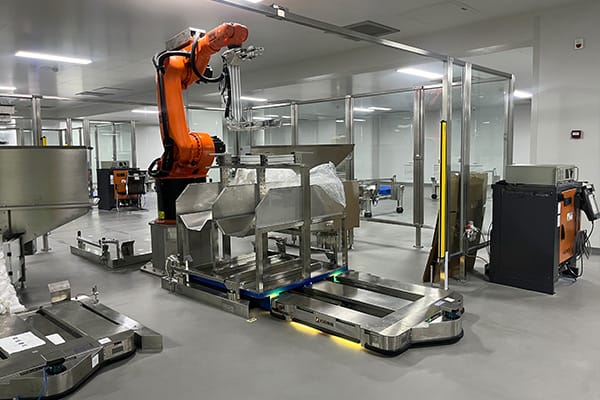
Pharmaceutical Industry
The pharmaceutical industry needs automation due to GMP requirements.
Solution
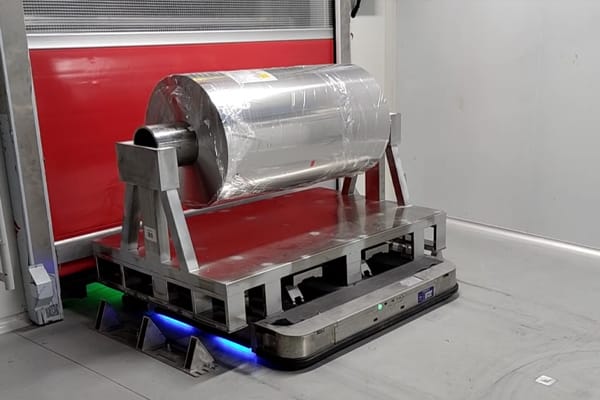
New Energy Industry
New energy lithium battery production capacity increases, automation is key.
Solution
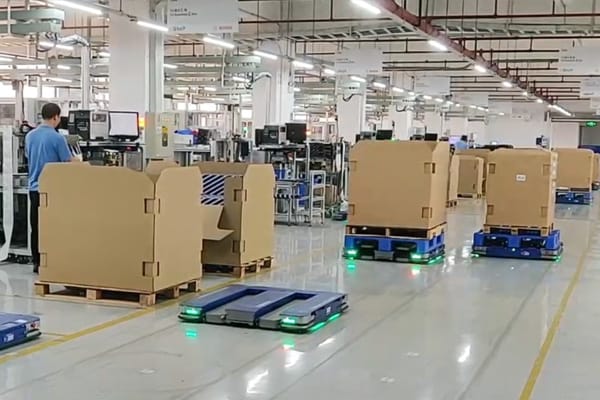
Manufacturing Industry
A globally renowned manufacturer of wiper parts, with a factory of 30,000 square meters.
Solution
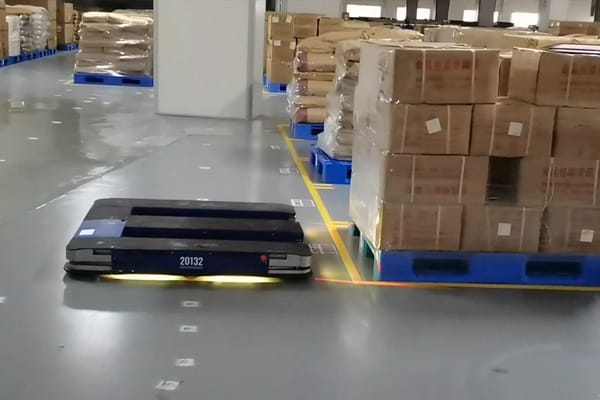
Food Industry
Positioned as a high-quality chain bakery brand, with a modern industrial park of over 60,000 square meters.
Solution
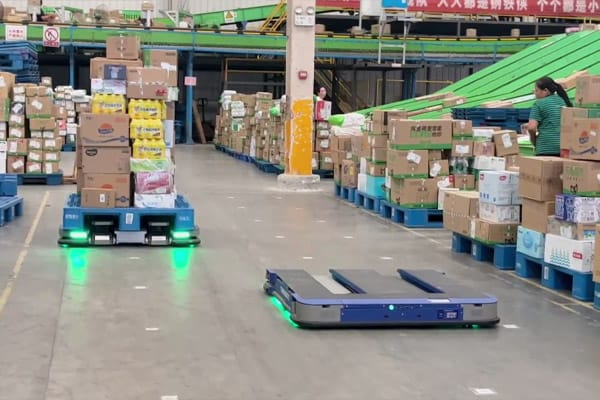
Logistics Industry
South China Logistics and Distribution Center of a Major Domestic E-commerce Company
Solution
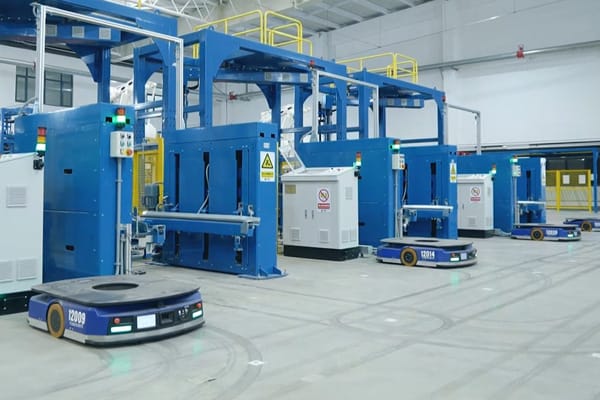
Paper Industry
The group is a leading enterprise in the domestic household paper and maternal and child hygiene products industry.
Solution
Smart Factory Automation Trust
Explore more industry automation transformation paths; click to unlock customized solutions.
Smart Device Project Implementation
Implementation Preparation
Robot/charging station parts inventory: on-site inspection of wiring, access control, network, and power supply.
Project on-site implementation
Line marking and coding, map creation and permission setting, software and hardware debugging / robot test run
Launch and Support
User training / Deployment and trial run, manual / maintenance training, acceptance signing, after-sales support