

How to Choose the Best Material Handling Equipment for Your Warehouse
ማውጫ
መግቢያ
Material handling equipment is a cornerstone of efficient warehouse operations. It encompasses a wide range of tools and machinery designed to lift, move, and organize materials safely and systematically. From manual pallet jacks to fully automated conveyor systems, choosing the right equipment can significantly impact your warehouse productivity, employee safety, and overall workflow efficiency. According to a 2023 report by the Industrial Logistics Institute, warehouses that invest in modern material handling equipment experience up to a 30% increase in operational efficiency.
Efficient material handling not only reduces the physical strain on workers but also minimizes product damage, decreases operational downtime, and enhances inventory management. Understanding the types of equipment available and how they fit your operational needs is essential to making a well-informed investment.
Types of Material Handling Equipment
There are several categories of material handling equipment, each designed for specific warehouse tasks and workloads. Selecting the right type depends on your operational requirements, load capacity, and workflow.
- Manual Equipment: Hand-operated tools such as pallet jacks and hand trucks. Best for small warehouses or light workloads.
- Hydraulic Equipment: Uses hydraulic systems to lift heavier loads with less effort. Ideal for medium-sized operations that require frequent handling.
- Automated/Electric Equipment: Motorized forklifts, conveyors, and stackers that streamline high-volume operations with speed and precision.
| Equipment Type | Typical Load Capacity | Best Use Case | Advantages |
|---|---|---|---|
| Manual | 1,000–3,000 lbs | Small warehouses, occasional use | Affordable, simple operation, requires no electricity |
| Hydraulic | 2,000–5,500 lbs | Medium warehouses, frequent lifting | Smooth operation, reduces physical strain, versatile |
| Electric/Automated | 2,500–10,000 lbs | High-volume warehouses | Fast, precise, minimal effort, programmable features |
This table provides a clear comparison to help you decide which equipment aligns with your workload, budget, and warehouse layout.
Factors to Consider When Choosing Equipment
Choosing material handling equipment requires evaluating multiple operational and practical factors:
- Load Capacity: Ensure the equipment can handle the heaviest loads in your warehouse safely.
- Warehouse Layout: Narrow aisles or limited storage space may require compact or portable equipment.
- Frequency of Use: High-volume operations benefit from automated solutions, while occasional use may suit manual or hydraulic tools.
- Budget and Maintenance: Factor in initial costs, ongoing maintenance, and potential labor savings.
- Employee Safety and Training: Equipment should be easy to operate, with safety features to reduce the risk of workplace injuries.
By carefully analyzing these factors, you can select equipment that provides long-term value and operational efficiency.
How Material Handling Equipment Improves Warehouse Productivity
Proper material handling equipment can dramatically improve productivity in several ways:
- Reduced Worker Strain: Hydraulic and automated tools decrease physical exertion, lowering the risk of injury.
- Streamlined Workflow: Efficient equipment reduces bottlenecks and accelerates material movement.
- Better Inventory Management: Precise lifting, stacking, and transport make goods easier to store and access.
Data from the Industrial Logistics Institute shows that modern material handling systems reduce product damage by 20% and increase daily throughput by 15% compared to traditional handling methods.
Safety Tips for Material Handling Equipment
Safety is a key consideration when selecting and using material handling equipment. Follow these best practices:
- Inspect all equipment before use for damage or wear.
- Balance loads correctly to prevent tipping.
- Never exceed the equipment’s rated capacity.
- Operate at controlled speeds, especially in tight spaces or near other workers.
- Train all staff on proper techniques and emergency procedures.
Implementing these steps ensures employee safety and protects inventory, while also maintaining compliance with safety standards.
Maintenance and Troubleshooting
Regular maintenance is crucial to keeping equipment operational and avoiding costly downtime:
- Inspect hydraulic systems and lubricate moving parts regularly.
- Check electrical systems, battery levels, and control panels for electric equipment.
- Replace worn forks, wheels, or belts immediately.
- Keep a maintenance log to track inspections, repairs, and replacements.
Routine maintenance extends equipment lifespan, improves reliability, and reduces operational disruptions.
Applications and Use Cases
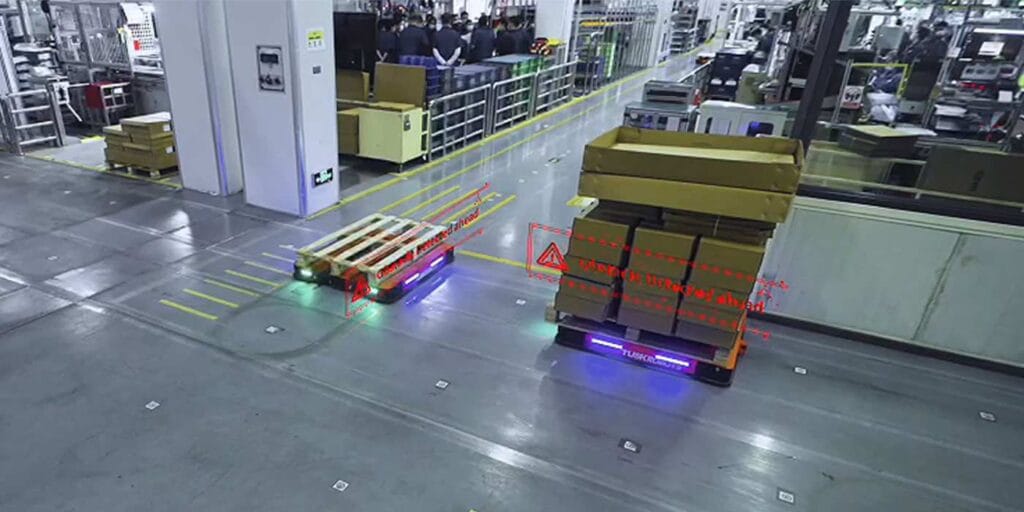

Material handling equipment is versatile and applicable in various settings:
- Warehouses and distribution centers use it for efficient pallet movement and storage.
- Manufacturing and industrial facilities rely on equipment for moving heavy parts and raw materials.
- Retail and small businesses utilize it for stocking shelves and organizing inventory.
- Construction and logistics sites use portable handling tools to safely transport materials on-site.
The right equipment tailored to your operational needs ensures maximum efficiency, safety, and cost-effectiveness.
ማጠቃለያ
Choosing the best material handling equipment for your warehouse is a strategic decision that affects productivity, safety, and operational costs. By evaluating the types of equipment, understanding warehouse requirements, prioritizing safety, and maintaining machinery properly, you can maximize efficiency and protect both your workforce and inventory. Investing in reliable material handling equipment is an investment in the long-term success of your warehouse operations.
የሚጠየቁ ጥያቄዎች
What is material handling equipment?
Material handling equipment includes tools and machinery used to move, lift, store, and organize materials efficiently in warehouses and industrial facilities. It improves workflow, reduces employee strain, minimizes product damage, and ensures safe operations.
Why is material handling equipment important?
It enhances warehouse efficiency and safety by ensuring smooth material flow, reducing worker strain, and minimizing product damage. Studies show modern handling systems cut damaged goods by 15–20% and reduce injuries while improving productivity.
What types of material handling equipment are available?
Main types include manual tools (pallet jacks, hand trucks), hydraulic lifts for heavier loads, and automated/electric systems like forklifts and conveyors. Choice depends on load, frequency, and warehouse layout.
How do I choose the right material handling equipment?
Consider load size, warehouse space, workflow, usage frequency, safety features, training, maintenance, and total cost. The right equipment enhances productivity, reduces risks, and offers long-term value.
How should I maintain material handling equipment?
Perform regular inspections, lubricate moving parts, check hydraulics or batteries, and replace worn components. Keep maintenance logs to ensure safety, efficiency, and longer equipment life.
Need Help Choosing the Right Material Handling Equipment?
If you’re unsure which material handling equipment is best for your warehouse or facility, our experts are here to guide you. Contact us today for a personalized consultation, and ensure your operations are efficient, safe, and tailored to your workflow. Don’t wait to optimize productivity and protect your team—get in touch now to find the perfect material handling solution for your business!
የቅርብ ጊዜ ልጥፍ

የእውቂያ መረጃ
2ኛ ፎቅ Xingzhhongchuang Xiabei High-tech Industry Center A1, Nanhai District, Foshan, China
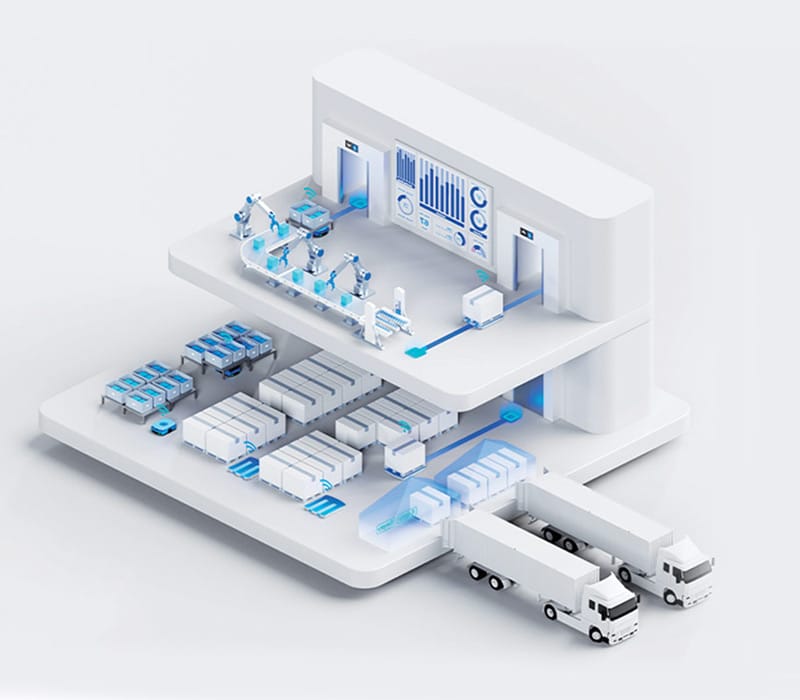
የተሟላ የማሰብ ችሎታ ያለው የሎጂስቲክስ አስተዳደር እና ቁጥጥር ስርዓት
መላውን "ስርዓት - መድረክ - ሃርድዌር" ሰንሰለት ያገናኛል፣ ከዋና ዋና የኢንዱስትሪ ስርዓቶች ጋር ተኳሃኝ ነው፣ እና የማሰብ ችሎታ ያለው ሃርድዌርን በማገናኘት ለጠቅላላው የሎጂስቲክስ ሂደት የማሰብ ችሎታ ያለው አስተዳደር እና የውጤታማነት ማሻሻያዎችን ለማግኘት።.
የሚስማማው
በሞባይል አስተዳደር ውስጥ ዋና ተወዳዳሪነት መገንባት
01.
ብጁ የውሂብ ዳሽቦርድ
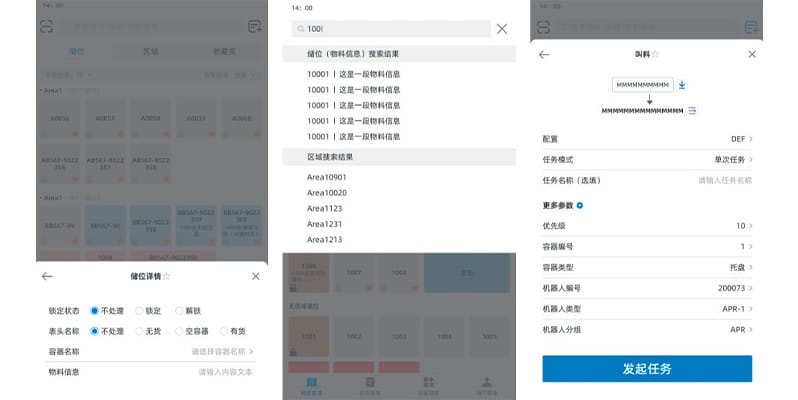
በሞባይል አስተዳደር ውስጥ ዋና ተወዳዳሪነት መገንባት
02.
ለግል የተበጀ የተጠቃሚ አስተዳደር
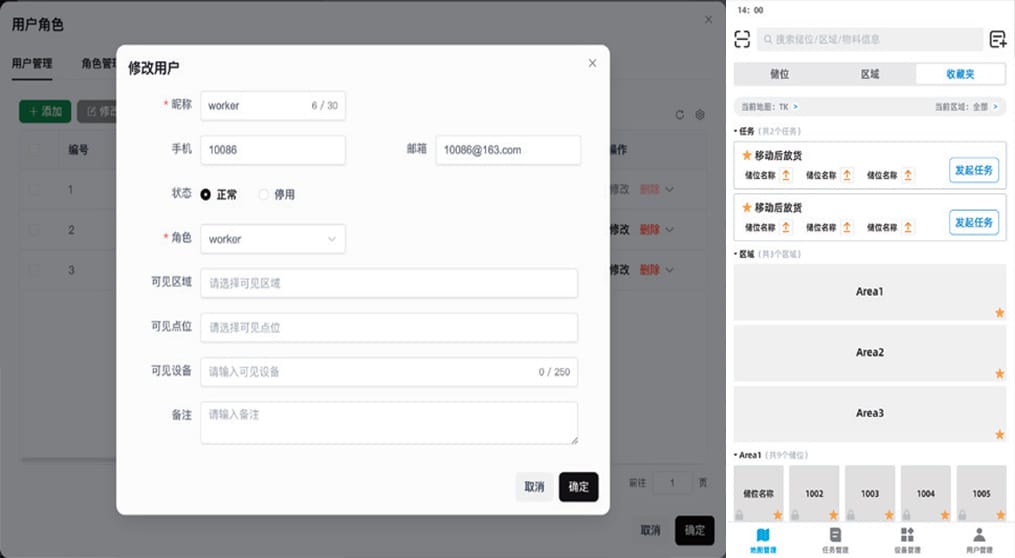
በሞባይል አስተዳደር ውስጥ ዋና ተወዳዳሪነት መገንባት
03.
ለግል የተበጀ ማንቂያ ግፋ
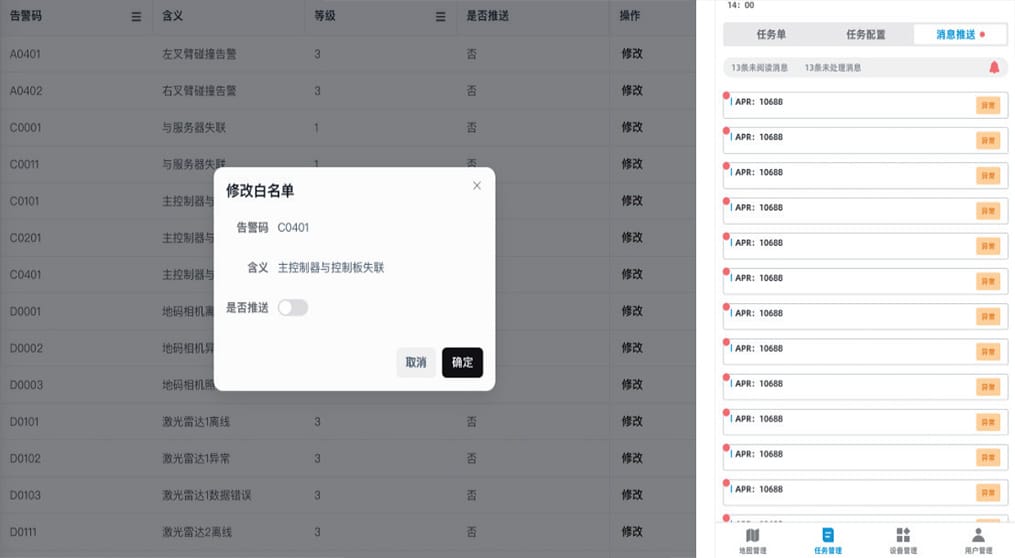
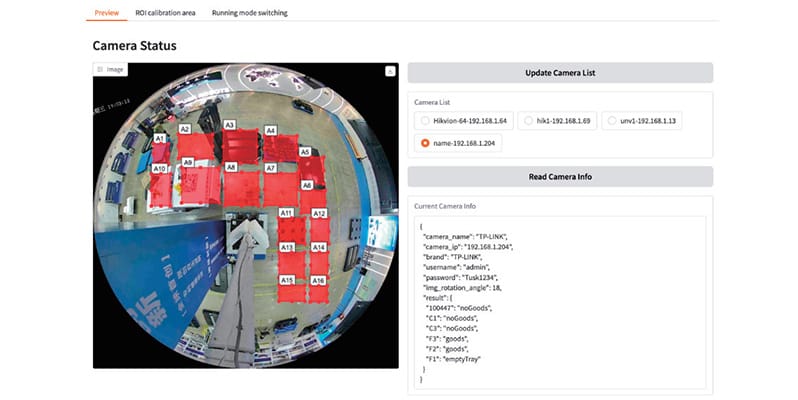
አብዮቱን በብልህነት መምራት
የመጋዘን አካባቢ አስተዳደር
01.
የእውነተኛ ጊዜ ማከማቻ ቦታ ራስ-ሰር ቀስቅሴ ተግባር

አብዮቱን በብልህነት መምራት
የመጋዘን አካባቢ አስተዳደር
02.
የእይታ ውቅር በይነገጽ
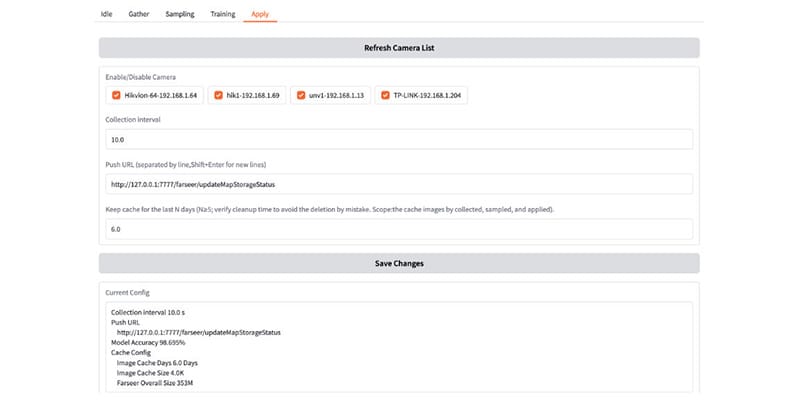
የማሰብ ችሎታ ያለው መጋዘን አካባቢ አስተዳደር ውስጥ አብዮት እየመራ
03.
ብጁ ውቅር
የሎታር ኢንተለጀንት አስተዳደር መድረክ ለስማርት ፋብሪካዎች ማዕከላዊ ስርዓት መገንባት
ሎታር፣ ከታስካር የማሰብ ችሎታ ያለው የአስተዳደር መድረክ፣ ለስማርት ፋብሪካዎች ዲጂታል ማዕከል ሆኖ ያገለግላል። ሊበጁ የሚችሉ የመረጃ ዳሽቦርዶች፣ ባለ ሙሉ የካርታ እይታ፣ የግራፊክ ተግባር እና የመሣሪያዎች የስራ ፍሰቶች፣ የማስመሰል ችሎታዎች፣ በ AI የተጎላበተ አሰራር እና ጥገና፣ ክፍት ባለብዙ ፕሮቶኮል በይነገጾች እና የኦቲኤ ማሻሻያ ድጋፍን በጠቅላላ የህይወት ዑደታቸው ውስጥ የፋብሪካዎች ዲጂታል አስተዳደርን በማጎልበት ያቀርባል።.
የካርታ አስተዳደር
የማዋቀር አስተዳደር
የመዳረሻ አስተዳደር
ተግባር አስተዳደር
የታሪክ መዝገቦች
የመሳሪያ አስተዳደር
ማስመሰል
የውሂብ ዳሽቦርድ
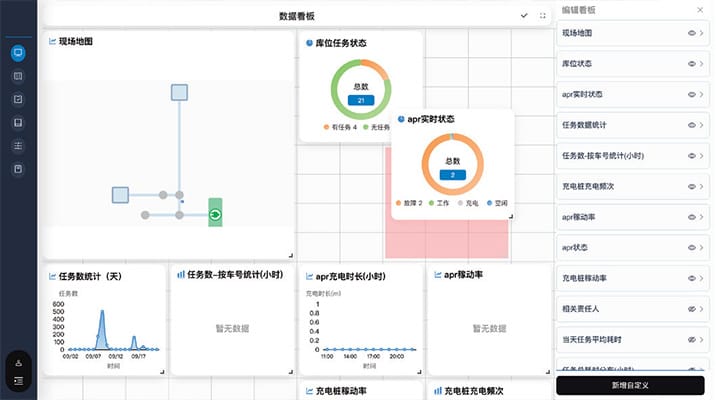
01.
ብጁ የውሂብ ዳሽቦርድ
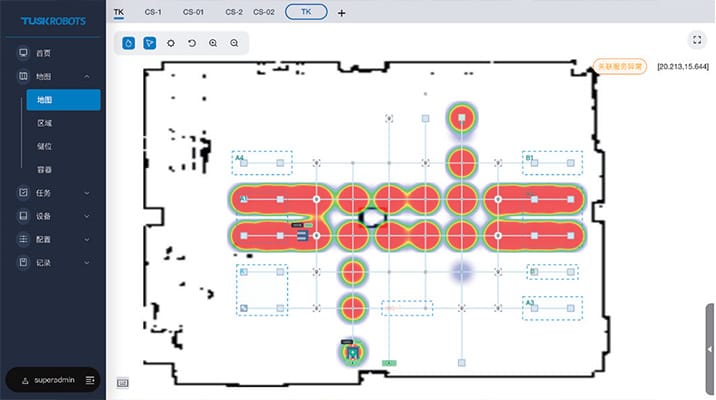
02.
የካርታ እይታ
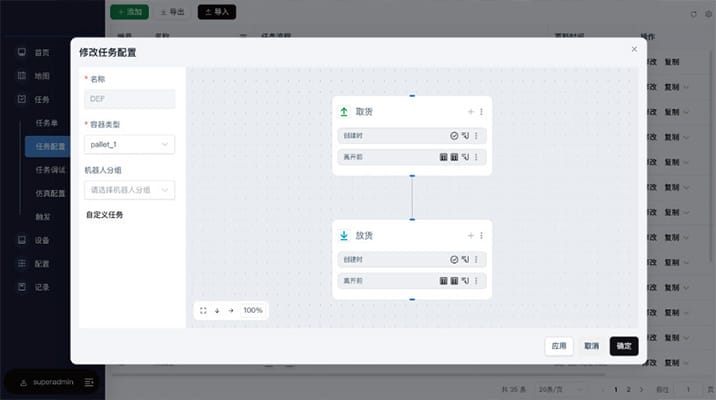
03.
ስዕላዊ የግንባታ ስራ
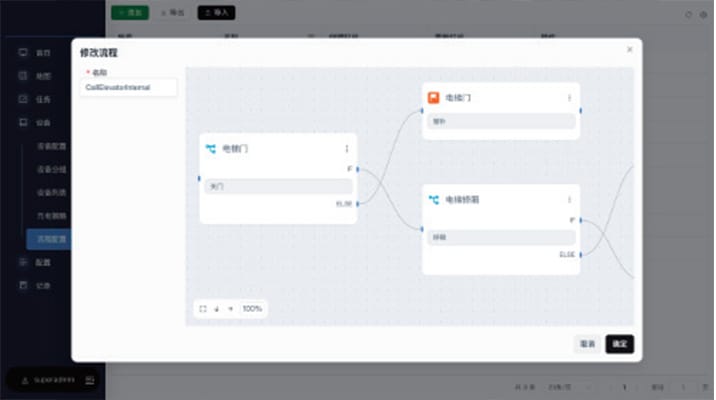
04.
የግራፊክ መሳሪያ ውቅር ሂደት
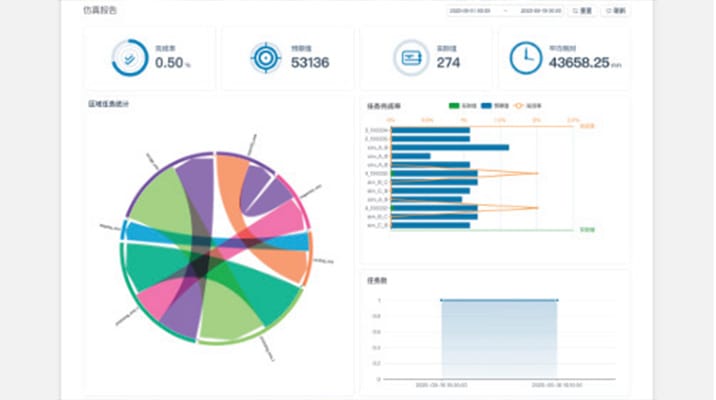
05.
የማስመሰል ምስላዊነት
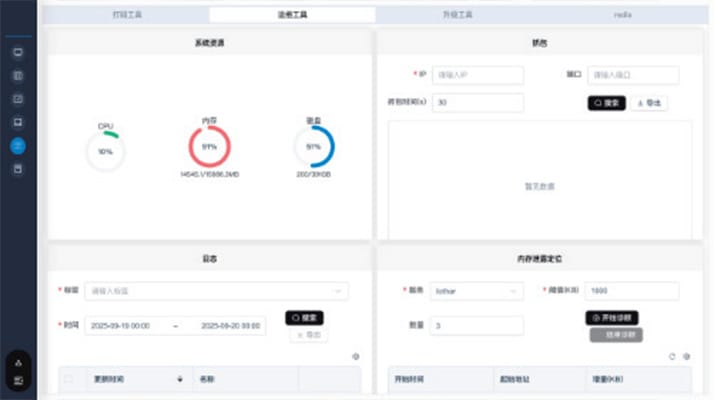
06.
የO&M እይታ
በስማርት ፋብሪካ አውቶሜሽን መመስከርን ማመን
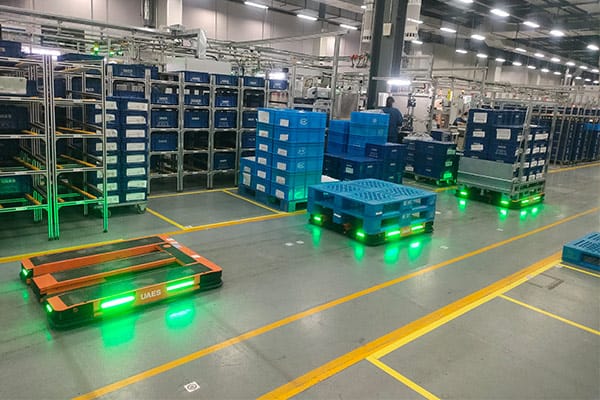
የኤሌክትሮኒክስ ኢንዱስትሪ
የአውቶሞቲቭ ኤሌክትሮኒክስ አዝማሚያ ዲጂታል ፓሌት ሮቦቶችን ለዕፅዋት ሎጅስቲክስ ተመራጭ ያደርገዋል።.
መፍትሄ
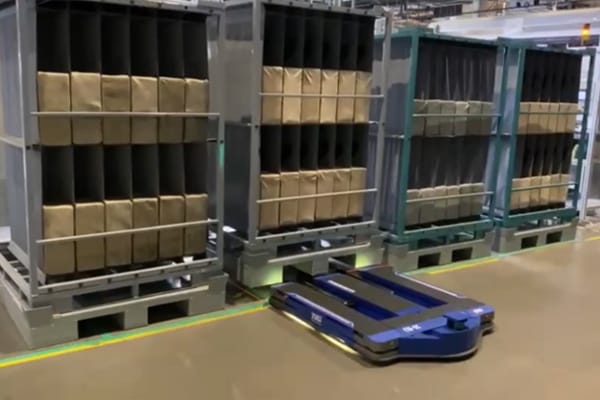
የመኪና ክፍሎች ኢንዱስትሪ
የአውቶሞቲቭ የውስጥ ለውስጥ ፍላጎት መጨመር አቅራቢዎችን ወደ አዲስ የእድገት ከፍታ ያደርሳቸዋል።.
መፍትሄ
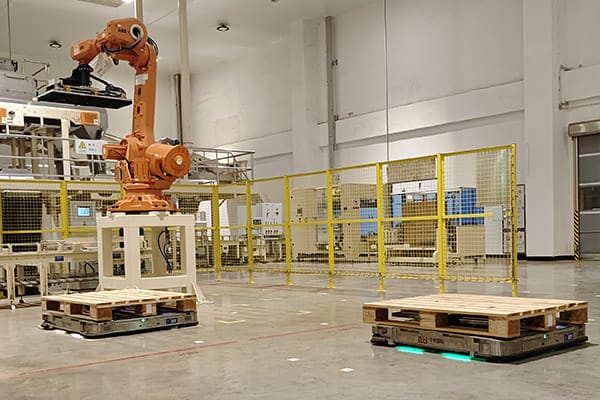
የትምባሆ ኢንዱስትሪ
ከአርባ ዓመታት በላይ ታሪክ ያለው የቻይና የትምባሆ ኢንዱስትሪ የጀርባ አጥንት።.
መፍትሄ
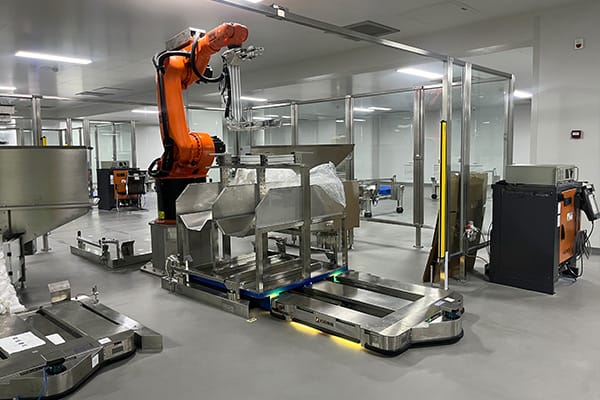
የመድኃኒት ኢንዱስትሪ
በጂኤምፒ መስፈርቶች ምክንያት የመድኃኒት ኢንዱስትሪው አውቶሜሽን ይፈልጋል።.
መፍትሄ
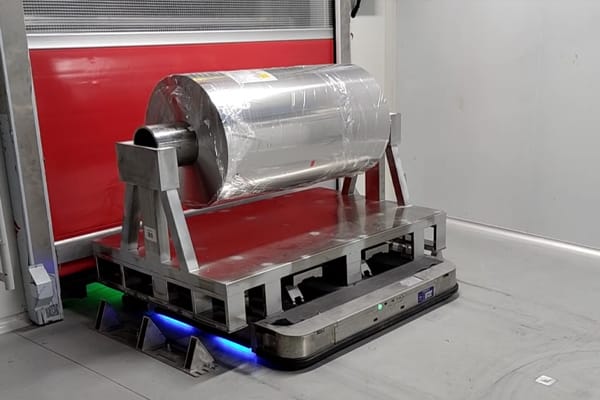
አዲስ የኢነርጂ ኢንዱስትሪ
አዲስ የኃይል ሊቲየም ባትሪ የማምረት አቅም ይጨምራል, አውቶማቲክ ቁልፍ ነው.
መፍትሄ
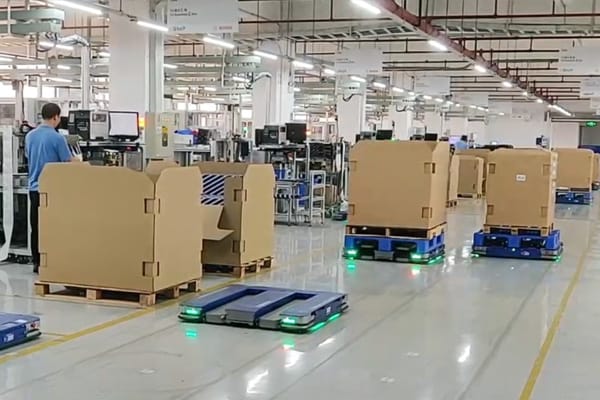
የማምረቻ ኢንዱስትሪ
30,000 ካሬ ሜትር ስፋት ያለው ፋብሪካ ያለው የዋይፐር ክፍሎች በአለም አቀፍ ደረጃ ታዋቂ የሆነ አምራች።.
መፍትሄ
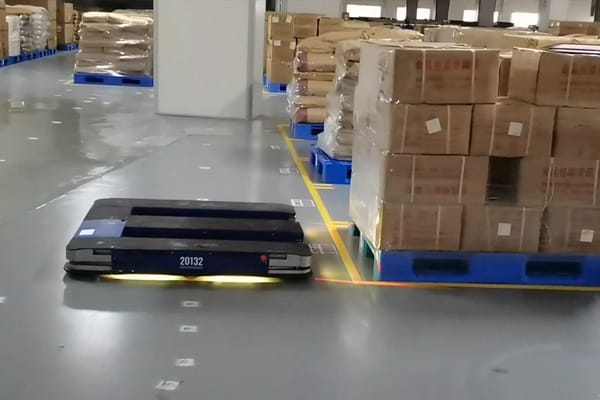
የምግብ ኢንዱስትሪ
ከ60,000 ካሬ ሜትር በላይ የሆነ ዘመናዊ የኢንዱስትሪ ፓርክ ያለው ከፍተኛ ጥራት ያለው የሰንሰለት ዳቦ ቤት ብራንድ ሆኖ ተቀምጧል።.
መፍትሄ
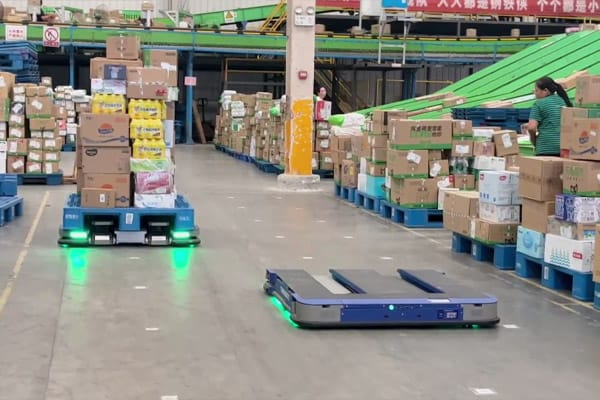
የሎጂስቲክስ ኢንዱስትሪ
የደቡብ ቻይና ሎጅስቲክስ እና ማከፋፈያ ማእከል የአንድ ዋና የሀገር ውስጥ ኢ-ኮሜርስ ኩባንያ
መፍትሄ
የወረቀት ኢንዱስትሪ
ቡድኑ በሀገር ውስጥ የቤት ውስጥ ወረቀት እና የእናቶች እና የህፃናት ንፅህና ምርቶች ኢንዱስትሪ ውስጥ ግንባር ቀደም ድርጅት ነው።.
መፍትሄ
ስማርት ፋብሪካ አውቶሜሽን እምነት
ተጨማሪ የኢንዱስትሪ አውቶሜሽን ለውጥ መንገዶችን ያስሱ; ብጁ መፍትሄዎችን ለመክፈት ጠቅ ያድርጉ።.
የስማርት መሳሪያ ፕሮጀክት ትግበራ
የትግበራ ዝግጅት
የሮቦት/የኃይል መሙያ ጣቢያ ክፍሎች ክምችት፡በቦታው ላይ የወልና፣የመዳረሻ መቆጣጠሪያ፣ኔትወርክ እና የሃይል አቅርቦት ፍተሻ።.
በቦታው ላይ የፕሮጀክት ትግበራ
የመስመር ምልክት ማድረግ እና ኮድ መስጠት፣ የካርታ ፈጠራ እና የፍቃድ ቅንብር፣ የሶፍትዌር እና የሃርድዌር ማረም/የሮቦት ሙከራ አሂድ
ማስጀመር እና ድጋፍ
የተጠቃሚ ስልጠና / ማሰማራት እና የሙከራ ሩጫ ፣ በእጅ / የጥገና ስልጠና ፣ የመቀበል ፊርማ ፣ ከሽያጭ በኋላ ድጋፍ