
Future of Warehousing: AGV Innovations in Cross Dock Warehouse Solutions
ማውጫ
መግቢያ
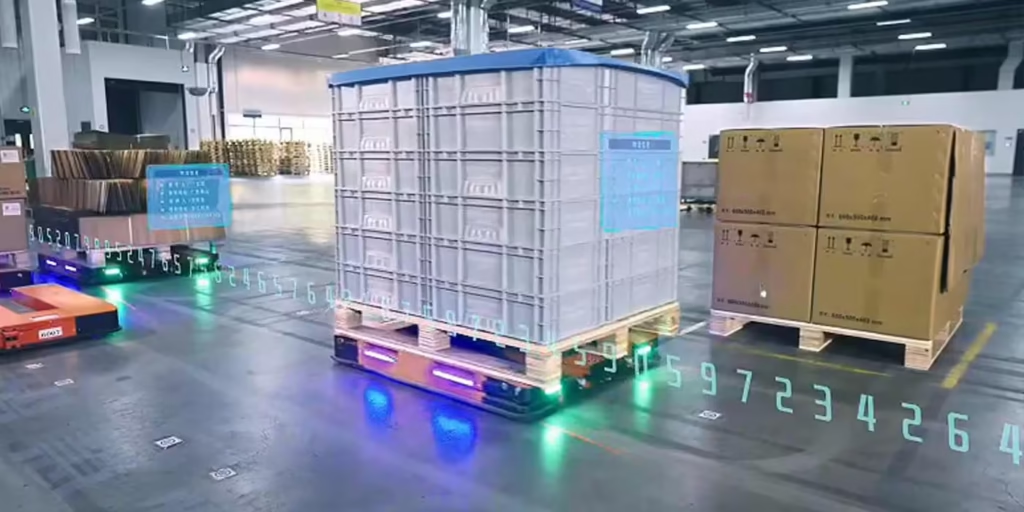
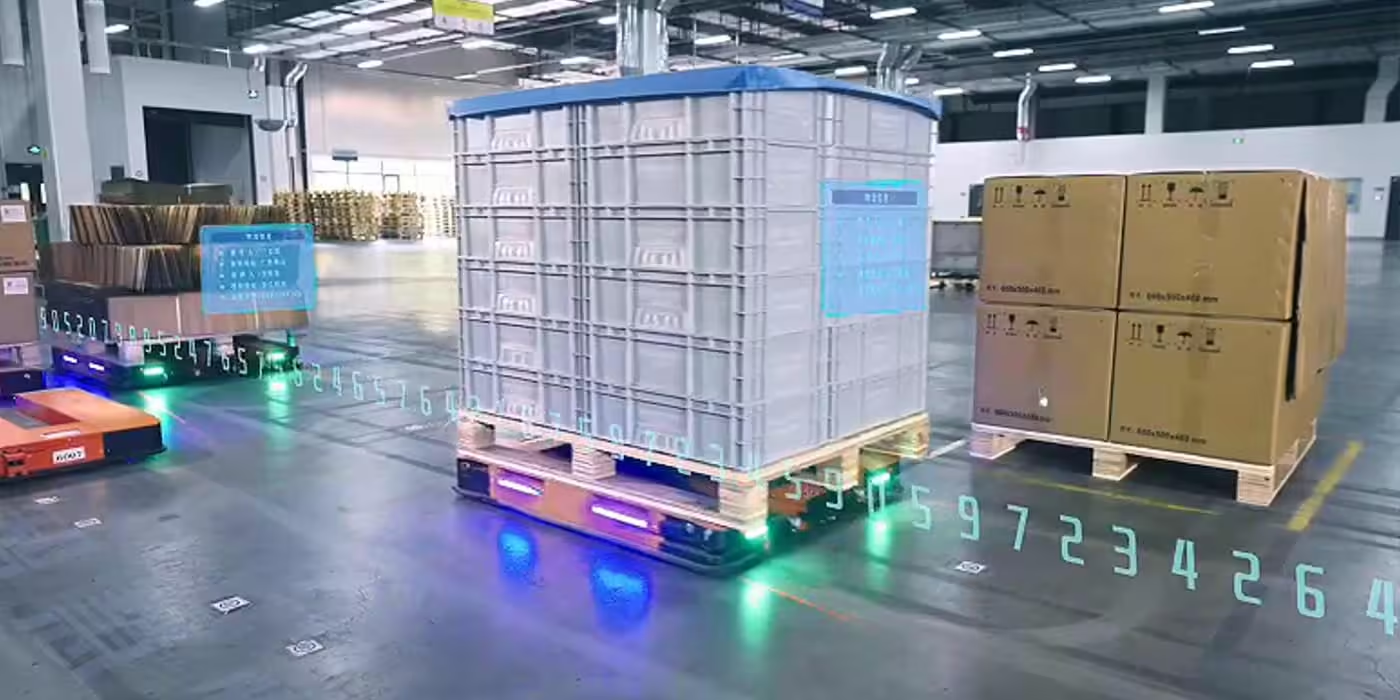
Warehousing is undergoing a major transformation, driven by automation, advanced logistics software, and the increasing demand for faster, more efficient supply chains. At the forefront of this revolution are cross dock warehouse solutions powered by Automated Guided Vehicles (AGVs). These systems promise to streamline operations, reduce labor costs, and increase throughput while maintaining accuracy and safety.
Traditionally, cross docking relied heavily on manual labor, forklifts, and conveyor systems to move goods from inbound trucks directly to outbound shipments. While effective, this method often suffered from bottlenecks, delays, and errors, especially during peak seasons. By integrating AGV technology, warehouses can optimize material flow, enhance visibility, and reduce human intervention.
AGV-based cross dock warehouse solutions are now becoming the standard for large-scale logistics providers, e-commerce fulfillment centers, and manufacturing hubs. With real-time tracking, adaptive routing, and seamless integration with warehouse management systems, these solutions redefine efficiency and accuracy in modern warehouses.
Key Benefits of AGV Cross Dock Warehouse Solutions
AGV-powered cross dock warehouse solutions are revolutionizing modern logistics by automating material handling, improving accuracy, and increasing throughput. By replacing or supplementing traditional manual operations, AGVs provide measurable benefits that impact operational efficiency, safety, and overall warehouse performance.
1. Increased Operational Efficiency
AGVs operate continuously without breaks, enabling 24/7 material movement. Unlike human workers, AGVs maintain consistent speed, reduce bottlenecks, and optimize loading and unloading cycles.
Details:
- Automated routing algorithms ensure minimal waiting times for inbound and outbound trucks.
- In pilot implementations, companies have reported a 30–40% reduction in dock turnaround time.
- Integration with warehouse management systems (WMS) allows AGVs to prioritize urgent shipments, further improving throughput.
2. Reduced Labor Costs
Labor accounts for a significant portion of warehouse operational expenses. By automating repetitive tasks such as pallet transfers, sorting, and staging, AGVs reduce dependency on manual labor while freeing staff for supervisory or strategic roles.
Details:
- Companies can cut labor costs by 20–35% annually with a mid-size AGV fleet.
- Automation minimizes overtime and reduces errors caused by fatigue or human limitations.
- Staff reallocation improves overall workforce productivity and employee satisfaction.
3. Enhanced Accuracy and Inventory Control
AGV cross dock warehouse solutions are integrated with WMS and RFID or barcode scanning technologies. This ensures real-time inventory updates as goods move through the warehouse, reducing misplacements, shrinkage, and data entry errors.
Details:
- Automated scanning ensures 99.9% inventory accuracy in high-volume operations.
- Real-time data enables predictive analytics, helping managers identify bottlenecks and forecast demand.
- Reduces the need for frequent cycle counts, saving time and improving operational reliability.
4. Safety and Ergonomic Advantages
AGVs remove humans from high-traffic areas and eliminate exposure to heavy lifting or hazardous zones. This reduces accidents, workplace injuries, and potential damage to goods.
Details:
- Collision avoidance sensors prevent accidents in congested warehouse zones.
- Ergonomic benefits reduce strain-related injuries among staff.
- In large-scale cross dock operations, companies report up to 50% fewer safety incidents after AGV implementation.
5. Scalability and Flexibility
AGV fleets are highly modular, allowing warehouses to scale operations quickly in response to seasonal demand or business expansion. Changes in layout or workflow can be implemented without extensive retrofitting.
Details:
- AGV systems can be added incrementally, supporting warehouse growth without disrupting ongoing operations.
- Fleet management software allows dynamic allocation of AGVs to different tasks.
- Supports multi-shift operations without additional labor costs, improving return on investment (ROI).
AGV Technologies Driving Modern Cross Dock Warehouse Solutions
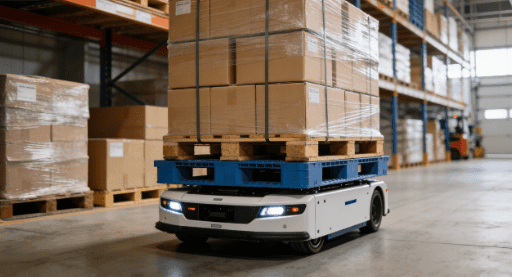
Several AGV technologies are instrumental in delivering efficient cross dock warehouse operations. These include:
Mobile Pallet Movers
Designed for transporting pallets between loading and unloading docks, mobile pallet movers can navigate autonomously, detect obstacles, and optimize routes based on traffic conditions.
Tugger AGVs
Tugger AGVs pull carts or trailers with multiple pallets simultaneously, making them ideal for high-volume cross docking and reducing the number of trips required for large shipments.
Forklift AGVs
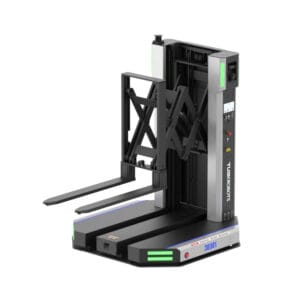
Automated forklifts can lift, move, and place goods directly onto racks or conveyors. They combine the lifting capacity of traditional forklifts with the precision and scheduling advantages of AGVs.
Collaborative AGVs
Some AGVs are designed to work alongside humans, assisting operators in heavy lifting while maintaining safety protocols through sensors and dynamic path adjustment.
Intelligent Fleet Management Software
Advanced software systems coordinate AGV fleets, optimize routes, manage charging schedules, and provide real-time analytics on warehouse operations.
Table: Comparison of AGV Types for Cross Dock Warehouse Solutions
| AGV Type | የመጫን አቅም | Ideal Use Case | Operational Advantage | Cost Consideration |
|---|---|---|---|---|
| Mobile Pallet Mover | 500–2000 kg | Pallet transport between docks | Flexible navigation, reduces congestion | Moderate |
| Tugger AGV | 1000–5000 kg | High-volume shipment movement | Moves multiple pallets at once | High |
| Forklift AGV | 1000–3000 kg | Loading/unloading, pallet stacking | Combines lifting and routing | High |
| Collaborative AGV | 200–1000 kg | Human-assisted operations | Enhances worker safety and ergonomics | Moderate |
| Intelligent AGV Fleet Software | N/A | All AGV types | Optimizes scheduling and reduces downtime | Variable |
This table demonstrates how various AGV technologies can be applied strategically in cross dock warehouse solutions, depending on load size, operational goals, and budget considerations.
Implementing AGV Cross Dock Solutions: Best Practices
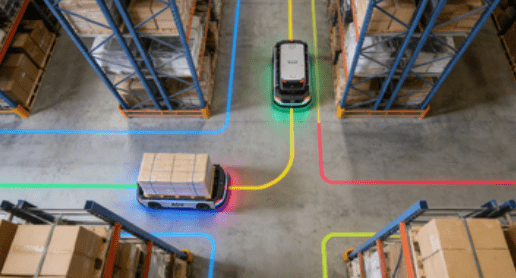
Workflow Optimization
Analyze your current warehouse layout and identify bottlenecks in inbound and outbound flow. AGVs can then be assigned to the most critical paths for maximum impact.
Integration with WMS
Seamless integration with Warehouse Management Systems (WMS) ensures real-time tracking, precise inventory updates, and predictive analytics for shipment planning.
Safety Protocols
Even though AGVs reduce human risk, safety measures such as emergency stop systems, light curtains, and sensor-based collision avoidance should be implemented.
Staff Training
Operators and supervisors should be trained to manage, monitor, and troubleshoot AGV systems, ensuring smooth day-to-day operations.
Maintenance Schedules
Regular maintenance of AGVs, including battery checks, sensor calibration, and software updates, guarantees reliable performance and reduces unexpected downtime.
Common Challenges and How to Overcome Them
High Initial Investment
While AGV cross dock warehouse solutions involve upfront costs, the long-term ROI from labor savings, increased throughput, and reduced errors often justifies the investment.
System Integration
Integrating AGVs into legacy warehouse systems may require custom software interfaces. Consulting with experienced integrators or solution providers can smooth the transition.
Layout Adaptation
Some older warehouses may need structural modifications for optimal AGV navigation. Planning for modular paths and flexible layouts can mitigate this challenge.
Technology Reliability
Sensor errors, connectivity issues, or software bugs can disrupt operations. Implementing redundant systems, routine diagnostics, and fail-safe protocols minimizes risk.
Future Trends in AGV Cross Dock Warehouse Solutions
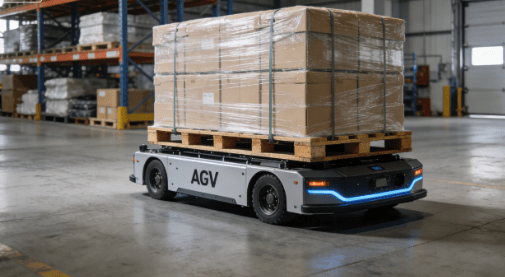
As logistics demands grow and e-commerce accelerates, AGV cross dock warehouse solutions are evolving rapidly. Emerging technologies, innovative designs, and advanced software systems are reshaping how goods are handled, improving efficiency, reducing costs, and enabling real-time decision-making. Understanding these future trends helps warehouse operators prepare for next-generation automation.
AI and Machine Learning Integration
Artificial Intelligence (AI) and machine learning are transforming AGV operations from reactive to predictive systems. Instead of following fixed paths, AGVs can now anticipate traffic patterns, optimize routes dynamically, and even adjust to unexpected events such as late arrivals or equipment malfunctions.
Details:
- Predictive algorithms analyze historical data on shipments, dock usage, and inbound/outbound schedules to reduce congestion.
- In pilot programs at major logistics hubs, AI-powered AGVs reduced average waiting time at docks by 25–30%, improving overall throughput.
- Machine learning models also optimize fleet allocation during peak periods, ensuring critical shipments are prioritized without human intervention.
Swarm Robotics and Collaborative AGV Networks
Swarm robotics is an emerging approach where AGVs communicate and coordinate as a single, intelligent system. Each vehicle dynamically adjusts its route based on the positions and tasks of others, effectively acting like a colony of autonomous workers.
Details:
- Swarm systems minimize collisions and improve traffic flow in high-density warehouses.
- The approach allows rapid scaling, as adding new AGVs to the network automatically integrates them into existing operations.
- Studies have shown that coordinated AGV swarms can improve dock throughput by 20–35% compared to uncoordinated systems.
IoT Connectivity and Real-Time Monitoring
The Internet of Things (IoT) enables AGVs to share real-time information about their environment, inventory, and operational status. Sensors embedded in vehicles, racks, and docks provide continuous data streams for better decision-making.
Details:
- IoT connectivity allows predictive maintenance, reducing unexpected downtime and extending the lifespan of AGVs.
- Environmental monitoring ensures optimal temperature, humidity, and lighting conditions, crucial for sensitive goods.
- Real-time inventory tracking enables instant updates, reducing the need for manual scanning and cycle counting.
Energy Efficiency and Sustainability
Battery technology and energy management are critical factors in modern AGV systems. The trend is moving toward longer-lasting, faster-charging batteries, and even wireless charging solutions embedded in warehouse floors.
Details:
- Lithium-ion and solid-state batteries now provide up to 12–16 hours of continuous operation, reducing the need for frequent charging interruptions.
- Wireless charging pads allow AGVs to recharge opportunistically during idle periods, maximizing uptime.
- Energy-efficient AGVs contribute to lower electricity costs and reduced carbon footprint, aligning with corporate sustainability goals.
Integration with Digital Twin and Simulation Tools
Digital twin technology allows warehouse managers to create virtual replicas of the physical facility. By simulating AGV operations, operators can optimize workflows, test new layouts, and predict potential bottlenecks without disrupting actual operations.
Details:
- Simulation models help identify optimal AGV fleet size, placement of charging stations, and dock assignments.
- Digital twins enable rapid implementation of process changes during peak seasons, such as Black Friday or holiday shipping spikes.
- Companies using simulation tools report 15–20% improvement in operational efficiency before implementing physical changes.
Adaptive Learning and Self-Optimizing Systems
Future AGV systems will increasingly self-optimize based on operational data. Using adaptive learning algorithms, AGVs will continually refine their paths, load balancing, and task allocation for maximum efficiency.
Details:
- Adaptive systems reduce the need for manual intervention, lowering operational costs and human errors.
- By analyzing performance metrics, AGVs can autonomously determine the most efficient routes and docking sequences.
- Early implementations show potential to reduce idle time by up to 18%, increasing overall warehouse throughput.
Multi-Warehouse and Cross-Site Coordination
As global supply chains expand, AGV solutions will integrate multi-site operations. Vehicles, inventory systems, and logistics platforms will coordinate between multiple cross dock facilities, enabling seamless goods transfer across regions.
Details:
- Real-time data sharing ensures that inventory levels, truck arrivals, and docking assignments are synchronized across all sites.
- Companies can optimize transport routes between facilities, reducing total transit time and costs.
- Cross-site coordination enables scalable, resilient operations that can handle surges or disruptions in one location without affecting the entire network.
ማጠቃለያ
AGV-powered cross dock warehouse solutions are redefining warehousing efficiency, accuracy, and safety. Companies investing in these systems can expect reduced labor dependency, faster processing times, and a scalable framework for future growth. As technology evolves, AGVs will play an increasingly critical role in modern logistics and fulfillment operations.
የሚጠየቁ ጥያቄዎች
Q1: How do AGVs improve cross dock warehouse operations?
A1: AGVs automate pallet transfer, reduce human errors, and optimize routing, leading to faster throughput and reduced labor costs.
Q2: What types of AGVs are best for cross dock warehouses?
A2: Mobile pallet movers, tugger AGVs, forklift AGVs, and collaborative AGVs are commonly used depending on load size and operation complexity.
Q3: How often should AGV systems be maintained?
A3: Routine maintenance, including battery checks, sensor calibration, and software updates, should occur weekly or as recommended by the manufacturer.
Q4: Can AGVs integrate with existing warehouse management systems?
A4: Yes, most modern AGV systems can integrate with WMS platforms to allow real-time tracking, inventory updates, and analytics.
Q5: Are AGV cross dock warehouse solutions suitable for small warehouses?
A5: Smaller operations can also benefit, though ROI is higher in high-volume or multi-shift warehouses where automation significantly reduces labor needs.
TUSKROBOTS፡ መሪ ኢንተለጀንት አውቶሜሽን መፍትሄዎች
ስላነበቡ እናመሰግናለን! ይህ ብሎግ ስለ ኢንተለጀንት መጋዘን እና ሎጅስቲክስ አውቶሜሽን መፍትሄዎች ጠቃሚ ግንዛቤዎችን ሰጥቷል ብለን ተስፋ እናደርጋለን። የኢንዱስትሪ አያያዝን ቀላል እና ቀልጣፋ በማድረግ ብልህ ፋብሪካዎችን እና ብልህ ሎጅስቲክስን ለማብቃት ቁርጠናል።.
በእኛ የላቀ አውቶሜትድ የፓሌት አያያዝ እና ሮቦቶች መልቀም ላይ ወቅታዊ መረጃ ለማግኘት ማህበረሰባችንን ይቀላቀሉ።.
📘 ተከታተሉን።ፌስቡክ, ኢንስታግራም, እና ቲክቶክ.
ውይይቱን እንቀጥል - እዚያ እንገናኝ!
የቅርብ ጊዜ ልጥፍ

የእውቂያ መረጃ
2ኛ ፎቅ Xingzhhongchuang Xiabei High-tech Industry Center A1, Nanhai District, Foshan, China
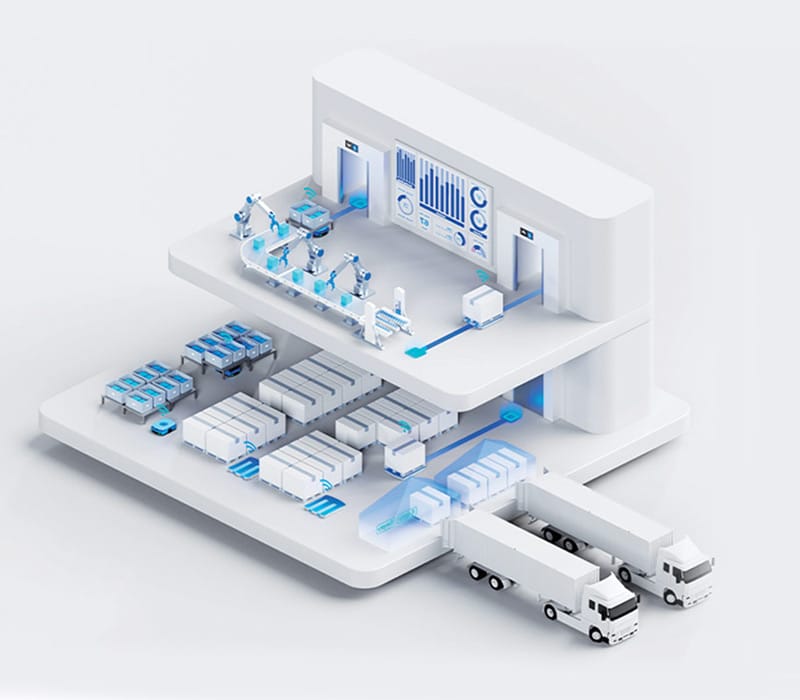
የተሟላ የማሰብ ችሎታ ያለው የሎጂስቲክስ አስተዳደር እና ቁጥጥር ስርዓት
መላውን "ስርዓት - መድረክ - ሃርድዌር" ሰንሰለት ያገናኛል፣ ከዋና ዋና የኢንዱስትሪ ስርዓቶች ጋር ተኳሃኝ ነው፣ እና የማሰብ ችሎታ ያለው ሃርድዌርን በማገናኘት ለጠቅላላው የሎጂስቲክስ ሂደት የማሰብ ችሎታ ያለው አስተዳደር እና የውጤታማነት ማሻሻያዎችን ለማግኘት።.
የሚስማማው
በሞባይል አስተዳደር ውስጥ ዋና ተወዳዳሪነት መገንባት
01.
ብጁ የውሂብ ዳሽቦርድ
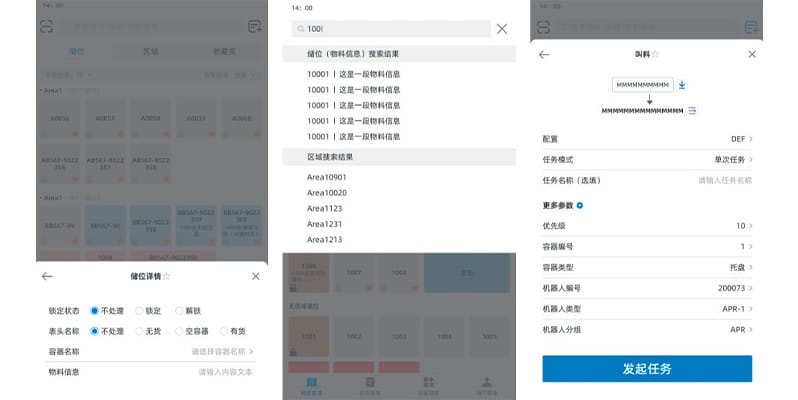
በሞባይል አስተዳደር ውስጥ ዋና ተወዳዳሪነት መገንባት
02.
ለግል የተበጀ የተጠቃሚ አስተዳደር

በሞባይል አስተዳደር ውስጥ ዋና ተወዳዳሪነት መገንባት
03.
ለግል የተበጀ ማንቂያ ግፋ

አብዮቱን በብልህነት መምራት
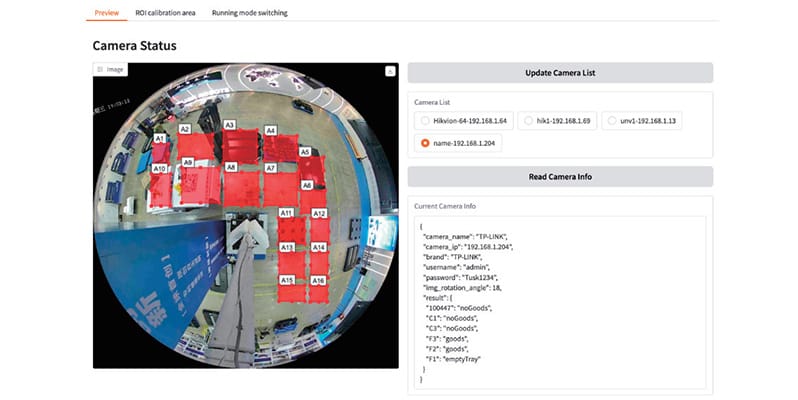
የመጋዘን አካባቢ አስተዳደር
01.
የእውነተኛ ጊዜ ማከማቻ ቦታ ራስ-ሰር ቀስቅሴ ተግባር

አብዮቱን በብልህነት መምራት
የመጋዘን አካባቢ አስተዳደር
02.
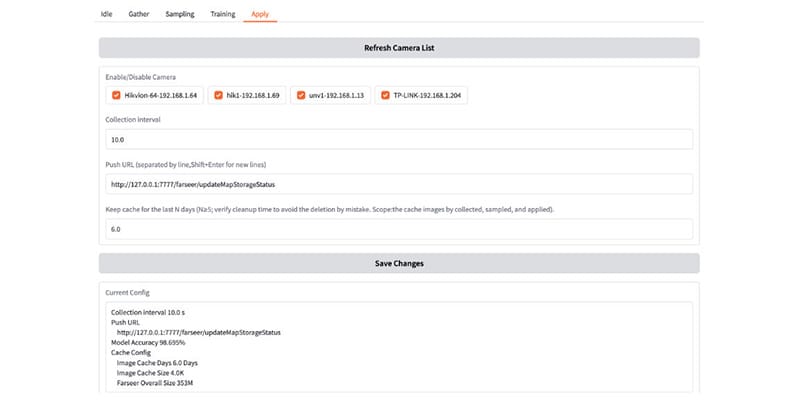
የእይታ ውቅር በይነገጽ
የማሰብ ችሎታ ያለው መጋዘን አካባቢ አስተዳደር ውስጥ አብዮት እየመራ
03.
ብጁ ውቅር
የሎታር ኢንተለጀንት አስተዳደር መድረክ ለስማርት ፋብሪካዎች ማዕከላዊ ስርዓት መገንባት
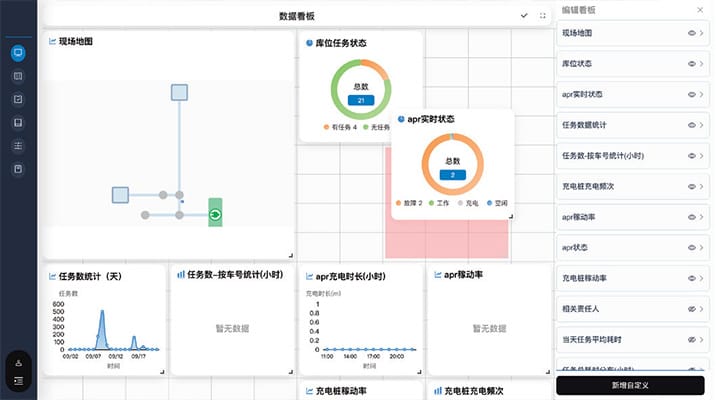
ሎታር፣ ከታስካር የማሰብ ችሎታ ያለው የአስተዳደር መድረክ፣ ለስማርት ፋብሪካዎች ዲጂታል ማዕከል ሆኖ ያገለግላል። ሊበጁ የሚችሉ የመረጃ ዳሽቦርዶች፣ ባለ ሙሉ የካርታ እይታ፣ የግራፊክ ተግባር እና የመሣሪያዎች የስራ ፍሰቶች፣ የማስመሰል ችሎታዎች፣ በ AI የተጎላበተ አሰራር እና ጥገና፣ ክፍት ባለብዙ ፕሮቶኮል በይነገጾች እና የኦቲኤ ማሻሻያ ድጋፍን በጠቅላላ የህይወት ዑደታቸው ውስጥ የፋብሪካዎች ዲጂታል አስተዳደርን በማጎልበት ያቀርባል።.
የካርታ አስተዳደር
የማዋቀር አስተዳደር
የመዳረሻ አስተዳደር
ተግባር አስተዳደር
የታሪክ መዝገቦች
የመሳሪያ አስተዳደር
ማስመሰል
የውሂብ ዳሽቦርድ
01.
ብጁ የውሂብ ዳሽቦርድ
02.
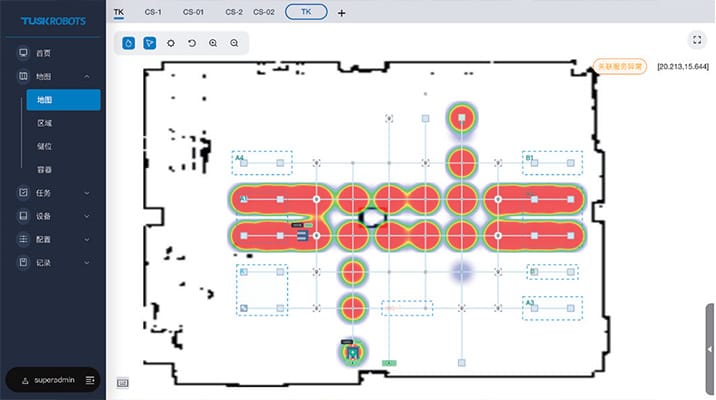
የካርታ እይታ

03.
ስዕላዊ የግንባታ ስራ

04.
የግራፊክ መሳሪያ ውቅር ሂደት
05.
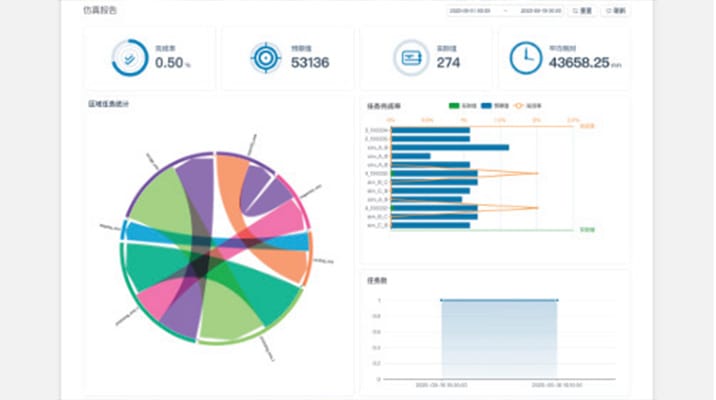
የማስመሰል ምስላዊነት
06.
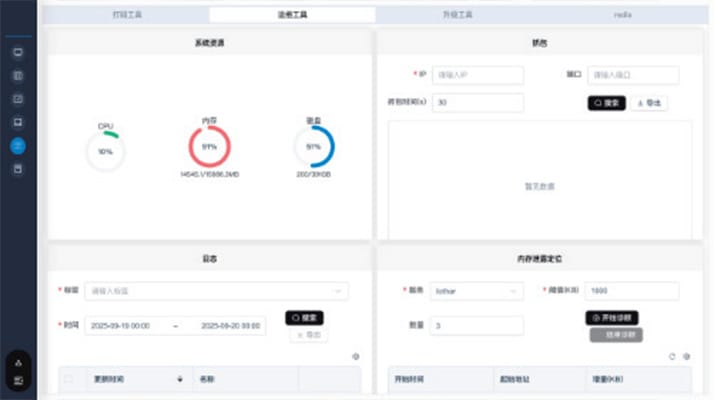
የO&M እይታ
በስማርት ፋብሪካ አውቶሜሽን መመስከርን ማመን
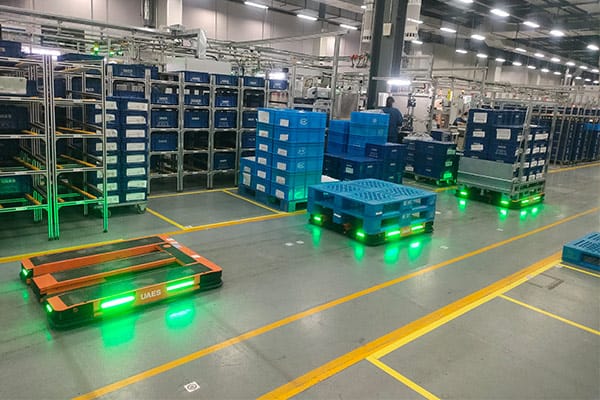
የኤሌክትሮኒክስ ኢንዱስትሪ
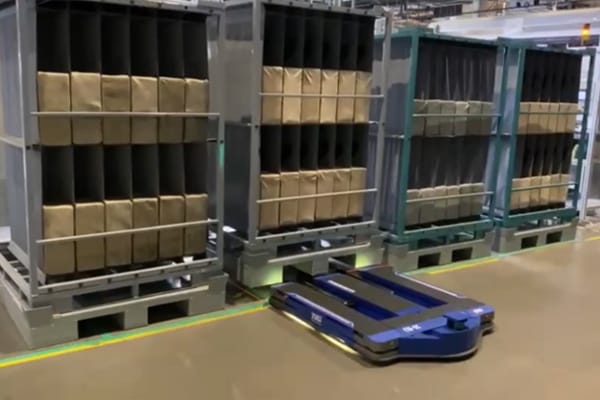
የአውቶሞቲቭ ኤሌክትሮኒክስ አዝማሚያ ዲጂታል ፓሌት ሮቦቶችን ለዕፅዋት ሎጅስቲክስ ተመራጭ ያደርገዋል።.
መፍትሄ
የመኪና ክፍሎች ኢንዱስትሪ
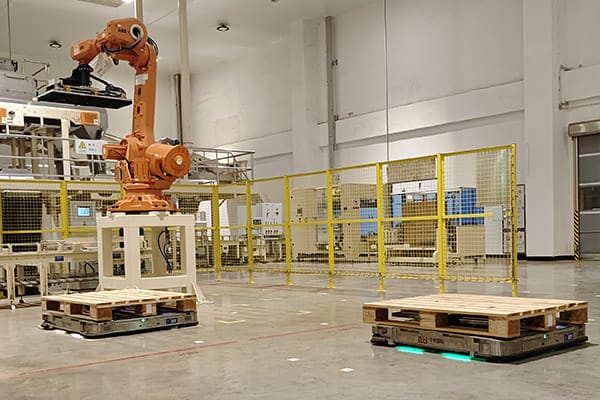
የአውቶሞቲቭ የውስጥ ለውስጥ ፍላጎት መጨመር አቅራቢዎችን ወደ አዲስ የእድገት ከፍታ ያደርሳቸዋል።.
መፍትሄ
የትምባሆ ኢንዱስትሪ
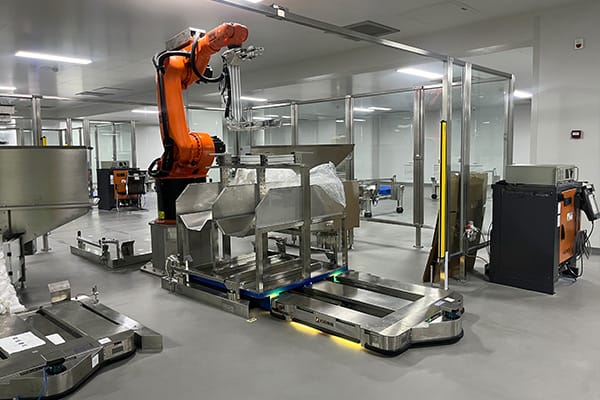
ከአርባ ዓመታት በላይ ታሪክ ያለው የቻይና የትምባሆ ኢንዱስትሪ የጀርባ አጥንት።.
መፍትሄ
የመድኃኒት ኢንዱስትሪ
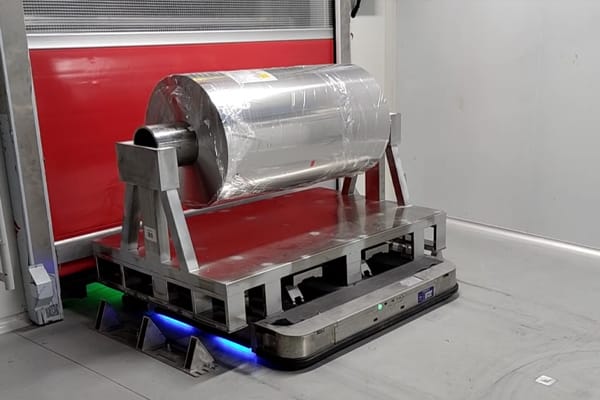
በጂኤምፒ መስፈርቶች ምክንያት የመድኃኒት ኢንዱስትሪው አውቶሜሽን ይፈልጋል።.
መፍትሄ
አዲስ የኢነርጂ ኢንዱስትሪ
አዲስ የኃይል ሊቲየም ባትሪ የማምረት አቅም ይጨምራል, አውቶማቲክ ቁልፍ ነው.
መፍትሄ
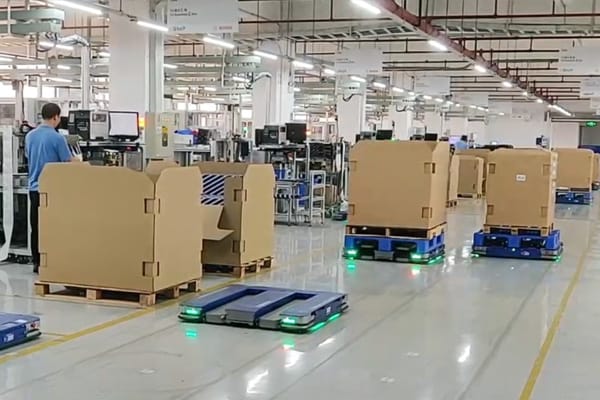
የማምረቻ ኢንዱስትሪ
30,000 ካሬ ሜትር ስፋት ያለው ፋብሪካ ያለው የዋይፐር ክፍሎች በአለም አቀፍ ደረጃ ታዋቂ የሆነ አምራች።.
መፍትሄ
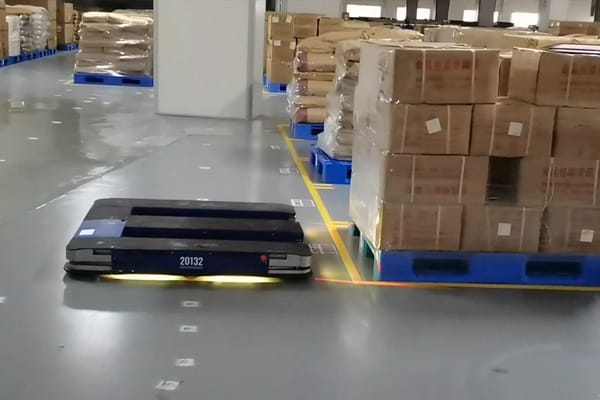
የምግብ ኢንዱስትሪ
ከ60,000 ካሬ ሜትር በላይ የሆነ ዘመናዊ የኢንዱስትሪ ፓርክ ያለው ከፍተኛ ጥራት ያለው የሰንሰለት ዳቦ ቤት ብራንድ ሆኖ ተቀምጧል።.
መፍትሄ
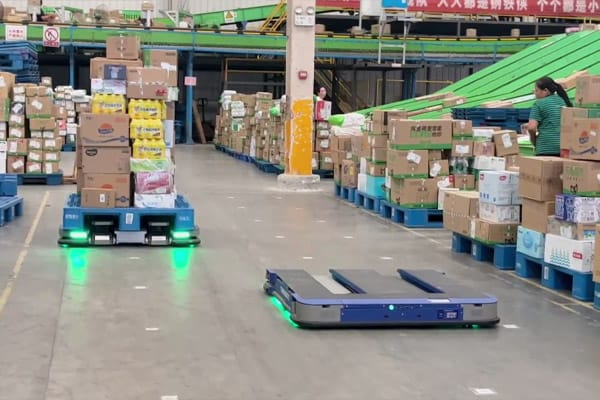
የሎጂስቲክስ ኢንዱስትሪ
የደቡብ ቻይና ሎጅስቲክስ እና ማከፋፈያ ማእከል የአንድ ዋና የሀገር ውስጥ ኢ-ኮሜርስ ኩባንያ
መፍትሄ
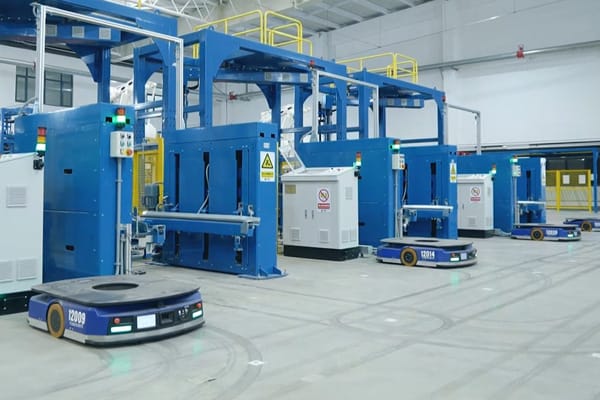
የወረቀት ኢንዱስትሪ
ቡድኑ በሀገር ውስጥ የቤት ውስጥ ወረቀት እና የእናቶች እና የህፃናት ንፅህና ምርቶች ኢንዱስትሪ ውስጥ ግንባር ቀደም ድርጅት ነው።.
መፍትሄ
ስማርት ፋብሪካ አውቶሜሽን እምነት
ተጨማሪ የኢንዱስትሪ አውቶሜሽን ለውጥ መንገዶችን ያስሱ; ብጁ መፍትሄዎችን ለመክፈት ጠቅ ያድርጉ።.
የስማርት መሳሪያ ፕሮጀክት ትግበራ
የትግበራ ዝግጅት
የሮቦት/የኃይል መሙያ ጣቢያ ክፍሎች ክምችት፡በቦታው ላይ የወልና፣የመዳረሻ መቆጣጠሪያ፣ኔትወርክ እና የሃይል አቅርቦት ፍተሻ።.
በቦታው ላይ የፕሮጀክት ትግበራ
የመስመር ምልክት ማድረግ እና ኮድ መስጠት፣ የካርታ ፈጠራ እና የፍቃድ ቅንብር፣ የሶፍትዌር እና የሃርድዌር ማረም/የሮቦት ሙከራ አሂድ
ማስጀመር እና ድጋፍ
የተጠቃሚ ስልጠና / ማሰማራት እና የሙከራ ሩጫ ፣ በእጅ / የጥገና ስልጠና ፣ የመቀበል ፊርማ ፣ ከሽያጭ በኋላ ድጋፍ