
2 Reliable Automated Pallet Solutions for Tight Spaces
መግቢያ
In today’s logistics landscape, space is not just a physical constraint—it’s a strategic limitation. Warehouses are being pushed to store more goods in smaller footprints while handling faster order cycles. As a result, many warehouses face the same dilemma: how to increase storage density without sacrificing operational speed or safety.
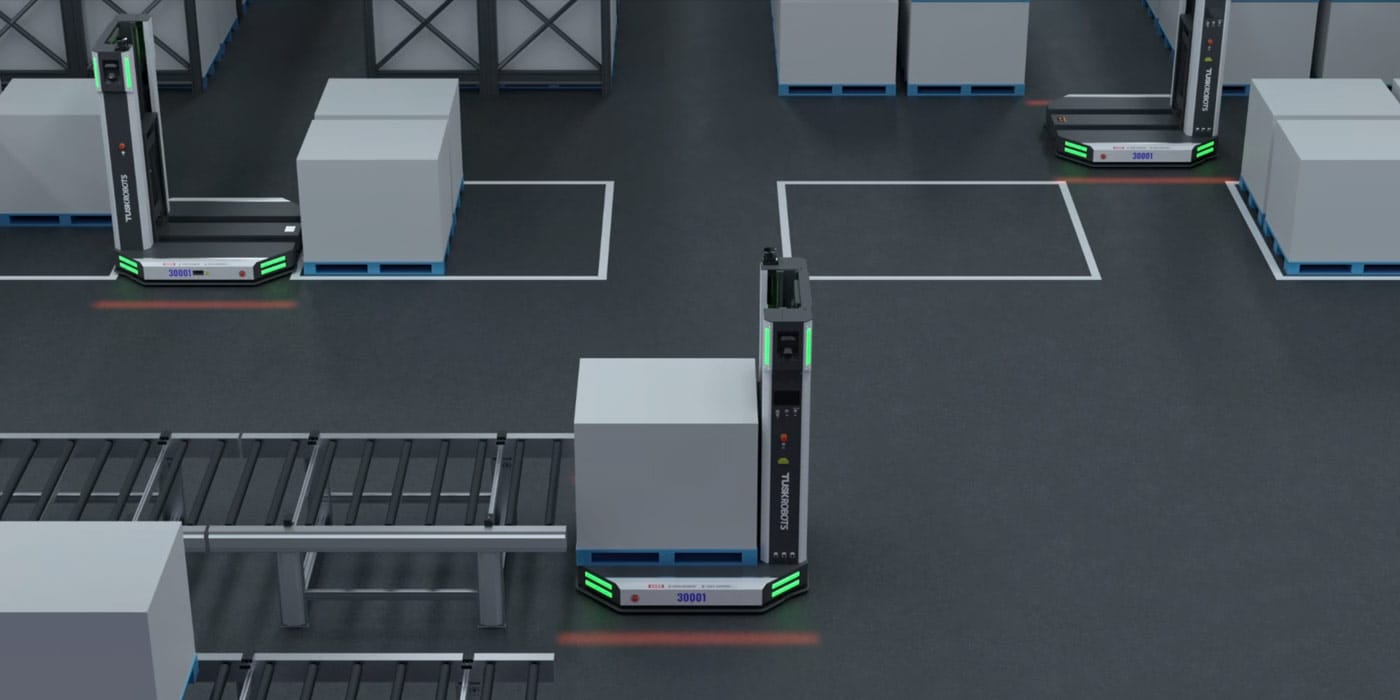
This is where automated pallet solutions become critical. They allow warehouse managers to utilize narrow aisles, stack higher, and move pallets with precision—while minimizing human risk. In tight spaces, traditional forklifts are often inefficient and dangerous. They require wide turning radii, clear sight lines, and significant human coordination. Automated pallet systems, however, can operate in compact aisles with high accuracy, and often perform better in dense storage environments.
A key report from the Material Handling Industry of America (MHIA) notes that automation can increase warehouse throughput by 20%–40% while reducing labor costs by 30%–50%, especially in narrow-aisle operations. This is a major reason why tight-space automation is not just a convenience—it’s becoming a necessity for competitive warehouses.
ማውጫ
What “Tight Space” Really Means in Warehouse Automation
Defining Tight Space in Warehouse Operations
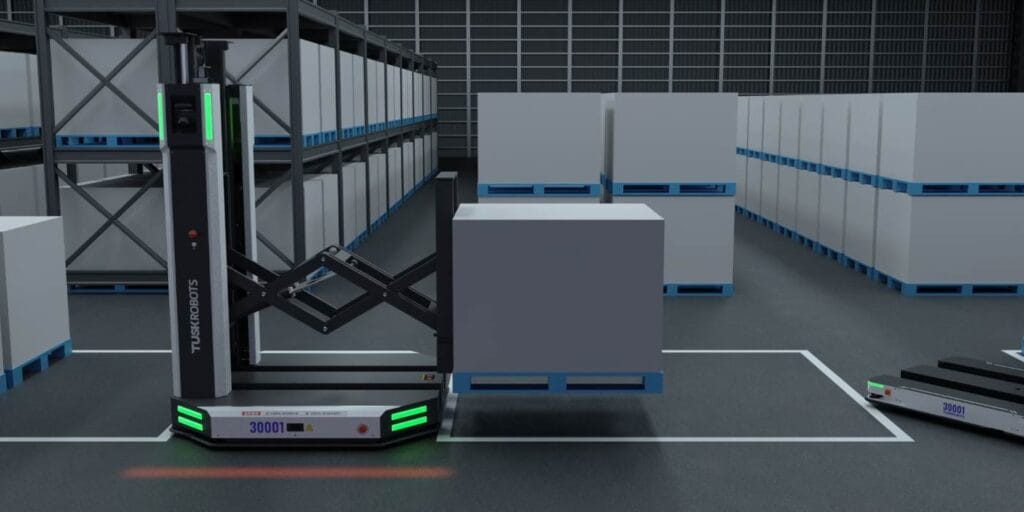
“Tight space” is a relative term. For automated pallet systems, tight space typically refers to:
- Narrow aisles below 2 meters
- High-bay racks with limited maneuvering room
- Dense stacking areas where human operation is risky
- Multi-vehicle environments where traffic is heavy
In such environments, traditional forklifts can cause accidents, damage racks, or create bottlenecks. Automated pallet solutions designed for tight spaces solve this problem by optimizing navigation, minimizing footprint, and increasing stacking accuracy.
Why Tight Space Automation Is a Different Category
Automated pallet solutions for tight spaces require more than a robotic vehicle—they require a complete system:
- Precise navigation (laser SLAM or QR + SLAM)
- Safety sensors (360° lasers, collision strips, alarms)
- Strong load handling
- High reliability in narrow aisles
- Smooth integration with WMS and conveyor systems
This is why not all automated pallet robots are suitable for tight spaces. The ones designed specifically for narrow aisles can operate safely and efficiently even in complex warehouse layouts.
How Automated Pallet Systems Improve Warehouse Performance
Increased Storage Density
One of the most direct benefits of automated pallet systems is increased storage density. By reducing aisle width, warehouses can increase pallet storage capacity by 10%–30% or more. This is especially valuable for warehouses in urban areas where expansion is impossible.
Faster Turnaround and Higher Throughput
Automation reduces human delays and errors. With consistent travel speed and accurate stacking, automated pallet systems can achieve higher throughput compared to manual forklifts, especially in repetitive tasks such as stacking and retrieval.
Enhanced Safety and Reduced Accidents
Warehouse accidents are often caused by human error—speeding, blind spots, poor visibility, or fatigue. Automated pallet systems reduce these risks with:
- 360° obstacle detection
- Anti-collision systems
- Automated braking
- Precise path planning
Lower Long-Term Operating Costs
Although initial investment may be higher, automated pallet systems often reduce long-term costs due to:
- Lower labor requirements
- Reduced damage to racks and pallets
- Lower accident-related costs
- Improved efficiency and uptime
A 2022 study from McKinsey & Company estimated that warehouse automation can deliver a 15%–30% reduction in operating costs over 3–5 years.
Automated Pallet Concept: Passive vs Active Automation
Passive Automation in Pallet Handling
Passive automation includes systems like conveyor belts, gravity rollers, and manual stackers with minimal automation. These systems rely heavily on human involvement.
- Pros: lower initial cost, simpler maintenance
- Cons: higher labor requirement, higher risk of human error
Active Automation in Pallet Handling
Active automation includes robots that move pallets independently, like automated forklifts and pallet stacking robots.
- Pros: high accuracy, high efficiency, lower labor costs
- Cons: higher initial investment, more complex integration
For tight spaces, active automation is usually the only viable solution because it can safely navigate narrow aisles and complex layouts.
Solution 1 — FH14 ራሱን የቻለ Forklift for Tight Spaces and Heavy Loads
What is the FH14 Automated Pallet Solution?
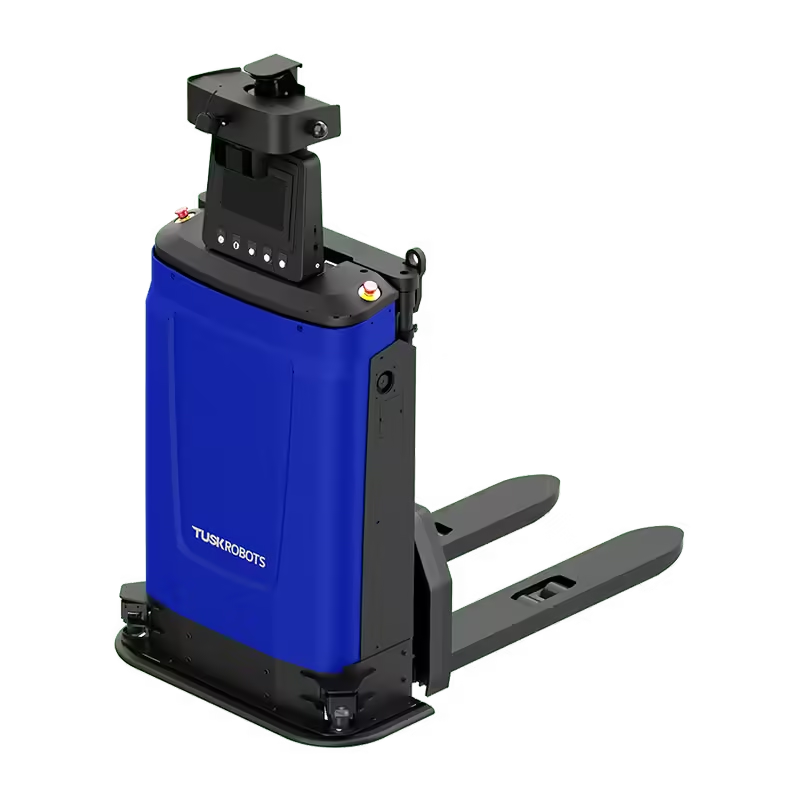
የ FH14 ራሱን የቻለ Forklift is a heavy-load stacking robot designed for 1.4t pallet handling. It’s engineered for precise stacking and efficient movement in tight warehouse environments.
Key Features That Make FH14 Reliable
Heavy-Load Efficient Stacking
- Rated load: 1400 kg
- Maximum lift height: 1.6 m
- Supports various pallet sizes including specialized pallets
- Eliminates manual forklift inefficiencies and risks
Laser SLAM Precision Navigation
- Uses laser SLAM navigation
- Positioning accuracy: ±10 mm
- Angular accuracy: ±1°
- Enables error-free stacking and multi-vehicle collaboration
Comprehensive Safety Features
- 360° laser protection
- Semi-enclosed anti-collision strips
- Pallet in-position detection
- Fork tip collision detection
- Audible and visual alarms
Multi-Scenario, Long-Term Operation
- Suitable for high-bay stacking and production line distribution
- Handles slopes ≤5%, steps ≤10mm, gaps ≤30mm
- Battery: 24V/200Ah lithium iron phosphate
- Operation time: ≥10 hours
- Recharge time: ≤2 hours
Why FH14 Works in Tight Spaces
With compact dimensions of 1665×950×2000 mm, the FH14 can maneuver in medium-narrow aisles while still handling heavy loads. Its navigation and safety systems make it ideal for mixed-traffic environments where humans and machines coexist.
Solution 2 — FL10 Pallet ቁልል ሮቦት for Ultra-Narrow Aisles
What is the FL10 Automated Pallet Solution?
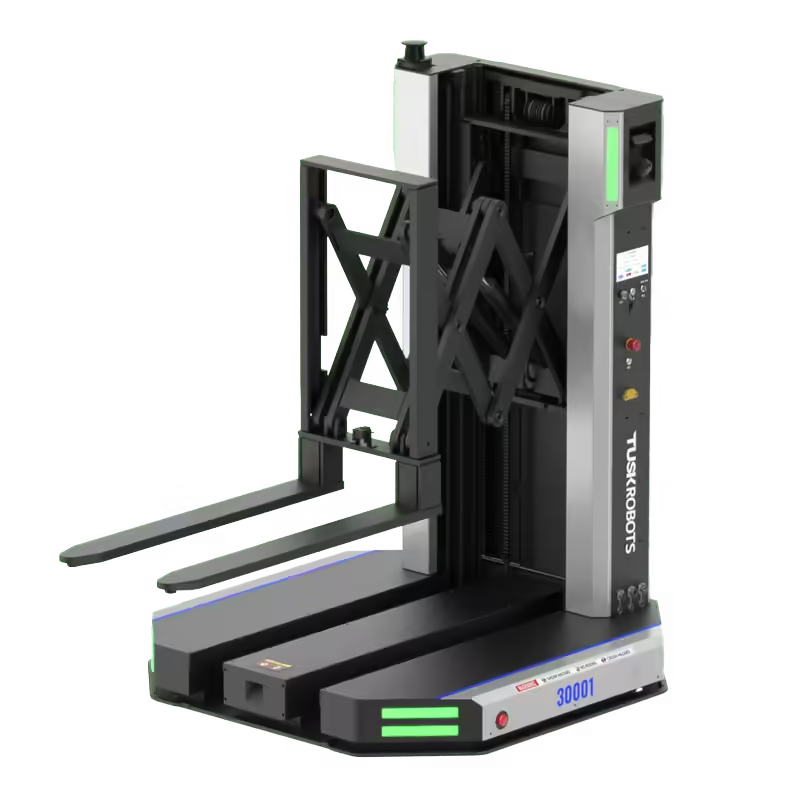
የ FL10 Pallet ቁልል ሮቦት is designed for high-bay storage and ultra-narrow aisle operations. It is engineered for dense storage environments, where maximizing vertical space is essential.
Key Features That Make FL10 Ideal for Tight Spaces
Ultra-High-Bay Storage
- Maximum lift height: 2.5 m
- Rated load: 1000 kg at 1.6m, 800 kg at 2.2m
- Supports dense high-bay racks
Ultra-Narrow Aisle Operation
- Operational aisle width: 1850 mm
- Lateral movement capability
- Overcomes limitations of traditional stackers
Flexible Multi-Carrier Compatibility
- Supports zigzag trays, tandem trays, and material frames
- Handles raw materials and finished goods
Intelligent Navigation and Safety
- Hybrid navigation: QR code + laser SLAM
- 360° laser protection
- Mechanical anti-collision design
Why FL10 Is the Best Choice for Ultra-Narrow Aisles
The FL10 can operate in extremely tight spaces while maintaining high stacking accuracy and safety. Its high lift height and narrow aisle capability make it ideal for modern high-density warehouses.
Comparison: FH14 vs FL10 (How to Choose the Right Automated Pallet Solution)
Comparison Table
| Feature | FH14 ራሱን የቻለ Forklift | FL10 Pallet ቁልል ሮቦት |
|---|---|---|
| Rated Load | 1400 kg | 1000 kg |
| Max Lift Height | 1.6 m | 2.5 m |
| Navigation | ሌዘር SLAM | QR + Laser SLAM |
| Best for | Heavy load transfer | High-bay narrow aisle |
| Minimum aisle | Medium narrow | Ultra-narrow (1850mm) |
| Safety | 360° laser protection | 360° laser + mechanical collision strips |
| Battery | 24V/200A | 51.2V/100Ah |
| Operating time | ≥10h | ≥6h |
How to Choose: Key Decision Factors
Load Weight and Height Requirements
If your warehouse requires heavy load stacking (over 1 ton) but not extremely high lift height, the FH14 is more suitable. If your warehouse focuses on high-bay storage with limited aisle width, FL10 is better.
Aisle Width and Space Constraints
- If aisle width is <2m, FL10 is usually the best choice.
- If aisle width is 2–3m, FH14 may provide better load capacity and flexibility.
Integration with Existing Systems
Both solutions integrate with WMS and conveyor lines, but FL10 is particularly strong in high-bay automated storage systems.
Beyond Products: Warehouse Design for Automated Pallet Systems
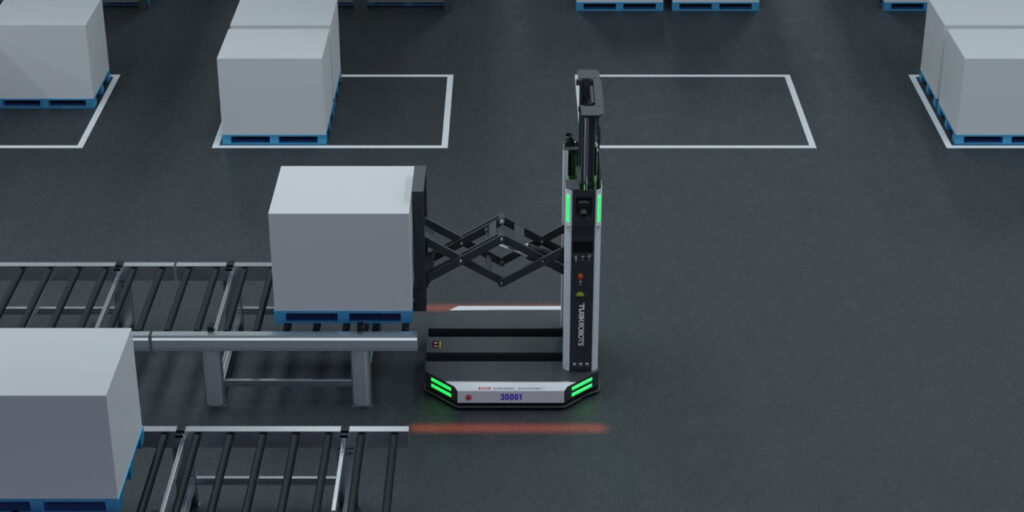
Designing a Warehouse for Automated Pallet Operations
A successful automated pallet deployment requires warehouse redesign in key areas:
- Standardized pallet sizes
- Clear aisle markings
- Consistent rack heights
- Stable floor surfaces
- Reliable WiFi or 5G coverage
The Role of Warehouse Management Systems (WMS)
Automated pallet systems require strong WMS integration for:
- Order picking and scheduling
- Traffic control
- Real-time monitoring
- Exception handling
A well-integrated WMS ensures : Why Automated Pallet Solutions Are Rising
Market Growth and Industry Drivers
The global warehouse automation market is growing rapidly due to:
- Rising e-commerce demand
- Labor shortages
- Increasing demand for fast delivery
- Higher safety standards
According to Grand View Research, the global warehouse automation market is projected to reach $30+ billion by 2030, driven by increasing adoption of robots and automated systems.
Expert Opinion
Dr. Michael May, a logistics automation expert, notes:
“Automated pallet systems are no longer a luxury—they are a necessity for any warehouse that wants to remain competitive in the next decade.”
Cost and ROI: What to Expect from Automated Pallet Solutions
Typical Cost Components
Automated pallet systems include costs for:
- Hardware (robots, sensors, chargers)
- Software (navigation, WMS integration)
- Installation and calibration
- Maintenance and support
ROI Factors
ROI depends on:
- Labor cost savings
- Reduced damage and accidents
- Increased storage density
- Increased throughput
- Reduced downtime
In many cases, warehouses can see ROI within 2–4 years.
Deployment Checklist for Automated Pallet Systems
Pre-Deployment Assessment
- Conduct warehouse layout analysis
- Evaluate aisle widths and rack heights
- Confirm floor surface stability
- Check WiFi or network coverage
- Standardize pallet sizes
Implementation Steps
- Install navigation markers (QR codes or lasers)
- Calibrate sensors and safety systems
- Conduct trial runs
- Train staff on safety protocols
- Integrate with WMS
Common Challenges and How to Solve Them
Challenge: Network and Connectivity Issues
Automated pallet robots rely on stable communication. If your WiFi is unstable, consider upgrading to dual-band 2.4G/5G or wired connectivity.
Challenge: Floor Unevenness
Uneven floors can cause navigation errors. Ensure floor surface is level or choose robots with higher ground adaptability.
Challenge: Mixed Traffic Environment
If humans and robots share the same space, implement strict safety zones and real-time monitoring.
ማጠቃለያ
In tight warehouse environments, automated pallet solutions are not optional—they are essential for maintaining competitiveness. The FH14 ራሱን የቻለ Forklift excels in heavy-load stacking and mixed-traffic scenarios, while the FL10 Pallet ቁልል ሮቦት is ideal for ultra-narrow aisles and high-bay storage.
By choosing the right system and implementing proper warehouse design, you can significantly increase storage density, improve safety, and achieve higher operational efficiency.
የሚጠየቁ ጥያቄዎች
Can automated pallet robots work in very narrow aisles?
Yes. Solutions like the FL10 are designed for ultra-narrow aisles as narrow as 1850mm, enabling dense storage and efficient stacking.
How accurate is the navigation of automated pallet systems?
Modern automated pallet systems use laser SLAM and hybrid navigation, achieving accuracy around ±10mm and angular accuracy around ±1°.
Are automated pallet systems safe around workers?
Yes. Reliable systems include 360° laser protection, anti-collision strips, and audible alarms to ensure safe human-machine coexistence.
Do these systems support heavy loads?
Yes. Heavy-duty solutions like FH14 support up to 1400kg, making them suitable for heavy industrial pallets.
How long can automated pallet robots run continuously?
Battery life varies. For example, FH14 can operate ≥10 hours with ≤2 hours recharge time, ensuring long-term productivity.
What happens if the aisle is blocked?
Most systems include obstacle detection and can reroute or stop automatically to prevent accidents.
Can automated pallet robots work in cold storage?
Many systems can be adapted for cold storage, but temperature requirements must be confirmed with the manufacturer.
TUSKROBOTS፡ መሪ ኢንተለጀንት አውቶሜሽን መፍትሄዎች
ስላነበቡ እናመሰግናለን! ይህ ብሎግ ስለ ኢንተለጀንት መጋዘን እና ሎጅስቲክስ አውቶሜሽን መፍትሄዎች ጠቃሚ ግንዛቤዎችን ሰጥቷል ብለን ተስፋ እናደርጋለን። የኢንዱስትሪ አያያዝን ቀላል እና ቀልጣፋ በማድረግ ብልህ ፋብሪካዎችን እና ብልህ ሎጅስቲክስን ለማብቃት ቁርጠናል።.
በእኛ የላቀ አውቶሜትድ የፓሌት አያያዝ እና ሮቦቶች መልቀም ላይ ወቅታዊ መረጃ ለማግኘት ማህበረሰባችንን ይቀላቀሉ።.
📘 ተከታተሉን።ፌስቡክ, ኢንስታግራም, እና ቲክቶክ.
ውይይቱን እንቀጥል - እዚያ እንገናኝ!
የቅርብ ጊዜ ልጥፍ

የእውቂያ መረጃ
2ኛ ፎቅ Xingzhhongchuang Xiabei High-tech Industry Center A1, Nanhai District, Foshan, China
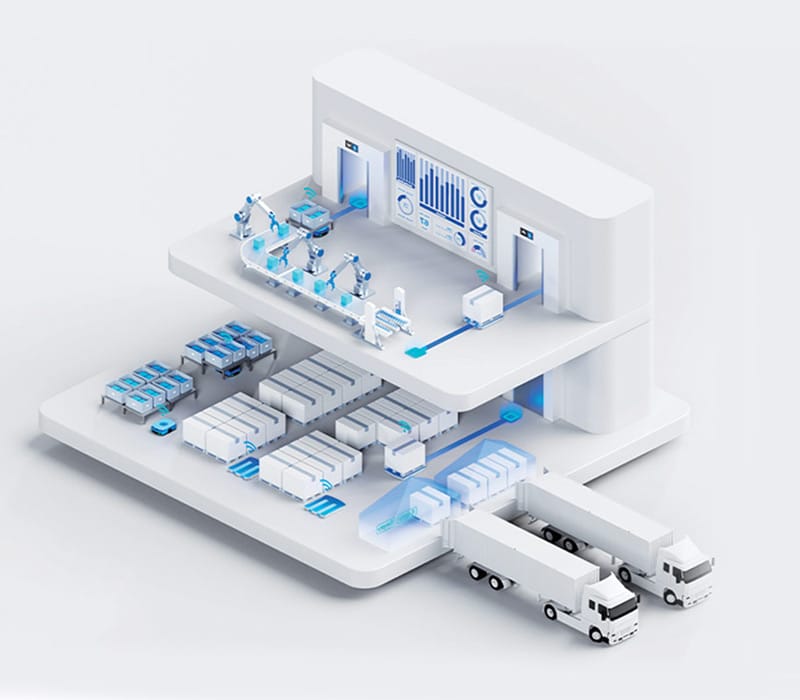
የተሟላ የማሰብ ችሎታ ያለው የሎጂስቲክስ አስተዳደር እና ቁጥጥር ስርዓት
መላውን "ስርዓት - መድረክ - ሃርድዌር" ሰንሰለት ያገናኛል፣ ከዋና ዋና የኢንዱስትሪ ስርዓቶች ጋር ተኳሃኝ ነው፣ እና የማሰብ ችሎታ ያለው ሃርድዌርን በማገናኘት ለጠቅላላው የሎጂስቲክስ ሂደት የማሰብ ችሎታ ያለው አስተዳደር እና የውጤታማነት ማሻሻያዎችን ለማግኘት።.
የሚስማማው
በሞባይል አስተዳደር ውስጥ ዋና ተወዳዳሪነት መገንባት
01.
ብጁ የውሂብ ዳሽቦርድ
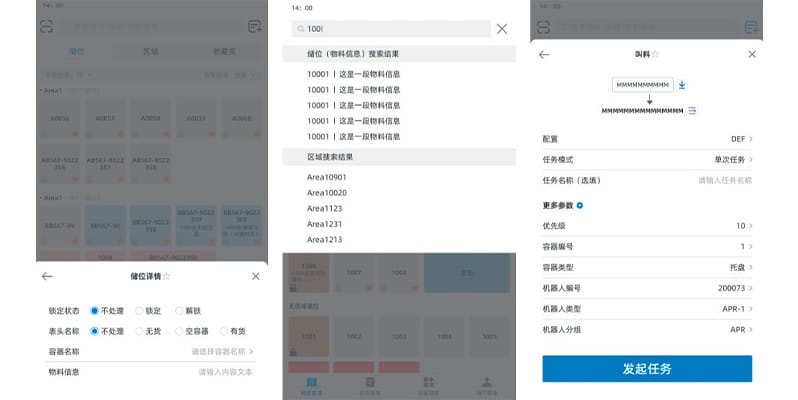
በሞባይል አስተዳደር ውስጥ ዋና ተወዳዳሪነት መገንባት
02.
ለግል የተበጀ የተጠቃሚ አስተዳደር
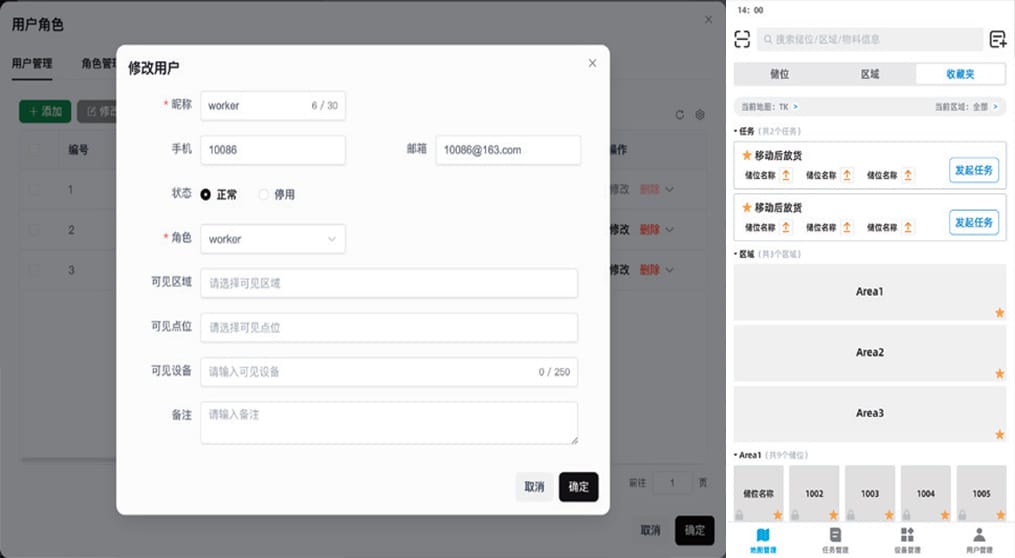
በሞባይል አስተዳደር ውስጥ ዋና ተወዳዳሪነት መገንባት
03.
ለግል የተበጀ ማንቂያ ግፋ
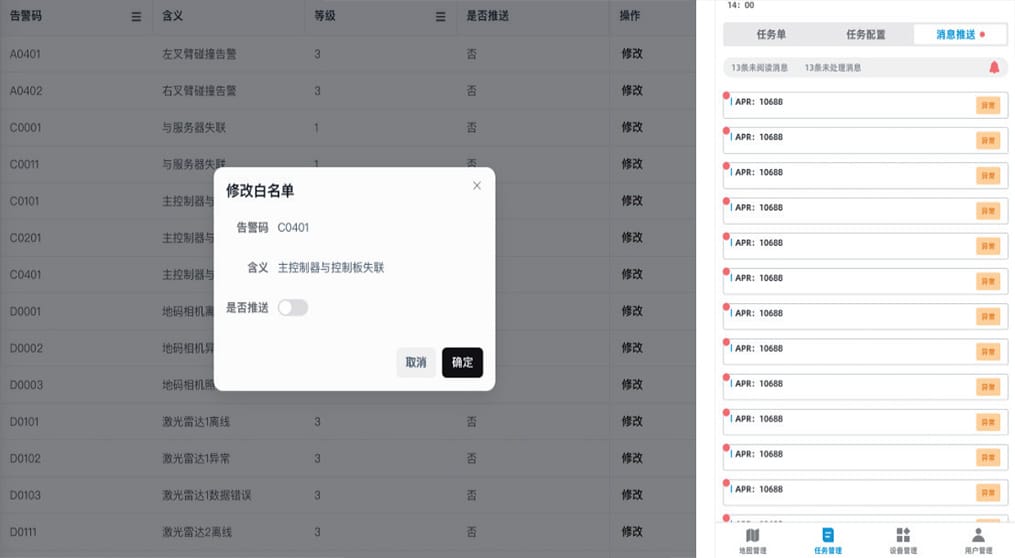
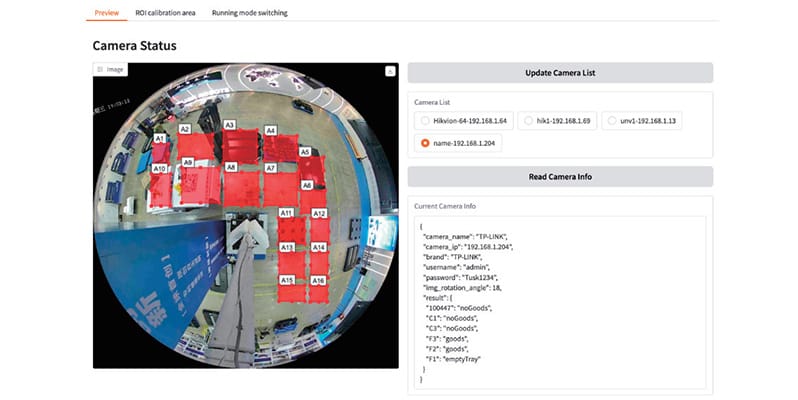
አብዮቱን በብልህነት መምራት
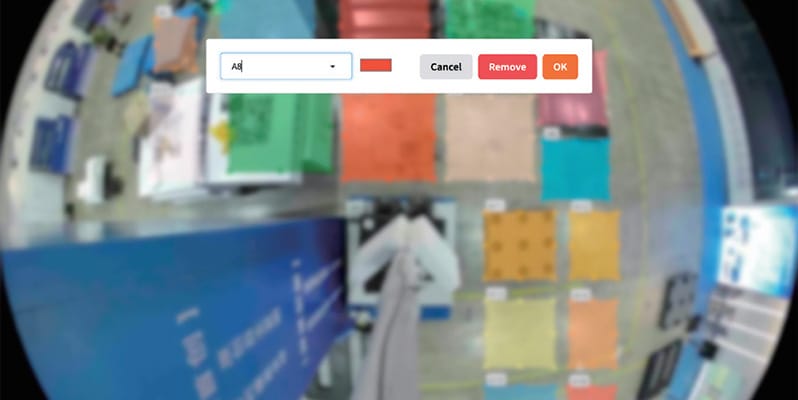
የመጋዘን አካባቢ አስተዳደር
01.
የእውነተኛ ጊዜ ማከማቻ ቦታ ራስ-ሰር ቀስቅሴ ተግባር
አብዮቱን በብልህነት መምራት
የመጋዘን አካባቢ አስተዳደር
02.
የእይታ ውቅር በይነገጽ
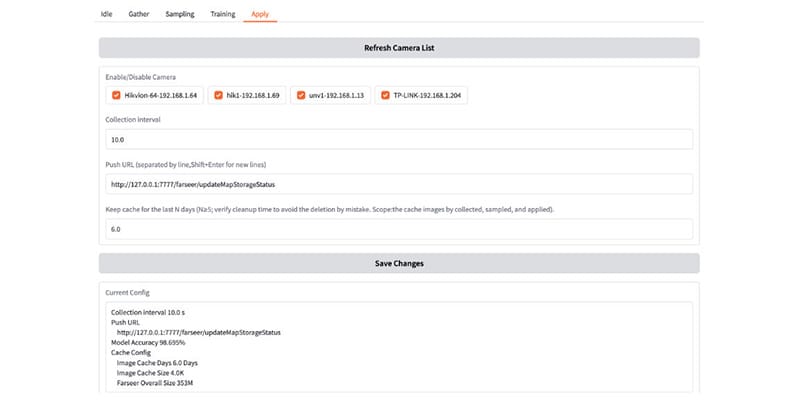
የማሰብ ችሎታ ያለው መጋዘን አካባቢ አስተዳደር ውስጥ አብዮት እየመራ
03.
ብጁ ውቅር
የሎታር ኢንተለጀንት አስተዳደር መድረክ ለስማርት ፋብሪካዎች ማዕከላዊ ስርዓት መገንባት
ሎታር፣ ከታስካር የማሰብ ችሎታ ያለው የአስተዳደር መድረክ፣ ለስማርት ፋብሪካዎች ዲጂታል ማዕከል ሆኖ ያገለግላል። ሊበጁ የሚችሉ የመረጃ ዳሽቦርዶች፣ ባለ ሙሉ የካርታ እይታ፣ የግራፊክ ተግባር እና የመሣሪያዎች የስራ ፍሰቶች፣ የማስመሰል ችሎታዎች፣ በ AI የተጎላበተ አሰራር እና ጥገና፣ ክፍት ባለብዙ ፕሮቶኮል በይነገጾች እና የኦቲኤ ማሻሻያ ድጋፍን በጠቅላላ የህይወት ዑደታቸው ውስጥ የፋብሪካዎች ዲጂታል አስተዳደርን በማጎልበት ያቀርባል።.
የካርታ አስተዳደር
የማዋቀር አስተዳደር
የመዳረሻ አስተዳደር
ተግባር አስተዳደር
የታሪክ መዝገቦች
የመሳሪያ አስተዳደር
ማስመሰል
የውሂብ ዳሽቦርድ
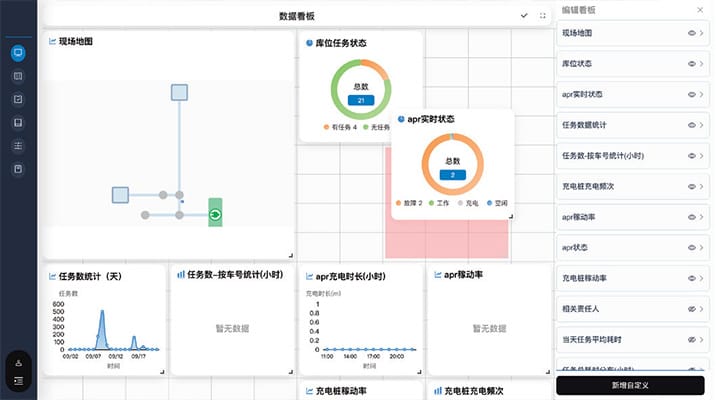
01.
ብጁ የውሂብ ዳሽቦርድ
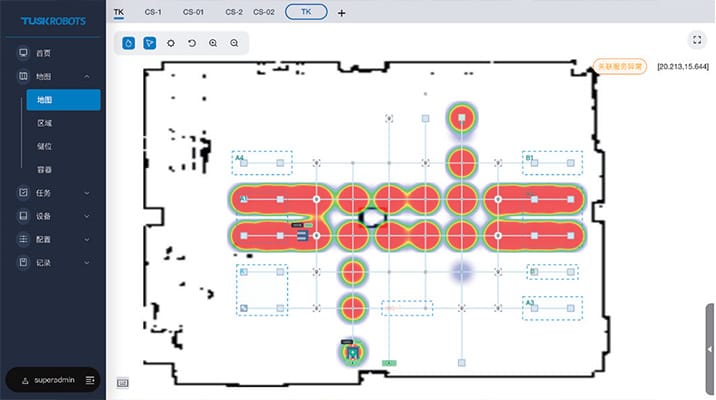
02.
የካርታ እይታ
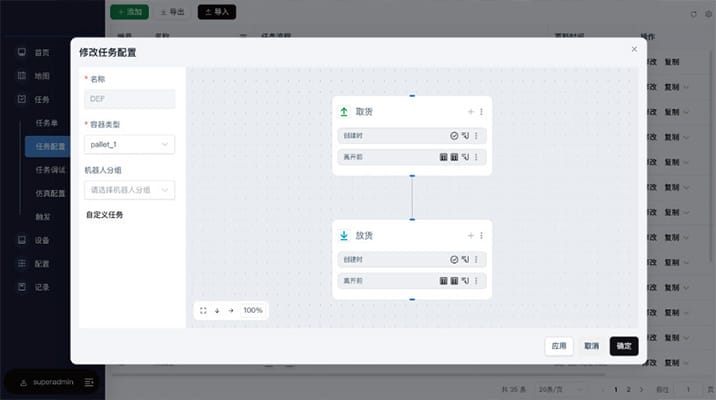
03.
ስዕላዊ የግንባታ ስራ
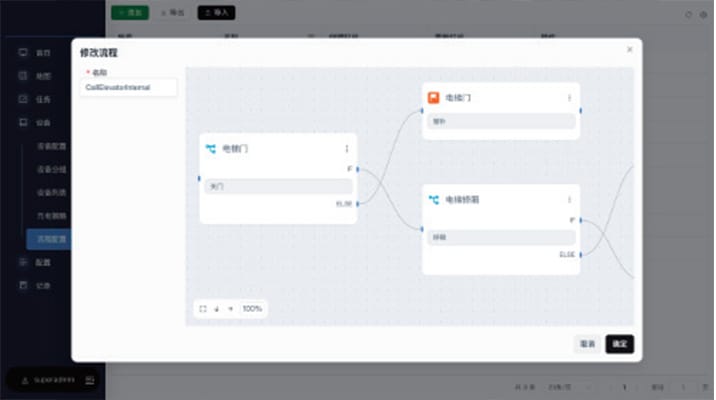
04.
የግራፊክ መሳሪያ ውቅር ሂደት
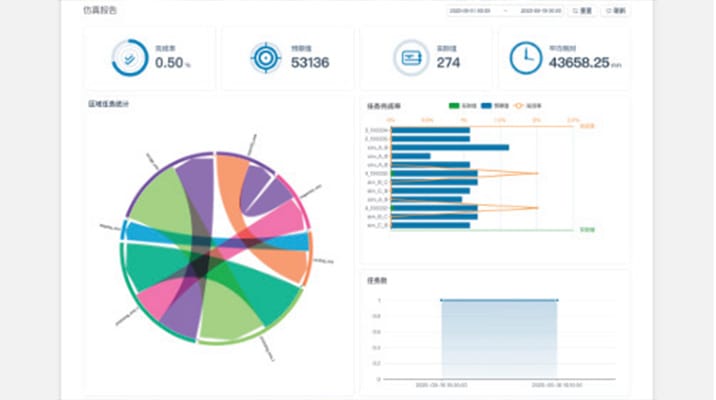
05.
የማስመሰል ምስላዊነት
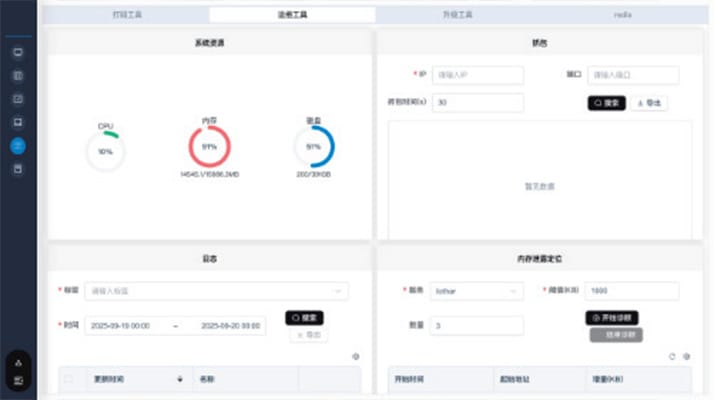
06.
የO&M እይታ
በስማርት ፋብሪካ አውቶሜሽን መመስከርን ማመን
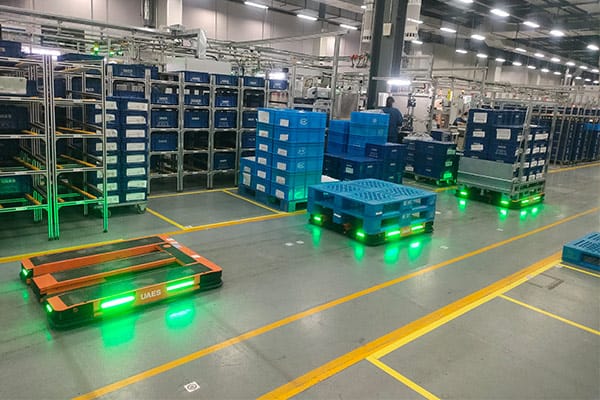
የኤሌክትሮኒክስ ኢንዱስትሪ
የአውቶሞቲቭ ኤሌክትሮኒክስ አዝማሚያ ዲጂታል ፓሌት ሮቦቶችን ለዕፅዋት ሎጅስቲክስ ተመራጭ ያደርገዋል።.
መፍትሄ
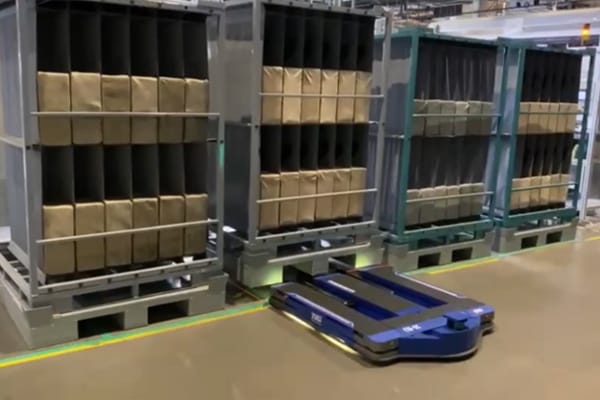
የመኪና ክፍሎች ኢንዱስትሪ
የአውቶሞቲቭ የውስጥ ለውስጥ ፍላጎት መጨመር አቅራቢዎችን ወደ አዲስ የእድገት ከፍታ ያደርሳቸዋል።.
መፍትሄ
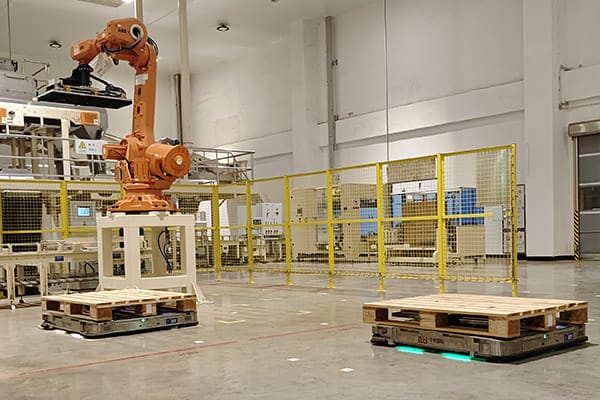
የትምባሆ ኢንዱስትሪ
ከአርባ ዓመታት በላይ ታሪክ ያለው የቻይና የትምባሆ ኢንዱስትሪ የጀርባ አጥንት።.
መፍትሄ
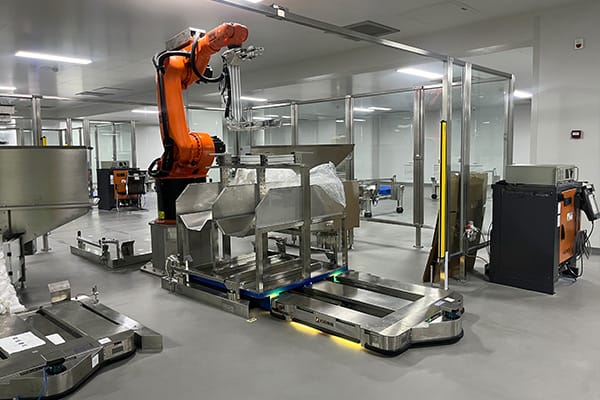
የመድኃኒት ኢንዱስትሪ
በጂኤምፒ መስፈርቶች ምክንያት የመድኃኒት ኢንዱስትሪው አውቶሜሽን ይፈልጋል።.
መፍትሄ
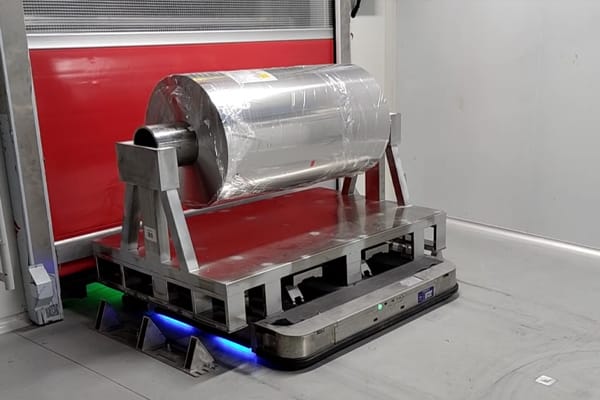
አዲስ የኢነርጂ ኢንዱስትሪ
አዲስ የኃይል ሊቲየም ባትሪ የማምረት አቅም ይጨምራል, አውቶማቲክ ቁልፍ ነው.
መፍትሄ
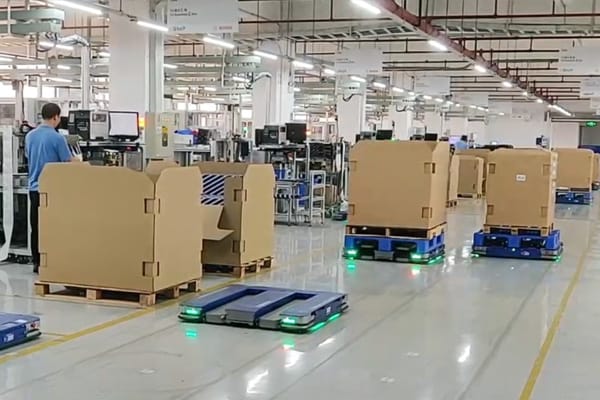
የማምረቻ ኢንዱስትሪ
30,000 ካሬ ሜትር ስፋት ያለው ፋብሪካ ያለው የዋይፐር ክፍሎች በአለም አቀፍ ደረጃ ታዋቂ የሆነ አምራች።.
መፍትሄ
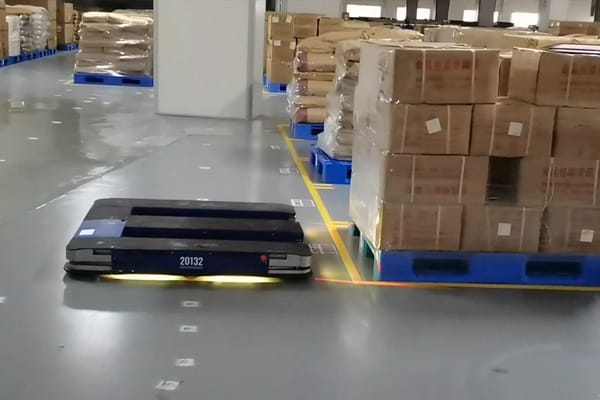
የምግብ ኢንዱስትሪ
ከ60,000 ካሬ ሜትር በላይ የሆነ ዘመናዊ የኢንዱስትሪ ፓርክ ያለው ከፍተኛ ጥራት ያለው የሰንሰለት ዳቦ ቤት ብራንድ ሆኖ ተቀምጧል።.
መፍትሄ
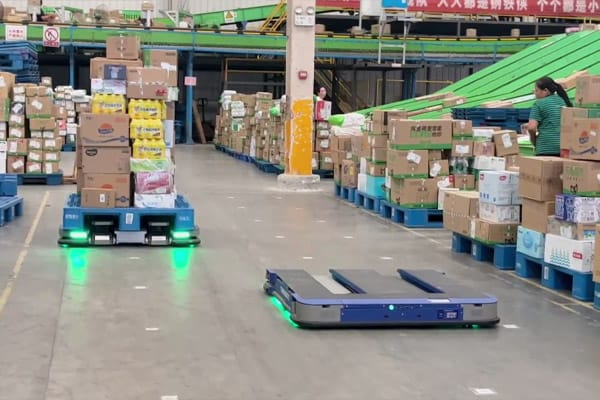
የሎጂስቲክስ ኢንዱስትሪ
የደቡብ ቻይና ሎጅስቲክስ እና ማከፋፈያ ማእከል የአንድ ዋና የሀገር ውስጥ ኢ-ኮሜርስ ኩባንያ
መፍትሄ
የወረቀት ኢንዱስትሪ
ቡድኑ በሀገር ውስጥ የቤት ውስጥ ወረቀት እና የእናቶች እና የህፃናት ንፅህና ምርቶች ኢንዱስትሪ ውስጥ ግንባር ቀደም ድርጅት ነው።.
መፍትሄ
ስማርት ፋብሪካ አውቶሜሽን እምነት
ተጨማሪ የኢንዱስትሪ አውቶሜሽን ለውጥ መንገዶችን ያስሱ; ብጁ መፍትሄዎችን ለመክፈት ጠቅ ያድርጉ።.
የስማርት መሳሪያ ፕሮጀክት ትግበራ
የትግበራ ዝግጅት
የሮቦት/የኃይል መሙያ ጣቢያ ክፍሎች ክምችት፡በቦታው ላይ የወልና፣የመዳረሻ መቆጣጠሪያ፣ኔትወርክ እና የሃይል አቅርቦት ፍተሻ።.
በቦታው ላይ የፕሮጀክት ትግበራ
የመስመር ምልክት ማድረግ እና ኮድ መስጠት፣ የካርታ ፈጠራ እና የፍቃድ ቅንብር፣ የሶፍትዌር እና የሃርድዌር ማረም/የሮቦት ሙከራ አሂድ
ማስጀመር እና ድጋፍ
የተጠቃሚ ስልጠና / ማሰማራት እና የሙከራ ሩጫ ፣ በእጅ / የጥገና ስልጠና ፣ የመቀበል ፊርማ ፣ ከሽያጭ በኋላ ድጋፍ