
ማከማቻህን በAMR Pallet Movers ቀይር
ማውጫ
Autonomous Mobile Robots (AMRs) are transforming modern warehouses and production facilities. Among these, AMR pallet movers have become essential for automating material handling, improving operational efficiency, and reducing labor costs. This guide dives deep into their technology, features, applications, comparisons, and real-world examples to help businesses make informed decisions.
Understanding AMR Pallet Mover: Definition and Core Concepts
What Is an AMR Pallet Mover?
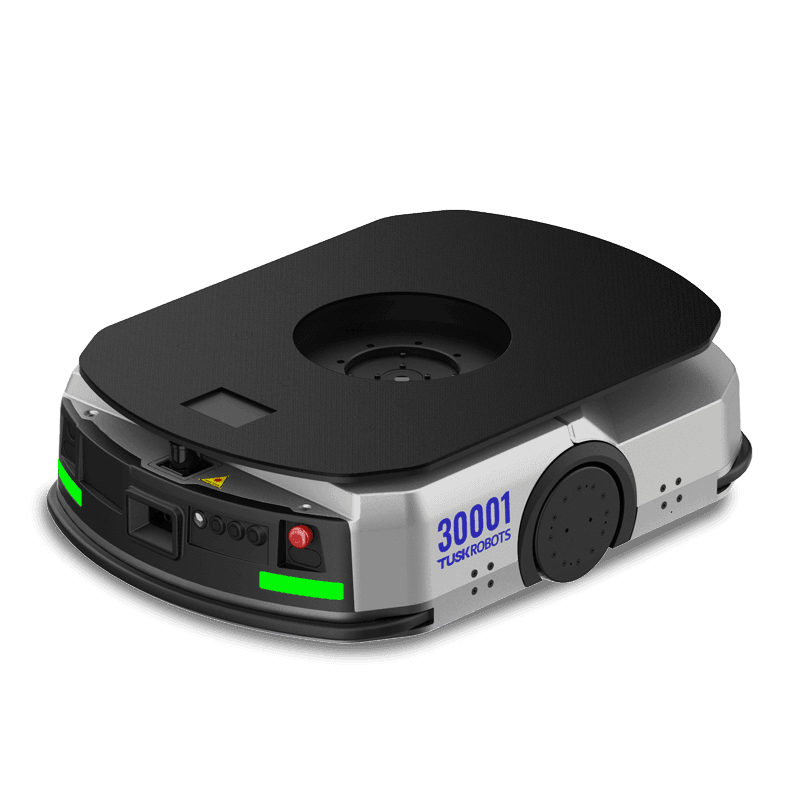
An AMR pallet mover is a self-driving robotic vehicle designed to transport pallets autonomously. Unlike traditional AGVs (Automated Guided Vehicles), it does not rely on fixed tracks, magnetic strips, or predefined paths. Instead, it uses intelligent sensors and AI-driven navigation software to analyze the warehouse environment in real-time. This allows the robot to select optimal routes, avoid obstacles, and adapt to changing warehouse layouts dynamically.
AMR pallet movers are particularly valuable in high-density warehouses, production floors, and logistics centers where manual pallet handling can be inefficient, time-consuming, and prone to human error.
Autonomous Navigation Explained
Navigation for AMR pallet movers relies on advanced technologies such as:
- LiDAR (Light Detection and Ranging): Provides precise distance measurements and environment mapping.
- Vision Cameras: Detect obstacles, markers, and pathways for flexible route planning.
- SLAM (Simultaneous Localization and Mapping): Continuously maps the environment and updates navigation paths in real-time.
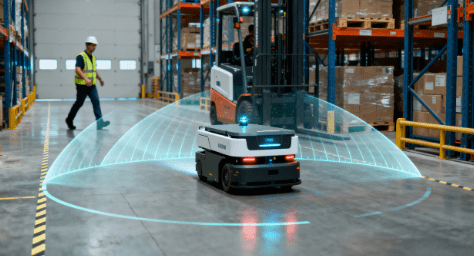
Together, these technologies allow AMR pallet movers to safely operate alongside human workers and other machinery, reducing collision risks while improving operational efficiency.
Load Handling and Performance
AMR pallet movers can carry a wide range of loads, from light pallets in small warehouses to heavy industrial loads exceeding 1500 kg.
- Precision Lifting Mechanisms: Ensure pallets are picked up and deposited smoothly.
- Speed and Stability: Advanced balancing and suspension systems maintain stability even at higher speeds, reducing product damage and improving throughput.
- Customizable Load Platforms: Some models offer adjustable forks or platforms to accommodate different pallet sizes, making them versatile for various industries.
Key Features and Functional Capabilities of AMR Pallet Movers
Intelligent Navigation and Obstacle Avoidance
AMR pallet movers detect people, obstacles, and other robots in real-time. Their adaptive path-planning software enables dynamic rerouting, which:
- Minimizes downtime caused by blocked pathways.
- Reduces collision risks.
- Optimizes traffic flow for multi-robot operations.
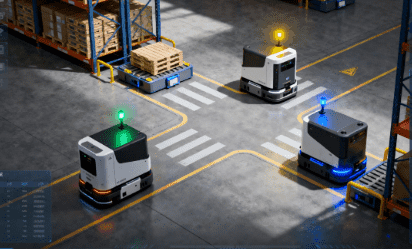
This flexibility is one of the key differentiators from conventional AGVs, which follow fixed routes and cannot easily adapt to changing warehouse conditions.
Integration with Warehouse Management Systems
Modern AMR pallet movers integrate seamlessly with WMS, ERP, and MES platforms. Key benefits include:
- Automatic Task Assignment: Orders and pallet movements are assigned dynamically based on real-time demand.
- Inventory Tracking: Robots can update stock locations automatically, providing accurate, up-to-date inventory data.
- Workflow Optimization: The system can prioritize critical tasks, reducing delays and increasing operational efficiency.
Battery Life and Power Management
AMR pallet movers come equipped with high-capacity rechargeable batteries. Depending on the model and load:
- Operational Time: Can range from 4 to 12 hours per charge.
- Automated Docking: Some systems feature automated charging stations, enabling continuous 24/7 operations without manual intervention.
- Energy Efficiency: AI-based route optimization reduces unnecessary movements, conserving battery life and lowering operational costs.
ዓይነቶች AMR Pallet Movers
Navigation-Based Variants
AMR pallet movers differ in navigation technologies:
- Laser-guided systems provide high precision for complex layouts.
- Vision-guided models use cameras and markers for flexible movement.
- Hybrid systems combine laser and vision for maximum adaptability.
Load and Application-Based Variants
Robots are also categorized by load capacity and application:
- Light-load AMRs handle small warehouses and loads up to 500 kg.
- Medium-load AMRs are suitable for standard warehouses and manufacturing lines with loads from 500–1500 kg.
- Heavy-load AMRs carry 1500 kg or more, ideal for industrial production lines.
Applications of AMR Pallet Movers in Industry
Warehouse Automation
AMR pallet movers automate repetitive pallet transport tasks, allowing warehouse teams to focus on more complex processes.
- E-Commerce Fulfillment: Rapid movement of products from storage to packing stations increases throughput.
- High-Density Warehouses: Reduces congestion by optimizing robot routes.
- Cost Reduction: Minimizes labor costs and lowers human error rates.
Production Line Material Handling
In manufacturing environments, AMR pallet movers can transport raw materials, components, and semi-finished products between workstations:
- On-Demand Delivery: Ensures materials are delivered precisely when needed, reducing production downtime.
- Flexible Deployment: Can adjust routes if the production line layout changes.
- Safety Enhancement: Reduces forklift traffic, minimizing accident risks on the shop floor.
Multi-Robot Coordination
Advanced AMR systems enable multiple pallet movers to operate in a single facility efficiently:
- Task Sharing: Robots communicate in real-time to distribute workload evenly.
- Dynamic Traffic Management: Prevents collisions and congestion in narrow aisles.
- Scalability: New robots can be added without major infrastructure changes, supporting business growth.
Technical Parameter Comparison Table
The following table provides a side-by-side comparison of different AMR pallet mover models based on load, navigation, speed, battery life, and operational suitability:
| Feature | Light-Load AMR | Medium-Load AMR | Heavy-Load AMR |
|---|---|---|---|
| Max Load | 500 kg | 500–1500 kg | 1500+ kg |
| Navigation | Vision / Marker | Laser / Hybrid | Laser / Hybrid |
| Max Speed | 1.0–1.5 m/s | 1.2–2.0 m/s | 1.0–1.5 m/s |
| የባትሪ ህይወት | 4–6 hours | 6–10 hours | 8–12 hours |
| Integration | WMS / ERP | WMS / MES | WMS / MES |
| Obstacle Avoidance | Standard | Advanced | Advanced |
| Deployment Complexity | Low | Medium | High |
| Cost | Low | Medium | High |
Real-World Case Studies of AMR Pallet Movers
Case Study 1 — Automotive Parts Warehouse
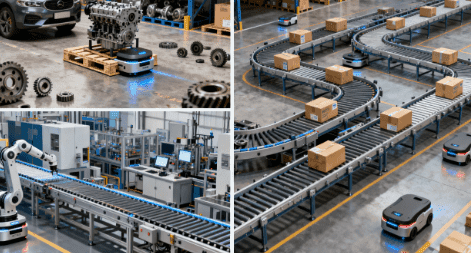
A Tier-1 automotive supplier implemented medium-load AMR pallet movers to transport parts from storage to assembly lines. Previously, human operators moved pallets manually, creating bottlenecks. After deploying AMRs, throughput increased by 35%, and workplace injuries decreased by 40%.
Case Study 2 — E-Commerce Fulfillment Center
A large e-commerce company used light-load AMRs to move small palletized orders between storage and packaging zones. AMRs replaced forklifts in narrow aisles, improving order picking speed by 25% while reducing labor costs.
Case Study 3 — Industrial Manufacturing Plant
Heavy-load AMRs were deployed to transport raw steel coils and heavy components between production stages. This eliminated the need for forklifts, reduced downtime, and increased the line’s operational efficiency by 30%. The automated system also allowed real-time tracking of all materials, improving inventory accuracy.
AMR vs AGV: Key Differences for Decision Making
Navigation and Flexibility
AGVs follow fixed routes using magnetic strips or rails, limiting flexibility. AMRs navigate dynamically, adjusting to changes in warehouse layouts or unexpected obstacles. This flexibility makes AMRs ideal for complex and evolving facilities.
Deployment Speed and Cost Efficiency
AMRs require less fixed infrastructure, making deployment faster. While initial costs may be higher than AGVs, the long-term benefits of flexibility, reduced downtime, and labor savings often offset the initial investment.
How to Choose the Right AMR Pallet Mover
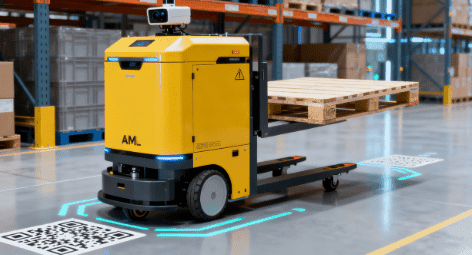
Matching Load and Application Needs
Select a model capable of handling peak loads safely. Consider your workflow, maximum pallet weight, and the frequency of transport.
Environmental Considerations
Floor type, warehouse layout, aisle width, and obstacles all influence navigation method selection. Laser-guided AMRs excel in open areas, while vision-guided models work well in compact spaces.
Integration and Scalability
Evaluate how the AMR system communicates with WMS, ERP, or MES. Choose scalable solutions that can coordinate multiple robots and expand as your operations grow.
ማጠቃለያ
AMR pallet movers provide a safe, flexible, and scalable solution for automating pallet transport and material handling. Selecting the right model requires considering load capacity, navigation technology, warehouse layout, and integration needs. By implementing AMRs, businesses can reduce labor costs, improve throughput, and future-proof their operations.
Need personalized advice on choosing the right AMR pallet mover for your facility? Contact our engineers to get a customized solution tailored to your operational requirements. Our team can guide you on model selection, workflow optimization, and long-term ROI improvement.
የሚጠየቁ ጥያቄዎች
Q1. What is the typical load capacity of an AMR pallet mover?
Load capacity ranges from 500 kg for light-load models to over 1500 kg for heavy-duty industrial models.
Q2. Can AMR pallet movers safely operate alongside humans?
Yes, they are equipped with sensors and AI to detect obstacles, reroute, and stop if necessary, ensuring safety.
Q3. How do AMR pallet movers navigate without tracks or rails?
They use LiDAR, cameras, and SLAM algorithms to map the environment in real-time and plan optimal paths.
Q4. Are AMR pallet movers more flexible than AGVs?
Yes, AMRs can adapt to layout changes and dynamic environments, unlike AGVs which require fixed infrastructure.
Q5. How long can AMR pallet movers operate before recharging?
Depending on load and model, battery life ranges from 4 to 12 hours, with some models supporting automated docking stations.
Q6. Can multiple AMR pallet movers coordinate in the same warehouse?
Yes, advanced systems allow multi-robot coordination, improving efficiency and reducing congestion.
Q7. Are AMR pallet movers cost-effective for small and medium warehouses?
Light- and medium-load AMRs can significantly reduce labor costs and improve throughput, offering a short ROI.
Q8. How difficult is it to integrate AMRs with existing WMS or ERP systems?
Modern AMRs come with APIs or direct integrations for seamless communication and workflow optimization.
Q9. Can AMR pallet movers handle uneven floors or minor obstacles?
Some models feature adaptive suspension and robust wheels to manage small floor irregularities safely.
Q10. Which industries benefit most from AMR pallet movers?
Warehousing, e-commerce, manufacturing, automotive, electronics, and FMCG industries benefit greatly from reduced labor, higher efficiency, and safer operations.
ከእኛ ጋር እንደተገናኙ ይቆዩ
TUSKROBOTS፡ መሪ ኢንተለጀንት አውቶሜሽን መፍትሄዎች
ስላነበቡ እናመሰግናለን! ይህ ብሎግ ስለ ኢንተለጀንት መጋዘን እና ሎጅስቲክስ አውቶሜሽን መፍትሄዎች ጠቃሚ ግንዛቤዎችን ሰጥቷል ብለን ተስፋ እናደርጋለን። የኢንዱስትሪ አያያዝን ቀላል እና ቀልጣፋ በማድረግ ብልህ ፋብሪካዎችን እና ብልህ ሎጅስቲክስን ለማብቃት ቁርጠናል።.
በእኛ የላቀ አውቶሜትድ የፓሌት አያያዝ እና ሮቦቶች መልቀም ላይ ወቅታዊ መረጃ ለማግኘት ማህበረሰባችንን ይቀላቀሉ።.
📘 ተከታተሉን። ፌስቡክ, ኢንስታግራም, እና ቲክቶክ.
ውይይቱን እንቀጥል - እዚያ እንገናኝ!
የቅርብ ጊዜ ልጥፍ

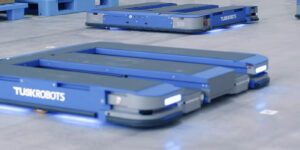
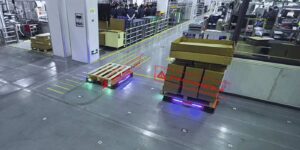
የእውቂያ መረጃ
2ኛ ፎቅ Xingzhhongchuang Xiabei High-tech Industry Center A1, Nanhai District, Foshan, China
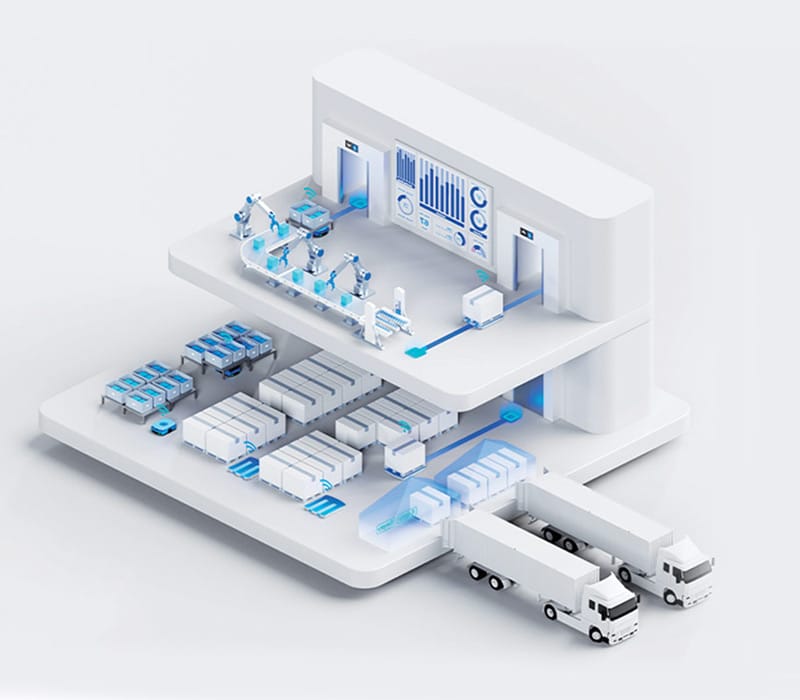
የተሟላ የማሰብ ችሎታ ያለው የሎጂስቲክስ አስተዳደር እና ቁጥጥር ስርዓት
መላውን "ስርዓት - መድረክ - ሃርድዌር" ሰንሰለት ያገናኛል፣ ከዋና ዋና የኢንዱስትሪ ስርዓቶች ጋር ተኳሃኝ ነው፣ እና የማሰብ ችሎታ ያለው ሃርድዌርን በማገናኘት ለጠቅላላው የሎጂስቲክስ ሂደት የማሰብ ችሎታ ያለው አስተዳደር እና የውጤታማነት ማሻሻያዎችን ለማግኘት።.
የሚስማማው
በሞባይል አስተዳደር ውስጥ ዋና ተወዳዳሪነት መገንባት
01.
ብጁ የውሂብ ዳሽቦርድ
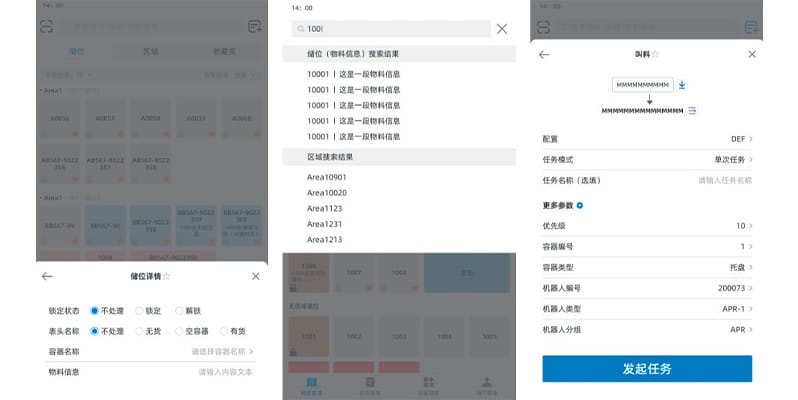
በሞባይል አስተዳደር ውስጥ ዋና ተወዳዳሪነት መገንባት
02.
ለግል የተበጀ የተጠቃሚ አስተዳደር
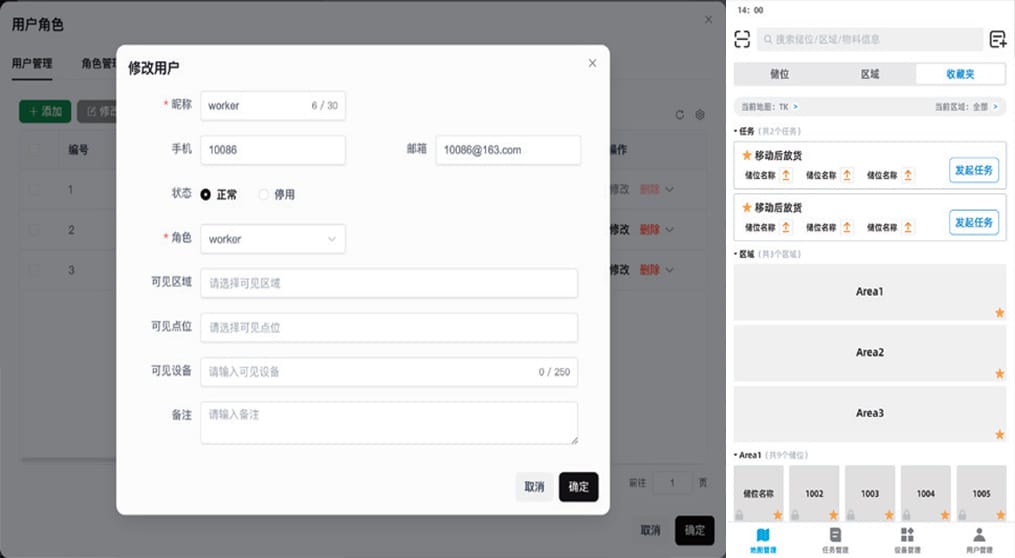
በሞባይል አስተዳደር ውስጥ ዋና ተወዳዳሪነት መገንባት
03.
ለግል የተበጀ ማንቂያ ግፋ
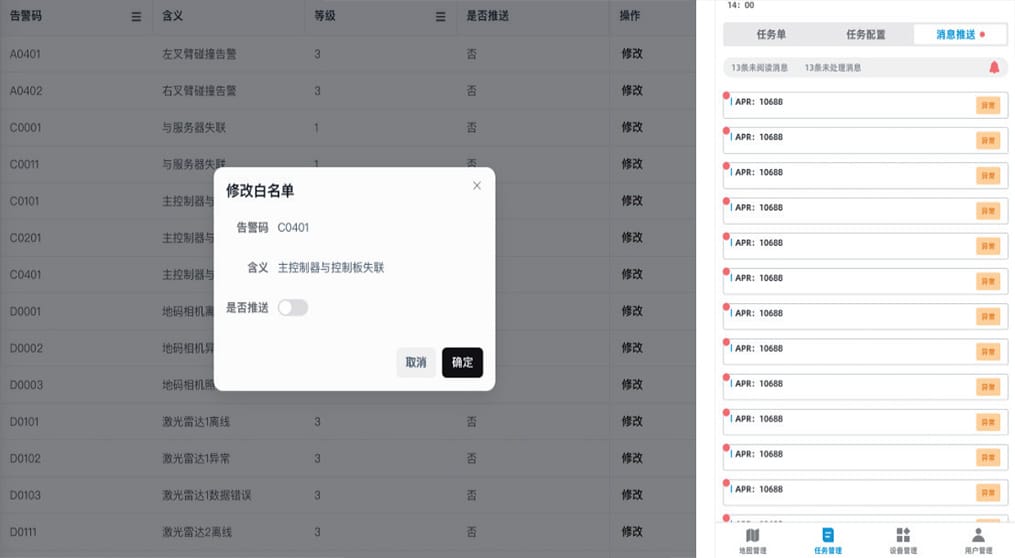
አብዮቱን በብልህነት መምራት
የመጋዘን አካባቢ አስተዳደር
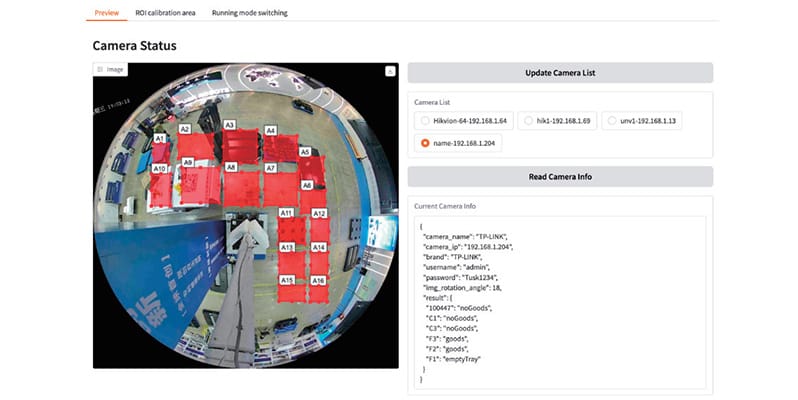
01.
የእውነተኛ ጊዜ ማከማቻ ቦታ ራስ-ሰር ቀስቅሴ ተግባር
አብዮቱን በብልህነት መምራት
የመጋዘን አካባቢ አስተዳደር
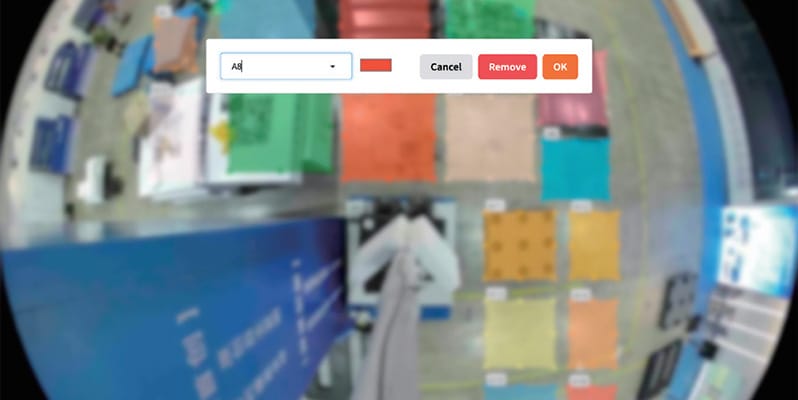
02.
የእይታ ውቅር በይነገጽ
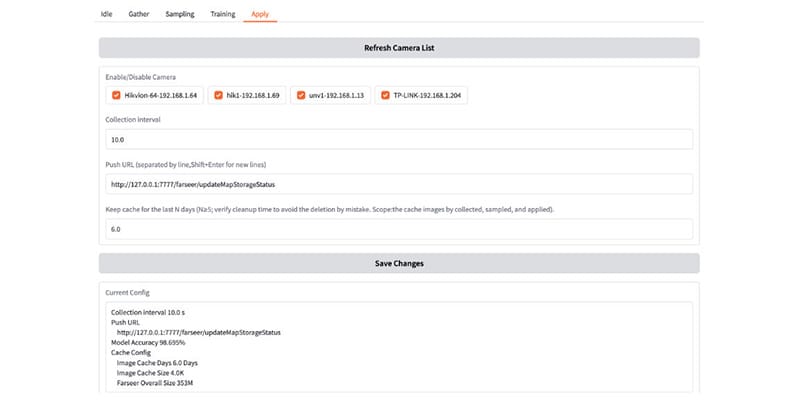
የማሰብ ችሎታ ያለው መጋዘን አካባቢ አስተዳደር ውስጥ አብዮት እየመራ
03.
ብጁ ውቅር
የሎታር ኢንተለጀንት አስተዳደር መድረክ ለስማርት ፋብሪካዎች ማዕከላዊ ስርዓት መገንባት
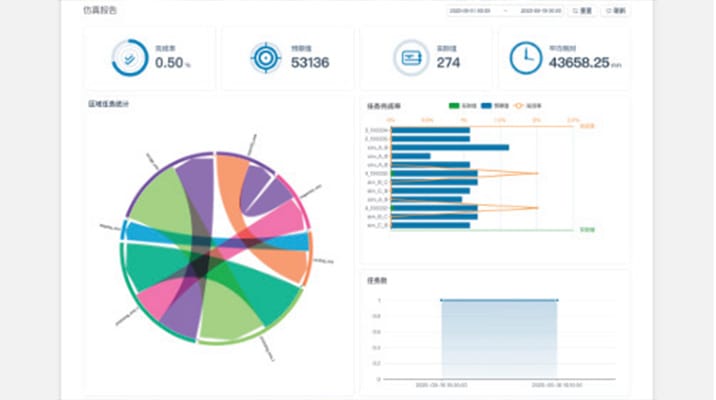
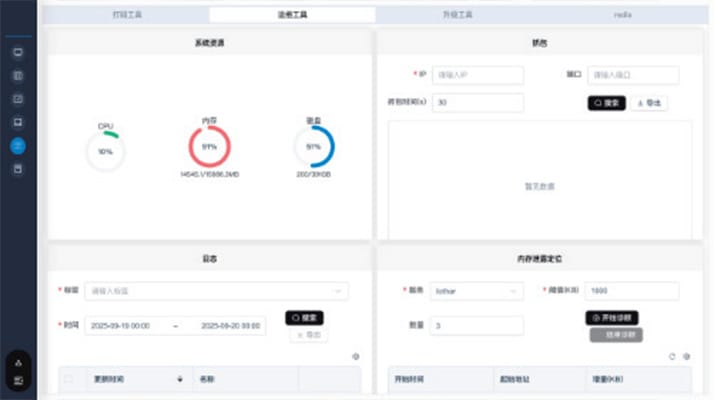
ሎታር፣ ከታስካር የማሰብ ችሎታ ያለው የአስተዳደር መድረክ፣ ለስማርት ፋብሪካዎች ዲጂታል ማዕከል ሆኖ ያገለግላል። ሊበጁ የሚችሉ የመረጃ ዳሽቦርዶች፣ ባለ ሙሉ የካርታ እይታ፣ የግራፊክ ተግባር እና የመሣሪያዎች የስራ ፍሰቶች፣ የማስመሰል ችሎታዎች፣ በ AI የተጎላበተ አሰራር እና ጥገና፣ ክፍት ባለብዙ ፕሮቶኮል በይነገጾች እና የኦቲኤ ማሻሻያ ድጋፍን በጠቅላላ የህይወት ዑደታቸው ውስጥ የፋብሪካዎች ዲጂታል አስተዳደርን በማጎልበት ያቀርባል።.
የካርታ አስተዳደር
የማዋቀር አስተዳደር
የመዳረሻ አስተዳደር
ተግባር አስተዳደር
የታሪክ መዝገቦች
የመሳሪያ አስተዳደር
ማስመሰል
የውሂብ ዳሽቦርድ
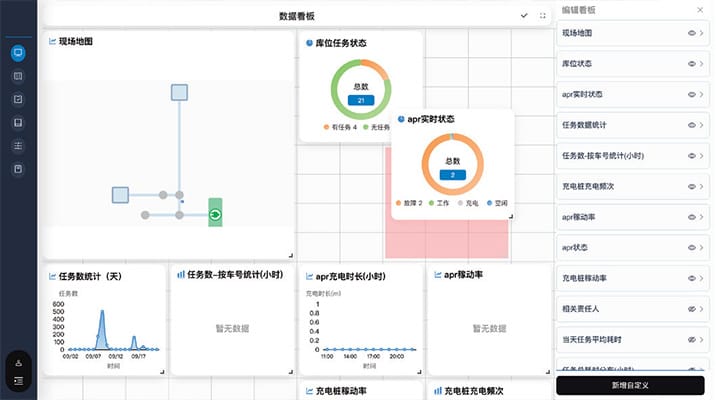
01.
ብጁ የውሂብ ዳሽቦርድ
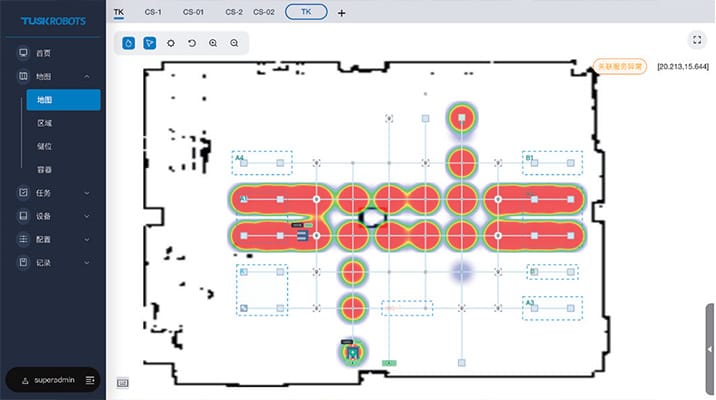
02.
የካርታ እይታ

03.
ስዕላዊ የግንባታ ስራ
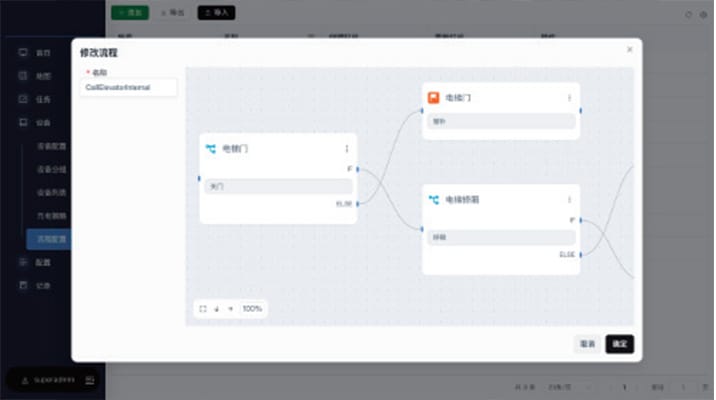
04.
የግራፊክ መሳሪያ ውቅር ሂደት
05.
የማስመሰል ምስላዊነት
06.
የO&M እይታ
በስማርት ፋብሪካ አውቶሜሽን መመስከርን ማመን
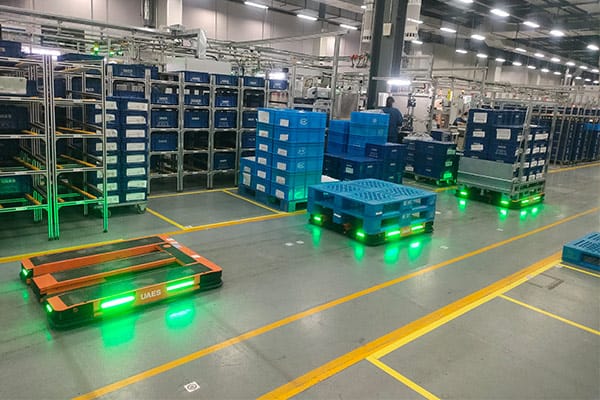
የኤሌክትሮኒክስ ኢንዱስትሪ
የአውቶሞቲቭ ኤሌክትሮኒክስ አዝማሚያ ዲጂታል ፓሌት ሮቦቶችን ለዕፅዋት ሎጅስቲክስ ተመራጭ ያደርገዋል።.
መፍትሄ
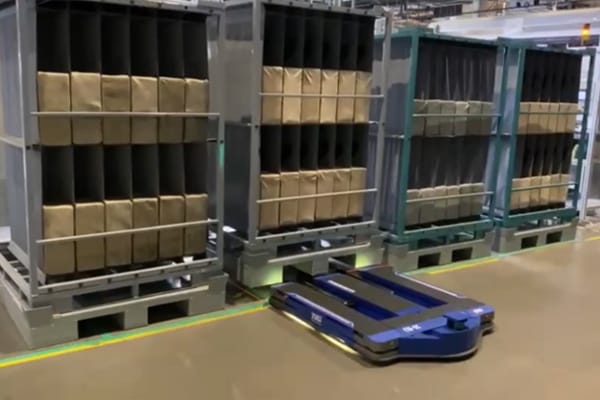
የመኪና ክፍሎች ኢንዱስትሪ
የአውቶሞቲቭ የውስጥ ለውስጥ ፍላጎት መጨመር አቅራቢዎችን ወደ አዲስ የእድገት ከፍታ ያደርሳቸዋል።.
መፍትሄ
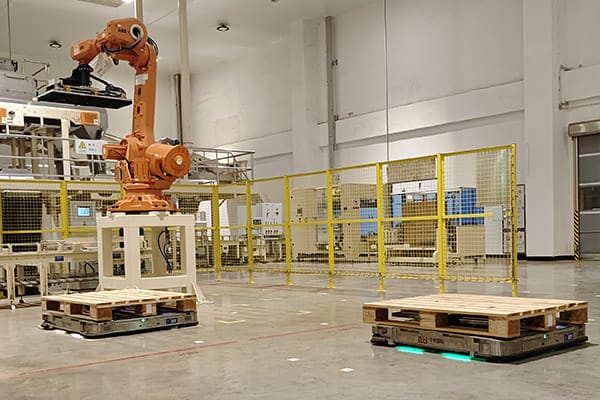
የትምባሆ ኢንዱስትሪ
ከአርባ ዓመታት በላይ ታሪክ ያለው የቻይና የትምባሆ ኢንዱስትሪ የጀርባ አጥንት።.
መፍትሄ
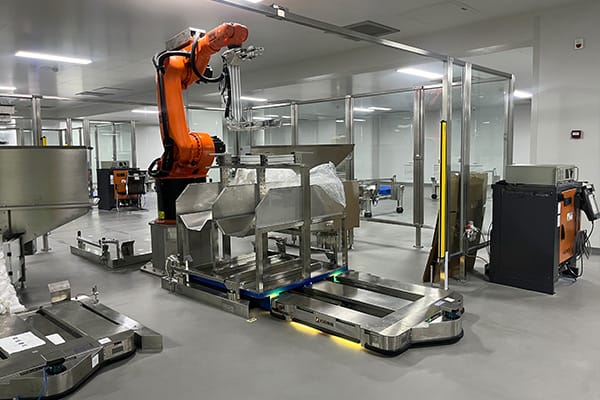
የመድኃኒት ኢንዱስትሪ
በጂኤምፒ መስፈርቶች ምክንያት የመድኃኒት ኢንዱስትሪው አውቶሜሽን ይፈልጋል።.
መፍትሄ
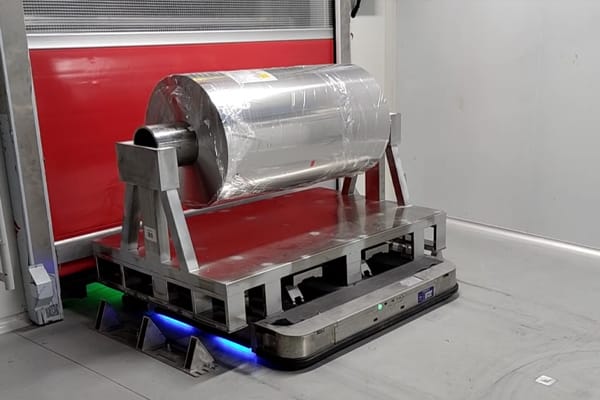
አዲስ የኢነርጂ ኢንዱስትሪ
አዲስ የኃይል ሊቲየም ባትሪ የማምረት አቅም ይጨምራል, አውቶማቲክ ቁልፍ ነው.
መፍትሄ
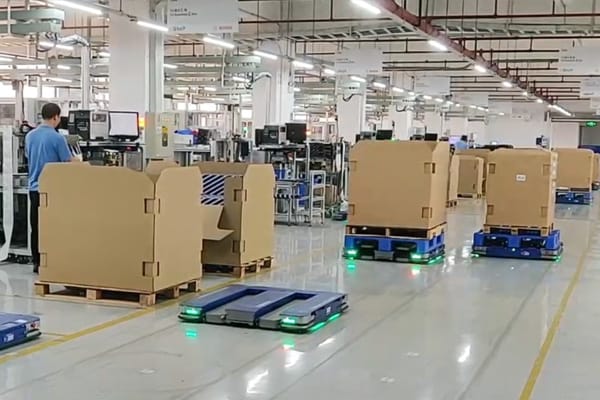
የማምረቻ ኢንዱስትሪ
30,000 ካሬ ሜትር ስፋት ያለው ፋብሪካ ያለው የዋይፐር ክፍሎች በአለም አቀፍ ደረጃ ታዋቂ የሆነ አምራች።.
መፍትሄ
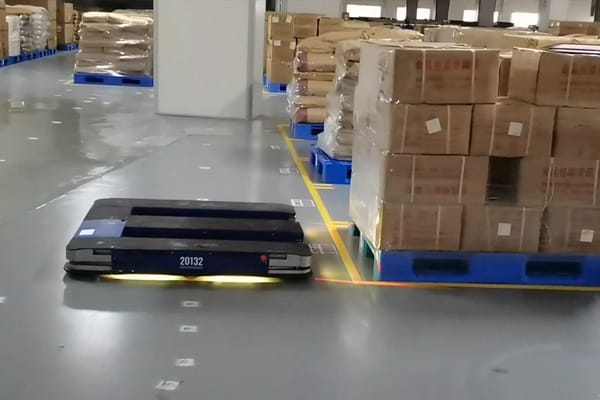
የምግብ ኢንዱስትሪ
ከ60,000 ካሬ ሜትር በላይ የሆነ ዘመናዊ የኢንዱስትሪ ፓርክ ያለው ከፍተኛ ጥራት ያለው የሰንሰለት ዳቦ ቤት ብራንድ ሆኖ ተቀምጧል።.
መፍትሄ
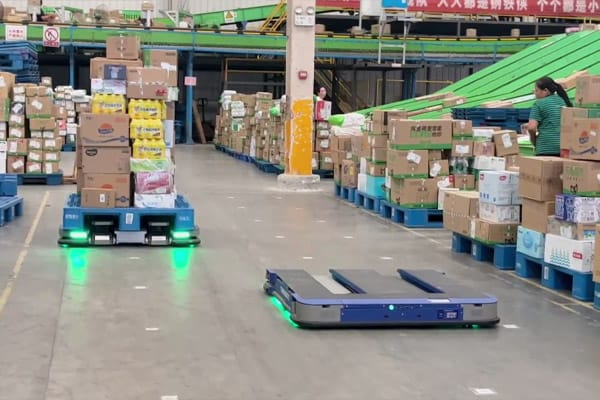
የሎጂስቲክስ ኢንዱስትሪ
የደቡብ ቻይና ሎጅስቲክስ እና ማከፋፈያ ማእከል የአንድ ዋና የሀገር ውስጥ ኢ-ኮሜርስ ኩባንያ
መፍትሄ
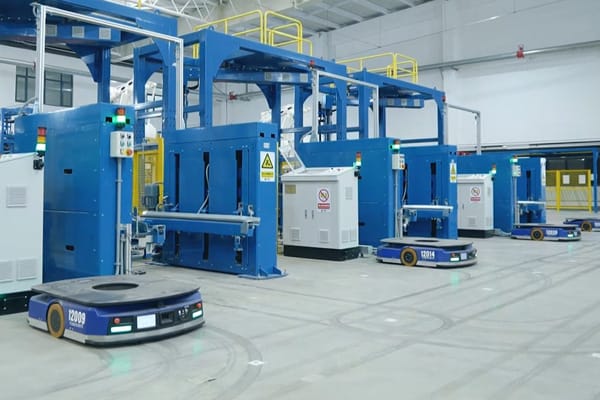
የወረቀት ኢንዱስትሪ
ቡድኑ በሀገር ውስጥ የቤት ውስጥ ወረቀት እና የእናቶች እና የህፃናት ንፅህና ምርቶች ኢንዱስትሪ ውስጥ ግንባር ቀደም ድርጅት ነው።.
መፍትሄ
ስማርት ፋብሪካ አውቶሜሽን እምነት
ተጨማሪ የኢንዱስትሪ አውቶሜሽን ለውጥ መንገዶችን ያስሱ; ብጁ መፍትሄዎችን ለመክፈት ጠቅ ያድርጉ።.
የስማርት መሳሪያ ፕሮጀክት ትግበራ
የትግበራ ዝግጅት
የሮቦት/የኃይል መሙያ ጣቢያ ክፍሎች ክምችት፡በቦታው ላይ የወልና፣የመዳረሻ መቆጣጠሪያ፣ኔትወርክ እና የሃይል አቅርቦት ፍተሻ።.
በቦታው ላይ የፕሮጀክት ትግበራ
የመስመር ምልክት ማድረግ እና ኮድ መስጠት፣ የካርታ ፈጠራ እና የፍቃድ ቅንብር፣ የሶፍትዌር እና የሃርድዌር ማረም/የሮቦት ሙከራ አሂድ
ማስጀመር እና ድጋፍ
የተጠቃሚ ስልጠና / ማሰማራት እና የሙከራ ሩጫ ፣ በእጅ / የጥገና ስልጠና ፣ የመቀበል ፊርማ ፣ ከሽያጭ በኋላ ድጋፍ