

6 Safe agv pallet truck Practices
A Strong Introduction That Hooks the Reader
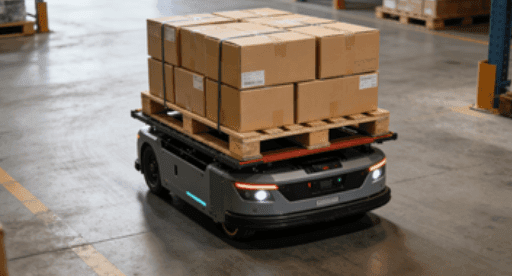
Imagine this: an automated pallet truck is moving smoothly through your warehouse, carrying heavy loads, navigating tight aisles, and working silently without breaks. Then suddenly, a near-miss happens—someone steps into the lane, the AGV stops abruptly, and productivity drops for the next hour.
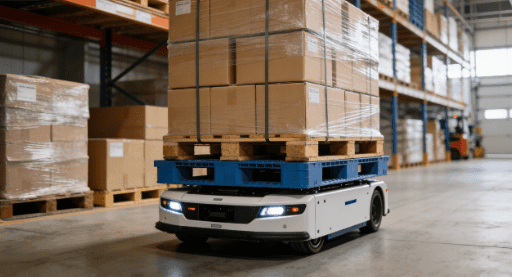
This is not a rare scenario. In modern warehouses, agv pallet truck systems are becoming common, but safety is still the number one reason why automation projects fail or underperform.
The truth is simple: automation does not automatically equal safety. Without proper practices, an agv pallet truck can create new risks—especially in environments where humans and robots share the same floor. This guide will help you understand the most important safety practices that protect workers, reduce downtime, and maintain high productivity.
You’ll learn six proven safety practices, supported by practical data, comparisons, and real-world examples. If you want a safer, more efficient warehouse operation, this guide is for you.
Key Points You Will Learn
- Why safety is the most critical factor in agv pallet truck deployment
- Six practical safety practices that prevent accidents and downtime
- How to build a safety culture around automated vehicles
- Real-world data and benchmarks for safe operation
- Comparisons to help you choose the best safety setup
- A complete FAQ section with user-style questions
ማውጫ
Why Safety Matters with an agv pallet truck
The Automation Paradox
Automation improves efficiency, but it also introduces new risks. An agv pallet truck is designed to work without human intervention, but it still operates in the same physical space as people. When this coexistence is not properly managed, accidents happen.
In a mixed environment, the main risk is not the AGV itself, but human unpredictability—sudden movements, distraction, and unclear traffic rules.
The True Cost of Safety Failure
A safety incident does not just cause injuries. It also causes:
- Production downtime
- Equipment repair costs
- Insurance claims and legal risks
- Loss of trust among employees
- Increased operational disruptions
Studies show that workplace accidents can reduce productivity by up to 30% in affected facilities. Even minor incidents can cause delays and a long recovery period.
The Concept of “Human-Robot Coexistence”
Predictable Movement Patterns
When humans and AGVs share the same area, the key to safety is predictable movement. This means the AGV must follow clearly defined routes and the humans must understand where they can and cannot enter.
Predictable movement reduces the risk of collisions and helps operators anticipate AGV behavior.
The Role of Zoning
Zoning is one of the most effective safety strategies. It separates the warehouse into:
- AGV-only zones
- Human-only zones
- Shared zones with speed restrictions
When zones are clearly marked and enforced, the risk of accidents drops significantly.
Safe Practice 1: Pre-Operation Inspection
What to Check Before Start
A daily inspection prevents small issues from turning into big problems. Operators should check:
- Battery level and charging status
- Sensor cleanliness and alignment
- Wheel condition and tread wear
- Load stability and weight distribution
- Emergency stop function
Why Inspection Is a Key Safety Step
A simple pre-operation check helps ensure that the agv pallet truck is functioning correctly before it starts moving. This step is critical because AGVs cannot always detect subtle mechanical issues, especially if sensors are blocked or dirty.
Example Inspection Checklist
A typical pre-operation checklist includes:
| ንጥል | Check Criteria | Why It Matters |
|---|---|---|
| Battery | ≥ 80% for full shift | Avoid unexpected shutdown |
| Sensors | Clean and aligned | Prevent detection errors |
| Wheels | No cracks or uneven wear | Ensure stable movement |
| Load | Centered & secure | Prevent tipping |
| Emergency Stop | Works immediately | Last-line safety |
Safe Practice 2: Proper Load Handling

Load Stability Concept
Load stability is not just about weight. It is about balance, center of gravity, and load shape. A heavy load that is unevenly distributed can easily cause tipping, especially when the AGV turns.
Practical Load Rules
To ensure safe load handling:
- Keep loads within rated capacity
- Ensure the load is centered and stable
- Avoid stacking too high or unevenly
- Secure loads with straps if necessary
Load Handling Data
A common safety benchmark is that the load should not exceed 80% of the rated capacity when the center of gravity is uncertain. This buffer reduces tipping risk during sudden stops or turns.
Safe Practice 3: Clear Route Planning
Why Route Planning Matters
Route planning is not just a technical setup. It is a safety strategy. Many AGV incidents occur because routes are not clearly defined or because the environment changes over time (new pallets, temporary barriers, or changing workflows).
Key Route Planning Principles
- Separate human traffic lanes from AGV lanes
- Mark crossing points clearly
- Use speed reduction zones near high-traffic areas
- Avoid tight turns with heavy loads
Example Route Strategy
A good route planning strategy includes:
- Main lanes for fast movement
- Slow lanes for shared areas
- Dedicated loading/unloading zones
- Clear signage and floor markings
Safe Practice 4: Speed and Distance Control
The Concept of Safe Following Distance
The faster the AGV moves, the longer it takes to stop. This is especially important when the vehicle is carrying heavy loads.
A general safety rule is:
- At 1 m/s speed, stopping distance may be 1–2 meters
- At 2 m/s speed, stopping distance can exceed 4–5 meters
How to Implement Speed Control
To maintain safe operation:
- Use speed limits in crowded zones
- Reduce speed near corners and intersections
- Implement automatic braking systems
Why Speed Control Improves Safety
Speed control reduces the risk of collisions and gives both humans and AGVs more time to react.
Safe Practice 5: Sensor and Navigation Maintenance
Why Sensor Maintenance Is Critical
Sensors are the “eyes” of an agv pallet truck. If sensors are dirty, misaligned, or damaged, the AGV may fail to detect obstacles.
Maintenance Best Practices
- Clean sensor surfaces regularly
- Check alignment and calibration
- Replace damaged sensor components promptly
Sensor Reliability Data
A study in automated logistics shows that sensor-related errors account for up to 40% of AGV incidents in facilities with poor maintenance practices. This highlights the importance of routine checks.
Safe Practice 6: Emergency Stop and Safety Training
Emergency Stop Concept
Emergency stop systems are the last line of defense. Every operator and worker should understand how to activate it and when to use it.
Training and Awareness
Safety training should include:
- Emergency stop procedures
- Safe behavior near AGVs
- Reporting issues and near-misses
Why Training Is a Safety Multiplier
Even the best technology cannot fully prevent accidents without human understanding. Training builds a safety culture and reduces human errors.
Comparison: Manual Pallet Truck vs agv pallet truck Safety
| Safety Factor | Manual Pallet Truck | agv pallet truck |
|---|---|---|
| Human error risk | High | Lower but still present |
| Collision predictability | Low | High with good route planning |
| Load handling control | Manual | Automated but requires proper setup |
| Safety monitoring | Depends on operator | Can be monitored centrally |
| Speed consistency | Variable | Consistent with speed limits |
| Maintenance demands | Moderate | Higher due to sensors |
This comparison helps companies understand where safety risks shift when adopting automation.
Safety Standards and Best Practices for agv pallet truck
What Safety Standards Apply?
In many regions, AGVs must comply with industrial safety standards such as:
- ISO 3691-4 (Safety requirements for driverless industrial trucks)
- ANSI/ITSDF B56.5 (Safety standard for automated industrial trucks)
These standards emphasize:
- Safety sensors
- Emergency stop systems
- Speed limits
- Operator training
How Standards Affect Daily Operations
Compliance ensures that the agv pallet truck system is not only safe but also legally acceptable for operation in many jurisdictions.
Real-World Case: What Happens Without Safety Practices?
Scenario: Warehouse Without Clear Routes
In a facility where AGVs share aisles with forklifts and workers, collisions often occur due to:
- Unclear lanes
- Poor signage
- Unpredictable human movement
This scenario often leads to frequent stops, delays, and potential injuries.
Scenario: Facility With Safety Practices
A facility with clear lanes, speed control, and training shows:
- Fewer collisions
- Higher throughput
- Less downtime
- Better worker confidence
Common agv pallet truck Safety Mistakes and How to Avoid Them
Mistake 1: Ignoring Routine Maintenance
Ignoring sensor cleaning and calibration leads to detection errors and near-misses.
Solution:
Implement weekly sensor checks and monthly calibration routines.
Mistake 2: Overloading the AGV
Overloading can cause tipping, reduced braking performance, and increased wear.
Solution:
Use load limits and add buffer capacity (e.g., max 80% rated load).
Mistake 3: Poor Zone Management
Not separating human and AGV zones increases collision risk.
Solution:
Use floor markings, signage, and restricted zones.
Final Thoughts
Safety is a fundamental part of implementing an agv pallet truck system. The six practices outlined above are designed to reduce risk, improve operational continuity, and build a safer workplace.
When safety becomes a standard practice, productivity increases naturally. Proper planning, routine maintenance, and clear training are the key to safe automation.
የሚጠየቁ ጥያቄዎች
What is the safest way to operate an agv pallet truck?
The safest operation includes pre-checks, clear route planning, proper load handling, and strict speed control.
How do you prevent collisions with an agv pallet truck?
Use defined lanes, sensor maintenance, speed limits, and clear human crossing zones.
Are agv pallet trucks safer than manual pallet trucks?
In controlled environments, agv pallet trucks reduce human error but require strict setup and maintenance to avoid system errors.
What should be included in agv pallet truck safety training?
Training should cover emergency stop procedures, safe distance rules, and reporting processes.
How often should agv pallet trucks be inspected?
Daily basic checks and weekly deeper maintenance checks are recommended for reliable safety performance.
What are common causes of agv pallet truck accidents?
Common causes include sensor blockage, unclear routes, poor load stability, and inadequate training.
TUSKROBOTS፡ መሪ ኢንተለጀንት አውቶሜሽን መፍትሄዎች
ስላነበቡ እናመሰግናለን! ይህ ብሎግ ስለ ኢንተለጀንት መጋዘን እና ሎጅስቲክስ አውቶሜሽን መፍትሄዎች ጠቃሚ ግንዛቤዎችን ሰጥቷል ብለን ተስፋ እናደርጋለን። የኢንዱስትሪ አያያዝን ቀላል እና ቀልጣፋ በማድረግ ብልህ ፋብሪካዎችን እና ብልህ ሎጅስቲክስን ለማብቃት ቁርጠናል።.
በእኛ የላቀ አውቶሜትድ የፓሌት አያያዝ እና ሮቦቶች መልቀም ላይ ወቅታዊ መረጃ ለማግኘት ማህበረሰባችንን ይቀላቀሉ።.
📘 ተከታተሉን።ፌስቡክ, ኢንስታግራም, እና ቲክቶክ.
ውይይቱን እንቀጥል - እዚያ እንገናኝ!
የቅርብ ጊዜ ልጥፍ



የእውቂያ መረጃ
2ኛ ፎቅ Xingzhhongchuang Xiabei High-tech Industry Center A1, Nanhai District, Foshan, China
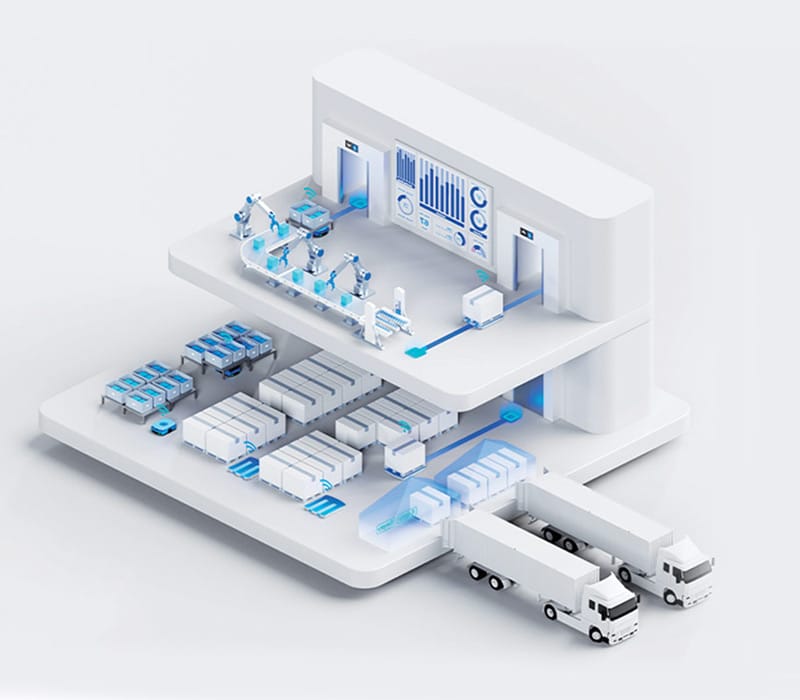
የተሟላ የማሰብ ችሎታ ያለው የሎጂስቲክስ አስተዳደር እና ቁጥጥር ስርዓት
መላውን "ስርዓት - መድረክ - ሃርድዌር" ሰንሰለት ያገናኛል፣ ከዋና ዋና የኢንዱስትሪ ስርዓቶች ጋር ተኳሃኝ ነው፣ እና የማሰብ ችሎታ ያለው ሃርድዌርን በማገናኘት ለጠቅላላው የሎጂስቲክስ ሂደት የማሰብ ችሎታ ያለው አስተዳደር እና የውጤታማነት ማሻሻያዎችን ለማግኘት።.
የሚስማማው
በሞባይል አስተዳደር ውስጥ ዋና ተወዳዳሪነት መገንባት
01.
ብጁ የውሂብ ዳሽቦርድ

በሞባይል አስተዳደር ውስጥ ዋና ተወዳዳሪነት መገንባት
02.
ለግል የተበጀ የተጠቃሚ አስተዳደር

በሞባይል አስተዳደር ውስጥ ዋና ተወዳዳሪነት መገንባት
03.
ለግል የተበጀ ማንቂያ ግፋ

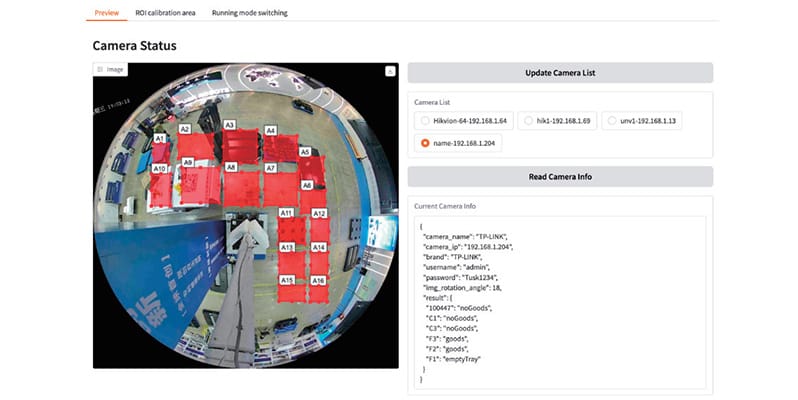
አብዮቱን በብልህነት መምራት
የመጋዘን አካባቢ አስተዳደር
01.
የእውነተኛ ጊዜ ማከማቻ ቦታ ራስ-ሰር ቀስቅሴ ተግባር

አብዮቱን በብልህነት መምራት
የመጋዘን አካባቢ አስተዳደር
02.
የእይታ ውቅር በይነገጽ
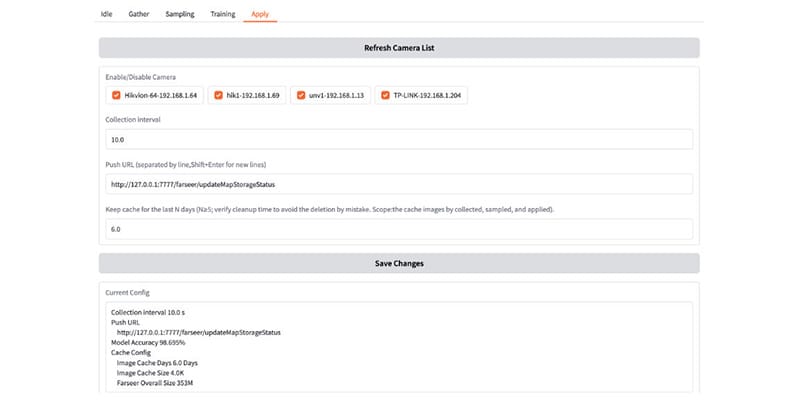
የማሰብ ችሎታ ያለው መጋዘን አካባቢ አስተዳደር ውስጥ አብዮት እየመራ
03.
ብጁ ውቅር
የሎታር ኢንተለጀንት አስተዳደር መድረክ ለስማርት ፋብሪካዎች ማዕከላዊ ስርዓት መገንባት
ሎታር፣ ከታስካር የማሰብ ችሎታ ያለው የአስተዳደር መድረክ፣ ለስማርት ፋብሪካዎች ዲጂታል ማዕከል ሆኖ ያገለግላል። ሊበጁ የሚችሉ የመረጃ ዳሽቦርዶች፣ ባለ ሙሉ የካርታ እይታ፣ የግራፊክ ተግባር እና የመሣሪያዎች የስራ ፍሰቶች፣ የማስመሰል ችሎታዎች፣ በ AI የተጎላበተ አሰራር እና ጥገና፣ ክፍት ባለብዙ ፕሮቶኮል በይነገጾች እና የኦቲኤ ማሻሻያ ድጋፍን በጠቅላላ የህይወት ዑደታቸው ውስጥ የፋብሪካዎች ዲጂታል አስተዳደርን በማጎልበት ያቀርባል።.
የካርታ አስተዳደር
የማዋቀር አስተዳደር
የመዳረሻ አስተዳደር
ተግባር አስተዳደር
የታሪክ መዝገቦች
የመሳሪያ አስተዳደር
ማስመሰል
የውሂብ ዳሽቦርድ
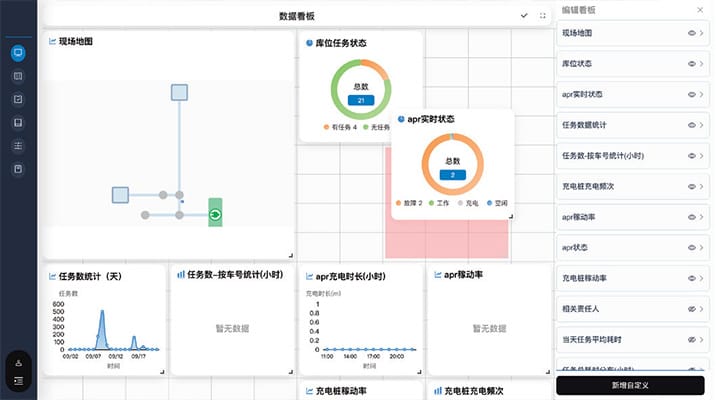
01.
ብጁ የውሂብ ዳሽቦርድ
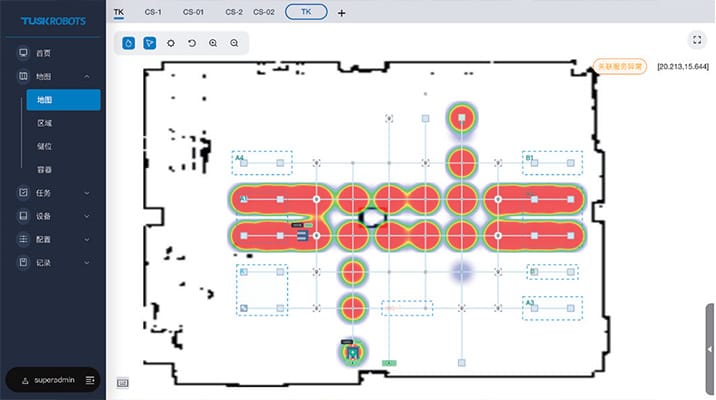
02.
የካርታ እይታ

03.
ስዕላዊ የግንባታ ስራ

04.
የግራፊክ መሳሪያ ውቅር ሂደት
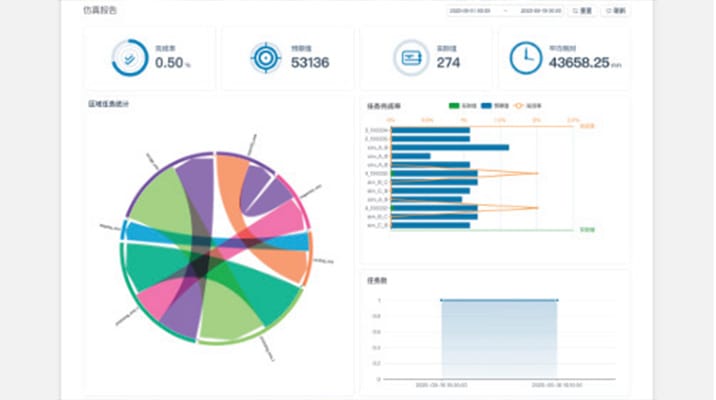
05.
የማስመሰል ምስላዊነት

06.
የO&M እይታ
በስማርት ፋብሪካ አውቶሜሽን መመስከርን ማመን
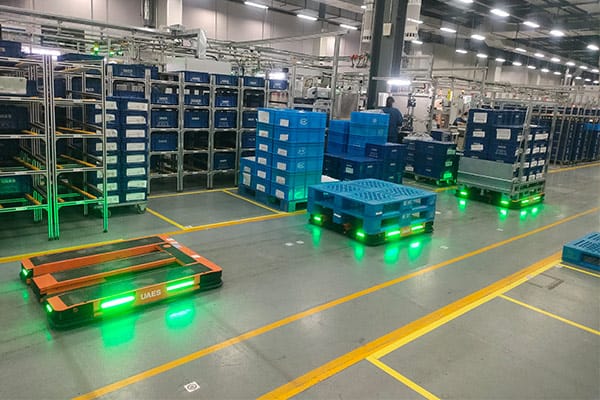
የኤሌክትሮኒክስ ኢንዱስትሪ
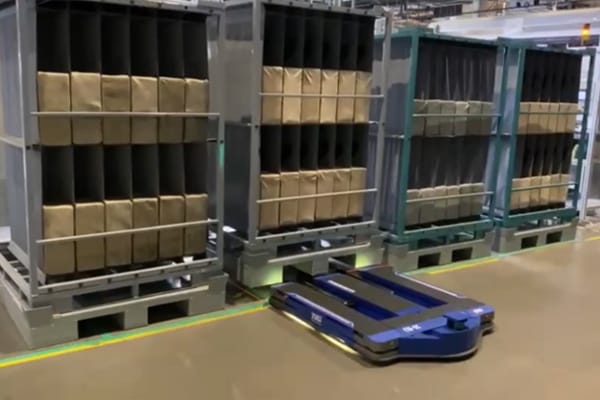
የአውቶሞቲቭ ኤሌክትሮኒክስ አዝማሚያ ዲጂታል ፓሌት ሮቦቶችን ለዕፅዋት ሎጅስቲክስ ተመራጭ ያደርገዋል።.
መፍትሄ
የመኪና ክፍሎች ኢንዱስትሪ
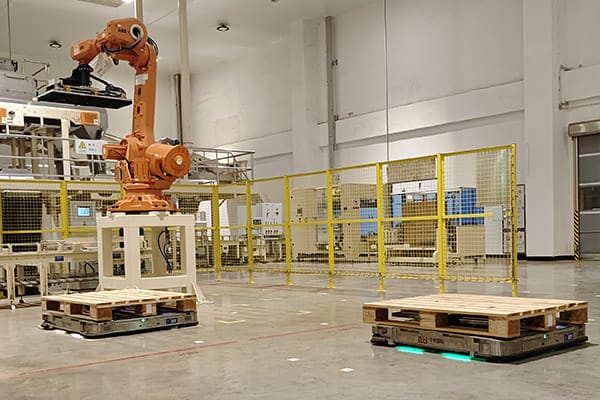
የአውቶሞቲቭ የውስጥ ለውስጥ ፍላጎት መጨመር አቅራቢዎችን ወደ አዲስ የእድገት ከፍታ ያደርሳቸዋል።.
መፍትሄ
የትምባሆ ኢንዱስትሪ
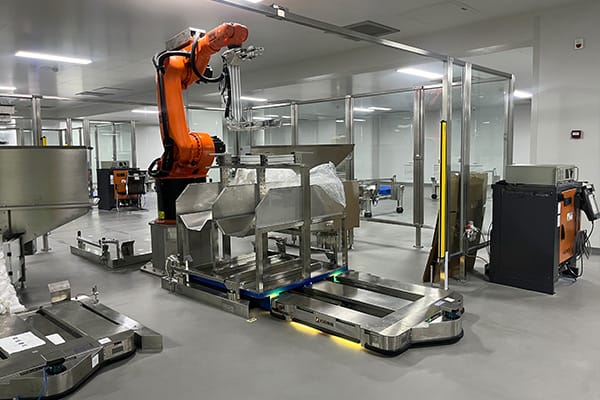
ከአርባ ዓመታት በላይ ታሪክ ያለው የቻይና የትምባሆ ኢንዱስትሪ የጀርባ አጥንት።.
መፍትሄ
የመድኃኒት ኢንዱስትሪ
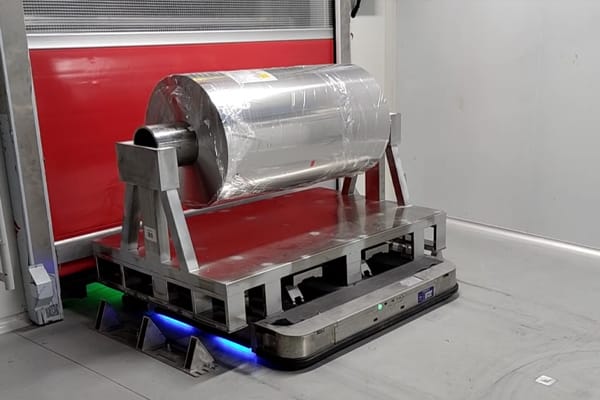
በጂኤምፒ መስፈርቶች ምክንያት የመድኃኒት ኢንዱስትሪው አውቶሜሽን ይፈልጋል።.
መፍትሄ
አዲስ የኢነርጂ ኢንዱስትሪ
አዲስ የኃይል ሊቲየም ባትሪ የማምረት አቅም ይጨምራል, አውቶማቲክ ቁልፍ ነው.
መፍትሄ
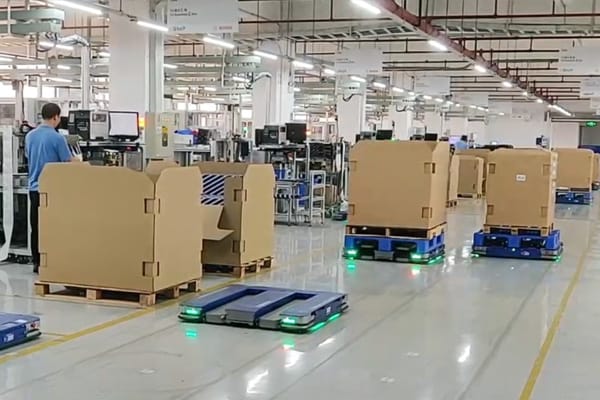
የማምረቻ ኢንዱስትሪ
30,000 ካሬ ሜትር ስፋት ያለው ፋብሪካ ያለው የዋይፐር ክፍሎች በአለም አቀፍ ደረጃ ታዋቂ የሆነ አምራች።.
መፍትሄ
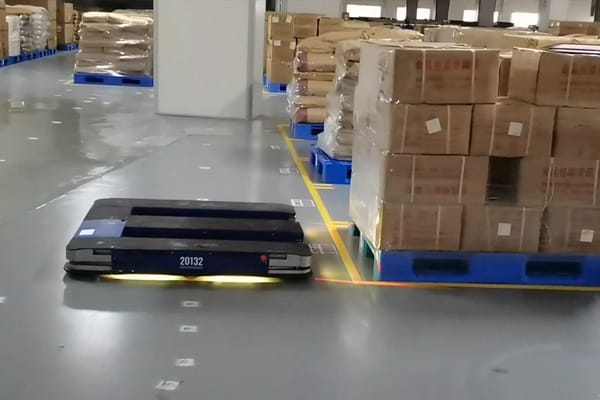
የምግብ ኢንዱስትሪ
ከ60,000 ካሬ ሜትር በላይ የሆነ ዘመናዊ የኢንዱስትሪ ፓርክ ያለው ከፍተኛ ጥራት ያለው የሰንሰለት ዳቦ ቤት ብራንድ ሆኖ ተቀምጧል።.
መፍትሄ
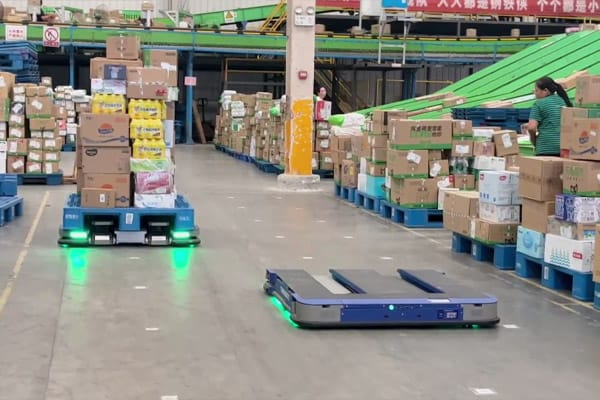
የሎጂስቲክስ ኢንዱስትሪ
የደቡብ ቻይና ሎጅስቲክስ እና ማከፋፈያ ማእከል የአንድ ዋና የሀገር ውስጥ ኢ-ኮሜርስ ኩባንያ
መፍትሄ
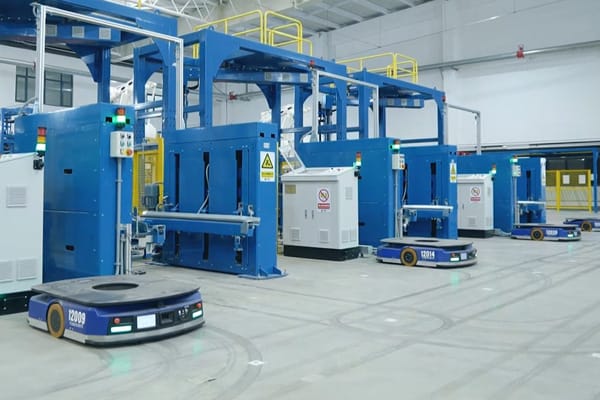
የወረቀት ኢንዱስትሪ
ቡድኑ በሀገር ውስጥ የቤት ውስጥ ወረቀት እና የእናቶች እና የህፃናት ንፅህና ምርቶች ኢንዱስትሪ ውስጥ ግንባር ቀደም ድርጅት ነው።.
መፍትሄ
ስማርት ፋብሪካ አውቶሜሽን እምነት
ተጨማሪ የኢንዱስትሪ አውቶሜሽን ለውጥ መንገዶችን ያስሱ; ብጁ መፍትሄዎችን ለመክፈት ጠቅ ያድርጉ።.
የስማርት መሳሪያ ፕሮጀክት ትግበራ
የትግበራ ዝግጅት
የሮቦት/የኃይል መሙያ ጣቢያ ክፍሎች ክምችት፡በቦታው ላይ የወልና፣የመዳረሻ መቆጣጠሪያ፣ኔትወርክ እና የሃይል አቅርቦት ፍተሻ።.
በቦታው ላይ የፕሮጀክት ትግበራ
የመስመር ምልክት ማድረግ እና ኮድ መስጠት፣ የካርታ ፈጠራ እና የፍቃድ ቅንብር፣ የሶፍትዌር እና የሃርድዌር ማረም/የሮቦት ሙከራ አሂድ
ማስጀመር እና ድጋፍ
የተጠቃሚ ስልጠና / ማሰማራት እና የሙከራ ሩጫ ፣ በእጅ / የጥገና ስልጠና ፣ የመቀበል ፊርማ ፣ ከሽያጭ በኋላ ድጋፍ