
Exploring the Benefits of Warehouse Automation for Modern Logistics
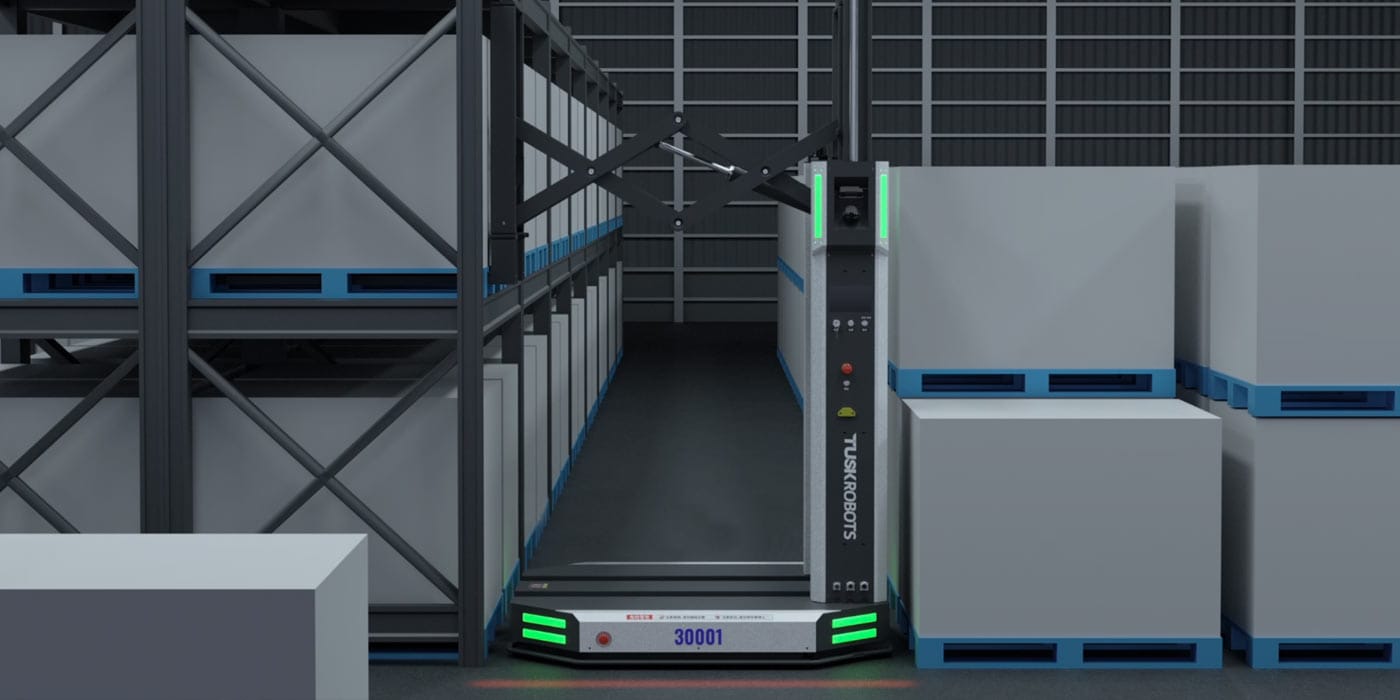
Table of Contents
Introduction
Automated warehouse systems has become a cornerstone of modern logistics, transforming how businesses handle inventory, fulfill orders, and optimize workflows. By integrating advanced technologies such as automated storage and retrieval systems (AS/RS), robotics, and intelligent software, warehouses can operate faster, safer, and more efficiently than ever before. In this article, we’ll explore the key benefits of automated warehouse systems, its applications, and how to select the right solutions for your facility.
What Is Warehouse Automation?
Automated warehouse systems refers to the use of technology and machinery to perform tasks that were traditionally done manually. This includes moving, picking, packing, sorting, and transporting goods within a warehouse environment. Automation aims to reduce human error, improve efficiency, and enhance safety for employees. According to the Warehousing & Logistics Association, implementing warehouse automation can increase operational efficiency by up to 40% and reduce labor-related incidents by 25%.
Types of Warehouse Automation Technologies
Automated warehouse systems encompasses a variety of technologies that cater to different operational needs:
- Automated Storage and Retrieval Systems (AS/RS): Machines that store and retrieve items efficiently with minimal human intervention.
- Conveyor Systems: Transport goods across the warehouse for faster processing.
- Robotic Picking Systems: Robots equipped with vision systems to pick and place items accurately.
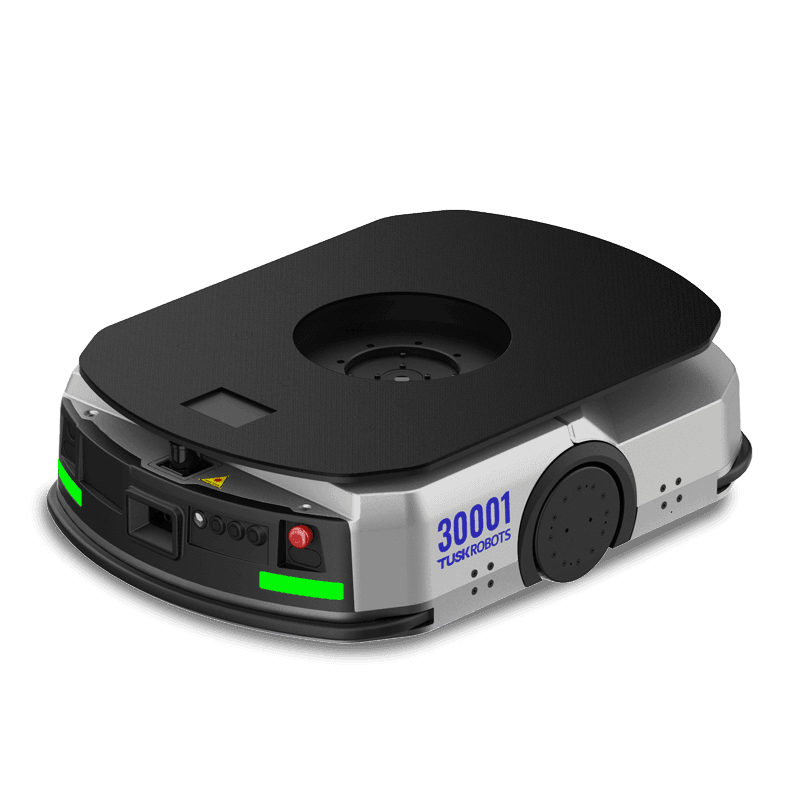
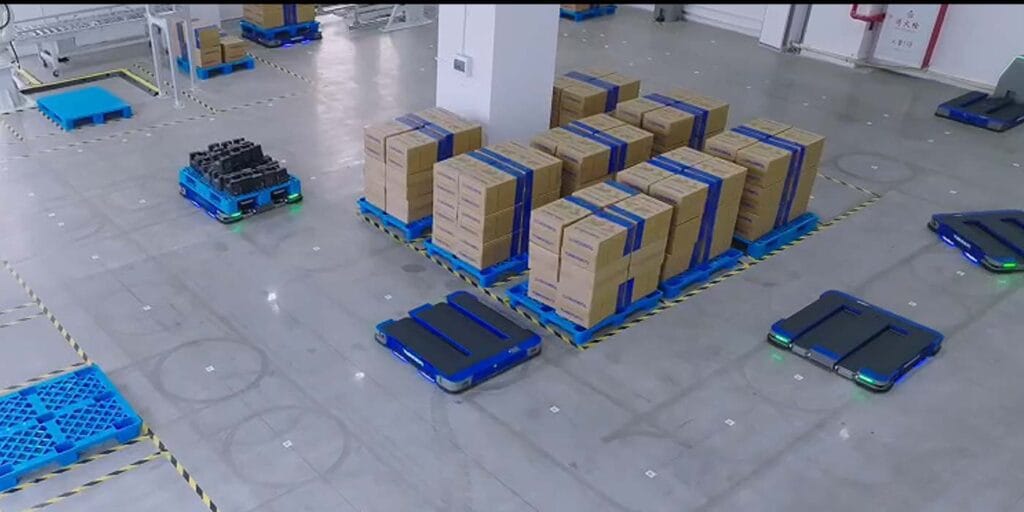
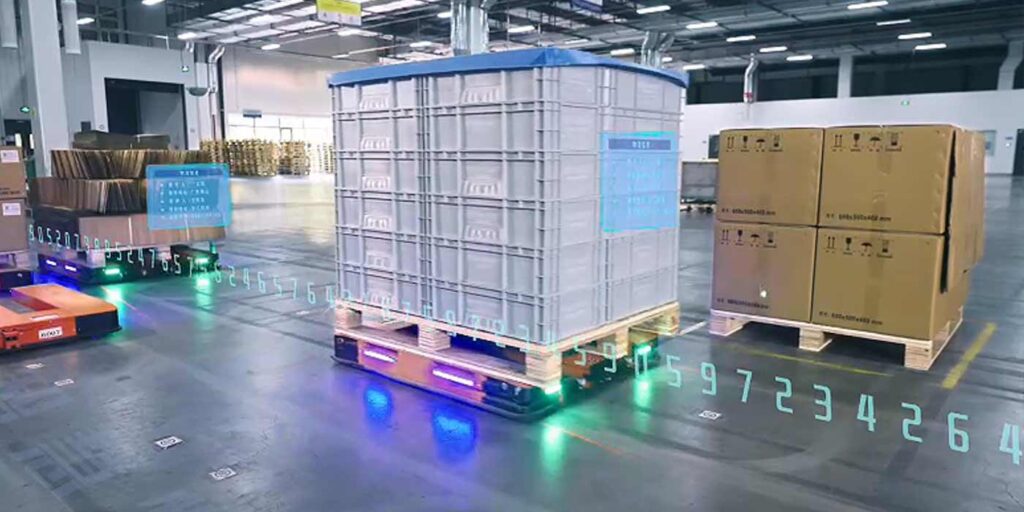
- Autonomous Mobile Robots (AMRs): Navigate warehouse floors to transport goods without human assistance.
- Warehouse Management Software (WMS): Integrates automation hardware and provides real-time data on inventory, orders, and workflow efficiency.
Advantages of Warehouse Automation
Implementing automated warehouse systems offers multiple benefits, including:
- Increased Efficiency: Automated systems handle repetitive tasks faster than manual labor, reducing order processing time.
- Enhanced Accuracy: Robotics and software minimize errors in picking, packing, and inventory tracking.
- Improved Safety: Automation reduces manual handling, decreasing the risk of workplace injuries.
- Scalability: Automated solutions allow warehouses to adapt quickly to changes in demand or product volume.
- Cost Savings: Although initial investment can be significant, automation reduces long-term labor and operational costs.
Comparative Efficiency of Warehouse Automation Solutions
The following table highlights the efficiency gains, typical ROI, and common use cases for different types of automated warehouse systems technologies:
| Automation Type | Efficiency Gain | Typical ROI (Years) | Suitable Use Case |
|---|---|---|---|
| AS/RS | 30–40% | 3–5 | High-density storage, order fulfillment |
| Conveyor Systems | 20–35% | 2–4 | Continuous product movement |
| Robotic Picking | 25–45% | 2–5 | Item picking, sorting, palletizing |
| AMRs | 25–35% | 2–3 | Transporting goods, inventory replenishment |
| WMS Software | 15–25% | 1–3 | Inventory tracking, workflow optimization |
This table demonstrates how different automation solutions can improve productivity, streamline workflows, and deliver measurable returns over time.
How to Implement Warehouse Automation Successfully
- Assess Operational Needs: Understand your current workflow, bottlenecks, and high-volume areas.
- Select Suitable Technologies: Choose systems that align with your warehouse size, product types, and operational goals.
- Integrate with Existing Systems: Ensure automation hardware works seamlessly with your WMS or ERP.
- Train Employees: Provide comprehensive training so staff can work alongside automated systems safely.
- Monitor and Optimize: Continuously track performance metrics to refine processes and maximize efficiency.
Key Industries Using Warehouse Automation
Automated warehouse systems is widely adopted across:
- E-commerce and retail fulfillment centers
- Manufacturing and production facilities
- Logistics and distribution hubs
- Pharmaceutical and healthcare warehouses
Automation allows these industries to handle higher volumes, improve accuracy, and meet growing consumer expectations efficiently.
Future Trends in Warehouse Automation
Emerging trends include AI-powered robots, predictive analytics for inventory management, and collaborative robots (cobots) that work alongside humans. The adoption of these technologies is expected to further boost efficiency, reduce operational costs, and improve overall supply chain resilience.
Common Challenges and How to Overcome Them

- High Initial Investment: Consider phased implementation to spread costs over time.
- Integration Complexity: Work with vendors to ensure compatibility with existing systems.
- Employee Resistance: Engage employees early and provide training to ease the transition.
- Maintenance Requirements: Set up routine inspections and preventive maintenance schedules.
Conclusion
Automated warehouse systems is no longer a futuristic concept—it’s a practical strategy that significantly improves efficiency, accuracy, and safety in modern logistics. By integrating technologies such as AS/RS, robotic picking systems, AMRs, and intelligent warehouse software, businesses can optimize workflows, reduce human error, and scale operations effectively. Implementing the right automation solutions requires careful planning, system integration, and employee training, but the long-term benefits—including faster order fulfillment, lower operational costs, and safer workplaces—are substantial. As logistics demands grow, adopting warehouse automation positions your business to stay competitive, agile, and ready for the future.
FAQ
What is warehouse automation?
Automated warehouse systems uses machines, robotics, and software to perform tasks such as picking, sorting, and transporting goods, improving speed, accuracy, and safety.
Why is warehouse automation important?
It enhances efficiency, reduces human errors, minimizes workplace injuries, and supports scalable operations.
What types of warehouse automation are available?
Common types include AS/RS, conveyor systems, robotic picking, autonomous mobile robots (AMRs), and warehouse management software.
How do I choose the right automation system?
Consider workflow requirements, warehouse size, product types, integration needs, and ROI to select the best solutions.
How do I maintain warehouse automation systems?
Perform routine inspections, lubricate moving parts, update software, and promptly repair or replace any worn components to ensure smooth operation.
Need Help Choosing the Right Warehouse Automation Solutions?
If you’re unsure which warehouse automation technologies best fit your operations, our experts are here to help. Contact us today for a personalized consultation, and ensure your warehouse runs efficiently, safely, and profitably. Don’t wait to optimize your logistics—get in touch now to transform your operations!
Latest post

Contact Info
2nd Floor, Xingzhongchuang Xiabei High-tech Industry Center A1, Nanhai District, Foshan, China
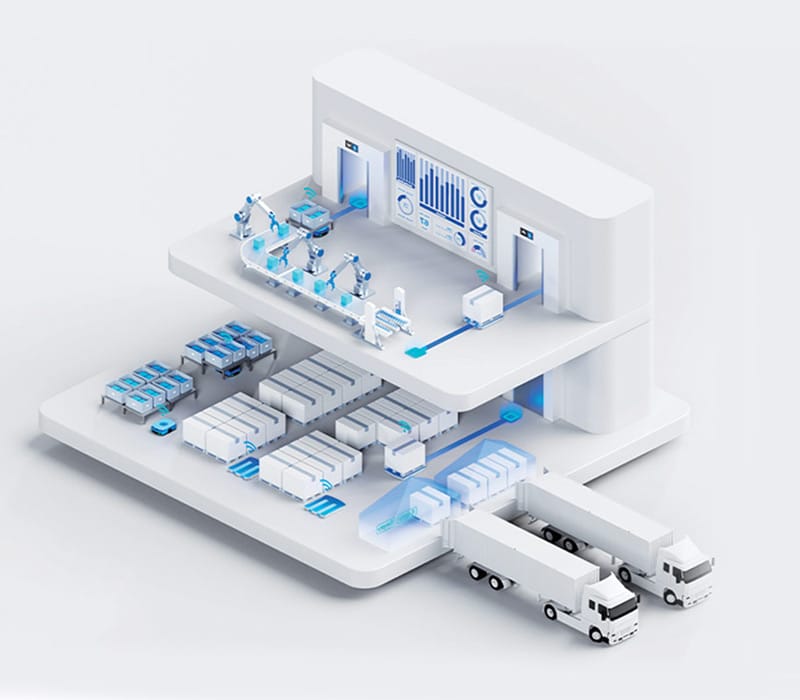
Full-stack intelligent logistics management and control system
It connects the entire "system - platform - hardware" chain, is compatible with mainstream industrial systems, and links intelligent hardware to achieve intelligent management and efficiency upgrades for the entire logistics process.
WHAT FITS:
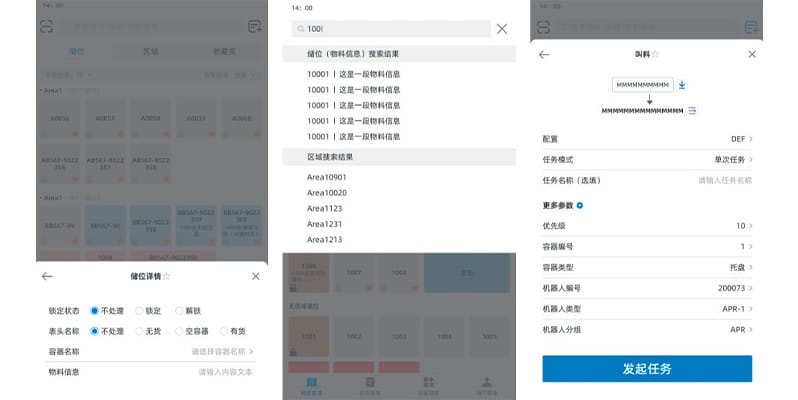
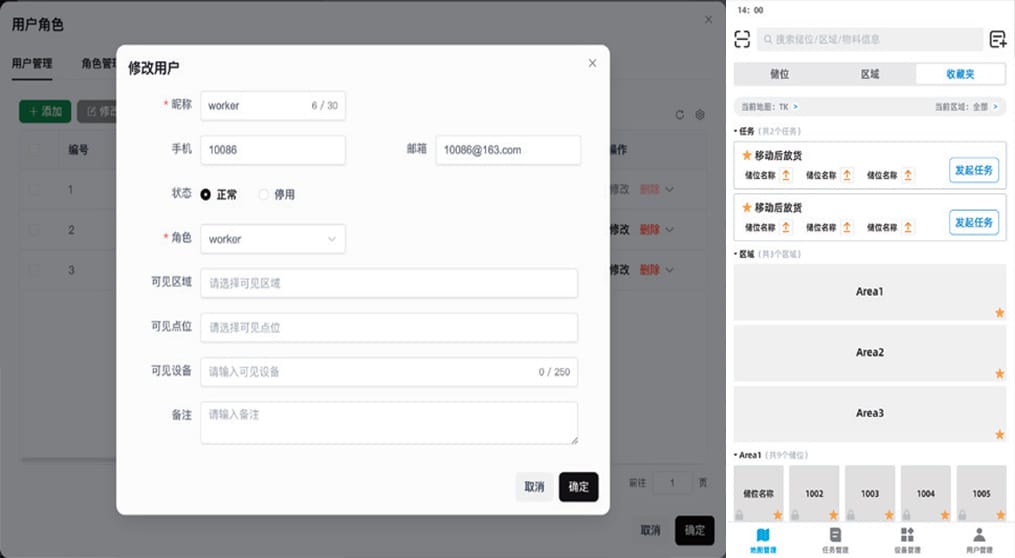
Building core competitiveness in mobile management
01.
Custom Data Dashboard
Building core competitiveness in mobile management
02.
Personalized User Management
Building core competitiveness in mobile management
03.
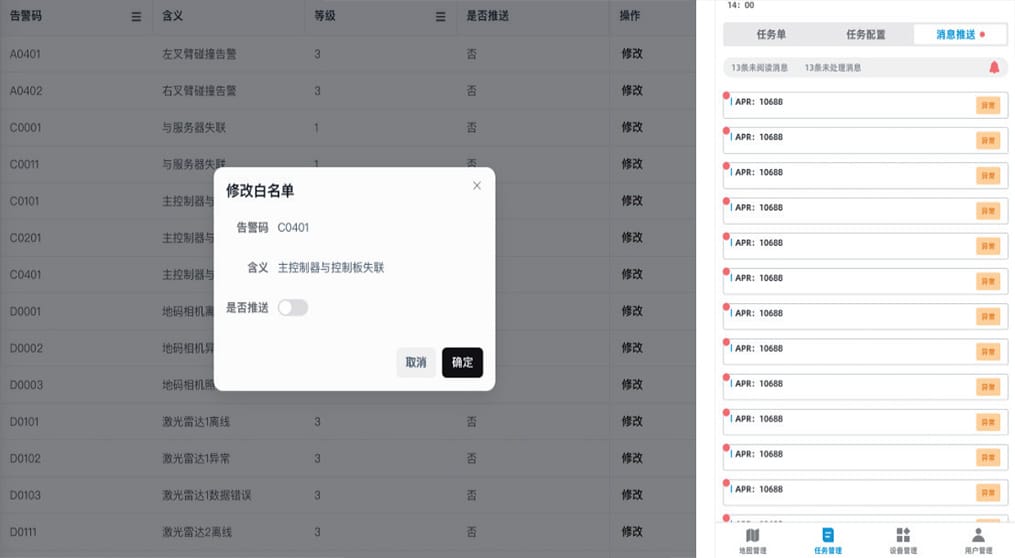
Personalized Alarm Push
Leading the revolution in intelligent
warehouse location management
01.
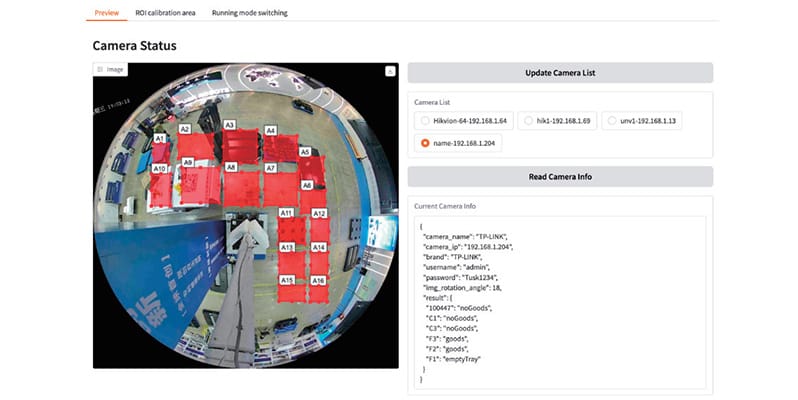
Real-time storage location automatic trigger task

Leading the revolution in intelligent
warehouse location management
02.
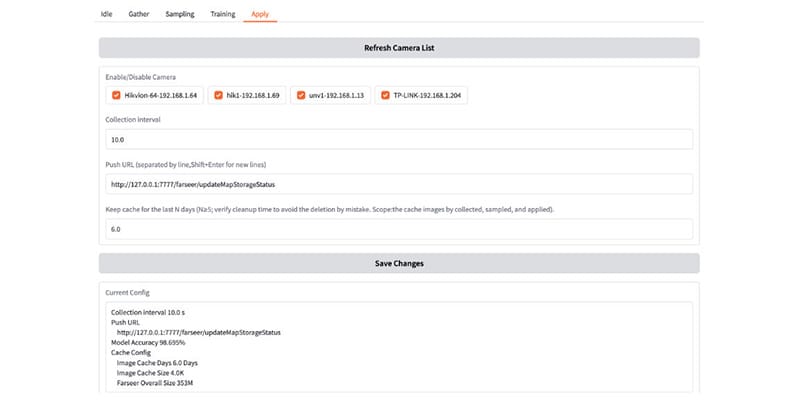
Visual configuration interface
Leading the revolution in intelligent warehouse location management
03.
Custom Configuration
Lothar Intelligent Management Platform Building a Central System for Smart Factories
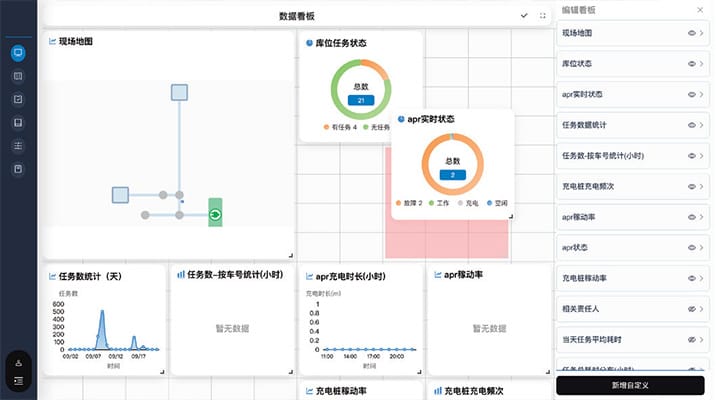
Lothar, the intelligent management platform from Taskar, serves as the digital hub for smart factories. It features customizable data dashboards, full-dimensional map visualization, graphical task and equipment workflows, simulation capabilities, AI-powered operation and maintenance, open multi-protocol interfaces, and OTA upgrade support, empowering digital management of factories throughout their entire lifecycle.
Map Management
Configuration Management
Access Management
Task Management
Historical records
Equipment Management
Simulation
Data dashboard
01.
Custom Data Dashboard
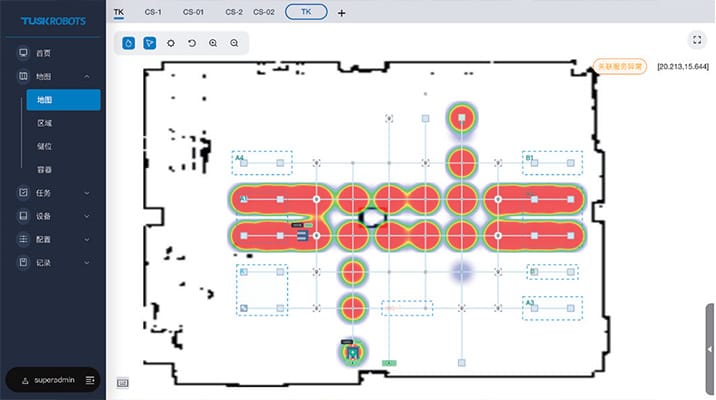
02.
Map visualization
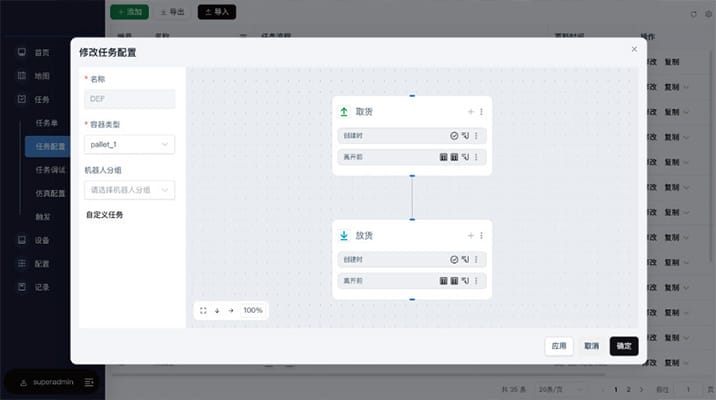
03.
Graphical construction task
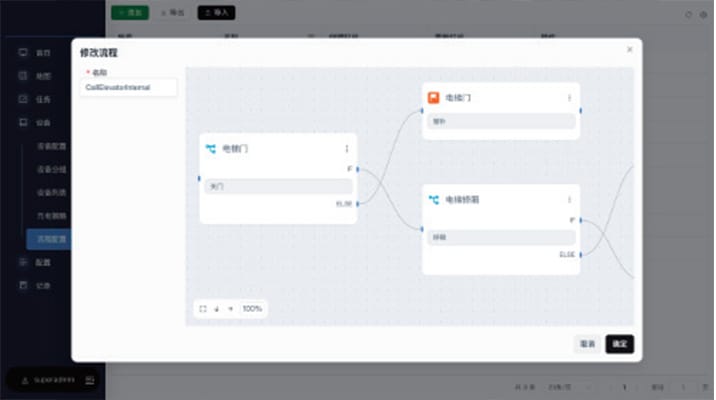
04.
Graphical device configuration process
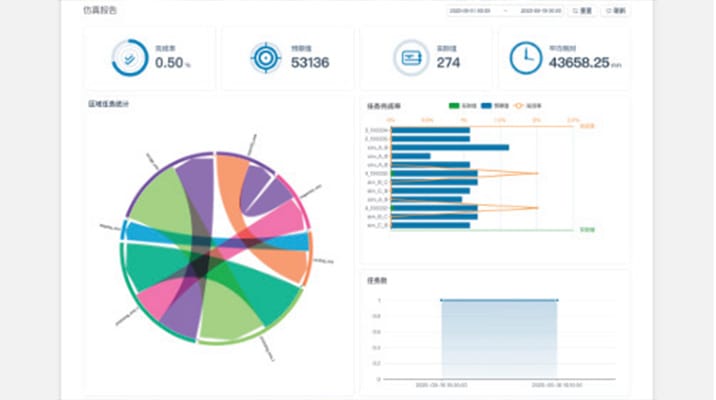
05.
Simulation visualization
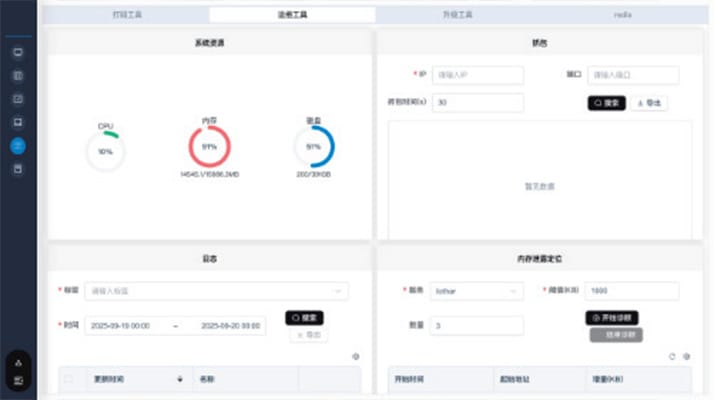
06.
O&M Visualization
Trust Witnessing in Smart Factory Automation
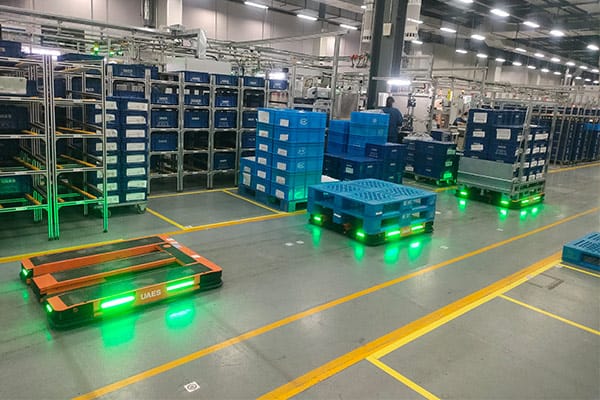
Electronics Industry
The automotive electronics trend makes digital pallet robots the preferred choice for in-plant logistics.
Solution
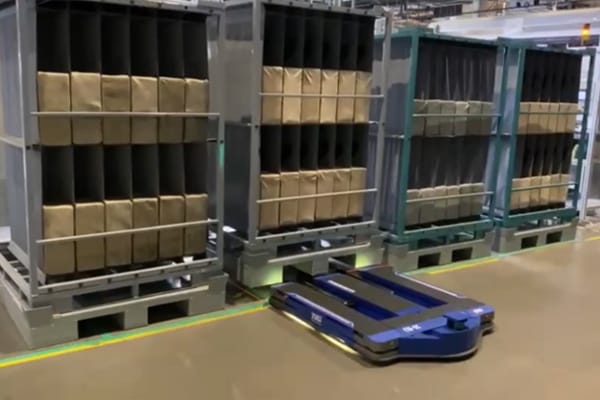
Auto Parts Industry
Rising demand for automotive interiors propels suppliers to new heights of development.
Solution
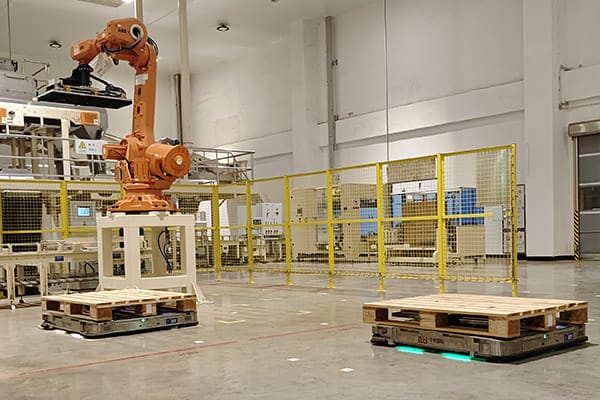
Tobacco Industry
A backbone of China's tobacco industry, with over forty years of history.
Solution
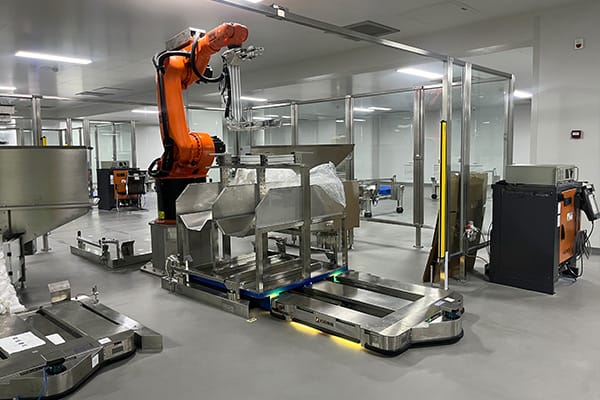
Pharmaceutical Industry
The pharmaceutical industry needs automation due to GMP requirements.
Solution
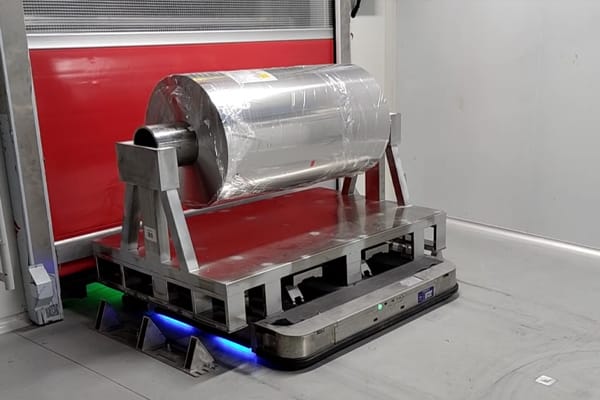
New Energy Industry
New energy lithium battery production capacity increases, automation is key.
Solution
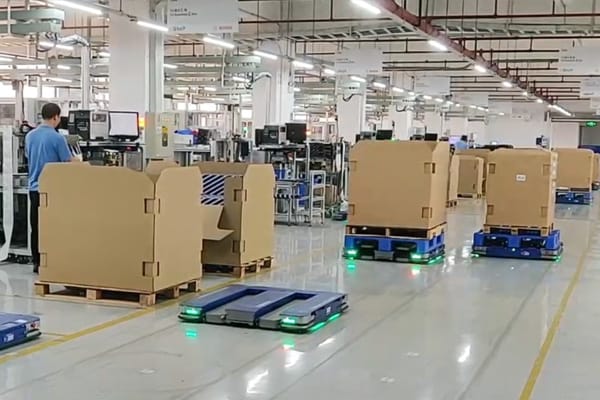
Manufacturing Industry
A globally renowned manufacturer of wiper parts, with a factory of 30,000 square meters.
Solution
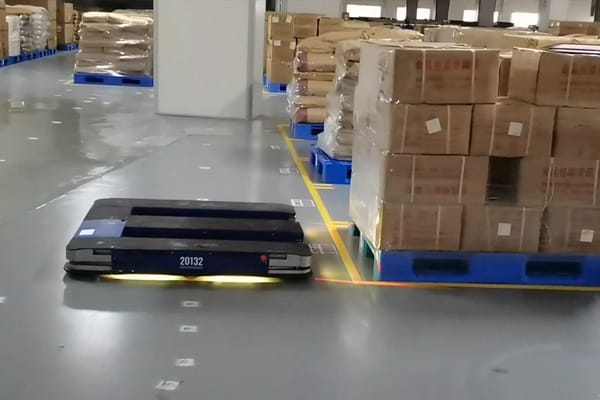
Food Industry
Positioned as a high-quality chain bakery brand, with a modern industrial park of over 60,000 square meters.
Solution
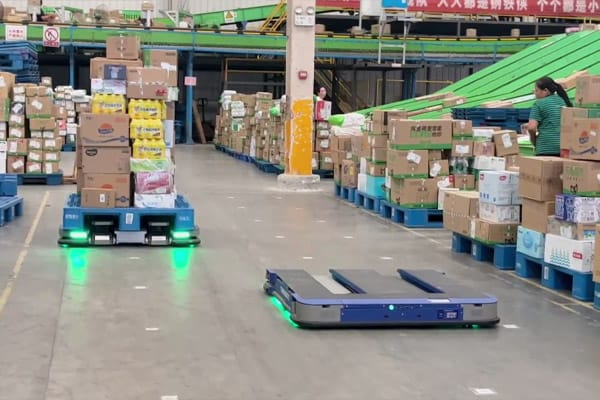
Logistics Industry
South China Logistics and Distribution Center of a Major Domestic E-commerce Company
Solution
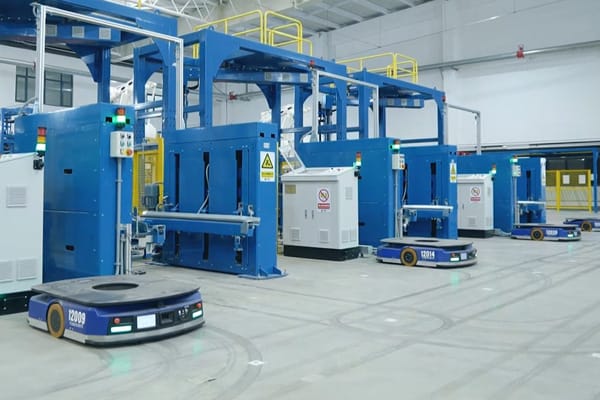
Paper Industry
The group is a leading enterprise in the domestic household paper and maternal and child hygiene products industry.
Solution
Smart Factory Automation Trust
Explore more industry automation transformation paths; click to unlock customized solutions.
Smart Device Project Implementation
Implementation Preparation
Robot/charging station parts inventory: on-site inspection of wiring, access control, network, and power supply.
Project on-site implementation
Line marking and coding, map creation and permission setting, software and hardware debugging / robot test run
Launch and Support
User training / Deployment and trial run, manual / maintenance training, acceptance signing, after-sales support