
Transforming Warehouse Operations with Robotics in Logistics

Table of Contents
Introduction
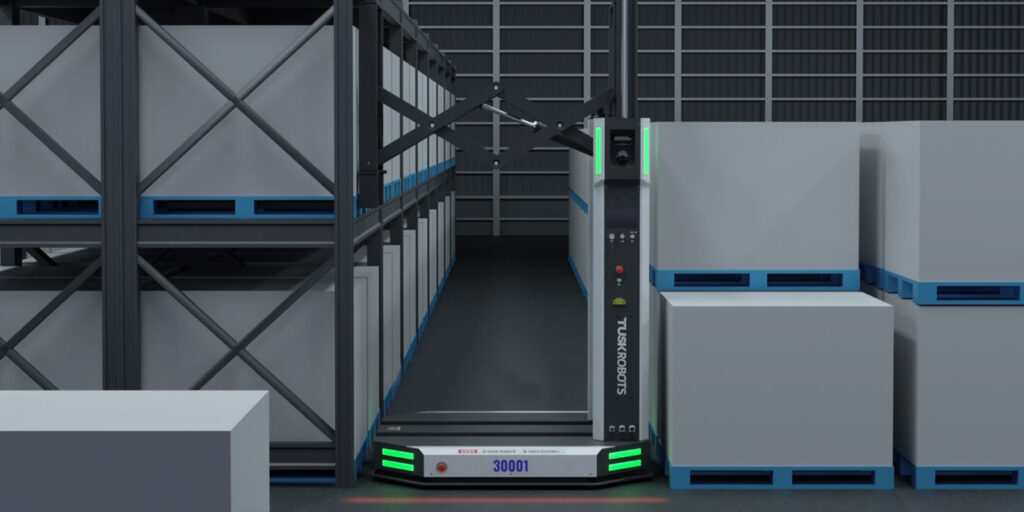
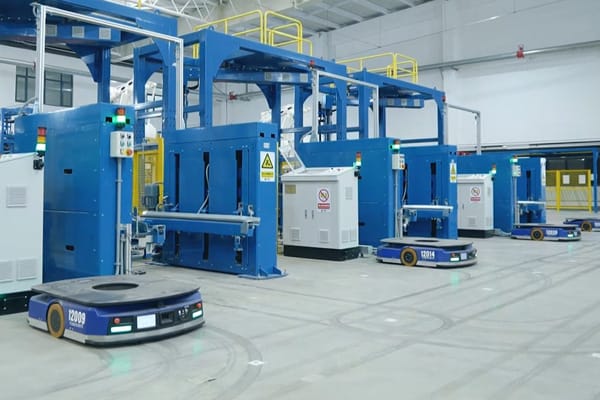
The logistics industry has experienced a massive transformation over the last decade, driven by technological innovations. Robotics in logistics refers to the use of autonomous or semi-autonomous machines to perform tasks such as sorting, transporting, picking, and packing goods within warehouses, distribution centers, and fulfillment operations. These systems not only increase efficiency but also reduce human error and operational costs. According to research from the International Logistics Technology Institute, companies that integrate robotics into their operations report up to a 35% improvement in workflow efficiency and a 20% reduction in labor-related accidents.
Benefits of Robotics in Logistics
Implementing robotics in logistics offers multiple advantages:
- Enhanced Efficiency: Robots can operate continuously without fatigue, speeding up warehouse operations.
- Improved Accuracy: Automated systems reduce picking and packing errors, minimizing costly mistakes.
- Safety Improvement: Robots handle heavy or repetitive tasks, reducing strain and injuries among staff.
- Scalability: Robotics solutions can scale quickly with seasonal or business growth demands.
These benefits make robotics an attractive investment for any logistics operation aiming to maintain competitive advantage.
Types of Robotics in Logistics
There are several types of robotics commonly used in logistics operations:
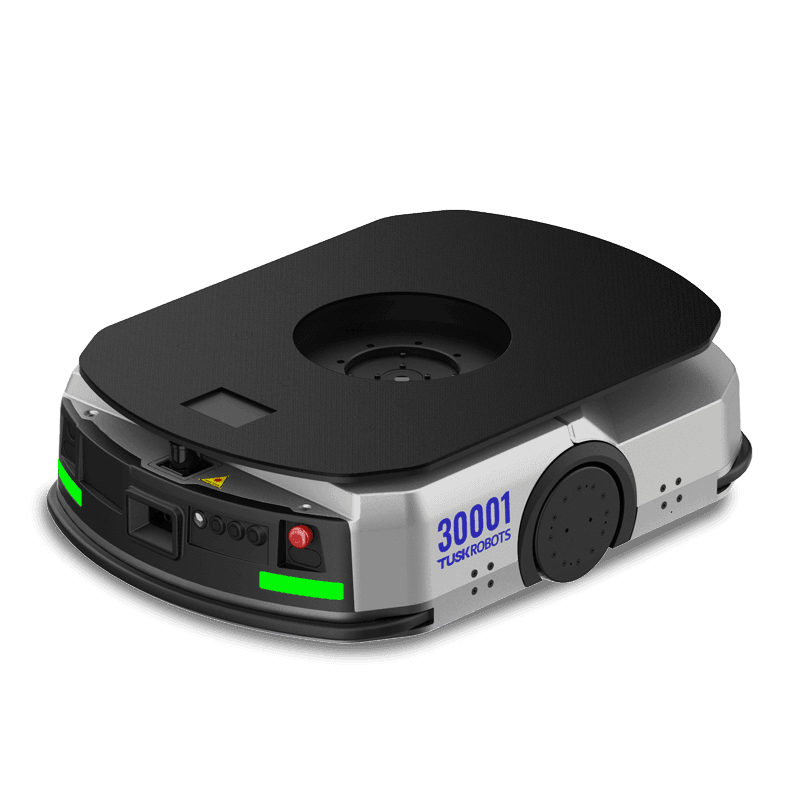
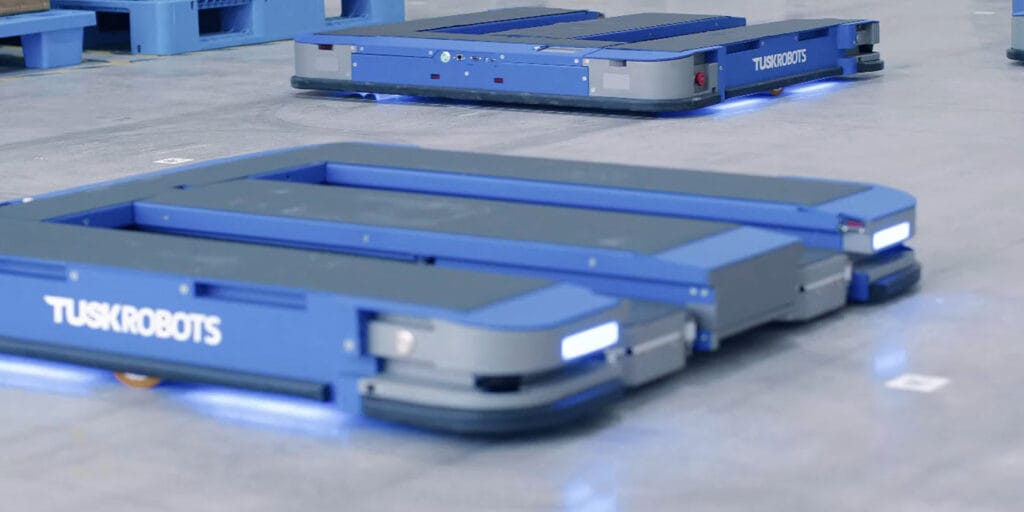
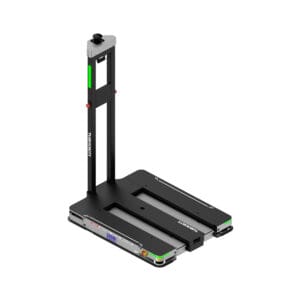
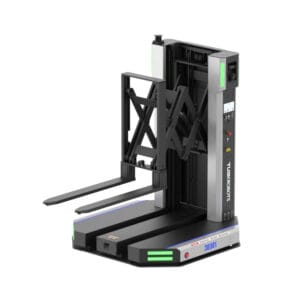
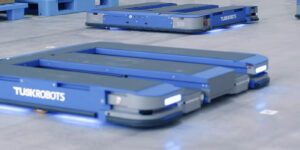
- Autonomous Mobile Robots (AMRs): Navigate warehouses independently to transport goods.
- Automated Guided Vehicles (AGVs): Follow predetermined paths to move pallets or carts.
- Robotic Arms: Handle picking, sorting, or palletizing tasks efficiently.
- Collaborative Robots (Cobots): Work safely alongside humans to assist in repetitive or high-precision tasks.
How Robotics Streamline Warehouse Workflow
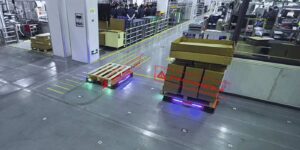
Robotics streamline operations by integrating seamlessly with warehouse management systems (WMS). For example, AMRs can receive real-time instructions from a WMS, move goods to designated locations, and update inventory automatically. Robotic arms can pick and pack items faster than manual labor, while cobots assist human workers in complex tasks without requiring extensive safety barriers.
Key Features to Look for in Logistics Robotics
When choosing logistics robotics, consider these factors:
- Load capacity
- Navigation technology (LiDAR, sensors, cameras)
- Integration with WMS/ERP systems
- Battery life and charging efficiency
- Safety certifications and compliance
Comparative Efficiency of Robotics in Logistics
The following table summarizes the efficiency gains, typical ROI, and common use cases for different types of logistics robotics. This comparison helps you understand which solution may best suit your warehouse operations based on workflow requirements and operational needs.
| Robotics Type | Efficiency Gain | Typical ROI (Years) | Suitable Use Case |
|---|---|---|---|
| AMR | 25–35% | 2–3 | Pallet transport, order fulfillment |
| AGV | 20–30% | 2–4 | Repetitive material movement |
| Robotic Arms | 30–40% | 3–5 | Picking, sorting, palletizing |
| Cobots | 15–25% | 1–3 | Assisting humans, assembly tasks |
This table highlights how each type of robotics can enhance efficiency, support warehouse workflows, and deliver measurable returns over time. Selecting the right robotics solution depends on your specific operational requirements and the complexity of tasks in your facility.
Integration Challenges and Solutions
While robotics offer clear benefits, challenges include:
- Initial setup costs
- Employee training and acceptance
- System compatibility with existing infrastructure
- Maintenance and software updates
Solutions involve phased implementation, staff training programs, and selecting vendors that provide robust support and integration services.
Future Trends in Robotics for Logistics

The future of robotics in logistics will focus on:
- AI-driven predictive routing
- Multi-robot collaboration for complex workflows
- Fully autonomous warehouses with minimal human intervention
- Advanced sensors and machine learning for real-time decision-making
Conclusion
Robotics in logistics are revolutionizing warehouse operations by improving efficiency, safety, and accuracy. Businesses adopting these technologies gain competitive advantages, reduce labor strain, and improve customer satisfaction. As technology advances, the integration of AI and robotics will further transform the logistics landscape.
FAQ
What are robotics in logistics?
Robotics in logistics are machines or systems designed to automate warehouse tasks like transporting, sorting, picking, and packing goods, improving efficiency and reducing human error.
How do robotics improve warehouse efficiency?
Robots work continuously without fatigue, optimize workflow, reduce errors, and speed up material movement, resulting in faster and more accurate operations.
Are robotics in logistics safe?
Yes, modern robotics are equipped with sensors, cameras, and AI systems to avoid collisions and safely operate alongside human staff.
Which industries use robotics in logistics?
Warehousing, e-commerce, manufacturing, and distribution centers commonly use robotics to streamline operations and handle high-volume tasks.
How do I choose the right robotics solution?
Consider factors such as task type, warehouse layout, load requirements, system integration, safety features, and long-term ROI to select the best solution.
Need Help Choosing the Right Robotics in Logistics?
If you’re unsure about which robotics solution best fits your warehouse or distribution center, our experts are here to help. Contact us today for a personalized consultation, and ensure your operations are efficient, safe, and future-ready. Don’t wait—get in touch now to transform your logistics workflow!
Latest post

Contact Info
2nd Floor, Xingzhongchuang Xiabei High-tech Industry Center A1, Nanhai District, Foshan, China
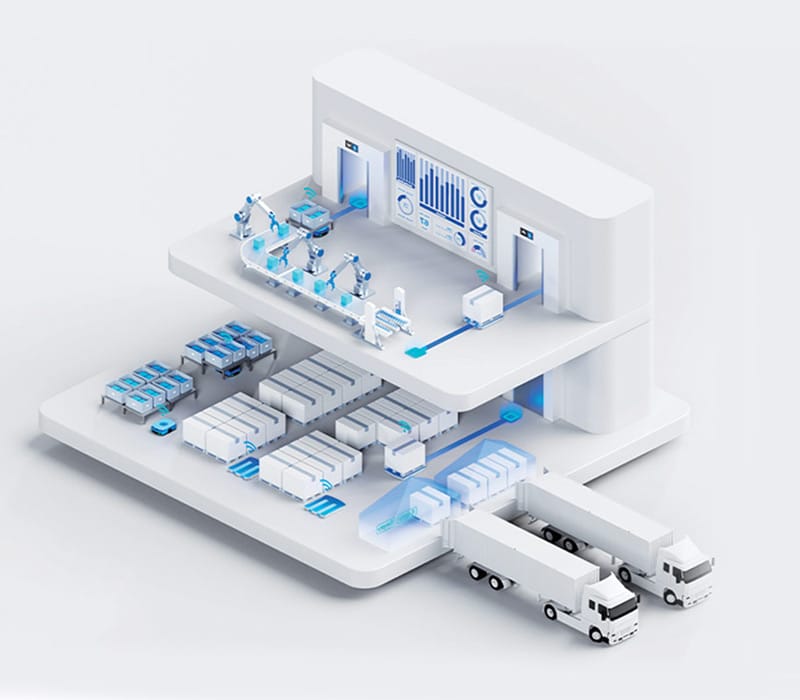
Full-stack intelligent logistics management and control system
It connects the entire "system - platform - hardware" chain, is compatible with mainstream industrial systems, and links intelligent hardware to achieve intelligent management and efficiency upgrades for the entire logistics process.
WHAT FITS:
Building core competitiveness in mobile management
01.
Custom Data Dashboard
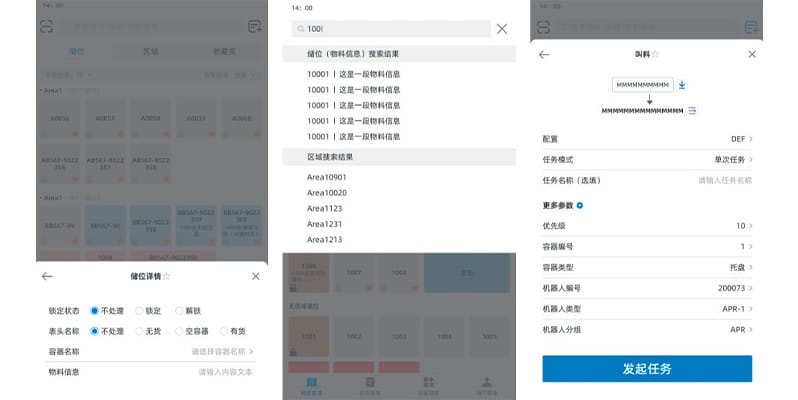
Building core competitiveness in mobile management
02.
Personalized User Management
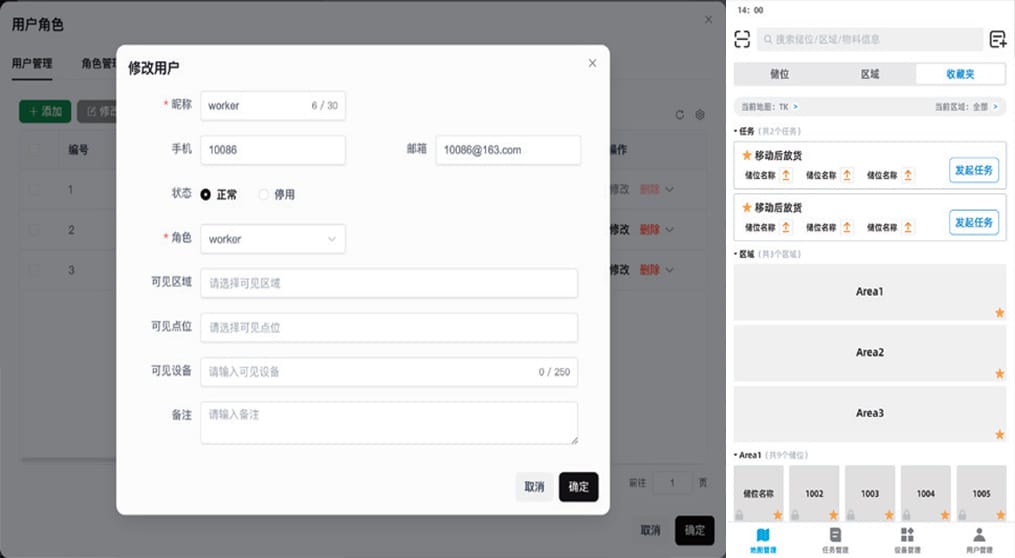
Building core competitiveness in mobile management
03.
Personalized Alarm Push
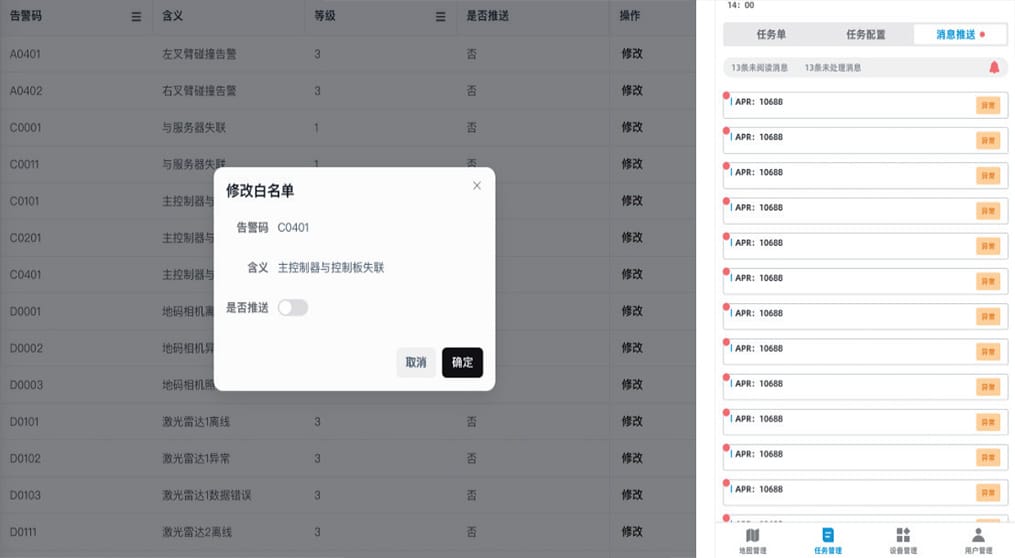
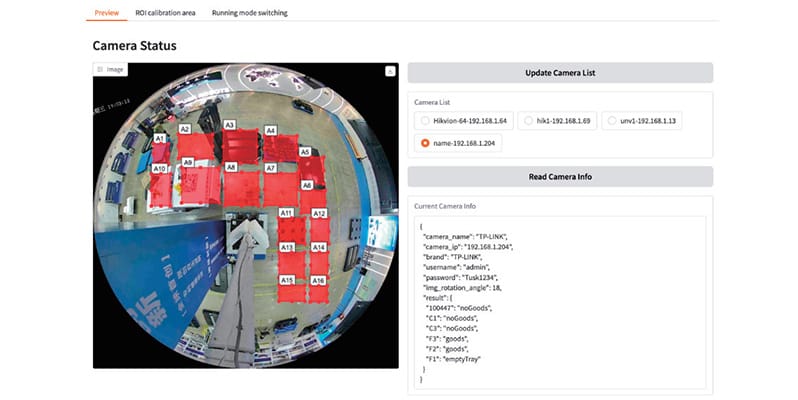
Leading the revolution in intelligent
warehouse location management
01.
Real-time storage location automatic trigger task

Leading the revolution in intelligent
warehouse location management
02.
Visual configuration interface
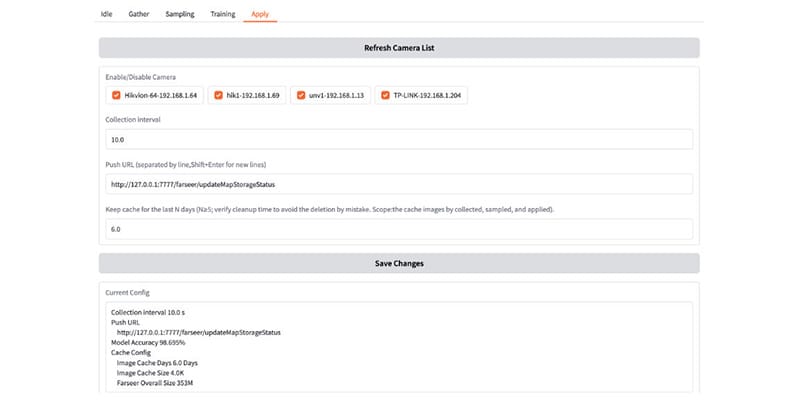
Leading the revolution in intelligent warehouse location management
03.
Custom Configuration
Lothar Intelligent Management Platform Building a Central System for Smart Factories
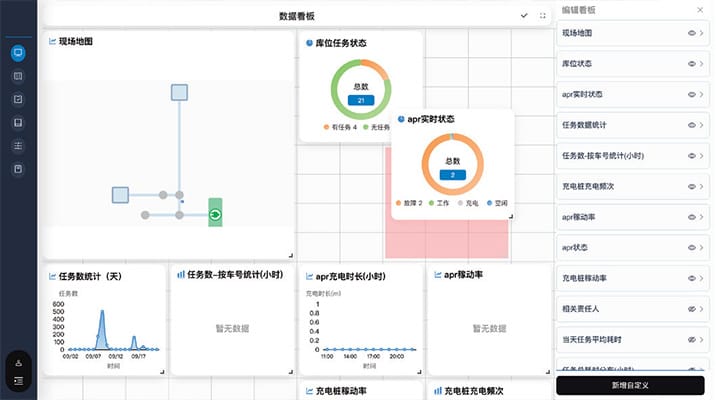
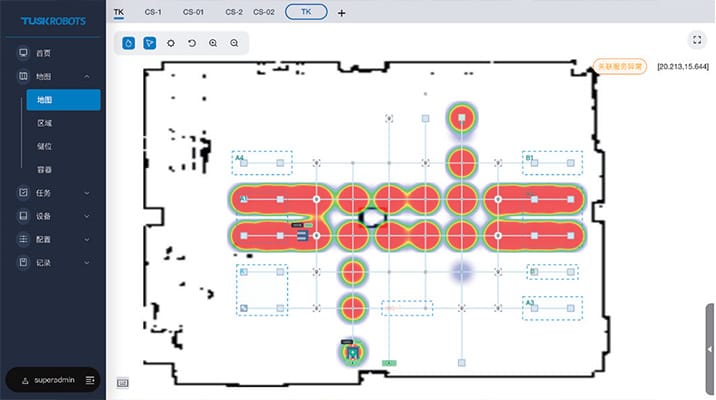
Lothar, the intelligent management platform from Taskar, serves as the digital hub for smart factories. It features customizable data dashboards, full-dimensional map visualization, graphical task and equipment workflows, simulation capabilities, AI-powered operation and maintenance, open multi-protocol interfaces, and OTA upgrade support, empowering digital management of factories throughout their entire lifecycle.
Map Management
Configuration Management
Access Management
Task Management
Historical records
Equipment Management
Simulation
Data dashboard
01.
Custom Data Dashboard
02.
Map visualization
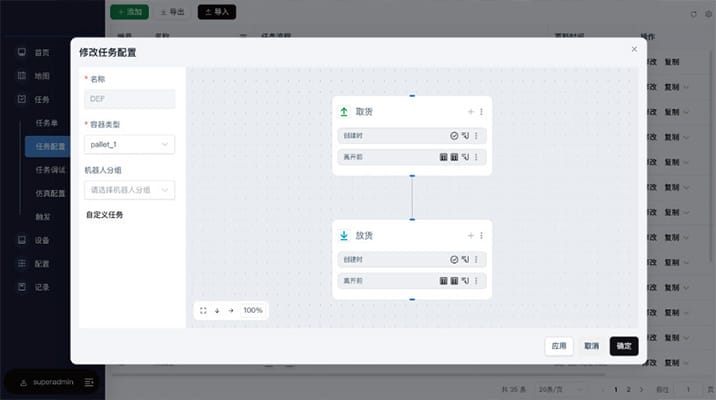
03.
Graphical construction task
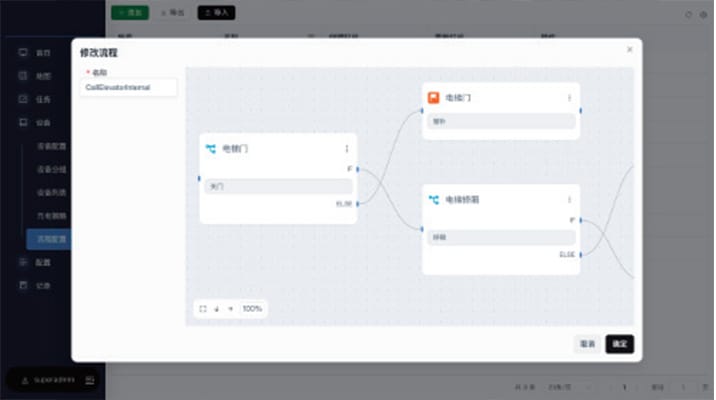
04.
Graphical device configuration process
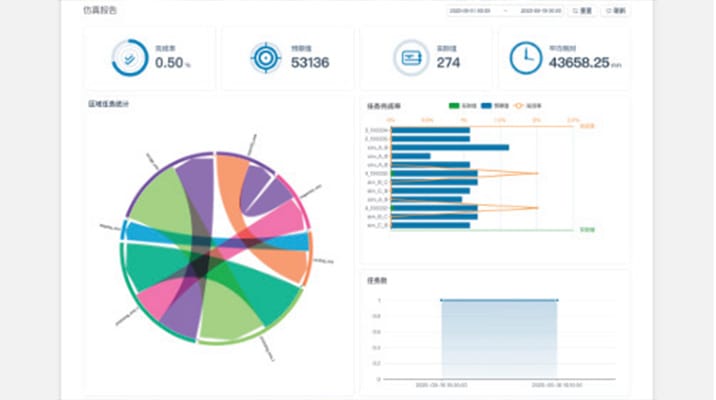
05.
Simulation visualization
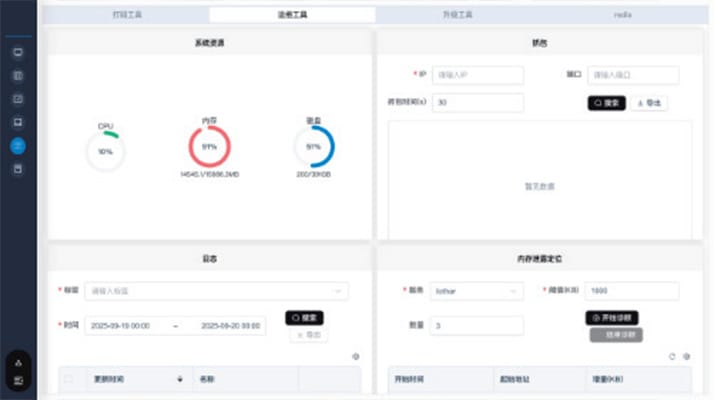
06.
O&M Visualization
Trust Witnessing in Smart Factory Automation
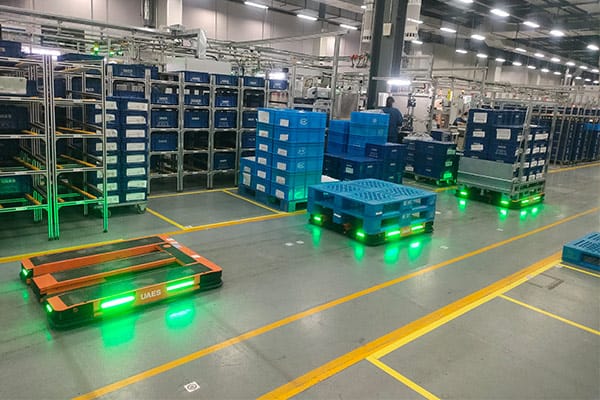
Electronics Industry
The automotive electronics trend makes digital pallet robots the preferred choice for in-plant logistics.
Solution
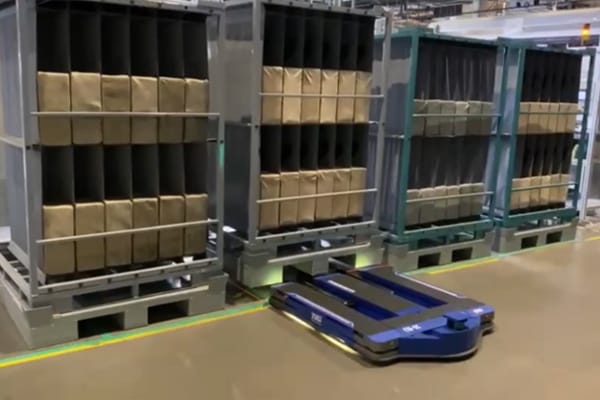
Auto Parts Industry
Rising demand for automotive interiors propels suppliers to new heights of development.
Solution
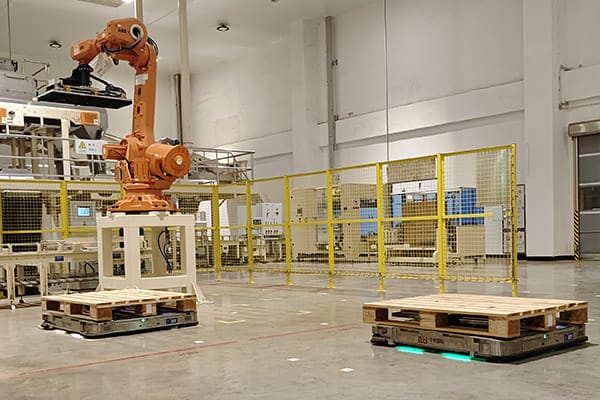
Tobacco Industry
A backbone of China's tobacco industry, with over forty years of history.
Solution
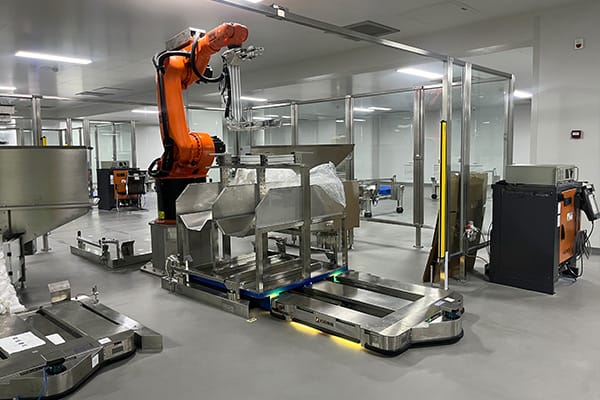
Pharmaceutical Industry
The pharmaceutical industry needs automation due to GMP requirements.
Solution
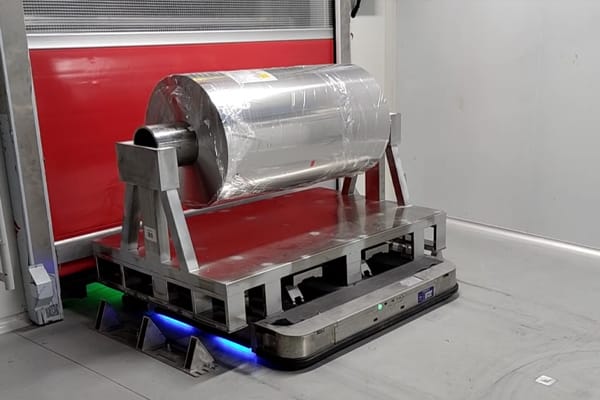
New Energy Industry
New energy lithium battery production capacity increases, automation is key.
Solution
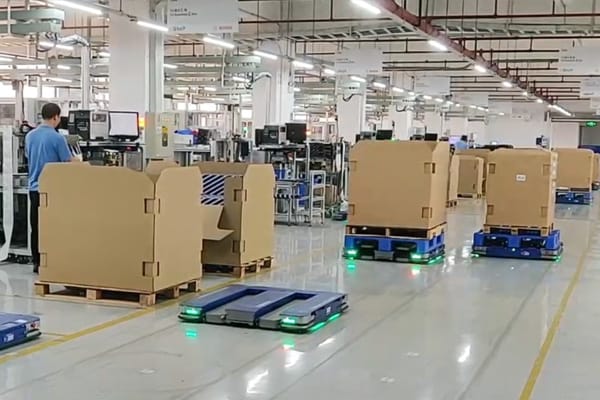
Manufacturing Industry
A globally renowned manufacturer of wiper parts, with a factory of 30,000 square meters.
Solution
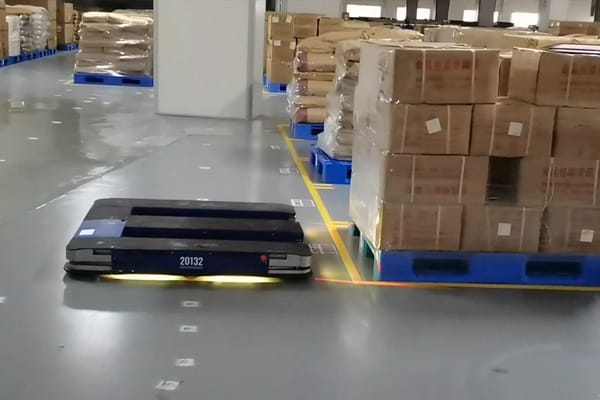
Food Industry
Positioned as a high-quality chain bakery brand, with a modern industrial park of over 60,000 square meters.
Solution
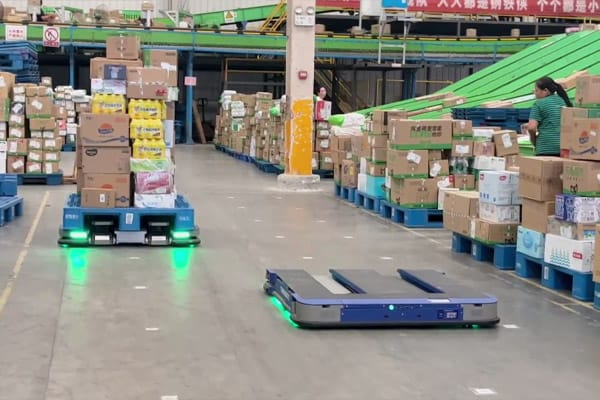
Logistics Industry
South China Logistics and Distribution Center of a Major Domestic E-commerce Company
Solution
Paper Industry
The group is a leading enterprise in the domestic household paper and maternal and child hygiene products industry.
Solution
Smart Factory Automation Trust
Explore more industry automation transformation paths; click to unlock customized solutions.
Smart Device Project Implementation
Implementation Preparation
Robot/charging station parts inventory: on-site inspection of wiring, access control, network, and power supply.
Project on-site implementation
Line marking and coding, map creation and permission setting, software and hardware debugging / robot test run
Launch and Support
User training / Deployment and trial run, manual / maintenance training, acceptance signing, after-sales support