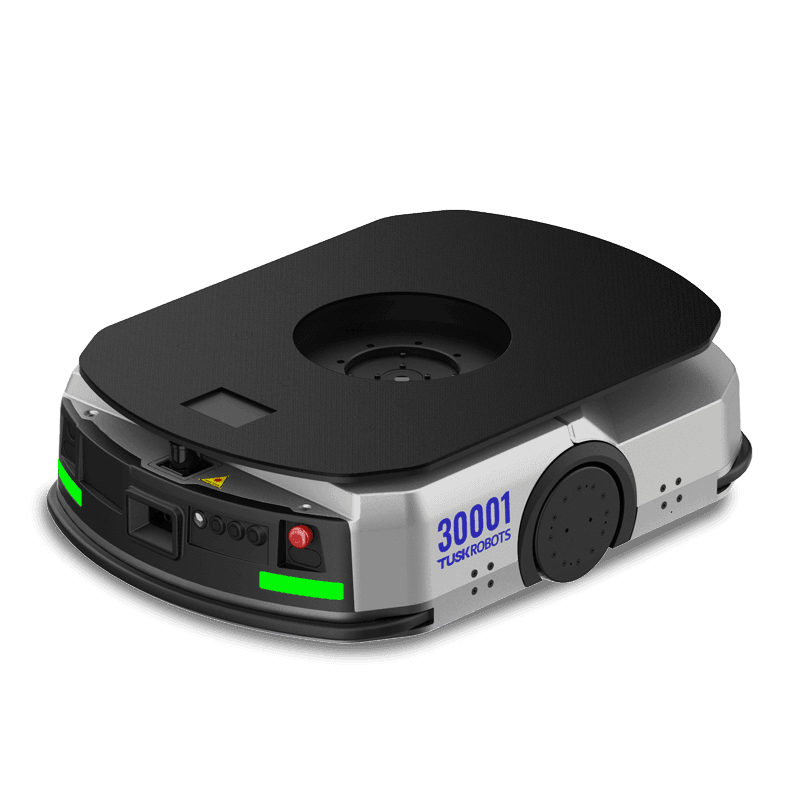

Boost Warehouse Productivity with Advanced Palletizing Robots
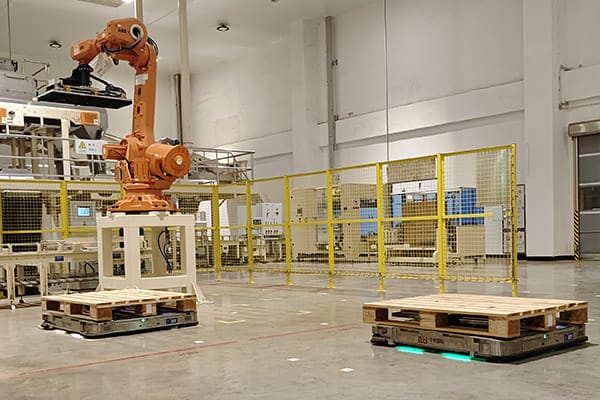
Table of Contents
Introduction
Pallet stacking robotss are transforming modern warehouses and manufacturing lines. These automated systems can handle repetitive palletizing tasks with speed, precision, and reliability. By integrating palletizing robots, companies reduce manual labor, enhance safety, and streamline operations. As e-commerce and high-volume production grow, the role of these robots in optimizing warehouse efficiency becomes increasingly critical.
What Are Palletizing Robots?
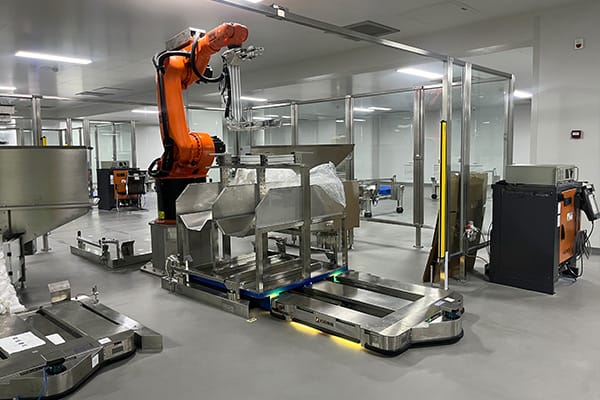
Pallet stacking robotss are automated machines designed to lift, stack, and arrange products onto pallets. They use programmable logic, sensors, and intelligent software to operate efficiently in diverse environments. Common types include articulated arms, SCARA robots, and Cartesian or Delta robots. Each type is suited to different applications based on payload capacity, precision requirements, and workflow speed.
How Palletizing Robots Improve Efficiency
These robots significantly enhance operational efficiency:
- Automation of repetitive tasks: Robots handle continuous stacking without fatigue, reducing errors and inconsistencies.
- Faster throughput: Robotic systems can work at speeds far exceeding human operators, increasing daily output.
- Data-driven optimization: Real-time monitoring allows for workflow adjustments, minimizing downtime and maximizing resource utilization.
Key Benefits of Using Palletizing Robots
Implementing palletizing robots provides several advantages:
- Reduced labor costs: Fewer manual operators are required for repetitive palletizing tasks.
- Improved safety: Automation reduces workplace injuries associated with heavy lifting or repetitive movements.
- Minimized product damage: Consistent and precise stacking reduces the risk of crushed or misaligned products.
- Enhanced inventory management: Robots can track pallet counts and movements, providing accurate, actionable data for warehouse management.
Factors to Consider When Choosing a Palletizing Robot
Selecting the right palletizing robot involves evaluating several factors:
- Load capacity and speed requirements
- Warehouse layout and available space
- Integration with existing systems and software
- Maintenance needs and employee training requirements
Comparison Table of Palletizing Robot Types
| Robot Type | Load Capacity | Speed | Best Use Case | Key Feature |
|---|---|---|---|---|
| Articulated Arm | Up to 1000 kg | High | Mixed product pallets | Flexible programming |
| SCARA | 500 kg | Medium | High-precision stacking | Compact design |
| Cartesian/Delta | 200-500 kg | Very High | Fast production lines | Linear motion for accuracy |
Integrating Palletizing Robots into Your Warehouse
Integration requires careful planning. Software and control systems must align with existing workflows. Layout optimization ensures robots can navigate efficiently without bottlenecks. Proper training for operators and safety protocols is essential to maximize benefits while minimizing risk.
Maintenance and Longevity
Maintaining palletizing robots is critical for reliable performance:
- Inspect mechanical joints, actuators, and end-effectors regularly.
- Calibrate sensors and update software to maintain precision.
- Keep a detailed maintenance log to monitor performance and anticipate repairs. Proper upkeep ensures long-term productivity and reduces unexpected downtime.
Future Trends in Palletizing Robotics
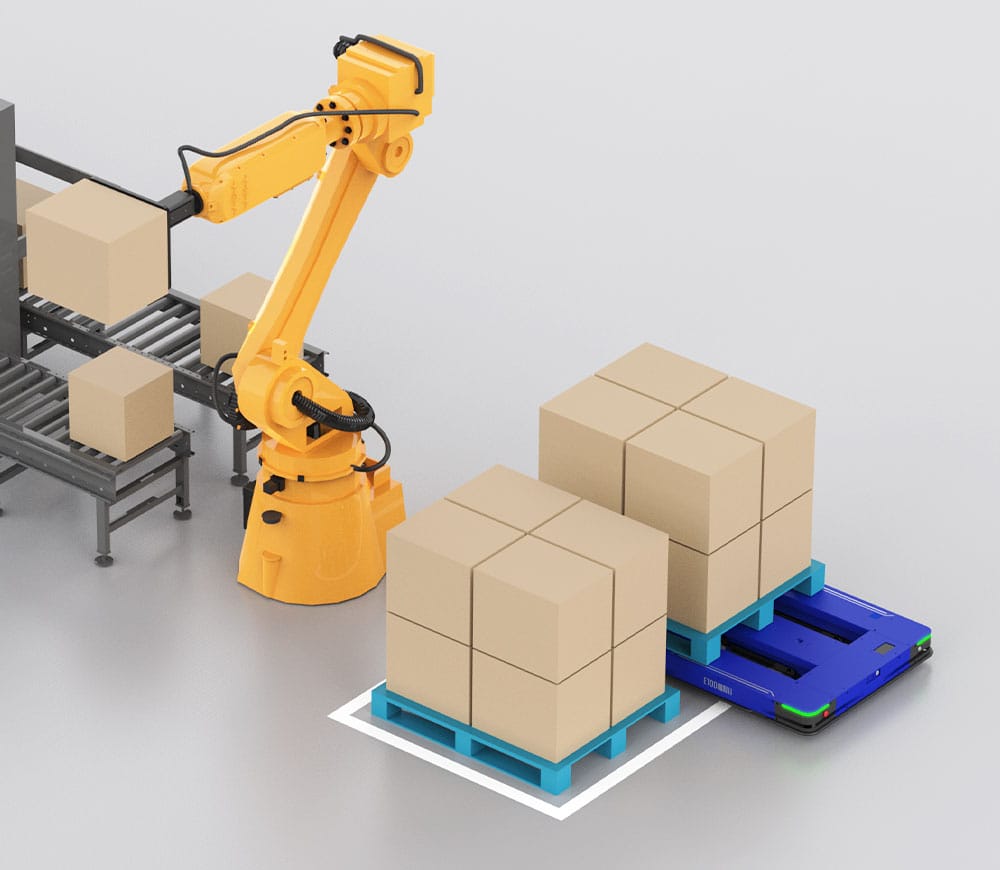
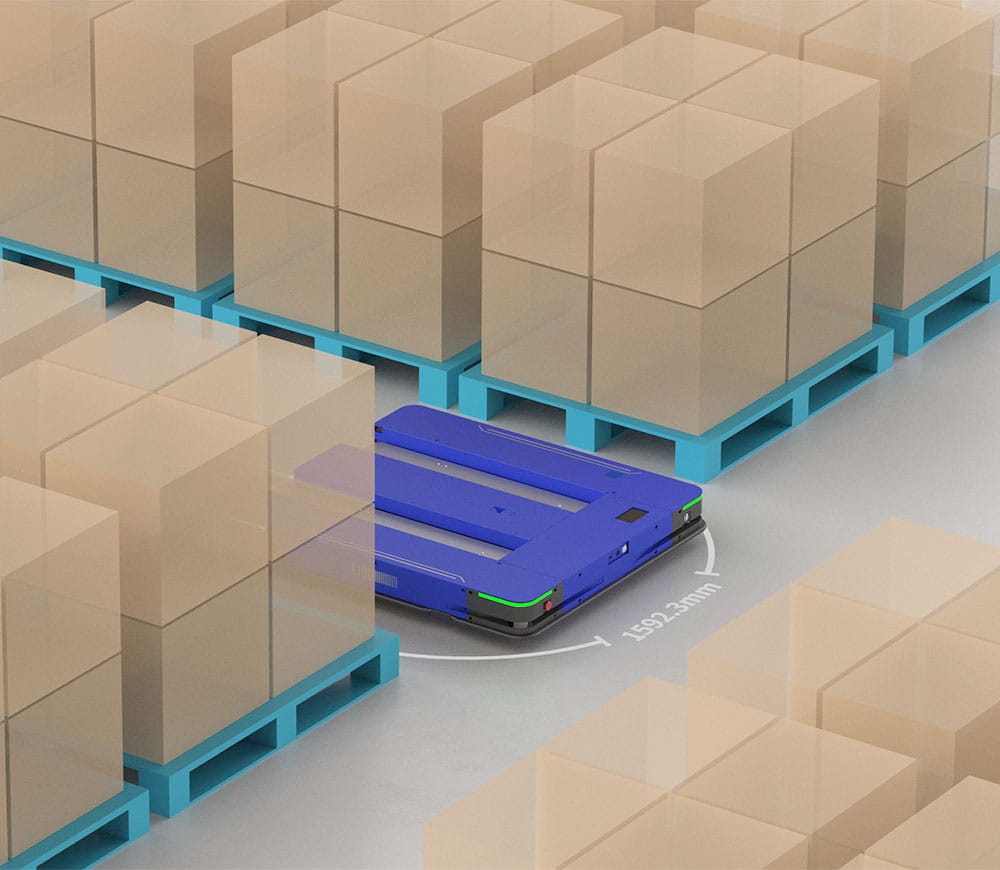
Palletizing robotics is evolving rapidly:
- AI and machine learning: Robots can optimize stacking patterns and adapt to new products automatically.
- Collaborative robots (cobots): Working alongside humans, cobots increase flexibility and safety.
- Modular and high-speed systems: Emerging solutions allow easy scaling and faster operation for high-demand warehouses.
Conclusion
Palletizing robots are essential for modern warehouses seeking higher efficiency, safety, and accuracy. By carefully selecting, integrating, and maintaining the right robotic system, businesses can significantly boost productivity and reduce operational risks. Investing in advanced palletizing robots ensures your warehouse is ready to handle increasing demand and complex workflows.
FAQ
What is a palletizing robot?
A palletizing robot is an automated system that stacks and arranges products on pallets with precision. It uses sensors and programmable controls to increase efficiency, reduce manual labor, and maintain consistent stacking in warehouses and production lines.
How do palletizing robots improve efficiency?
They automate repetitive stacking tasks, reduce human errors, and operate continuously at high speed. This accelerates workflows, optimizes resource use, and allows warehouses to handle higher volumes with accuracy.
Are palletizing robots safe to operate alongside humans?
Yes, most palletizing robots include sensors and safety systems to detect obstacles and avoid collisions. Collaborative models (cobots) are specifically designed to work safely in shared spaces with operators.
What industries use palletizing robots?
Warehouses, logistics centers, manufacturing plants, and e-commerce operations widely use palletizing robots to handle high-volume, repetitive tasks efficiently and safely.
How do I choose the right palletizing robot?
Consider payload, speed, warehouse layout, automation level, integration requirements, and maintenance. The right robot should improve productivity, reduce labor costs, and fit your operational workflow.
Need Help Choosing the Right Palletizing Robot?
If you’re unsure which palletizing robot suits your warehouse or production line, our experts are here to help. Contact us today for a personalized consultation, and ensure your operations run efficiently, safely, and with maximum productivity. Don’t wait—get in touch now to optimize your workflow!
Latest post

Contact Info
2nd Floor, Xingzhongchuang Xiabei High-tech Industry Center A1, Nanhai District, Foshan, China
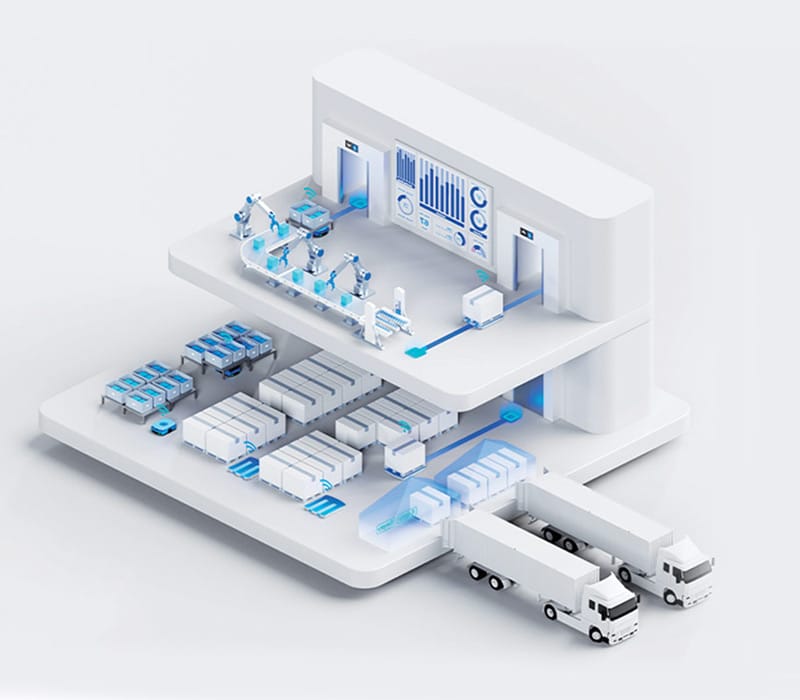
Full-stack intelligent logistics management and control system
It connects the entire "system - platform - hardware" chain, is compatible with mainstream industrial systems, and links intelligent hardware to achieve intelligent management and efficiency upgrades for the entire logistics process.
WHAT FITS:
Building core competitiveness in mobile management
01.
Custom Data Dashboard
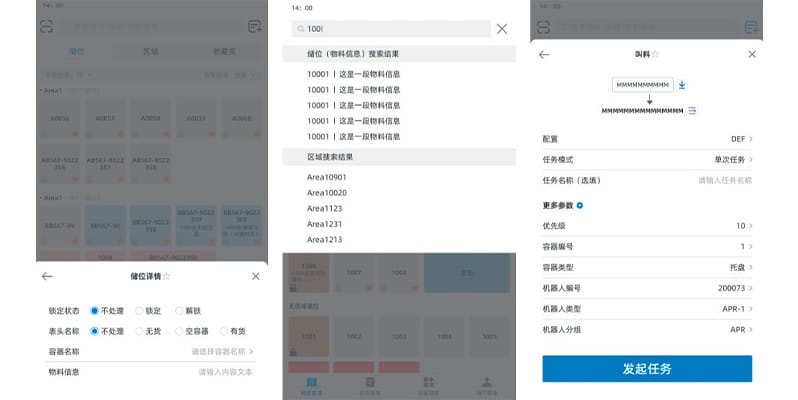
Building core competitiveness in mobile management
02.
Personalized User Management
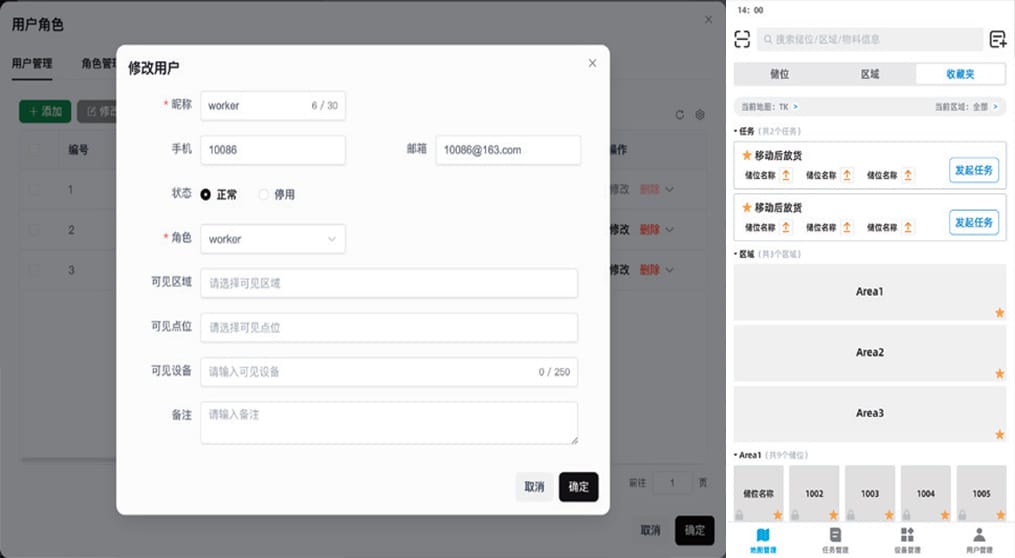
Building core competitiveness in mobile management
03.
Personalized Alarm Push
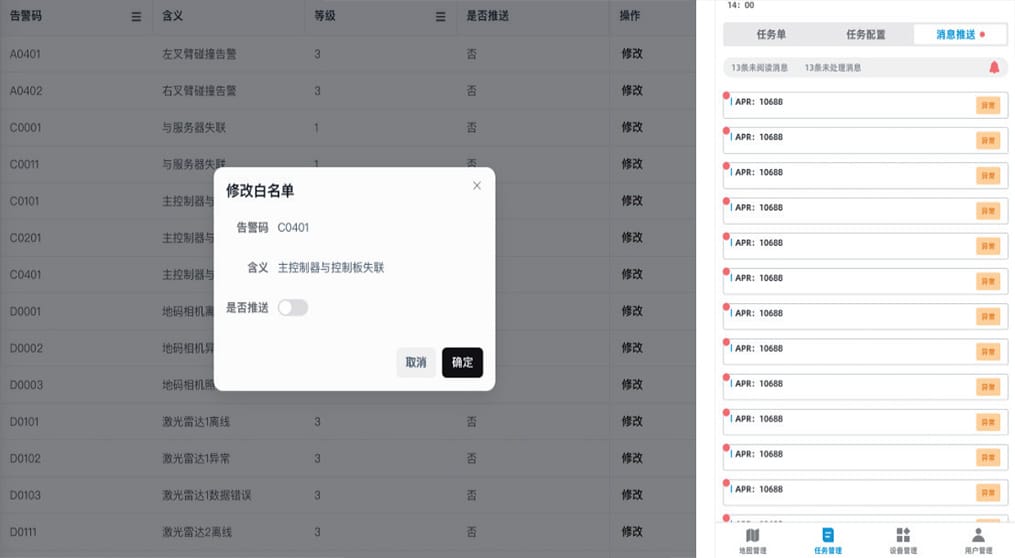
Leading the revolution in intelligent
warehouse location management
01.
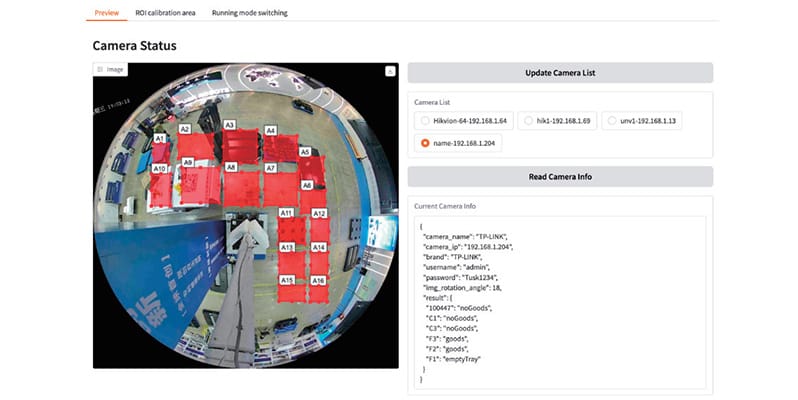
Real-time storage location automatic trigger task

Leading the revolution in intelligent
warehouse location management
02.
Visual configuration interface
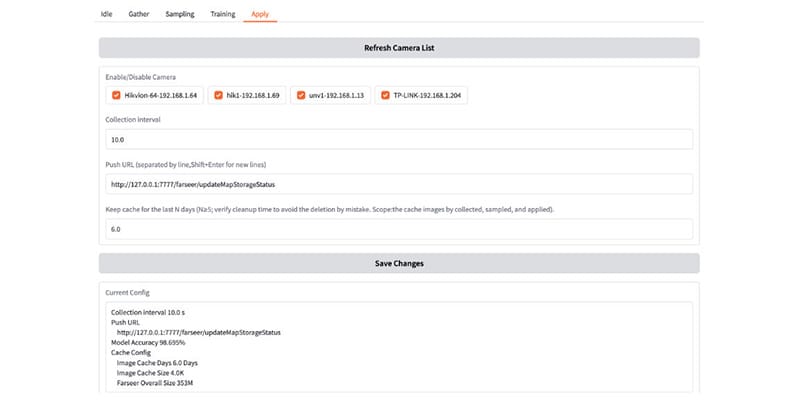
Leading the revolution in intelligent warehouse location management
03.
Custom Configuration
Lothar Intelligent Management Platform Building a Central System for Smart Factories
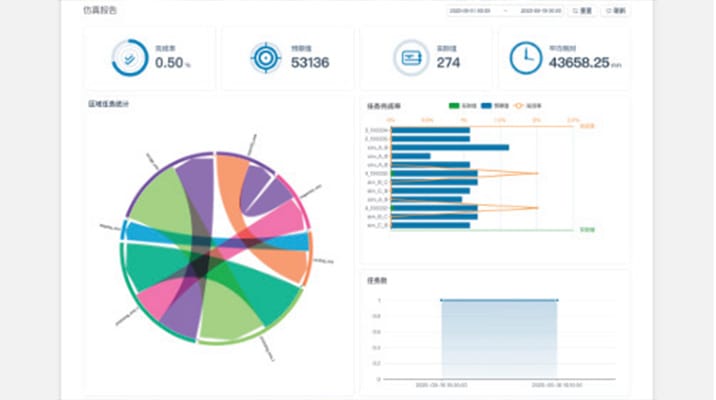
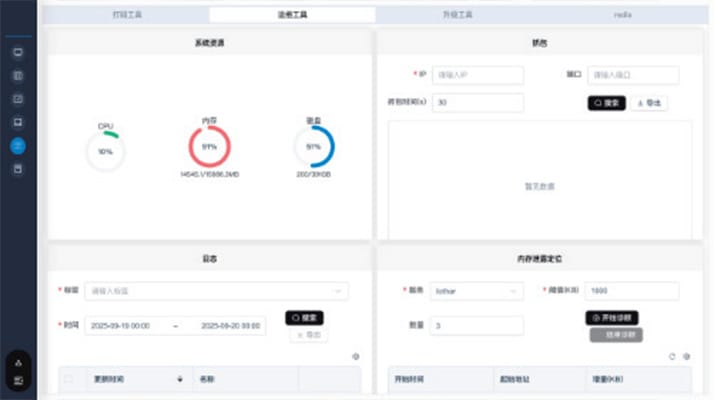
Lothar, the intelligent management platform from Taskar, serves as the digital hub for smart factories. It features customizable data dashboards, full-dimensional map visualization, graphical task and equipment workflows, simulation capabilities, AI-powered operation and maintenance, open multi-protocol interfaces, and OTA upgrade support, empowering digital management of factories throughout their entire lifecycle.
Map Management
Configuration Management
Access Management
Task Management
Historical records
Equipment Management
Simulation
Data dashboard
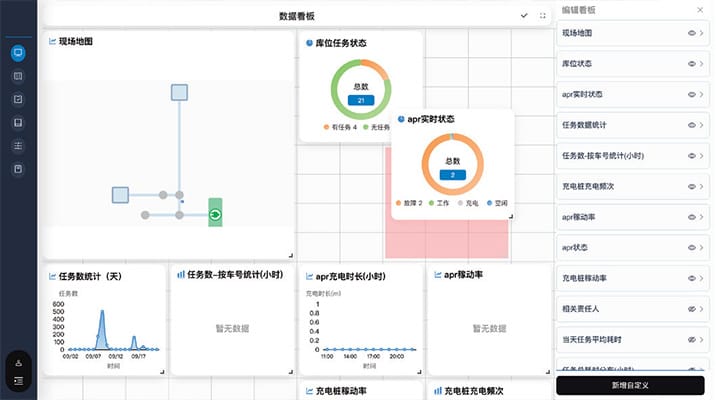
01.
Custom Data Dashboard
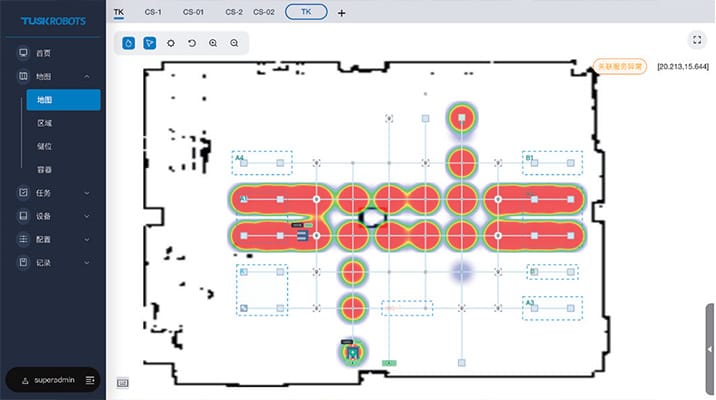
02.
Map visualization
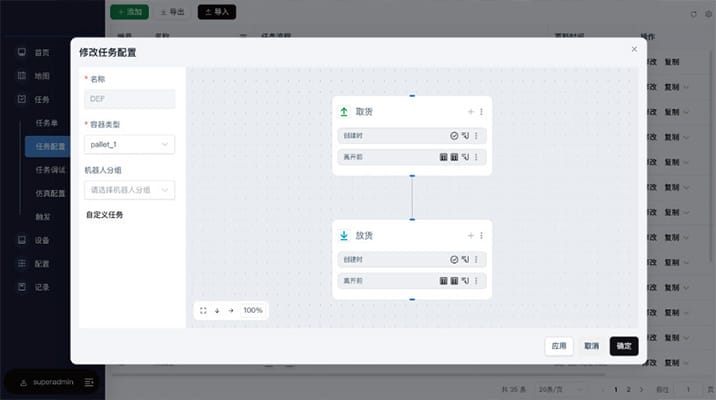
03.
Graphical construction task
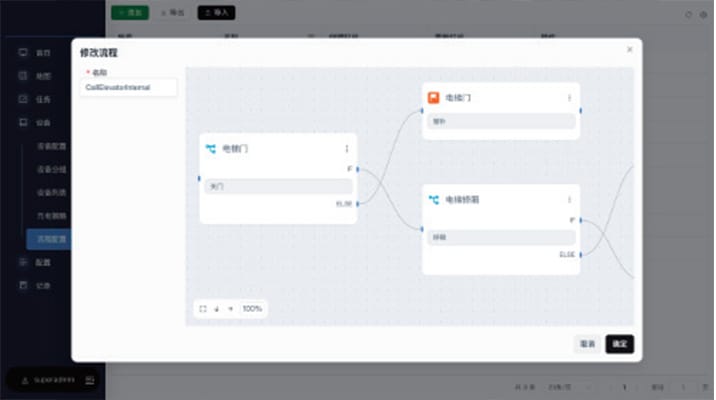
04.
Graphical device configuration process
05.
Simulation visualization
06.
O&M Visualization
Trust Witnessing in Smart Factory Automation
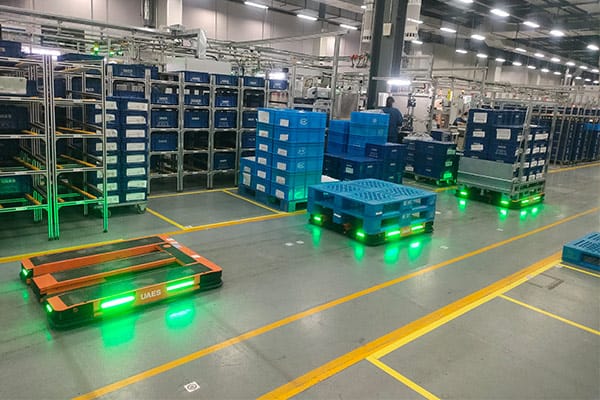
Electronics Industry
The automotive electronics trend makes digital pallet robots the preferred choice for in-plant logistics.
Solution
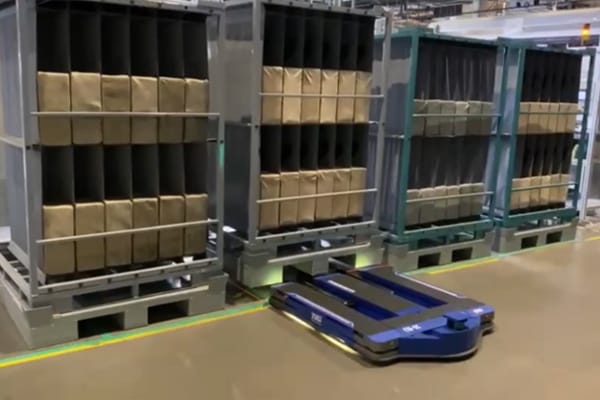
Auto Parts Industry
Rising demand for automotive interiors propels suppliers to new heights of development.
Solution
Tobacco Industry
A backbone of China's tobacco industry, with over forty years of history.
Solution
Pharmaceutical Industry
The pharmaceutical industry needs automation due to GMP requirements.
Solution
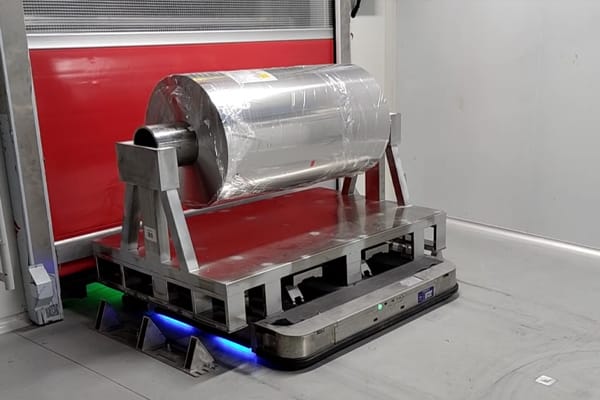
New Energy Industry
New energy lithium battery production capacity increases, automation is key.
Solution
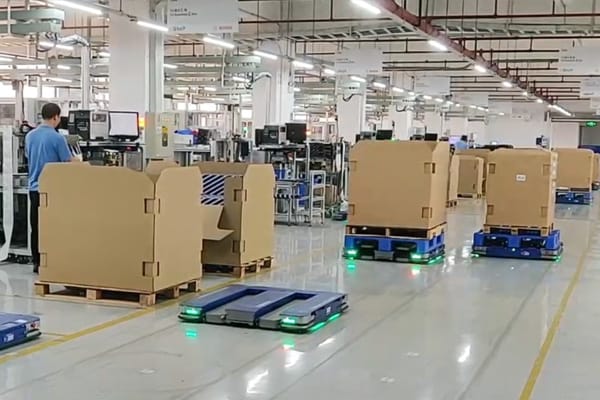
Manufacturing Industry
A globally renowned manufacturer of wiper parts, with a factory of 30,000 square meters.
Solution
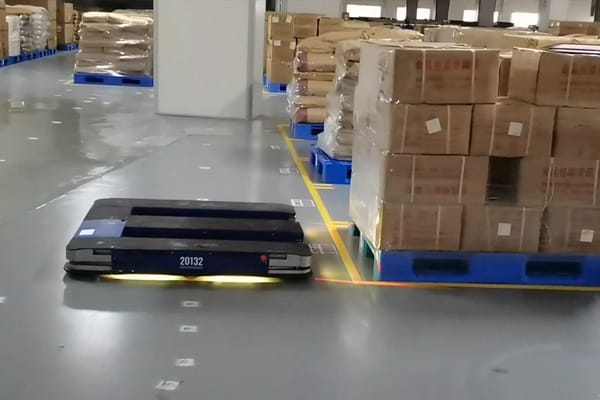
Food Industry
Positioned as a high-quality chain bakery brand, with a modern industrial park of over 60,000 square meters.
Solution
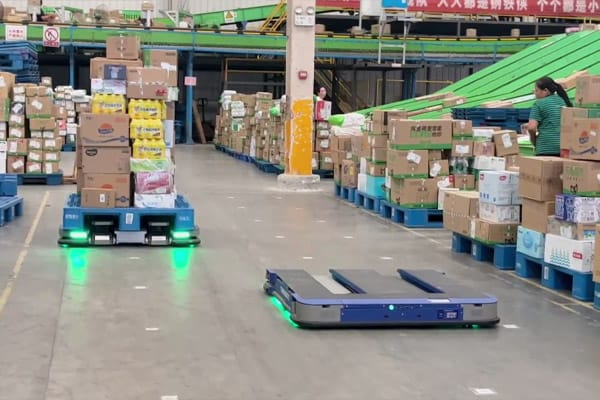
Logistics Industry
South China Logistics and Distribution Center of a Major Domestic E-commerce Company
Solution
Paper Industry
The group is a leading enterprise in the domestic household paper and maternal and child hygiene products industry.
Solution
Smart Factory Automation Trust
Explore more industry automation transformation paths; click to unlock customized solutions.
Smart Device Project Implementation
Implementation Preparation
Robot/charging station parts inventory: on-site inspection of wiring, access control, network, and power supply.
Project on-site implementation
Line marking and coding, map creation and permission setting, software and hardware debugging / robot test run
Launch and Support
User training / Deployment and trial run, manual / maintenance training, acceptance signing, after-sales support