
The Future of Material Handling: AMR Robots Explained
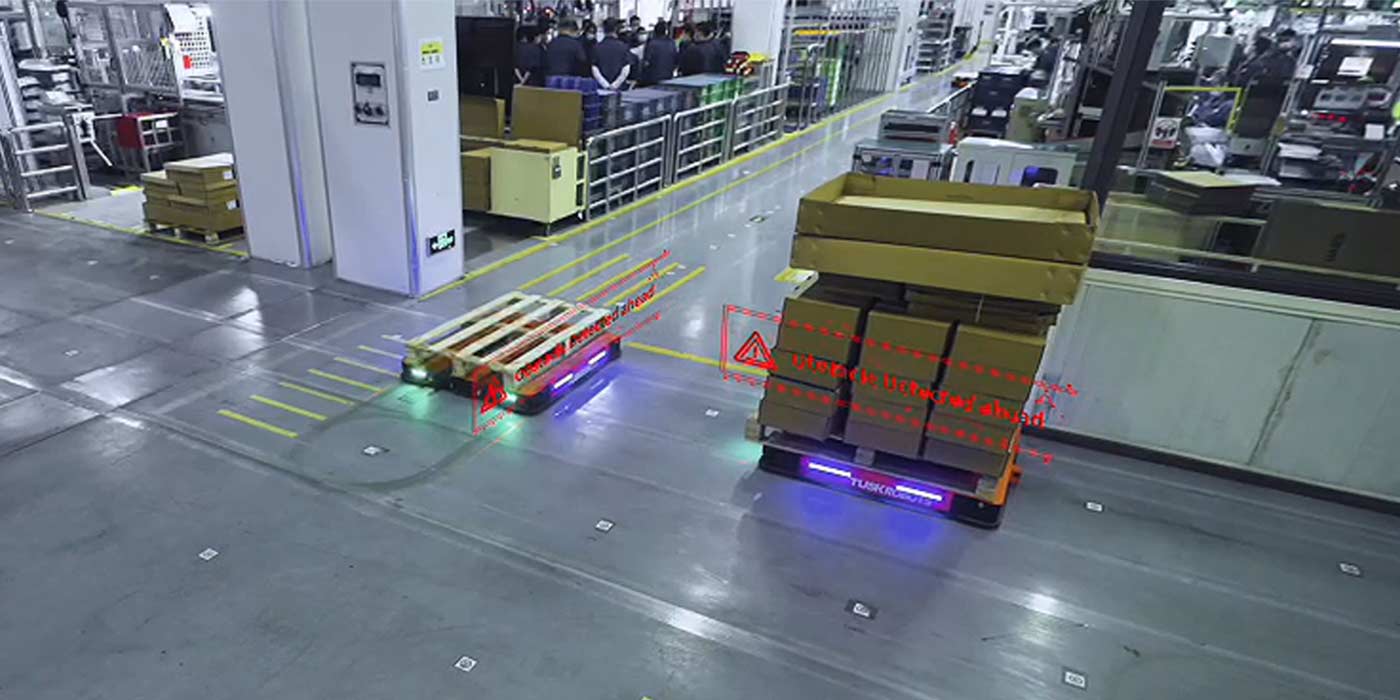
Table of Contents
Introduction
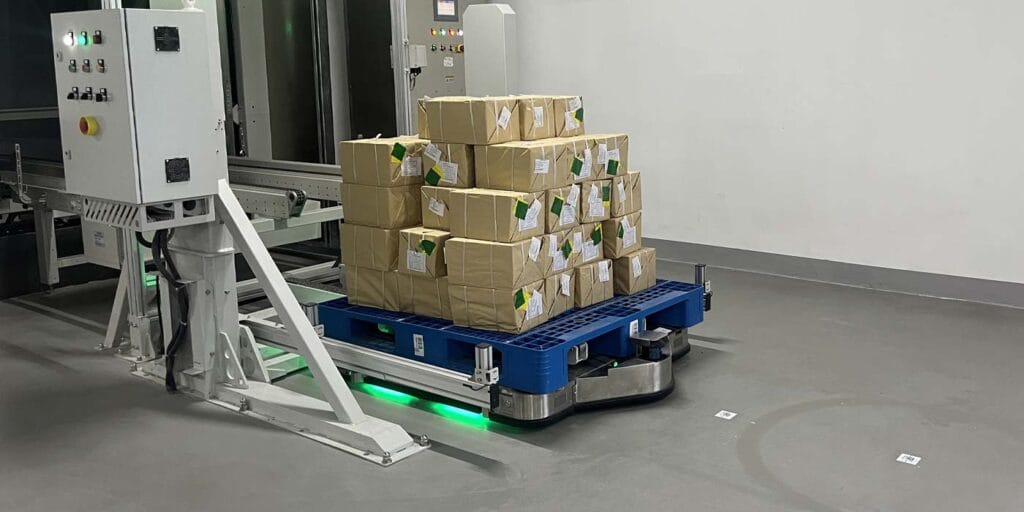
In today’s rapidly evolving warehouse and logistics environments, efficiency, safety, and adaptability are more important than ever. Autonomous Mobile Robots, commonly known as autonomous mobile robots, are emerging as a transformative technology in material handling. These intelligent machines streamline operations, reduce labor strain, and enable warehouses to operate at peak efficiency. This article will explore the technology behind autonomous mobile robots, their advantages, real-world applications, and how to select the right solutions for your operations.
What Are AMR Robots?
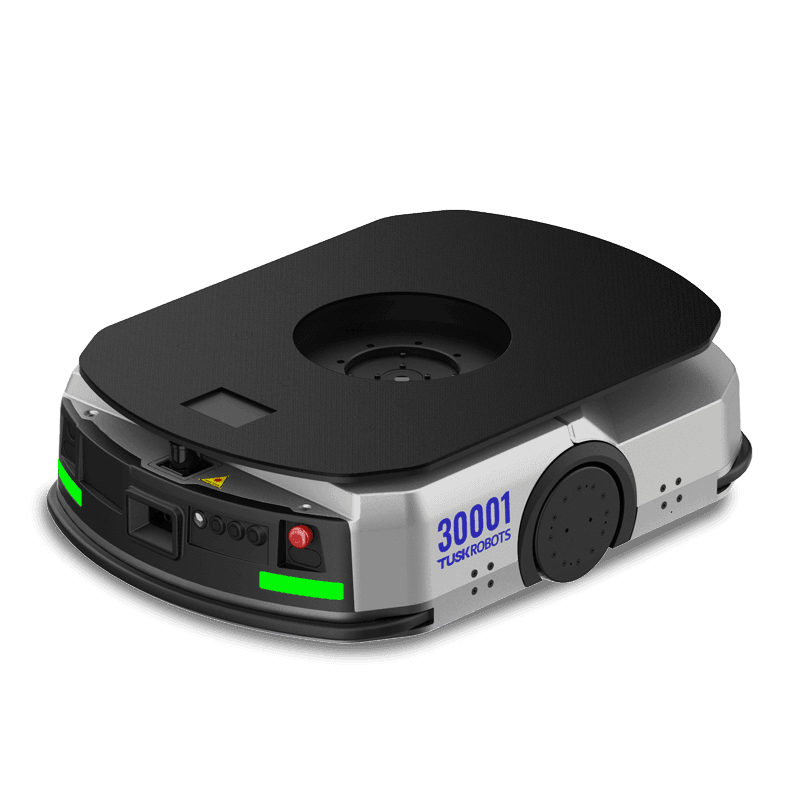
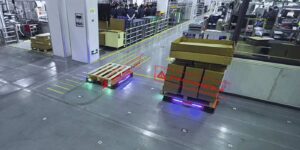
Autonomous mobile robots are autonomous machines designed to transport materials within warehouses, factories, and distribution centers. Unlike traditional Automated Guided Vehicles (AGVs), autonomous mobile robots do not rely on fixed paths. Instead, they navigate dynamically using sensors, cameras, and mapping software. This autonomy allows them to adapt to changing environments, avoid obstacles, and optimize their routes in real time. According to a report by the International Robotics Association, warehouses implementing AMR robots have seen operational efficiency improvements of up to 30%.
How Do AMR Robots Work?
Autonomous mobile robots rely on advanced navigation and control systems to operate safely and efficiently. Key components include:
- Sensors and LiDAR: Detect obstacles and map surroundings.
- Cameras and vision systems: Enable object recognition and route adjustments.
- Onboard software: Calculates optimal paths and communicates with other robots or warehouse management systems.
A typical workflow involves receiving a task from the warehouse management system, calculating a route, avoiding obstacles, delivering the load to its destination, and returning to the charging station. The autonomous decision-making capabilities make AMR robots highly adaptable for complex warehouse layouts.
Key Benefits of AMR Robots
AMR robots offer several significant advantages for material handling operations:
- Improved Efficiency: Robots can operate continuously without fatigue, completing tasks faster than human operators.
- Enhanced Safety: By taking over repetitive or heavy-lifting tasks, autonomous mobile robots reduce workplace injuries.
- Operational Flexibility: Their autonomous navigation allows them to adjust routes and respond to changing warehouse configurations.
- Data and Analytics: Many AMR systems track usage, inventory movement, and productivity metrics, providing actionable insights for optimization.
Industries and Applications of AMR Robots
Autonomous mobile robots are versatile and applicable across a wide range of industries:
- Warehousing and Distribution: Transporting goods between storage locations and packing stations.
- Manufacturing: Moving components and raw materials along production lines.
- E-Commerce: Speeding up order fulfillment and last-mile handling.
- Healthcare and Pharmaceuticals: Delivering medical supplies or lab samples efficiently.
For instance, a mid-sized e-commerce warehouse deploying autonomous mobile robots reported a 25% reduction in order processing times within the first six months of implementation (based on case studies from Robotics Industry Insights).
AMR Robots vs AGV Robots
| Feature | AMR Robots | AGV Robots |
|---|---|---|
| Navigation | Autonomous, dynamic paths | Fixed, predefined paths |
| Flexibility | High | Low |
| Implementation Cost | Moderate to High | Moderate |
| Scalability | Easy to expand | Limited |
| Best Use Cases | Complex layouts, high variability | Simple, repetitive tasks |
AMR robots outperform AGVs in flexibility and adaptability, making them ideal for modern warehouses with dynamic workflows. However, AGVs remain useful for predictable, repetitive environments where path constraints are consistent.
How to Choose the Right AMR Robot
Selecting the right AMR robot depends on several operational factors:
- Warehouse Size: Larger facilities benefit more from robots capable of long-range navigation.
- Load Capacity: Ensure robots can handle your heaviest inventory items.
- Frequency and Workflow: High-volume operations may require multiple coordinated robots.
- Software Compatibility: Integration with existing warehouse management systems is critical.
- Total Cost of Ownership: Factor in purchase price, maintenance, and operational savings.
By carefully assessing these factors, businesses can ensure their investment in autonomous mobile robots yields maximum productivity and return.
Maintenance and Operational Tips
Proper maintenance is essential to maximize uptime and ensure safety:
- Conduct routine inspections for wear and sensor functionality.
- Keep batteries charged and monitor performance metrics.
- Update software regularly for optimized routing and efficiency.
- Document maintenance activities to track robot health and predict issues before failures occur.
Regular maintenance not only prolongs the life of AMR robots but also safeguards warehouse operations and workforce safety.
Future Trends in AMR Robotics
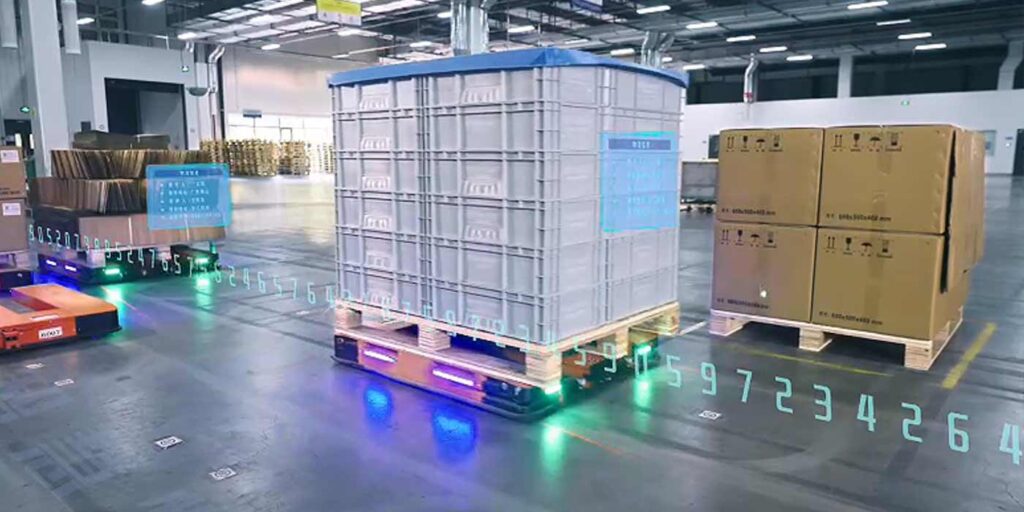

The future of autonomous mobile robots is closely tied to advancements in artificial intelligence and connectivity:
- AI Integration: Enhanced decision-making and predictive routing.
- Multi-Robot Coordination: Teams of robots working collaboratively to optimize efficiency.
- IoT Connectivity: Real-time data sharing with warehouse systems for dynamic inventory management.
- Autonomous Upgrades: Continuous improvements in navigation, obstacle avoidance, and battery technology.
Experts predict that over the next five years, autonomous mobile robots will become an integral component of fully automated warehouses, significantly reducing labor dependency while increasing throughput.
Conclusion
AMR robots are revolutionizing material handling by offering flexibility, safety, and efficiency that traditional methods cannot match. From small warehouses to large distribution centers, businesses adopting this technology gain a competitive edge in productivity and operational insight. Evaluating your facility’s needs, workflow, and budget will help you choose the right autonomous mobile robots and fully harness the potential of autonomous material handling.
FAQ
What are AMR robots?
AMR robots, or Autonomous Mobile Robots, are self-guided machines that transport materials within warehouses and industrial facilities. They navigate dynamically using sensors and mapping software, increasing efficiency and reducing reliance on fixed paths.
How do AMR robots work?
AMR robots use a combination of LiDAR, cameras, sensors, and onboard software to detect obstacles, plan optimal routes, and transport loads autonomously. They can communicate with warehouse management systems for coordinated, efficient workflows.
What is the difference between autonomous mobile robots and AGV robots?
Unlike AGV robots that follow fixed paths, AMR robots navigate dynamically and adapt to changes. This flexibility allows AMRs to handle complex, high-variability environments while AGVs are suited for repetitive, predictable tasks.
What industries use AMR robots?
AMR robots are widely used in warehousing, logistics, manufacturing, e-commerce fulfillment, and healthcare facilities. Any operation requiring efficient material movement and adaptable navigation can benefit from AMR technology.
How do I choose the right AMR robot?
Consider factors like warehouse size, load weight, operational frequency, integration with existing systems, and total cost of ownership. Choosing the right AMR robot ensures improved efficiency, safety, and return on investment.
Need Help Choosing the Right AMR Robots?
If you’re unsure which AMR robots best fit your warehouse or facility, our experts are here to help. Contact us today for a personalized consultation, and ensure your operations are efficient, safe, and future-ready. Don’t wait—get in touch now to optimize your workflow and boost productivity!
Latest post

Contact Info
2nd Floor, Xingzhongchuang Xiabei High-tech Industry Center A1, Nanhai District, Foshan, China
Full-stack intelligent logistics management and control system
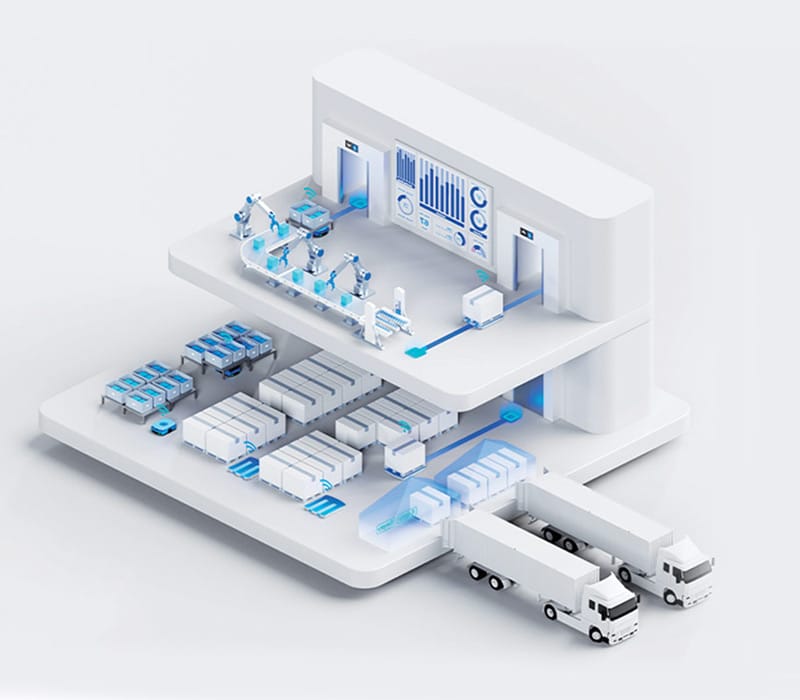
It connects the entire "system - platform - hardware" chain, is compatible with mainstream industrial systems, and links intelligent hardware to achieve intelligent management and efficiency upgrades for the entire logistics process.
WHAT FITS:
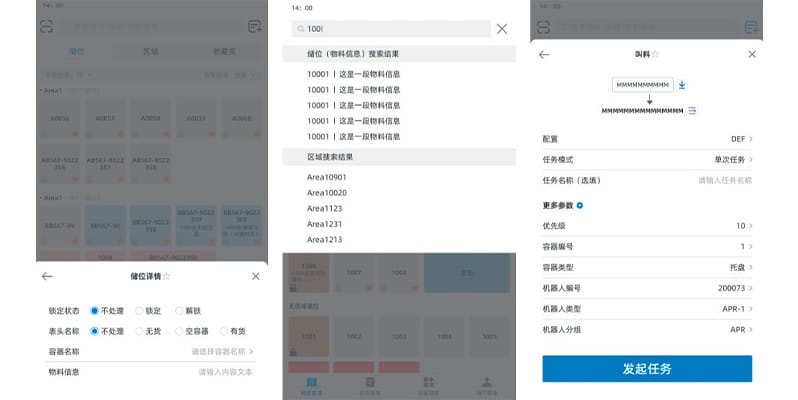
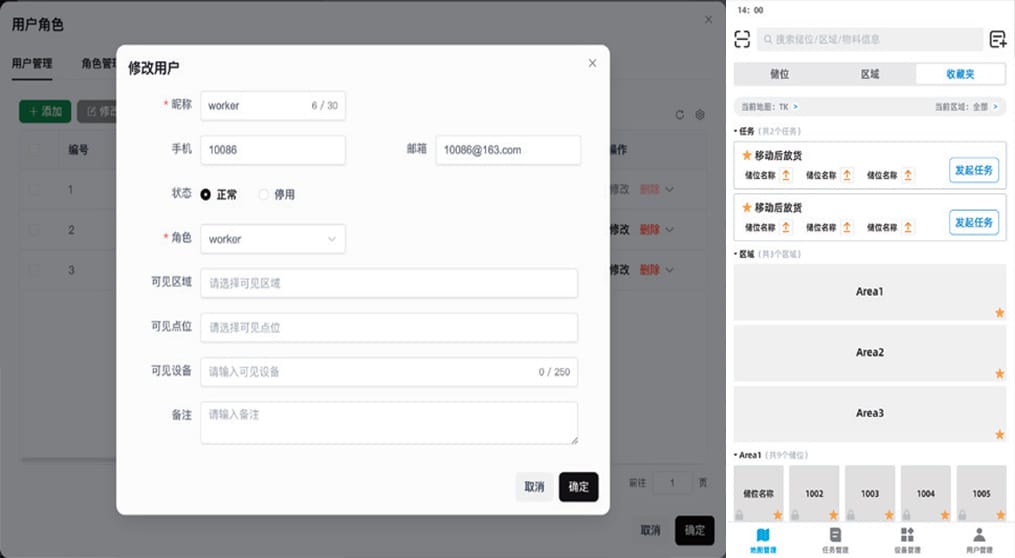
Building core competitiveness in mobile management
01.
Custom Data Dashboard
Building core competitiveness in mobile management
02.
Personalized User Management
Building core competitiveness in mobile management
03.
Personalized Alarm Push
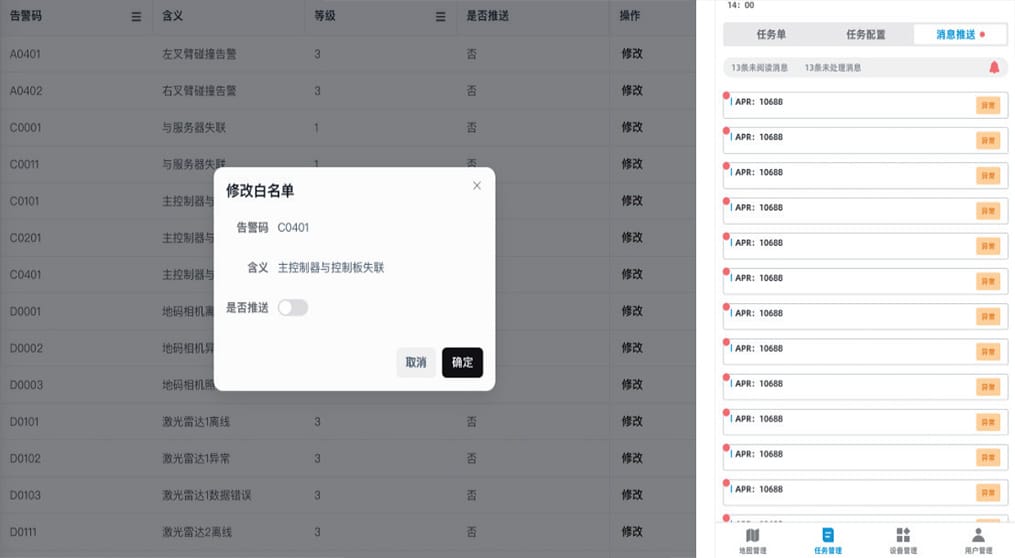
Leading the revolution in intelligent
warehouse location management
01.
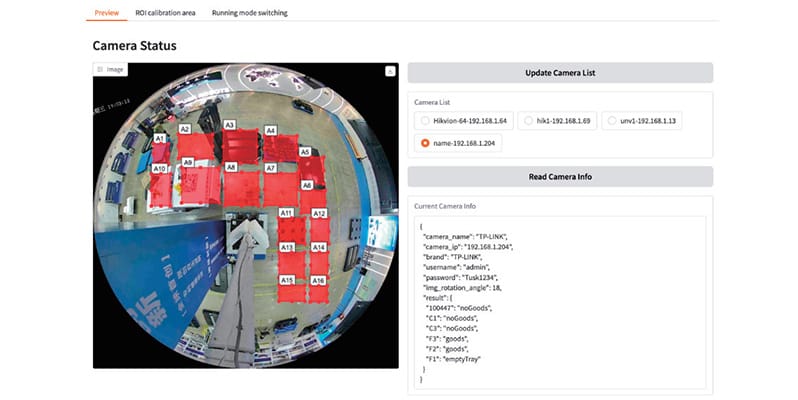
Real-time storage location automatic trigger task

Leading the revolution in intelligent
warehouse location management
02.
Visual configuration interface
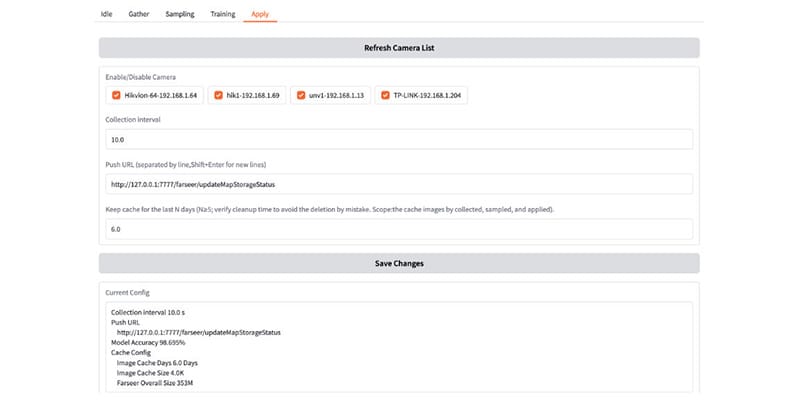
Leading the revolution in intelligent warehouse location management
03.
Custom Configuration
Lothar Intelligent Management Platform Building a Central System for Smart Factories
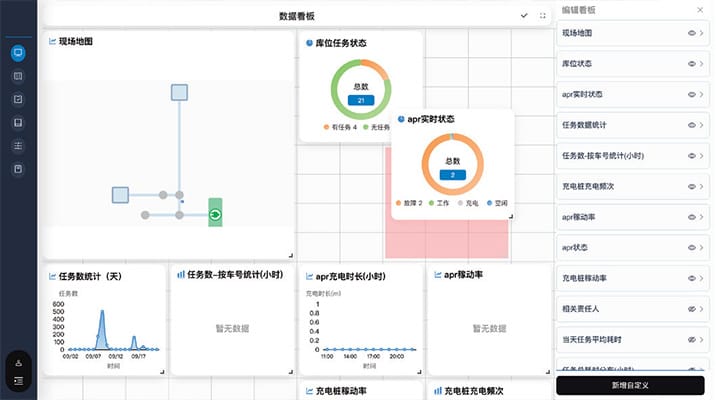
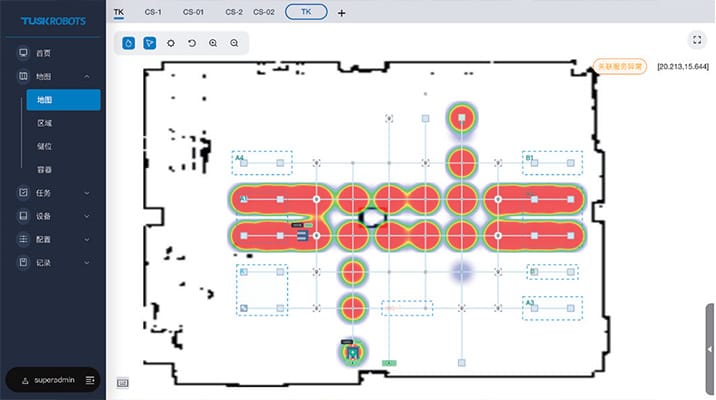
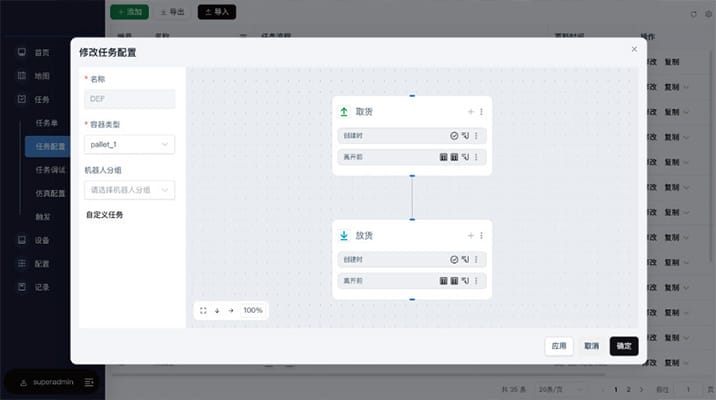
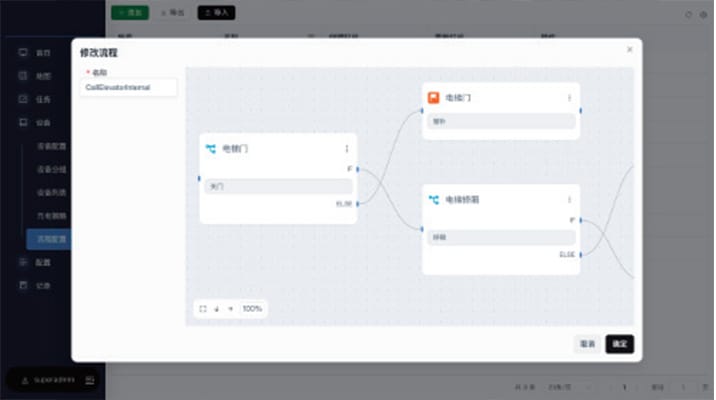
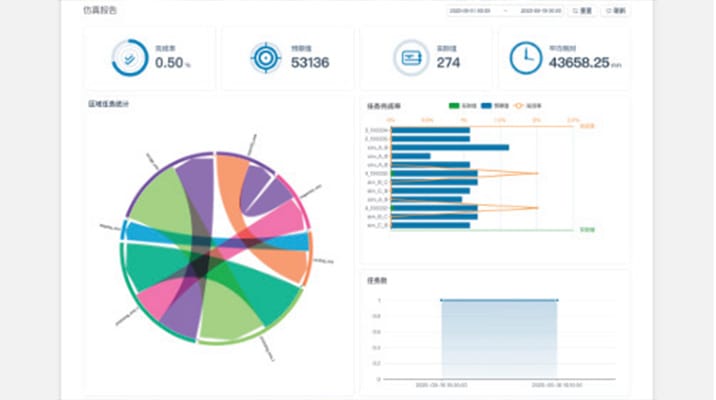
Lothar, the intelligent management platform from Taskar, serves as the digital hub for smart factories. It features customizable data dashboards, full-dimensional map visualization, graphical task and equipment workflows, simulation capabilities, AI-powered operation and maintenance, open multi-protocol interfaces, and OTA upgrade support, empowering digital management of factories throughout their entire lifecycle.
Map Management
Configuration Management
Access Management
Task Management
Historical records
Equipment Management
Simulation
Data dashboard
01.
Custom Data Dashboard
02.
Map visualization
03.
Graphical construction task
04.
Graphical device configuration process
05.
Simulation visualization
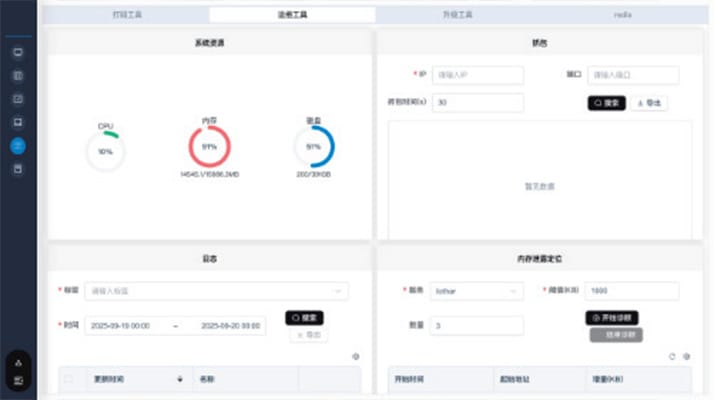
06.
O&M Visualization
Trust Witnessing in Smart Factory Automation
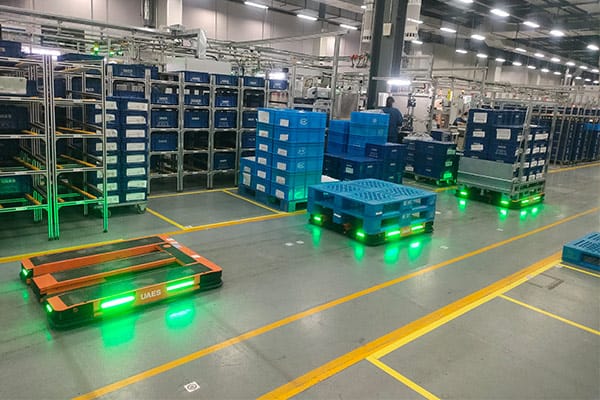
Electronics Industry
The automotive electronics trend makes digital pallet robots the preferred choice for in-plant logistics.
Solution
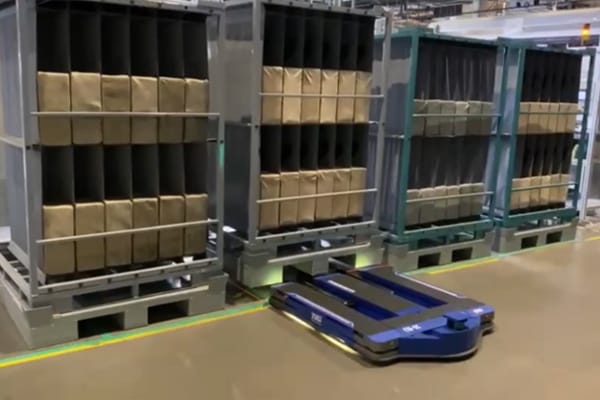
Auto Parts Industry
Rising demand for automotive interiors propels suppliers to new heights of development.
Solution
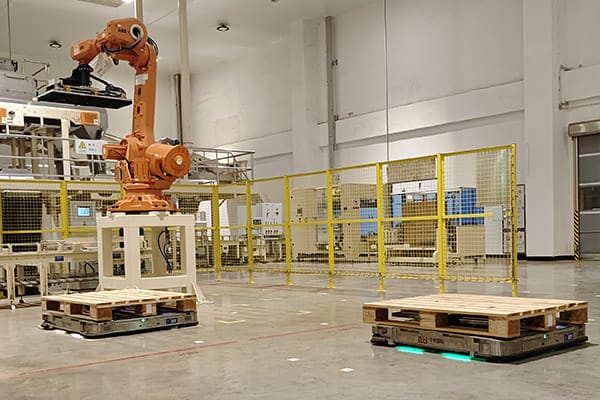
Tobacco Industry
A backbone of China's tobacco industry, with over forty years of history.
Solution
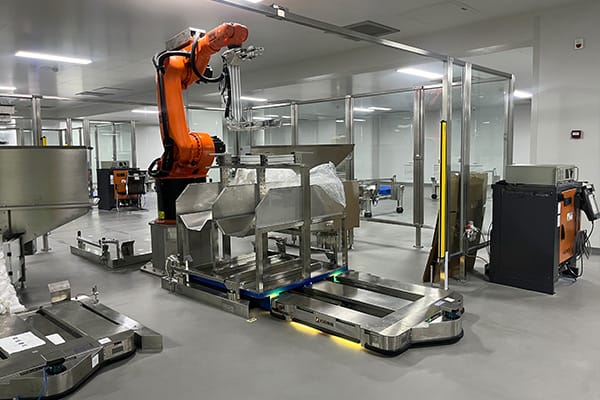
Pharmaceutical Industry
The pharmaceutical industry needs automation due to GMP requirements.
Solution
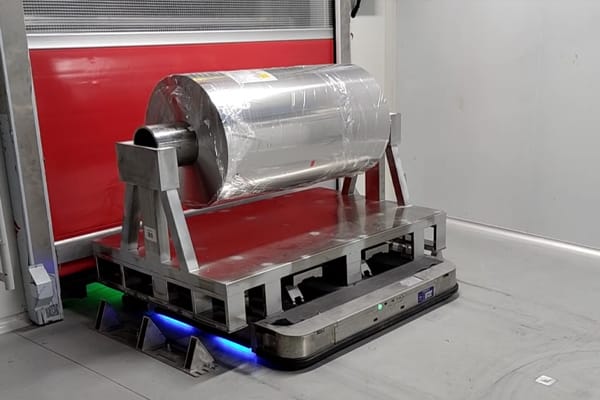
New Energy Industry
New energy lithium battery production capacity increases, automation is key.
Solution
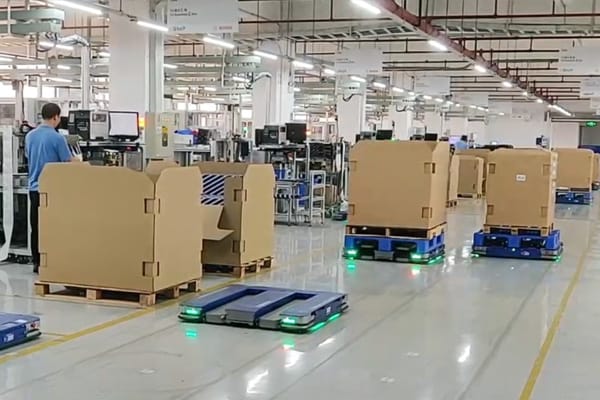
Manufacturing Industry
A globally renowned manufacturer of wiper parts, with a factory of 30,000 square meters.
Solution
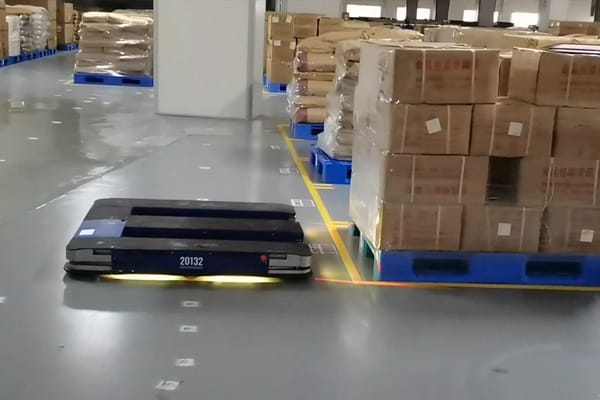
Food Industry
Positioned as a high-quality chain bakery brand, with a modern industrial park of over 60,000 square meters.
Solution
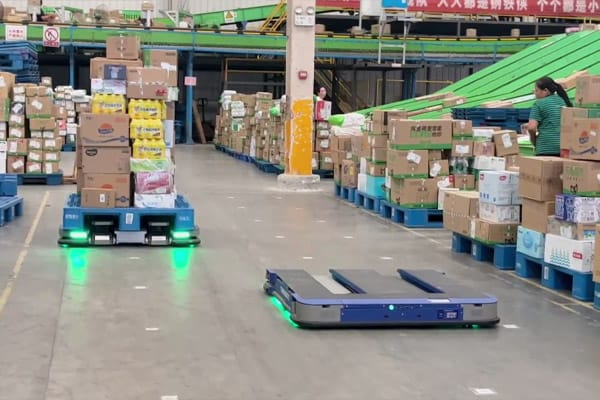
Logistics Industry
South China Logistics and Distribution Center of a Major Domestic E-commerce Company
Solution
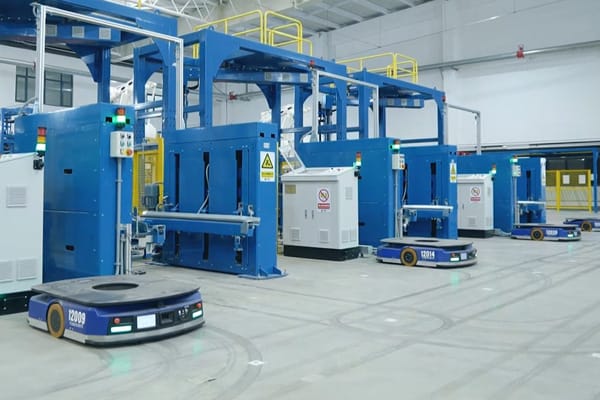
Paper Industry
The group is a leading enterprise in the domestic household paper and maternal and child hygiene products industry.
Solution
Smart Factory Automation Trust
Explore more industry automation transformation paths; click to unlock customized solutions.
Smart Device Project Implementation
Implementation Preparation
Robot/charging station parts inventory: on-site inspection of wiring, access control, network, and power supply.
Project on-site implementation
Line marking and coding, map creation and permission setting, software and hardware debugging / robot test run
Launch and Support
User training / Deployment and trial run, manual / maintenance training, acceptance signing, after-sales support