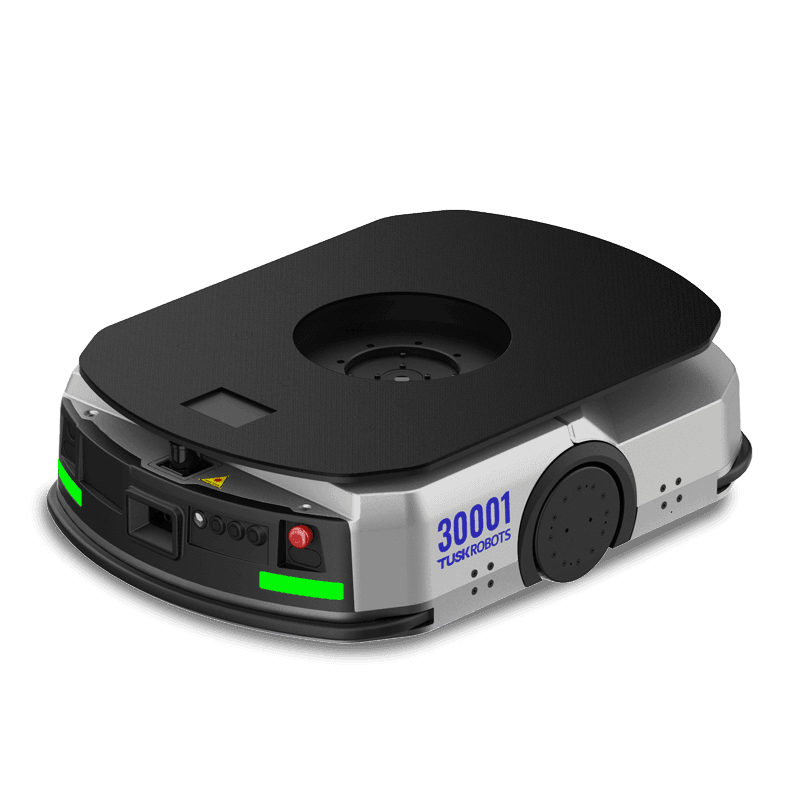

Key Features Every Automated Guided Forklift Should Have
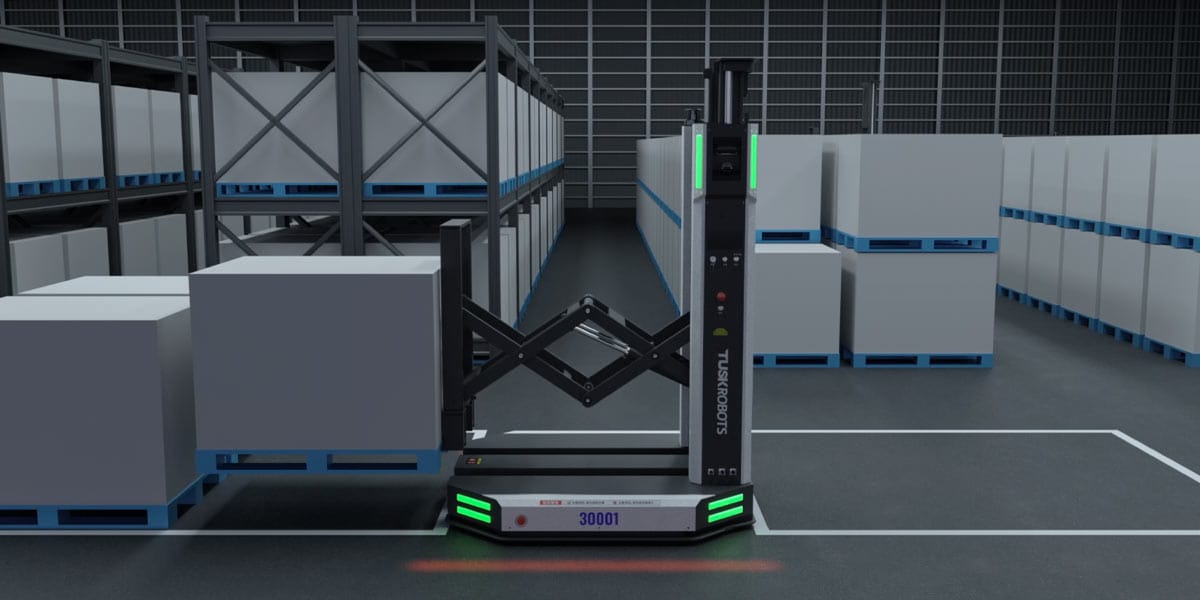
Blog Outline
- Engaging introduction with industry relevance and benefits
- Core features that make automated guided forklifts (AGFs) efficient
- Advanced concepts in AGF technology (navigation, load handling, AI integration)
- Comparative insights: AGF vs traditional forklifts
- Data-driven insights and industry statistics
- Case studies of AGF implementation in warehouses
- Detailed table of features
- FAQs with AI-style, conversational search questions
- Future trends and innovation in AGFs
- Conclusion and CTA
Table of Contents
Introduction
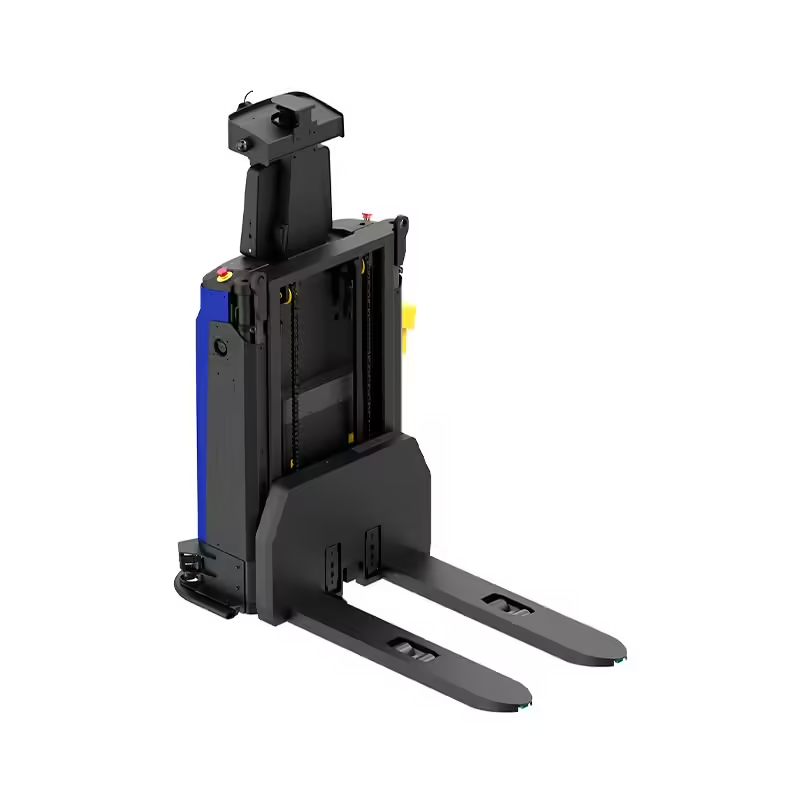
Warehouses and distribution centers are under pressure to handle higher volumes with fewer errors and less labor cost. According to MHI Industry Report 2024, global warehouse automation adoption has grown by 28% annually, with automated guided forklifts (AGFs) playing a critical role in achieving operational efficiency.
AGFs combine robotics, AI, sensors, and software to move pallets, racks, and loads with minimal human input. They increase throughput, reduce accidents, and integrate seamlessly with warehouse management systems (WMS). For businesses looking to modernize logistics, understanding the key features of an automated guided forklift is essential.
Why readers should care:
- Reduce labor dependency by up to 40% in high-volume operations
- Cut warehouse errors by 60% using precision navigation
- Improve ROI within 2–3 years through automation efficiency
Core Features That Every Automated Guided Forklift Should Have
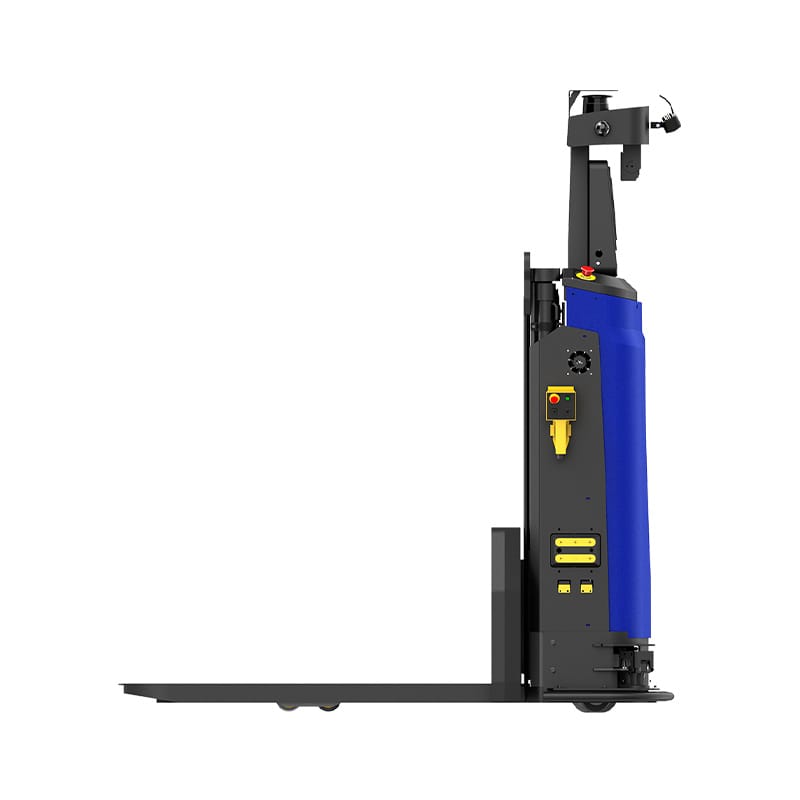
Intelligent Navigation and Path Planning
AGFs rely on advanced navigation technology to move efficiently.
Concepts:
- SLAM (Simultaneous Localization and Mapping): Creates a real-time map for dynamic navigation. Ideal for warehouses that frequently change layouts.
- Fixed Path Guidance: Uses magnetic tape or floor markers for predictable, repeatable routes.
Benefits:
- Reduces collision risks
- Optimizes routes for energy efficiency
- Supports multiple forklifts operating simultaneously
Advanced Load Handling Capabilities
A high-performing AGF must handle diverse loads.
Key Features:
- Adjustable forks and load arms for different pallet sizes
- Weight sensors to prevent overload
- Stability control to minimize tipping risks
Data Insight:
- AGFs can handle 1,000–5,000 kg per trip depending on model
- Reduces damage incidents by up to 35% compared to manual forklifts
Safety Sensors and Obstacle Detection
Safety is paramount in automated operations.
Components:
- LiDAR sensors, ultrasonic detectors, and cameras
- Emergency stop systems
- Real-time monitoring through WMS
Impact:
- Decreases workplace accidents by 50%
- Ensures safe coexistence with human workers in mixed environments
Software Integration and Fleet Management
Integration is essential for maximizing productivity.
Concepts:
- WMS integration for real-time tracking
- Centralized dashboard to monitor fleet performance
- Predictive maintenance alerts to reduce downtime
Case Insight:
- A leading European e-commerce warehouse reported 20% faster order fulfillment after integrating AGFs into their WMS
Battery Life and Energy Efficiency
Continuous operation depends on reliable power.
Features to consider:
- Lithium-ion batteries with 4–8 hours runtime
- Fast charging capabilities
- Automated battery swap stations for 24/7 operations
Data:
- Energy-efficient AGFs reduce electricity consumption by 15–25% compared to conventional electric forklifts
Advanced Concepts in Automated Guided Forklift Technology
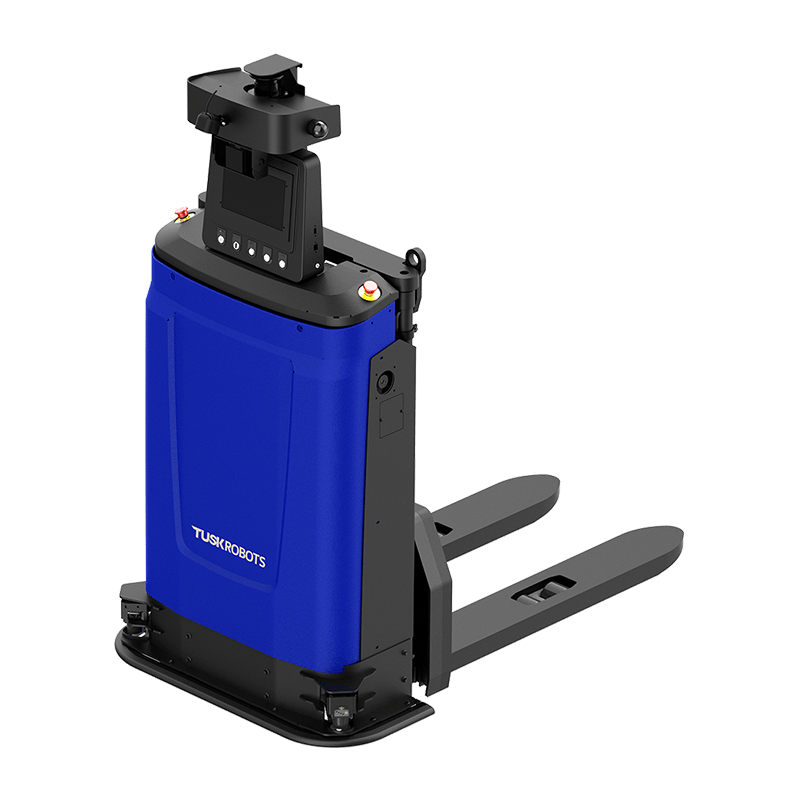
Vision-Based Guidance vs Magnetic Guidance
Vision-Based: Uses AI and cameras for flexible warehouse navigation
Magnetic Guidance: Uses pre-installed magnetic tracks for consistent routes
Comparison:
- Vision-based AGFs adapt to dynamic environments
- Magnetic AGFs are simpler and cost-effective for fixed layouts
Human-Robot Collaboration (Cobotics)
AGFs designed for collaboration can safely operate near human workers.
Features:
- Sensors detect humans and adjust speed or path
- Predictive AI anticipates human movement
- Collaborative AGFs reduce workflow interruptions
Predictive Maintenance and Diagnostics
Modern AGFs monitor their own systems to prevent failures.
Benefits:
- Alerts operators to potential battery or motor issues
- Minimizes unexpected downtime
- Supports data-driven maintenance planning
Table: Feature Comparison Between Automated and Traditional Forklifts
| Feature | Automated Guided Forklift | Traditional Forklift | Advantage |
|---|---|---|---|
| Navigation | AI-driven, flexible | Manual, operator-dependent | AGF offers consistent precision |
| Safety | Sensors, collision avoidance | Operator vigilance | AGF reduces human error |
| Efficiency | 24/7 operation | Limited by shifts | AGF increases throughput |
| Maintenance | Predictive monitoring | Manual checks | AGF predicts issues early |
| Load Handling | Adjustable for various pallets | Limited by operator skill | AGF reduces load damage |
| Cost | Higher upfront, lower OPEX | Lower upfront, higher labor costs | AGF saves long-term costs |
Real-World Case Studies
E-Commerce Warehouse in Germany
- Scenario: High-volume order fulfillment with fast-moving SKUs
- Solution: Deployed 15 vision-guided AGFs integrated with WMS
- Result: 22% increase in throughput, 30% reduction in labor costs
Automotive Parts Manufacturer in the USA
- Scenario: Heavy pallets requiring precise positioning
- Solution: SLAM-guided AGFs with weight sensors
- Result: Reduced load damage by 40% and improved warehouse safety
Key Considerations When Choosing an Automated Guided Forklift
Warehouse Layout and Flexibility
- Fixed racks benefit from magnetic or tape-guided AGFs
- Dynamic layouts require SLAM or vision-guided systems
Load Type and Frequency
- Standardized pallets: simple AGF models suffice
- Variable, irregular loads: adjustable forks and advanced sensors
Integration and IT Infrastructure
- Ensure AGFs are compatible with WMS or ERP systems
- Consider cloud-based dashboards for remote fleet monitoring
Total Cost of Ownership (TCO)
- Initial cost vs long-term savings in labor, energy, and maintenance
- Predictive maintenance can significantly reduce operational expenses
FAQ
Q1: Can automated guided forklifts work in mixed environments with humans?
A: Yes, modern AGFs have sensors and AI to operate safely alongside humans. Collaborative AGFs can reduce accidents and maintain workflow efficiency.
Q2: What is the lifespan of an automated guided forklift?
A: With proper maintenance, most AGFs last 8–12 years, depending on usage intensity and environment.
Q3: Are AGFs more expensive than traditional forklifts?
A: Upfront costs are higher, but reduced labor, energy efficiency, and lower downtime often result in a 2–4 year ROI.
Q4: How do I know which navigation system is right for my warehouse?
A: Fixed paths work for stable layouts, while vision-based or SLAM-guided AGFs are better for dynamic or frequently changing warehouses.
Q5: Can AGFs handle heavy and irregular loads?
A: Advanced models with adjustable forks, weight sensors, and vision-based guidance can manage diverse load types safely.
Q6: What kind of maintenance is required for AGFs?
A: Minimal daily checks are required; predictive maintenance systems help identify potential issues before breakdowns occur.
Future Trends in Automated Guided Forklifts
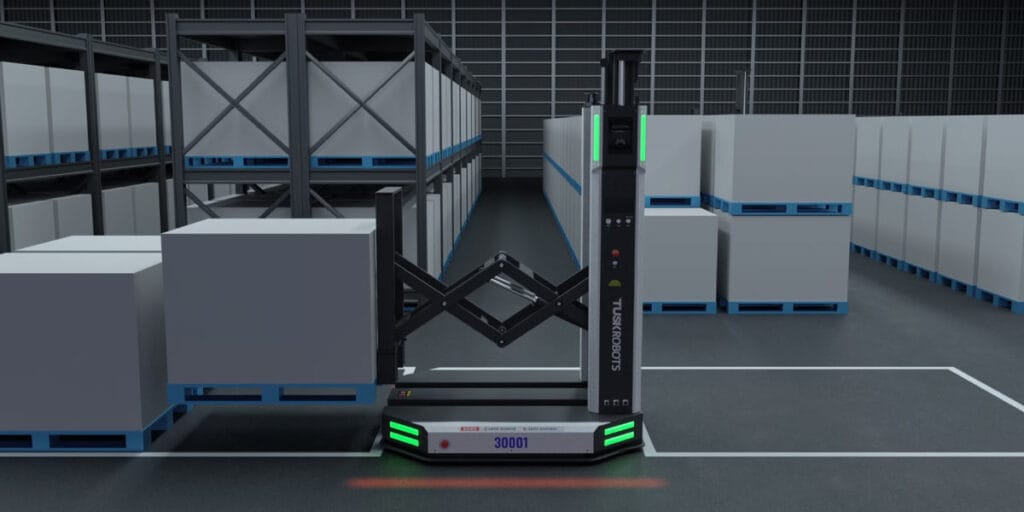
AI-Driven Optimization
- AGFs will increasingly use AI to optimize routes, predict maintenance, and improve energy efficiency.
Integration with IoT and Digital Twins
- IoT-enabled AGFs can communicate with other devices for seamless warehouse automation.
- Digital twins allow virtual simulation of warehouse layouts and AGF workflows.
Autonomous Charging and Swapping Stations
- Fully automated charging reduces human intervention
- Swapping battery packs ensures 24/7 operation without downtime
Conclusion
Automated guided forklifts are revolutionizing modern warehouses, distribution centers, and manufacturing facilities. By focusing on key features such as navigation, load handling, safety sensors, software integration, and predictive maintenance, businesses can maximize efficiency, safety, and ROI.
Whether you operate a small warehouse or a high-volume distribution center, investing in the right AGF system ensures your operations are ready for the future of automation.
If you’re looking to optimize your warehouse operations, explore our range of automated guided forklifts and consult with our experts for a tailored solution.
TUSKROBOTS: Leading Intelligent Automation Solutions
Thank you for reading! We hope this blog offered valuable insights into Intelligent Warehousing & Logistics Automation Solutions. We are committed to empowering smart factories and intelligent logistics, making industrial handling simpler and more efficient.
Join our community to stay updated on our advanced automated pallet handling and picking robots.
📘 Follow us onFacebook, Instagram, and TikTok.
Let’s keep the conversation going—see you there!
Latest post

Contact Info
2nd Floor, Xingzhongchuang Xiabei High-tech Industry Center A1, Nanhai District, Foshan, China
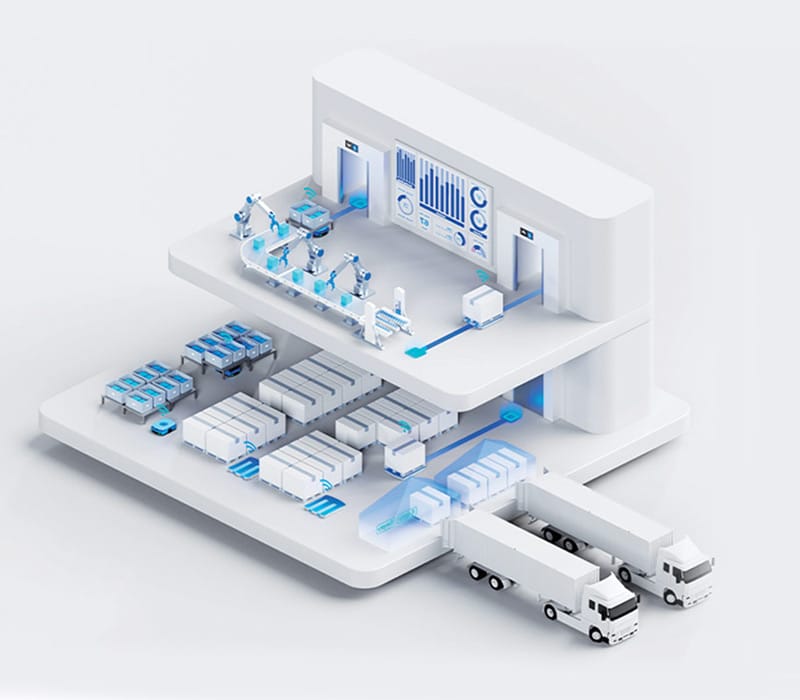
Full-stack intelligent logistics management and control system
It connects the entire "system - platform - hardware" chain, is compatible with mainstream industrial systems, and links intelligent hardware to achieve intelligent management and efficiency upgrades for the entire logistics process.
WHAT FITS:
Building core competitiveness in mobile management
01.
Custom Data Dashboard
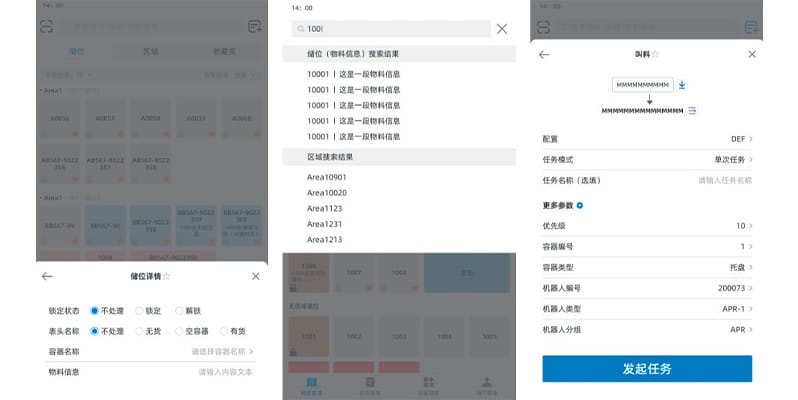
Building core competitiveness in mobile management
02.
Personalized User Management
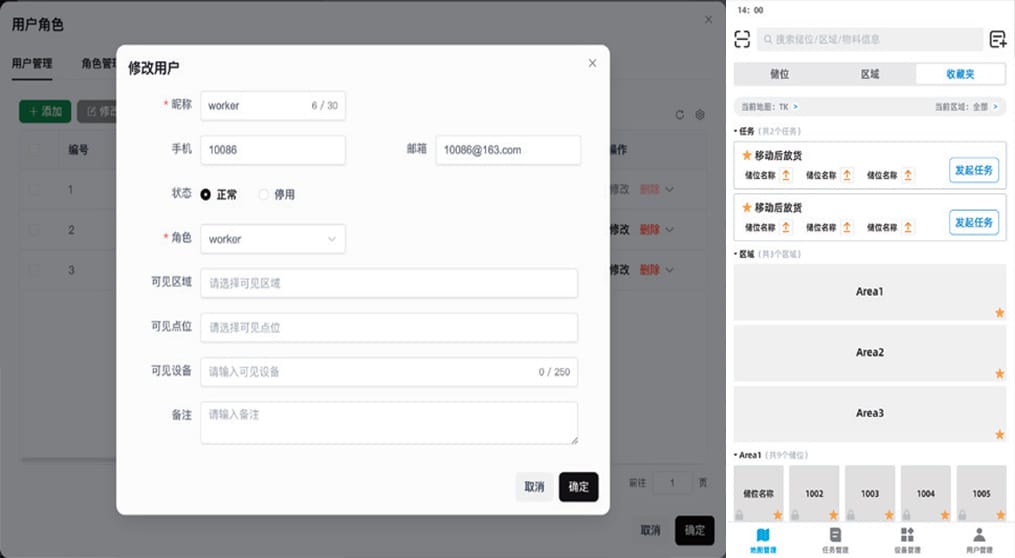
Building core competitiveness in mobile management
03.
Personalized Alarm Push
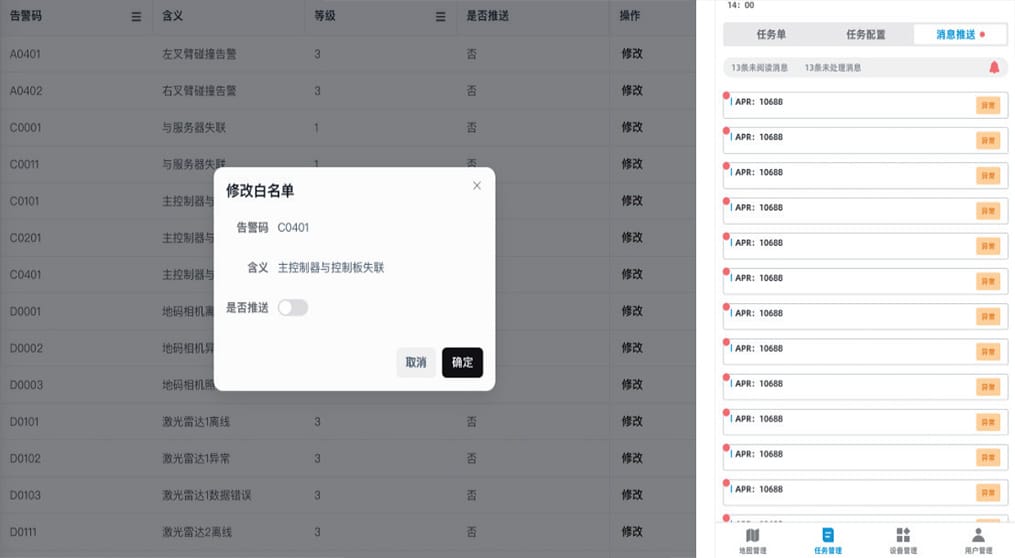
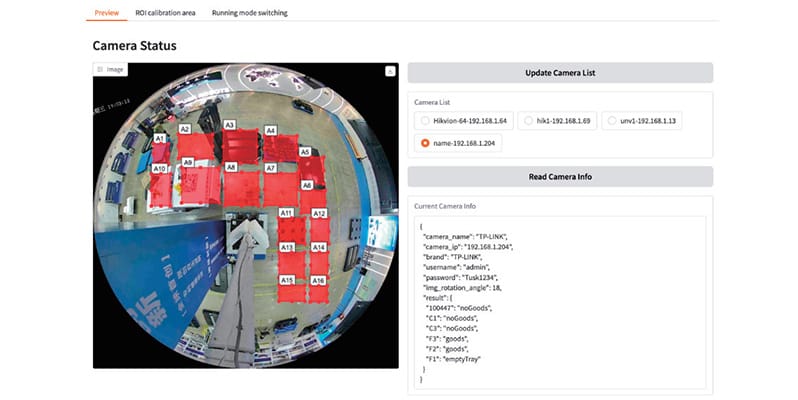
Leading the revolution in intelligent
warehouse location management
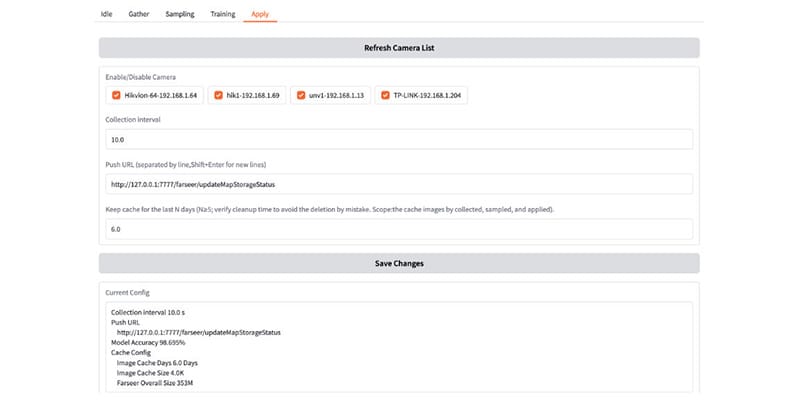
01.
Real-time storage location automatic trigger task

Leading the revolution in intelligent
warehouse location management
02.
Visual configuration interface
Leading the revolution in intelligent warehouse location management
03.
Custom Configuration
Lothar Intelligent Management Platform Building a Central System for Smart Factories
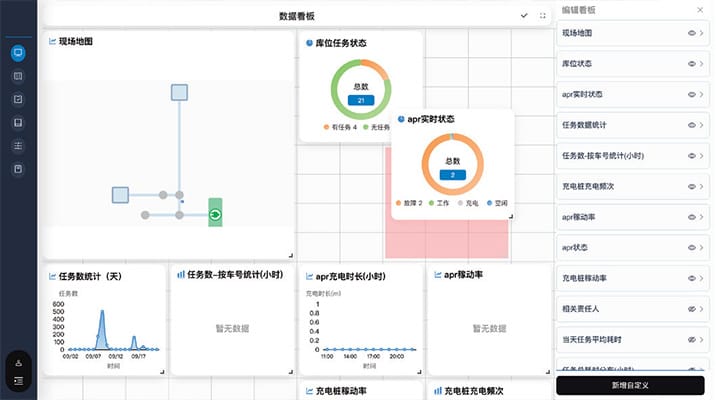
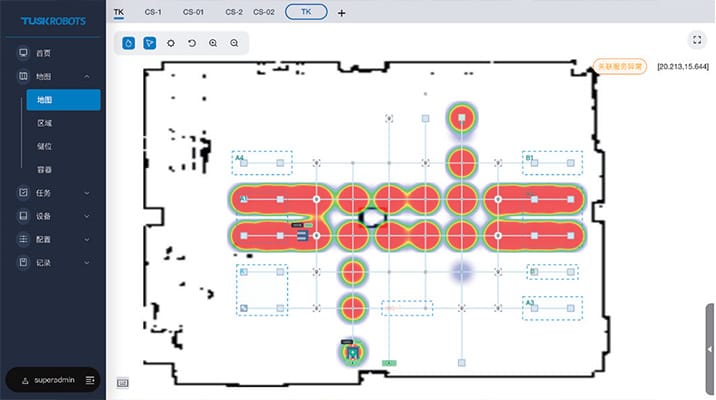
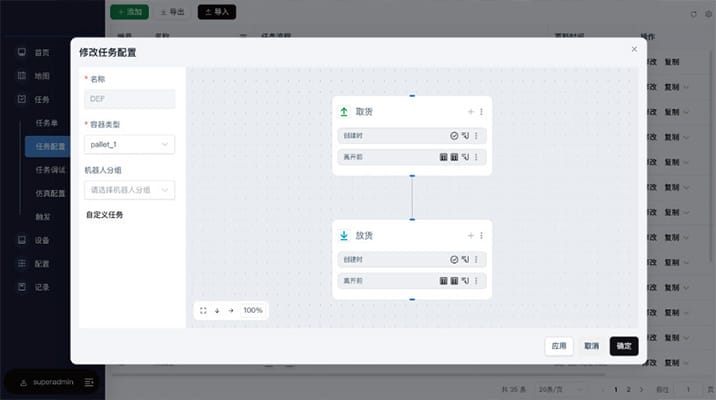
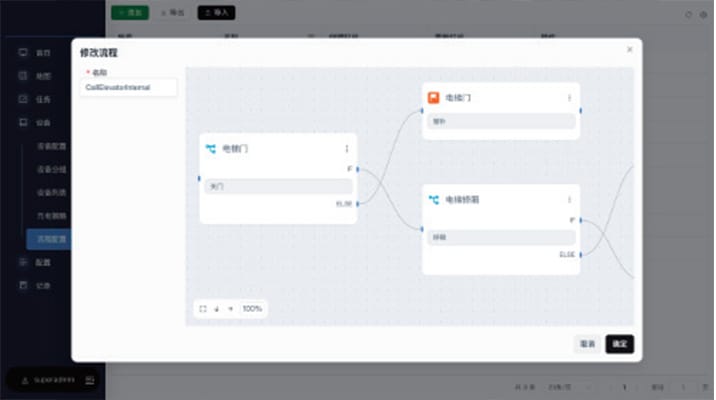
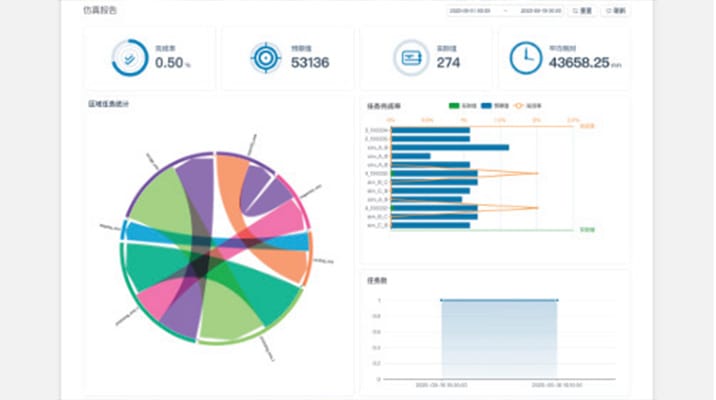
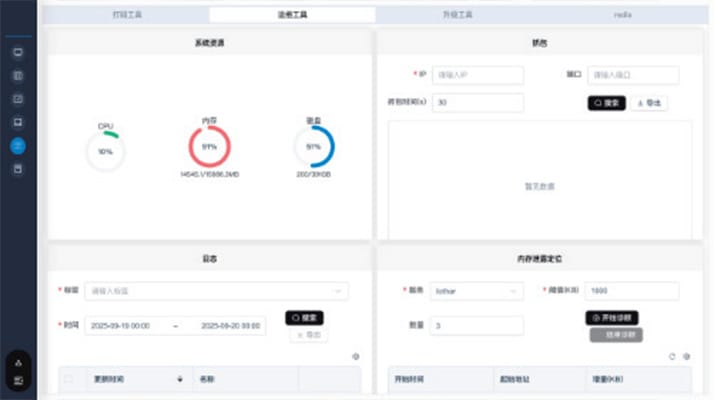
Lothar, the intelligent management platform from Taskar, serves as the digital hub for smart factories. It features customizable data dashboards, full-dimensional map visualization, graphical task and equipment workflows, simulation capabilities, AI-powered operation and maintenance, open multi-protocol interfaces, and OTA upgrade support, empowering digital management of factories throughout their entire lifecycle.
Map Management
Configuration Management
Access Management
Task Management
Historical records
Equipment Management
Simulation
Data dashboard
01.
Custom Data Dashboard
02.
Map visualization
03.
Graphical construction task
04.
Graphical device configuration process
05.
Simulation visualization
06.
O&M Visualization
Trust Witnessing in Smart Factory Automation
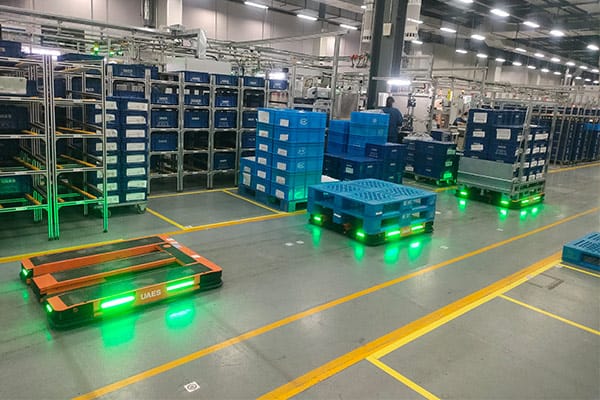
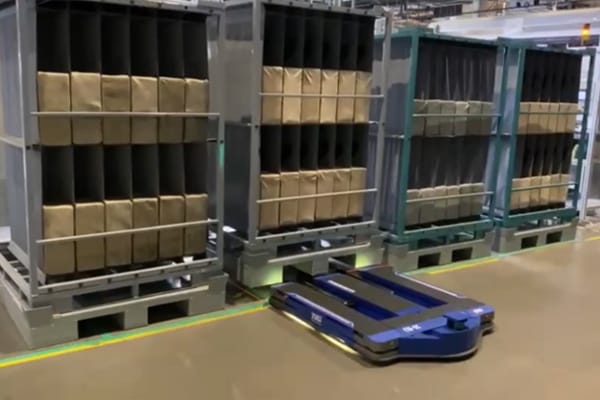
Electronics Industry
The automotive electronics trend makes digital pallet robots the preferred choice for in-plant logistics.
Solution
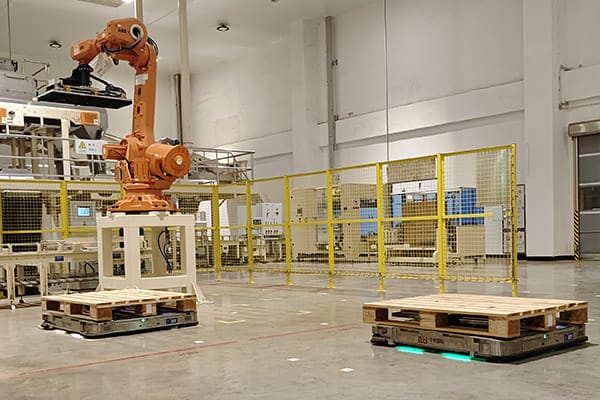
Auto Parts Industry
Rising demand for automotive interiors propels suppliers to new heights of development.
Solution
Tobacco Industry
A backbone of China's tobacco industry, with over forty years of history.
Solution
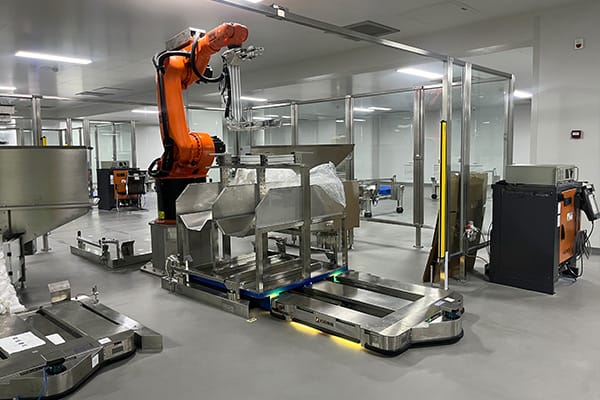
Pharmaceutical Industry
The pharmaceutical industry needs automation due to GMP requirements.
Solution
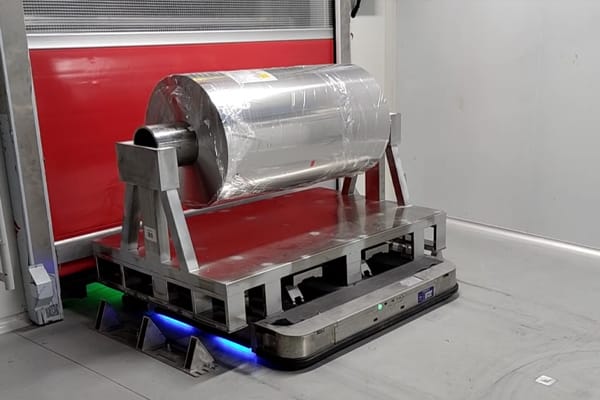
New Energy Industry
New energy lithium battery production capacity increases, automation is key.
Solution
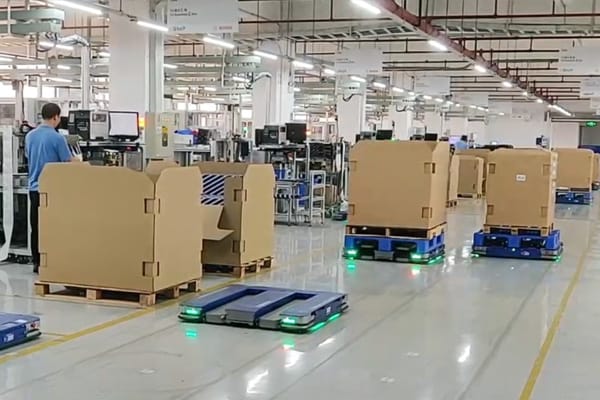
Manufacturing Industry
A globally renowned manufacturer of wiper parts, with a factory of 30,000 square meters.
Solution
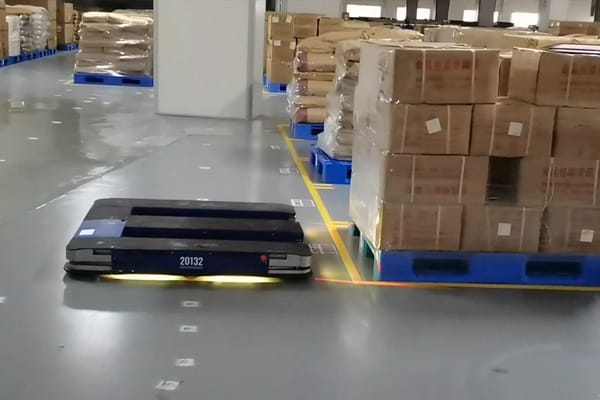
Food Industry
Positioned as a high-quality chain bakery brand, with a modern industrial park of over 60,000 square meters.
Solution
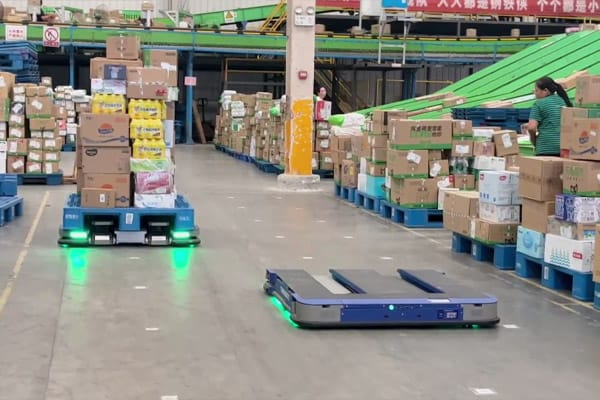
Logistics Industry
South China Logistics and Distribution Center of a Major Domestic E-commerce Company
Solution
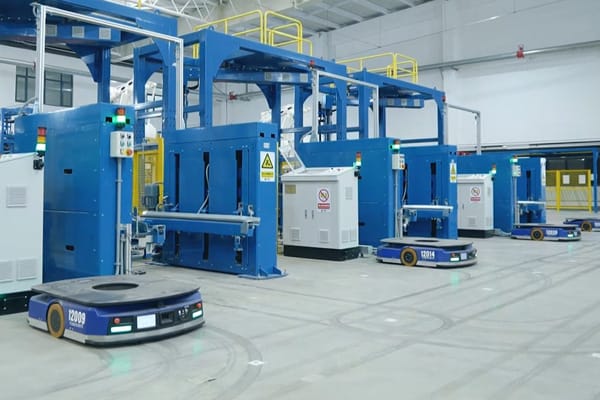
Paper Industry
The group is a leading enterprise in the domestic household paper and maternal and child hygiene products industry.
Solution
Smart Factory Automation Trust
Explore more industry automation transformation paths; click to unlock customized solutions.
Smart Device Project Implementation
Implementation Preparation
Robot/charging station parts inventory: on-site inspection of wiring, access control, network, and power supply.
Project on-site implementation
Line marking and coding, map creation and permission setting, software and hardware debugging / robot test run
Launch and Support
User training / Deployment and trial run, manual / maintenance training, acceptance signing, after-sales support