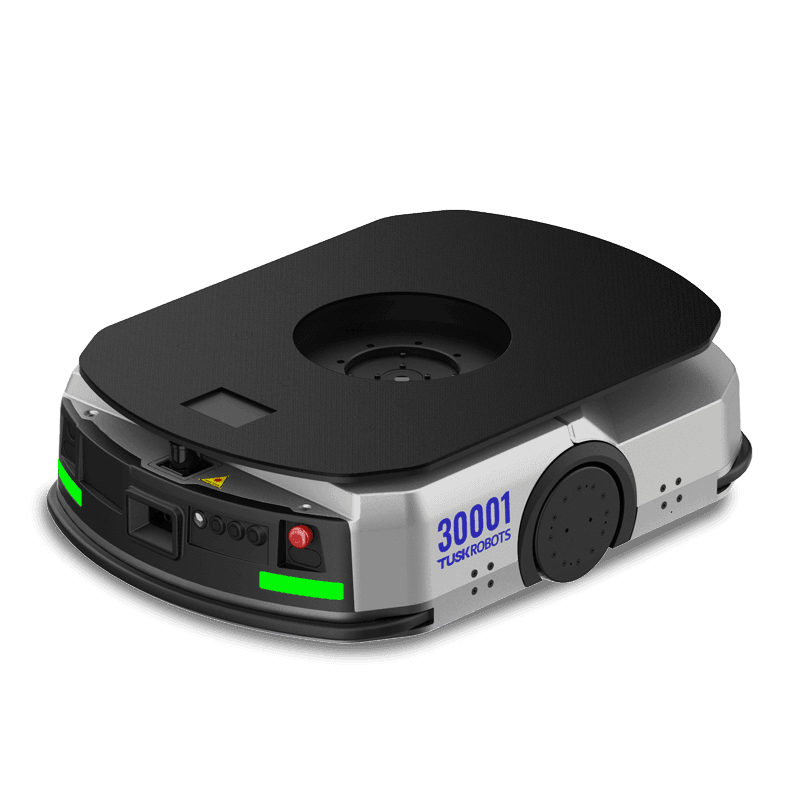

The Ultimate Guide to Choosing an Electric Pallet Jack
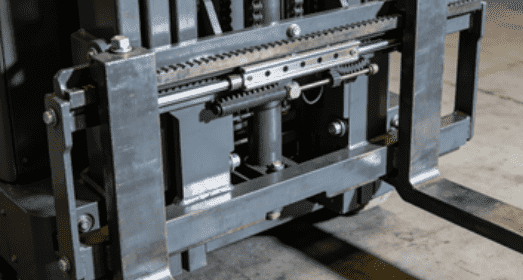
Table of Contents
Introduction
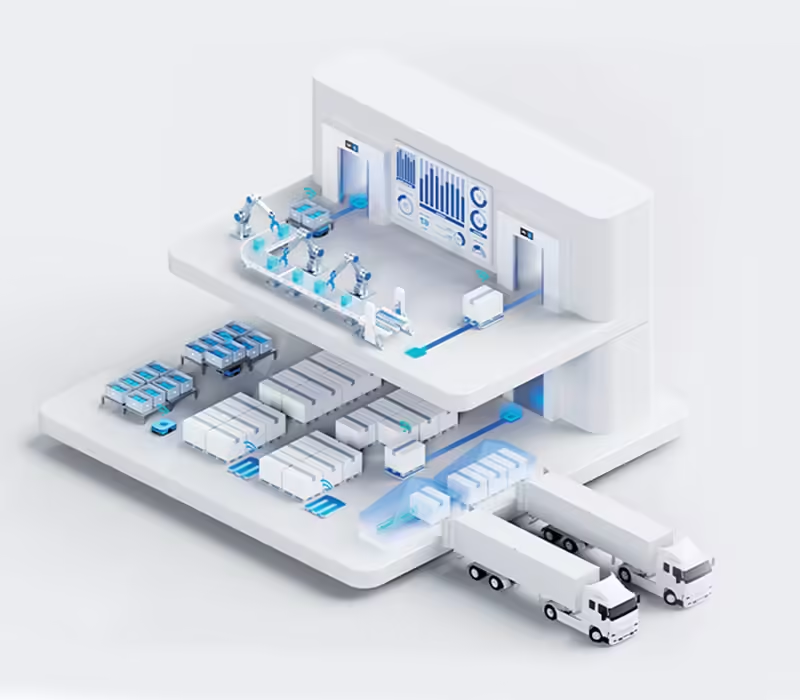
In today’s highly competitive logistics and warehouse sectors, every second counts. The efficiency of material handling can make the difference between meeting tight deadlines or falling behind. Among the most effective tools for improving productivity and reducing worker fatigue is the electric pallet jack. This hybrid equipment combines the simplicity of a manual pallet jack with the power of an electric motor, allowing operators to move heavy loads with minimal effort.
Global warehouse automation trends highlight that businesses adopting powered pallet handling equipment can increase operational throughput by up to 25%, according to a 2024 report by Logistics Tech Insights. Moreover, with the rise of e-commerce and just-in-time inventory systems, the need for precise, safe, and high-speed material handling has never been more critical.
Choosing the right electric pallet jack is a strategic decision. It affects workflow, safety, long-term operational costs, and employee satisfaction. In this comprehensive guide, we’ll explore everything from types and features to real-world usage tips, maintenance, and expert insights to help businesses make informed choices.
Understanding Electric Pallet Jack Types
Walk-Behind vs. Ride-On Electric Pallet Jacks
Electric pallet jacks generally come in two configurations: walk-behind and ride-on. Walk-behind models are compact, highly maneuverable, and ideal for tight spaces or smaller warehouses. Ride-on models allow operators to sit and travel longer distances while moving heavy loads, making them suitable for high-volume operations.
Expert Opinion
According to Dr. Michael Rodriguez, an industrial operations consultant, “The choice between walk-behind and ride-on models should be based on warehouse layout and operational tempo. A ride-on unit can reduce operator fatigue by over 40% in facilities covering more than 10,000 square feet.”
Key Load Capacity Considerations
Load capacity is a critical factor when choosing an electric pallet jack. Most models handle between 2,500 to 6,000 pounds. Overloading equipment not only shortens its lifespan but also creates serious safety risks.
Data Insight
A 2023 survey by Material Handling Institute found that 32% of warehouse accidents were related to improper handling of overloaded pallet jacks, highlighting the importance of selecting the correct capacity.
Specialized Configurations
Certain industries require customized configurations. For example, cold storage facilities need electric pallet jacks with insulated batteries and corrosion-resistant frames, while food and beverage warehouses prioritize stainless steel forks for hygiene compliance.
Essential Features of Electric Pallet Jacks
Battery Life and Charging Options
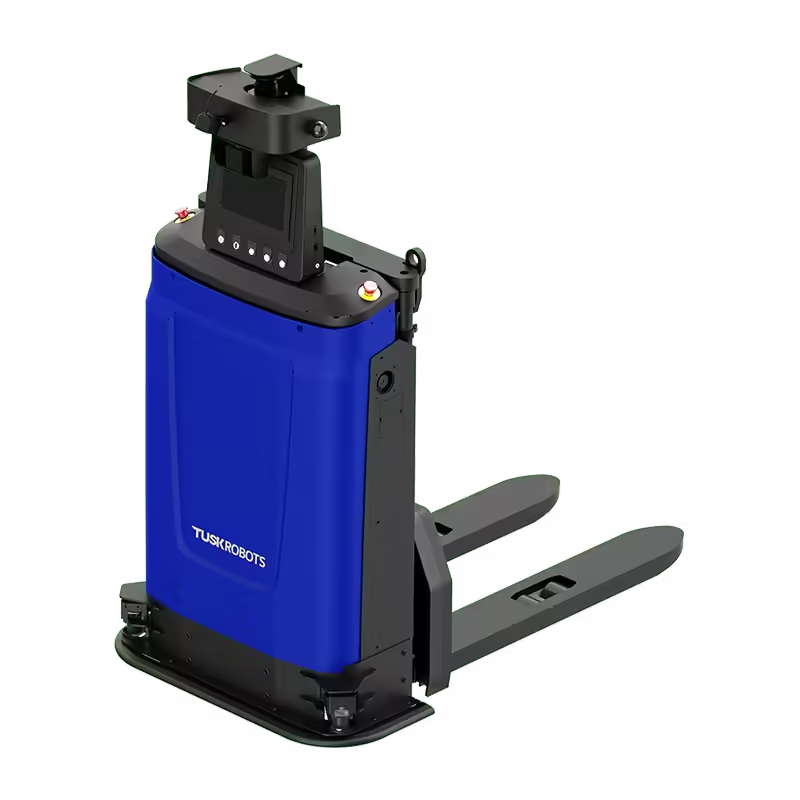
Battery performance is crucial for operational efficiency. Lithium-ion batteries are increasingly preferred for their longer lifespan, faster recharge times, and lighter weight. A standard lithium-ion battery can last 2,000–3,000 charge cycles, often exceeding 7 years of daily operation.
Operational Tip
Warehouses with 24-hour operations often implement battery swap stations to minimize downtime. According to Warehouse Efficiency Consultants, this approach can improve operational uptime by 15–20%.
Fork Size and Adjustability
Fork length and width dictate pallet compatibility. Standard forks range from 42–48 inches in length, with specialized units available for narrow or oversized pallets. Adjustable forks enable the handling of different pallet sizes without switching equipment.
Case Study
A mid-sized e-commerce warehouse reported a 12% improvement in order-picking speed after switching to electric pallet jacks with adjustable forks, allowing operators to handle standard and euro-sized pallets without delay.
Safety and Ergonomics
Operator safety is a major consideration. Features such as emergency stop buttons, ergonomic handles, speed control, and low-profile forks reduce the risk of injury. Some models also include automated braking systems to prevent collisions in high-traffic aisles.
Durability and Maintenance Requirements
High-quality electric pallet jacks feature reinforced steel frames, sealed electrical components, and industrial-grade wheels. Preventive maintenance, including lubrication, battery health checks, and wheel inspections, is essential to maintain peak performance.
Comparison Table of Popular Electric Pallet Jack Features
| Feature | Walk-Behind Model | Ride-On Model | Recommended Warehouse Type | Typical Load Capacity |
|---|---|---|---|---|
| Battery Life | 6-8 hours | 8-12 hours | Small to Medium Warehouses | 2,500-3,500 lbs |
| Speed | 3-4 mph | 4-6 mph | High-Volume Warehouses | 3,000-6,000 lbs |
| Fork Length | 42-48 inches | 42-48 inches | Mixed Pallet Sizes | 2,500-6,000 lbs |
| Turning Radius | Tight | Moderate | Narrow Aisles vs. Open Floors | N/A |
| Ergonomic Controls | Basic | Advanced Ride-On Controls | Operator Comfort and Safety | N/A |
| Maintenance Complexity | Low | Medium | Routine Check-Ups | N/A |
Sign 1: Reduced Operator Power and Acceleration
How Electric Assistance Improves Efficiency
Manual handling of heavy pallets can be physically demanding, especially in large facilities. Reduced acceleration and slow movement indicate that current equipment may be insufficient. Electric pallet jacks provide powered assistance, enabling faster and more efficient load movement.
Ergonomic Impact
Ergonomic handles, adjustable speed settings, and smooth control reduce strain on operators, promoting safer and more productive shifts. Work injuries related to lifting heavy pallets drop significantly with the adoption of electric units.
Data Insight
According to Occupational Safety and Health Administration (OSHA) reports, facilities using powered pallet jacks experience up to 40% fewer musculoskeletal injuries compared to those using manual equipment.
Sign 2: Poor Throughput in Material Handling
Identifying Bottlenecks
If warehouse operations consistently lag behind schedule, manual equipment may be the limiting factor. Electric pallet jacks increase the number of pallets moved per hour, reduce fatigue, and improve workflow consistency.
Real-World Example
A logistics company handling 10,000 SKUs daily reported a 20% increase in throughput after transitioning to ride-on electric pallet jacks. Operators could move more loads per hour, decreasing the overall time spent on order fulfillment.
Fork Adjustability and Workflow
Adjustable forks allow for the handling of different pallet types without stopping operations to switch equipment. This flexibility ensures minimal delays in high-volume facilities.
Sign 3: Escalating Maintenance Costs
Long-Term Cost Benefits
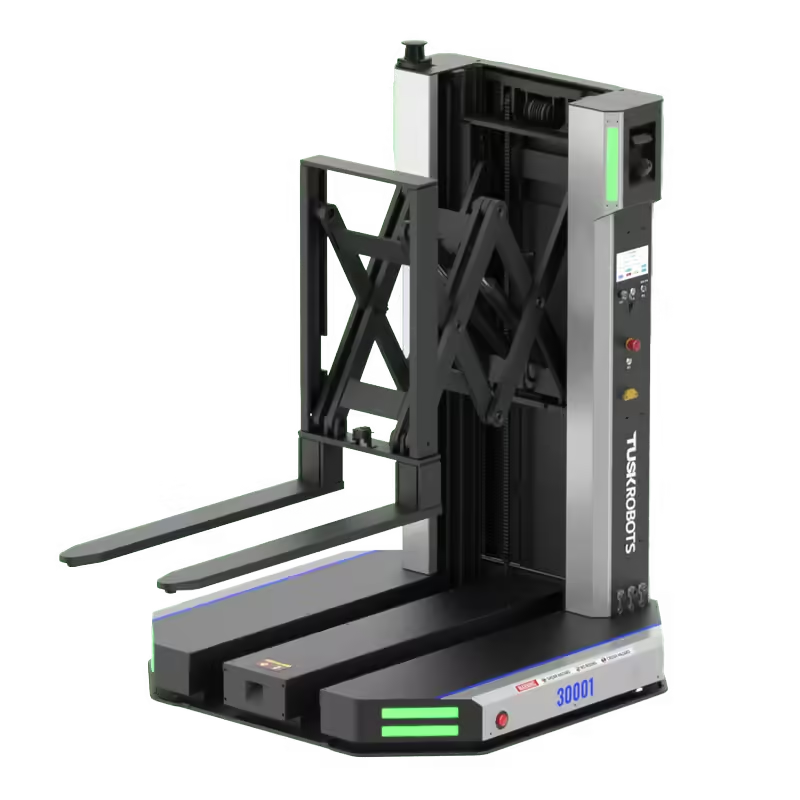
Manual pallet jacks may seem cost-effective initially, but frequent repairs and downtime lead to higher long-term costs. Electric models, while more expensive upfront, reduce maintenance frequency and extend service life.
Industry Data
A 2022 study by Material Handling Institute found that warehouses switching to electric pallet jacks saved an average of $2,500 per year in maintenance costs per unit.
Expert Opinion
Dr. Sandra Lin, an industrial engineer, notes, “Investing in reliable electric pallet jacks reduces hidden costs such as worker downtime, inventory damage, and maintenance fees. The ROI is often realized within 18 months.”
Sign 4: Frequent Inventory Damage
Precision Handling Advantages
Electric pallet jacks allow for controlled load movement, reducing the likelihood of dropped or damaged inventory. Features like automatic speed control, smooth acceleration, and low-profile forks minimize risk in tight spaces.
Case Study
A retail distribution center using electric pallet jacks with advanced safety features saw a 35% decrease in damaged pallets over a 12-month period, saving thousands of dollars annually.
Sign 5: Growing Warehouse Operations
Scalability and Future Proofing
As warehouses expand, the volume and weight of materials increase. Electric pallet jacks accommodate higher loads and longer distances without additional physical strain on employees.
Data Insight
According to a 2023 Global Supply Chain Review, businesses that adopt scalable powered pallet jacks report up to 25% higher operational efficiency during peak seasons.
Consideration for Growth
Selecting models compatible with anticipated warehouse expansion ensures continued efficiency and reduces the need for frequent equipment replacement.
Energy Efficiency and Sustainability
Environmental Impact
Modern electric pallet jacks, especially lithium-ion models, reduce energy consumption and carbon emissions compared to older lead-acid versions or manual handling. Facilities focused on sustainability benefit from integrating energy-efficient units into their workflow.
Cost Savings
Lower energy consumption, combined with decreased labor and maintenance costs, provides long-term financial benefits alongside environmental improvements.
Technological Innovations
Smart Electric Pallet Jacks
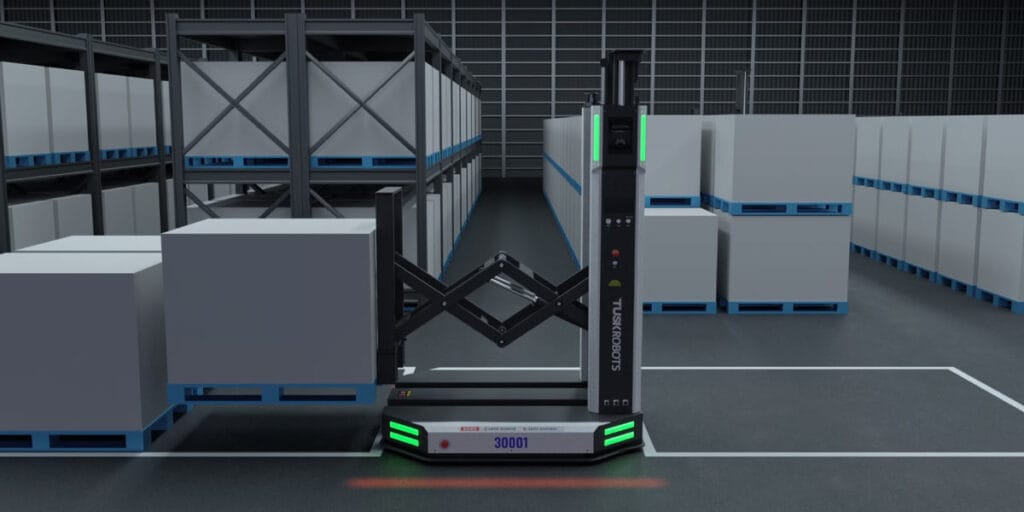
Advanced models now include features such as telematics, load sensors, and automated route tracking. These innovations allow fleet managers to monitor usage, optimize routes, and schedule predictive maintenance to prevent downtime.
Expert Commentary
John Peterson, CEO of Industrial Automation Solutions, says, “Smart electric pallet jacks represent the future of warehouse operations. The ability to monitor real-time data on load, battery status, and operator efficiency can increase productivity by over 15%.”
Conclusion
Choosing the right electric pallet jack is a critical decision for modern warehouses. By understanding types, load capacity, battery options, safety features, and emerging technologies, businesses can improve efficiency, reduce worker fatigue, and safeguard inventory. Electric pallet jacks are more than just tools—they are strategic investments that optimize workflow, enhance operational safety, and provide long-term cost savings.
FAQ
What is the average lifespan of an electric pallet jack?
High-quality units typically last 7–10 years with proper maintenance, while regular inspections extend service life further.
How do I decide between walk-behind and ride-on models?
Evaluate warehouse size, aisle width, load frequency, and operator comfort. Walk-behind suits tight spaces; ride-on is ideal for large, high-volume facilities.
Are lithium-ion batteries worth the investment?
Yes. They charge faster, last longer, and reduce overall weight, improving operator efficiency and reducing downtime.
What maintenance is required?
Routine battery checks, lubrication of moving parts, and inspections of wheels, forks, and controls are recommended to ensure optimal performance.
Where can I buy reliable electric pallet jacks?
Authorized dealers, industrial equipment suppliers, and reputable online platforms ensure warranty coverage and post-sale support.
TUSKROBOTS: Leading Intelligent Automation Solutions
Thank you for reading! We hope this blog offered valuable insights into Intelligent Warehousing & Logistics Automation Solutions. We are committed to empowering smart factories and intelligent logistics, making industrial handling simpler and more efficient.
Join our community to stay updated on our advanced automated pallet handling and picking robots.
📘 Follow us onFacebook, Instagram, and TikTok.
Let’s keep the conversation going—see you there!
Latest post

Contact Info
2nd Floor, Xingzhongchuang Xiabei High-tech Industry Center A1, Nanhai District, Foshan, China
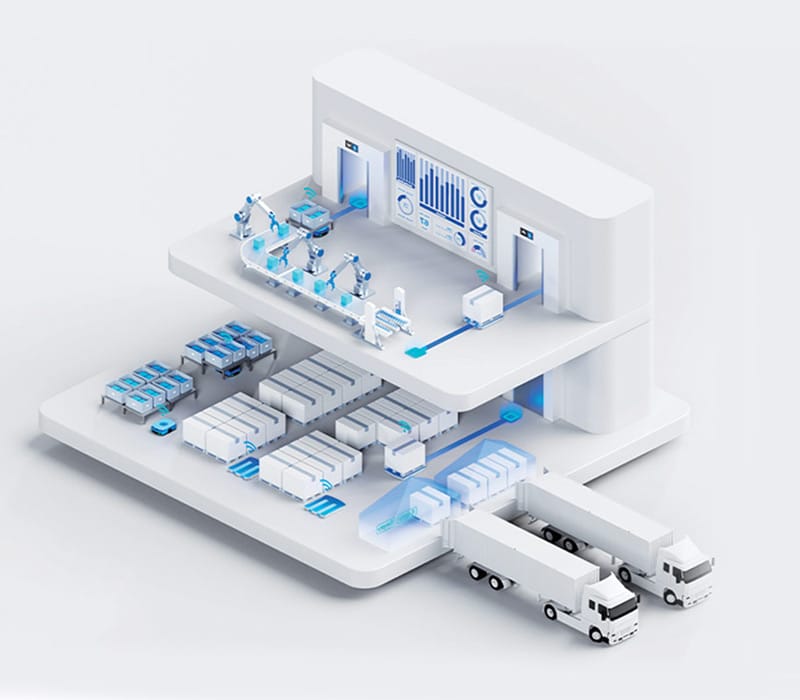
Full-stack intelligent logistics management and control system
It connects the entire "system - platform - hardware" chain, is compatible with mainstream industrial systems, and links intelligent hardware to achieve intelligent management and efficiency upgrades for the entire logistics process.
WHAT FITS:
Building core competitiveness in mobile management
01.
Custom Data Dashboard
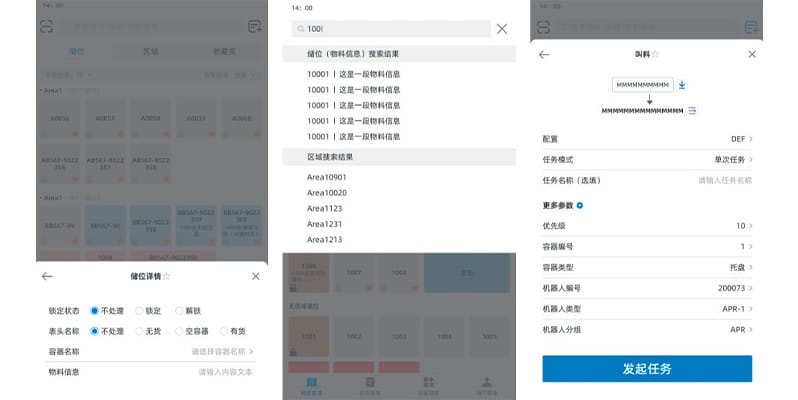
Building core competitiveness in mobile management
02.
Personalized User Management
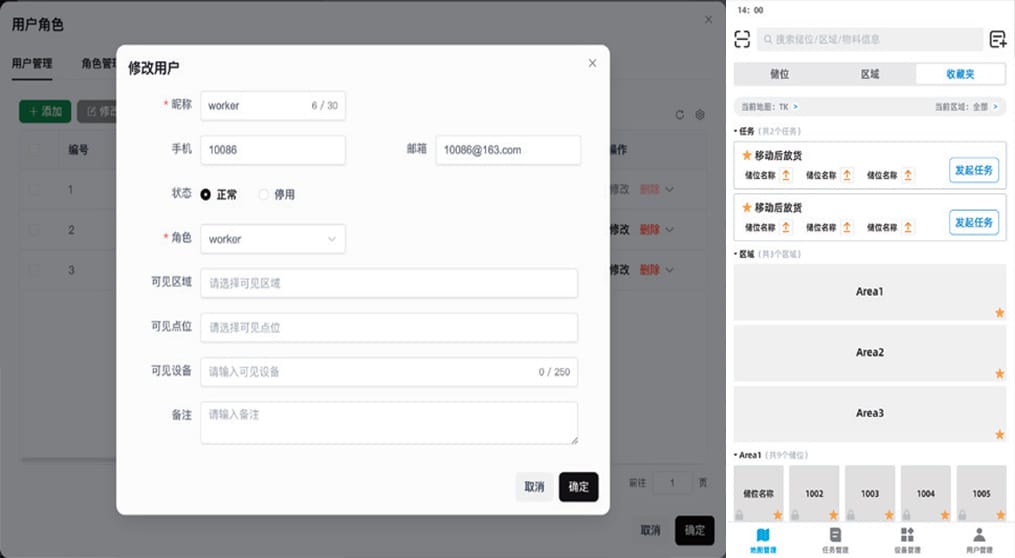
Building core competitiveness in mobile management
03.
Personalized Alarm Push
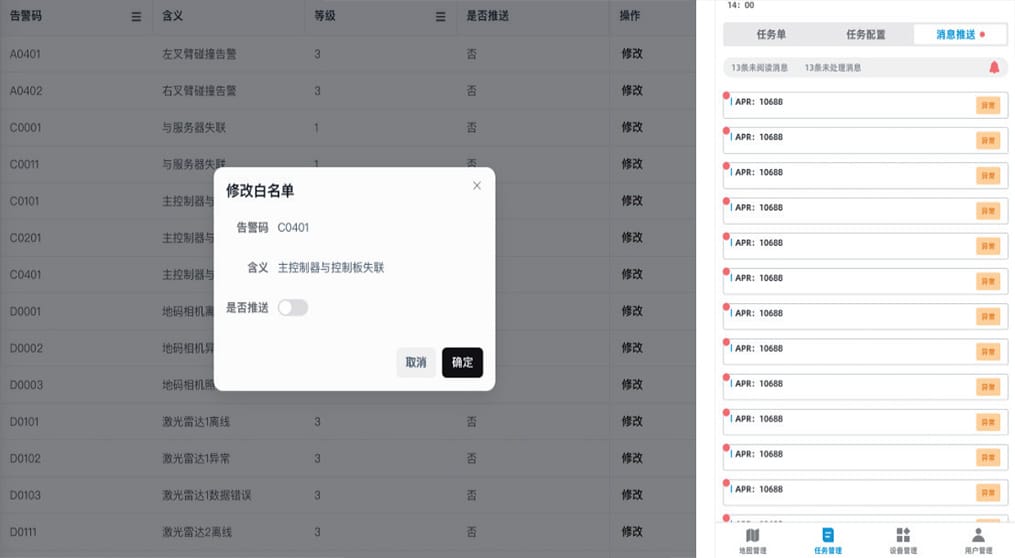
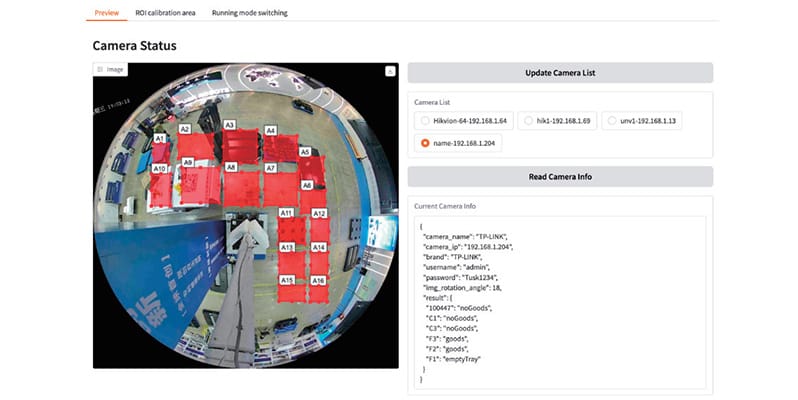
Leading the revolution in intelligent
warehouse location management
01.
Real-time storage location automatic trigger task

Leading the revolution in intelligent
warehouse location management
02.
Visual configuration interface
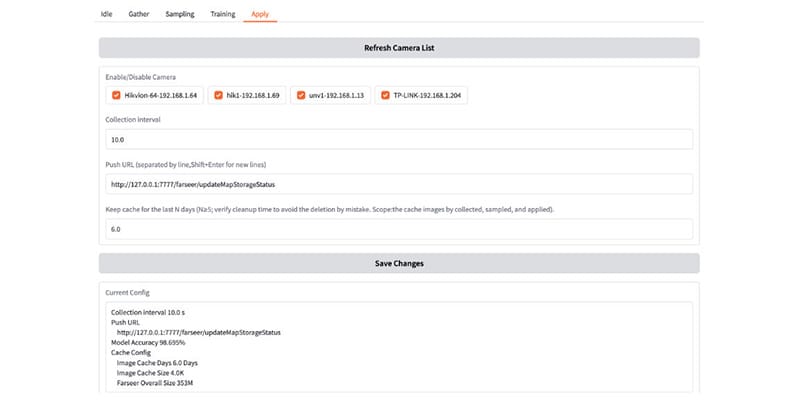
Leading the revolution in intelligent warehouse location management
03.
Custom Configuration
Lothar Intelligent Management Platform Building a Central System for Smart Factories
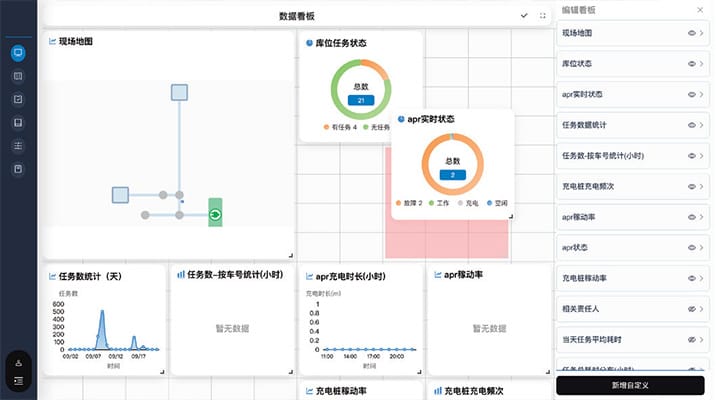
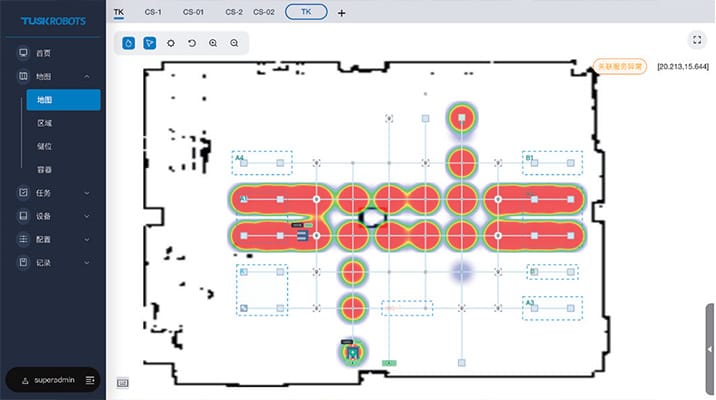
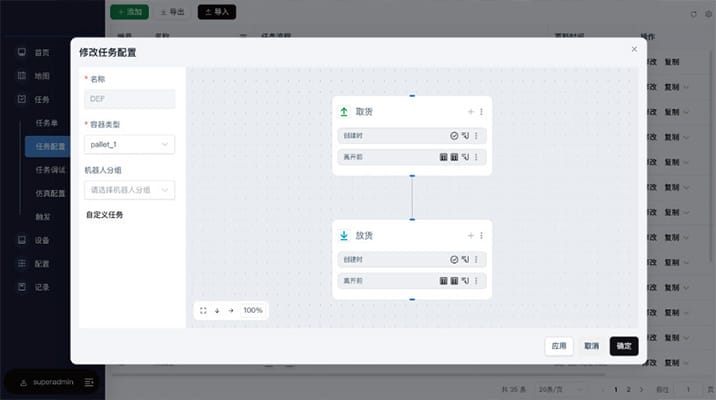
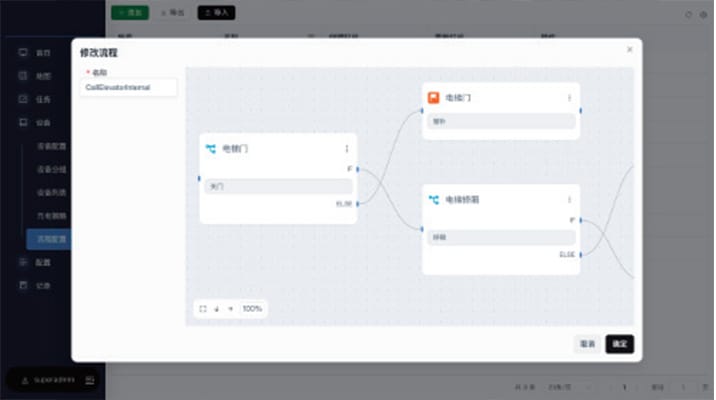
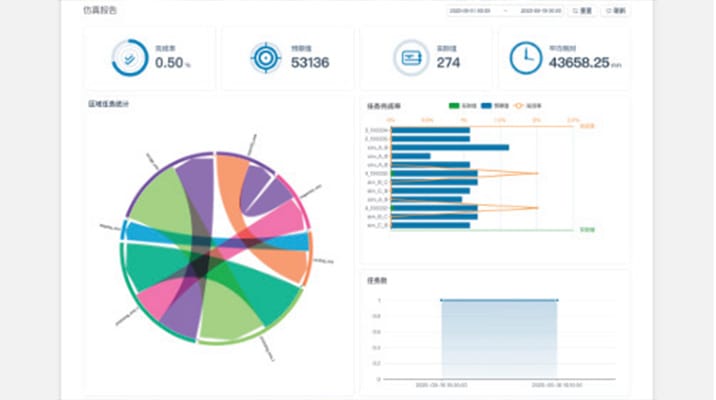
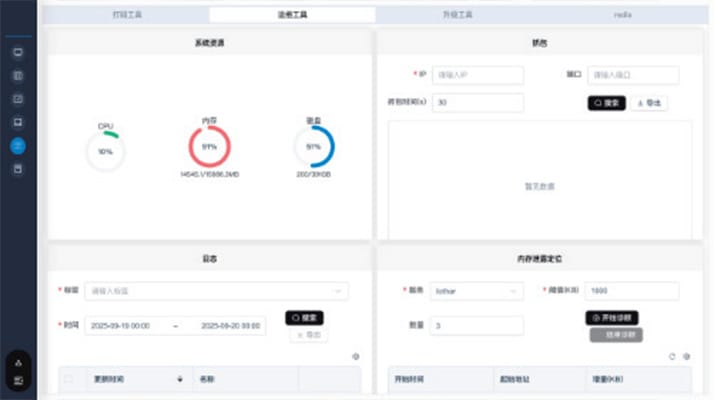
Lothar, the intelligent management platform from Taskar, serves as the digital hub for smart factories. It features customizable data dashboards, full-dimensional map visualization, graphical task and equipment workflows, simulation capabilities, AI-powered operation and maintenance, open multi-protocol interfaces, and OTA upgrade support, empowering digital management of factories throughout their entire lifecycle.
Map Management
Configuration Management
Access Management
Task Management
Historical records
Equipment Management
Simulation
Data dashboard
01.
Custom Data Dashboard
02.
Map visualization
03.
Graphical construction task
04.
Graphical device configuration process
05.
Simulation visualization
06.
O&M Visualization
Trust Witnessing in Smart Factory Automation
Electronics Industry
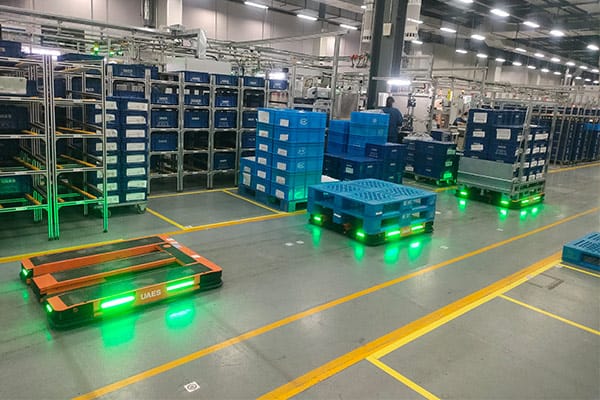
The automotive electronics trend makes digital pallet robots the preferred choice for in-plant logistics.
Solution
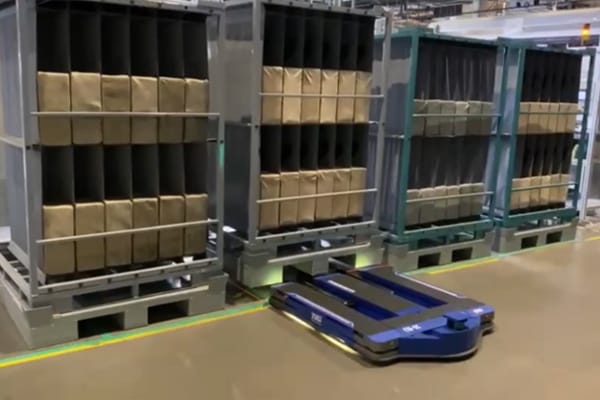
Auto Parts Industry
Rising demand for automotive interiors propels suppliers to new heights of development.
Solution
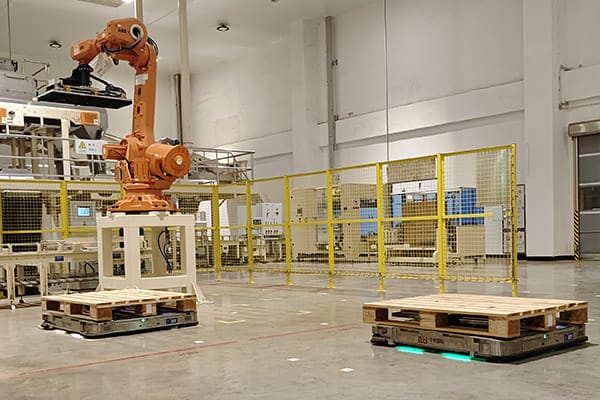
Tobacco Industry
A backbone of China's tobacco industry, with over forty years of history.
Solution
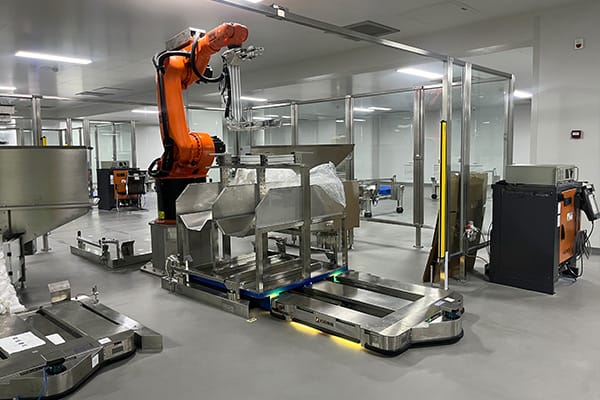
Pharmaceutical Industry
The pharmaceutical industry needs automation due to GMP requirements.
Solution
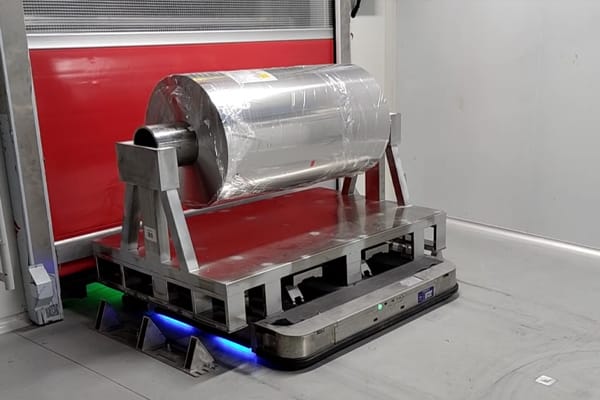
New Energy Industry
New energy lithium battery production capacity increases, automation is key.
Solution
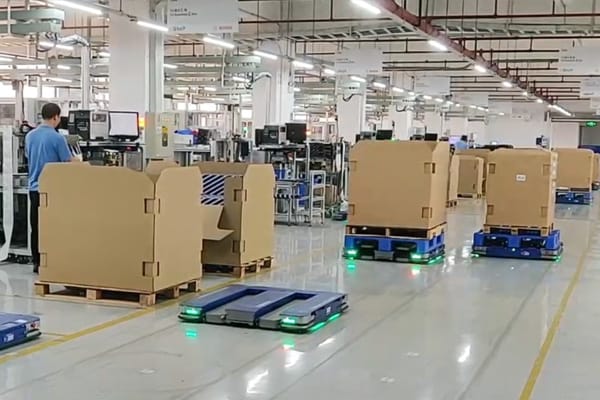
Manufacturing Industry
A globally renowned manufacturer of wiper parts, with a factory of 30,000 square meters.
Solution
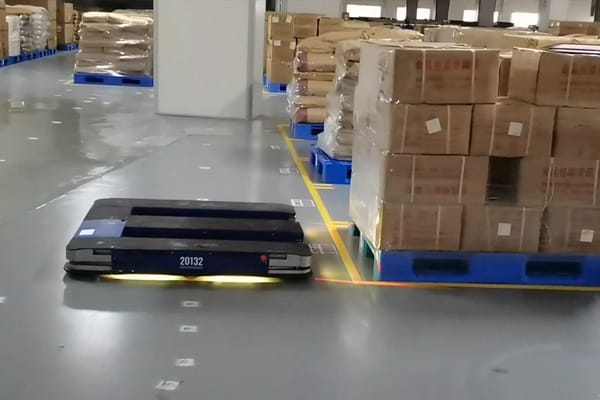
Food Industry
Positioned as a high-quality chain bakery brand, with a modern industrial park of over 60,000 square meters.
Solution
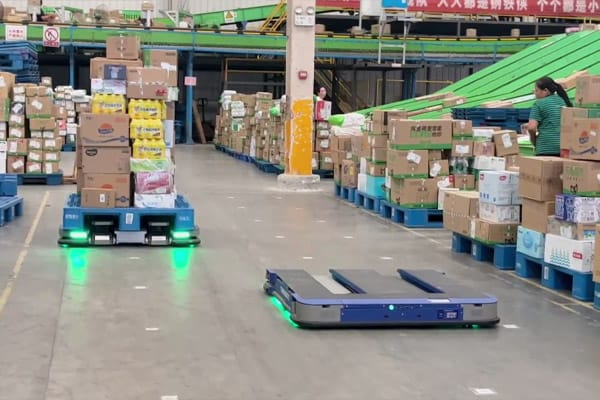
Logistics Industry
South China Logistics and Distribution Center of a Major Domestic E-commerce Company
Solution
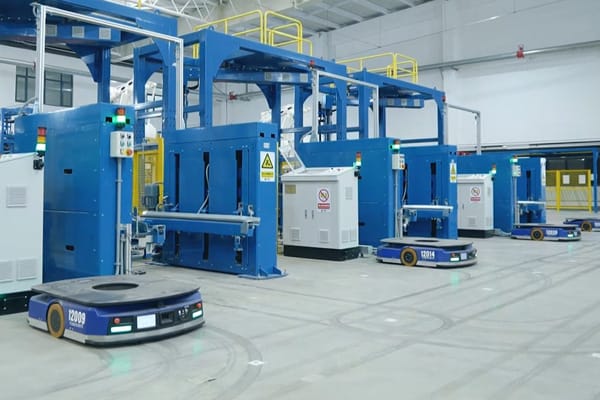
Paper Industry
The group is a leading enterprise in the domestic household paper and maternal and child hygiene products industry.
Solution
Smart Factory Automation Trust
Explore more industry automation transformation paths; click to unlock customized solutions.
Smart Device Project Implementation
Implementation Preparation
Robot/charging station parts inventory: on-site inspection of wiring, access control, network, and power supply.
Project on-site implementation
Line marking and coding, map creation and permission setting, software and hardware debugging / robot test run
Launch and Support
User training / Deployment and trial run, manual / maintenance training, acceptance signing, after-sales support