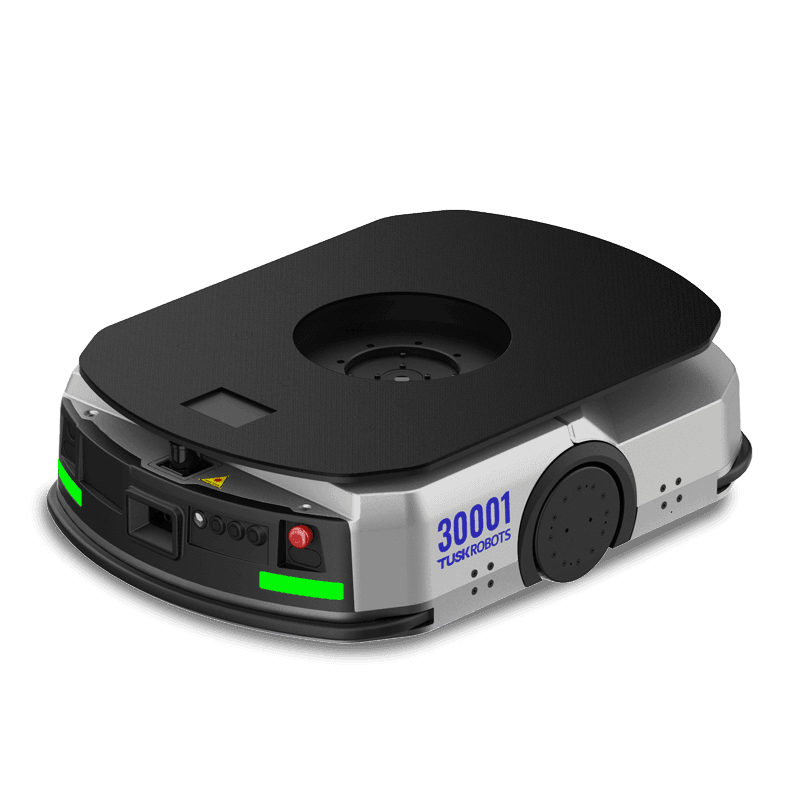

Choosing the Right AMR Forklift for Your Facility
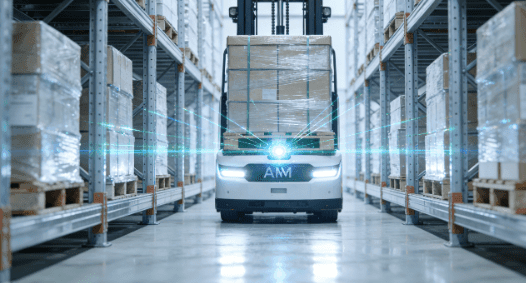
Table of Contents
Introduction
In the fast-paced world of modern manufacturing and logistics, efficiency, safety, and cost-effectiveness are no longer optional—they are critical competitive advantages. Autonomous Mobile Robots (AMRs) have emerged as game-changing technologies that allow facilities to streamline material handling and achieve operational excellence. Among these, the amr forklift stands out as a powerful tool, combining the lifting capability of traditional forklifts with autonomous navigation, precision, and adaptability.
Industry reports show that warehouses and manufacturing plants implementing AMR forklifts have reported up to a 30% increase in productivity, a 25% reduction in operational costs, and a significant decrease in workplace accidents. This surge in adoption is fueled not only by technological advancements but also by increasing labor shortages, rising operational costs, and the need for real-time data analytics.
Choosing the right amr forklift can transform your facility, but the selection process involves careful evaluation of payload requirements, layout, integration capabilities, battery performance, and regulatory compliance. This comprehensive guide provides an in-depth look into AMR forklifts for facilities of all sizes, with actionable insights, expert opinions, real-world case studies, and a detailed comparison of models and applications.
Understanding AMR Forklift Technology
What Is an AMR Forklift?
An amr forklift is an autonomous mobile robot capable of performing all the core functions of a conventional forklift—lifting, transporting, and stacking loads—without human operation. Unlike Automated Guided Vehicles (AGVs), which rely on fixed guides like magnetic strips or tracks, AMR forklifts use advanced LiDAR sensors, cameras, AI algorithms, and SLAM (Simultaneous Localization and Mapping) to navigate dynamically.
Industry experts such as Dr. Michael Johnson, a leading logistics automation consultant, state:
“AMR forklifts represent the next evolution in warehouse automation. Their ability to integrate seamlessly with existing operations and adapt to environmental changes sets a new standard in material handling.”
Core Features of AMR Forklifts
Autonomous Navigation
AMR forklifts use sensor fusion technology combining LiDAR, cameras, and ultrasonic sensors to navigate complex warehouse layouts, detect obstacles, and safely operate around humans.
Payload Capacity
Modern amr forklifts handle payloads ranging from 500 kg to over 3,500 kg, enabling them to manage both light retail loads and heavy industrial pallets efficiently.
Fleet Management Integration
Integrated fleet management software allows operators to assign tasks, monitor real-time status, and optimize routes for multiple AMR units. According to a 2024 study by Robotics Today, facilities using fleet management systems experienced a 20% increase in task efficiency.
Safety Systems
Advanced safety mechanisms include emergency stop functions, obstacle detection, and predictive collision avoidance, reducing workplace incidents by up to 40%, according to the International Warehouse Safety Council.
Energy Efficiency
Lithium-ion battery systems and optimized route planning help AMR forklifts consume less energy compared to conventional electric forklifts, reducing power costs by 15–20%.
Why Facilities Are Investing in AMR Forklifts
The adoption of amr forklifts is accelerating across sectors. The primary reasons include:
Operational Efficiency
AMR forklifts can operate 24/7, performing repetitive tasks continuously while human operators focus on higher-value tasks.
Flexibility
Unlike AGVs that require fixed infrastructure, AMR forklifts can adapt to changing layouts and routes without major facility modifications.
Safety Improvements
Automated forklifts reduce human errors and the risk of collisions, protecting personnel and inventory.
Labor Shortage Mitigation
As the warehouse labor market tightens, AMR forklifts provide a reliable alternative for handling routine material movement.
Data-Driven Decisions
AMR forklifts collect operational metrics such as route efficiency, task completion times, and energy consumption, enabling data-driven improvements.
Key Factors to Consider When Selecting an AMR Forklift
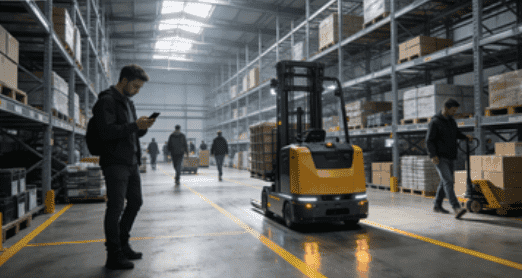
Selecting the ideal amr forklift requires detailed consideration of multiple operational and technical factors:
Facility Layout and Pathway Design
Aisle Width and Turn Radius
Narrow aisles require compact AMR forklifts with a minimal turning radius, while larger facilities can accommodate heavy-duty models.
Floor Conditions
Smooth, even floors improve speed and efficiency. Facilities with slopes or uneven surfaces need forklifts with adaptive suspension.
Dynamic Obstacles
AMR forklifts’ sensors allow them to detect human workers, carts, and temporary obstructions, but high traffic areas may need additional planning.
Load Requirements and Forklift Capacity
Payload Weight
Ensure the forklift’s maximum rated payload exceeds the heaviest items typically handled.
Load Dimensions
Fork length, mast height, and fork spread must align with pallets, crates, and product sizes used in your facility.
Operational Frequency
High-volume operations may require multiple AMR forklifts or high-capacity models to maintain efficiency.
Integration With Existing Systems
Warehouse Management System (WMS) Compatibility
Integration ensures AMR forklifts receive tasks automatically, report completion status, and update inventory data in real time.
Interoperability With Other Robotics
Coordination with AGVs, conveyor systems, and robotic arms avoids congestion and improves overall throughput.
Predictive Maintenance Analytics
Collecting operational data allows for predictive maintenance scheduling, reducing downtime and extending forklift lifespan.
Power Source and Battery Life
Lithium-Ion Batteries
Offer faster charging, longer lifespan, and consistent energy output.
Charging Infrastructure
Docking stations or wireless charging pads ensure forklifts are ready for operation.
Shift Requirements
Consider the number of shifts per day; heavy-use facilities may need battery-swapping systems for continuous operation.
Safety and Compliance
Regulatory Standards
Ensure compliance with ISO 3691-4 and OSHA safety standards.
Environmental Suitability
Select AMR forklifts designed for dusty, humid, or climate-controlled environments as required.
Sensor Redundancy
Multiple sensor layers improve reliability in complex facilities.
Types of AMR Forklifts
Understanding the different types of amr forklifts helps in selecting the best fit for specific operations.
Compact AMR Forklift
- Payload: 500–1000 kg
- Navigation: LiDAR + SLAM
- Applications: Retail stockrooms, small warehouses
- Advantages: Agile, fits narrow aisles, low cost
Standard AMR Forklift
- Payload: 1000–2000 kg
- Navigation: LiDAR + Vision + Sensors
- Applications: Medium factories, distribution centers
- Advantages: Versatile, reliable, supports mixed workloads
Heavy-Duty AMR Forklift
- Payload: 2000–3500 kg
- Navigation: LiDAR + Vision + Fleet Control
- Applications: Large warehouses, logistics hubs
- Advantages: High lifting capacity, robust design
Multi-Level AMR Forklift
- Payload: 500–1500 kg
- Navigation: LiDAR + RTLS + AI
- Applications: High-rack storage, automated mezzanines
- Advantages: Access to multiple rack levels, precise stacking
Collaborative AMR Forklift
- Payload: 500–1000 kg
- Navigation: LiDAR + Vision + Safety Sensors
- Applications: Mixed human-robot workflows
- Advantages: Operates safely around personnel, reduces risk of accidents
Industry Data and Case Studies
- A 2023 study by Robotics Warehouse Insights found that facilities using AMR forklifts reduced order fulfillment times by 35% and labor costs by 22%.
- Toyota Material Handling reported that AMR forklifts in multi-shift warehouses operate continuously with 99% uptime, outperforming traditional electric forklifts.
- A medium-sized distribution center in Germany adopted 10 AMR forklifts and observed a 40% decrease in product handling errors within six months.
Advantages of Investing in the Right AMR Forklift
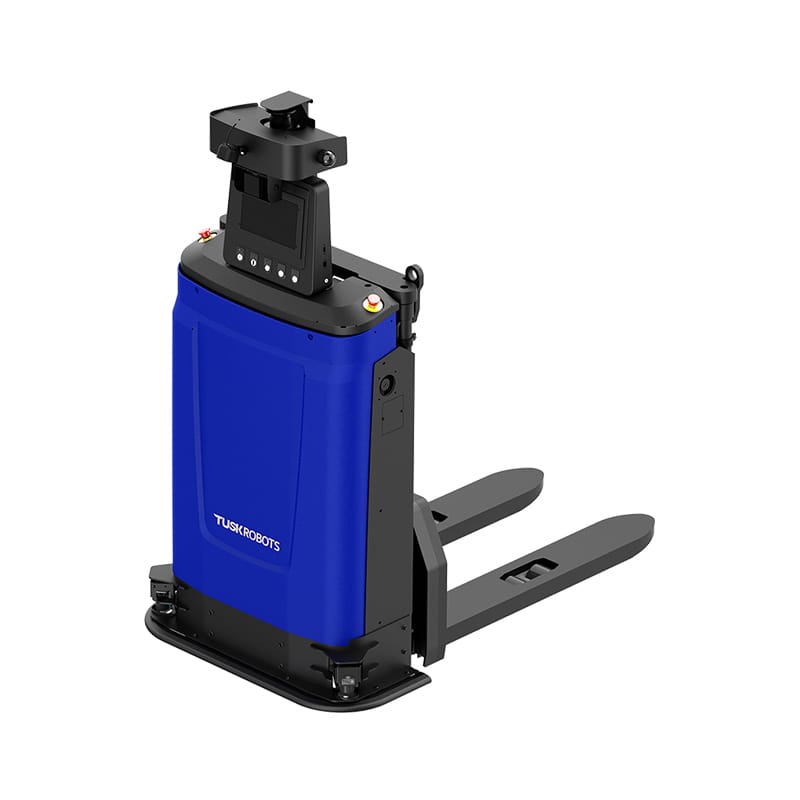
Increased Productivity
AMR forklifts handle repetitive tasks faster than humans, allowing employees to focus on complex or higher-value operations.
Reduced Operational Costs
Although initial investment is higher, reductions in labor, downtime, and energy consumption create long-term savings.
Enhanced Safety
Sensor-equipped AMR forklifts mitigate human error, prevent collisions, and reduce inventory damage.
Scalability
Facilities can easily expand AMR forklift fleets as operations grow, without major infrastructure changes.
Data Analytics
AMR forklifts provide real-time operational data for route optimization, maintenance scheduling, and workforce planning.
How to Implement AMR Forklifts in Your Facility
Pilot Testing
Run a small-scale trial to evaluate performance, safety, and integration before full deployment.
Staff Training
Employees need training on fleet management software, emergency protocols, and human-robot interaction.
Integration Planning
Ensure WMS, conveyors, and other automation systems communicate effectively with the AMR forklift fleet.
Maintenance Schedule
Establish routine inspection, cleaning, and battery management to maximize lifespan and performance.
Conclusion
Choosing the right amr forklift is a critical step toward modernizing material handling in warehouses, factories, and distribution centers. By considering facility layout, load requirements, system integration, power sources, and safety standards, companies can optimize productivity, reduce operational costs, and enhance safety. With data-driven analytics and AI navigation, AMR forklifts are redefining operational efficiency and creating a safer, smarter industrial environment.
FAQ
Q1: What is an AMR forklift?
A1: An AMR forklift is an autonomous mobile robot capable of lifting, transporting, and stacking loads without human operation.
Q2: How do I choose the right AMR forklift?
A2: Evaluate payload, facility layout, battery life, WMS integration, and safety features.
Q3: Are AMR forklifts safe around humans?
A3: Yes, with LiDAR, vision sensors, and emergency stops, they operate safely alongside personnel.
Q4: What is the typical payload range?
A4: Most models handle 500 kg to 3,500 kg, depending on industrial needs.
Q5: Can AMR forklifts work continuously?
A5: Yes, with lithium-ion batteries, docking stations, or battery swapping, they can operate multiple shifts without interruption.
TUSKROBOTS: Leading Intelligent Automation Solutions
Thank you for reading! We hope this blog offered valuable insights into Intelligent Warehousing & Logistics Automation Solutions. We are committed to empowering smart factories and intelligent logistics, making industrial handling simpler and more efficient.
Join our community to stay updated on our advanced automated pallet handling and picking robots.
📘 Follow us onFacebook, Instagram, and TikTok.
Let’s keep the conversation going—see you there!
Latest post

Contact Info
2nd Floor, Xingzhongchuang Xiabei High-tech Industry Center A1, Nanhai District, Foshan, China
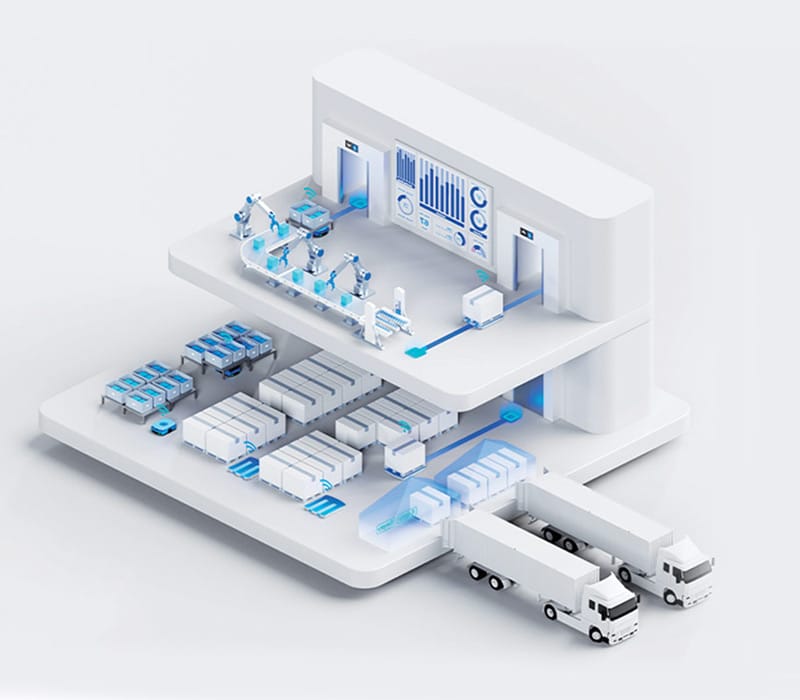
Full-stack intelligent logistics management and control system
It connects the entire "system - platform - hardware" chain, is compatible with mainstream industrial systems, and links intelligent hardware to achieve intelligent management and efficiency upgrades for the entire logistics process.
WHAT FITS:
Building core competitiveness in mobile management
01.
Custom Data Dashboard
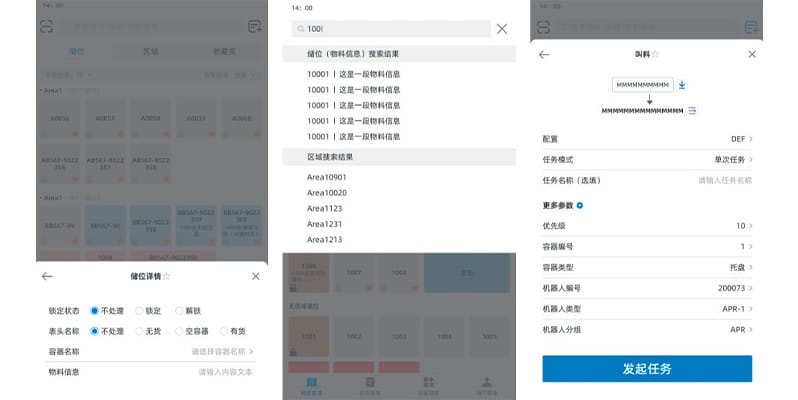
Building core competitiveness in mobile management
02.
Personalized User Management
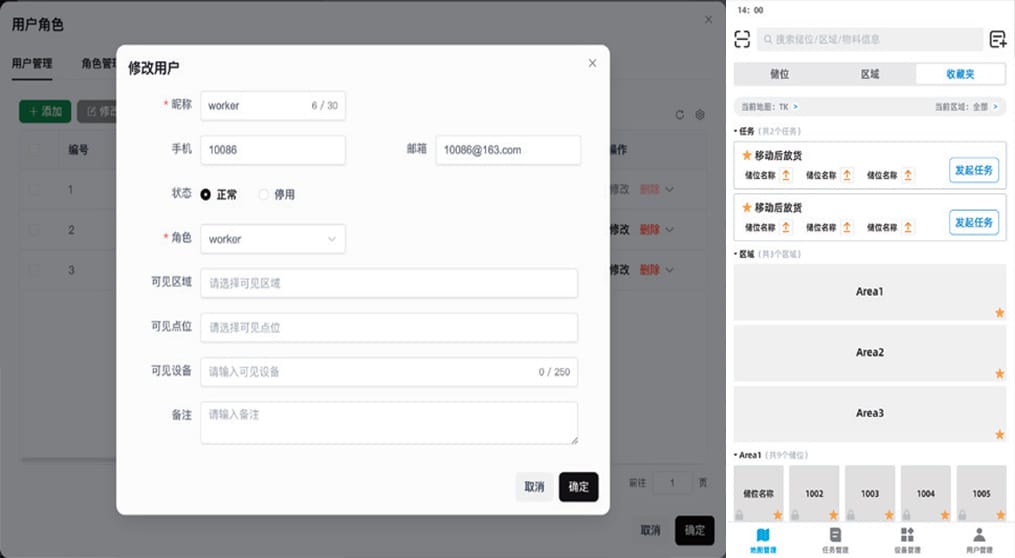
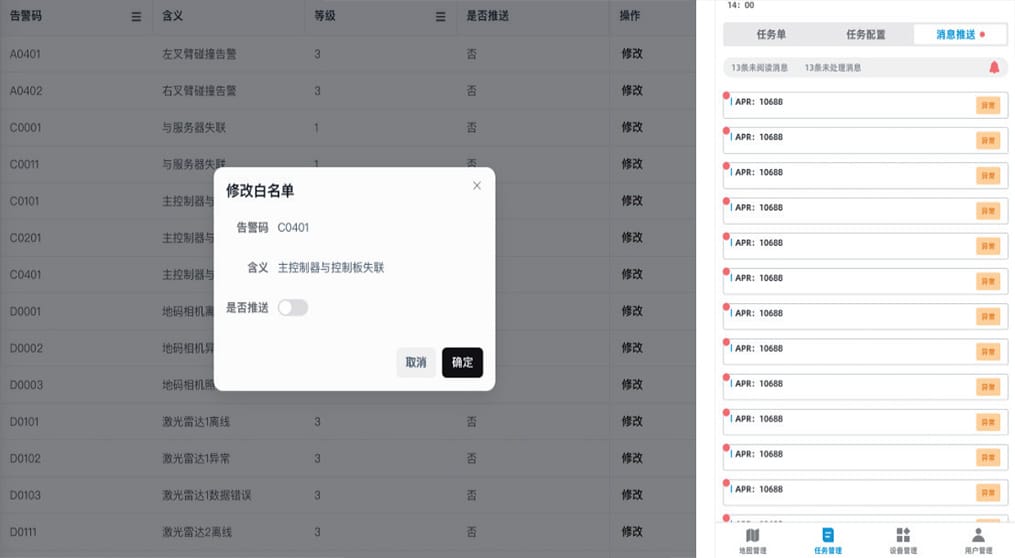
Building core competitiveness in mobile management
03.
Personalized Alarm Push
Leading the revolution in intelligent
warehouse location management
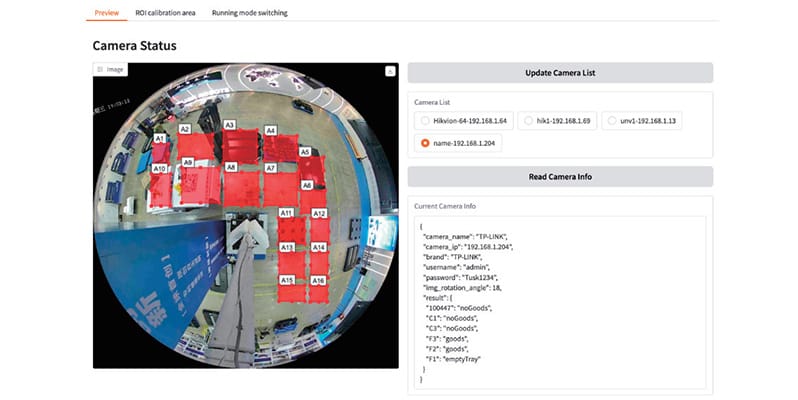
01.
Real-time storage location automatic trigger task
Leading the revolution in intelligent
warehouse location management
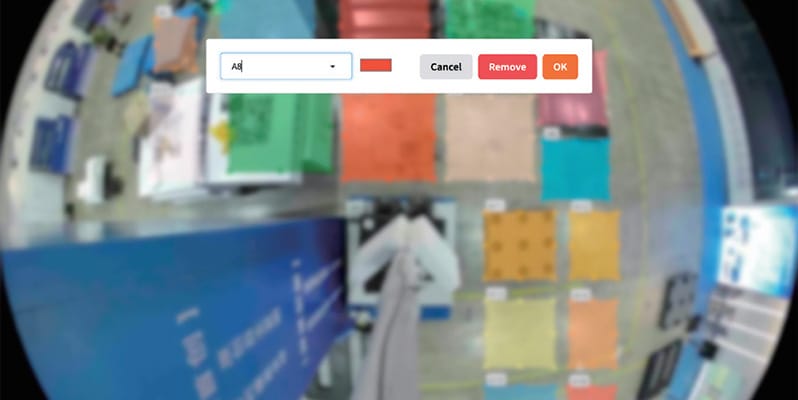
02.
Visual configuration interface
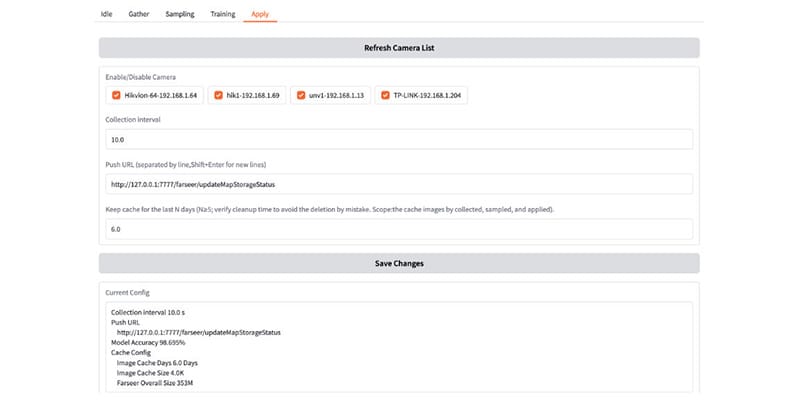
Leading the revolution in intelligent warehouse location management
03.
Custom Configuration
Lothar Intelligent Management Platform Building a Central System for Smart Factories
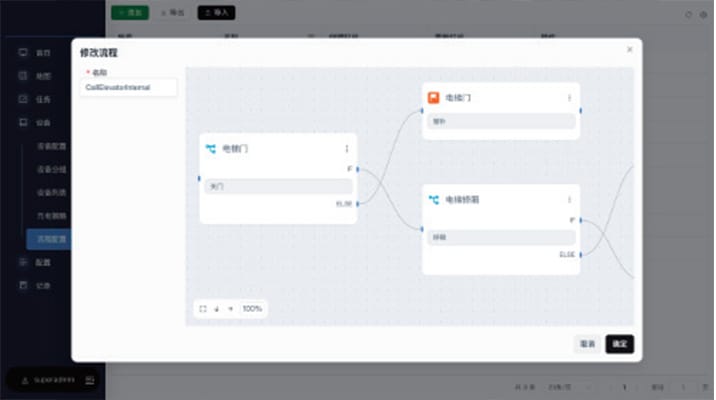
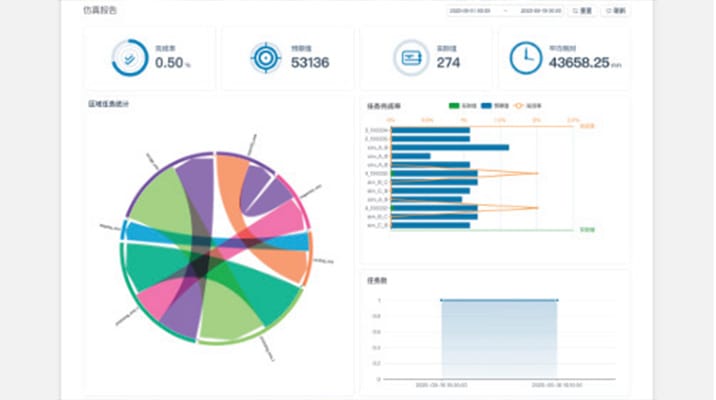
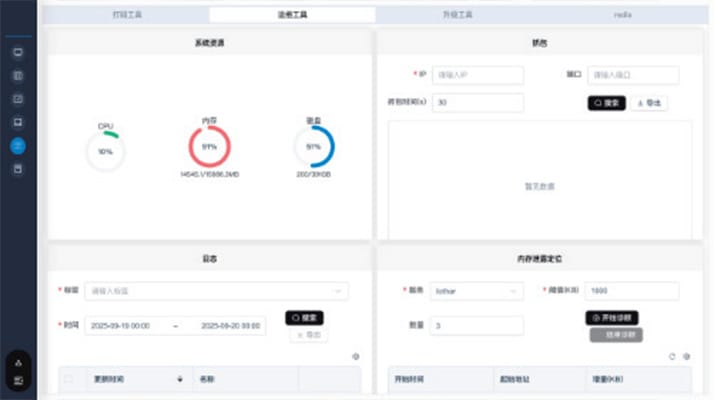
Lothar, the intelligent management platform from Taskar, serves as the digital hub for smart factories. It features customizable data dashboards, full-dimensional map visualization, graphical task and equipment workflows, simulation capabilities, AI-powered operation and maintenance, open multi-protocol interfaces, and OTA upgrade support, empowering digital management of factories throughout their entire lifecycle.
Map Management
Configuration Management
Access Management
Task Management
Historical records
Equipment Management
Simulation
Data dashboard
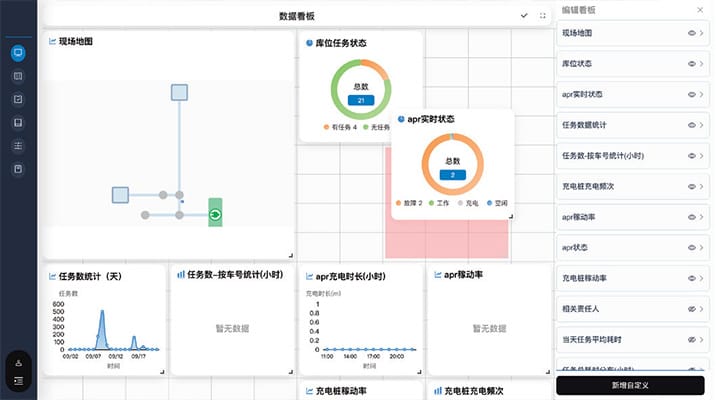
01.
Custom Data Dashboard
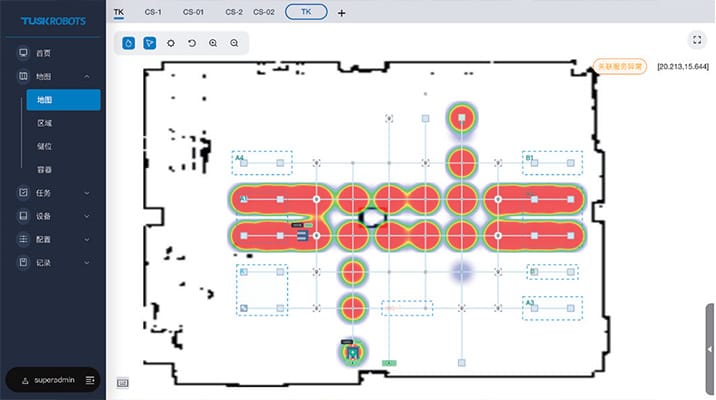
02.
Map visualization
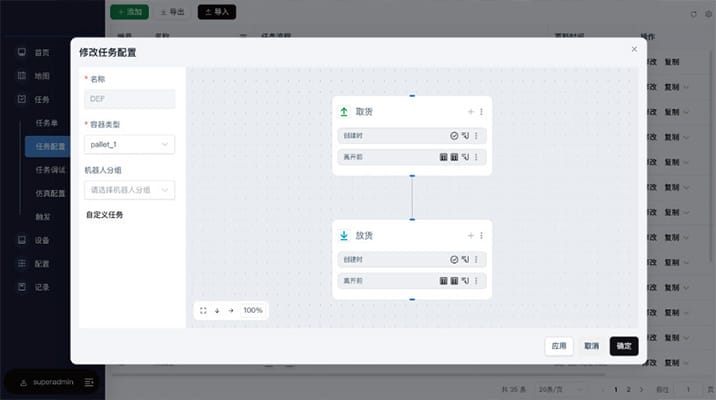
03.
Graphical construction task
04.
Graphical device configuration process
05.
Simulation visualization
06.
O&M Visualization
Trust Witnessing in Smart Factory Automation
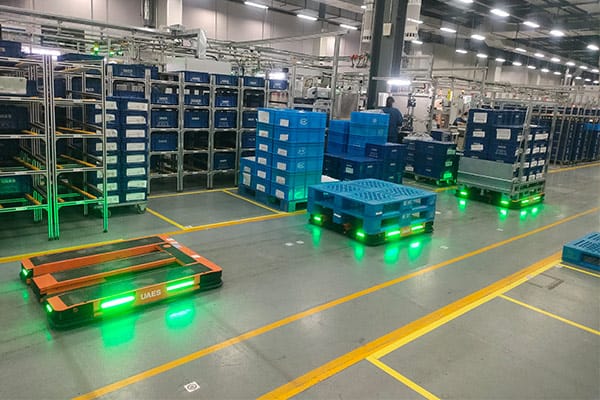
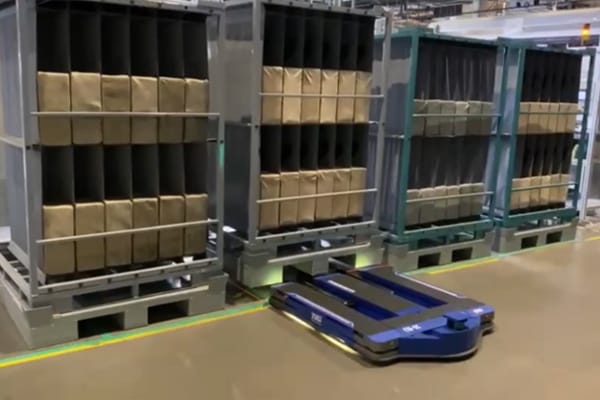
Electronics Industry
The automotive electronics trend makes digital pallet robots the preferred choice for in-plant logistics.
Solution
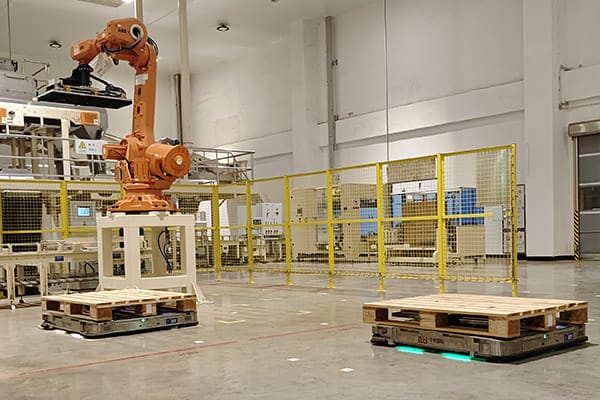
Auto Parts Industry
Rising demand for automotive interiors propels suppliers to new heights of development.
Solution
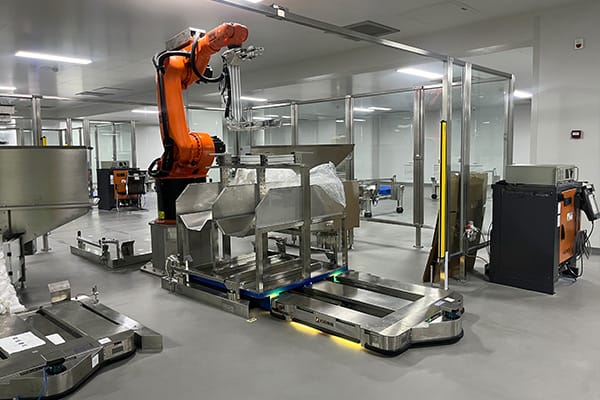
Tobacco Industry
A backbone of China's tobacco industry, with over forty years of history.
Solution
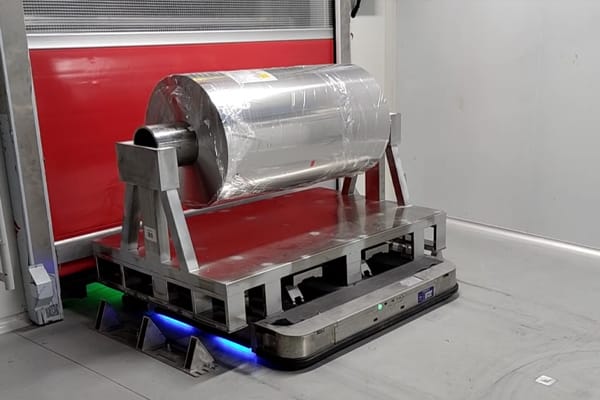
Pharmaceutical Industry
The pharmaceutical industry needs automation due to GMP requirements.
Solution
New Energy Industry
New energy lithium battery production capacity increases, automation is key.
Solution
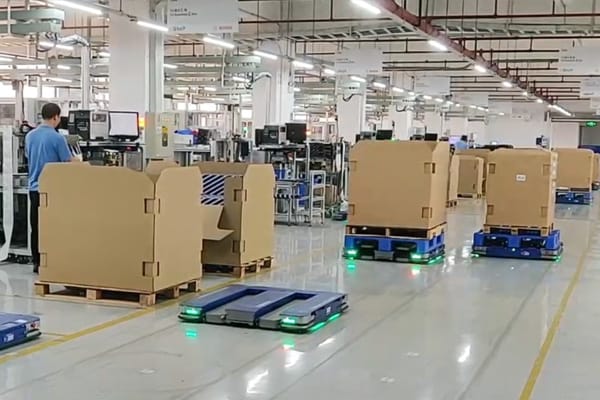
Manufacturing Industry
A globally renowned manufacturer of wiper parts, with a factory of 30,000 square meters.
Solution
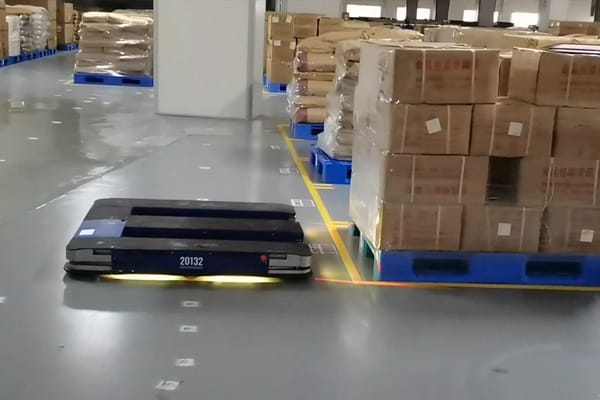
Food Industry
Positioned as a high-quality chain bakery brand, with a modern industrial park of over 60,000 square meters.
Solution
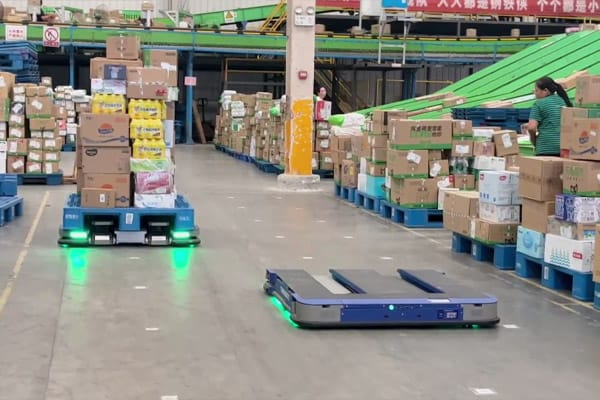
Logistics Industry
South China Logistics and Distribution Center of a Major Domestic E-commerce Company
Solution
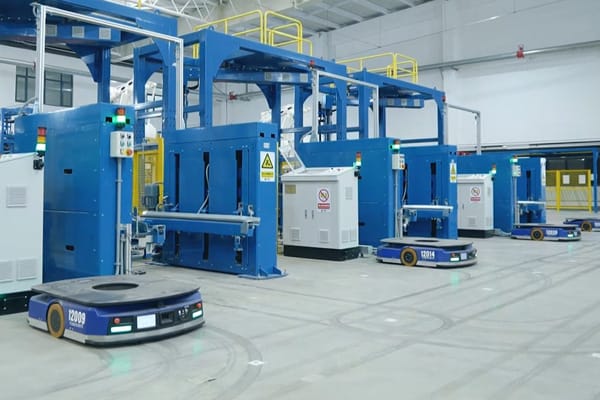
Paper Industry
The group is a leading enterprise in the domestic household paper and maternal and child hygiene products industry.
Solution
Smart Factory Automation Trust
Explore more industry automation transformation paths; click to unlock customized solutions.
Smart Device Project Implementation
Implementation Preparation
Robot/charging station parts inventory: on-site inspection of wiring, access control, network, and power supply.
Project on-site implementation
Line marking and coding, map creation and permission setting, software and hardware debugging / robot test run
Launch and Support
User training / Deployment and trial run, manual / maintenance training, acceptance signing, after-sales support