

6 Critical Mistakes When Using Robot Forklift AGV

Table of Contents
Introduction
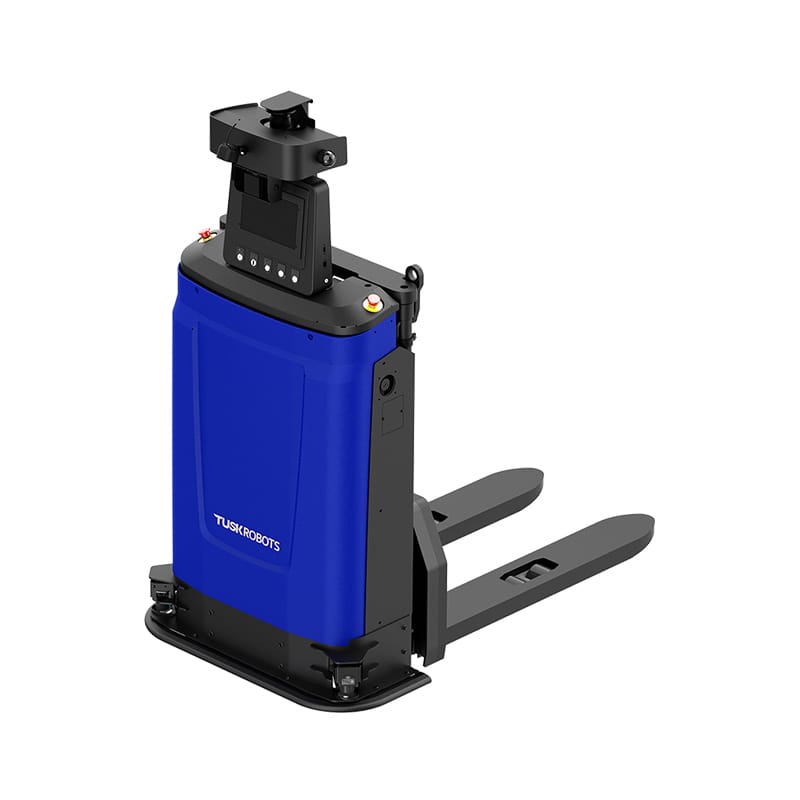
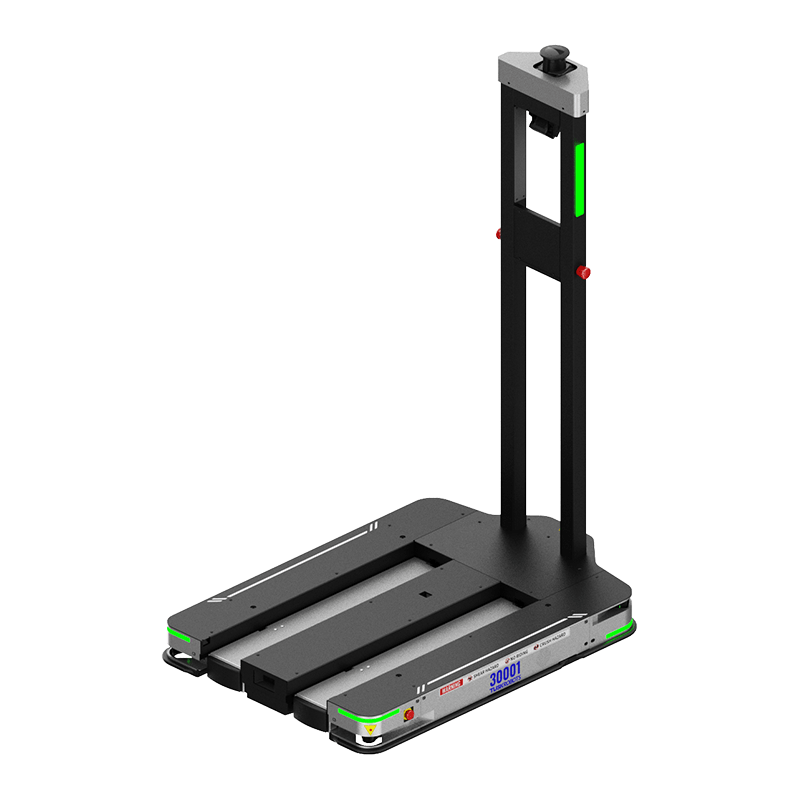
In today’s highly competitive logistics and manufacturing industries, automation has become a cornerstone for improving operational efficiency and reducing labor costs. Among the most impactful innovations is the deployment of robot forklift AGV systems. These automated guided vehicles revolutionize material handling by providing precision, reliability, and scalability. According to a 2024 report by International Federation of Robotics, warehouses with AGV systems saw an average 30% increase in productivity and a 25% reduction in labor costs within the first year of implementation.
Despite the impressive benefits, organizations often face challenges that limit their full potential. Implementing robot forklift AGV systems is not as simple as buying the vehicles; incorrect setup, poor maintenance, or mismanagement can lead to operational inefficiencies, safety hazards, and significant financial losses. Research by Logistics Management Insights (2023) shows that nearly 40% of AGV-related incidents in warehouses are caused by human errors or improper system integration, not mechanical failures.
This guide identifies six critical mistakes when using robot forklift AGV and provides actionable solutions to avoid them. We will explore technical details, operational best practices, maintenance strategies, and performance optimization methods, ensuring that businesses maximize ROI and maintain a safe, efficient warehouse environment.
Mistake 1: Improper Path Planning for Robot Forklift AGV
Lack of Accurate Floor Mapping
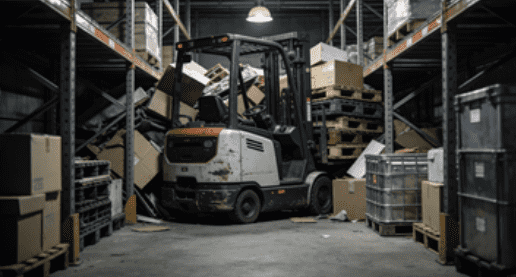
One of the most common errors is insufficient floor mapping. AGV systems rely heavily on predefined navigation paths. An inaccurate map can result in frequent stops, collisions, and inefficient routing, leading to downtime and reduced throughput. For instance, Amazon Robotics found that optimizing warehouse paths increased AGV throughput by 15-20% without adding vehicles.
Ignoring Dynamic Obstacles
AGVs often encounter temporary obstacles, such as pallets, human workers, or carts. Systems without real-time sensor feedback or AI-based rerouting capabilities are vulnerable to collisions and delays. Incorporating LiDAR sensors, 3D cameras, and ultrasonic detection can improve obstacle detection accuracy and reduce operational disruptions.
Overcrowded Pathways
Narrow aisles, cluttered storage areas, or improper lane markings can significantly reduce AGV efficiency. Industry experts recommend maintaining a minimum aisle width of 3 meters for standard 2-ton AGVs to ensure smooth navigation. Warehouses with high congestion should consider AGV traffic management software to optimize movement and reduce idle times.
Mistake 2: Neglecting Battery Management for Robot Forklift AGV
Inadequate Charging Infrastructure
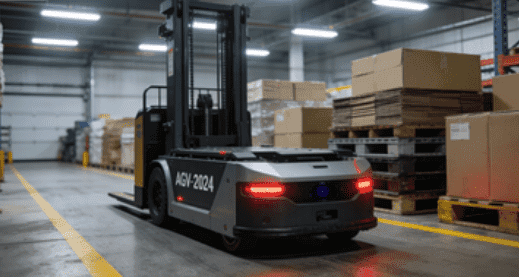
Many facilities underestimate the need for robust charging stations. A standard lithium-ion AGV battery (48V, 80Ah) can operate for 6-8 hours, but insufficient charging points can result in AGVs being offline during peak hours. Implementing automated charging docks ensures that vehicles are fully charged between cycles.
Ignoring Battery Health Monitoring
Battery degradation is inevitable. Without monitoring battery health metrics such as state of charge, voltage drop, and cycle count, organizations risk unexpected downtime. Toyota Material Handling reports that proactive battery monitoring can extend AGV battery life by 20-30%, saving thousands in replacement costs annually.
Overcharging or Undercharging Risks
Overcharging reduces battery lifespan, while undercharging leads to insufficient runtime. Automated systems that follow manufacturer-recommended charging curves help maintain optimal battery performance and prevent operational delays.
Mistake 3: Overlooking Maintenance and Wear Issues
Skipping Scheduled Maintenance
AGV systems consist of mechanical, electrical, and software components that require regular inspection. A typical 2-ton AGV has over 300 moving parts, including wheels, forks, sensors, and motors. Ignoring maintenance can lead to mechanical failure, sensor errors, and unplanned downtime.
Ignoring Component Wear
Worn parts such as wheels, bearings, or steering mechanisms can impact AGV precision. Industry standards recommend checking wear items every 500 operating hours. Timely replacement prevents accidents and improves operational efficiency.
Software Updates Neglected
AGV software updates often improve navigation algorithms, safety protocols, and efficiency. Failure to update software leaves the system vulnerable to errors and limits productivity. Regular firmware updates and system patches are essential for peak performance.
Mistake 4: Poor Integration with Warehouse Management Systems
Lack of Real-Time Data Communication
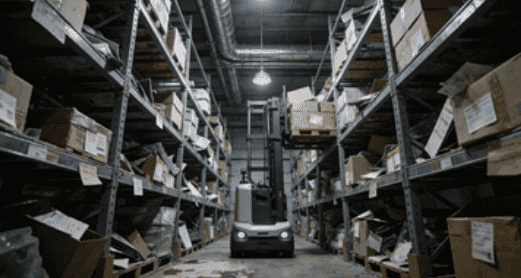
Robot forklift AGV systems must integrate with WMS, ERP, and inventory systems. Without integration, AGVs may pick wrong items or take inefficient routes, causing delays and errors.
Disconnected Inventory and Tracking
Inaccurate inventory data reduces the reliability of AGV operations. Real-time updates between AGVs and WMS ensure proper routing, load handling, and delivery, minimizing human intervention.
Manual Overrides Mismanaged
While manual intervention may be necessary, overreliance can disrupt automated workflows. Establishing standard operating procedures (SOPs) for overrides ensures AGVs continue to operate efficiently without compromising safety.
Mistake 5: Ignoring Safety Protocols
Insufficient Training for Staff
Untrained staff are a major risk factor. They may collide with AGVs, cause system errors, or compromise safety zones. Facilities should provide certified AGV training programs, covering emergency stops, obstacle detection, and human-AGV interaction.
Neglecting Safety Sensors
AGVs are equipped with emergency stop switches, LiDAR, and proximity sensors. Regular testing and calibration are essential to prevent accidents. A recent survey by Robotics Today (2023) indicated that 25% of minor warehouse accidents involved improperly calibrated AGV sensors.
Unsafe Loading Practices
Exceeding recommended load capacity or improper pallet placement can destabilize AGVs. Standard practice includes adhering to manufacturer load limits and ensuring secure load placement before movement.
Mistake 6: Inadequate Fleet Management Strategies
Improper Task Allocation
Assigning tasks without considering load weight, priority, or route efficiency causes congestion and delays. Fleet management software can dynamically allocate tasks based on vehicle status, location, and workload.
Lack of Performance Monitoring
Tracking metrics like travel speed, idle time, load cycles, and maintenance alerts is critical. Facilities ignoring these metrics experience reduced productivity and increased operational costs.
Not Scaling with Operations
As warehouses grow, AGV fleets must scale proportionally. Failure to add vehicles or expand software capacity during peak periods can create bottlenecks and reduce system ROI.
Additional Considerations for Optimizing Robot Forklift AGV
Environmental Factors
Temperature, humidity, and dust levels impact AGV performance. Extreme cold may reduce battery efficiency, while dust can interfere with sensors. Protective covers, temperature-controlled storage areas, and regular cleaning improve reliability.
Regulatory Compliance
AGV deployments must comply with workplace safety regulations. In the U.S., OSHA standards require clear safety zones, proper signage, and emergency stop systems. In Europe, compliance with CE standards ensures vehicle safety and operational efficiency.
Data Analytics and AI Integration
Modern AGVs leverage AI for predictive maintenance and route optimization. Analyzing operational data can reduce idle time by 15-20% and enhance throughput by 10-15%, according to Material Handling Research Institute, 2024.
Table: Common Robot Forklift AGV Mistakes and Professional Recommendations
| Mistake Category | Examples | Operational Impact | Recommended Solution | Industry Benchmark |
|---|---|---|---|---|
| Path Planning | Poor mapping, narrow aisles | Collisions, low throughput | Redesign layout, AI routing | 95% route efficiency |
| Battery Management | Ignored battery health | Downtime, short runtime | Monitor metrics, automated charging | 8-hour operational runtime |
| Maintenance | Skipped inspections, worn wheels | Mechanical failure | Scheduled inspections, part replacement | 99% uptime target |
| System Integration | No WMS sync | Wrong deliveries, slow ops | Integrate AGV with WMS | Real-time inventory sync |
| Safety | Untrained staff, sensor neglect | Accidents, injuries | Training programs, sensor calibration | Zero incident goal |
| Fleet Management | Poor task allocation | Congestion, idle time | Dynamic fleet scheduling | 90% task efficiency |
This table illustrates how critical mistakes affect operations and how adopting best practices can optimize robot forklift AGV performance.
Advanced Tips for Maximizing AGV Efficiency
Implement Multi-AGV Coordination
Coordinating multiple AGVs prevents collisions and traffic jams. Advanced systems employ centralized fleet management software with AI algorithms for dynamic task allocation.
Schedule Preventive Maintenance
Beyond manufacturer recommendations, proactive predictive maintenance using sensor data can reduce downtime by up to 25%, extending AGV lifespan.
Optimize Load Distribution
Distribute cargo evenly and ensure pallet alignment. Proper load distribution improves AGV stability and reduces motor strain.
Continuous Staff Training
Regular workshops on AGV interaction, emergency response, and operational updates help maintain safety and efficiency.
Conclusion
Robot forklift AGV systems are transforming modern warehouses, offering improved efficiency, reliability, and safety. However, to achieve their full potential, organizations must avoid six critical mistakes: improper path planning, neglecting battery management, skipping maintenance, poor WMS integration, ignoring safety protocols, and inadequate fleet management.
By integrating advanced monitoring systems, predictive maintenance, AI-based routing, staff training, and regulatory compliance, businesses can maximize AGV performance. Facilities that proactively address these areas experience increased throughput, reduced labor costs, and safer working environments.
Investing in knowledge, structured processes, and ongoing optimization is as important as investing in the AGVs themselves. Smart deployment ensures long-term ROI and positions companies for scalable, automated operations.
FAQ
Q1: What is the primary reason robot forklift AGV systems fail in warehouses?
Most failures occur due to human mismanagement, improper system integration, or neglecting maintenance rather than mechanical defects.
Q2: How do I select the right AGV fleet size?
Analyze operational volume, peak workload, and warehouse layout. Use fleet management software to simulate task allocation.
Q3: Can small facilities implement robot forklift AGV successfully?
Yes, with proper planning, path design, and staff training, even small warehouses can see 20–30% efficiency gains.
Q4: How can AI improve AGV performance?
AI enables predictive maintenance, real-time route optimization, and dynamic task allocation, reducing idle time and collisions.
Q5: What safety measures are essential for AGV operations?
Critical measures include staff training, sensor calibration, emergency stops, load compliance, and maintaining clear pathways.
TUSKROBOTS: Leading Intelligent Automation Solutions
Thank you for reading! We hope this blog offered valuable insights into Intelligent Warehousing & Logistics Automation Solutions. We are committed to empowering smart factories and intelligent logistics, making industrial handling simpler and more efficient.
Join our community to stay updated on our advanced automated pallet handling and picking robots.
📘 Follow us onFacebook, Instagram, and TikTok.
Let’s keep the conversation going—see you there!
Latest post

Contact Info
2nd Floor, Xingzhongchuang Xiabei High-tech Industry Center A1, Nanhai District, Foshan, China
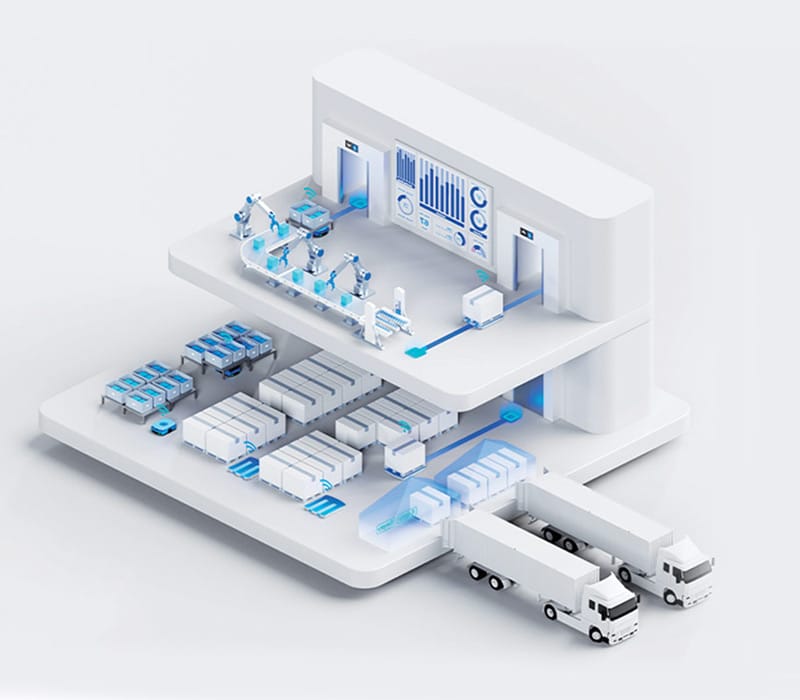
Full-stack intelligent logistics management and control system
It connects the entire "system - platform - hardware" chain, is compatible with mainstream industrial systems, and links intelligent hardware to achieve intelligent management and efficiency upgrades for the entire logistics process.
WHAT FITS:
Building core competitiveness in mobile management
01.
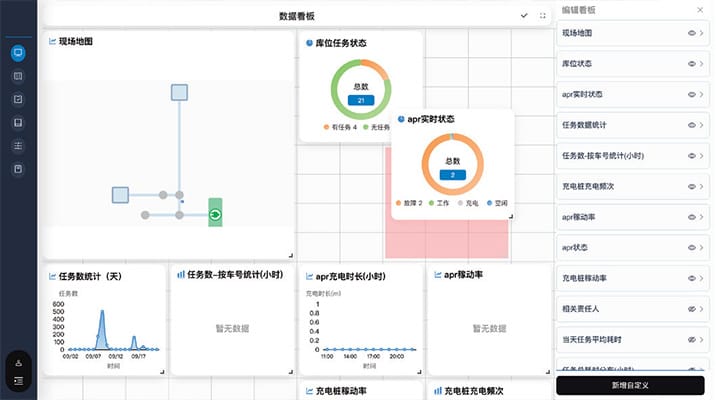
Custom Data Dashboard
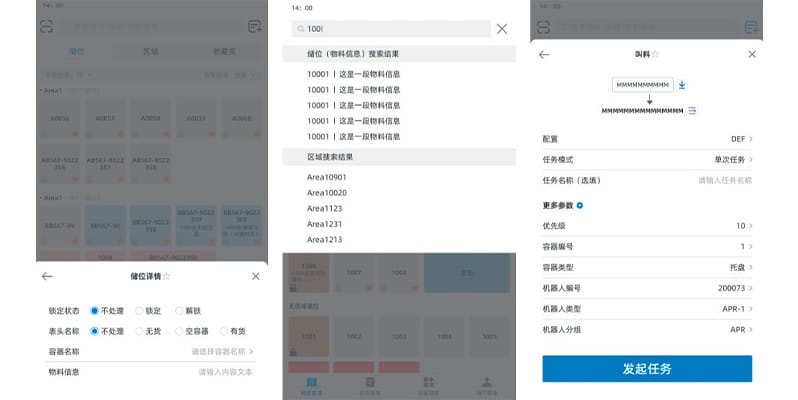
Building core competitiveness in mobile management
02.
Personalized User Management

Building core competitiveness in mobile management
03.
Personalized Alarm Push

Leading the revolution in intelligent
warehouse location management
01.
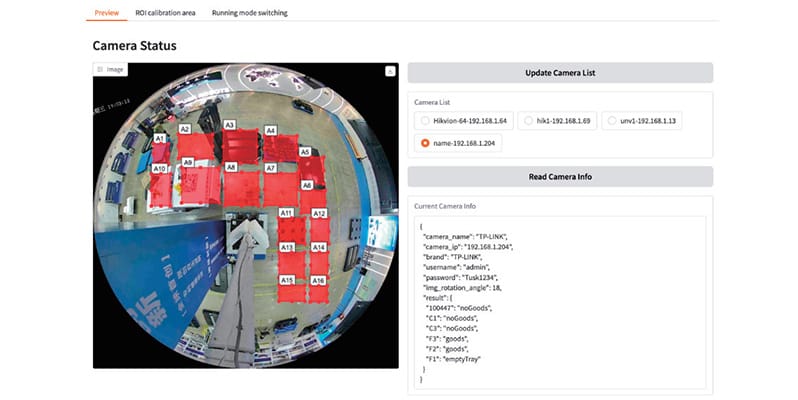
Real-time storage location automatic trigger task

Leading the revolution in intelligent
warehouse location management
02.
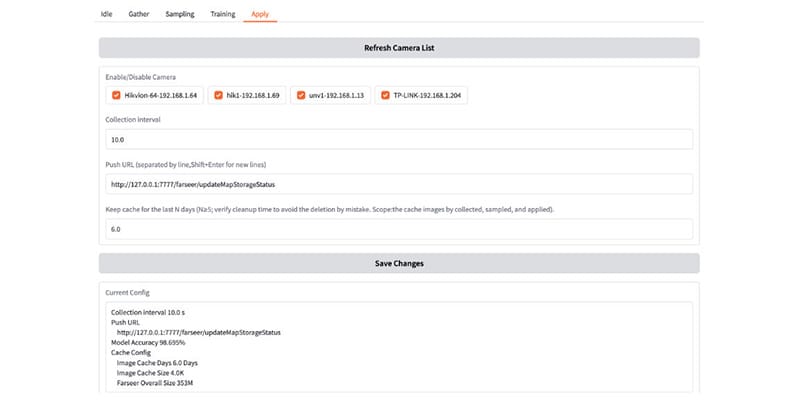
Visual configuration interface
Leading the revolution in intelligent warehouse location management
03.
Custom Configuration
Lothar Intelligent Management Platform Building a Central System for Smart Factories
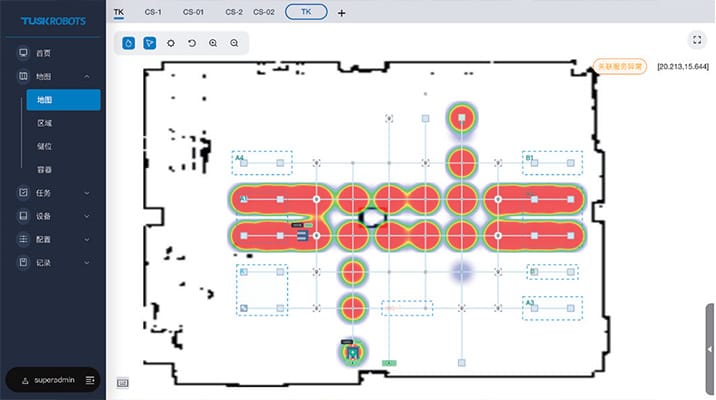
Lothar, the intelligent management platform from Taskar, serves as the digital hub for smart factories. It features customizable data dashboards, full-dimensional map visualization, graphical task and equipment workflows, simulation capabilities, AI-powered operation and maintenance, open multi-protocol interfaces, and OTA upgrade support, empowering digital management of factories throughout their entire lifecycle.
Map Management
Configuration Management
Access Management
Task Management
Historical records
Equipment Management
Simulation
Data dashboard
01.
Custom Data Dashboard
02.
Map visualization
03.
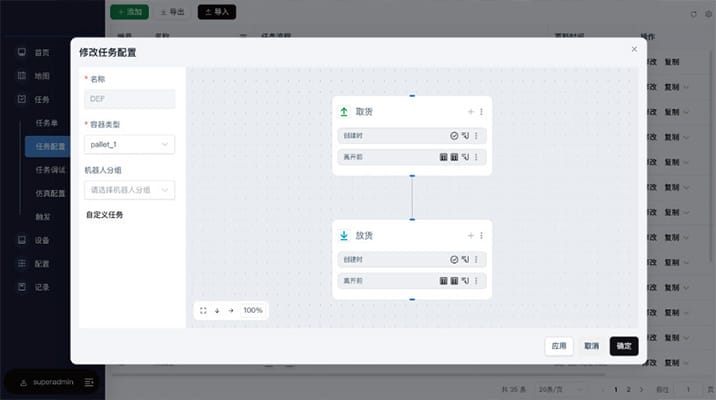
Graphical construction task
04.
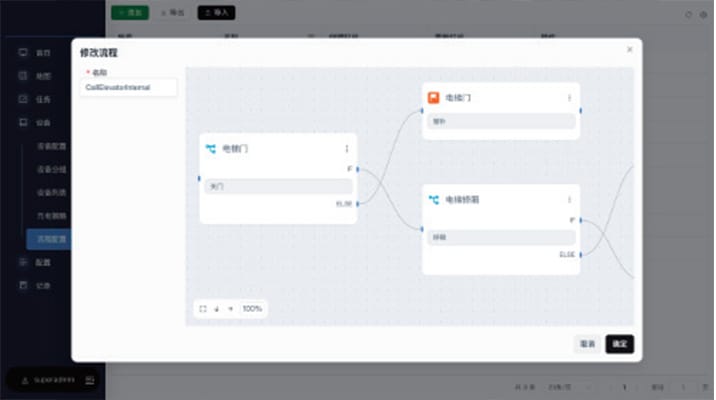
Graphical device configuration process
05.
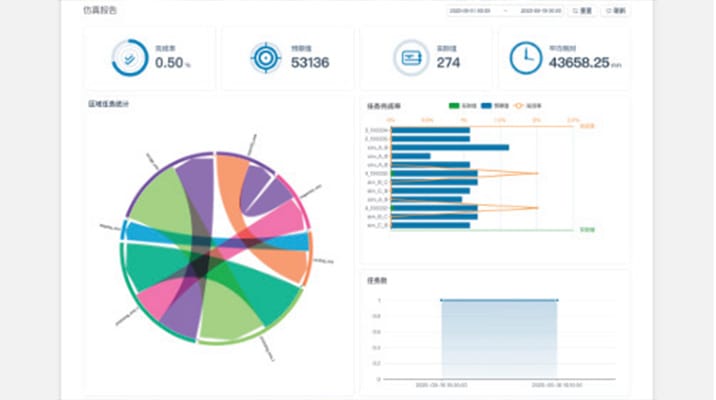
Simulation visualization
06.
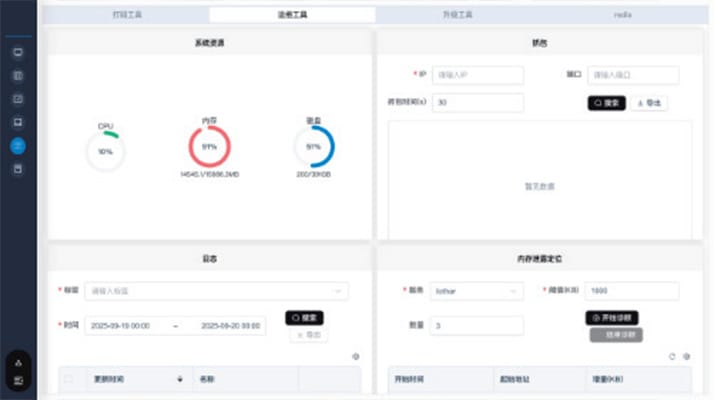
O&M Visualization
Trust Witnessing in Smart Factory Automation
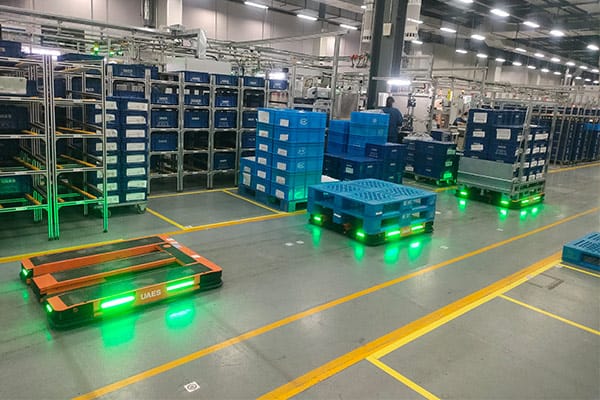
Electronics Industry
The automotive electronics trend makes digital pallet robots the preferred choice for in-plant logistics.
Solution
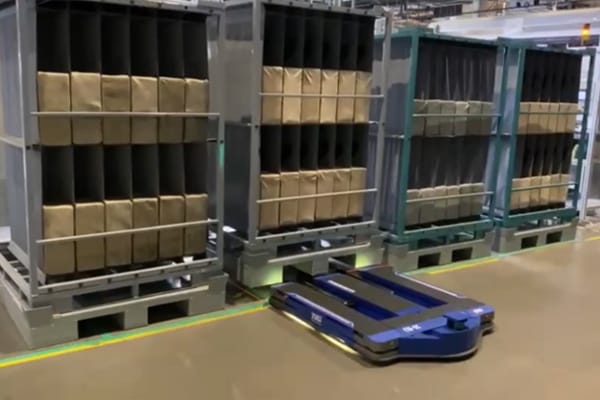
Auto Parts Industry
Rising demand for automotive interiors propels suppliers to new heights of development.
Solution
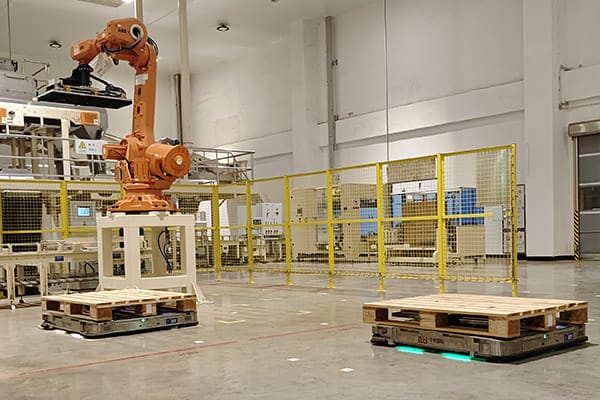
Tobacco Industry
A backbone of China's tobacco industry, with over forty years of history.
Solution
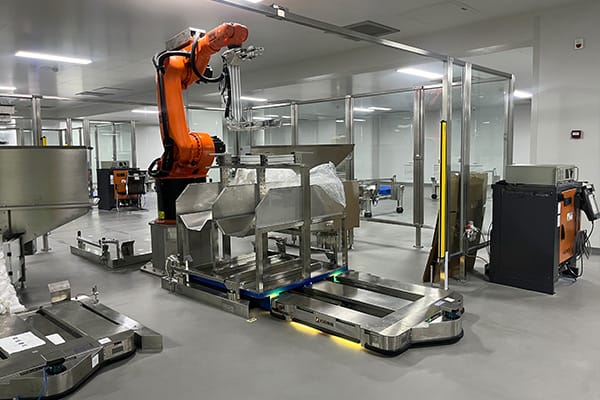
Pharmaceutical Industry
The pharmaceutical industry needs automation due to GMP requirements.
Solution
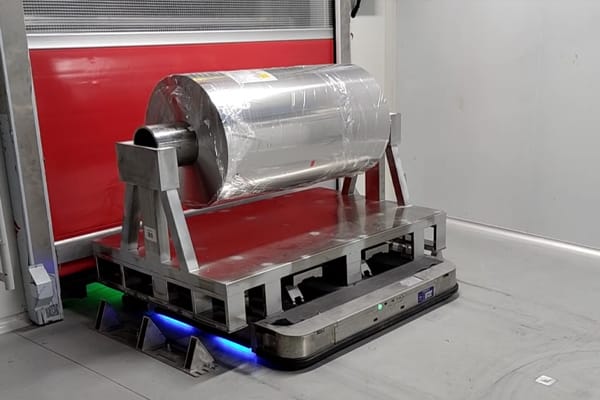
New Energy Industry
New energy lithium battery production capacity increases, automation is key.
Solution
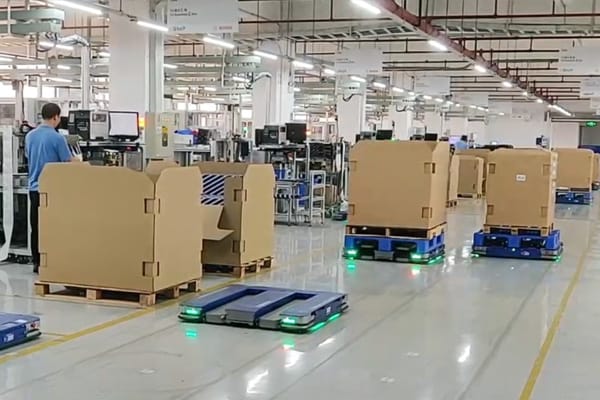
Manufacturing Industry
A globally renowned manufacturer of wiper parts, with a factory of 30,000 square meters.
Solution
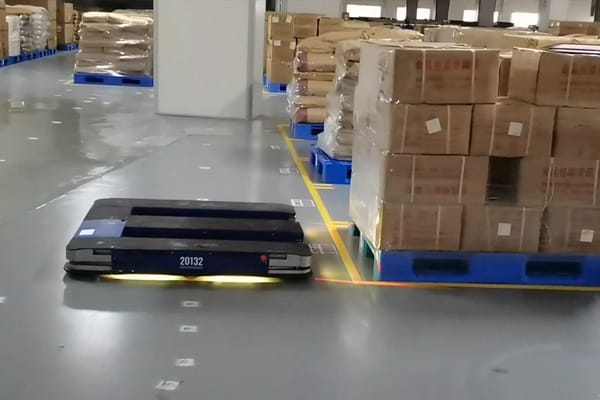
Food Industry
Positioned as a high-quality chain bakery brand, with a modern industrial park of over 60,000 square meters.
Solution
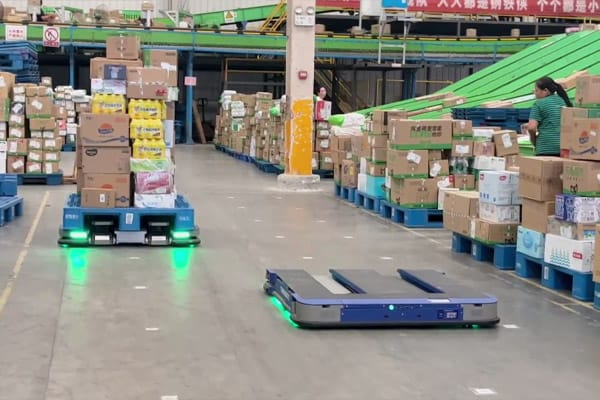
Logistics Industry
South China Logistics and Distribution Center of a Major Domestic E-commerce Company
Solution
Paper Industry
The group is a leading enterprise in the domestic household paper and maternal and child hygiene products industry.
Solution
Smart Factory Automation Trust
Explore more industry automation transformation paths; click to unlock customized solutions.
Smart Device Project Implementation
Implementation Preparation
Robot/charging station parts inventory: on-site inspection of wiring, access control, network, and power supply.
Project on-site implementation
Line marking and coding, map creation and permission setting, software and hardware debugging / robot test run
Launch and Support
User training / Deployment and trial run, manual / maintenance training, acceptance signing, after-sales support