

7 AGV Pallet Stacker Problems Solved Fast

Table of Contents
Key Takeaways of This Blog
- Why common AGV pallet stacker issues occur and how to fix them quickly
- Practical insights on navigation, battery, load handling, and safety reliability
- Professional concepts explained in simple terms
- A comparison table showing AGV pallet stacker performance differences
- Real-world solutions backed by industry engineering data
- FAQ answering conversational, AI-style user questions
Introduction
An agv pallet stacker is one of the most effective tools for modern warehouses aiming for automated pallet transport, stacking, and vertical lifting. However, operators and facility managers often face recurring issues that slow down productivity. The good news: most of these problems can be fixed quickly when you understand the underlying engineering principles.
This detailed guide identifies the most common challenges and provides fast, practical solutions that immediately improve uptime and accuracy.
AGV Pallet Stacker Navigation Problems Solved Fast
Why Navigation Issues Happen
Navigation errors typically occur because of signal interference, worn reflective markers, or low sensor calibration. Since an agv pallet stacker relies heavily on LIDAR, laser markers, and SLAM algorithms, small deviations can cause path drifting or slow route decisions.
Quick Fixes to Improve Navigation Stability
- Recalibrate sensors weekly using factory software tools
- Clean reflective strips and floor markers to maintain high signal visibility
- Update SLAM maps regularly when layouts change
Concept: SLAM Mapping
Simultaneous Localization and Mapping means the AGV creates and updates its own spatial map while moving.
A well-updated SLAM map prevents confusion, reduces pauses, and improves navigation efficiency.
AGV Pallet Stacker Battery and Charging Issues Solved Fast
Why Batteries Drain Faster Than Expected
High acceleration, heavy loads, uneven floors, and continuous lifting cycles affect battery efficiency. Incorrect charging schedules also shorten battery lifespan.
Fast Solutions
- Implement opportunity charging during brief idle periods
- Reduce maximum acceleration by 10–15% through the control panel
- Check battery temperature—optimal working range is 15°C–35°C
Concept: Lithium vs. Lead-acid for AGV
Lithium batteries provide higher energy density and faster charging.
Lead-acid batteries cost less but require longer charge cycles and create downtime.
AGV Pallet Stacker Load Handling Problems Solved Fast
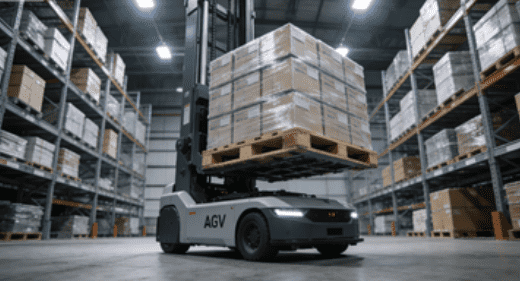
Why Load Instability Happens
Instability arises when pallet sizes vary, when forks are misaligned, or when the load center exceeds recommended design specifications.
Solutions You Can Apply Immediately
- Adjust fork width to match pallet type (Euro, GMA, ISO)
- Add load sensors to detect overweight pallets
- Update lift-speed limits to reduce wobble on taller stacks
Concept: Load Center
The load center is the horizontal distance from the fork face to the load’s center of gravity.
Keeping this within design limits prevents tipping and excessive motor strain.
AGV Pallet Stacker Communication and Signal Loss Problems Solved Fast
Why Communication Drops Occur
Wi-Fi dead zones, metal racks, and electromagnetic interference disrupt real-time communication between AGVs and fleet software.
Stability Improvements
- Install high-gain antennas in signal weak zones
- Switch from 2.4 GHz to 5 GHz if available
- Use mesh Wi-Fi nodes for manufacturing environments
Concept: AGV Fleet Coordination
Fleet coordination ensures multiple AGVs avoid collisions and optimize routing.
Stable Wi-Fi is essential to keep fleet priority logic functioning correctly.
AGV Pallet Stacker Safety System Problems Solved Fast
Why Safety Sensors Trigger Unexpected Stops
Dust buildup on LIDAR windows, uneven reflectivity, or incorrect safety margins may cause sudden emergency braking.
Reliable Fixes
- Clean sensors every shift
- Check safety field configuration (short, mid, long detection zones)
- Fine-tune minimum braking distance based on average load weight
Concept: Redundant Safety Layers
Modern AGVs use dual-layer safety monitoring:
Primary LIDAR detection + secondary bumper sensors.
This prevents false triggering while maintaining full compliance with ISO 3691-4 safety standards.
AGV Pallet Stacker Traffic Congestion Problems Solved Fast
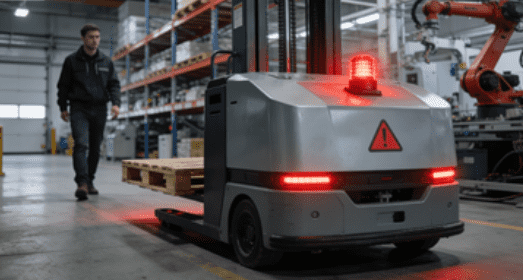
Why Congestion Occurs
It usually happens when too many AGVs share narrow aisles, when routing maps aren’t optimized, or when manual forklifts interfere with AGV lanes.
Quick Optimization Techniques
- Create one-way routes for high-traffic zones
- Add parking buffers near picking stations
- Use dynamic rerouting algorithms
Concept: Priority Logic
Priority logic determines which AGV proceeds first in a conflict area.
Proper logic eliminates deadlocks and improves warehouse traffic flow.
AGV Pallet Stacker Software and Update Problems Solved Fast
Why Software Errors Occur
Outdated firmware, incomplete updates, or incorrect parameter settings can lead to glitches.
How to Fix Them
- Run a full diagnostic scan before installation
- Keep backups of all AGV configuration files
- Update system logs weekly for error analysis
Concept: Digital Twin Simulation
A digital twin simulates the AGV’s behavior virtually before applying real-world updates.
This reduces downtime and prevents unexpected failures.
Comparison Table: AGV Pallet Stacker Problems vs. Fast Solutions
| Common Problem | Root Cause | Fastest Solution | Time Required |
|---|---|---|---|
| Navigation drifting | Sensor misalignment | Recalibrate sensors | 10–15 min |
| Battery drain | Heavy load cycles | Use opportunity charging | 5 min setup |
| Load instability | Incorrect fork width | Fork alignment adjustment | 2–3 min |
| Communication loss | Wi-Fi interference | Install mesh router nodes | 20 min |
| Safety false stops | Dust on LIDAR | Clean sensor windows | 1 min |
| Congestion | Poor routing | Optimize directional lanes | 30 min |
| Software errors | Outdated firmware | Digital twin simulation | 15 min |
Additional Concepts to Help You Choose an AGV Pallet Stacker
Concept: Path Accuracy
Path accuracy refers to how closely an AGV follows its planned route.
Higher accuracy means fewer collisions and smoother traffic flow.
Concept: Lift Stability Index
This measures the AGV’s ability to maintain balance during lifting.
A higher index means the machine can handle taller stacks more safely.
Concept: Cycle Time Efficiency
Cycle time is the total time needed to complete one pick-and-drop task.
Lower cycle time directly increases warehouse throughput.
Concept: Human–AGV Collaboration
This concept focuses on ergonomic interaction between workers and AGVs.
Clear traffic zones and visual cues reduce accidents dramatically.
FAQ
How does an agv pallet stacker avoid humans in shared workspaces?
It uses LIDAR scanners, 3D cameras, and safety zones to detect motion within milliseconds. The system automatically slows or stops based on proximity.
Why does my AGV stop randomly even when there’s no obstacle?
Dust on sensors, reflective floor glare, or over-sensitive safety fields often cause unnecessary stops. Cleaning and reconfiguring the detection zones usually solves it.
Can an agv pallet stacker handle heavy pallets like manual forklifts?
Yes, but only within its specified load capacity. Many industrial AGVs support 800–1500 kg loads, matching common forklift standards.
How often should AGV software be updated?
Most manufacturers recommend monthly updates. High-volume operations may update every two weeks for optimal performance.
Do I need a technician onsite for every issue?
No. Around 70% of common agv pallet stacker problems can be fixed through remote diagnostics or basic operator-level adjustments.
Conclusion
An agv pallet stacker dramatically improves warehouse automation efficiency, but only when maintained correctly and supported with smart troubleshooting. By understanding the real causes behind navigation issues, load instability, battery problems, and software errors, you can achieve faster resolutions and maximize uptime.
The best-performing facilities are those that integrate AGVs with strong Wi-Fi, optimized routing maps, and regular sensor maintenance. Apply these solutions and your automated pallet stacking system will run smoother, longer, and more reliably than ever.
TUSKROBOTS: Leading Intelligent Automation Solutions
Thank you for reading! We hope this blog offered valuable insights into Intelligent Warehousing & Logistics Automation Solutions. We are committed to empowering smart factories and intelligent logistics, making industrial handling simpler and more efficient.
Join our community to stay updated on our advanced automated pallet handling and picking robots.
📘 Follow us onFacebook, Instagram, and TikTok.
Let’s keep the conversation going—see you there!
Latest post

Contact Info
2nd Floor, Xingzhongchuang Xiabei High-tech Industry Center A1, Nanhai District, Foshan, China
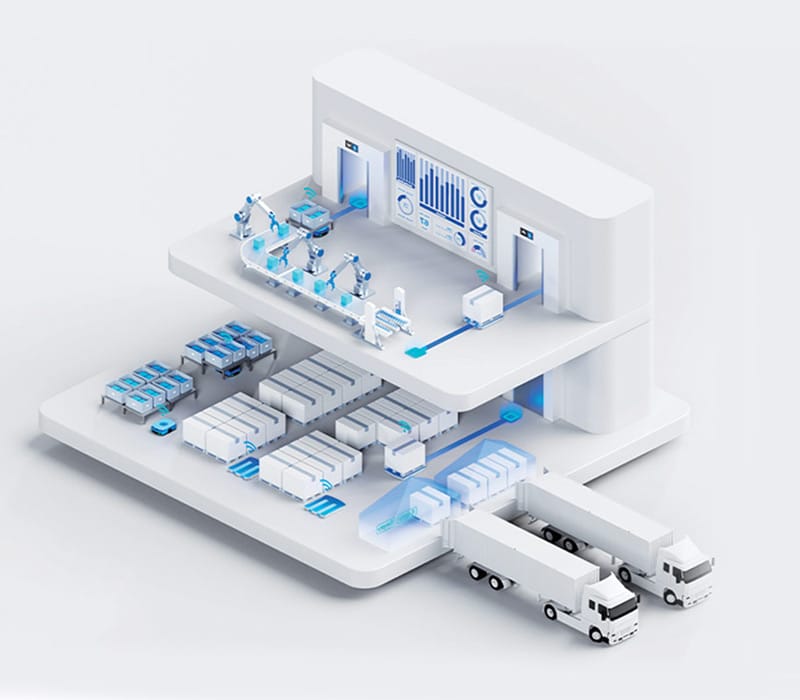
Full-stack intelligent logistics management and control system
It connects the entire "system - platform - hardware" chain, is compatible with mainstream industrial systems, and links intelligent hardware to achieve intelligent management and efficiency upgrades for the entire logistics process.
WHAT FITS:
Building core competitiveness in mobile management
01.
Custom Data Dashboard
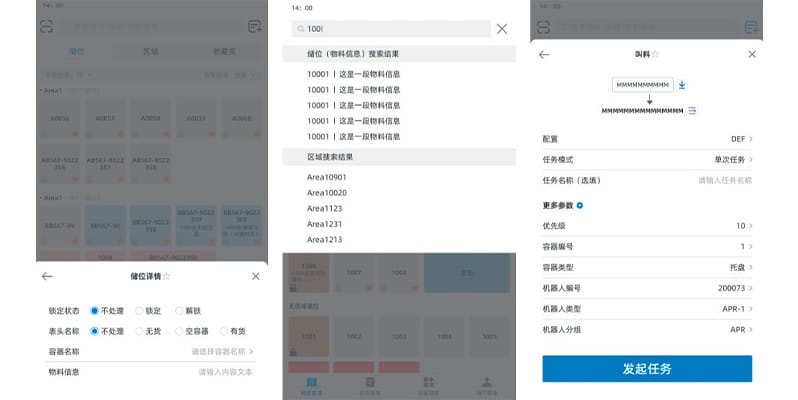
Building core competitiveness in mobile management
02.
Personalized User Management
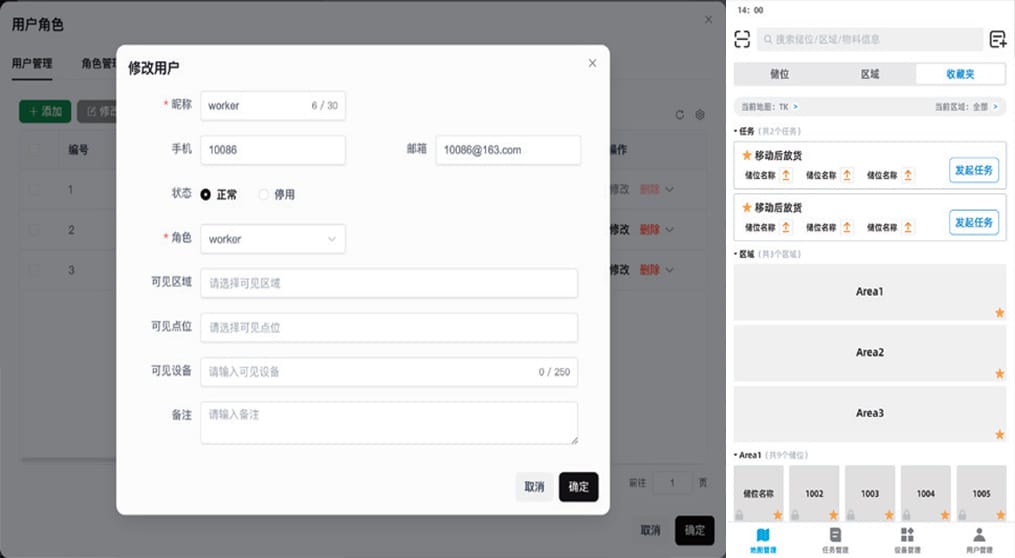
Building core competitiveness in mobile management
03.
Personalized Alarm Push

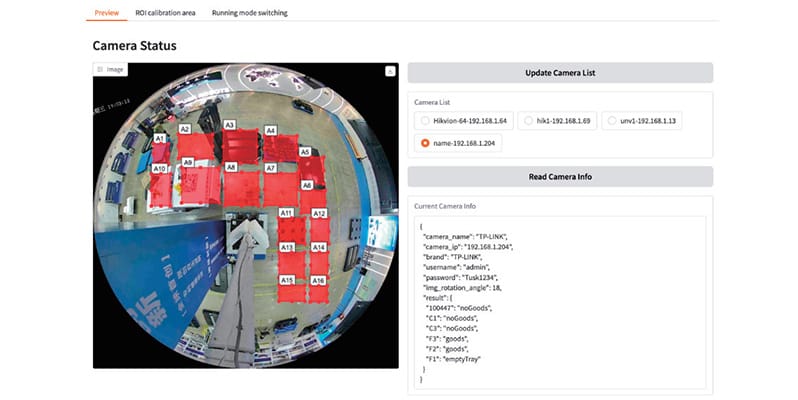
Leading the revolution in intelligent
warehouse location management
01.
Real-time storage location automatic trigger task

Leading the revolution in intelligent
warehouse location management
02.
Visual configuration interface
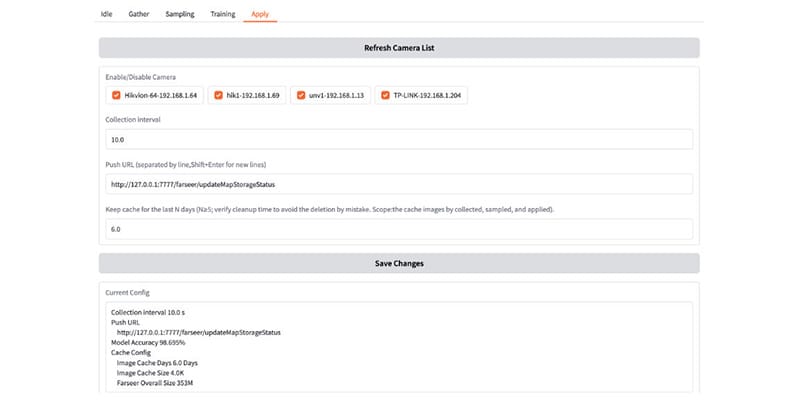
Leading the revolution in intelligent warehouse location management
03.
Custom Configuration
Lothar Intelligent Management Platform Building a Central System for Smart Factories
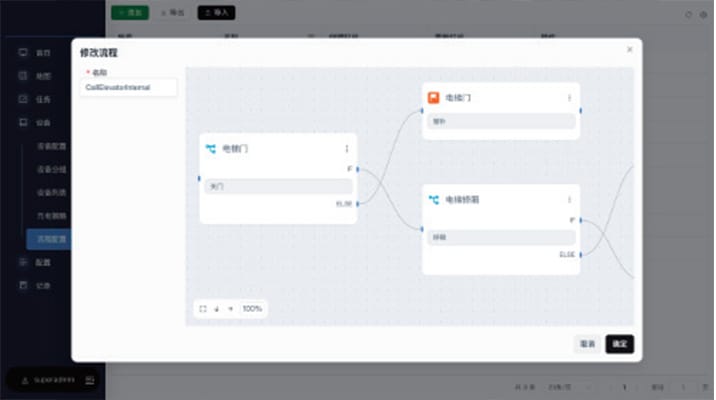
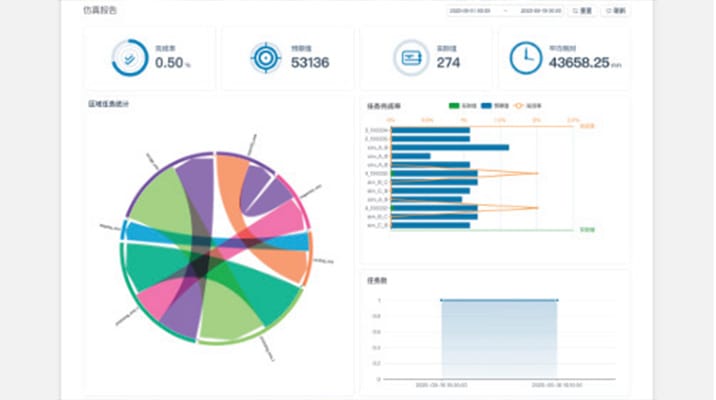
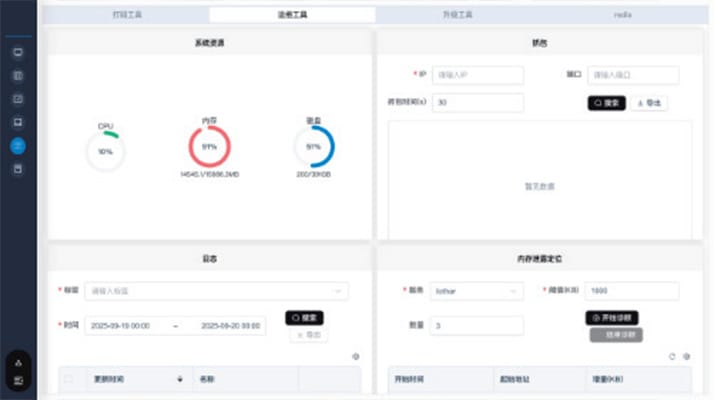
Lothar, the intelligent management platform from Taskar, serves as the digital hub for smart factories. It features customizable data dashboards, full-dimensional map visualization, graphical task and equipment workflows, simulation capabilities, AI-powered operation and maintenance, open multi-protocol interfaces, and OTA upgrade support, empowering digital management of factories throughout their entire lifecycle.
Map Management
Configuration Management
Access Management
Task Management
Historical records
Equipment Management
Simulation
Data dashboard
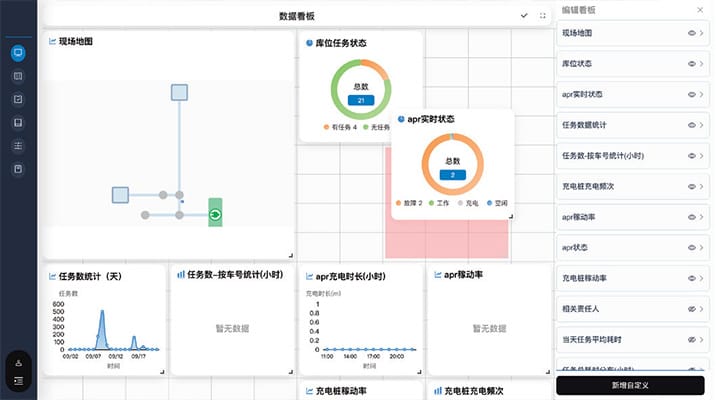
01.
Custom Data Dashboard
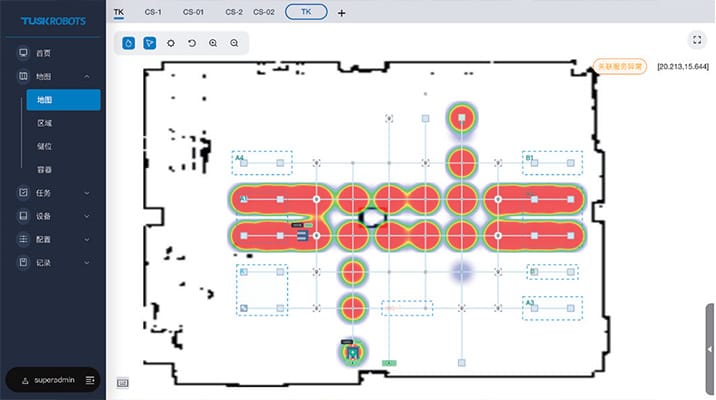
02.
Map visualization
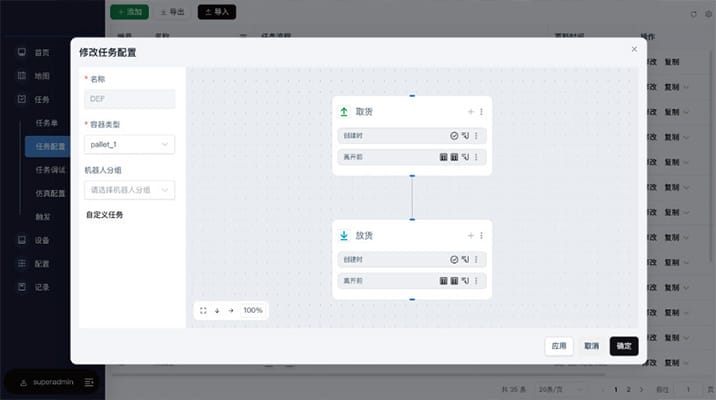
03.
Graphical construction task
04.
Graphical device configuration process
05.
Simulation visualization
06.
O&M Visualization
Trust Witnessing in Smart Factory Automation
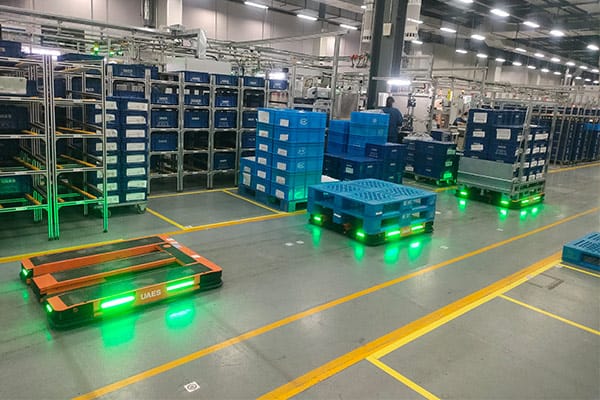
Electronics Industry
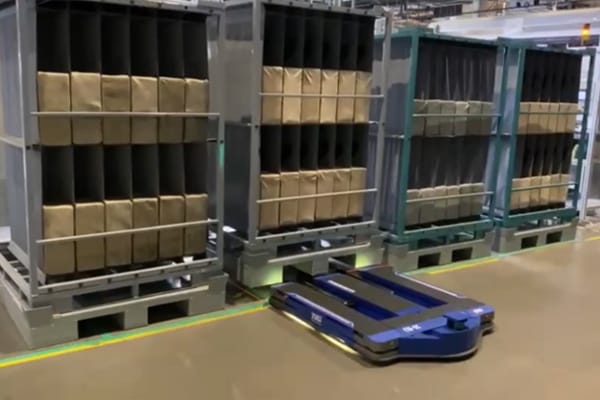
The automotive electronics trend makes digital pallet robots the preferred choice for in-plant logistics.
Solution
Auto Parts Industry
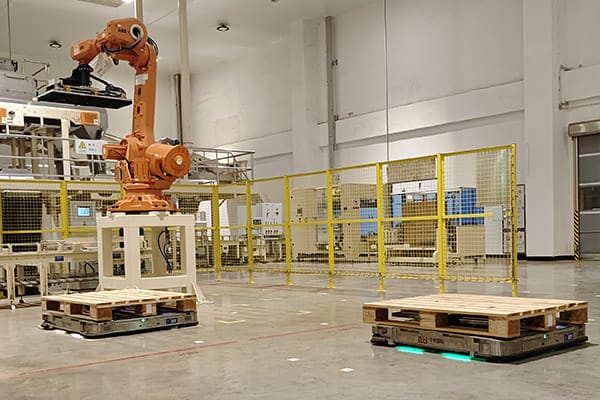
Rising demand for automotive interiors propels suppliers to new heights of development.
Solution
Tobacco Industry
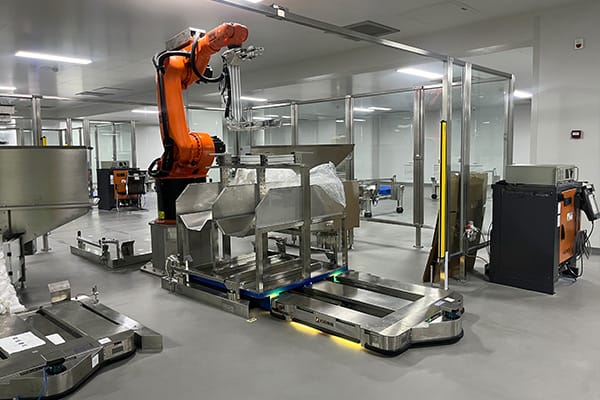
A backbone of China's tobacco industry, with over forty years of history.
Solution
Pharmaceutical Industry
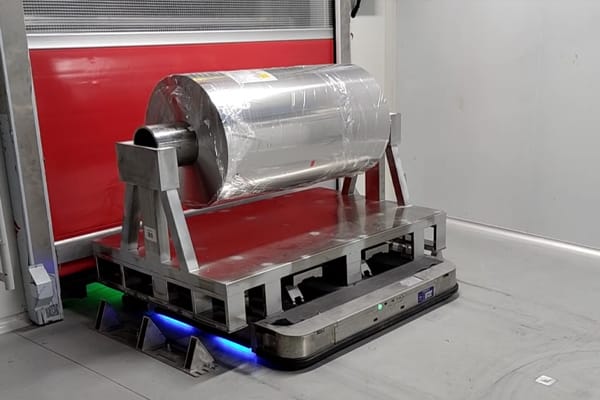
The pharmaceutical industry needs automation due to GMP requirements.
Solution
New Energy Industry
New energy lithium battery production capacity increases, automation is key.
Solution
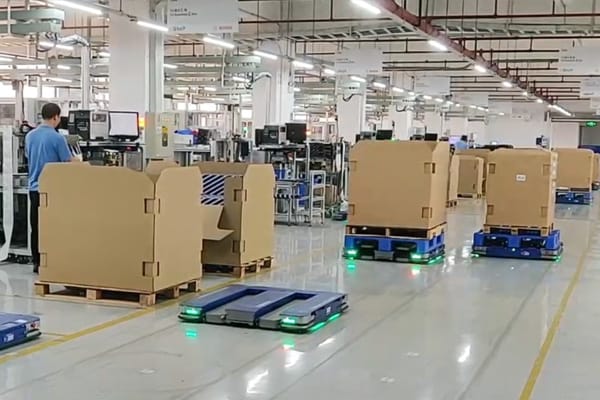
Manufacturing Industry
A globally renowned manufacturer of wiper parts, with a factory of 30,000 square meters.
Solution
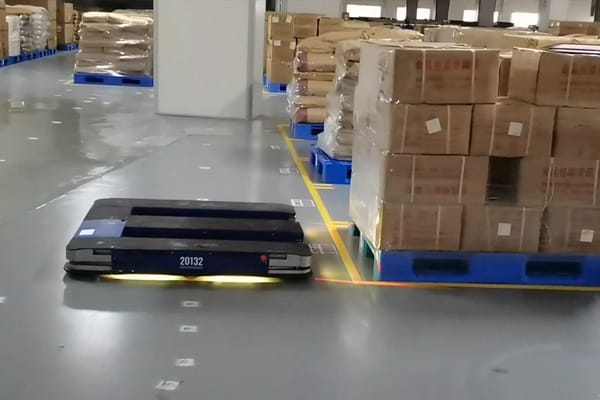
Food Industry
Positioned as a high-quality chain bakery brand, with a modern industrial park of over 60,000 square meters.
Solution
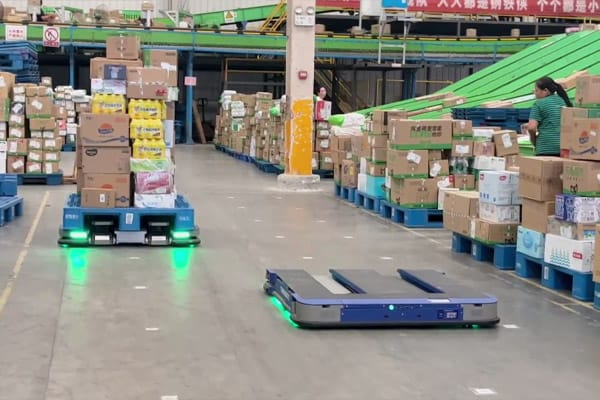
Logistics Industry
South China Logistics and Distribution Center of a Major Domestic E-commerce Company
Solution
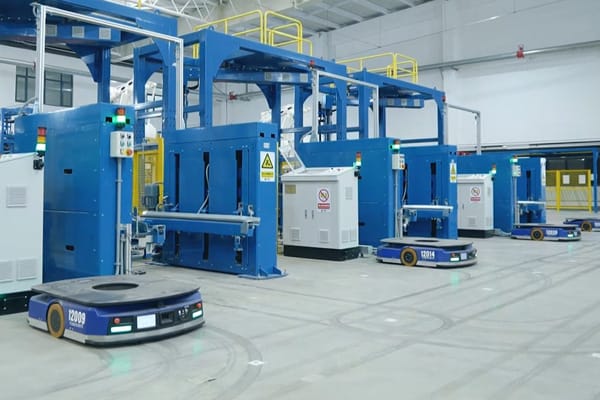
Paper Industry
The group is a leading enterprise in the domestic household paper and maternal and child hygiene products industry.
Solution
Smart Factory Automation Trust
Explore more industry automation transformation paths; click to unlock customized solutions.
Smart Device Project Implementation
Implementation Preparation
Robot/charging station parts inventory: on-site inspection of wiring, access control, network, and power supply.
Project on-site implementation
Line marking and coding, map creation and permission setting, software and hardware debugging / robot test run
Launch and Support
User training / Deployment and trial run, manual / maintenance training, acceptance signing, after-sales support