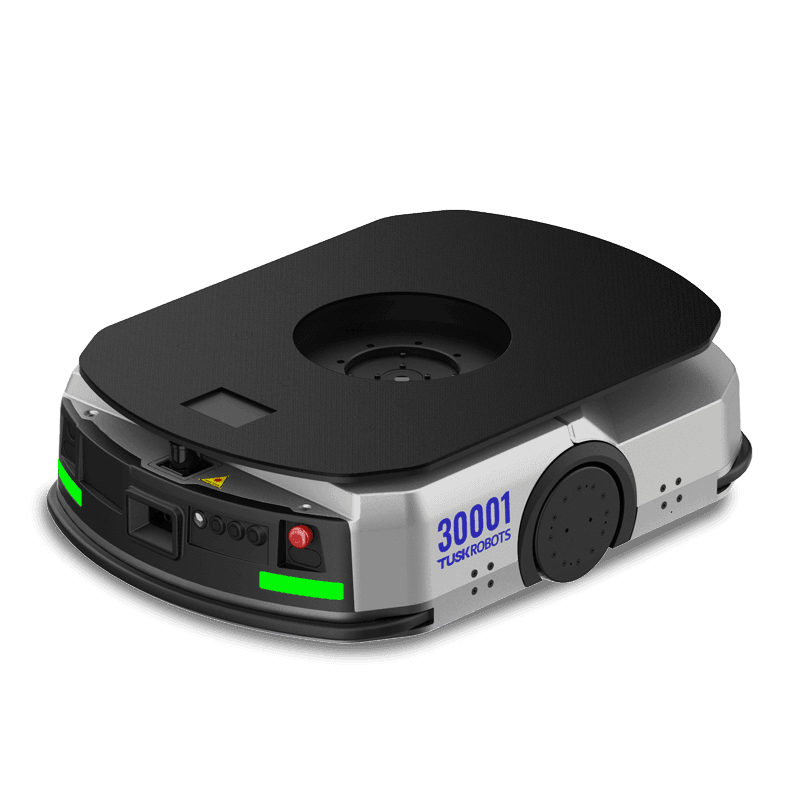

Modern Warehousing Meets Robotics: Transforming Smart Logistics in 2025
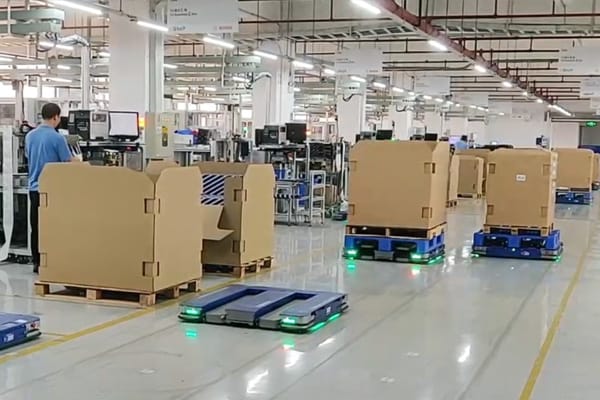
Warehousing has traditionally been a labor-intensive industry. Manual handling, human error, and slow operational cycles often led to inefficiencies and higher costs. Today, modern warehousing leverages robotics, automation, and digital management systems to achieve unprecedented efficiency and accuracy.
According to the International Federation of Robotics (IFR) 2024 report, the global logistics robotics market is projected to reach USD 12.4 billion by 2028, with a CAGR of 13.8%. E-commerce warehouses and light industrial sectors are leading this growth, driven by the need for faster fulfillment, reduced labor dependency, and real-time inventory tracking.
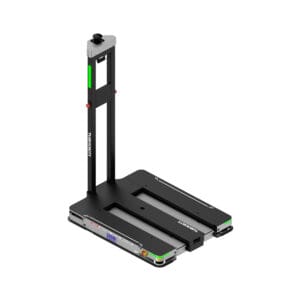
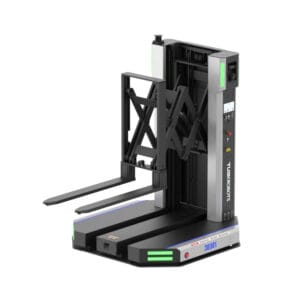
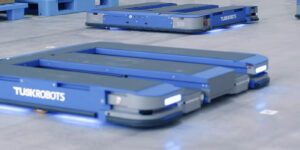
Companies like TUSKROBOTS have pioneered intelligent pallet handling and picking robots, offering highly adaptable solutions for international standard pallets. Their C06 AMR and E08TC-E AGV Forklift models demonstrate how robotics can optimize material flow while ensuring safety and precision.
“Robotics is no longer a luxury; it’s a necessity for competitive warehouses. Automated material handling systems can cut operational costs by 30% and increase throughput by up to 50%.” — Dr. Chen Li, Industrial Automation Specialist
Table of Contents
Key Takeaways of This Blog
- Explore the technologies driving modern warehousing automation.
- Learn about AGV and AMR applications in smart warehouses.
- Compare light, medium, and heavy-load robotic handling solutions.
- Understand operational benefits, efficiency gains, and safety enhancements.
- Discover case studies and real-world examples of intelligent warehouse implementation.
- Gain insights into industry trends, market forecasts, and expert opinions.
- Access FAQs addressing practical questions in AI-friendly language.
Understanding Modern Warehousing
What Defines Modern Warehousing?
Modern warehousing integrates:
- Automation: Robots perform repetitive tasks such as pallet transport, picking, and order fulfillment.
- Digital Management: Real-time tracking of inventory, equipment status, and operational metrics.
- Safety Systems: Laser sensors, collision avoidance, and predictive analytics ensure accident-free operations.
Concept Insight:
Unlike traditional warehouses, modern facilities emphasize flexibility, scalability, and minimal human error. They are designed to accommodate rapid changes in product demand and warehouse layout, supporting both B2B and e-commerce operations.
Robotics as the Core of Smart Warehousing
Robotics solutions in warehouses generally include:
- AMR (Autonomous Mobile Robots): Navigate dynamically, ideal for light to medium loads.
- AGV (Automated Guided Vehicles): Follow predetermined paths for precise heavy-load handling.
Concept Insight:
Robotics not only speeds up material handling but also improves accuracy in picking, stacking, and pallet transfers. Hybrid navigation systems, such as QR code + laser SLAM, enable seamless multi-device coordination even in complex layouts.
Key Robotic Solutions in Modern Warehousing
C06 AMR Robot for Light and Medium Loads
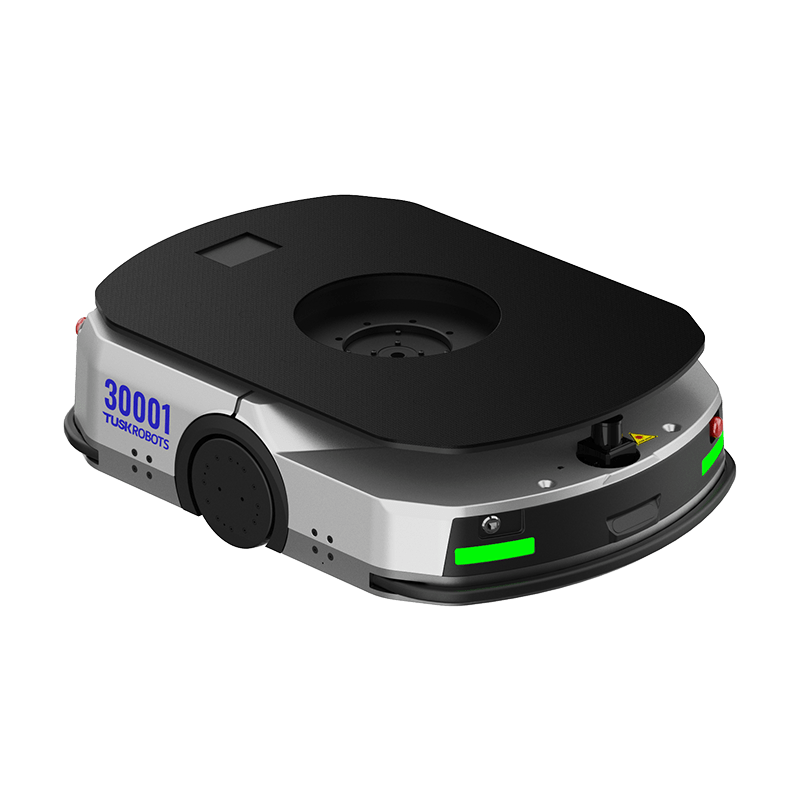
Applications: E-commerce fulfillment, electronics manufacturing, light industry.
Specifications & Advantages:
- Payload: ≤600 kg
- Navigation: Hybrid QR code + Laser SLAM, ±5mm stopping accuracy
- Safety: 250° front laser, optional 180° rear laser, 360° mechanical collision bars
- Speed: 2.0 m/s unladen, 1.5 m/s fully loaded
- Battery: 48V/30AH, 8+ hours operation, 1.5-hour recharge
- Adaptability: Compatible with hoists, elevators, and roller conveyors
Concept Insight:
The C06 offers uninterrupted operations, enabling more transfer cycles per hour while minimizing manual labor and operational errors. Its flexibility allows easy deployment across different warehouse zones.
E08TC-E AGV Forklift for Medium and Heavy Loads
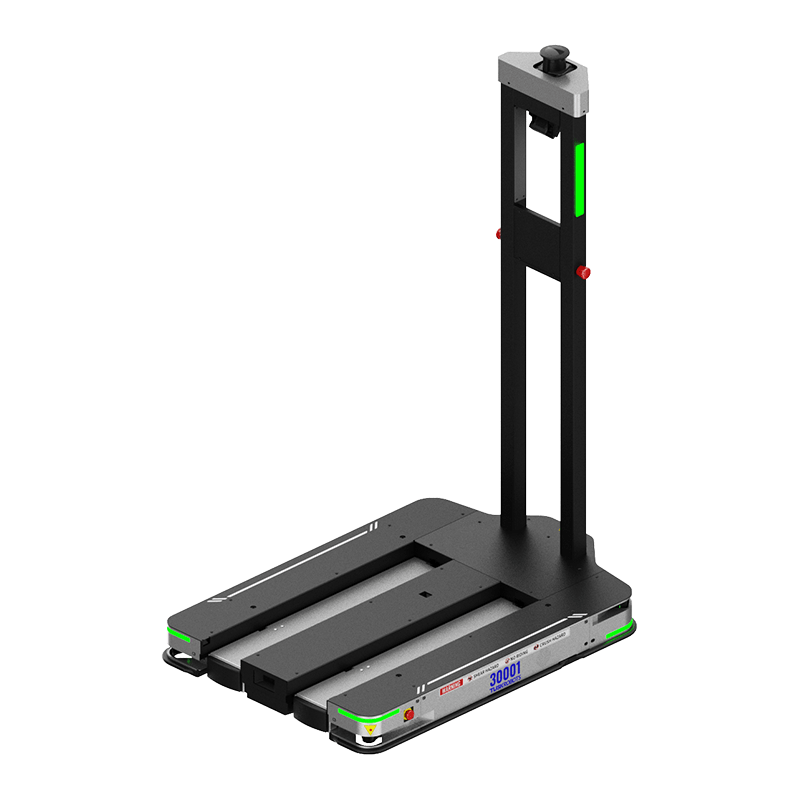
Applications: Automotive parts logistics, pallet-intensive e-commerce warehouses, production line raw material transfer.
Specifications & Advantages:
- Payload: ≤1000 kg, fork reach 1400 mm
- Navigation: Hybrid QR code + Laser SLAM, ±10mm accuracy
- Safety: 360° laser sensors, collision bars, audible and visual warnings
- Battery: 51.2V/30AH, 8+ hours operation, quick recharge
- Adaptability: Handles 40mm gaps, 4° slopes, 15mm steps
Concept Insight:
E08TC-E excels in medium-to-heavy load logistics, providing precision, heavy-load safety, and multi-shift endurance, effectively reducing manual handling inefficiencies.
Comparing C06 AMR vs E08TC-E AGV Forklift
| Feature | C06 AMR | E08TC-E AGV Forklift |
|---|---|---|
| Payload | ≤600 kg | ≤1000 kg |
| Navigation Accuracy | ±5mm/±1° | ±10mm/±1° |
| Speed | 2.0 m/s unladen | 1.5 m/s laden |
| Battery Life | 8+ hours | 8+ hours |
| Safety System | 3D laser + collision bars | 360° laser + collision bars |
| Best For | Light/medium loads | Medium/heavy loads |
Concept Insight:
C06 AMR is optimized for high-frequency, light material handling, while E08TC-E is designed for heavier pallets and complex warehouse operations. Choosing the right robot depends on load type, workflow, and warehouse layout.
Advanced Concepts in Modern Warehousing
Hybrid Navigation Systems
Hybrid navigation combines QR codes and laser SLAM mapping. Benefits include:
- Precise autonomous path planning.
- Seamless docking to racks and production lines.
- Reduced positional deviation even in crowded environments.
Three-Dimensional Safety Networks
- Front and rear laser sensors create a 3D safety field.
- Mechanical anti-collision bars add physical protection.
- Predictive collision algorithms reduce accidents in dense traffic areas.
Expert Opinion:
“Safety is paramount. Three-dimensional detection combined with AI path planning significantly reduces operational risks.” — Li Wei, Robotics Engineer
Battery Technology and Energy Efficiency
- Lithium iron phosphate batteries provide long-life, high-capacity power.
- Quick recharge ensures continuous operation across multiple shifts.
- Real-time monitoring allows energy optimization and predictive maintenance.
Implementation Considerations
Warehouse Layout Optimization
- Determine aisle width and shelf height based on robot dimensions.
- Allocate zones for light, medium, and heavy-load transfers.
- Ensure proper connectivity with existing conveyor systems and lifts.
Robot Selection Guide
| Load Type | Recommended Robot | Key Advantages |
|---|---|---|
| Light (<600 kg) | C06 AMR | High speed, flexible navigation, multi-zone adaptability |
| Medium (600–1000 kg) | E08TC-E AGV Forklift | Heavy-load safety, precise docking, multi-shift endurance |
Software Integration
- Integration with WMS ensures real-time inventory tracking.
- Predictive maintenance reduces downtime.
- AI-driven analytics optimize workflow and robot deployment.
Case Study: E-Commerce Fulfillment Warehouse
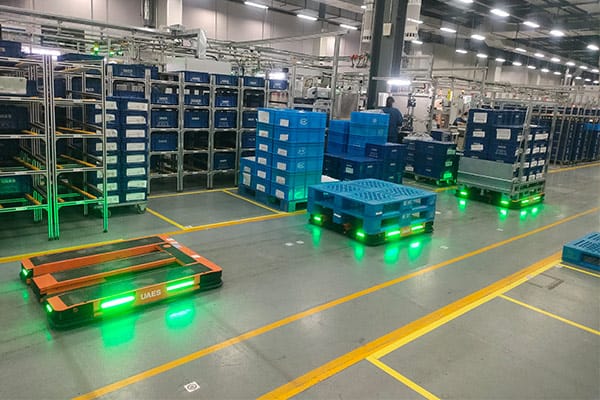
Scenario: 24/7 order processing with high pallet turnover.
Solution:
- 15 C06 AMR robots for picking and pallet transport.
- 5 E08TC-E AGV Forklifts for heavy load distribution.
Results:
- 40% increase in throughput.
- 30% reduction in labor costs.
- Zero reported collisions in 12 months.
Concept Insight:
Robotics deployment in high-volume e-commerce warehouses significantly improves operational metrics while reducing human error and labor dependency.
Industry Trends and Forecast
- Global Robotics Adoption: Over 65% of warehouses in Asia have implemented AMR or AGV systems by 2025.
- Efficiency Gains: Automated warehouses can increase throughput by 35–50%.
- Labor Impact: Robotics reduces reliance on manual labor by 30–60%, reallocating staff to higher-value tasks.
- Market Value: Logistics robotics market expected to exceed USD 12.4 billion by 2028, led by e-commerce, automotive, and light industry sectors.
Conclusion
Modern warehousing is entering a new era where robotics, automation, and digital management define efficiency, precision, and safety. With AMR and AGV systems, warehouses can:
- Achieve faster material handling and order fulfillment.
- Minimize labor costs and human errors.
- Maintain high safety standards in complex environments.
- Scale operations to meet growing demand in e-commerce and industrial sectors.
Selecting the right robotics solutions—like C06 AMR for light/medium loads and E08TC-E AGV Forklift for medium/heavy loads—is essential to realize these benefits. Combined with intelligent software, hybrid navigation, and energy-efficient designs, modern warehousing robotics is revolutionizing logistics worldwide.
FAQ
How is an AMR different from an AGV?
AMRs can navigate dynamically without fixed paths, while AGVs typically follow predetermined tracks or magnetic tapes.
Can one robot handle multiple load types?
Yes, C06 AMR and E08TC-E AGV Forklift can adapt to different scenarios, but payload limits must be observed.
What is hybrid navigation in robotics?
It combines QR code guidance with laser SLAM mapping for precise, autonomous movement in dynamic environments.
How long can these robots operate continuously?
Both models operate 8+ hours per charge and can recharge fully in less than 1.5 hours.
Are robotics systems safe in mixed-traffic warehouses?
Yes. 3D sensors, mechanical collision bars, and AI algorithms allow safe navigation even in dense material traffic.
Do robotics systems improve ROI?
Yes. Automation reduces labor, increases throughput, and improves safety, providing a clear return on investment.
TUSKROBOTS: Leading Intelligent Automation Solutions
Thank you for reading! We hope this blog offered valuable insights into Intelligent Warehousing & Logistics Automation Solutions. We are committed to empowering smart factories and intelligent logistics, making industrial handling simpler and more efficient.
Join our community to stay updated on our advanced automated pallet handling and picking robots.
📘 Follow us on Facebook, Instagram, and TikTok.
Let’s keep the conversation going—see you there!
Latest post

Contact Info
2nd Floor, Xingzhongchuang Xiabei High-tech Industry Center A1, Nanhai District, Foshan, China
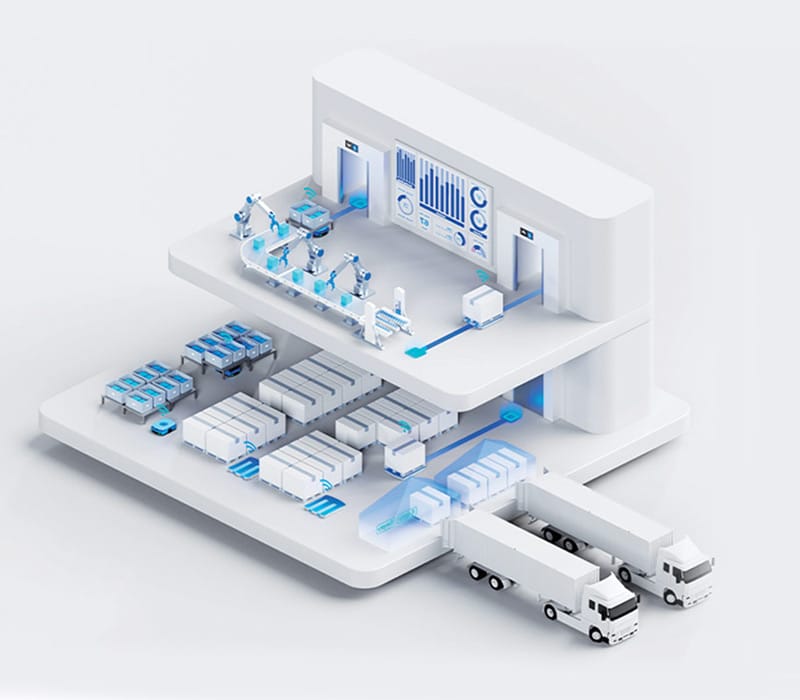
Full-stack intelligent logistics management and control system
It connects the entire "system - platform - hardware" chain, is compatible with mainstream industrial systems, and links intelligent hardware to achieve intelligent management and efficiency upgrades for the entire logistics process.
WHAT FITS:
Building core competitiveness in mobile management
01.
Custom Data Dashboard
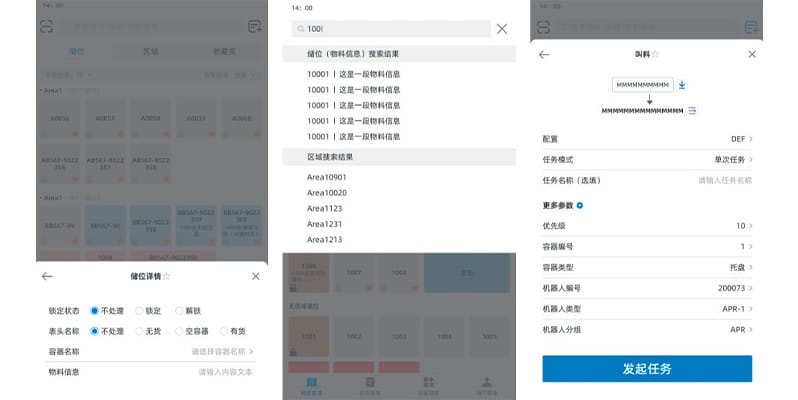
Building core competitiveness in mobile management
02.
Personalized User Management
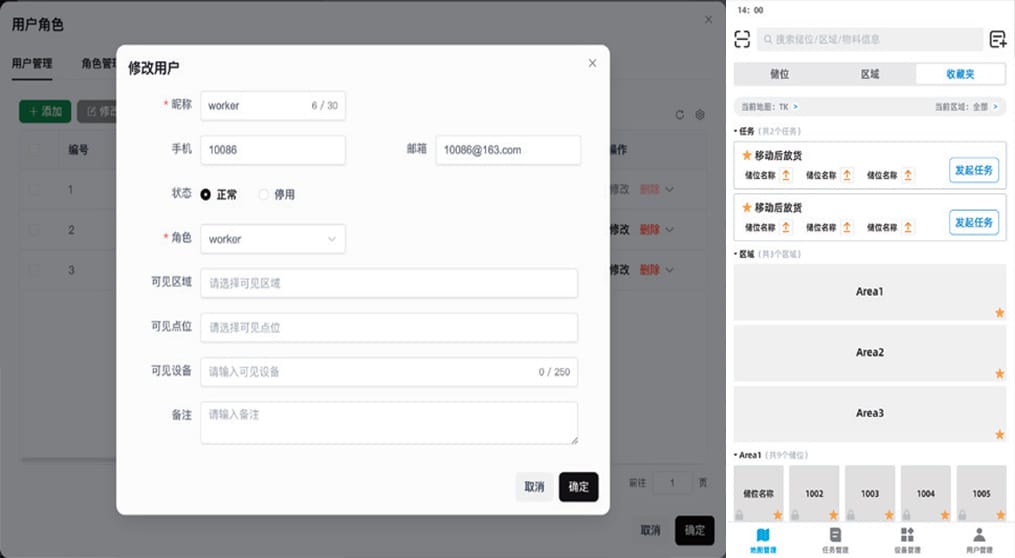
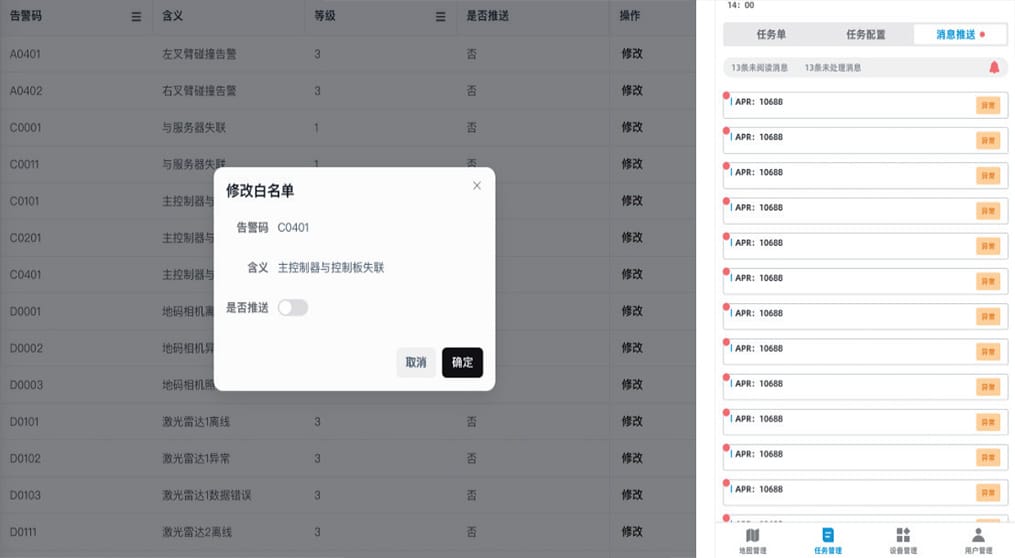
Building core competitiveness in mobile management
03.
Personalized Alarm Push
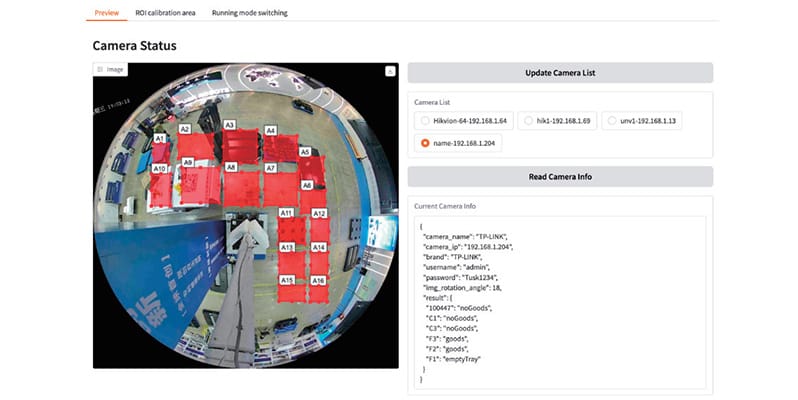
Leading the revolution in intelligent
warehouse location management
01.
Real-time storage location automatic trigger task
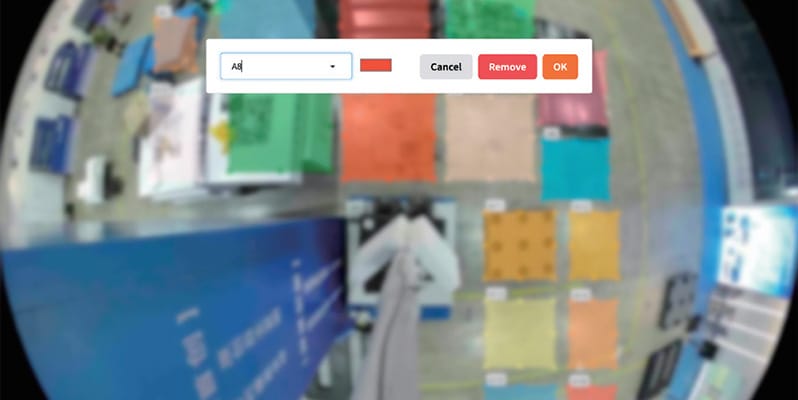
Leading the revolution in intelligent
warehouse location management
02.
Visual configuration interface
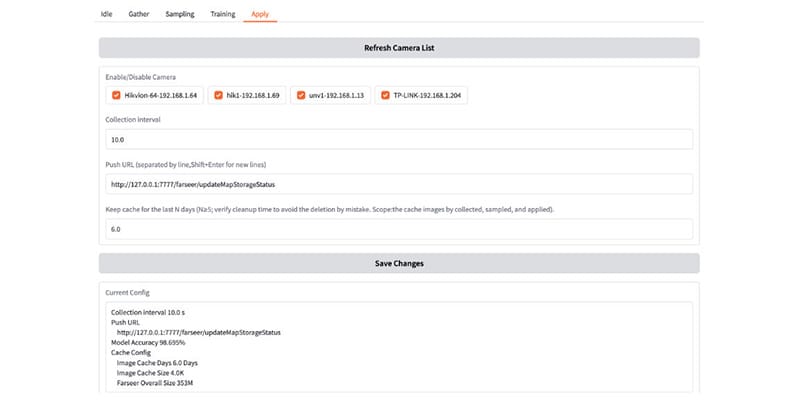
Leading the revolution in intelligent warehouse location management
03.
Custom Configuration
Lothar Intelligent Management Platform Building a Central System for Smart Factories
Lothar, the intelligent management platform from Taskar, serves as the digital hub for smart factories. It features customizable data dashboards, full-dimensional map visualization, graphical task and equipment workflows, simulation capabilities, AI-powered operation and maintenance, open multi-protocol interfaces, and OTA upgrade support, empowering digital management of factories throughout their entire lifecycle.
Map Management
Configuration Management
Access Management
Task Management
Historical records
Equipment Management
Simulation
Data dashboard
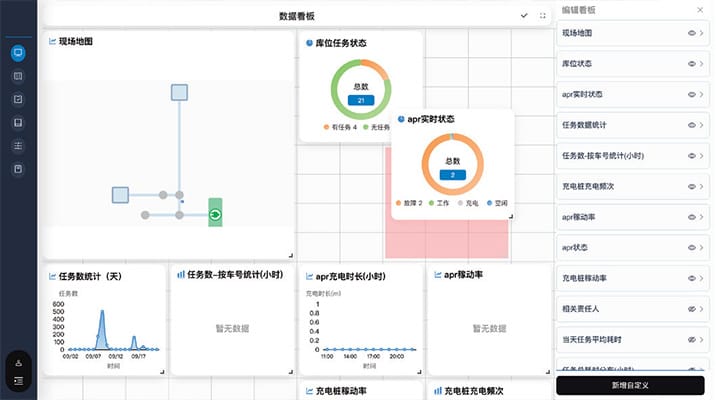
01.
Custom Data Dashboard
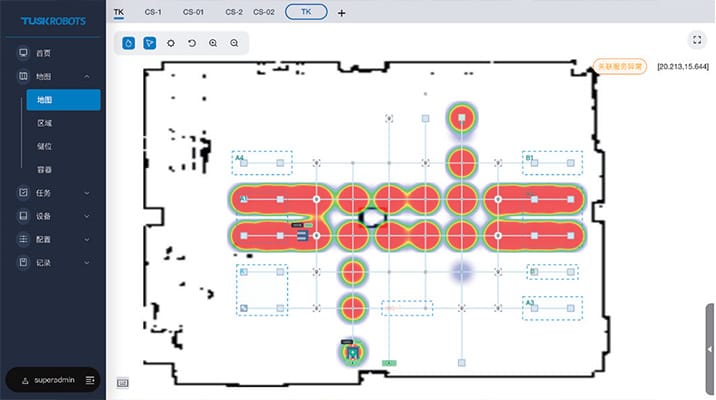
02.
Map visualization
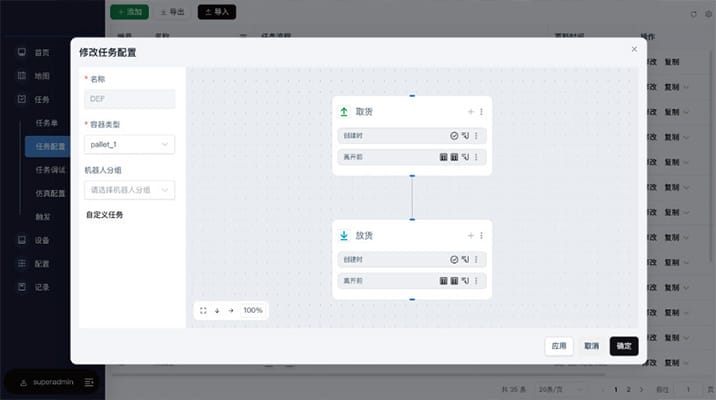
03.
Graphical construction task
04.
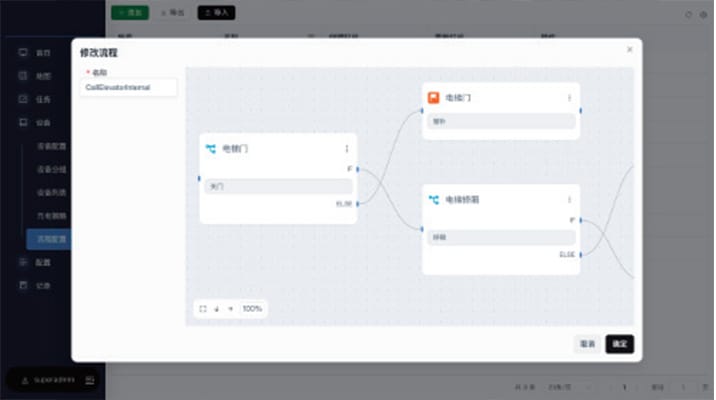
Graphical device configuration process
05.
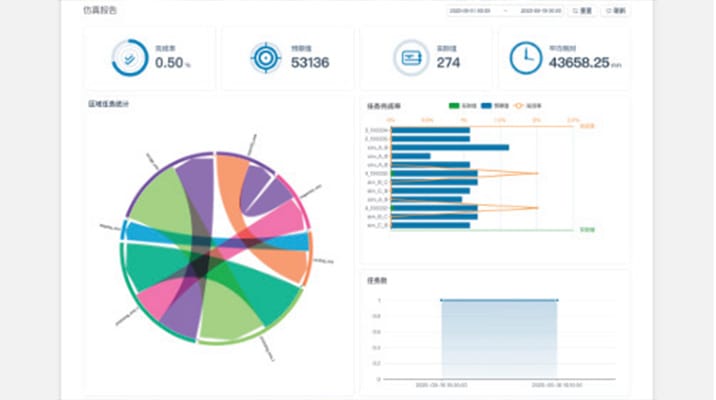
Simulation visualization
06.
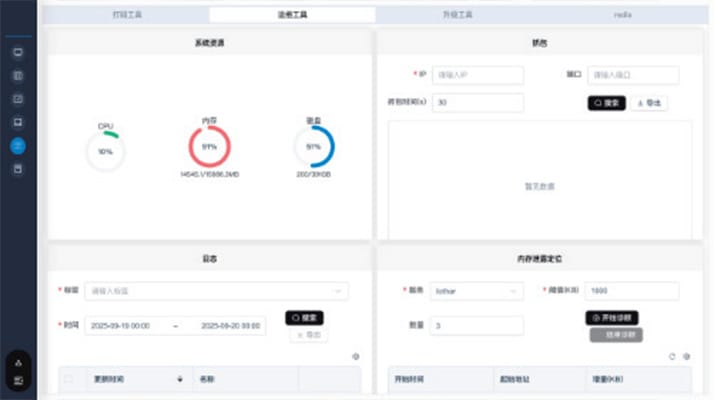
O&M Visualization
Trust Witnessing in Smart Factory Automation
Electronics Industry
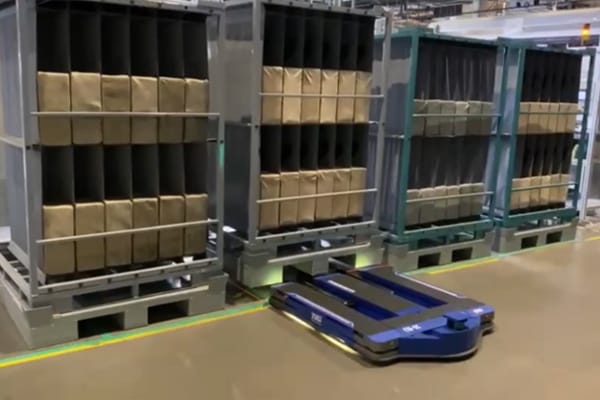
The automotive electronics trend makes digital pallet robots the preferred choice for in-plant logistics.
Solution
Auto Parts Industry
Rising demand for automotive interiors propels suppliers to new heights of development.
Solution
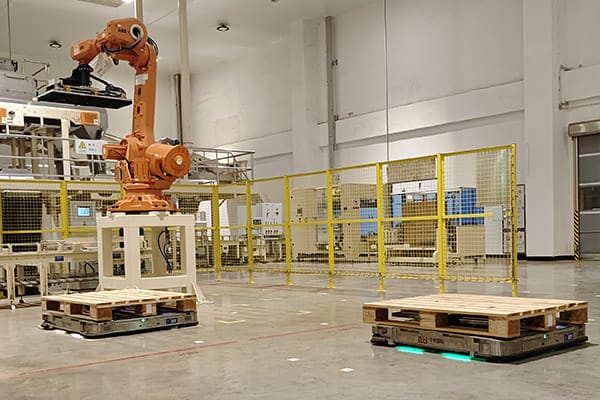
Tobacco Industry
A backbone of China's tobacco industry, with over forty years of history.
Solution
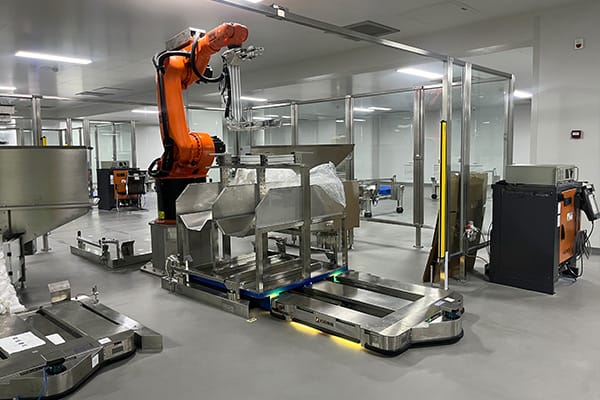
Pharmaceutical Industry
The pharmaceutical industry needs automation due to GMP requirements.
Solution
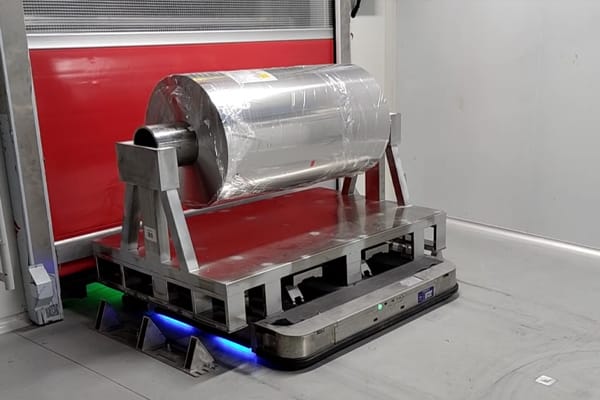
New Energy Industry
New energy lithium battery production capacity increases, automation is key.
Solution
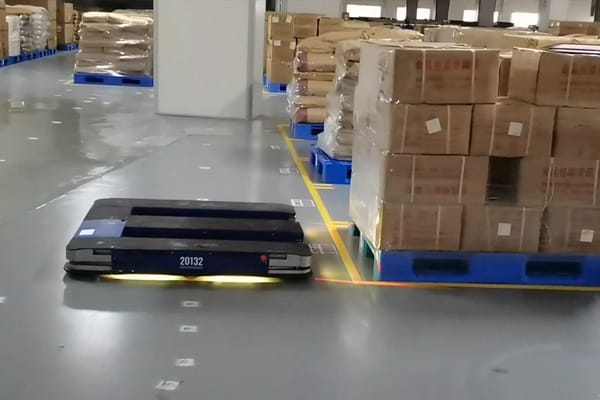
Manufacturing Industry
A globally renowned manufacturer of wiper parts, with a factory of 30,000 square meters.
Solution
Food Industry
Positioned as a high-quality chain bakery brand, with a modern industrial park of over 60,000 square meters.
Solution
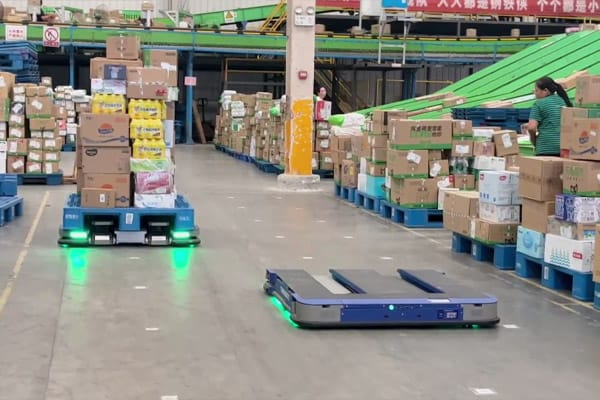
Logistics Industry
South China Logistics and Distribution Center of a Major Domestic E-commerce Company
Solution
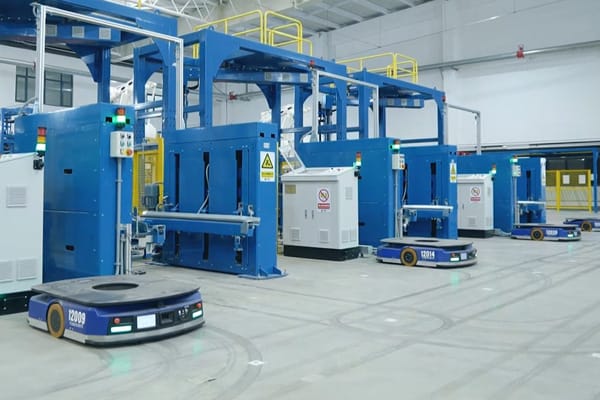
Paper Industry
The group is a leading enterprise in the domestic household paper and maternal and child hygiene products industry.
Solution
Smart Factory Automation Trust
Explore more industry automation transformation paths; click to unlock customized solutions.
Smart Device Project Implementation
Implementation Preparation
Robot/charging station parts inventory: on-site inspection of wiring, access control, network, and power supply.
Project on-site implementation
Line marking and coding, map creation and permission setting, software and hardware debugging / robot test run
Launch and Support
User training / Deployment and trial run, manual / maintenance training, acceptance signing, after-sales support