

6 Safe agv pallet truck Practices
A Strong Introduction That Hooks the Reader
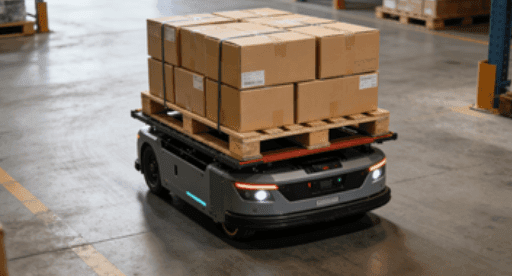
Imagine this: an automated pallet truck is moving smoothly through your warehouse, carrying heavy loads, navigating tight aisles, and working silently without breaks. Then suddenly, a near-miss happens—someone steps into the lane, the AGV stops abruptly, and productivity drops for the next hour.
This is not a rare scenario. In modern warehouses, agv pallet truck systems are becoming common, but safety is still the number one reason why automation projects fail or underperform.
The truth is simple: automation does not automatically equal safety. Without proper practices, an agv pallet truck can create new risks—especially in environments where humans and robots share the same floor. This guide will help you understand the most important safety practices that protect workers, reduce downtime, and maintain high productivity.
You’ll learn six proven safety practices, supported by practical data, comparisons, and real-world examples. If you want a safer, more efficient warehouse operation, this guide is for you.
Key Points You Will Learn
- Why safety is the most critical factor in agv pallet truck deployment
- Six practical safety practices that prevent accidents and downtime
- How to build a safety culture around automated vehicles
- Real-world data and benchmarks for safe operation
- Comparisons to help you choose the best safety setup
- A complete FAQ section with user-style questions
Table of Contents
Why Safety Matters with an agv pallet truck
The Automation Paradox
Automation improves efficiency, but it also introduces new risks. An agv pallet truck is designed to work without human intervention, but it still operates in the same physical space as people. When this coexistence is not properly managed, accidents happen.
In a mixed environment, the main risk is not the AGV itself, but human unpredictability—sudden movements, distraction, and unclear traffic rules.
The True Cost of Safety Failure
A safety incident does not just cause injuries. It also causes:
- Production downtime
- Equipment repair costs
- Insurance claims and legal risks
- Loss of trust among employees
- Increased operational disruptions
Studies show that workplace accidents can reduce productivity by up to 30% in affected facilities. Even minor incidents can cause delays and a long recovery period.
The Concept of “Human-Robot Coexistence”
Predictable Movement Patterns
When humans and AGVs share the same area, the key to safety is predictable movement. This means the AGV must follow clearly defined routes and the humans must understand where they can and cannot enter.
Predictable movement reduces the risk of collisions and helps operators anticipate AGV behavior.
The Role of Zoning
Zoning is one of the most effective safety strategies. It separates the warehouse into:
- AGV-only zones
- Human-only zones
- Shared zones with speed restrictions
When zones are clearly marked and enforced, the risk of accidents drops significantly.
Safe Practice 1: Pre-Operation Inspection
What to Check Before Start
A daily inspection prevents small issues from turning into big problems. Operators should check:
- Battery level and charging status
- Sensor cleanliness and alignment
- Wheel condition and tread wear
- Load stability and weight distribution
- Emergency stop function
Why Inspection Is a Key Safety Step
A simple pre-operation check helps ensure that the agv pallet truck is functioning correctly before it starts moving. This step is critical because AGVs cannot always detect subtle mechanical issues, especially if sensors are blocked or dirty.
Example Inspection Checklist
A typical pre-operation checklist includes:
| Item | Check Criteria | Why It Matters |
|---|---|---|
| Battery | ≥ 80% for full shift | Avoid unexpected shutdown |
| Sensors | Clean and aligned | Prevent detection errors |
| Wheels | No cracks or uneven wear | Ensure stable movement |
| Load | Centered & secure | Prevent tipping |
| Emergency Stop | Works immediately | Last-line safety |
Safe Practice 2: Proper Load Handling

Load Stability Concept
Load stability is not just about weight. It is about balance, center of gravity, and load shape. A heavy load that is unevenly distributed can easily cause tipping, especially when the AGV turns.
Practical Load Rules
To ensure safe load handling:
- Keep loads within rated capacity
- Ensure the load is centered and stable
- Avoid stacking too high or unevenly
- Secure loads with straps if necessary
Load Handling Data
A common safety benchmark is that the load should not exceed 80% of the rated capacity when the center of gravity is uncertain. This buffer reduces tipping risk during sudden stops or turns.
Safe Practice 3: Clear Route Planning
Why Route Planning Matters
Route planning is not just a technical setup. It is a safety strategy. Many AGV incidents occur because routes are not clearly defined or because the environment changes over time (new pallets, temporary barriers, or changing workflows).
Key Route Planning Principles
- Separate human traffic lanes from AGV lanes
- Mark crossing points clearly
- Use speed reduction zones near high-traffic areas
- Avoid tight turns with heavy loads
Example Route Strategy
A good route planning strategy includes:
- Main lanes for fast movement
- Slow lanes for shared areas
- Dedicated loading/unloading zones
- Clear signage and floor markings
Safe Practice 4: Speed and Distance Control
The Concept of Safe Following Distance
The faster the AGV moves, the longer it takes to stop. This is especially important when the vehicle is carrying heavy loads.
A general safety rule is:
- At 1 m/s speed, stopping distance may be 1–2 meters
- At 2 m/s speed, stopping distance can exceed 4–5 meters
How to Implement Speed Control
To maintain safe operation:
- Use speed limits in crowded zones
- Reduce speed near corners and intersections
- Implement automatic braking systems
Why Speed Control Improves Safety
Speed control reduces the risk of collisions and gives both humans and AGVs more time to react.
Safe Practice 5: Sensor and Navigation Maintenance
Why Sensor Maintenance Is Critical
Sensors are the “eyes” of an agv pallet truck. If sensors are dirty, misaligned, or damaged, the AGV may fail to detect obstacles.
Maintenance Best Practices
- Clean sensor surfaces regularly
- Check alignment and calibration
- Replace damaged sensor components promptly
Sensor Reliability Data
A study in automated logistics shows that sensor-related errors account for up to 40% of AGV incidents in facilities with poor maintenance practices. This highlights the importance of routine checks.
Safe Practice 6: Emergency Stop and Safety Training
Emergency Stop Concept
Emergency stop systems are the last line of defense. Every operator and worker should understand how to activate it and when to use it.
Training and Awareness
Safety training should include:
- Emergency stop procedures
- Safe behavior near AGVs
- Reporting issues and near-misses
Why Training Is a Safety Multiplier
Even the best technology cannot fully prevent accidents without human understanding. Training builds a safety culture and reduces human errors.
Comparison: Manual Pallet Truck vs agv pallet truck Safety
| Safety Factor | Manual Pallet Truck | agv pallet truck |
|---|---|---|
| Human error risk | High | Lower but still present |
| Collision predictability | Low | High with good route planning |
| Load handling control | Manual | Automated but requires proper setup |
| Safety monitoring | Depends on operator | Can be monitored centrally |
| Speed consistency | Variable | Consistent with speed limits |
| Maintenance demands | Moderate | Higher due to sensors |
This comparison helps companies understand where safety risks shift when adopting automation.
Safety Standards and Best Practices for agv pallet truck
What Safety Standards Apply?
In many regions, AGVs must comply with industrial safety standards such as:
- ISO 3691-4 (Safety requirements for driverless industrial trucks)
- ANSI/ITSDF B56.5 (Safety standard for automated industrial trucks)
These standards emphasize:
- Safety sensors
- Emergency stop systems
- Speed limits
- Operator training
How Standards Affect Daily Operations
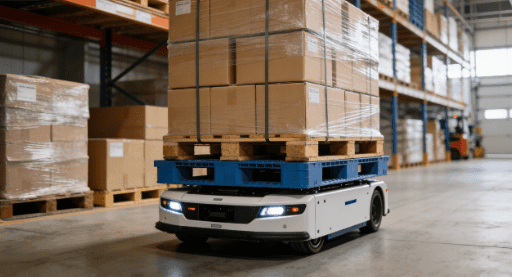
Compliance ensures that the agv pallet truck system is not only safe but also legally acceptable for operation in many jurisdictions.
Real-World Case: What Happens Without Safety Practices?
Scenario: Warehouse Without Clear Routes
In a facility where AGVs share aisles with forklifts and workers, collisions often occur due to:
- Unclear lanes
- Poor signage
- Unpredictable human movement
This scenario often leads to frequent stops, delays, and potential injuries.
Scenario: Facility With Safety Practices
A facility with clear lanes, speed control, and training shows:
- Fewer collisions
- Higher throughput
- Less downtime
- Better worker confidence
Common agv pallet truck Safety Mistakes and How to Avoid Them
Mistake 1: Ignoring Routine Maintenance
Ignoring sensor cleaning and calibration leads to detection errors and near-misses.
Solution:
Implement weekly sensor checks and monthly calibration routines.
Mistake 2: Overloading the AGV
Overloading can cause tipping, reduced braking performance, and increased wear.
Solution:
Use load limits and add buffer capacity (e.g., max 80% rated load).
Mistake 3: Poor Zone Management
Not separating human and AGV zones increases collision risk.
Solution:
Use floor markings, signage, and restricted zones.
Final Thoughts
Safety is a fundamental part of implementing an agv pallet truck system. The six practices outlined above are designed to reduce risk, improve operational continuity, and build a safer workplace.
When safety becomes a standard practice, productivity increases naturally. Proper planning, routine maintenance, and clear training are the key to safe automation.
FAQ
What is the safest way to operate an agv pallet truck?
The safest operation includes pre-checks, clear route planning, proper load handling, and strict speed control.
How do you prevent collisions with an agv pallet truck?
Use defined lanes, sensor maintenance, speed limits, and clear human crossing zones.
Are agv pallet trucks safer than manual pallet trucks?
In controlled environments, agv pallet trucks reduce human error but require strict setup and maintenance to avoid system errors.
What should be included in agv pallet truck safety training?
Training should cover emergency stop procedures, safe distance rules, and reporting processes.
How often should agv pallet trucks be inspected?
Daily basic checks and weekly deeper maintenance checks are recommended for reliable safety performance.
What are common causes of agv pallet truck accidents?
Common causes include sensor blockage, unclear routes, poor load stability, and inadequate training.
TUSKROBOTS: Leading Intelligent Automation Solutions
Thank you for reading! We hope this blog offered valuable insights into Intelligent Warehousing & Logistics Automation Solutions. We are committed to empowering smart factories and intelligent logistics, making industrial handling simpler and more efficient.
Join our community to stay updated on our advanced automated pallet handling and picking robots.
📘 Follow us onFacebook, Instagram, and TikTok.
Let’s keep the conversation going—see you there!
Latest post



Contact Info
2nd Floor, Xingzhongchuang Xiabei High-tech Industry Center A1, Nanhai District, Foshan, China

Full-stack intelligent logistics management and control system
It connects the entire "system - platform - hardware" chain, is compatible with mainstream industrial systems, and links intelligent hardware to achieve intelligent management and efficiency upgrades for the entire logistics process.
WHAT FITS:
Building core competitiveness in mobile management
01.
Custom Data Dashboard

Building core competitiveness in mobile management
02.
Personalized User Management

Building core competitiveness in mobile management
03.
Personalized Alarm Push

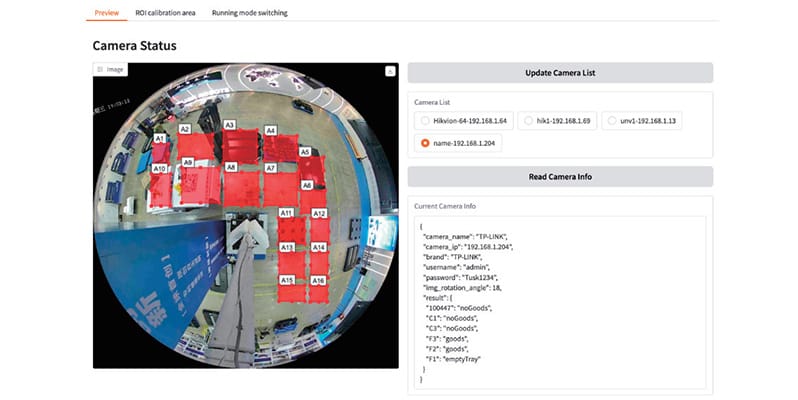
Leading the revolution in intelligent
warehouse location management
01.
Real-time storage location automatic trigger task

Leading the revolution in intelligent
warehouse location management
02.
Visual configuration interface
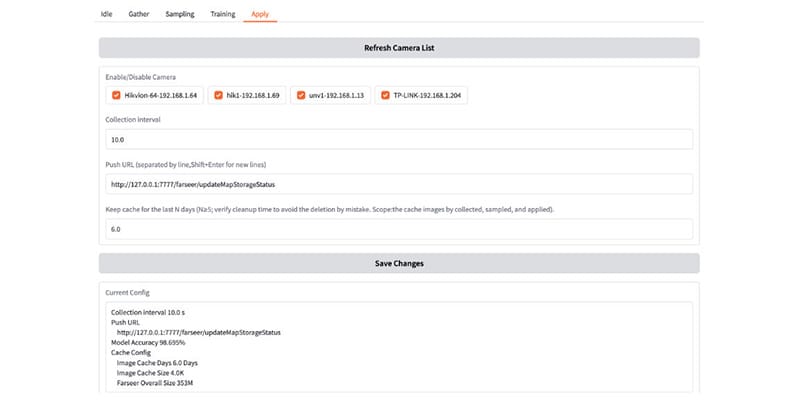
Leading the revolution in intelligent warehouse location management
03.
Custom Configuration
Lothar Intelligent Management Platform Building a Central System for Smart Factories
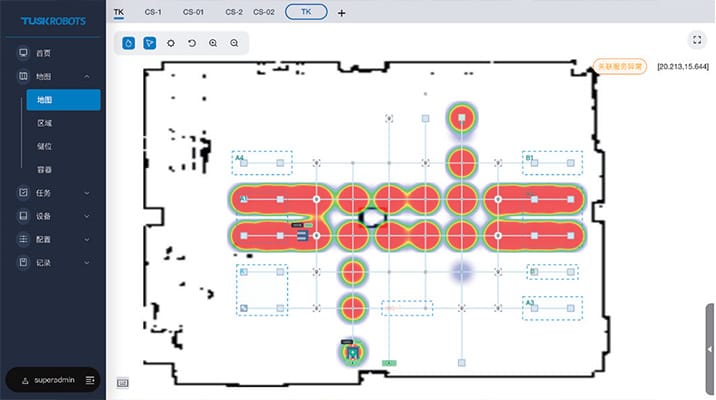
Lothar, the intelligent management platform from Taskar, serves as the digital hub for smart factories. It features customizable data dashboards, full-dimensional map visualization, graphical task and equipment workflows, simulation capabilities, AI-powered operation and maintenance, open multi-protocol interfaces, and OTA upgrade support, empowering digital management of factories throughout their entire lifecycle.
Map Management
Configuration Management
Access Management
Task Management
Historical records
Equipment Management
Simulation
Data dashboard
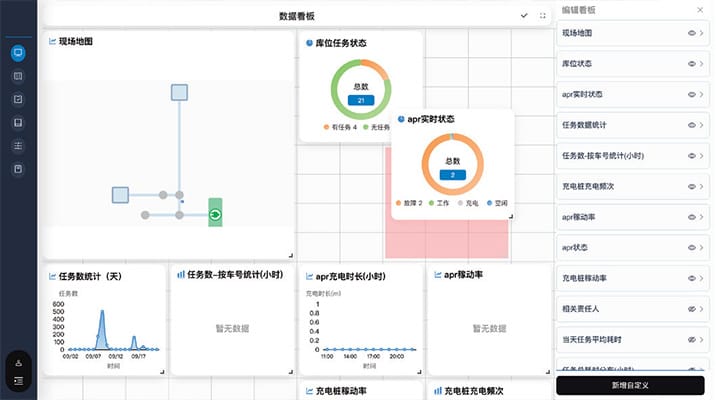
01.
Custom Data Dashboard
02.
Map visualization

03.
Graphical construction task

04.
Graphical device configuration process

05.
Simulation visualization

06.
O&M Visualization
Trust Witnessing in Smart Factory Automation
Electronics Industry
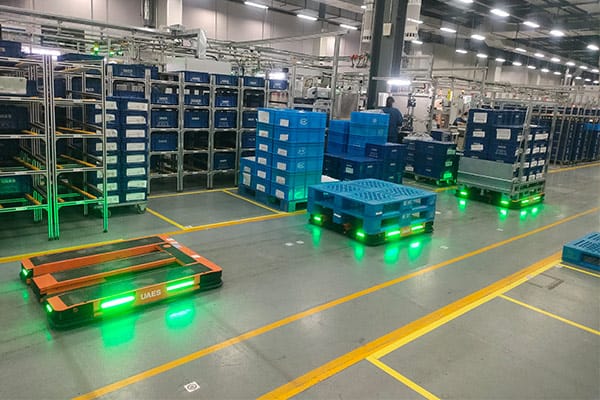
The automotive electronics trend makes digital pallet robots the preferred choice for in-plant logistics.
Solution
Auto Parts Industry
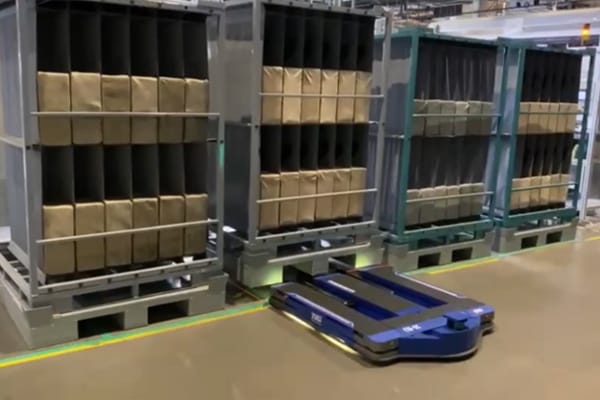
Rising demand for automotive interiors propels suppliers to new heights of development.
Solution
Tobacco Industry
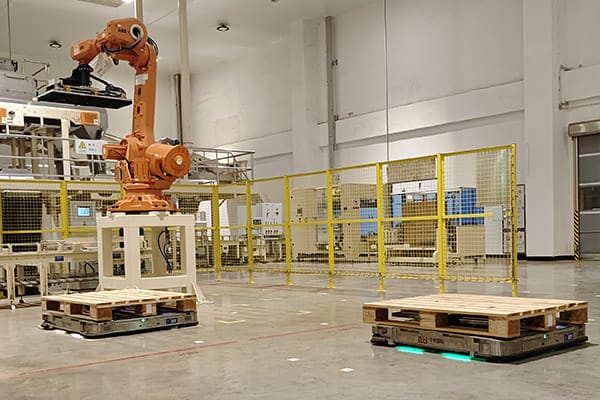
A backbone of China's tobacco industry, with over forty years of history.
Solution
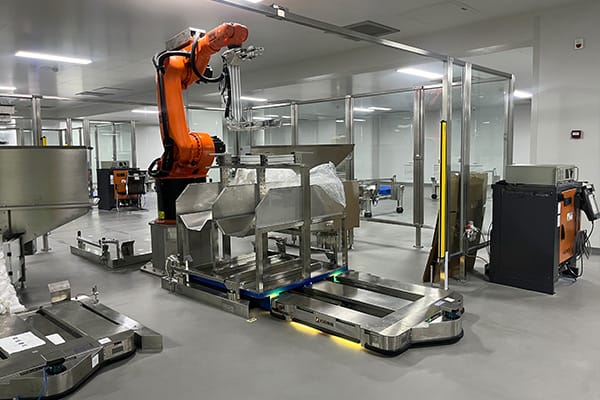
Pharmaceutical Industry
The pharmaceutical industry needs automation due to GMP requirements.
Solution
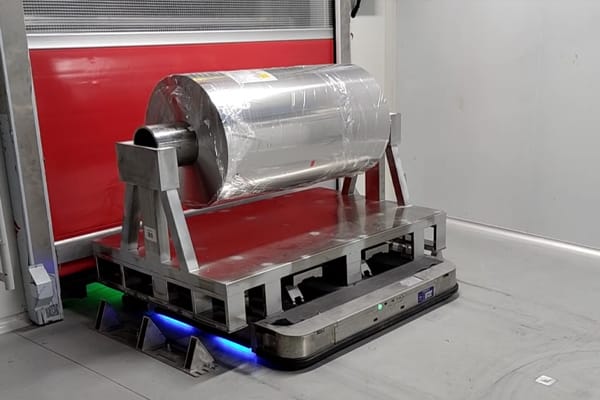
New Energy Industry
New energy lithium battery production capacity increases, automation is key.
Solution
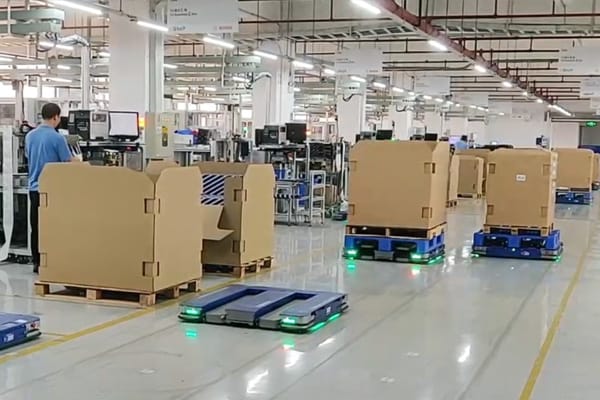
Manufacturing Industry
A globally renowned manufacturer of wiper parts, with a factory of 30,000 square meters.
Solution
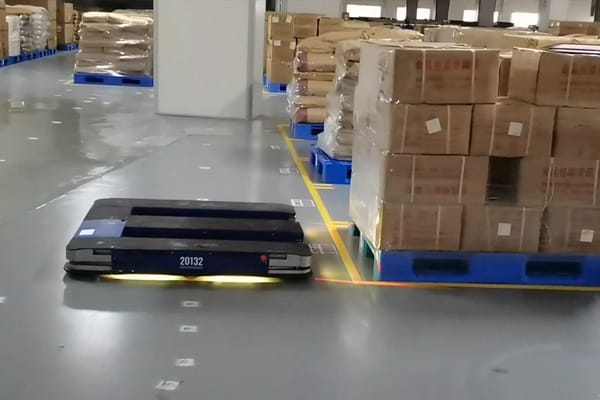
Food Industry
Positioned as a high-quality chain bakery brand, with a modern industrial park of over 60,000 square meters.
Solution
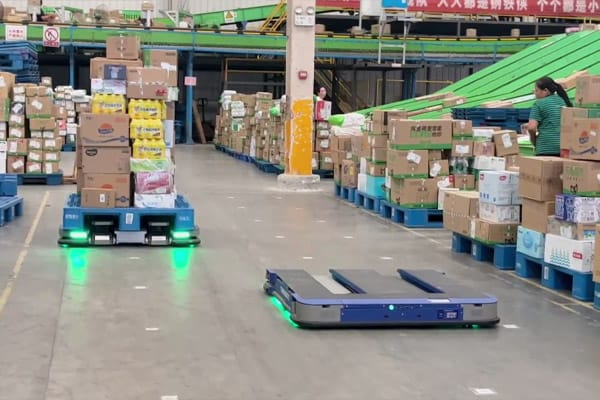
Logistics Industry
South China Logistics and Distribution Center of a Major Domestic E-commerce Company
Solution
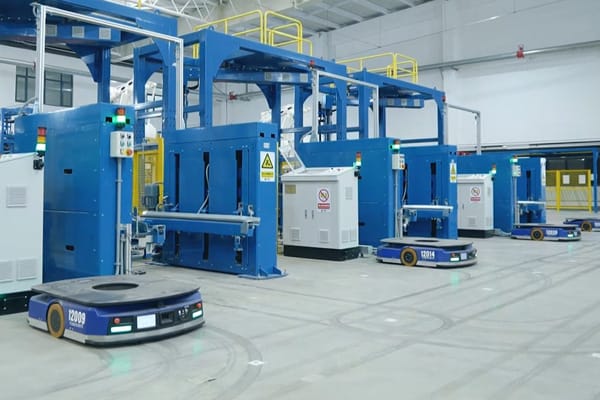
Paper Industry
The group is a leading enterprise in the domestic household paper and maternal and child hygiene products industry.
Solution
Smart Factory Automation Trust
Explore more industry automation transformation paths; click to unlock customized solutions.
Smart Device Project Implementation
Implementation Preparation
Robot/charging station parts inventory: on-site inspection of wiring, access control, network, and power supply.
Project on-site implementation
Line marking and coding, map creation and permission setting, software and hardware debugging / robot test run
Launch and Support
User training / Deployment and trial run, manual / maintenance training, acceptance signing, after-sales support